
Visiting the Pech Merle cave was one of my biggest highlights on my last trip to the Lot. Located in Cabrerets, near the Célé Valley, this decorated cave holds genuine prehistoric paintings, created tens of thousands of years ago. It was a discovery I had been looking forward to with boundless impatience, and a lovely way to begin the trip by going back to the very origins of the area’s history, long before the stone villages and local traditions I would discover later on. 🤍
I had already felt as though I were stepping across the millennia when I visited the Cougnac caves, near Gourdon, a few years earlier. Their paintings and mysterious signs had left me both fascinated and pensive, making me even keener to admire these age-old works in person .
Between the delicacy of the cave paintings, the impressive size of the galleries and our guide’s fascinating explanations, the visit to Pech Merle captivated me and left a lasting impression!
In this post, I tell you all about the visit and share my tips so you can discover this exceptional site in the Lot for yourself.
What can you see inside the Pech Merle cave? Is the visit worth it? I share my experience and practical tips to help you plan your visit.
🌿 Pech Merle cave at a glance
A journey back tens of thousands of years into the heart of prehistoric art.
📍 Where? Cabrerets, in the Lot (46), near the Célé Valley.
🏛️ What makes it special: a genuine decorated cave, with original prehistoric paintings.
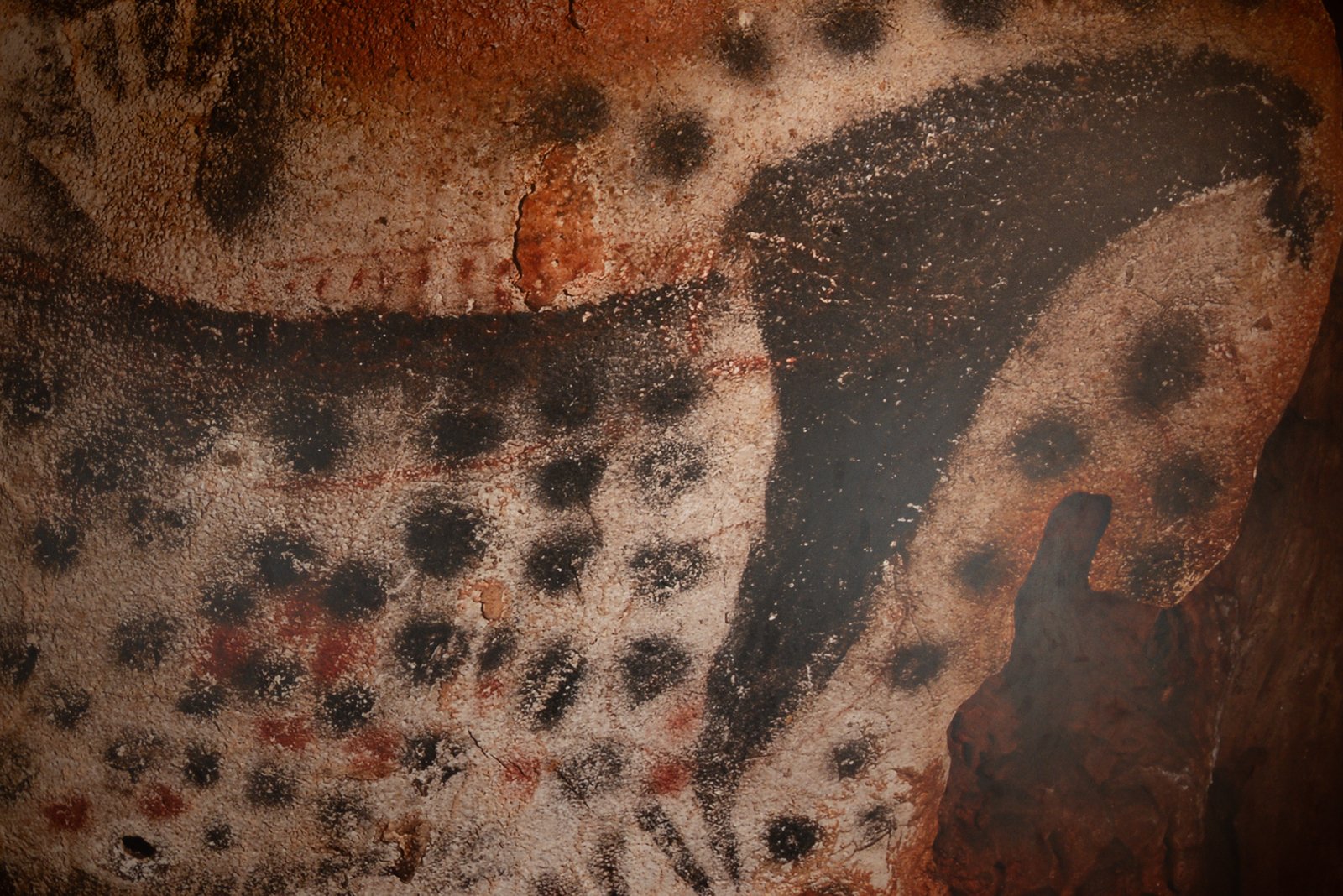
🎨 Highlights: the Black Frieze, the famous spotted horses, hand stencils and engravings.
⏱️ Duration: about an hour’s guided tour of the cave + an hour for the introduction and the museum
🤎 My verdict: one of my favourite experiences in the Lot!
Why visit the Pech Merle cave?
Located in Cabrerets, in the heart of the Causses du Quercy and not far from the Célé Valley, Pech Merle cave is one of the major prehistoric sites in the Lot.
What makes it so special? Unlike other famous decorated caves, such as Lascaux, whose original site is no longer open to the public, Pech Merle still lets you admire many authentic prehistoric paintings, in the very place where they were created…
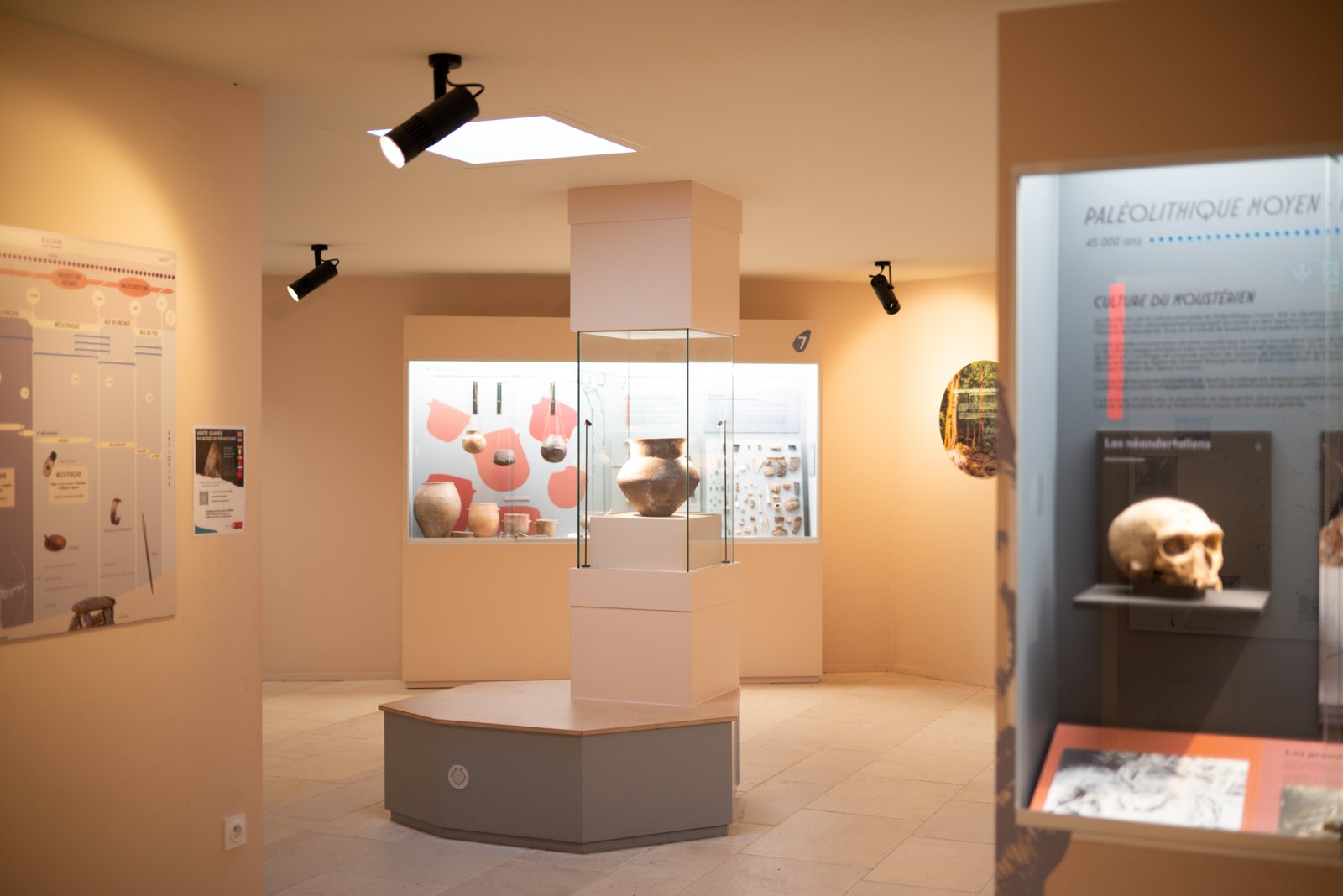
It’s a rare privilege, which naturally comes with certain precautions to protect this fragile heritage: visits are guided, lighting is kept to a minimum and photography is forbidden inside the cave. So the only photos you’ll see here are from the museum :).
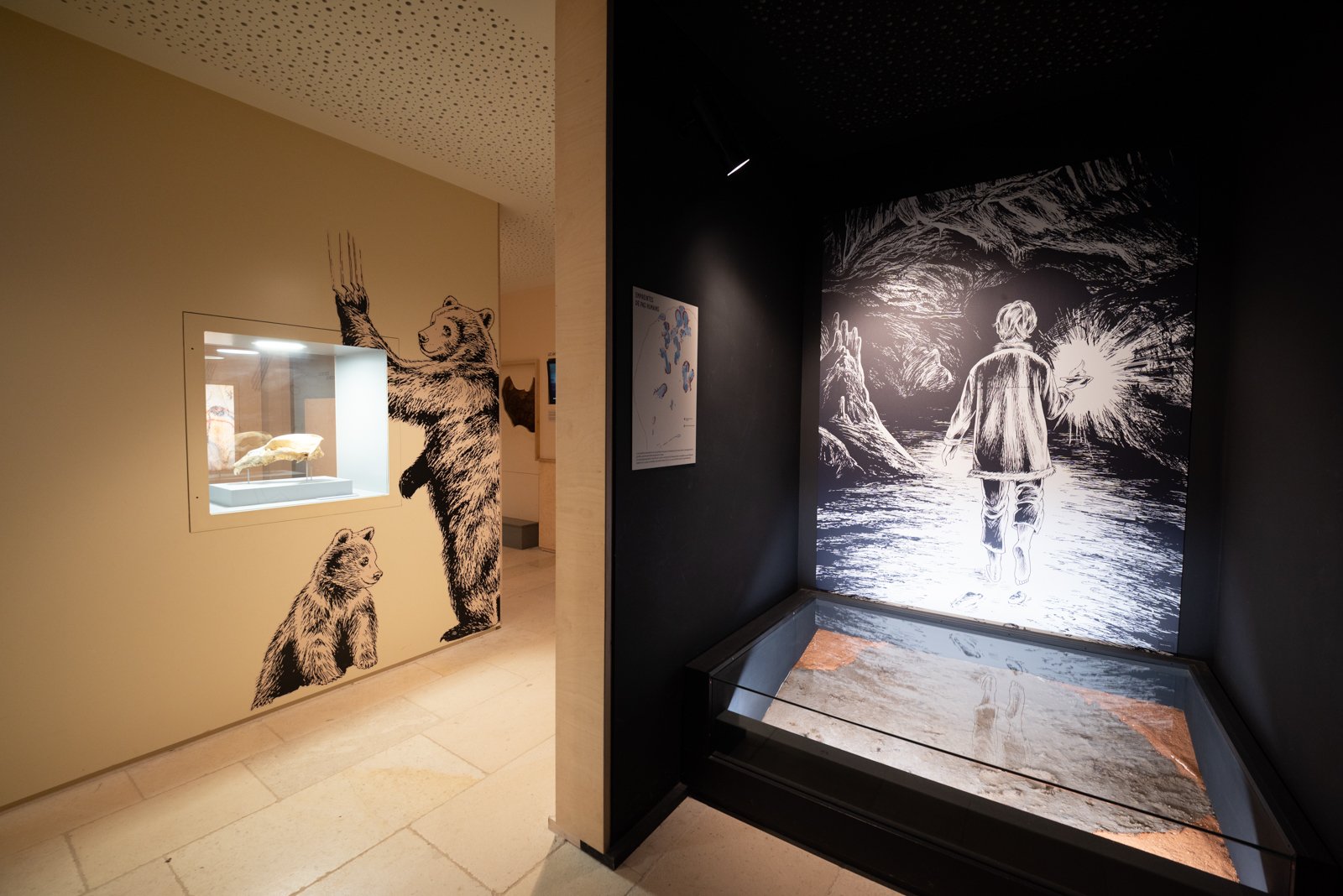
But what a joy, and above all what luck, to be able to see these works in their original setting, and to discover real footprints left in the clay by a child or a teenager!
And the paintings aren’t Pech Merle’s only curiosities: the huge galleries and the astonishing geological formations are well worth a look too!
The history of Pech Merle: a cave discovered in 1922
In 1922, three teenagers from Cabrerets, André David, Henri Dutertre and Marthe David, ventured into the depths of the Pech Merle cave. Squeezing through narrow underground passages, they uncovered several galleries decorated with prehistoric paintings and engravings.
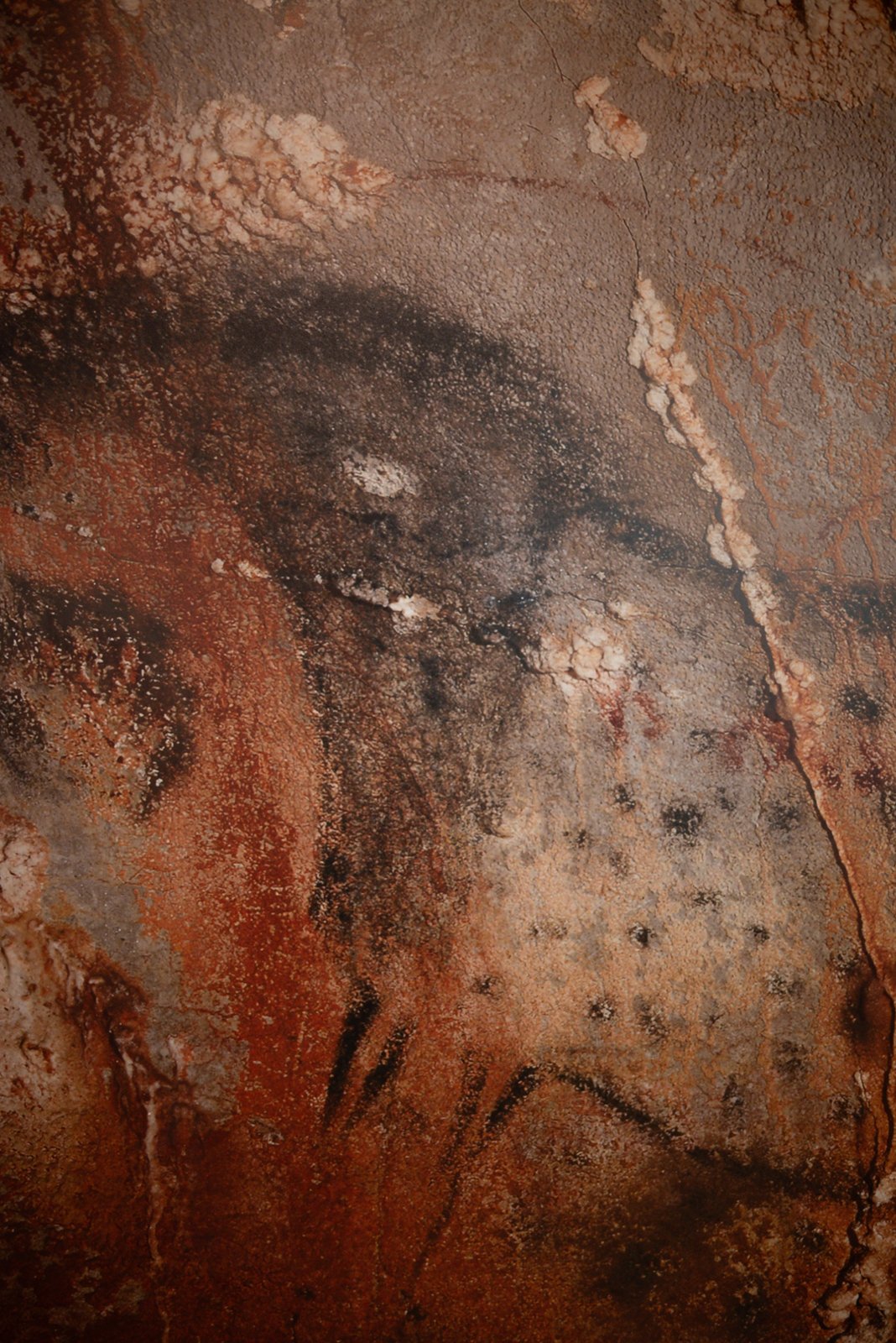
Some of these works date back almost 30,000 years! Preserved in darkness, sheltered from the outside world for millennia, they have come down to us in quite an extraordinary state of preservation. There is something almost dizzying about gazing today at these animal silhouettes, hands and signs drawn by people who lived in a world so different from ours.
As the prehistoric entrance to the cave had gradually become blocked, this heritage remained out of reach for a very long time. When you see the size of the galleries, it’s quite something to picture those three youngsters crawling tens of metres without knowing what awaited them… Personally, I’m not sure I would have dared go more than five metres!
What will you see on a visit to the Pech Merle cave?
A striking first impression
The guided tour begins with a short group introduction to the history of the cave and to the safety and conservation rules. Everything is clearly explained, and it reminds us how lucky we are to be able to see these authentic paintings.
We then head down into the depths of Pech Merle, each step taking us a few more millennia back in time…
From the very entrance, I’m struck by the size of the galleries. Subtle lighting picks out the contours of the rock, while on the ground, small glimmers seem to trace a path of embers through the half-light. Beautifully staged!
One discovery follows another without a dull moment. Our guide is precise, attentive to questions and takes the time to help us make out the subtlest figures. The time flies by, and I couldn’t tell you how long we spent underground. 🙂
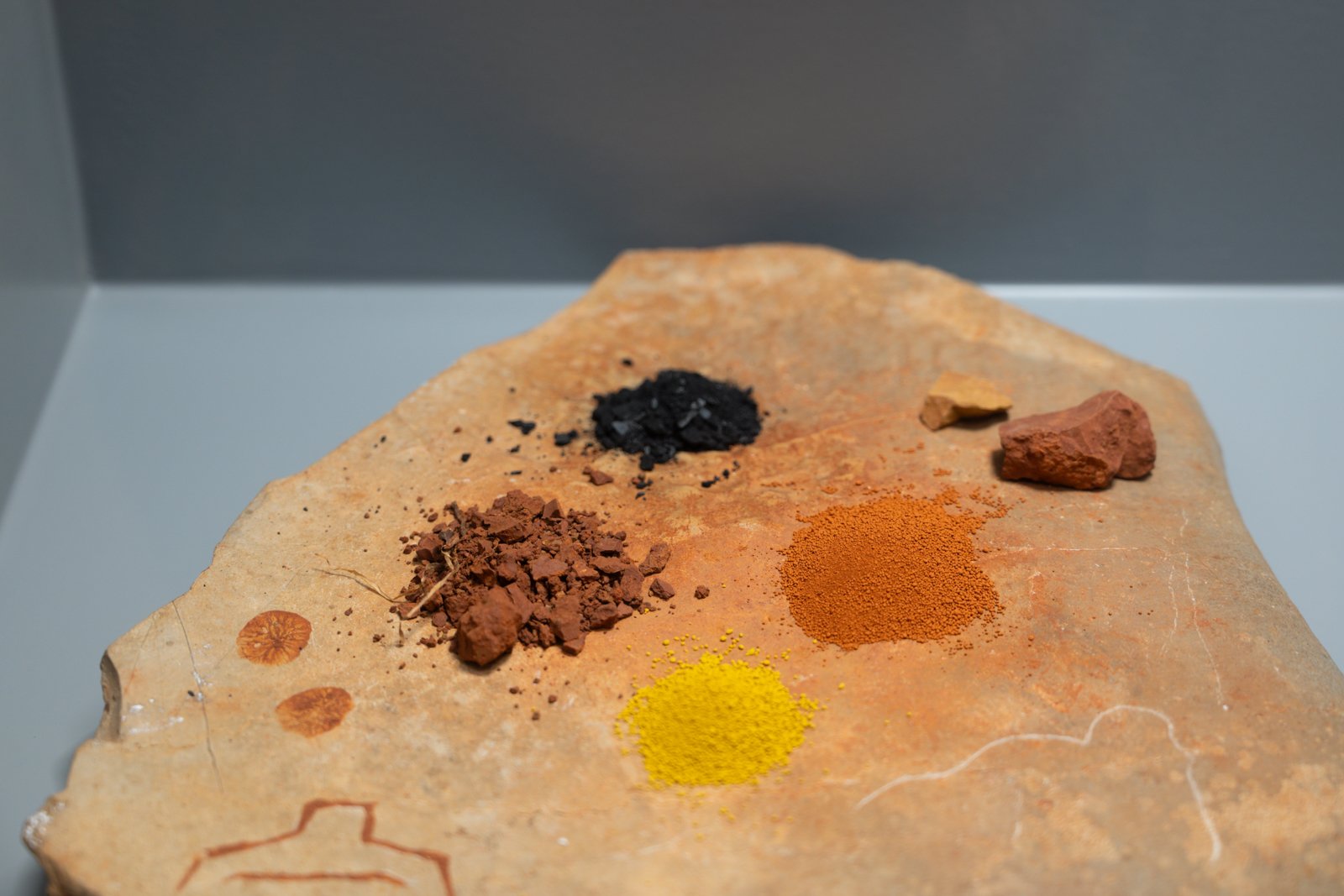
Cave paintings of astonishing finesse
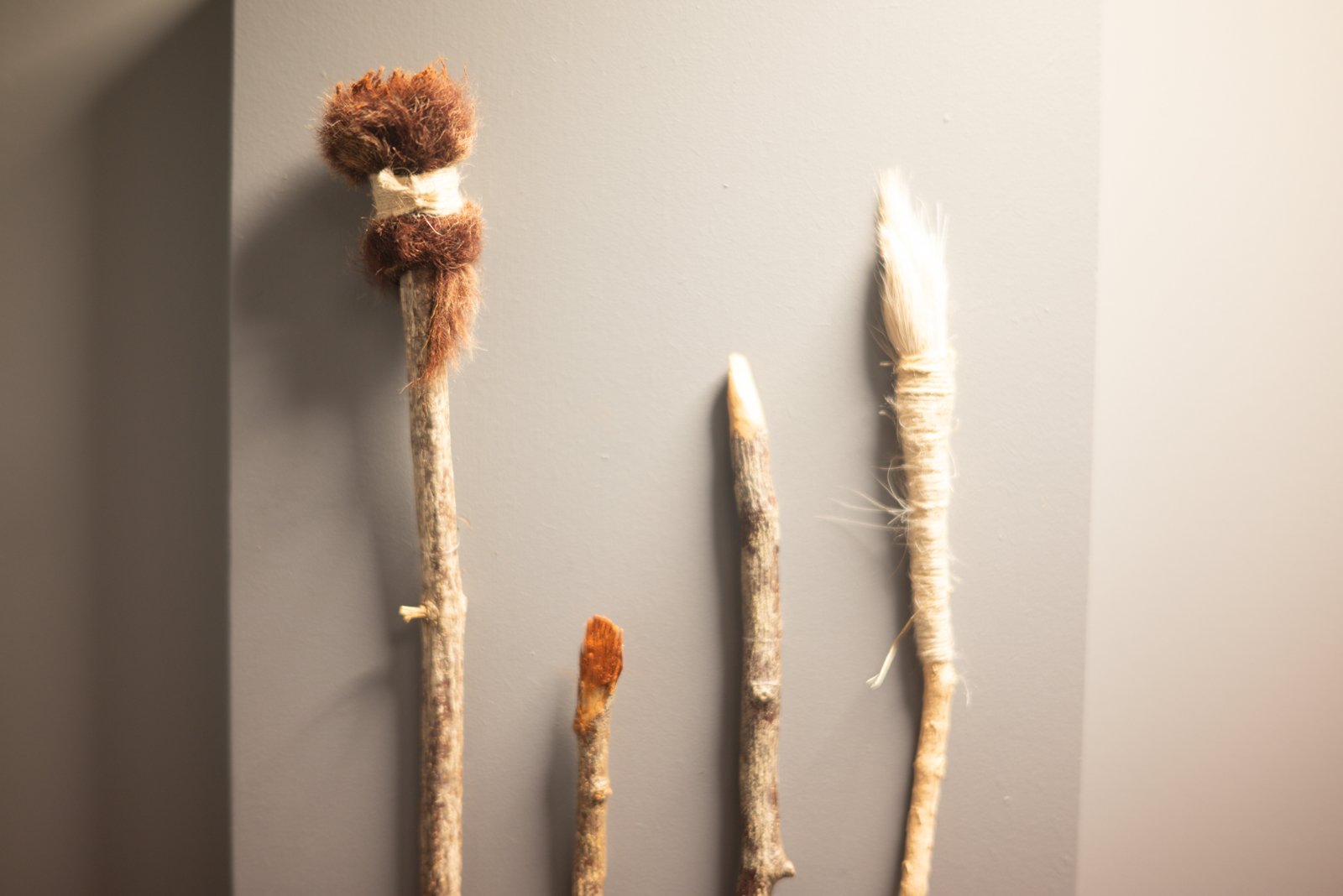
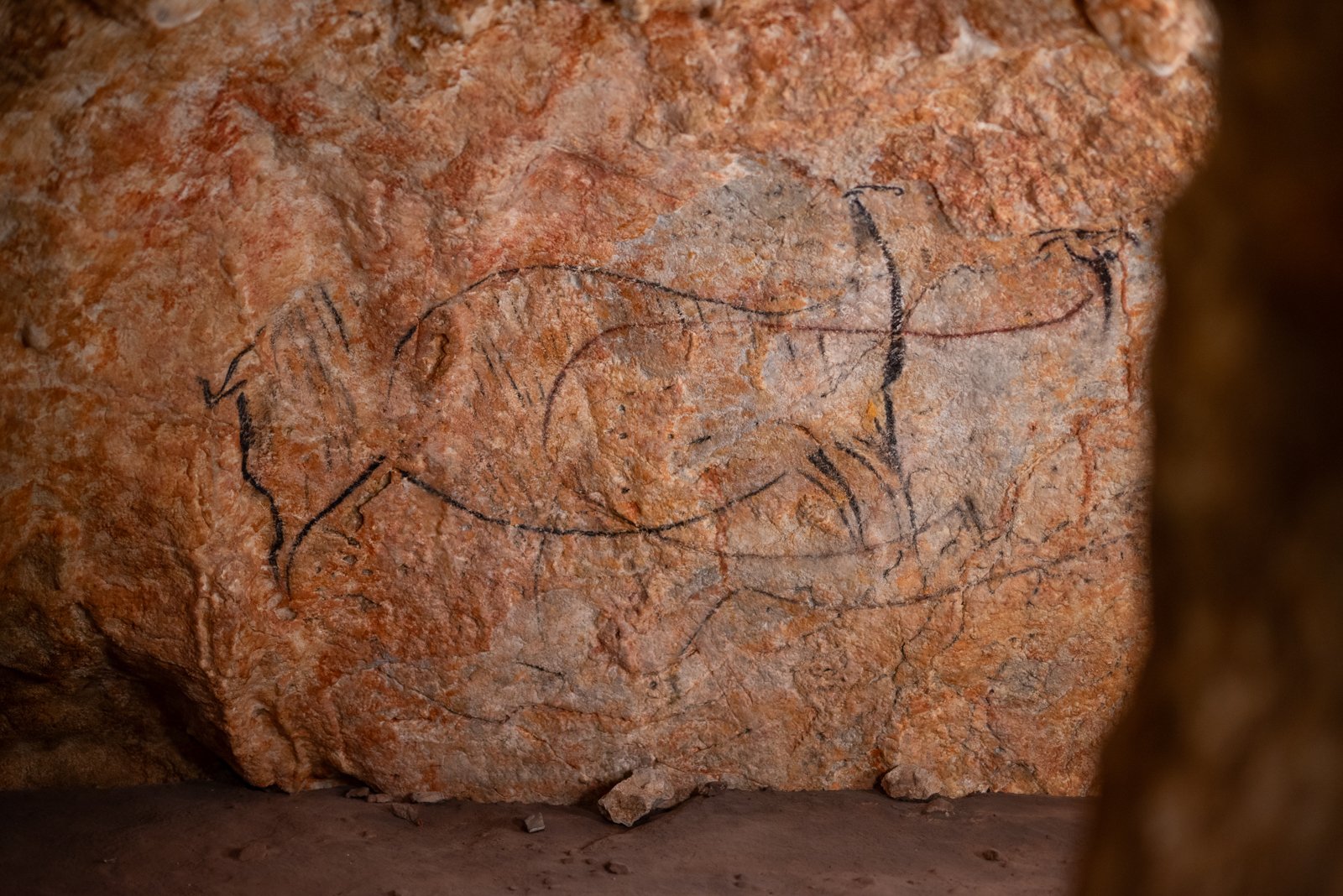
Our guide leads us to several groups of paintings and engravings, starting with the Black Frieze, which is around seven metres long. I’m spellbound… Mammoths, bison, aurochs, horses… We take our time picking out the animals and their outlines, and learning about the techniques used to depict them.
Not all the figures are as easy to spot. Some appear around the bend of a gallery, others are on the ceiling, and many follow the contours of the rock. Contrary to what you might imagine, these are no hastily sketched outlines! The fine lines, proportions and curves reveal a real eye for observation and a remarkable mastery of drawing.
The famous spotted horses, the hand stencils and the engravings also show the variety of techniques used. These works weren’t all made at the same time: some seem to bear the hallmark of a single artist, but the whole is the work of several generations who came to the cave one after another over the millennia.
Calcite discs and cave pearls
The vast galleries are also home to magnificent geological formations. As well as stalactites and stalagmites, we see large calcite discs, which form when limestone-rich water seeps out of a crack and gradually deposits calcite in two plates. They’re simply enormous!
I also discover cave pearls, small rounded concretions formed by successive layers of calcite building up around a tiny fragment… and a spinning top! It’s actually a cave pearl that turned on itself around a vertical axis under the action of the water, taking on this shape over time. So many unusual formations at Pech Merle!
Another, even more unexpected curiosity: a huge oak root that has forced its way through the rock, right down into the depths of the cave!
Tens of thousands of years ago, prehistoric people brought the walls of Pech Merle to life by drawing animals on them. Today, a root runs through them, quietly making its way through the stone and the millennia… 😉
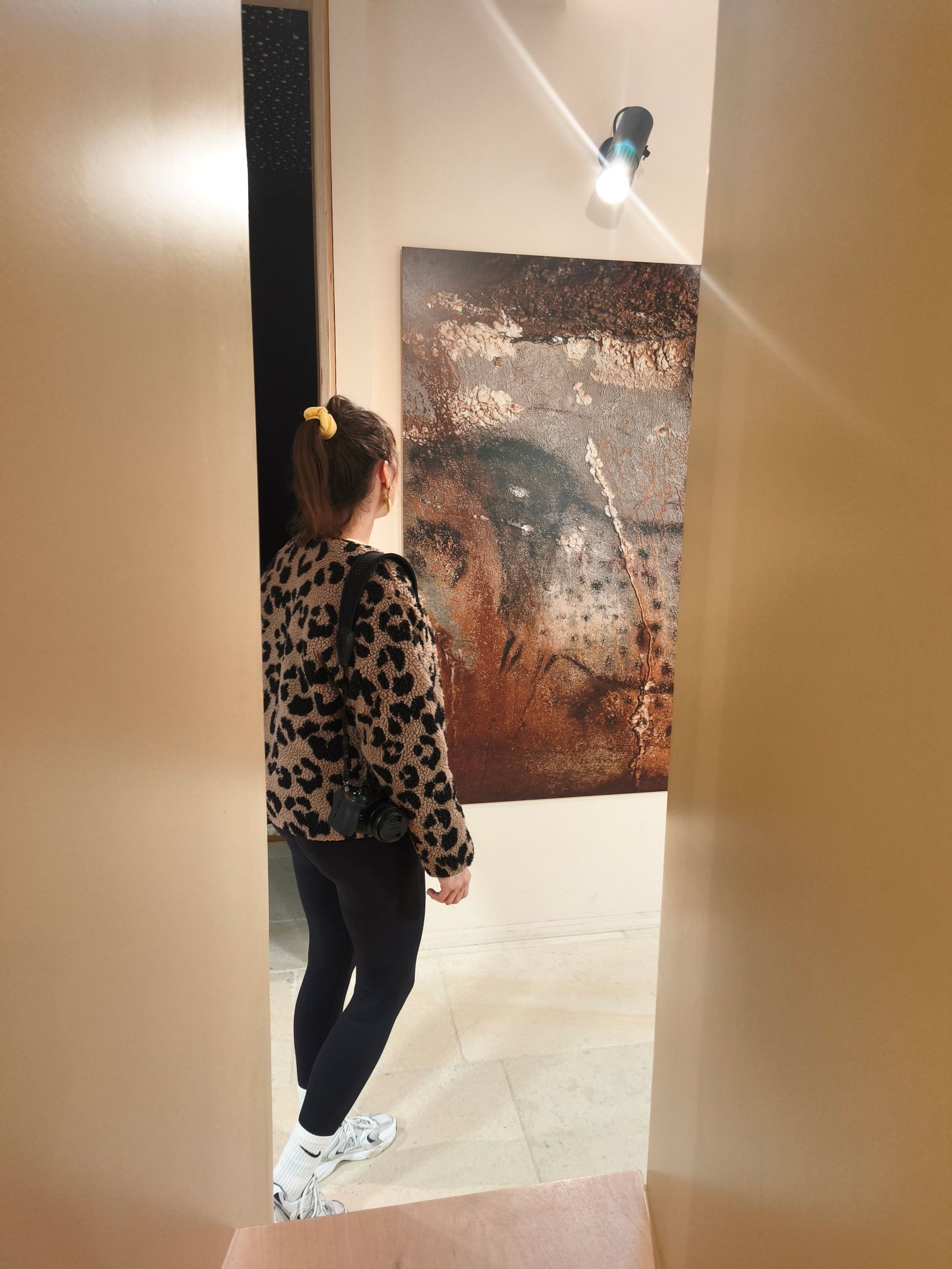
The museum
Before or after your visit to the cave, you can also look round the Amédée Lemozi Museum of Prehistory, located on the same site.
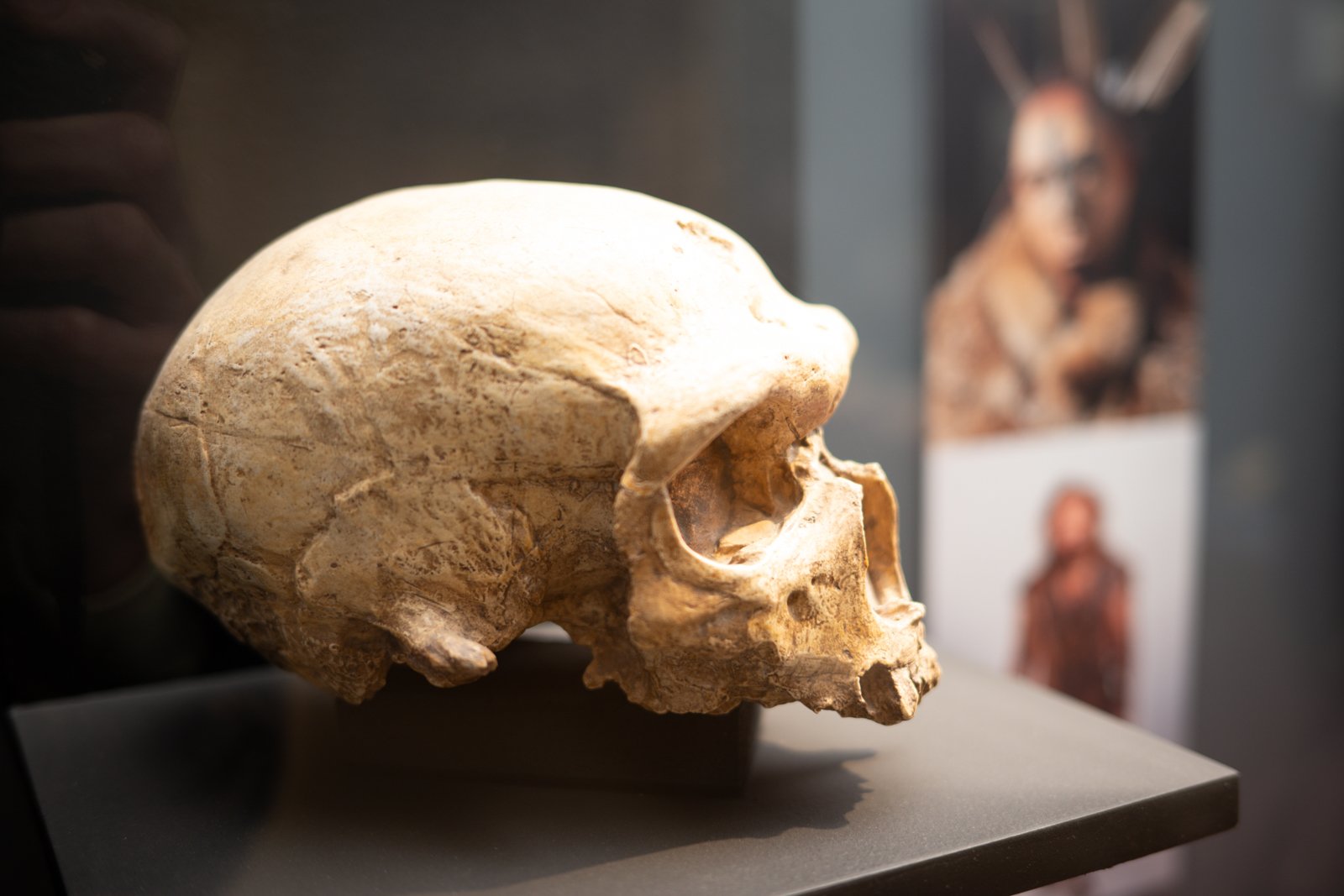
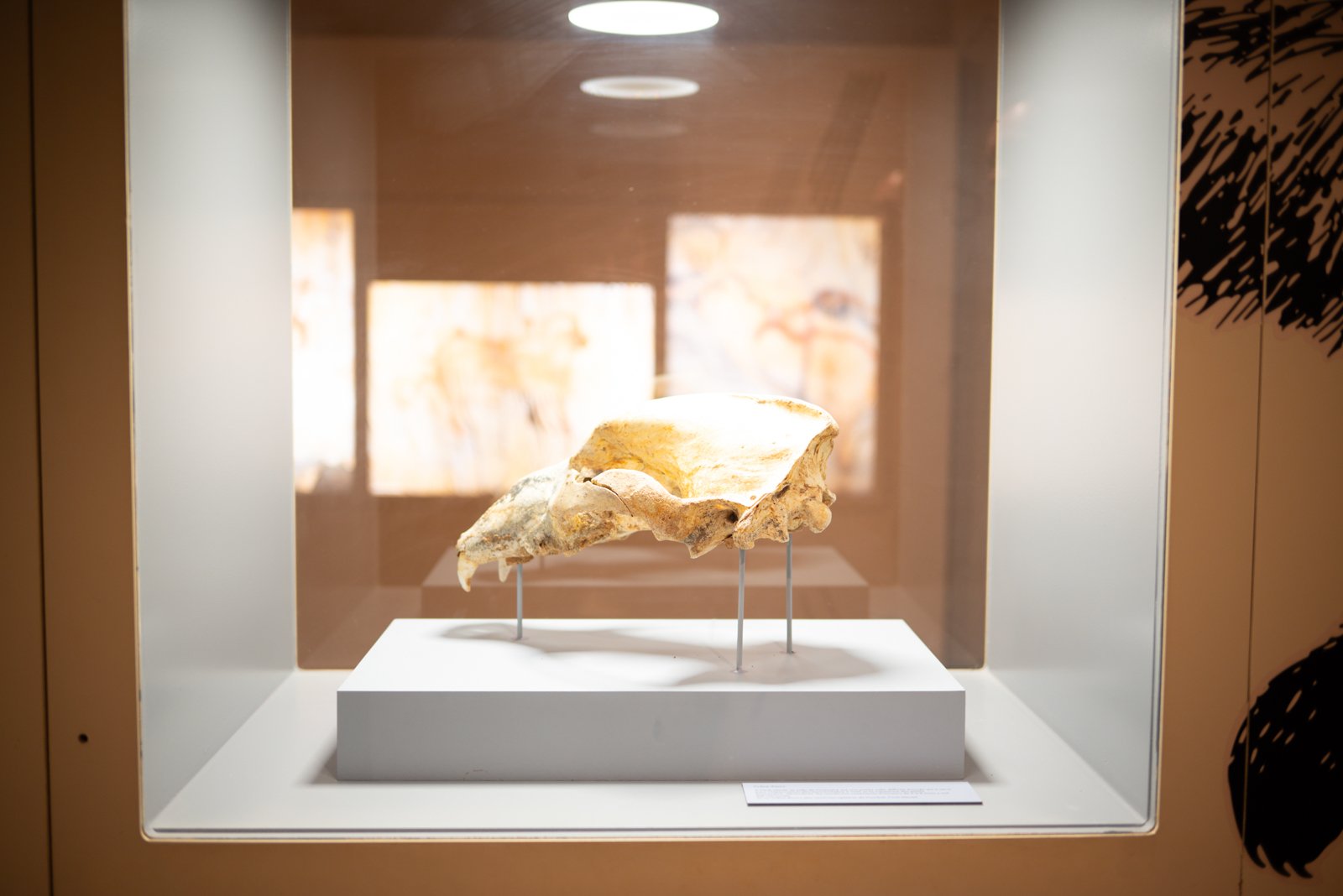
Its two exhibition rooms extend your discovery of prehistory in the Quercy through various collections of archaeological objects, as well as reproductions of the Pech Merle paintings and engravings. It’s a chance to look at some of the figures at a more leisurely pace and to take a few photos, since photography isn’t allowed in the cave.
A documentary film of about 25 minutes is also shown on a loop. It looks at the Pech Merle paintings, how they were made and the research that has helped us understand them better.
Short on time, I sadly couldn’t stay for the screening, as we had to get back on the road. I did, however, take the time to wander round the exhibitions, which round off the underground visit nicely.
My review of the Pech Merle guided tour
I had been waiting for years to see real prehistoric paintings with my own eyes, and Pech Merle more than lived up to my expectations! 🤍
I think visiting a genuine decorated cave, home to such ancient and exceptional heritage, inevitably stirs a rather unique emotion. There’s something quite moving, almost dizzying, about looking at drawings made tens of thousands of years ago, in the very place where their creators drew them, and in such a remarkable state of preservation. A small miracle, in a way…
I had loved the intimate atmosphere of the Cougnac caves, but Pech Merle truly fascinated me with the richness of its paintings and its astonishing geological curiosities, which are every bit as impressive!
As a keen history and prehistory buff, I feel more than lucky to have seen these original works, when so many other decorated caves are now closed to the public to protect them. 🤍
So I wholeheartedly recommend a visit to Pech Merle, even if you’re not particularly passionate about prehistory.
I hope to go back one day with my daughters when they’re a little older, so they too can discover these precious traces of our past.
Practical information for visiting Pech Merle
FAQ: my tips for visiting the Pech Merle cave
Do I need warm clothes?
Yes, even in the height of summer! The temperature in the cave is around 13 °C. I’d recommend bringing a light jacket and comfortable shoes for walking through the galleries.
How do you get to the Pech Merle cave?
Driving is the easiest option. Allow around 15 minutes from Saint-Cirq-Lapopie, 35 to 40 minutes from Cahors and 45 minutes from Figeac, an ideal base for exploring the Célé Valley. Without a car, the Lot tourist board website suggests bus and cycling routes from Saint-Cirq-Lapopie (in French).
Is it easy to park at Pech Merle?
Yes, there are free car parks for visitors close to the cave entrance.
Can you have a picnic on site?
Yes! There are picnic tables in a wooded setting, ideal for a short break before continuing your discovery of the Lot.
Can you visit the Pech Merle cave with children?
Yes, Pech Merle welcomes families. However, the visit isn’t recommended for children under 3.
Pushchairs aren’t allowed inside. Bring warm clothes for little ones.
Do you need to book your Pech Merle visit in advance?
Yes, booking is compulsory and numbers are limited to protect the paintings.
During the school holidays and in summer, it’s best to book well ahead. Remember to collect your tickets 30 minutes before the tour starts.
What to see near Pech Merle
🌿 Why not explore more of the Lot?
The Pech Merle cave is just one of the many treasures of the Célé Valley! Stone villages, hikes, wild landscapes and good places to eat: discover all my finds and my four-day itinerary in this part of the Lot.
Planning a longer stay? Have a look at my 5-day Lot road trip, from Rocamadour to Cahors, as well as my 5 ideas for things to do in the Lot in autumn.


