
A few years later, here I am back in the Célé Valley, in the Lot department of south-west France — in autumn once again — to rediscover this little corner of Occitanie that charmed me so much on my first visit. Its wild valleys, stone villages, prehistoric caves and unspoilt landscapes had completely won me over and left a lasting impression.
Back then, what struck me most was the almost timeless character of the area. And this second trip only confirmed that impression!
This time, I set off to explore the Célé Valley and the Causses du Quercy — the region’s wild limestone plateaus — discovering a more rural, perhaps lesser-known area that remains deeply attached to its traditions. Here, heritage reveals itself just as much around the corner of a narrow lane as along a path lined with dry-stone walls.
Things to do in the Célé Valley and around Figeac Over these four days in the Lot, I discover the villages of Marcilhac-sur-Célé, Espédaillac and Cardaillac, travel back in time in the prehistoric cave of Pech Merle, wander the medieval streets of Figeac and meet the saffron growers of the Quercy near Cajarc.
Now it’s my turn to take you along the roads of this part of the Lot — sights, hikes, small villages and good places to eat and stay — with my favourite spots and a few tips to plan your own trip.
Planning a longer stay in the Lot?
Check out my first five-day itinerary, from Rocamadour to Cahors, via the Dordogne Valley and the Gouffre de Padirac chasm.
This trip to the Lot was made at the invitation of Lot Tourisme.
Many thanks to them for their welcome and trust.
As always, the impressions and recommendations shared in this article reflect my own personal experience.
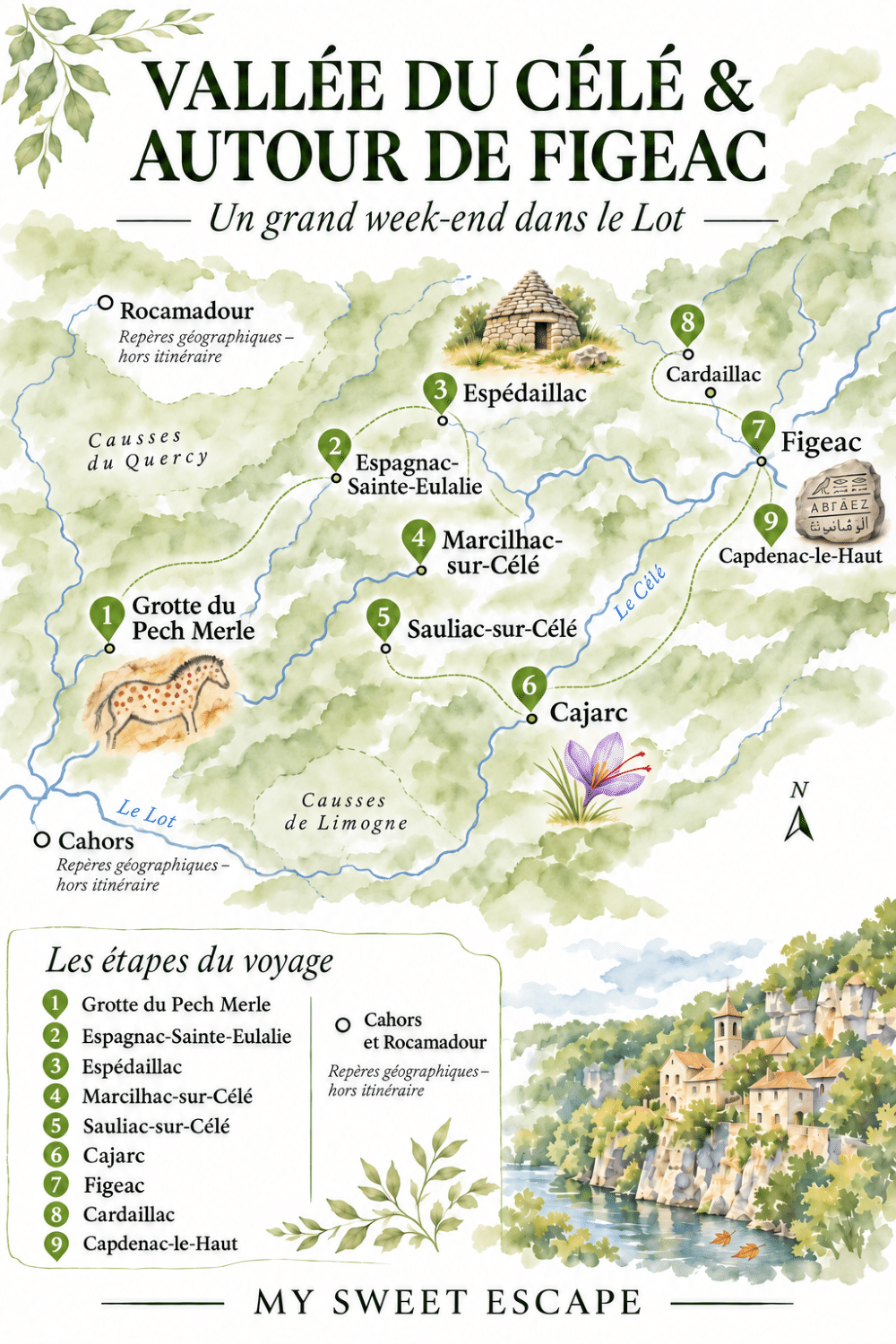
🌿 The Célé Valley and Figeac at a glance
Medieval villages, wild limestone plateaus, prehistoric caves and local traditions: another side of the Lot, best discovered along its quiet country roads.
📍 Destination: Célé Valley, Causses du Quercy, Figeac and Cajarc
🗓️ Length of stay: 4 days / 4 nights
🍂 Best time to go: spring and autumn, especially pleasant for hiking
🚗 Getting around: by car, to explore the villages and plateaus at your own pace
🏘️ Villages to discover: Espédaillac, Marcilhac-sur-Célé, Sauliac-sur-Célé, Espagnac-Sainte-Eulalie, Cardaillac and Capdenac-le-Haut
⭐ Other must-sees: Pech Merle Cave, the caselles hike, Figeac and the Champollion Museum, discovering saffron in Cajarc
🥾 Atmosphere: nature, heritage, hiking and food discoveries
My travel journal
My itinerary for a long weekend in the Lot
Four days between the Causses du Quercy, the Célé Valley,
medieval villages and food discoveries.
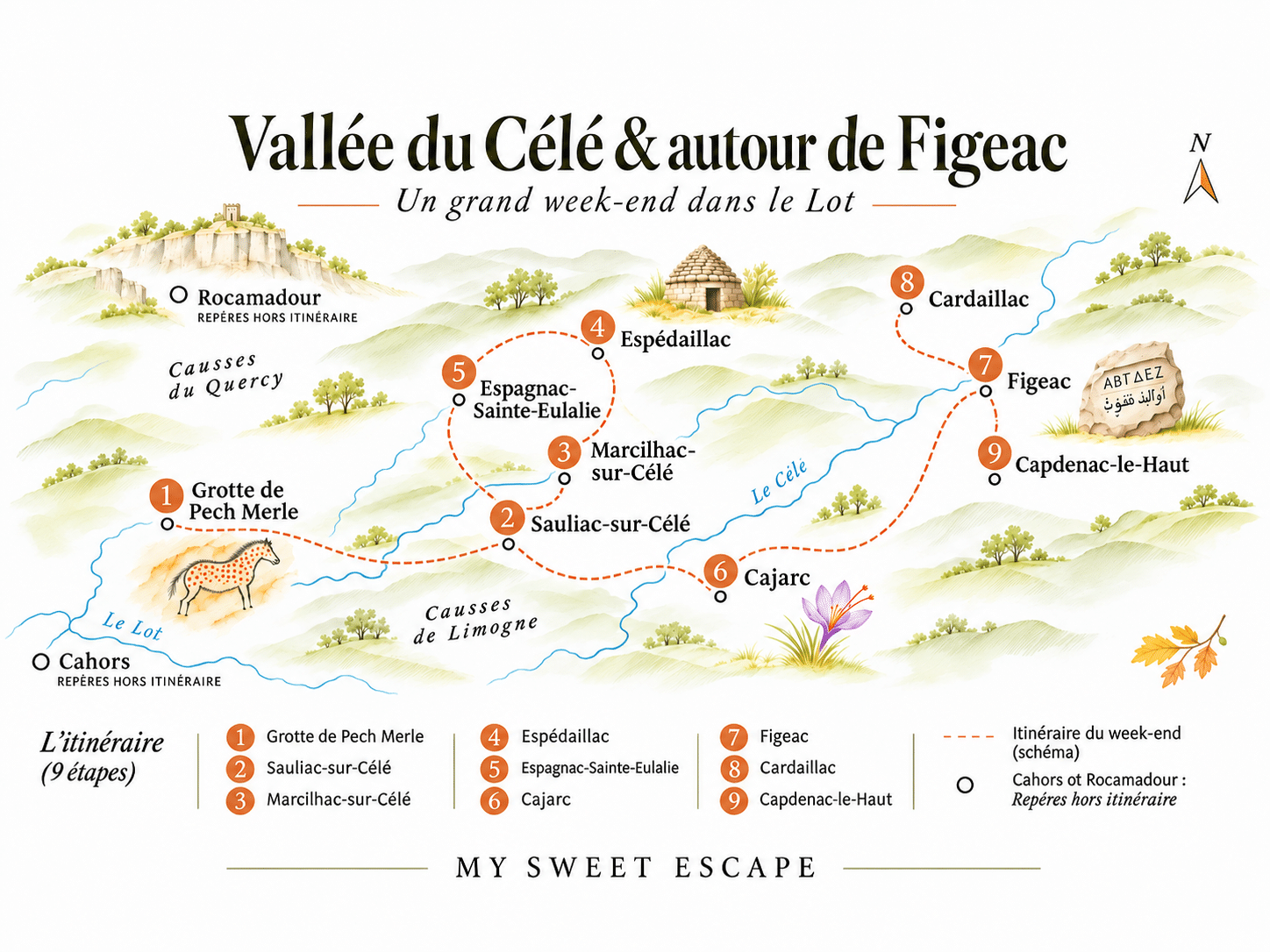
First steps on the Causses du Quercy
🐎 Pech Merle Cave
Discovering prehistoric cave paintings.
🌿 Espédaillac
Stone village, limestone plateau landscapes and pastoral heritage.
🏘️ Sauliac-sur-Célé
The old village and its walk along the ledge at the foot of the cliffs.
🛏️ Night at La Métairie Haute, in Marcilhac-sur-Célé
Along the Célé Valley
🥾 Marcilhac-sur-Célé
Caselles hike and a visit to the village and its abbey.
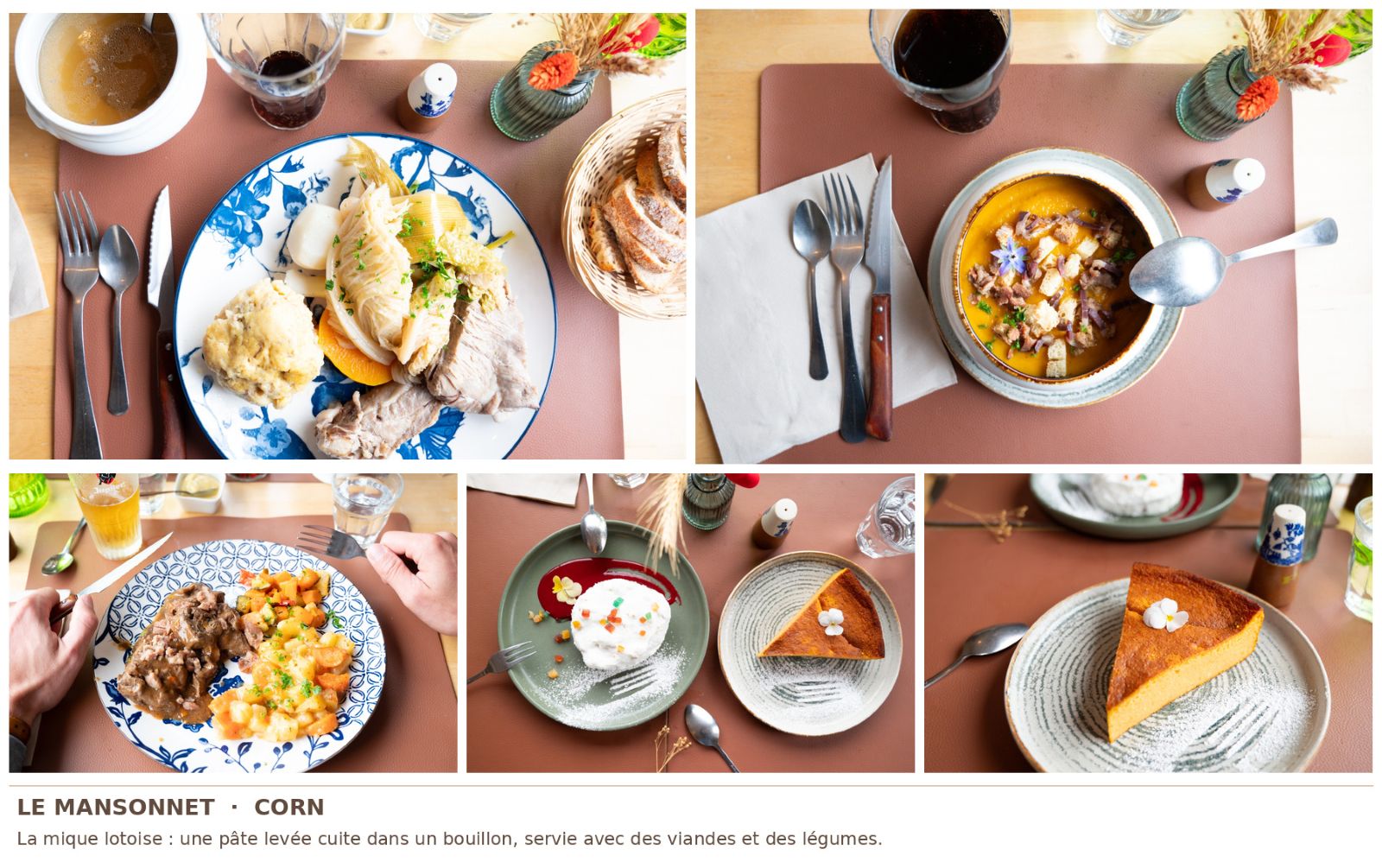
🍽️ Corn
Lunch break around the mique, a traditional Lot dumpling.
🏘️ Espagnac-Sainte-Eulalie
A stroll through this medieval village and its religious heritage.
🛏️ Night at Hôtel Le Quatorze, in Figeac
Figeac and its medieval villages
🏛️ Figeac
Exploring the historic centre, its narrow streets and medieval houses.
📜 Champollion Museum
Discovering the history of the world’s writing systems, and the Place des Écritures.
🏰 Cardaillac
A stroll between medieval towers and old houses.
or
🏘️ Capdenac-le-Haut
Discover this medieval village perched on a rocky spur, with its old streets and superb views over the Lot Valley.
🛏️ Night at Hôtel Le Quatorze, in Figeac
Cajarc, saffron and final villages
🧺 Figeac market
Local produce and meeting local producers.
🌸 Cajarc
Visit to a saffron farm, the Saffron Festival and a walk around the village.
🌄 Saut de la Mounine
An impromptu detour to admire the Lot Valley from the Aveyron side.
🛏️ Night at La Ségalière, in Cajarc
🌿 My tip:
This itinerary shows you several sides of the Lot, but it’s easy to adapt to the length of your stay. If you only have two or three days, focus on the Célé Valley and Figeac.
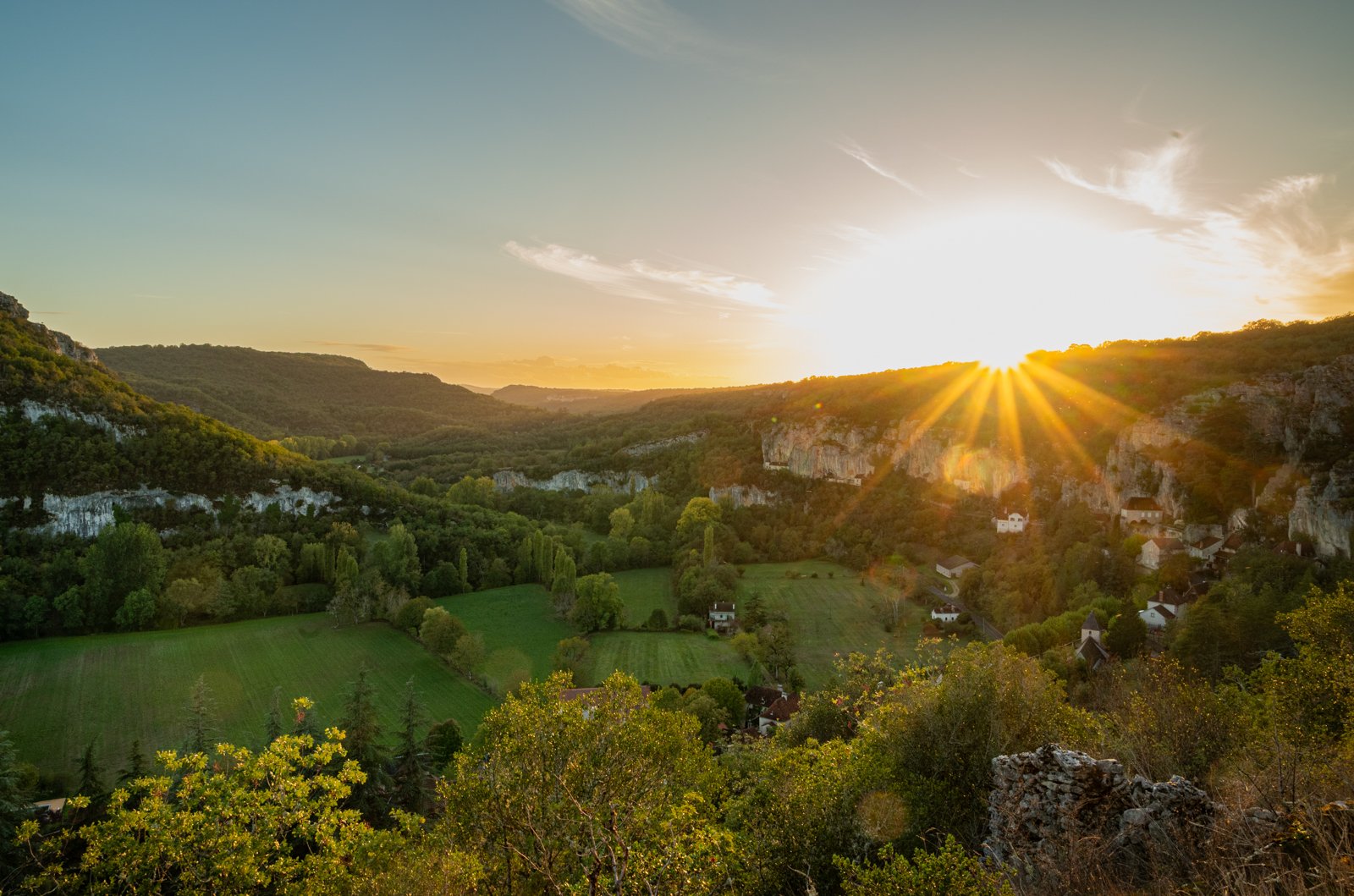
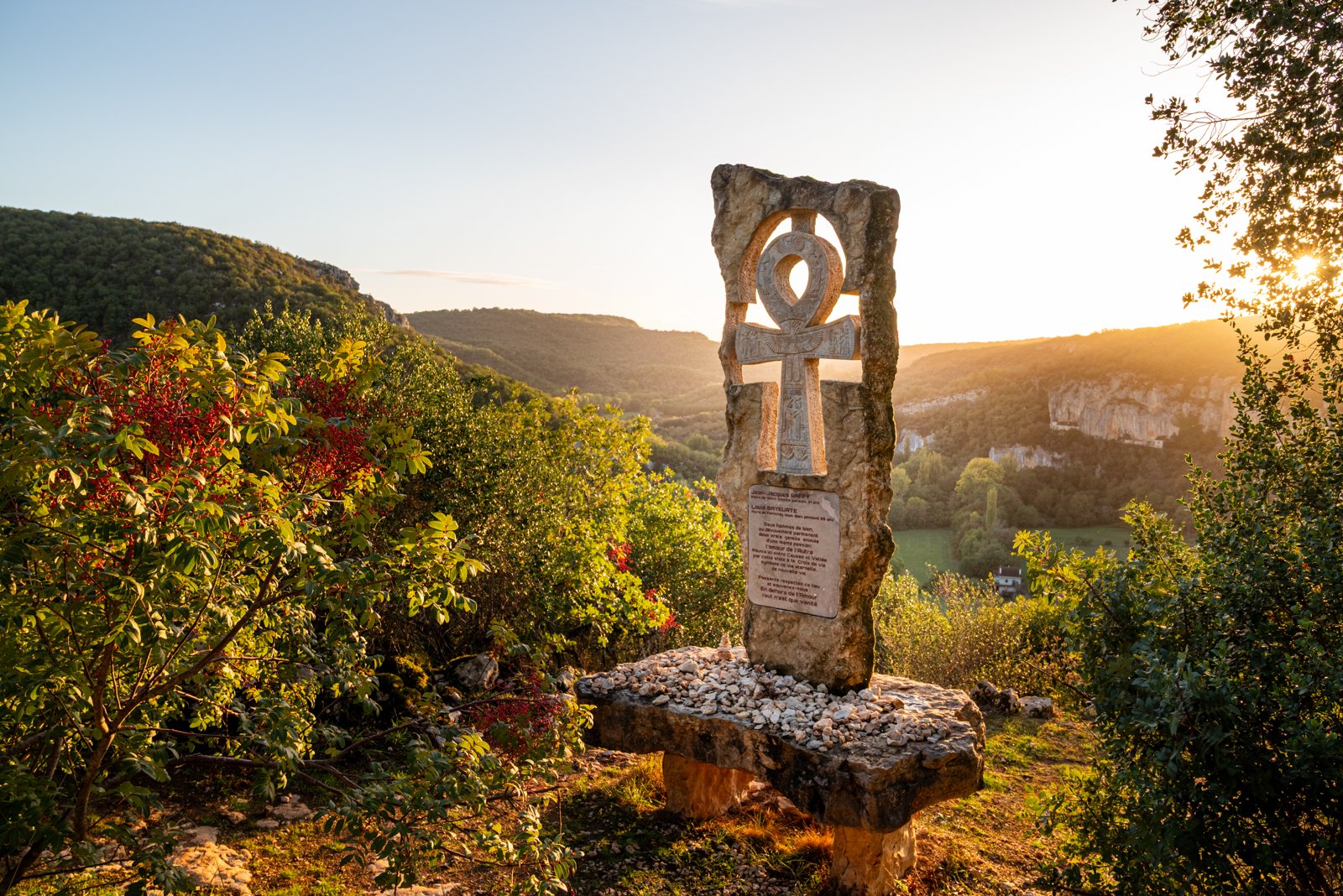
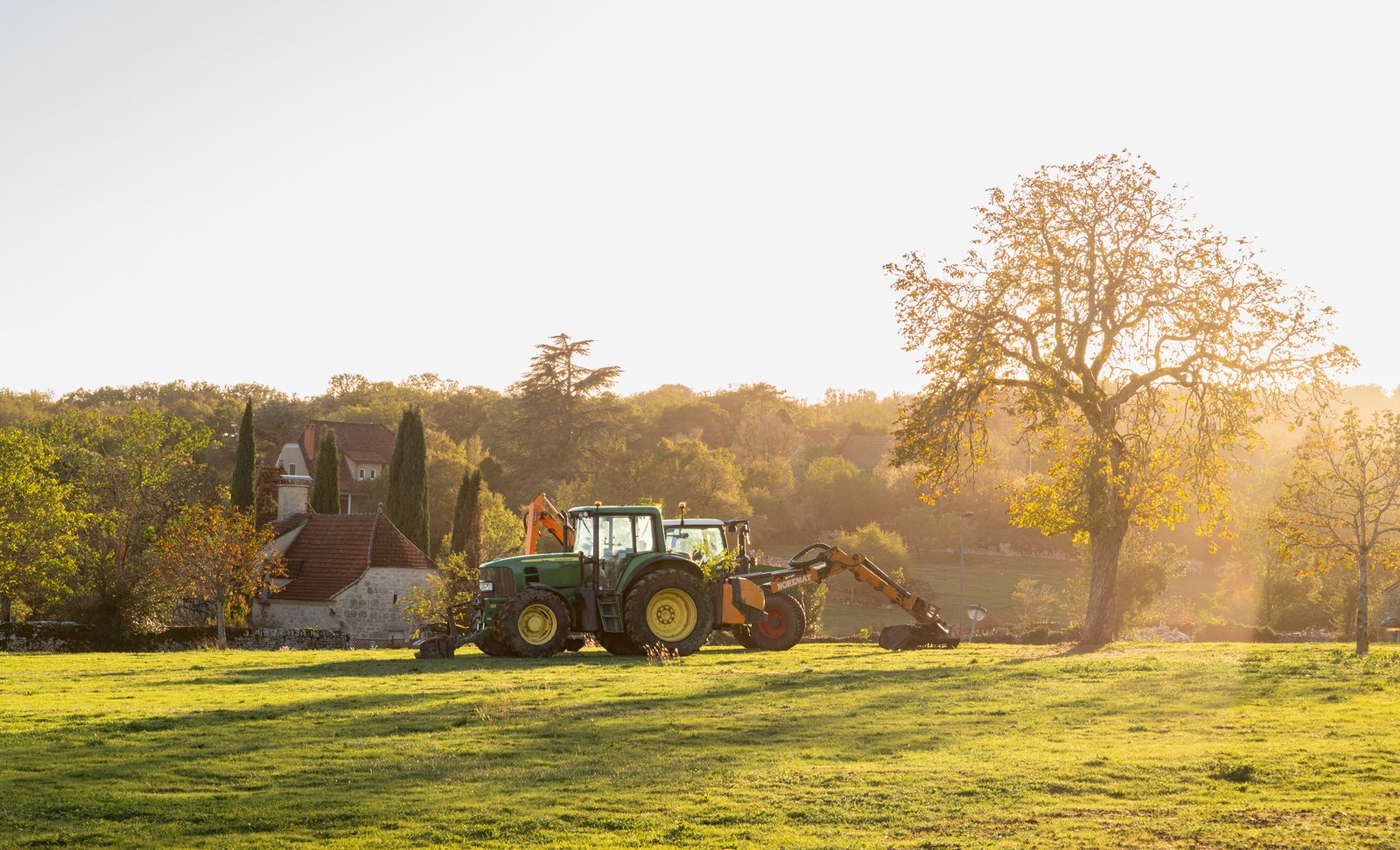
End of the day in the Célé Valley
How to get to the Lot
Getting to the Lot by train from Paris
For this trip, we chose to travel by train from Paris-Austerlitz to Brive-la-Gaillarde. The Intercités train takes about 4.5 hours, with no change. A pretty convenient way to reach the region without driving all the way!
You can also take the train directly from Paris-Austerlitz to Cahors, in just over 5 hours depending on the timetable. I imagine your choice of arrival station will mostly depend on train times and your itinerary in the Lot.
Renting a car to explore the Lot
Once in Brive-la-Gaillarde, we picked up a hire car booked through BSP Auto, from the Enterprise branch.
I really want to highlight how good the service was! I was pleasantly surprised: it was the first time a rental agent has taken a few minutes to walk me through the car’s main features before setting off.
Another nice touch: the rules regarding small scratches and marks on the bodywork were clearly explained, with an explicit tolerance margin. Enough to hit the road with a little more peace of mind!
In my view, renting a car remains the best way to explore the Lot at your own pace. Between hilltop villages, quiet plateau roads, caves and the landscapes of the Célé Valley, having your own vehicle lets you see more and stop wherever and whenever you like.
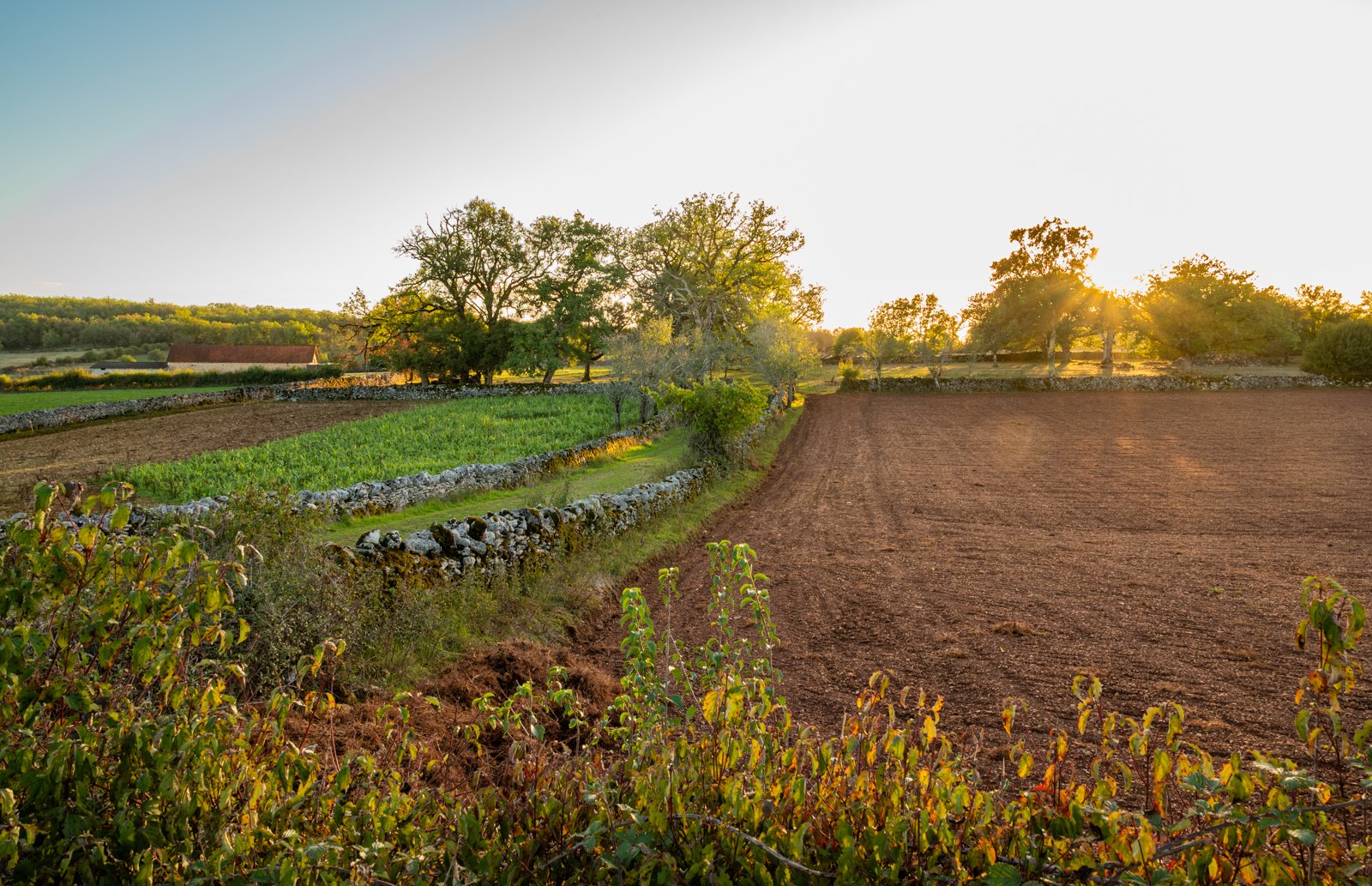
Impromptu stops to capture the light… The freedom to pull over whenever we like.
What to see and do in the Célé Valley and the Causses du Quercy
Prehistoric caves, stone villages and pastoral traditions
Visiting Pech Merle Cave, a journey back to prehistory
In 1922, three teenagers from the village of Cabrerets ventured deep into a cave, squeezing and crawling through narrow underground passages. At the end of their exploration, they stumbled upon a true prehistoric treasure: galleries decorated with paintings and engravings made tens of thousands of years ago. Pech Merle Cave was beginning to reveal some of its secrets🤍
A little over a century later, here I am following in their footsteps! For years I had longed to see a real decorated cave — Lascaux in particular — before learning that the original site is closed to the public for conservation reasons.
That won’t stop me from going one day… But discovering Pech Merle has a very special flavour: I get to admire prehistoric paintings in their original setting, not in a replica! As a first experience, it’s a dream come true! 🤍
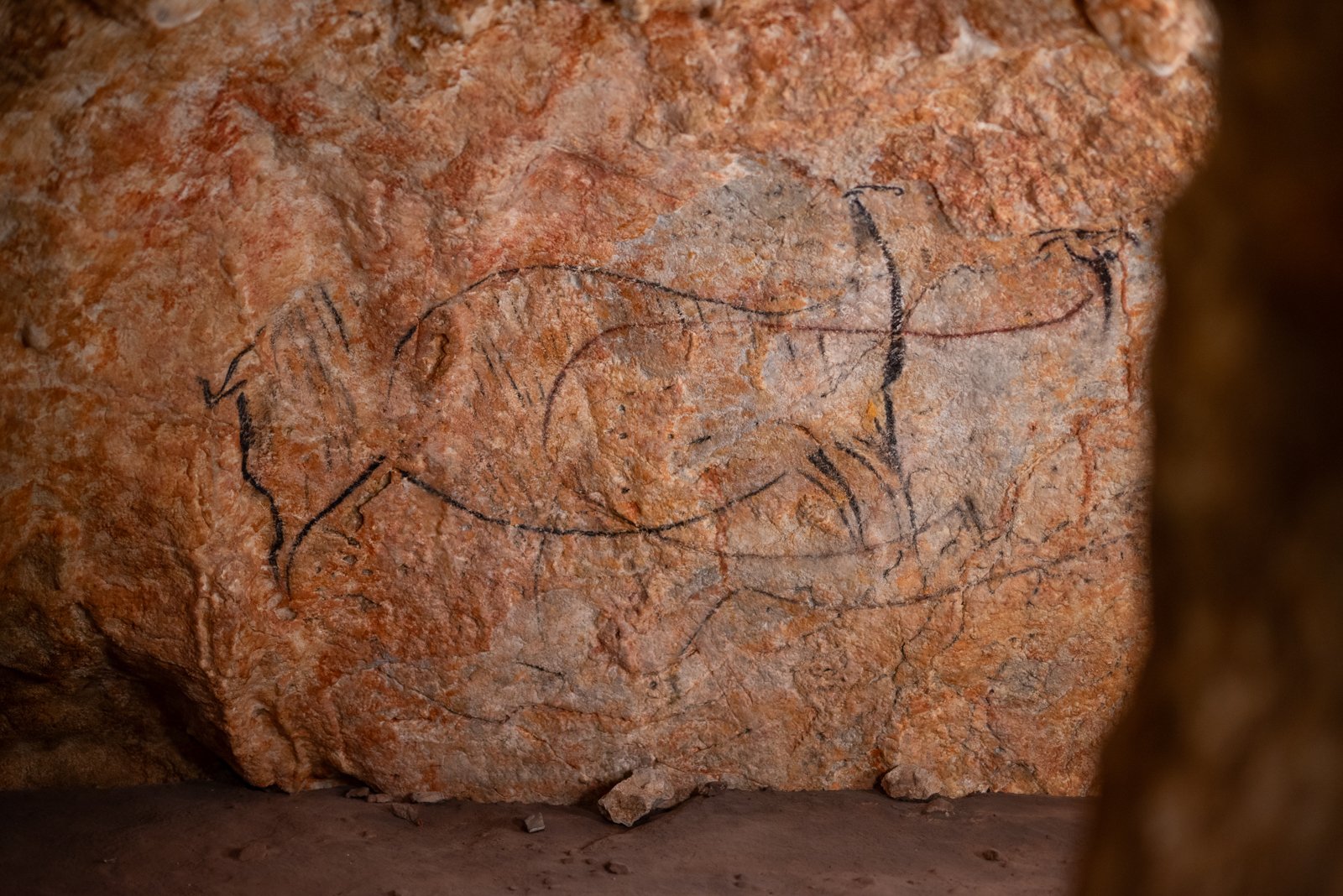
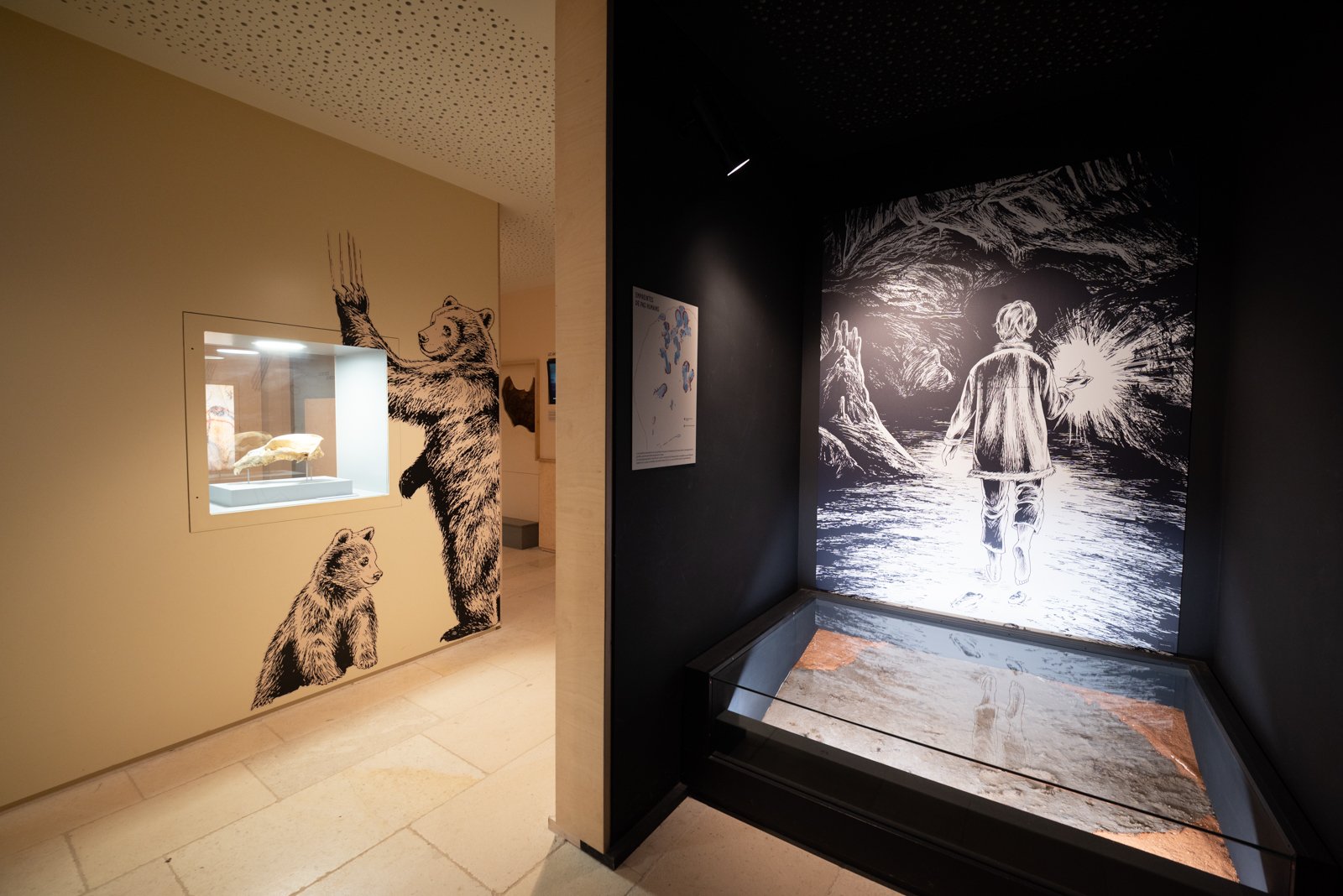
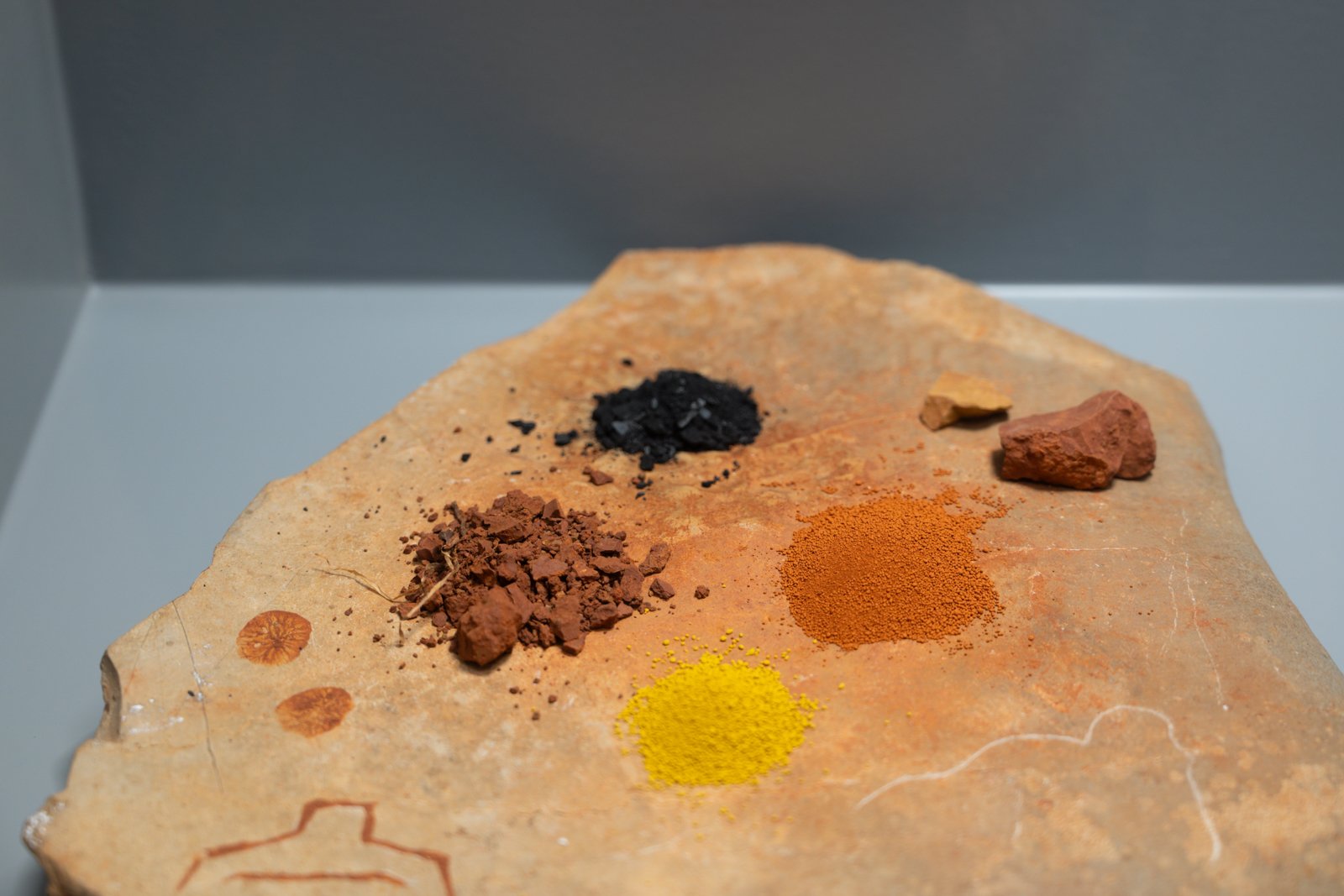
Naturally, this privilege comes with certain precautions: guided visits only, limited lighting, no photography… So the only pictures you’ll see here are from the museum :)!
That said, the visit never feels rushed. After a presentation of about fifteen minutes, we head in — behind our guide, of course — to explore a small part of Pech Merle’s galleries.
And what a discovery! Spotted horses around 29,000 years old, a black frieze of mammoths, bison and aurochs, negative hand stencils, finger drawings, engravings following the contours of the rock… The variety of techniques in this cave art is simply mind-blowing. Prehistoric people were true artists!
Other traces of their presence are just as moving: the mysterious abstract signs I had glimpsed at the Cougnac cave, whose meaning still eludes us, or the footprints left in the clay by a child or teenager.
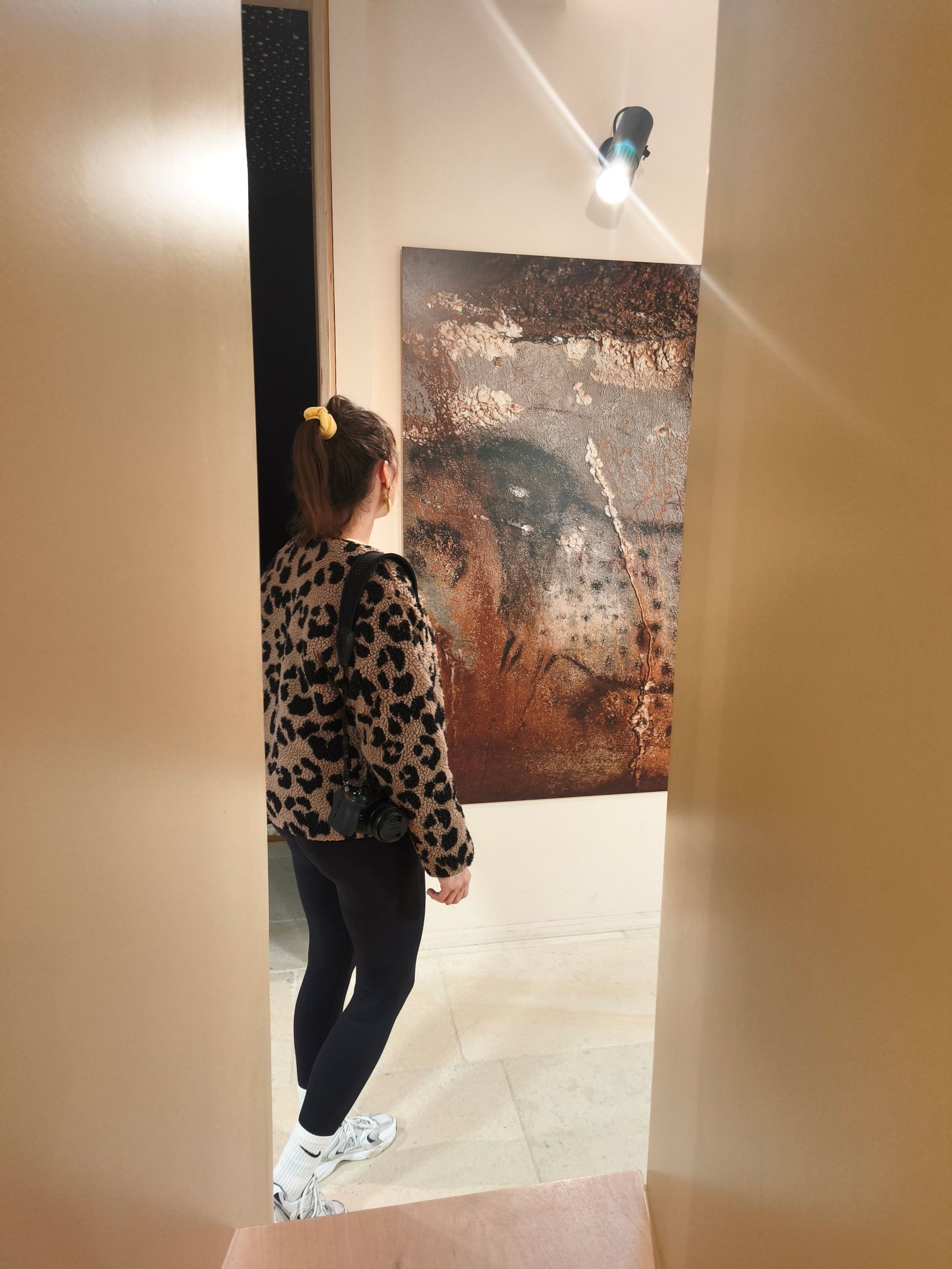
The geological treasures, shaped by water over millions of years, are just as impressive. As well as rare little cave pearls, magnificent stalactites, stalagmites and huge calcite discs line the route, adding even more to the visit!
In the half-light of the cave, you find yourself transported a few millennia back, imagining the prehistoric people who walked these galleries before us, by the glow of their lamps, to paint on the walls and ceilings. I also put myself in the shoes of those three teenagers in 1922, venturing into these tight passages with no idea what lay ahead… Personally, I’m not sure I’d have made it past the first ten metres!
A fascinating visit, and without hesitation one of my favourite experiences in the Lot.
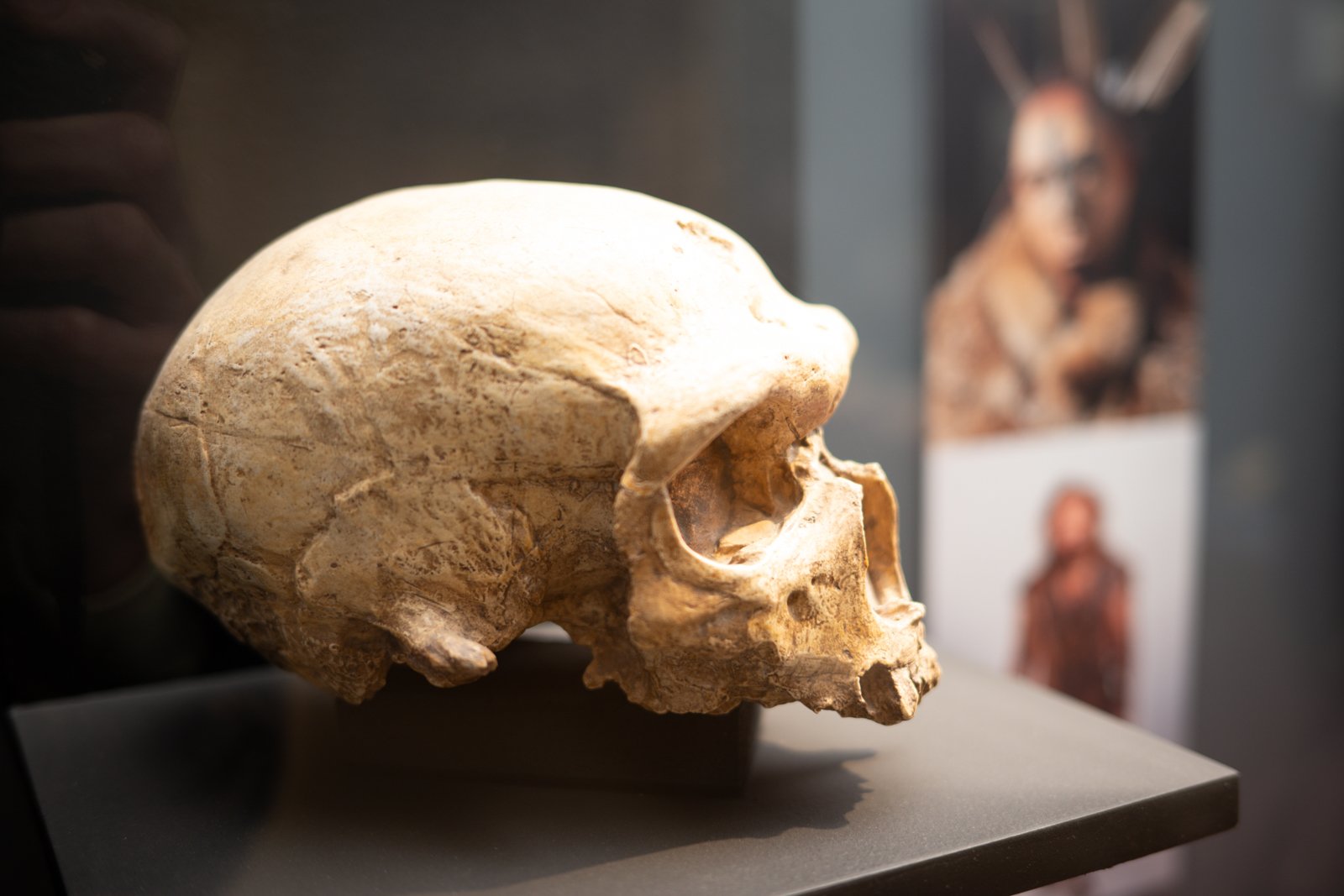
Discovering Espédaillac, a village in the heart of the Causses du Quercy
In the heart of the Causses du Quercy Regional Natural Park, a UNESCO Global Geopark, Espédaillac is a characterful village whose history and landscapes are closely tied to sheep farming. An ideal stop to get to grips with the area’s agro-pastoral heritage and traditions!
We had actually planned to start our trip here, a rather symbolic first taste of the rural Lot and the traditions we wanted to discover. But the unpredictable weather forced us to rethink our plans, and in the end we began our weekend with Pech Merle Cave. Another way to discover the area, this time going much further back in time, to the very first traces left by the people who lived here…
When we came out, the sun had reappeared, so we decided to make a detour to Espédaillac after all. It would have been a shame to miss the golden hour, as the last rays lit up the village’s beautiful stone buildings and the surrounding fields, dotted with low walls and caselles.
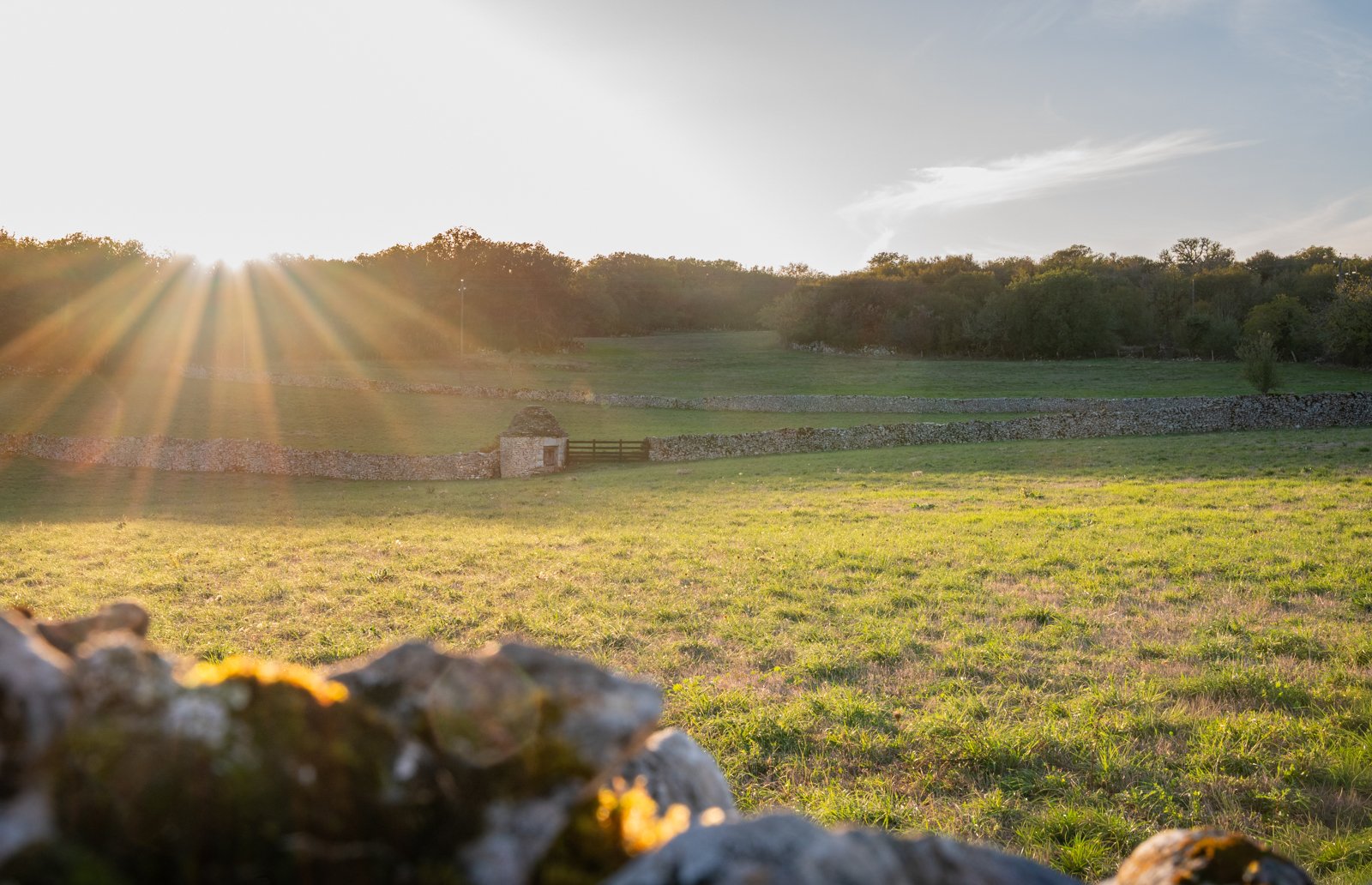
These small dry-stone huts, often circular, were once used as shelters for shepherds, storage sheds or farm outbuildings. Together with the walls marking out the plots and the Saint-Namphaise ponds, once used to water the flocks, they bear witness to the importance of sheep farming on the Causses du Quercy. The dolmens found nearby take us even further back in the area’s history.
Two walking trails let you explore these traditional landmarks: the Sentier de la Brebis (“Sheep Trail”, 3.9 km) and the Un paysage façonné par la brebis (“A landscape shaped by sheep”, 7.1 km) loop.
As it was getting late, we didn’t end up doing either hike, preferring to wander quietly through the village streets instead. And we didn’t come across a single sheep that evening!
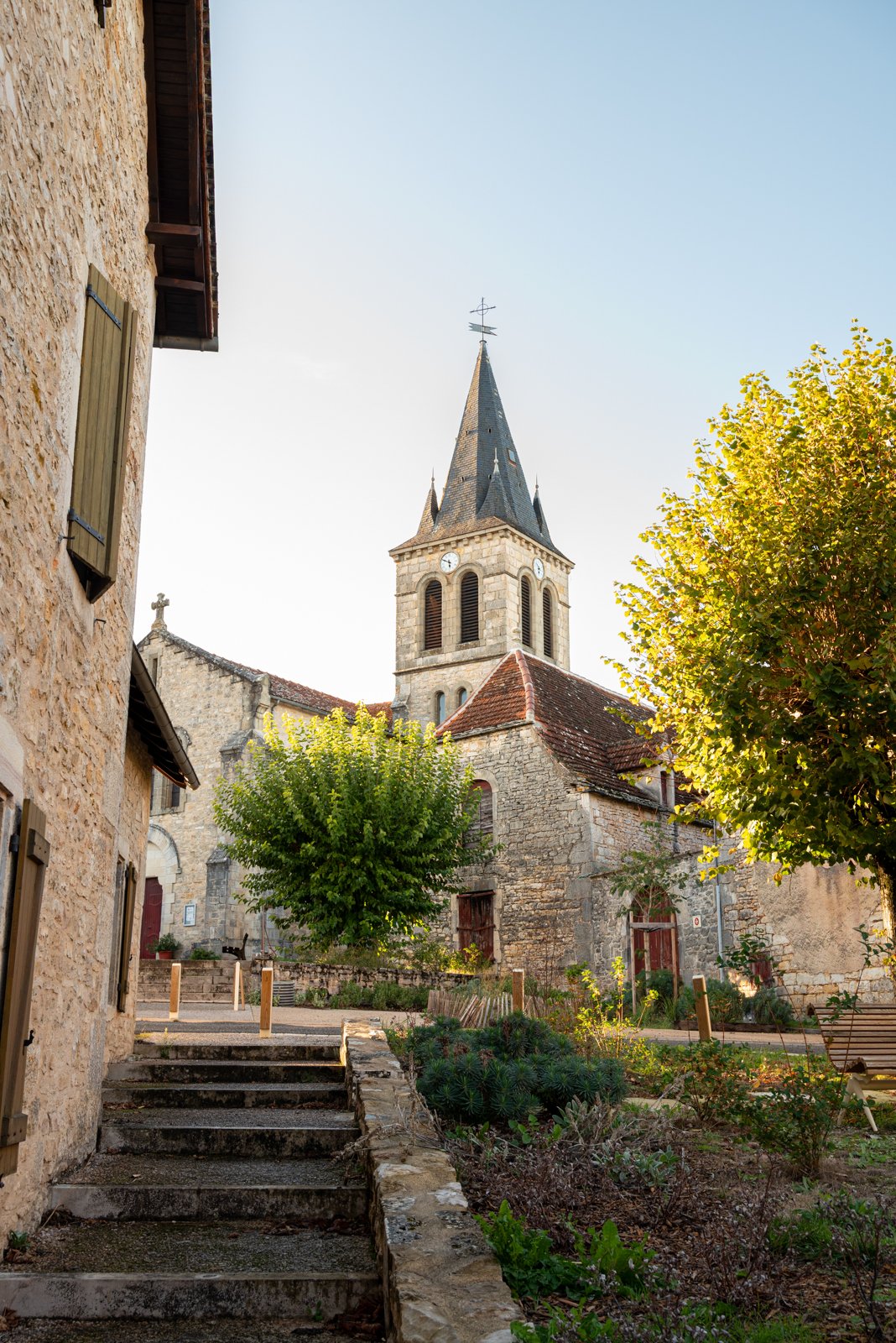
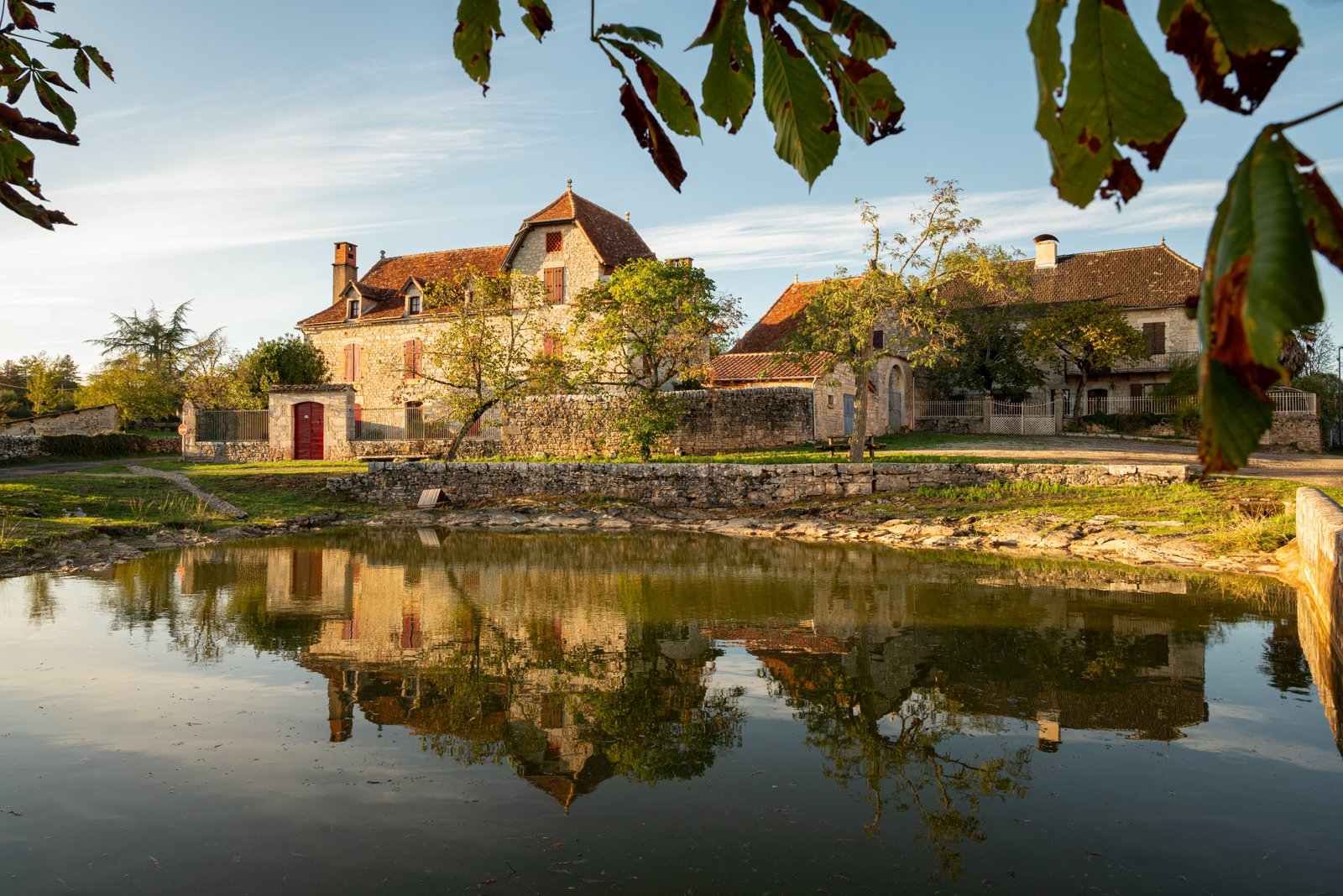
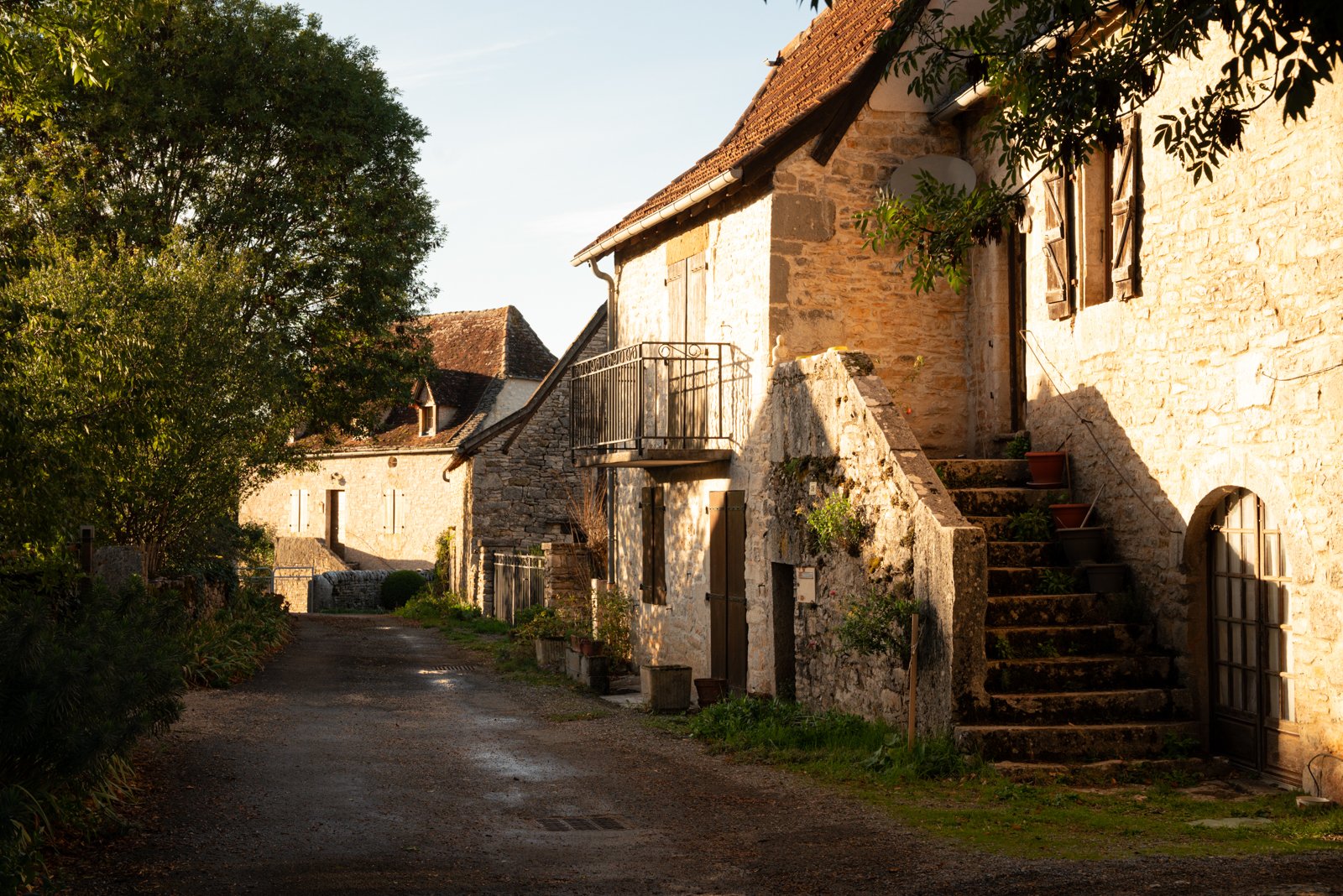
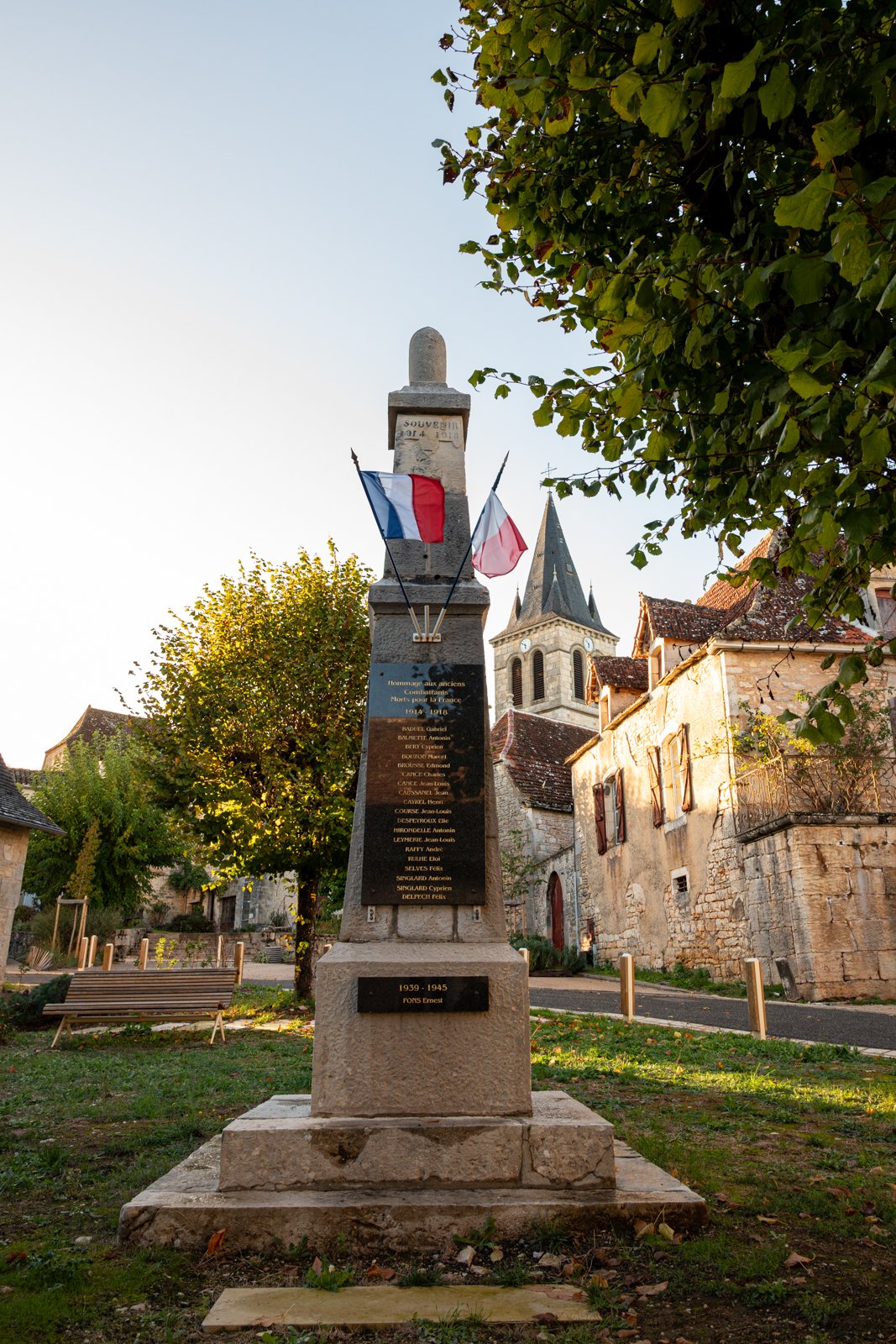
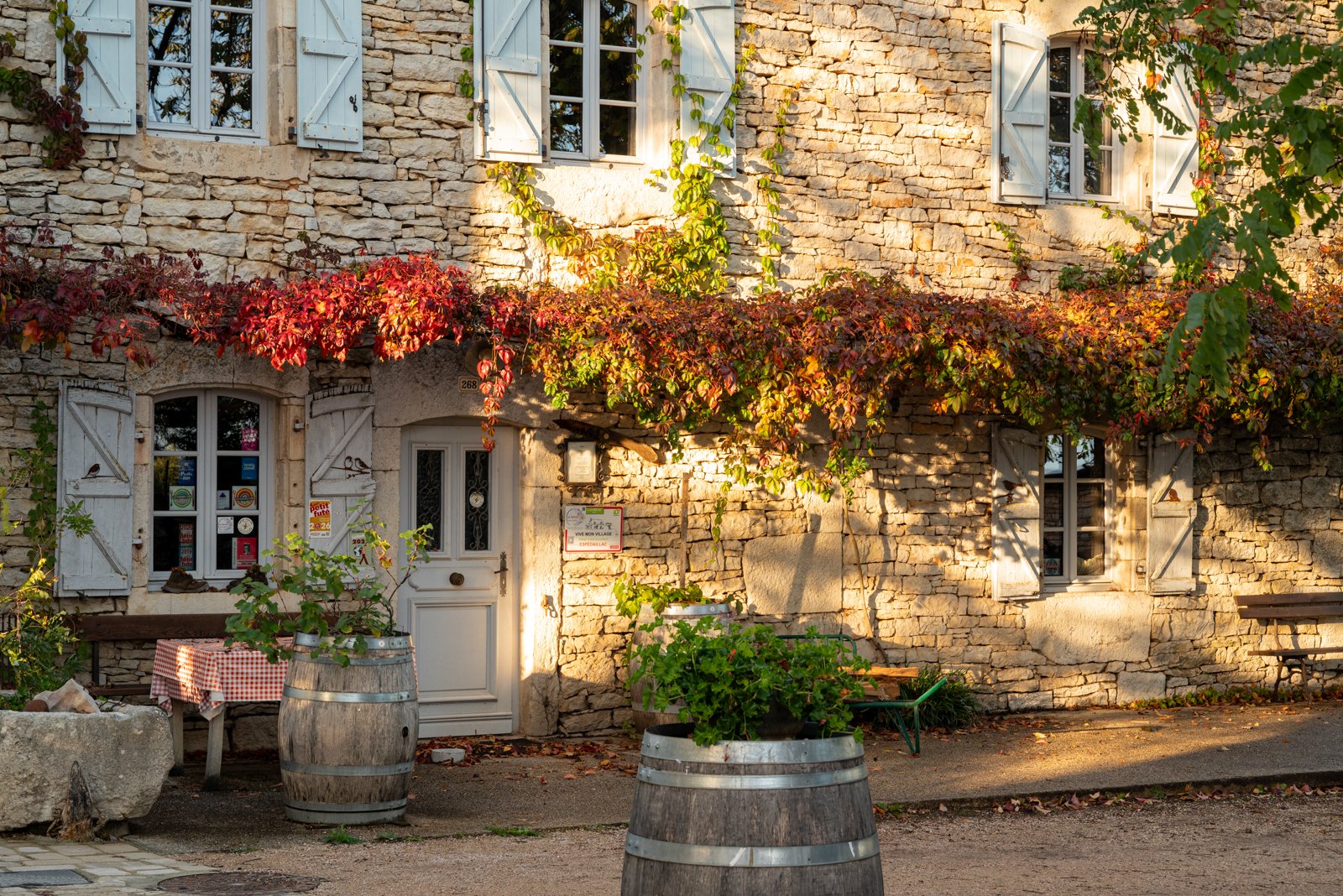
Espédaillac has another feature worth noting: the village has a dedicated stargazing spot, with an information panel and telescope pads. Located in the famous “Triangle noir du Quercy” (Quercy Dark Triangle), known for its very low light pollution, it must be a fantastic place to photograph the Milky Way!
🗺️ Another way to discover Espédaillac
Fancy exploring Espédaillac in a fun way? With the game “Une carte, un village” (One map, one village), hunt for architectural details and small remarkable features hidden in the streets. A sort of treasure hunt to enjoy with family or friends!
📍 Download the discovery game (PDF, in French)
Document provided by the Grand-Figeac Tourist Office
Visiting Marcilhac-sur-Célé: abbey, village and caselles hike
Marcilhac-sur-Célé has a special, almost mystical atmosphere. Perhaps it’s the fog that greets us that morning, wrapping the limestone cliffs and slowly revealing the village, nestled in the hollow of the Célé Valley. Or perhaps it’s the way it’s laid out around the former Saint-Pierre Abbey, whose romantic ruins have kept a somewhat austere beauty…
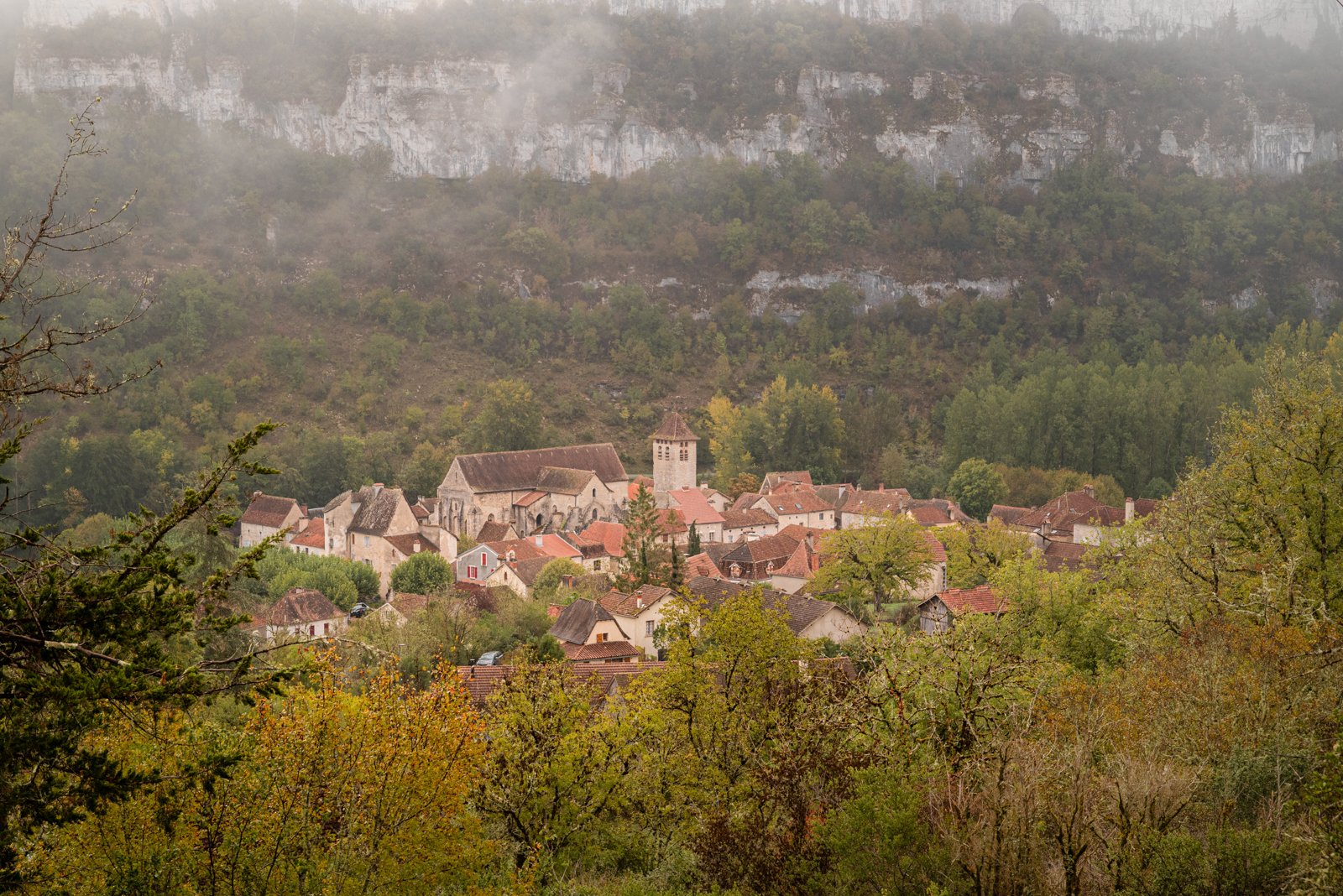
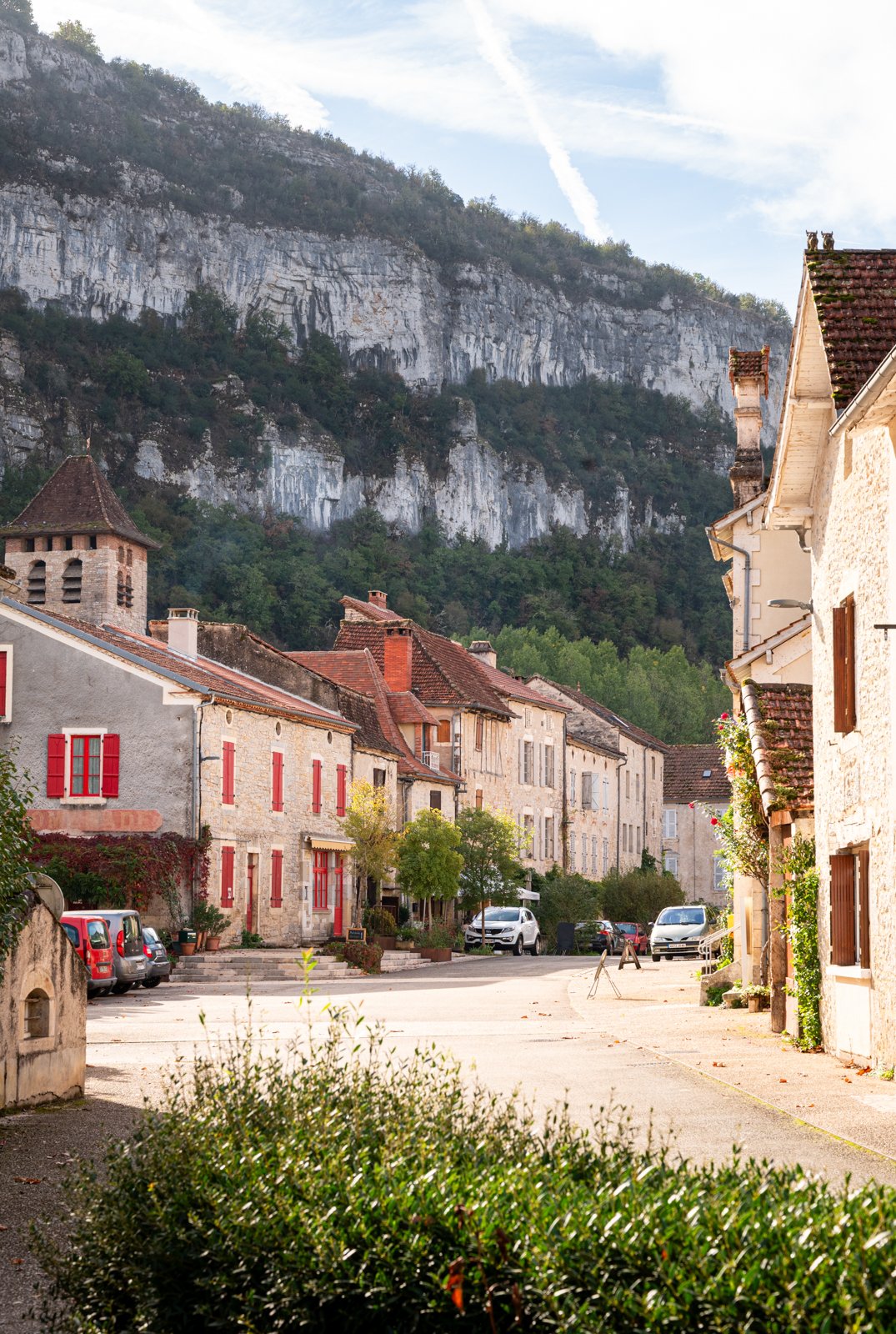
The history of Marcilhac-sur-Célé is closely linked to its Benedictine abbey, which enjoyed several periods of prosperity before being hit hard by the Hundred Years’ War and then the Wars of Religion. What remains today are the ruins of the Romanesque church, a magnificent chapter house and several buildings that reflect its former importance. The village, which lies on the Way of St James pilgrimage route to Santiago de Compostela, also has some lovely old houses.
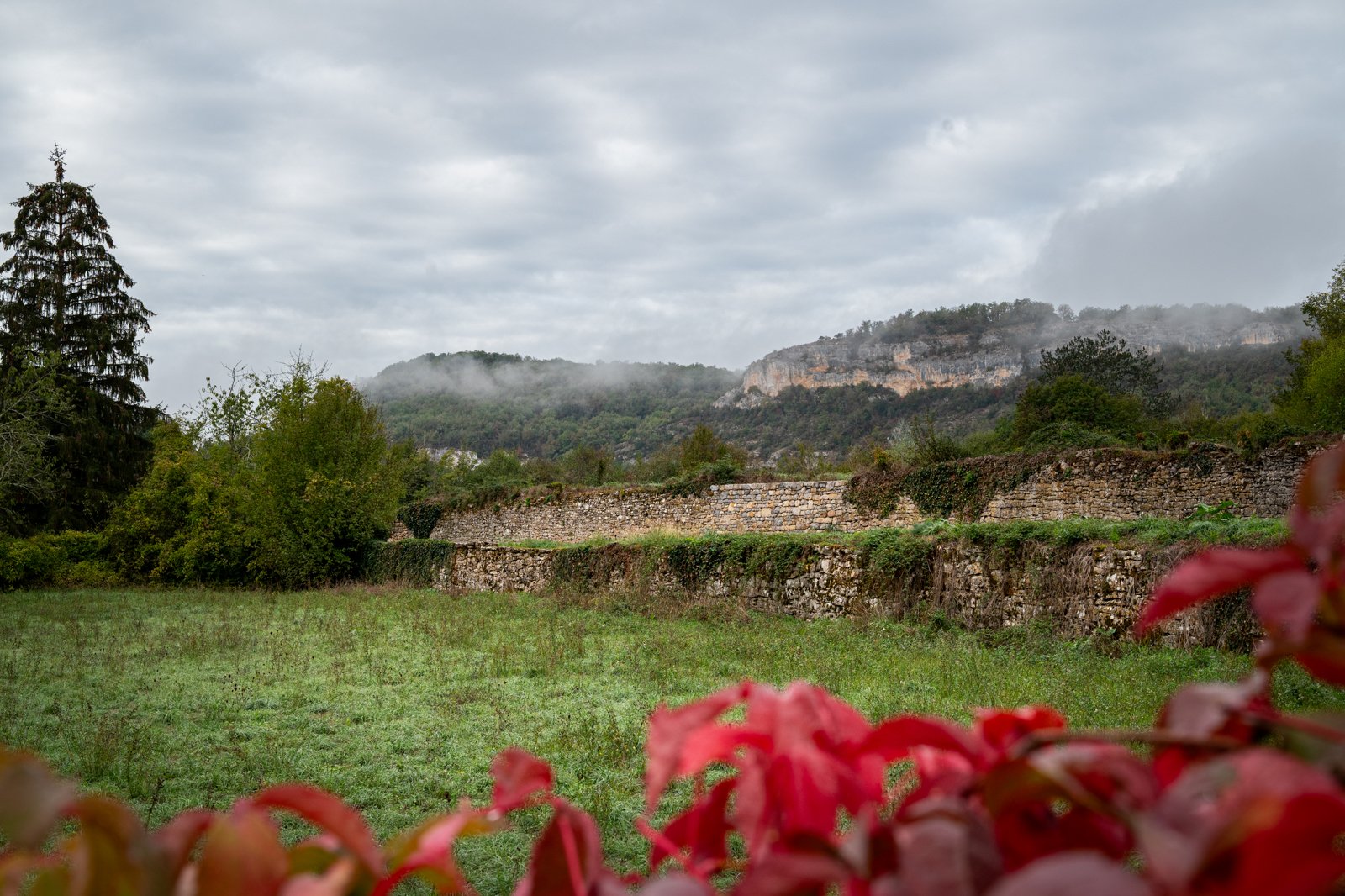
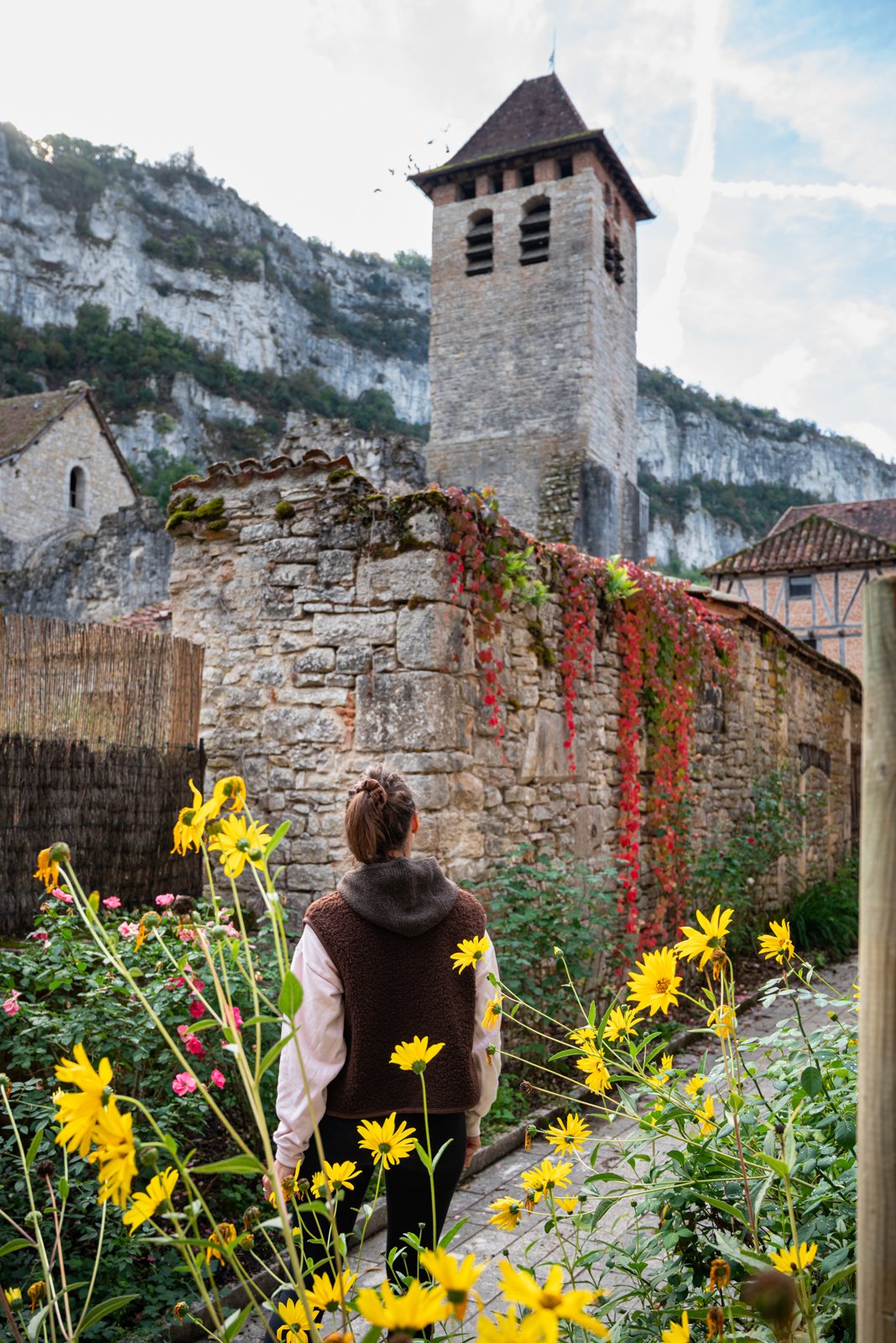
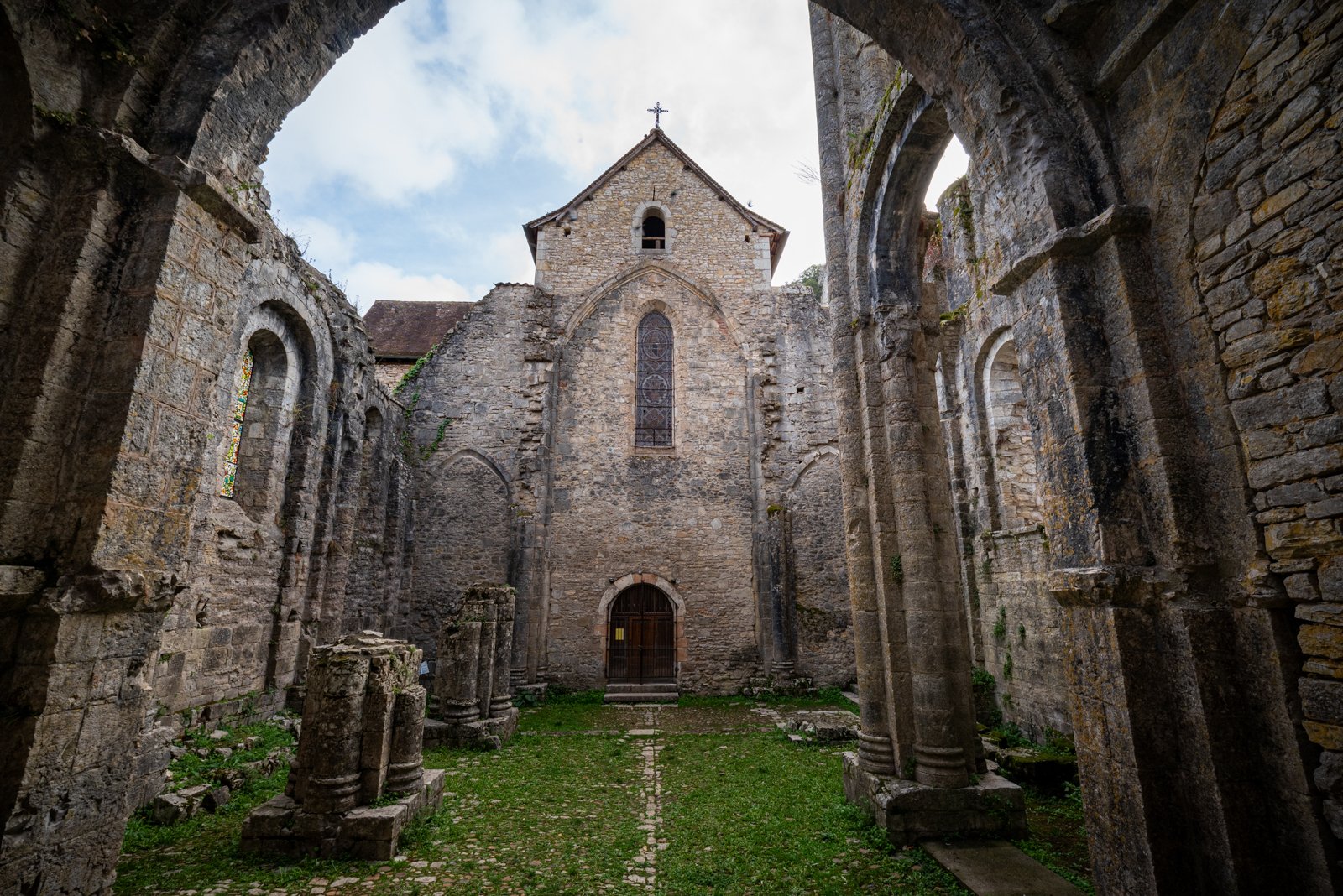
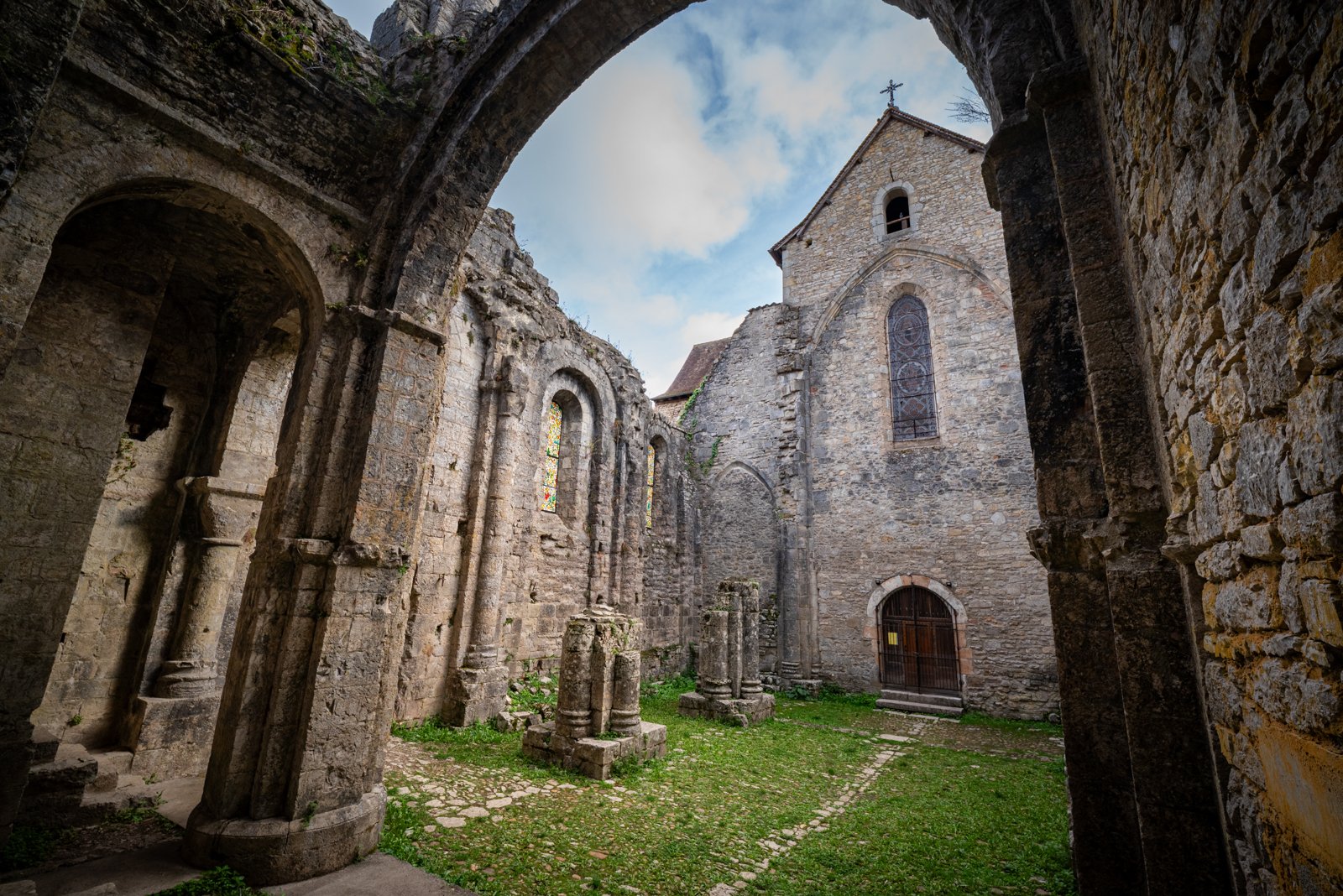
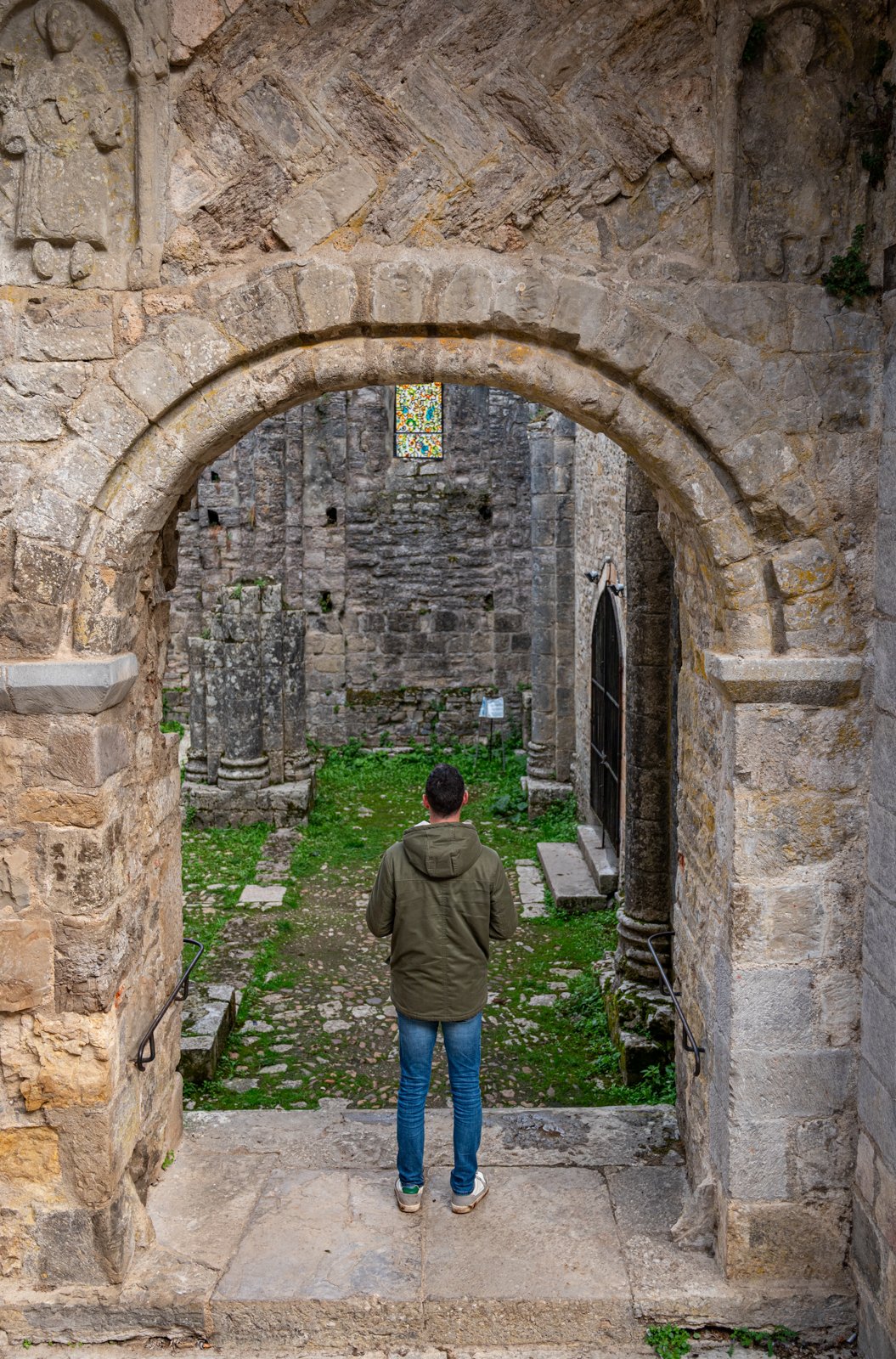
Marcilhac-sur-Célé is also the starting point for several hikes across the limestone plateau. We took the opportunity to walk the Marcilhac caselles trail, a lovely walk through traditional rural heritage.
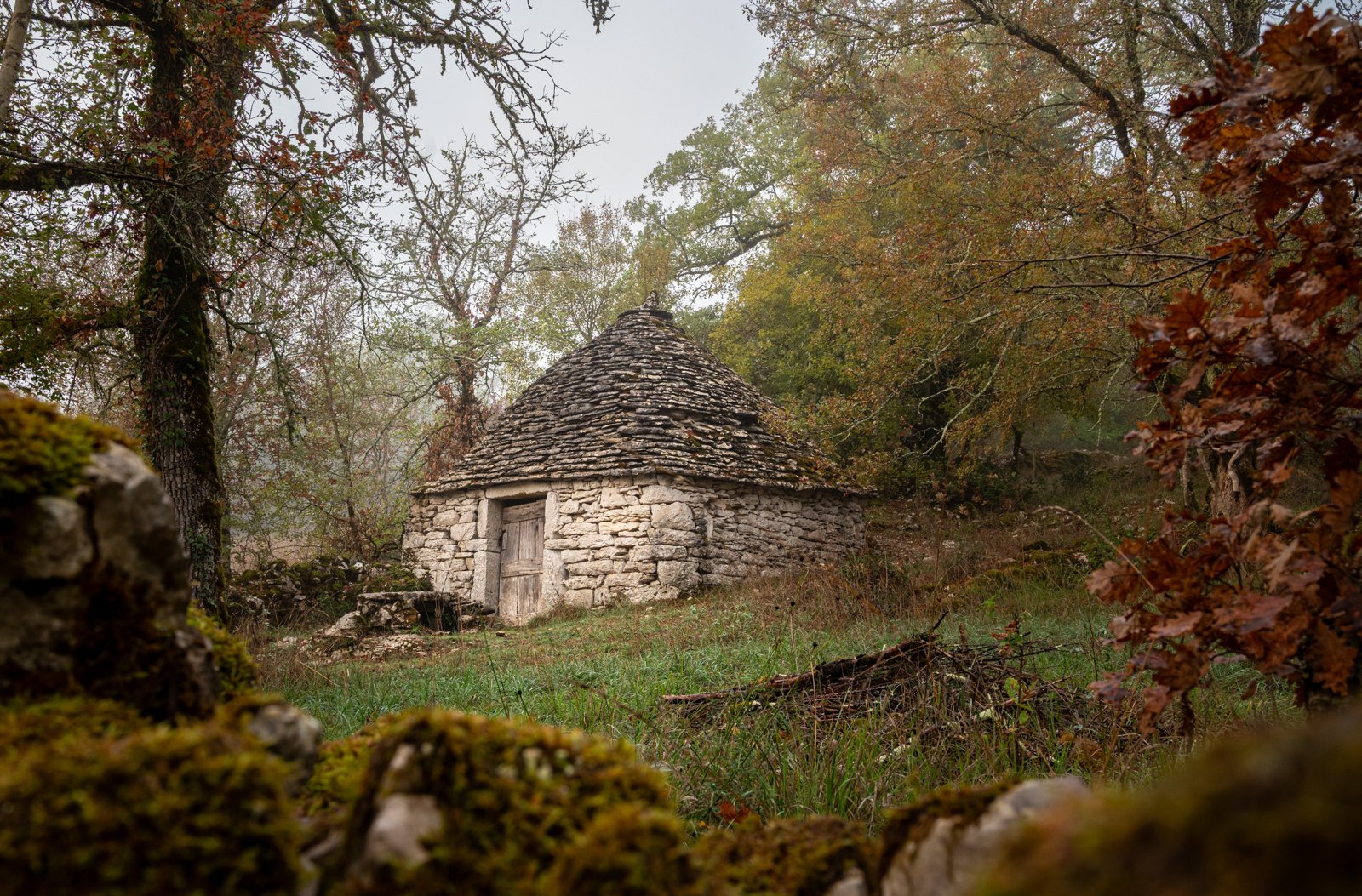
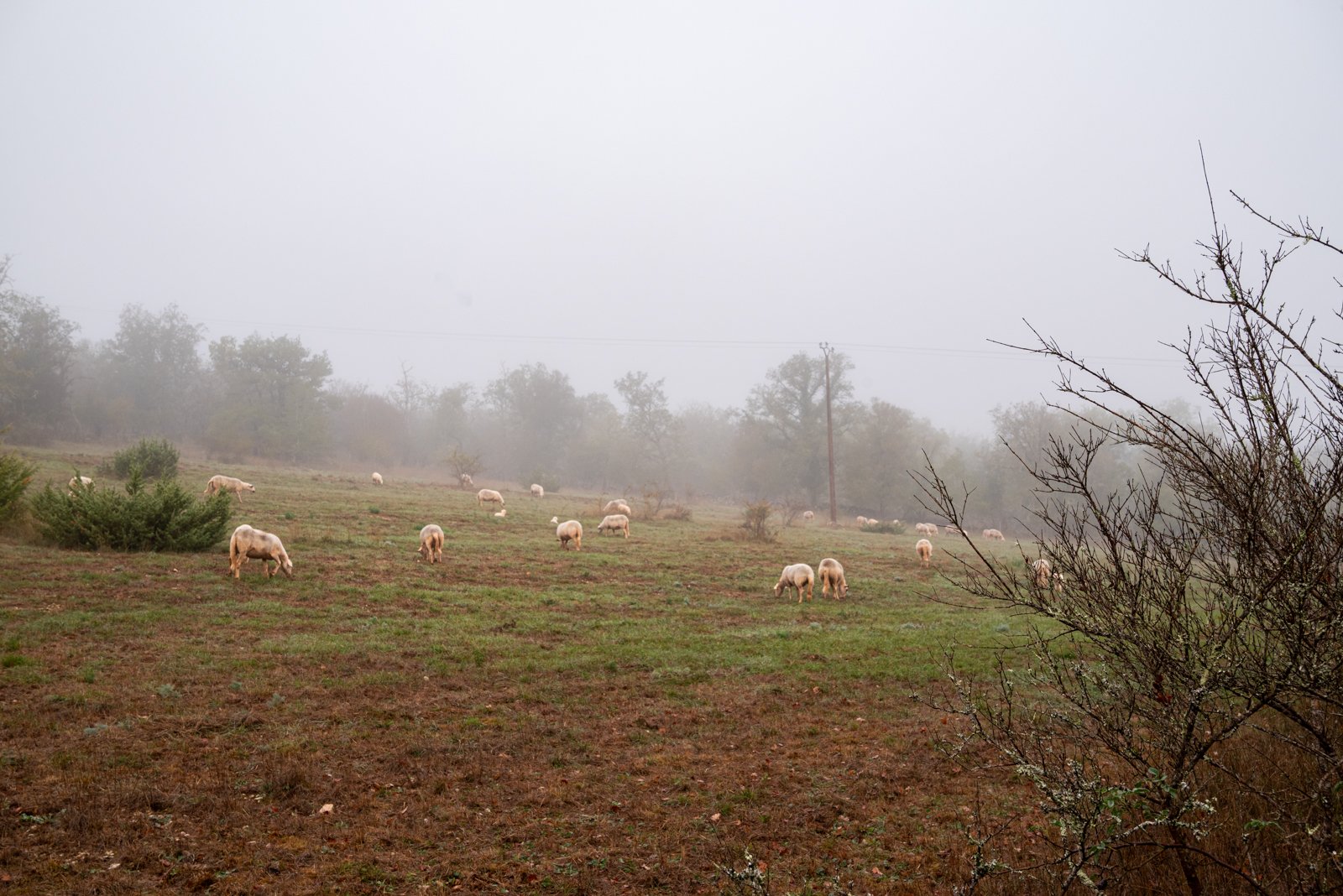
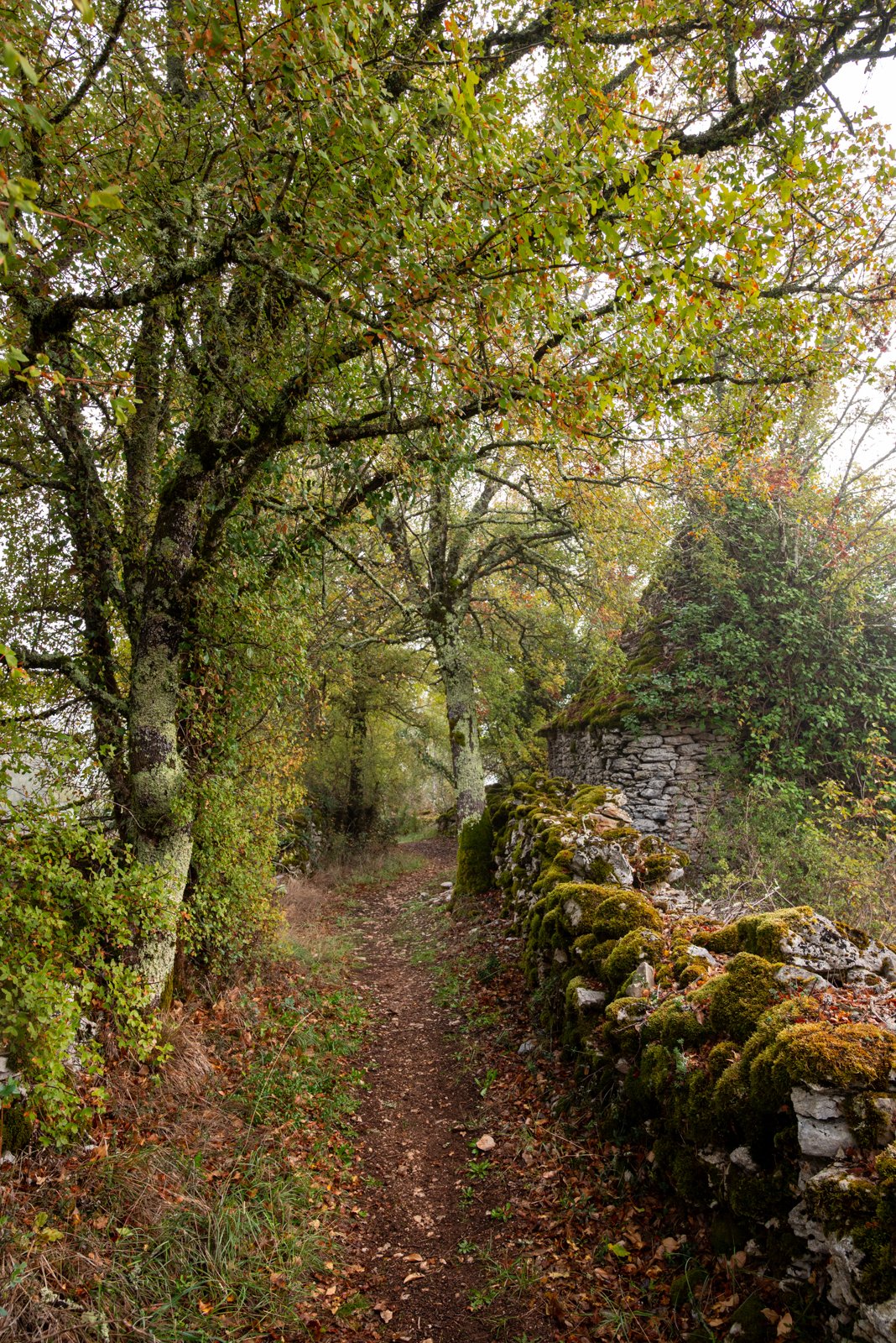
Along the way, you pass dry-stone walls, old shepherds’ huts, cisterns and landscapes shaped by the farming of days gone by. Having missed the caselles at Espédaillac the day before, I was delighted to finally see them up close!
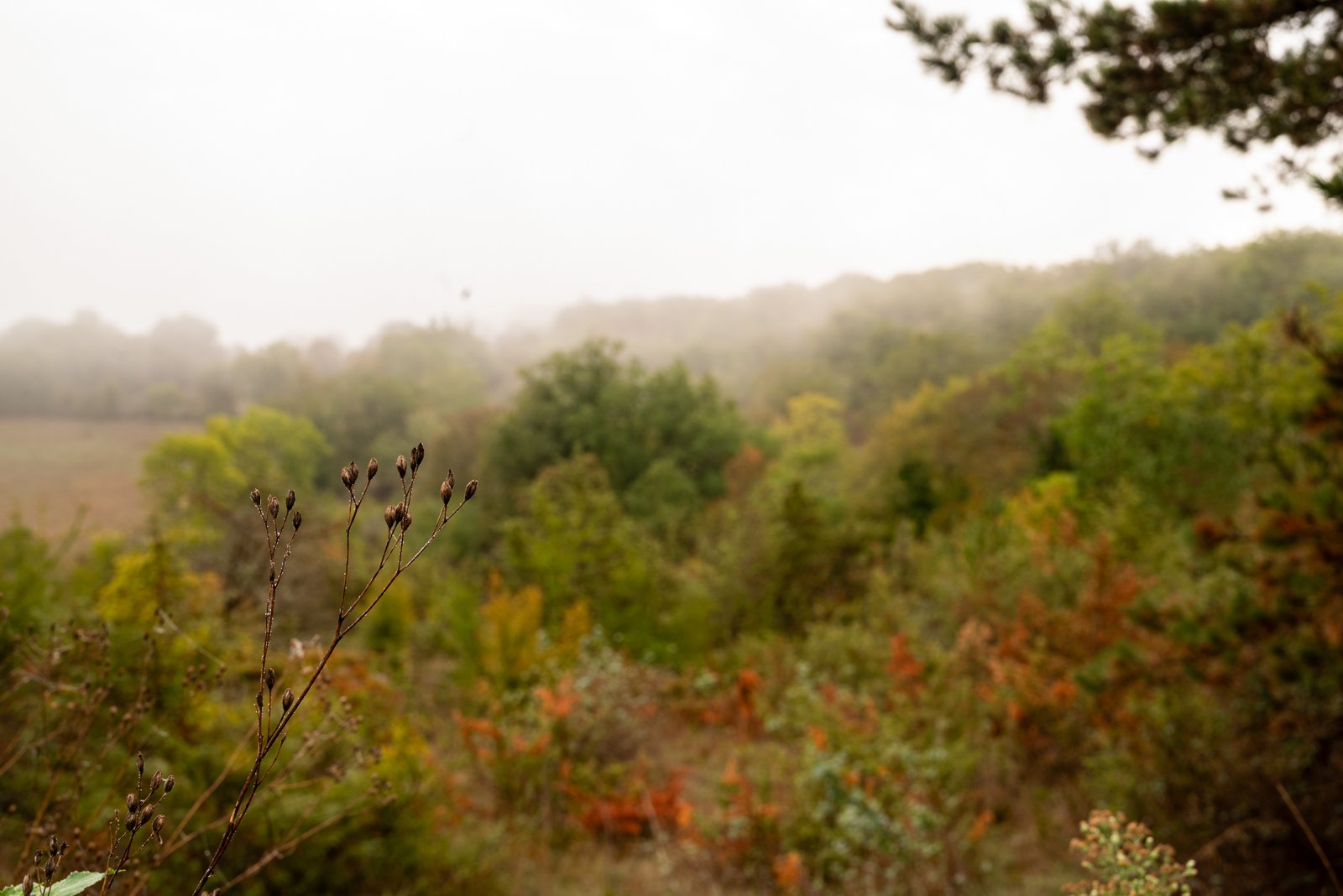
The trail also offers lovely views over the plateau and the Célé Valley, although in our case the autumn mist rather robbed us of the panorama. It did, however, give the walk a very special atmosphere, crisp and autumnal 🤍
📍 Don’t miss in Marcilhac-sur-Célé
A few places and details to look out for as you stroll around the village:
⛪ Saint-Pierre Abbey
Its Romanesque ruins and carved tympanum.
🏛️ The chapter house
A remarkable 12th-century survivor.
🏡 La Maison du Roy
A beautiful 15th-century half-timbered house.
🪨 The old ramparts
The remains of the village fortifications.
🌿 The banks of the Célé
A riverside walk with lovely views of the village.
🥾 The caselles trail
An easy 6.7 km hike exploring the rural heritage of the plateau.
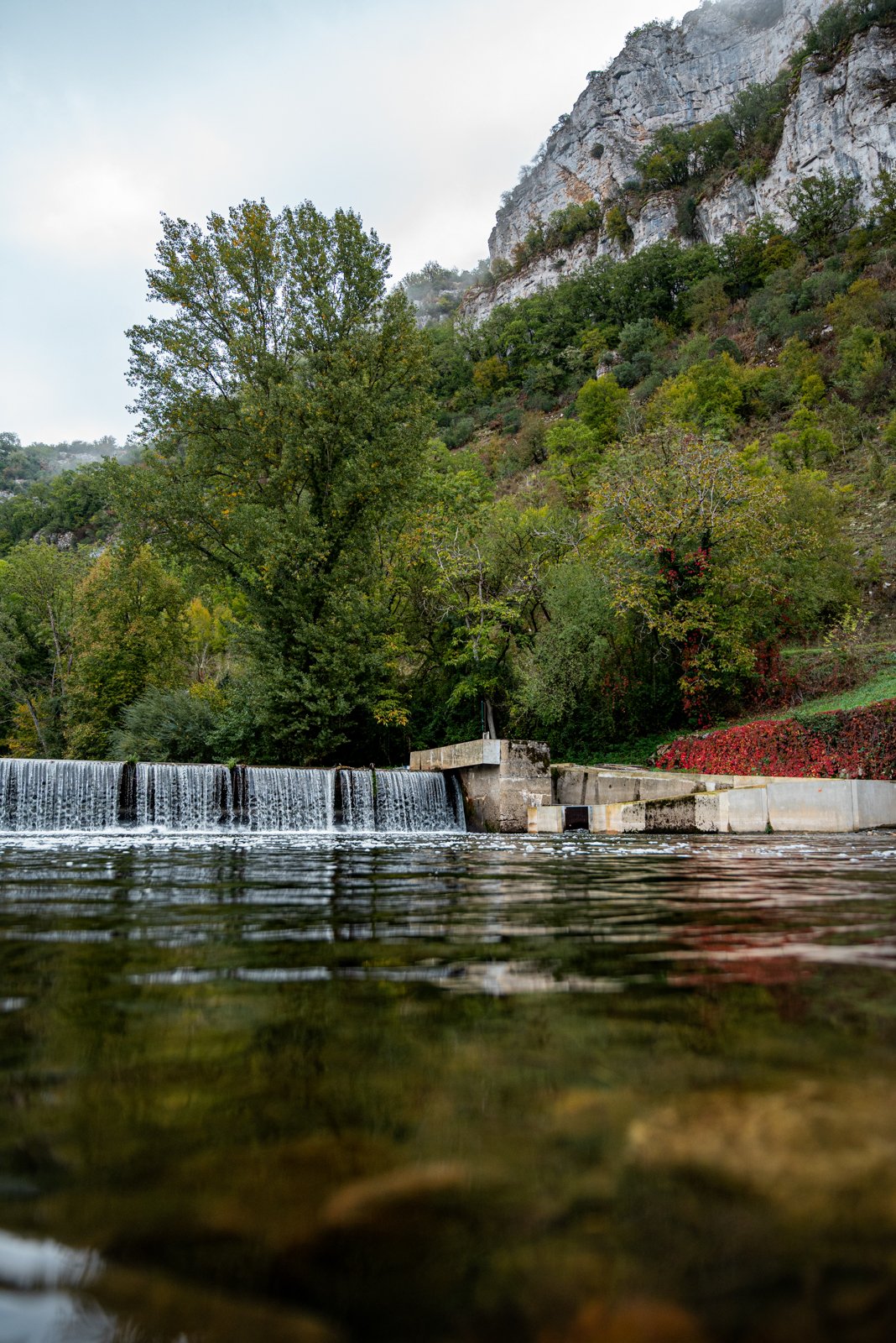
Visiting Espagnac-Sainte-Eulalie, a medieval gem in the Célé Valley
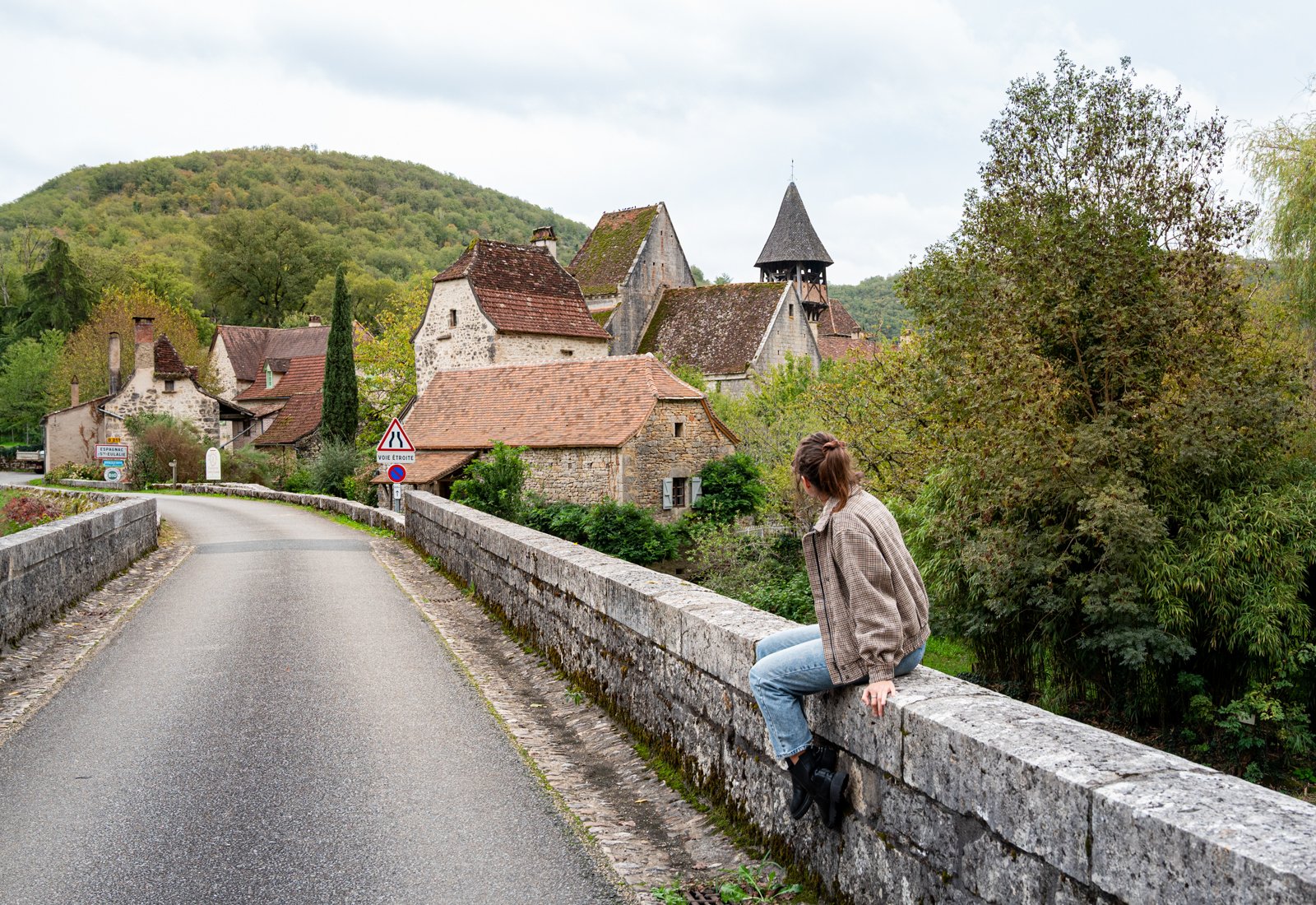
A little medieval gem nestled in the Célé Valley, Espagnac-Sainte-Eulalie is well worth a detour for its religious heritage, unspoilt natural setting and old-world charm.
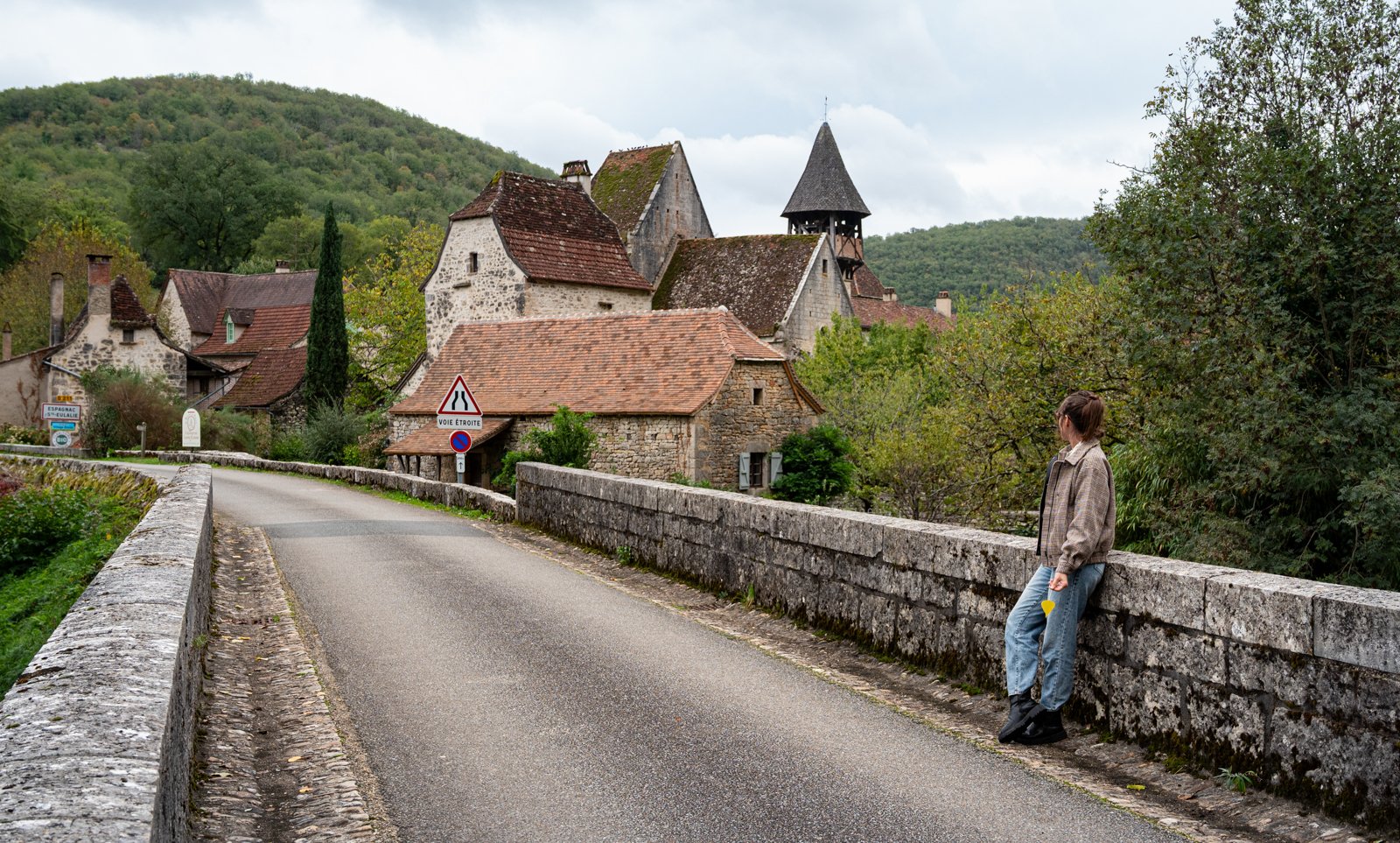
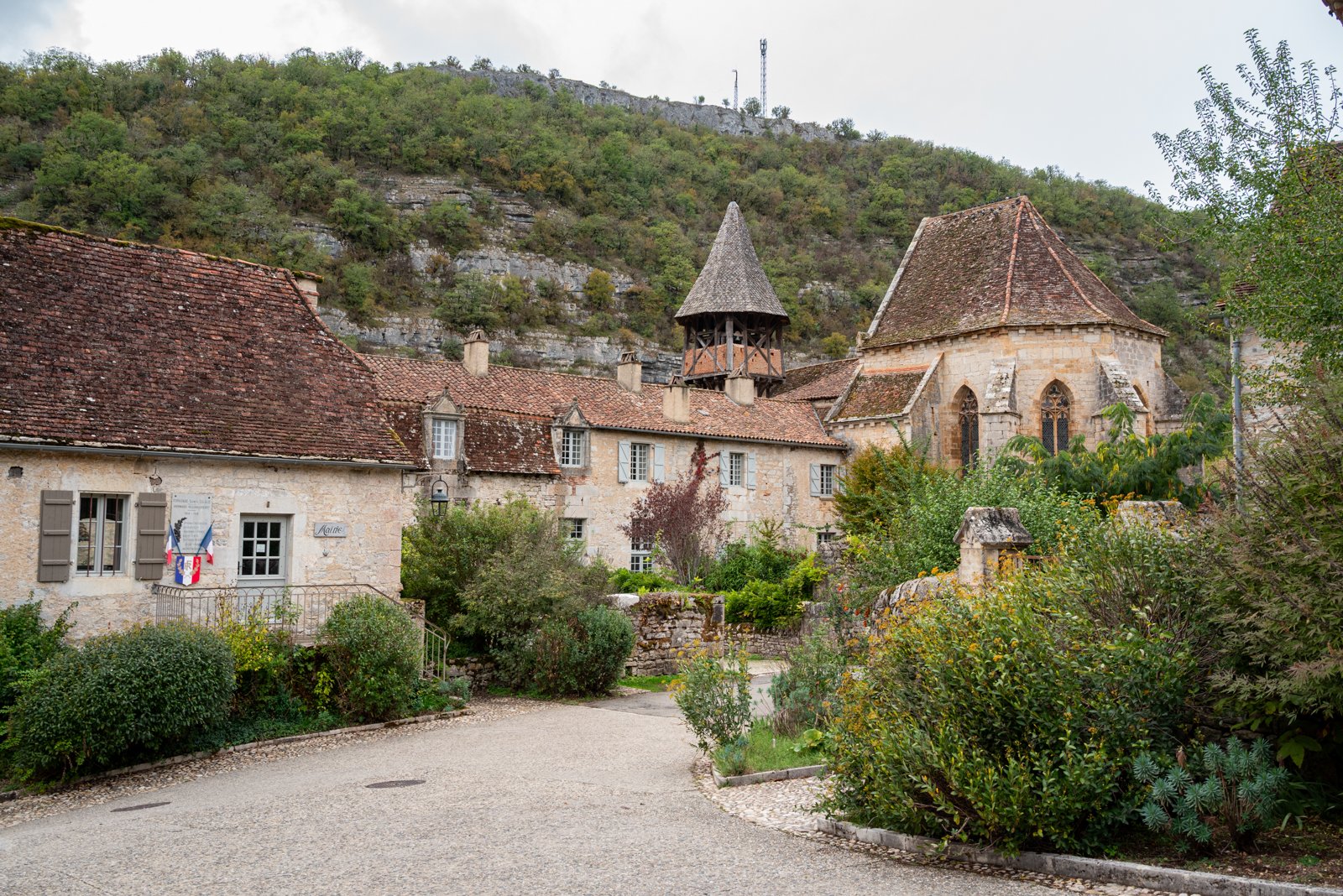
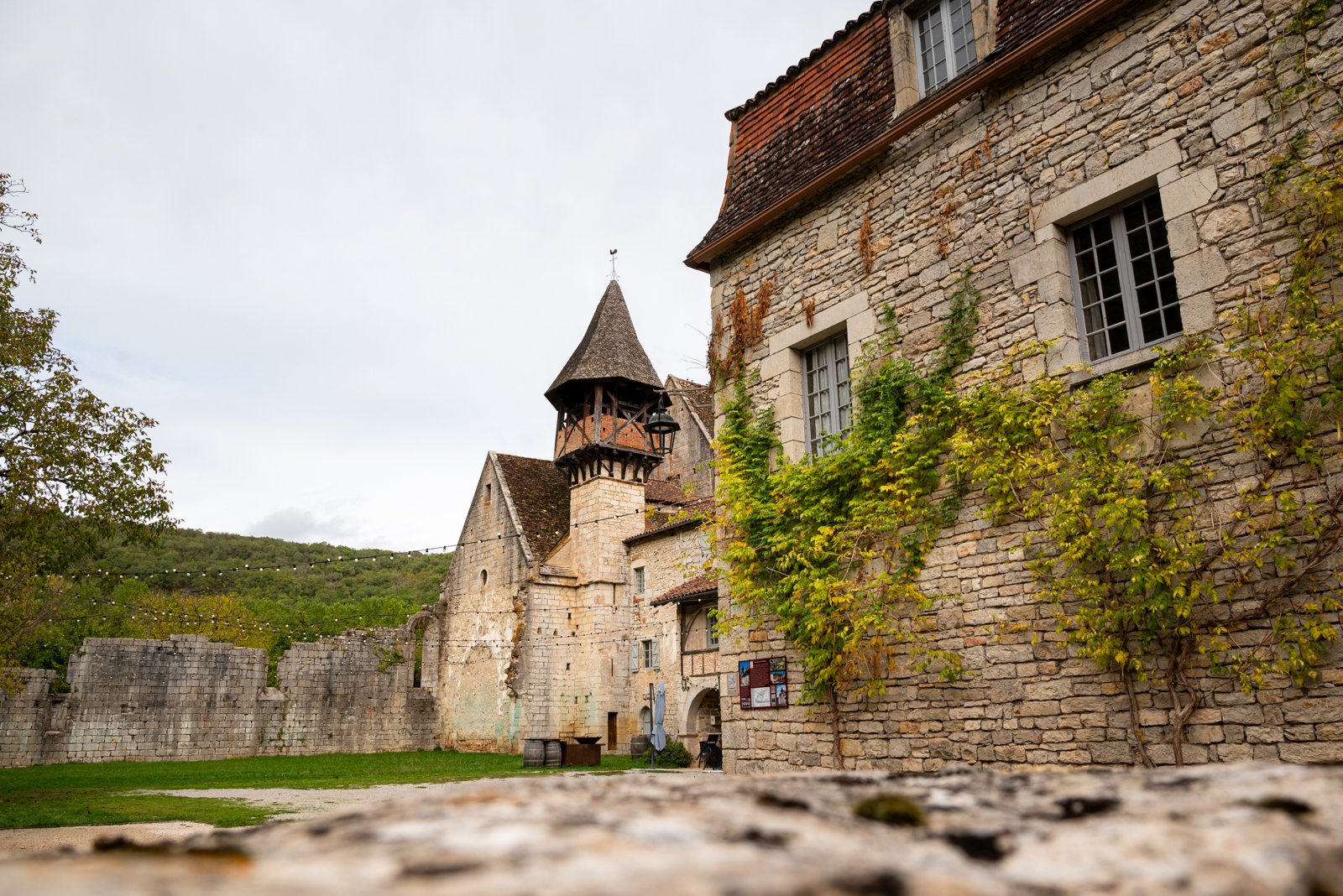
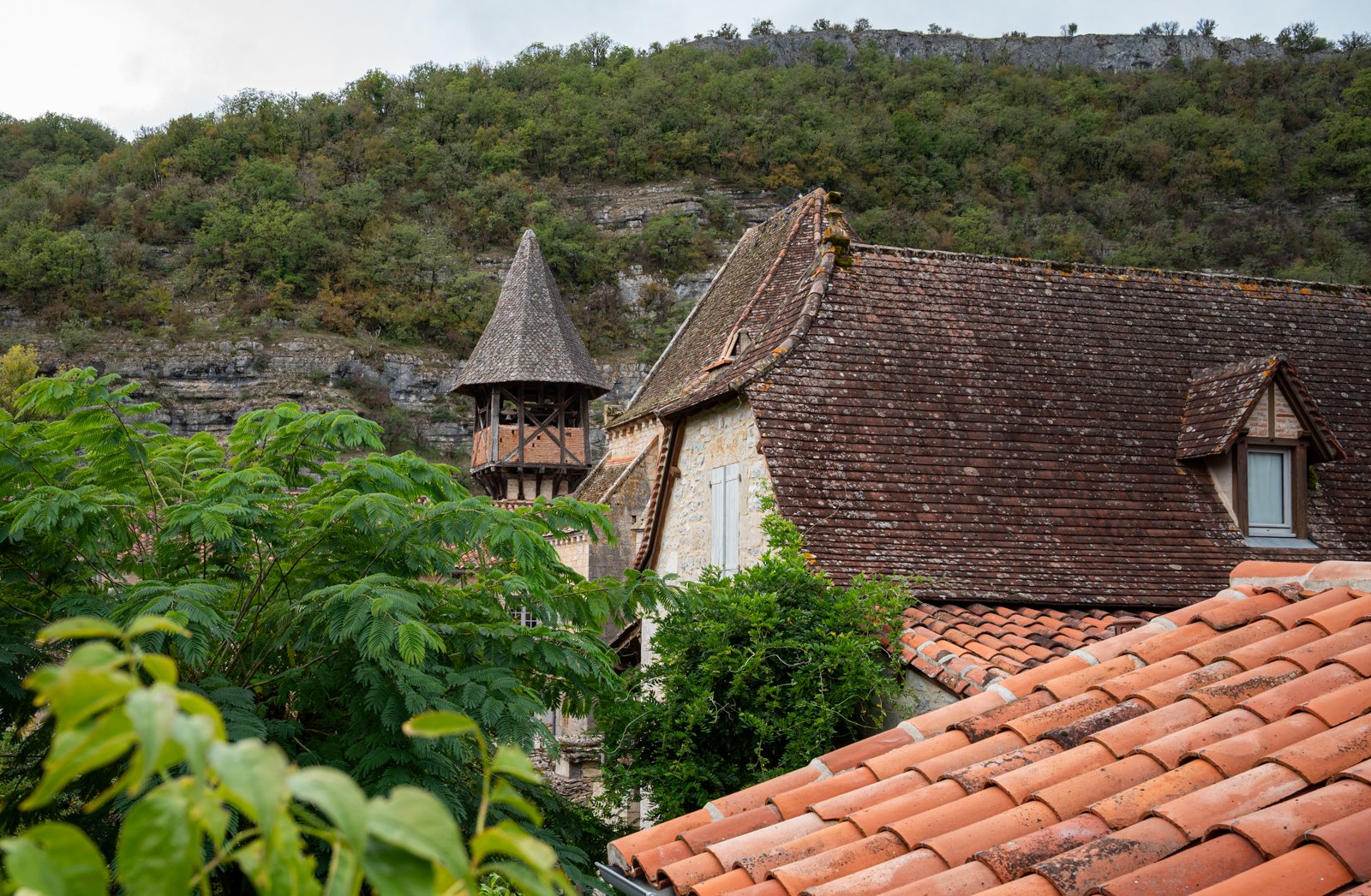
Located on a variant of the Way of St James, the village grew up around its priory founded in the Middle Ages, which immediately catches the eye with its striking square half-timbered bell tower topped with a stone-slab (lauze) roof.
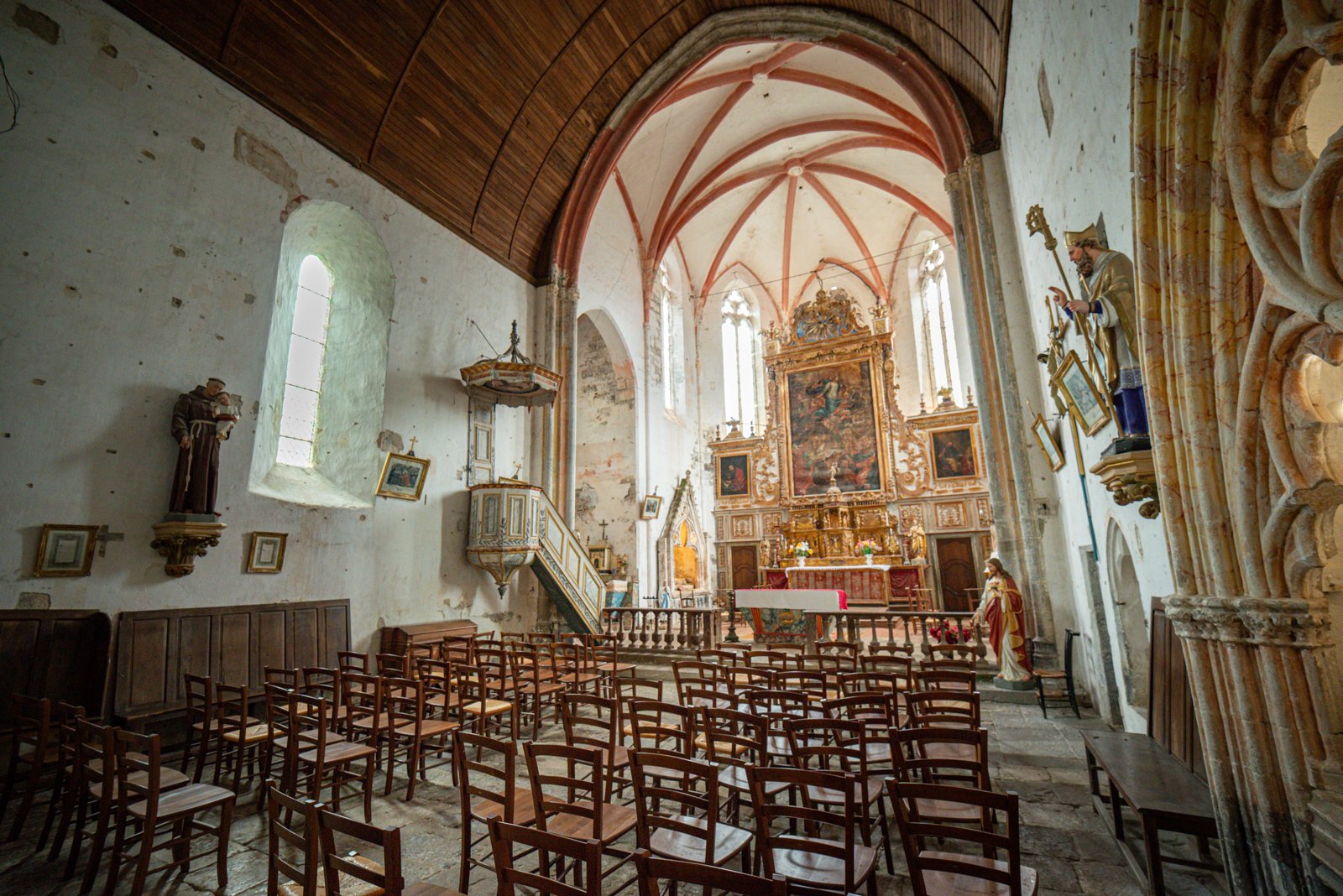
We take our time exploring the priory’s former church, whose walls still bear the marks of past centuries. It houses several carved tombs with recumbent effigies of important figures from the site’s history, including benefactors and lords.
To better understand the village’s history, you can now explore it independently thanks to QR codes installed on site. They give access to a virtual tour narrated by Christian Thiry, a local guide passionate about Espagnac’s heritage. A lovely initiative to discover the priory and churches at your own pace, lingering over details you might otherwise have missed.
With its old stones, religious heritage and surrounding cliffs, Espagnac-Sainte-Eulalie is a stop full of character along the Célé Valley.
Discovering Sauliac-sur-Célé and its old cliffside village
Sauliac-sur-Célé is spread out along the Célé Valley, between its old village literally clinging to the cliff face, its newer village centre and its small beach below. A visit in several stages, each revealing superb views over the valley, a few natural curiosities and an almost disconcerting calm.
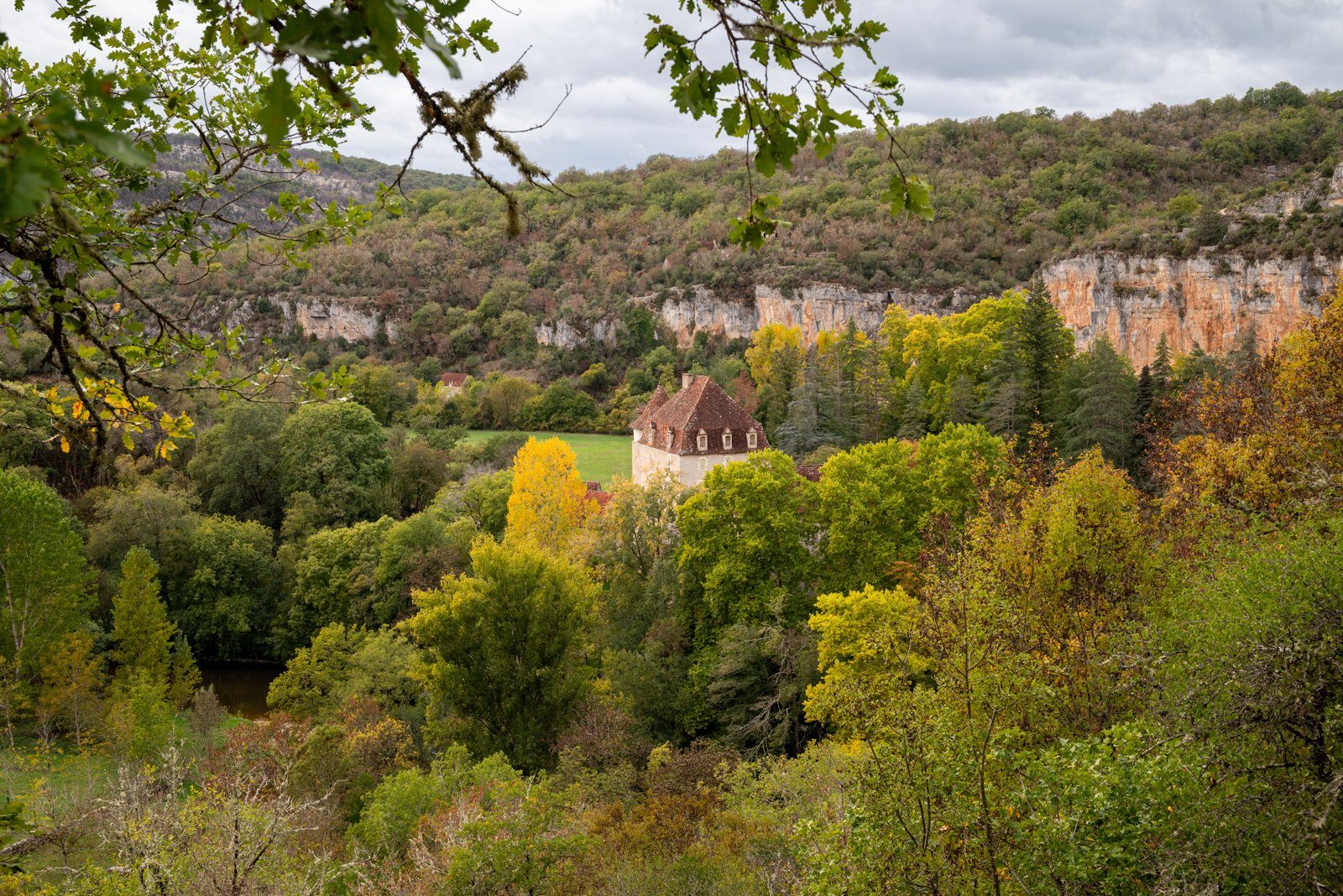
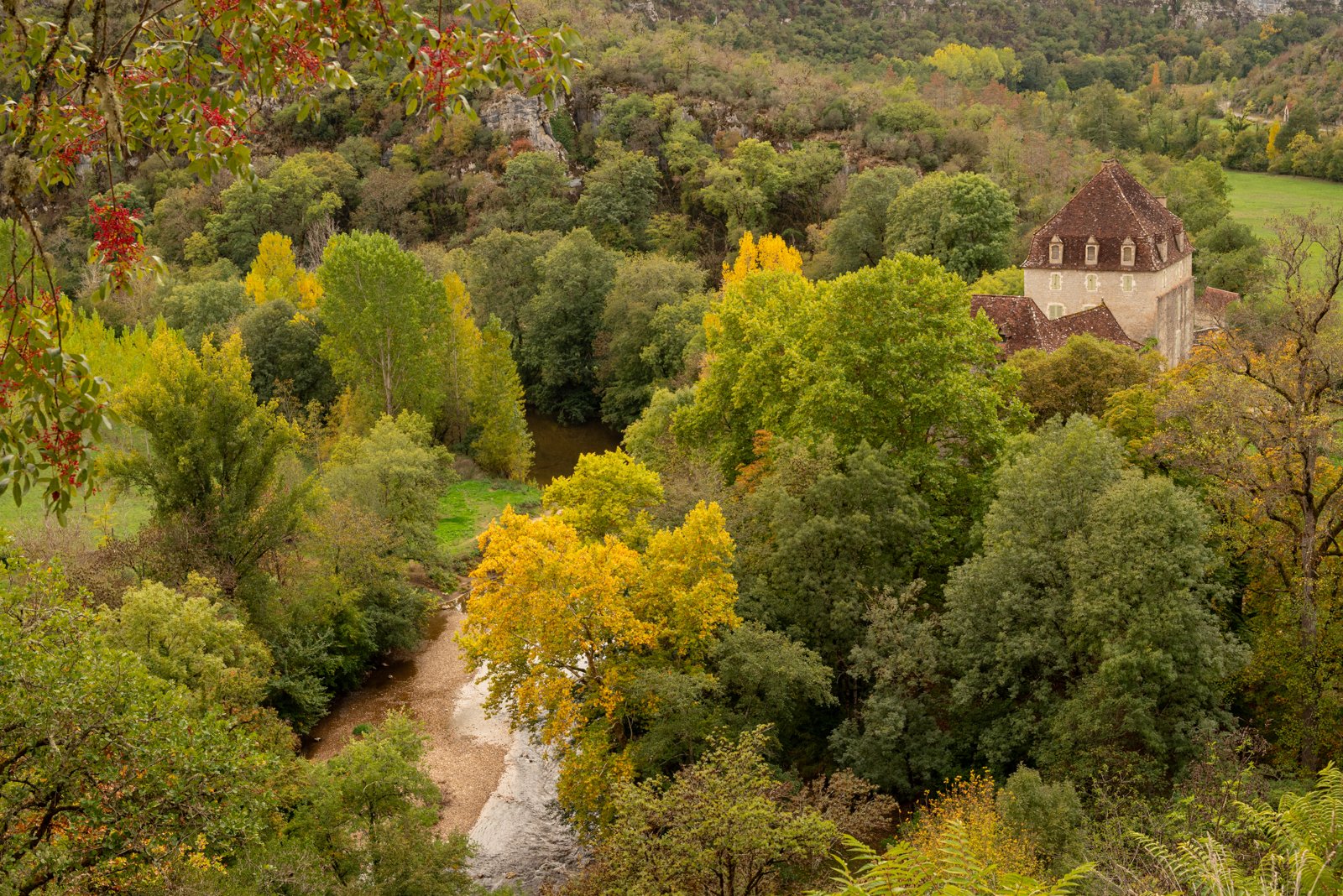
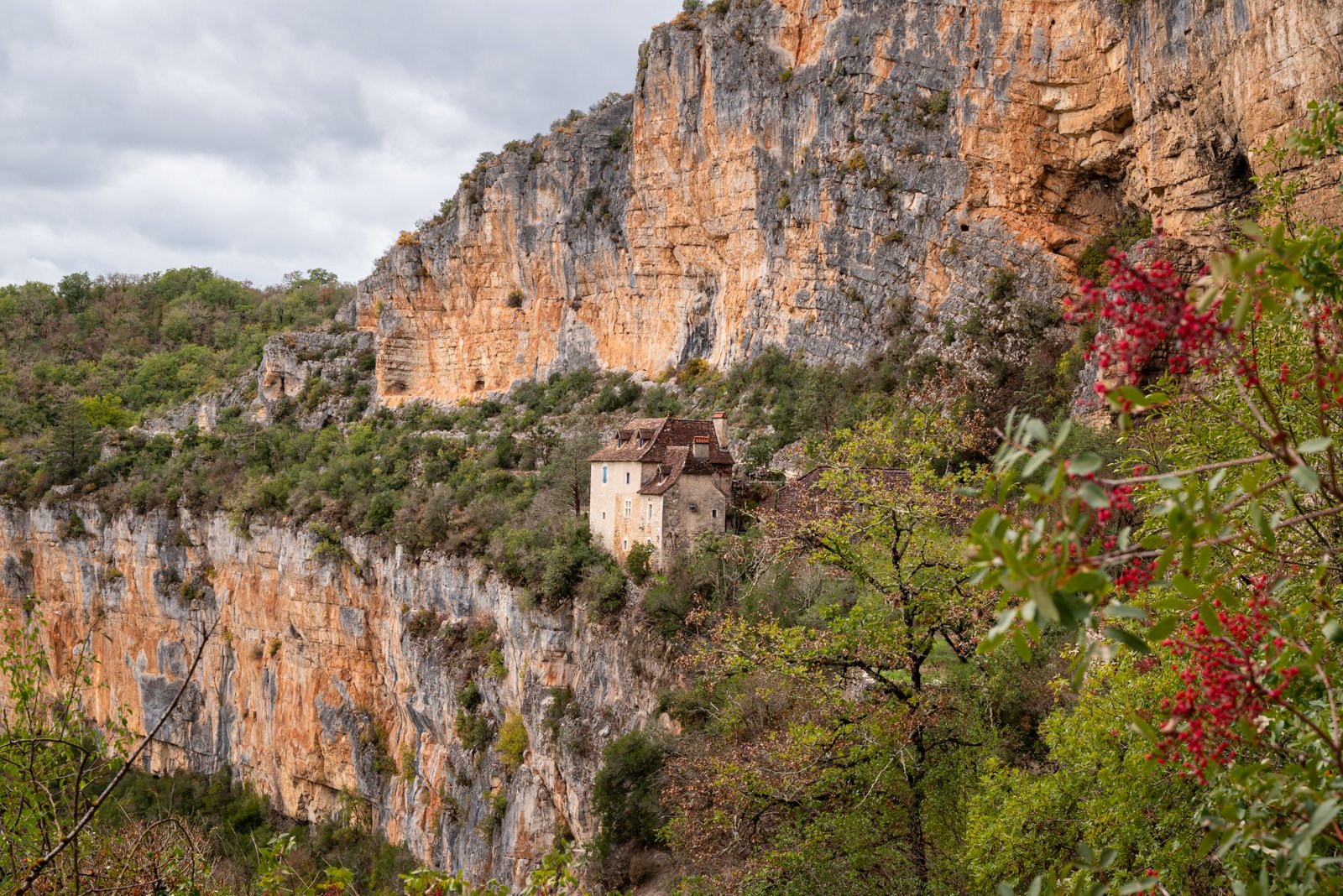
The village of Vieux Sauliac (Old Sauliac), once built halfway up the cliff to protect its inhabitants, is well worth the detour! A small path runs along the limestone walls, taking you close to the old dwellings, some of which seem to be built directly into the rock. Caves, ruined buildings and views over the meanders of the Célé punctuate this lovely walk.
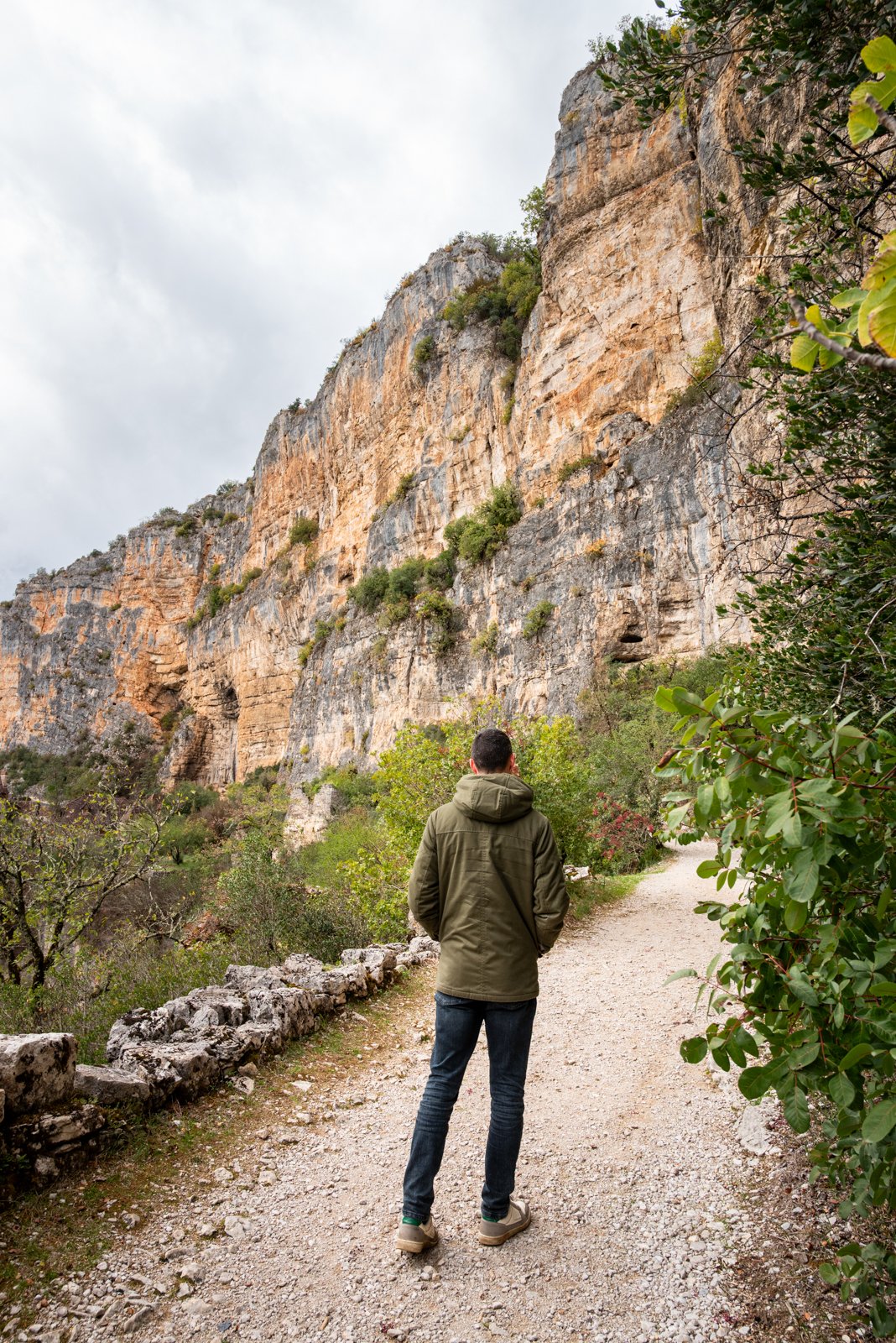
To extend your visit, don’t miss the Pierre-Levée trail, a loop of about 4 km that crosses the plateau landscapes before reaching Vieux Sauliac, with dry-stone walls, a dolmen and lovely views over the valley along the way.
See the Pierre-Levée trail details
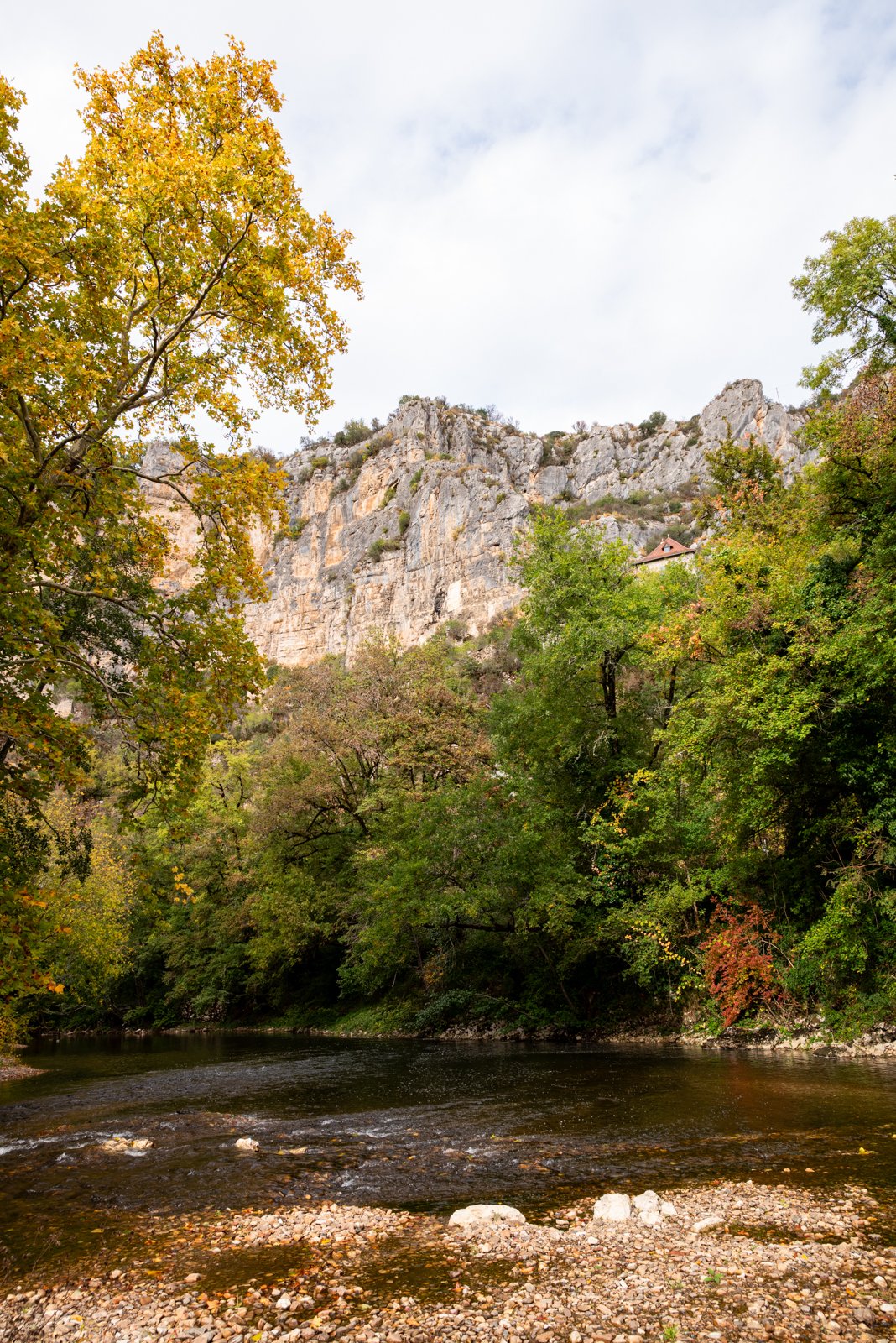
Down below, Sauliac’s little beach is a pleasant spot to enjoy the river in summer, or to practise your stone-skimming when the air is a bit nippier :)!
What to see and do in and around Figeac
Medieval heritage, the history of writing and hilltop villages
Discovering Figeac’s historic centre on a guided tour
Brigitte meets us early in the morning at the Tourist Office for a guided tour of Figeac. The visit starts right inside its walls, in a medieval building that perfectly illustrates the architectural blend that characterises the little town.
The historic centre, which reflects Figeac’s commercial importance in the Middle Ages, offers a real journey through eight centuries of civil architecture. Medieval houses in beige sandstone mix with Renaissance, classical and more modern features. Over the centuries, the town’s wealthy merchants and burghers constantly remodelled, extended or modernised their homes to keep up with the fashions of the day.
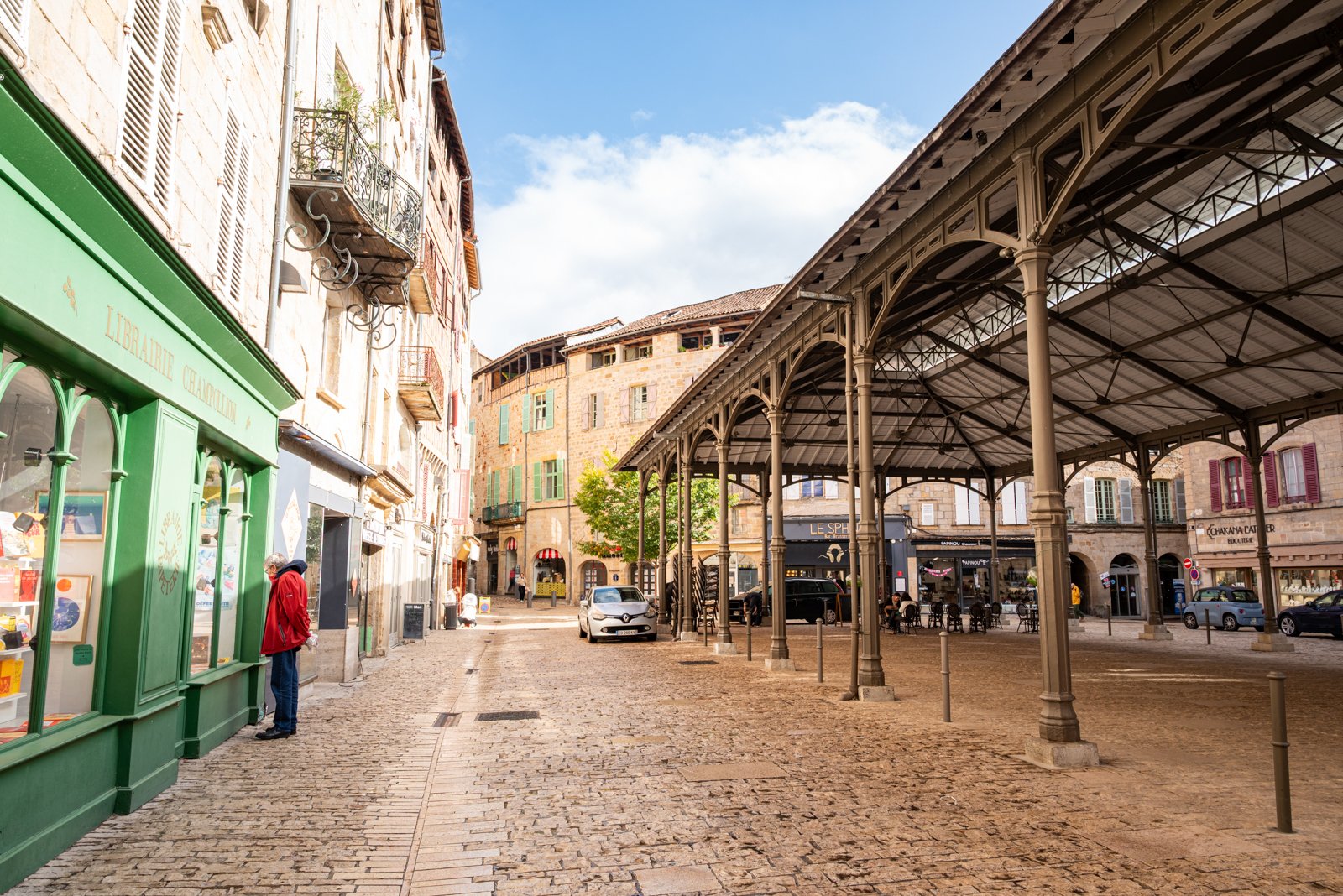
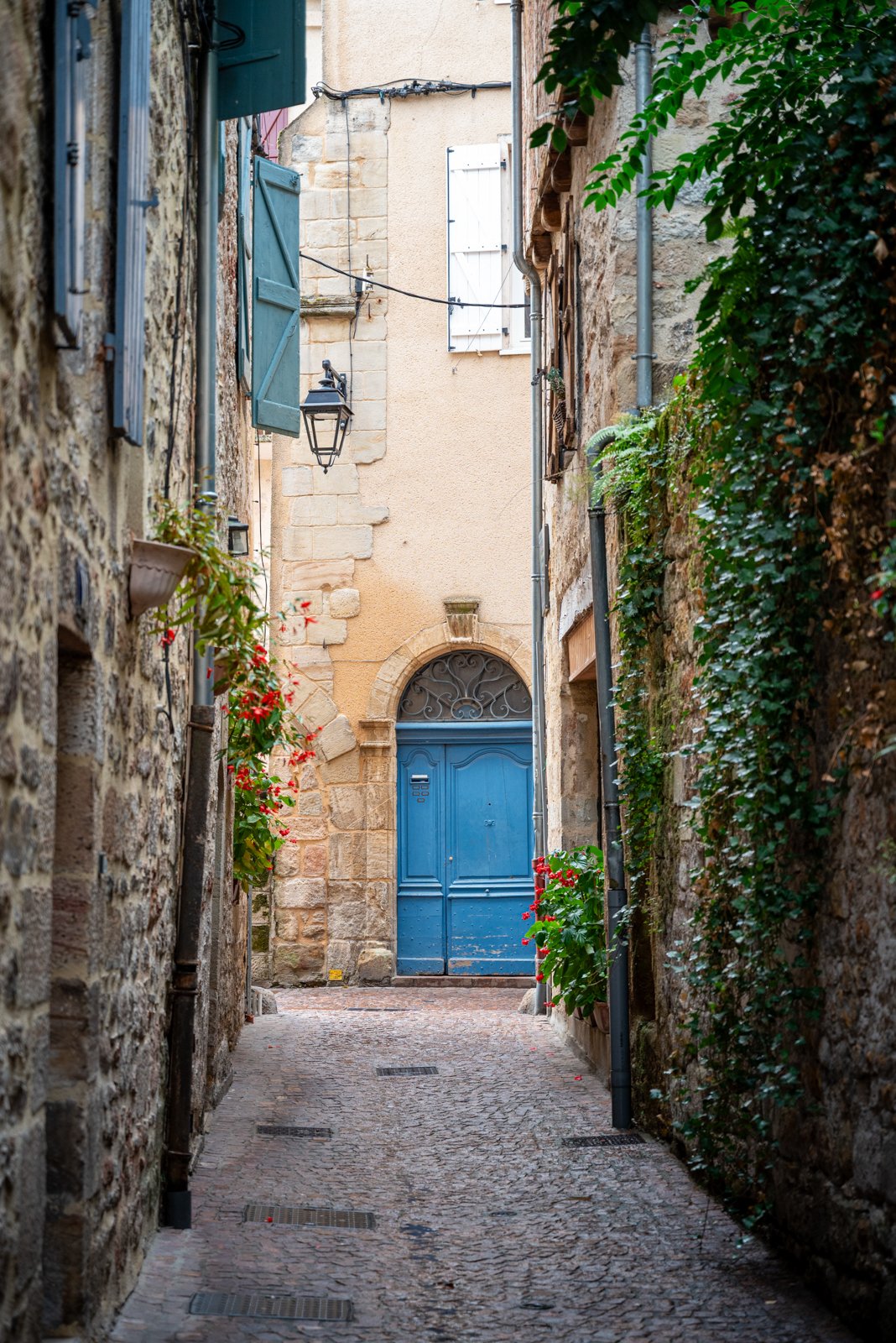
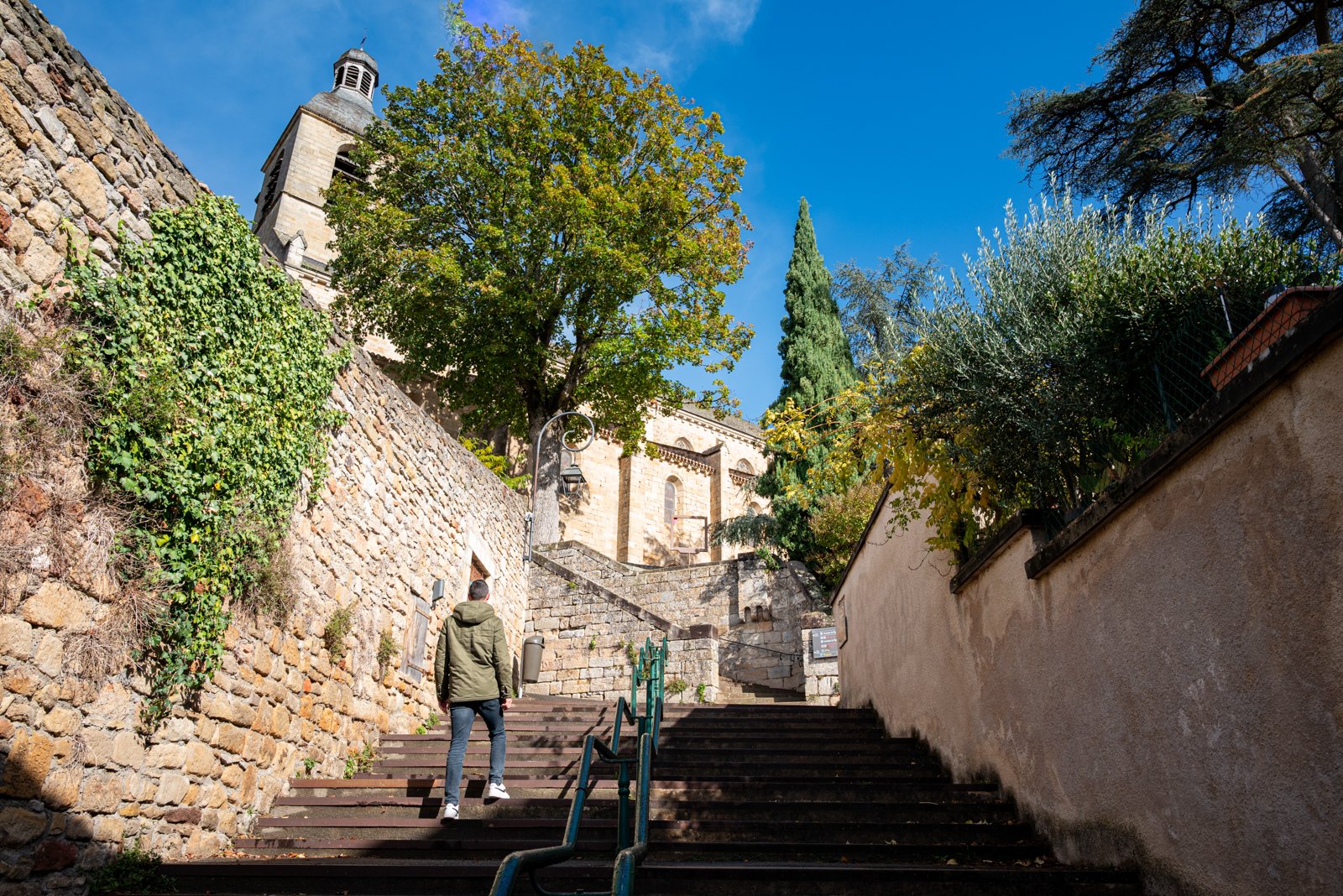
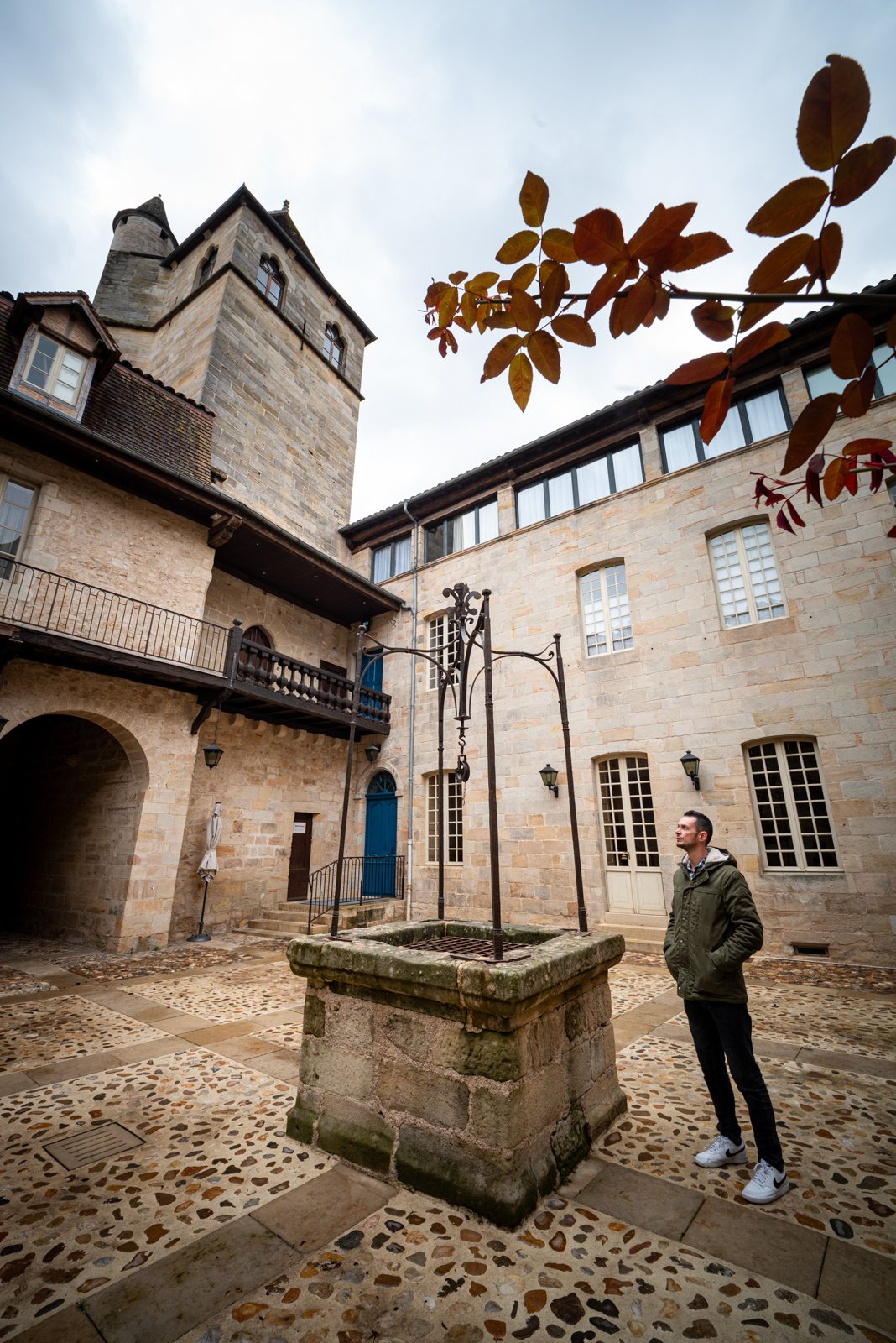
Between medieval lanes, hidden courtyards, carved façades, soleilhos (open-air attics where fruit was once dried), squares and old houses… Figeac is full of secrets that only true connoisseurs can reveal!
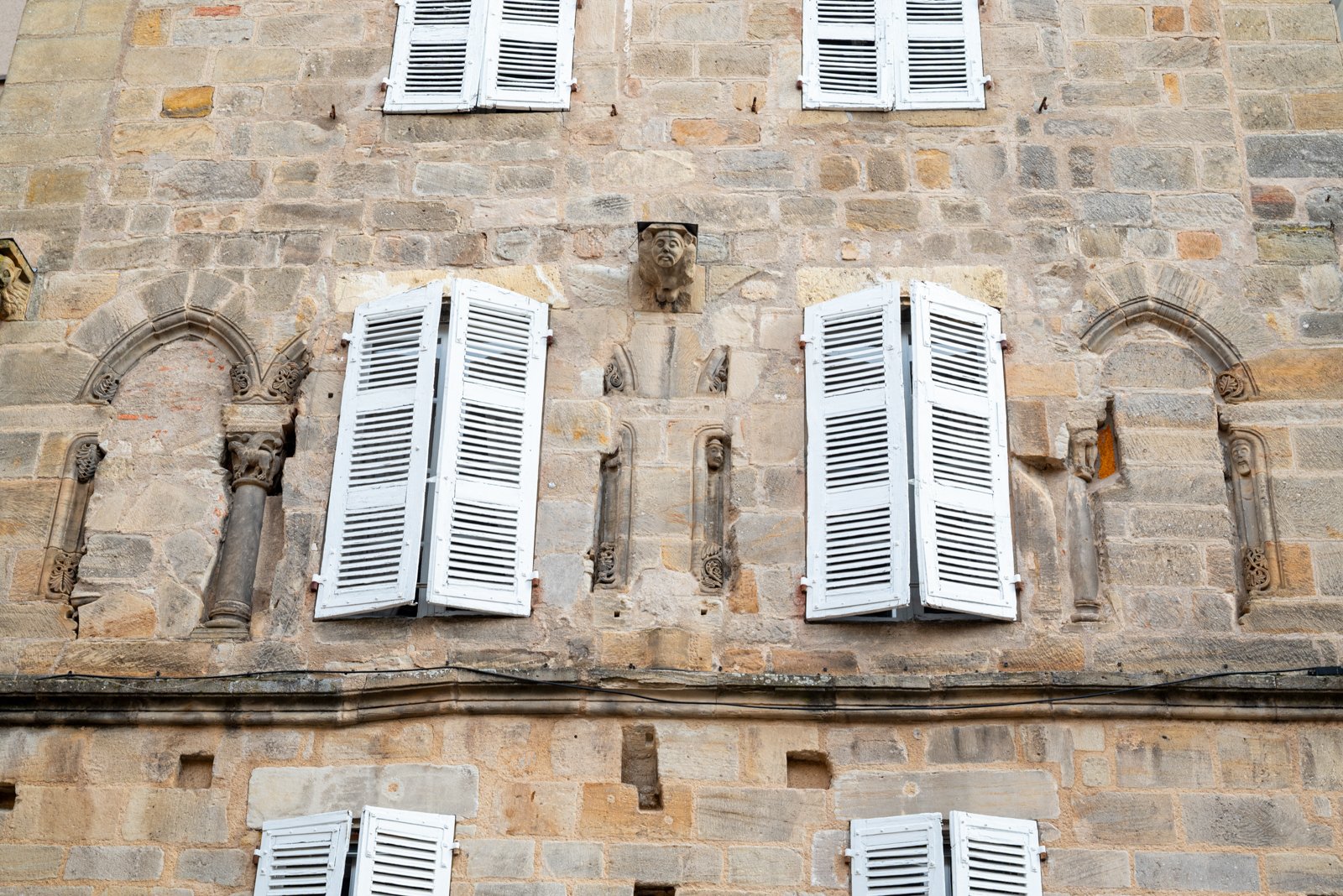
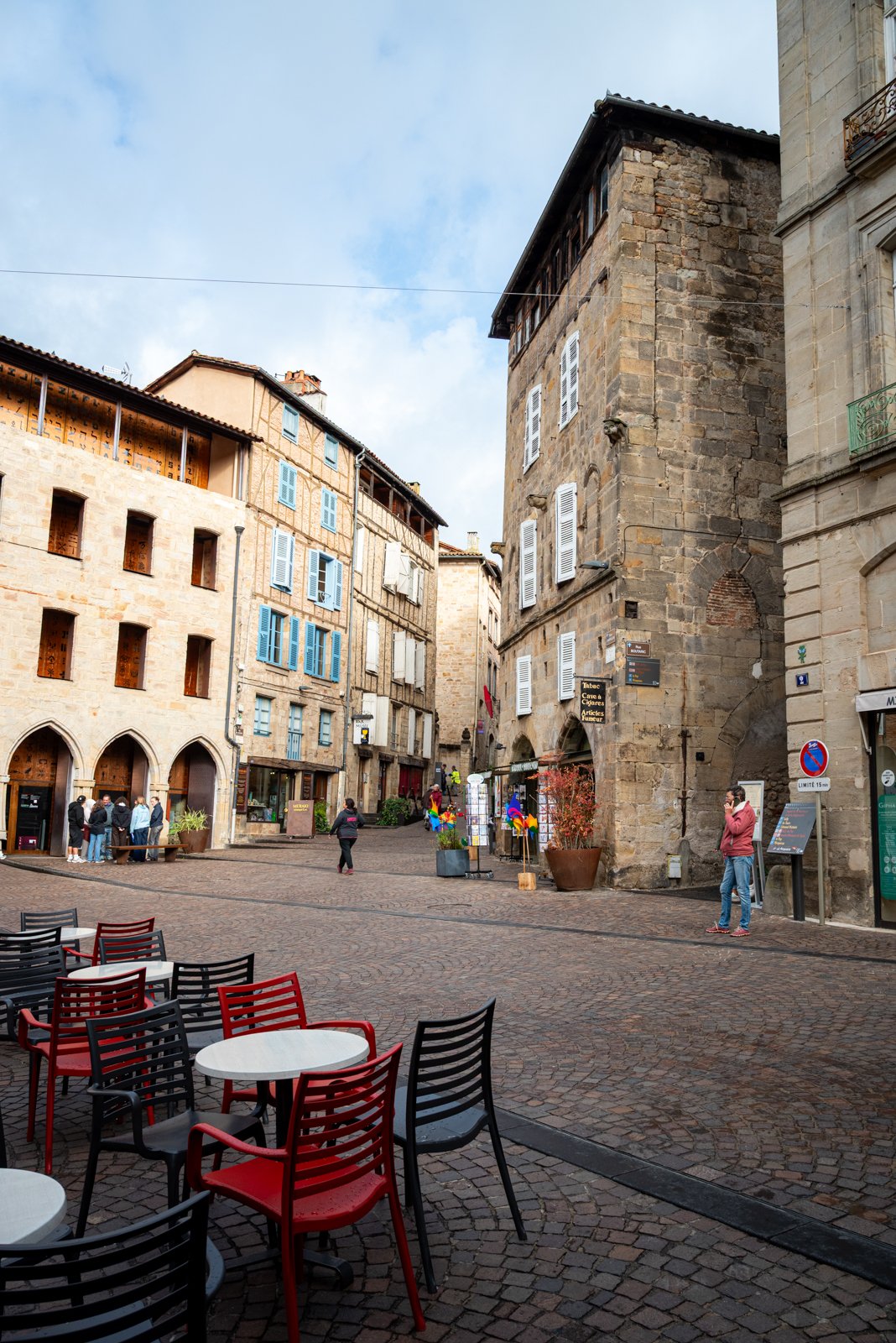
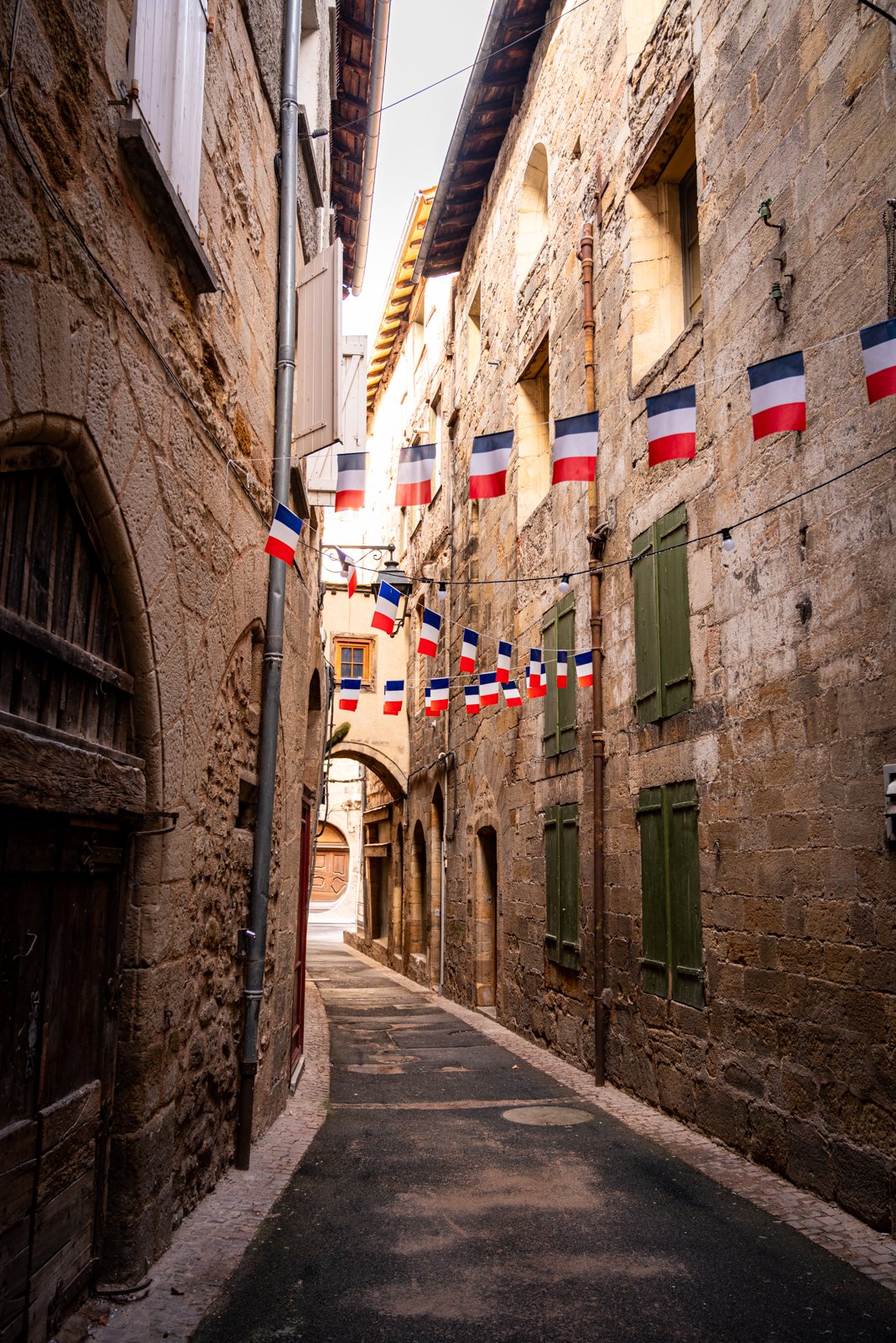
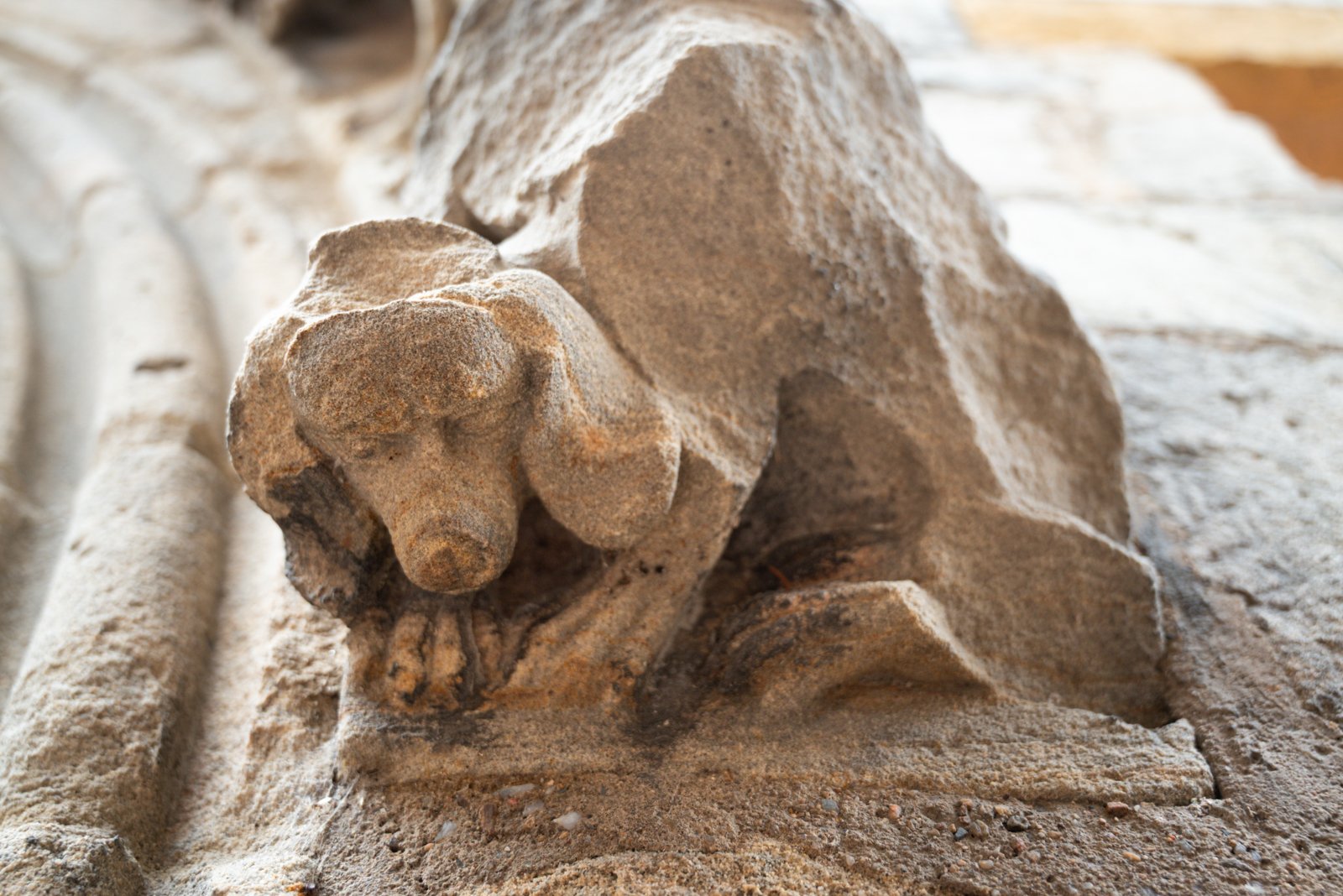
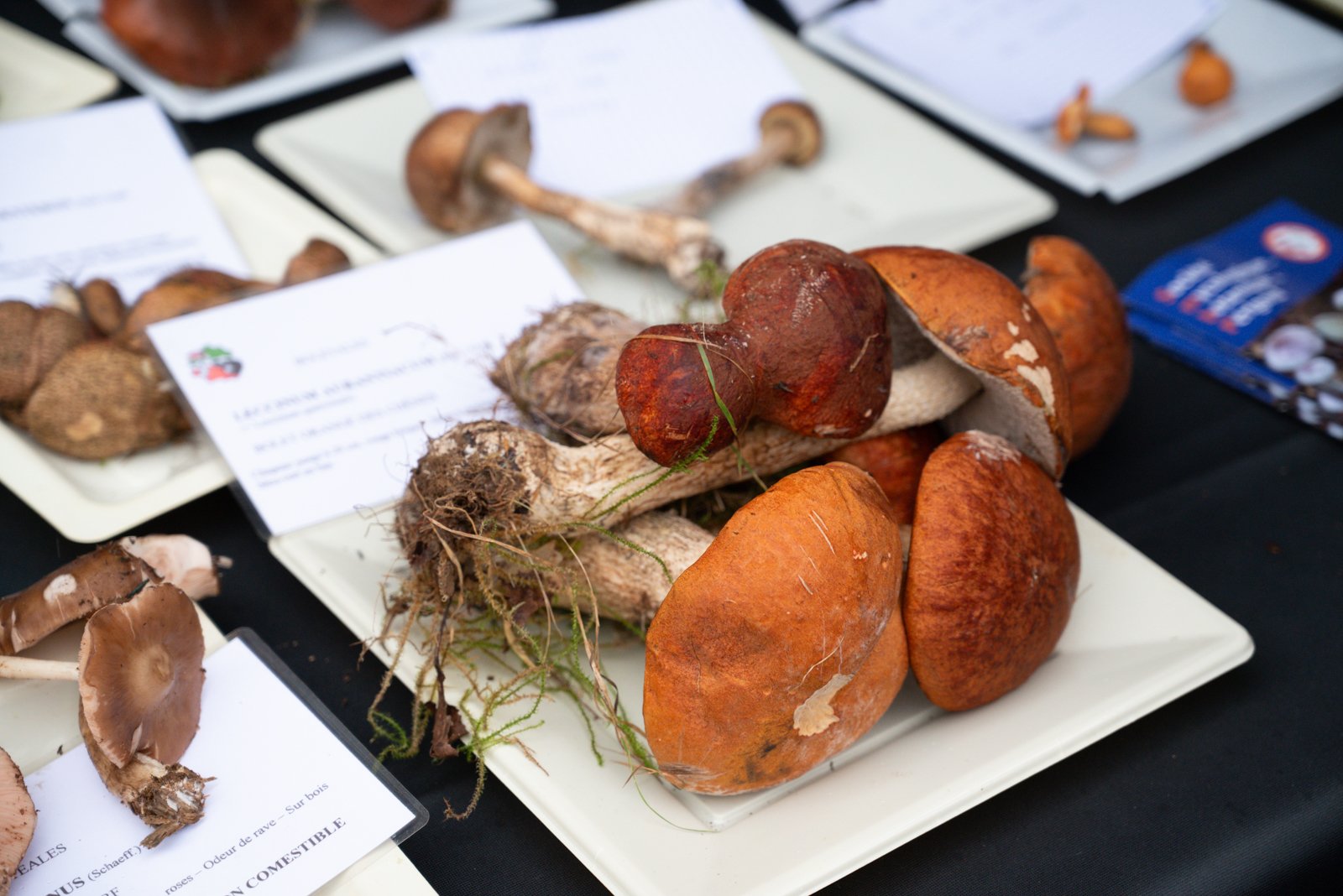
Our walk also takes us through streets brought to life by the Saturday morning market, a real highlight of local life. The stalls take over the squares of the historic centre, adding even more charm to the visit.
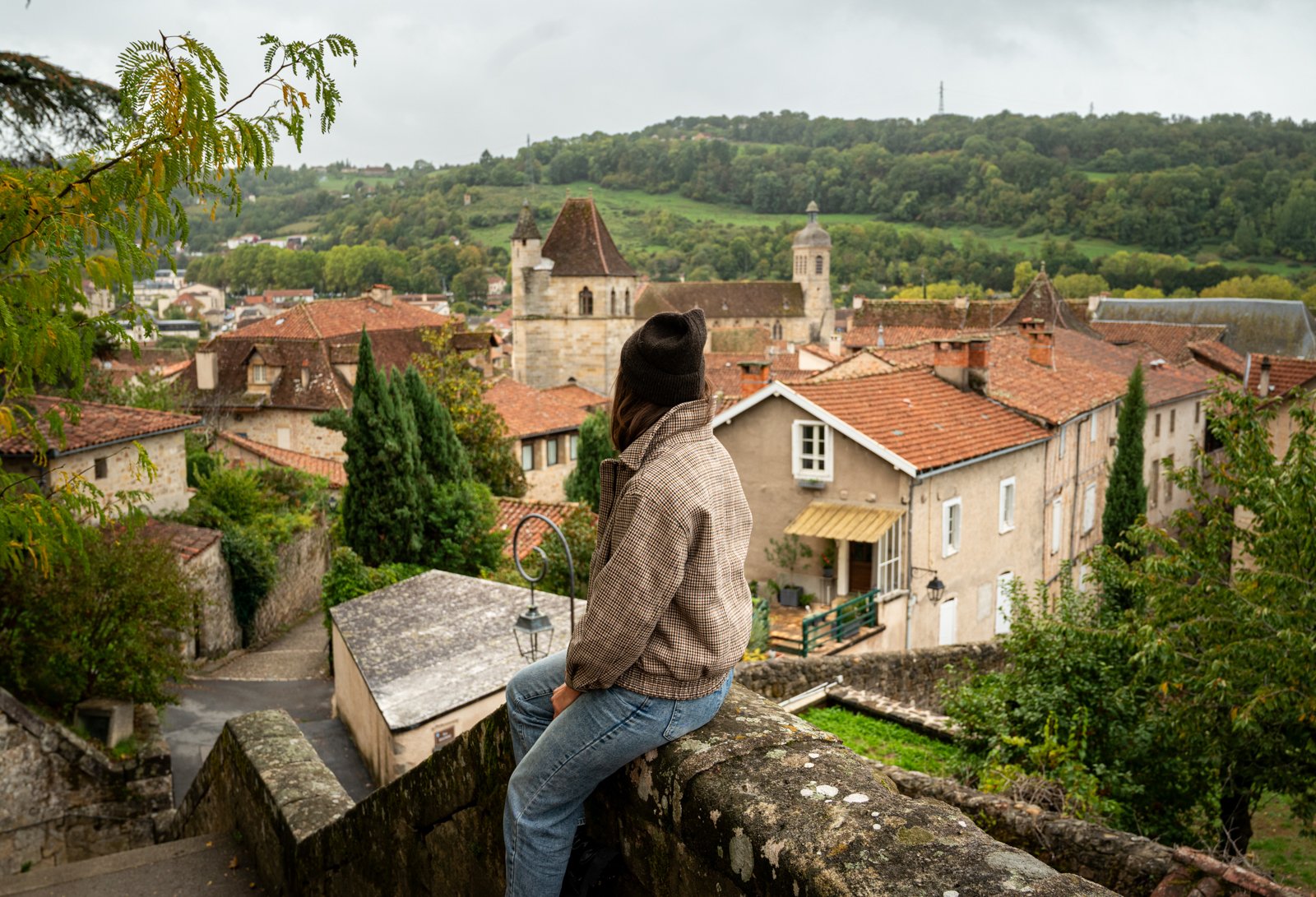
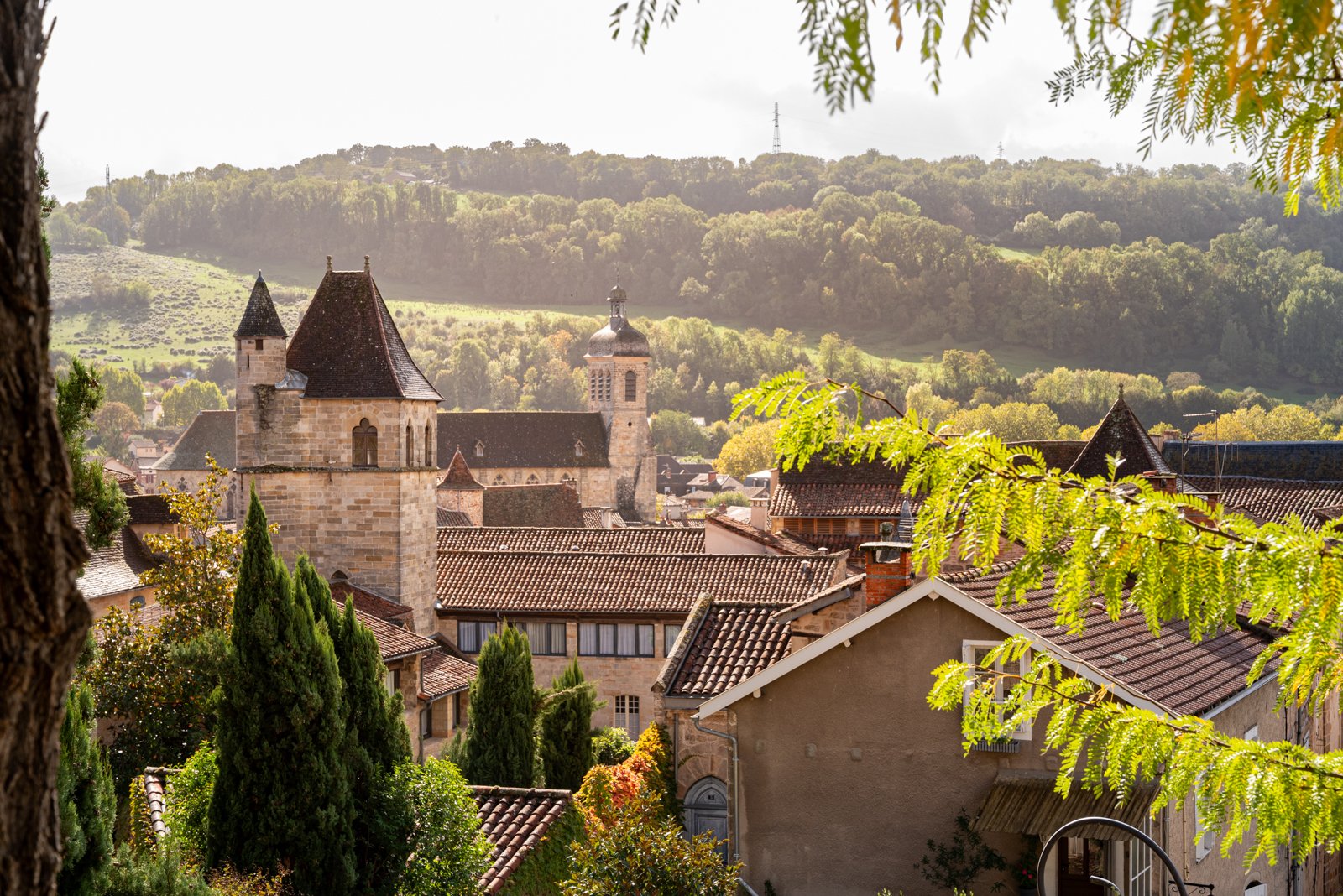
Finally, we head uphill to the church of Notre-Dame-du-Puy, which overlooks the medieval town. And what a reward when you get there! The view over Figeac’s rooftops is absolutely incredible, offering a magnificent panorama of the town and its tangle of lanes and old houses.
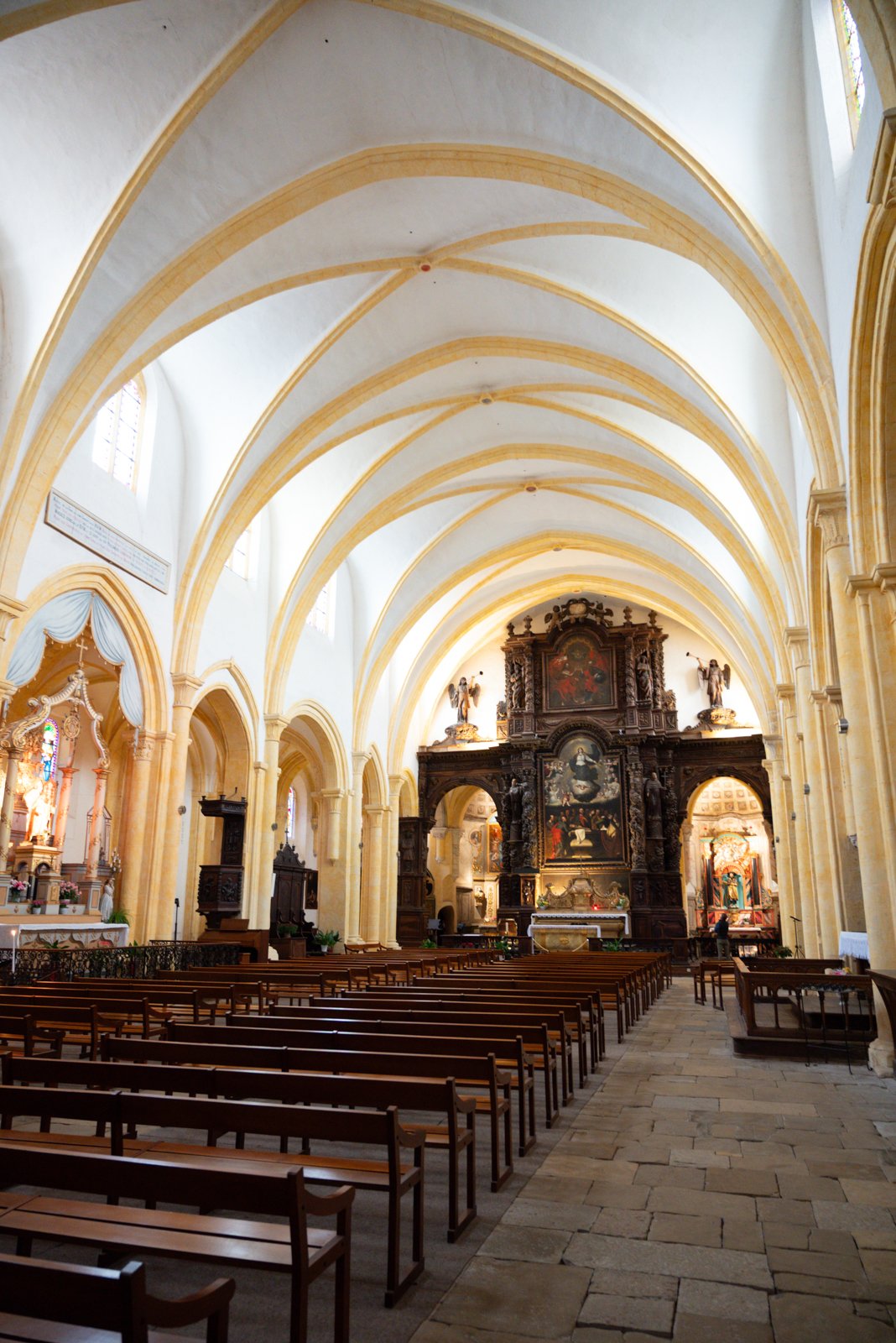
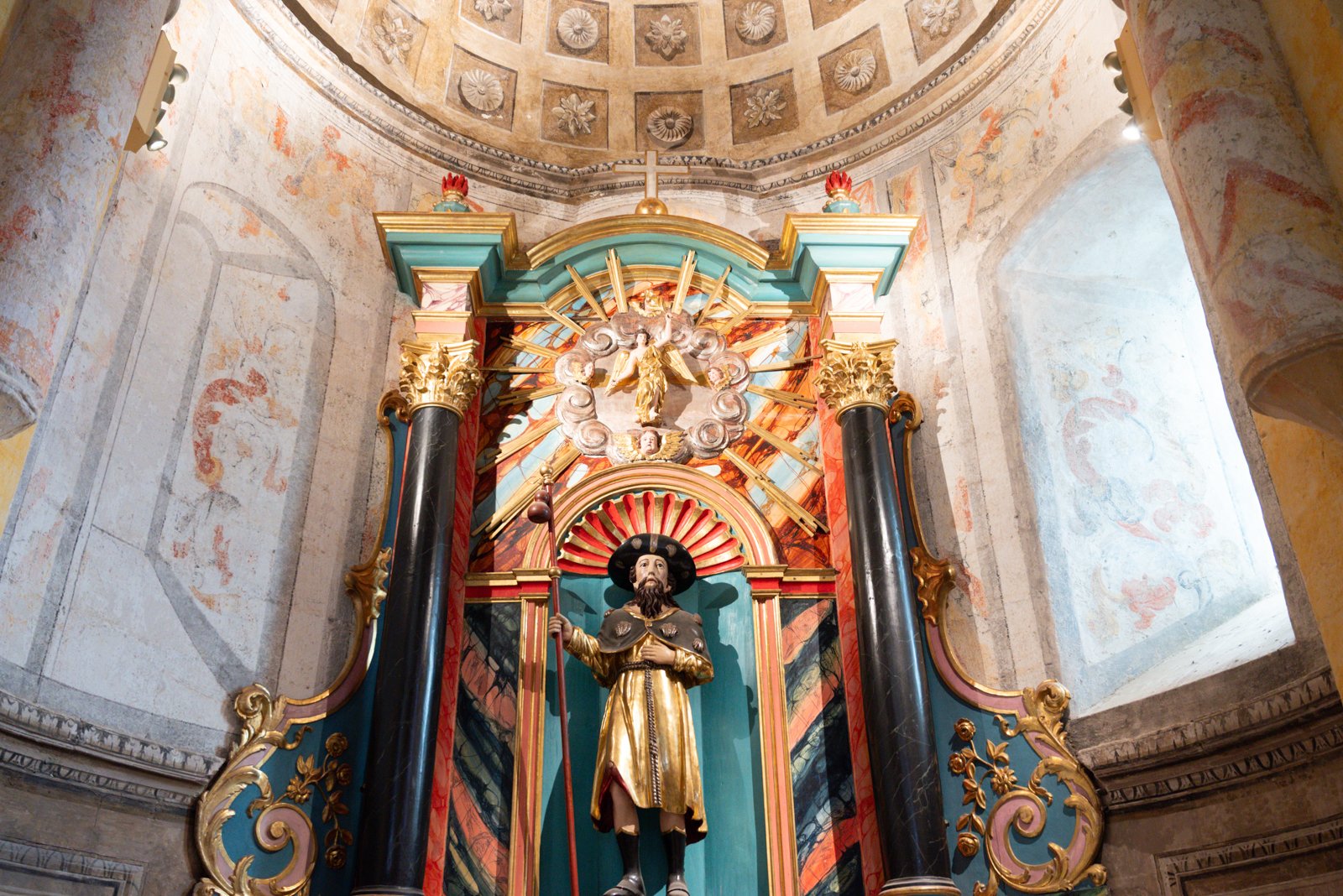
I’ll be writing a more detailed article about Figeac soon — its heritage really deserves it!
What to see in Figeac: the highlights of the historic centre
Between medieval houses, former merchants’ mansions, churches and little squares, Figeac’s historic centre is full of curiosities! Here are a few places not to miss on your walk.
Hôtel de la Monnaie
A magnificent 13th-century medieval building that now houses the tourist office.
Saint-Sauveur Abbey Church
The former abbey church, whose architecture blends Romanesque and Gothic influences.
Place Carnot
A lively shopping square lined with old houses, home to the Saturday market.
Place Champollion
In the heart of the medieval town, surrounded by beautiful façades, including that of the Maison du Griffon.
Champollion Museum
Dedicated to the world’s writing systems and to Jean-François Champollion, who was born in Figeac.
Place des Écritures
A small square featuring a monumental replica of the famous Rosetta Stone.
Tour du Viguier
A testament to the wealth and importance of Figeac’s great medieval houses.
Notre-Dame-du-Puy Church
Perched above the old town, it’s worth the climb for its heritage and commanding position.
Want to explore Figeac on foot?
The “Les Clés de Figeac” trail takes you through 22 stops in the historic centre.
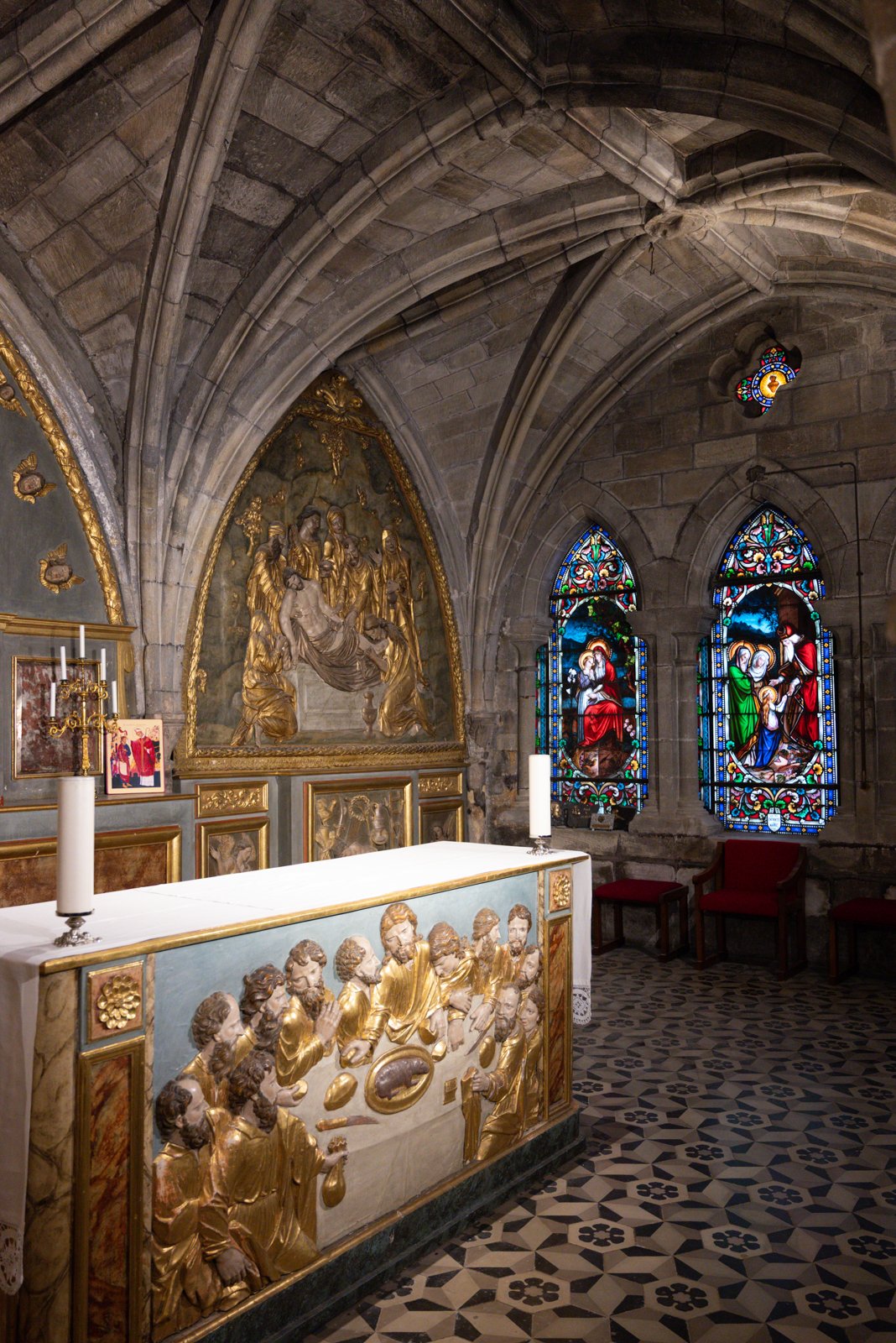
Falling for Saint-Sauveur Church…
Visiting the Champollion Museum and the Place des Écritures
In 1822, Jean-François Champollion finally cracked part of the mystery of Egyptian hieroglyphs, notably by working out the phonetic value of certain signs through his work on the Rosetta Stone.
Humans have always made marks, as if to leave their imprint, and our journey through the great history of writing had begun two days earlier in Pech Merle Cave. Now we move forward in time, to the era when marks became an extension of thought, making it possible to pass on words, ideas and knowledge…
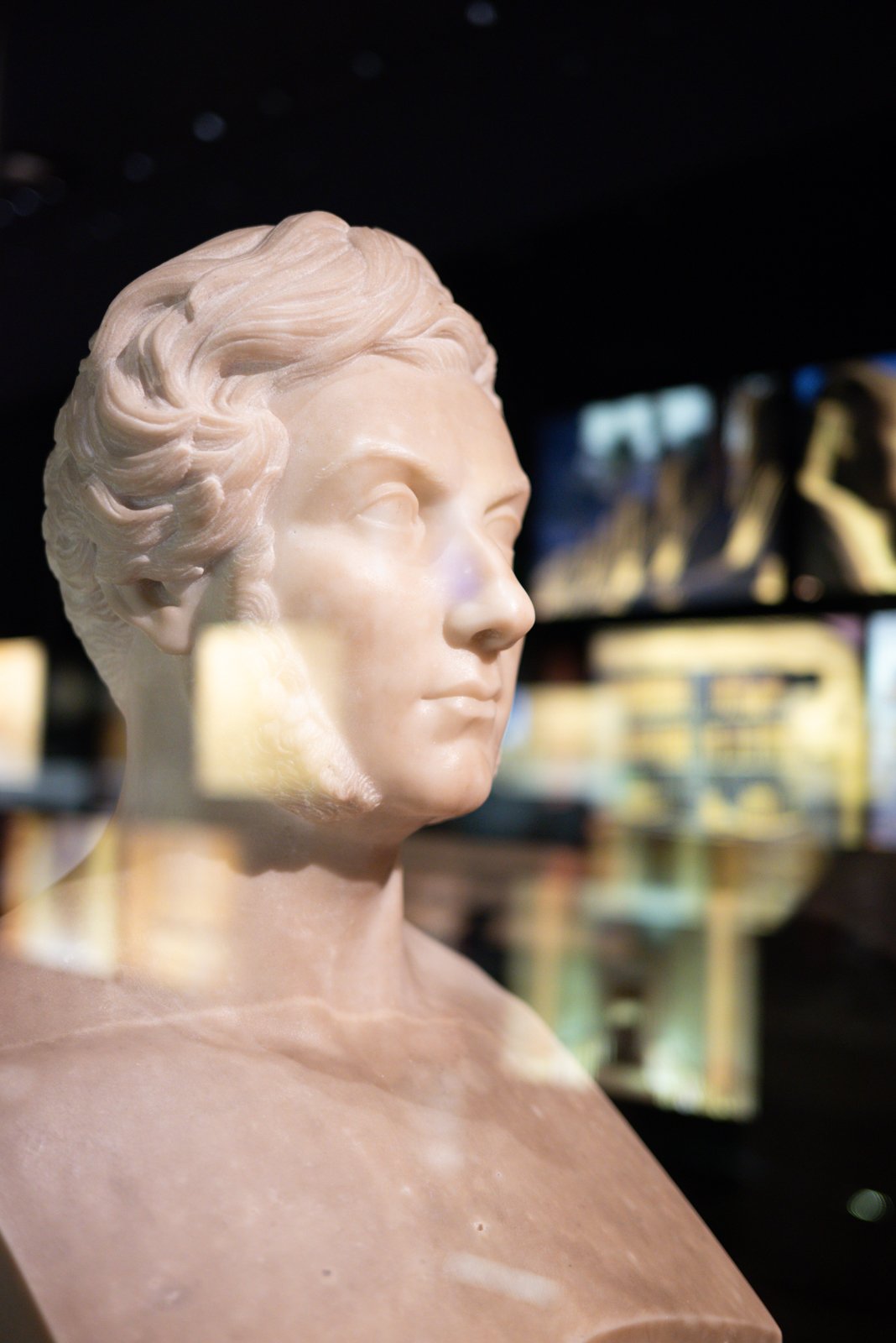
The birthplace of Figeac’s most famous son is now home to the Champollion Museum – Les Écritures du Monde (Writing Systems of the World). A rich collection of tablets covered in ancient scripts, archive documents and reproductions of the famous Egyptologist’s work traces the birth and fascinating history of writing around the world, from Mexico to China by way of the Mediterranean.
Its façade of a thousand letters, made of copper and glass, sets the tone for the visit. Inside, the layout is airy and colourful, showcasing objects that are sometimes thousands of years old and scripts that still seem quite mysterious to us today. You move from one civilisation to the next, discovering the different forms writing has taken over the centuries.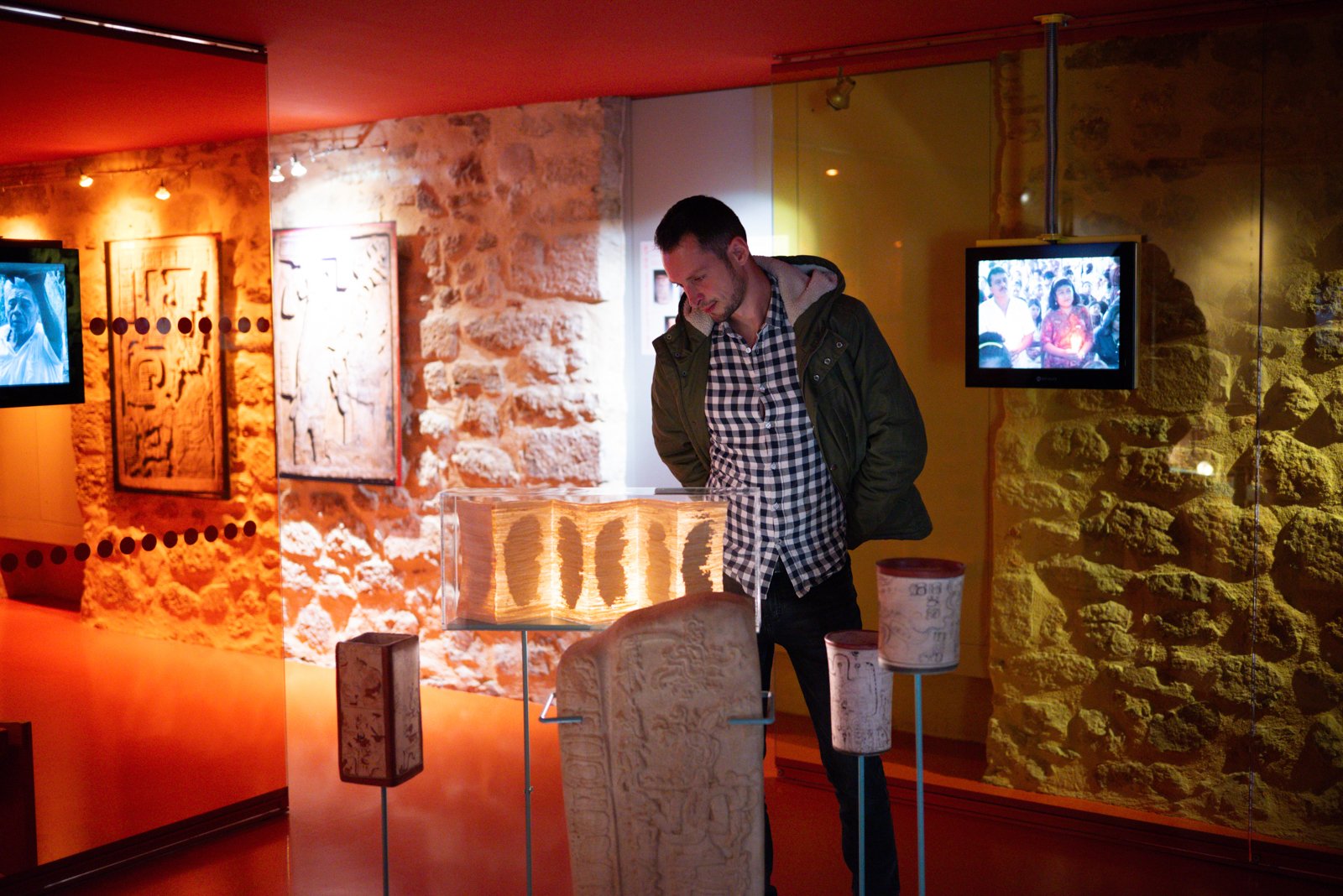
I might have enjoyed a short introductory video on Champollion’s life and discoveries, to put his work into context. Still, the museum is very interesting, especially for the diversity of civilisations and scripts on display.
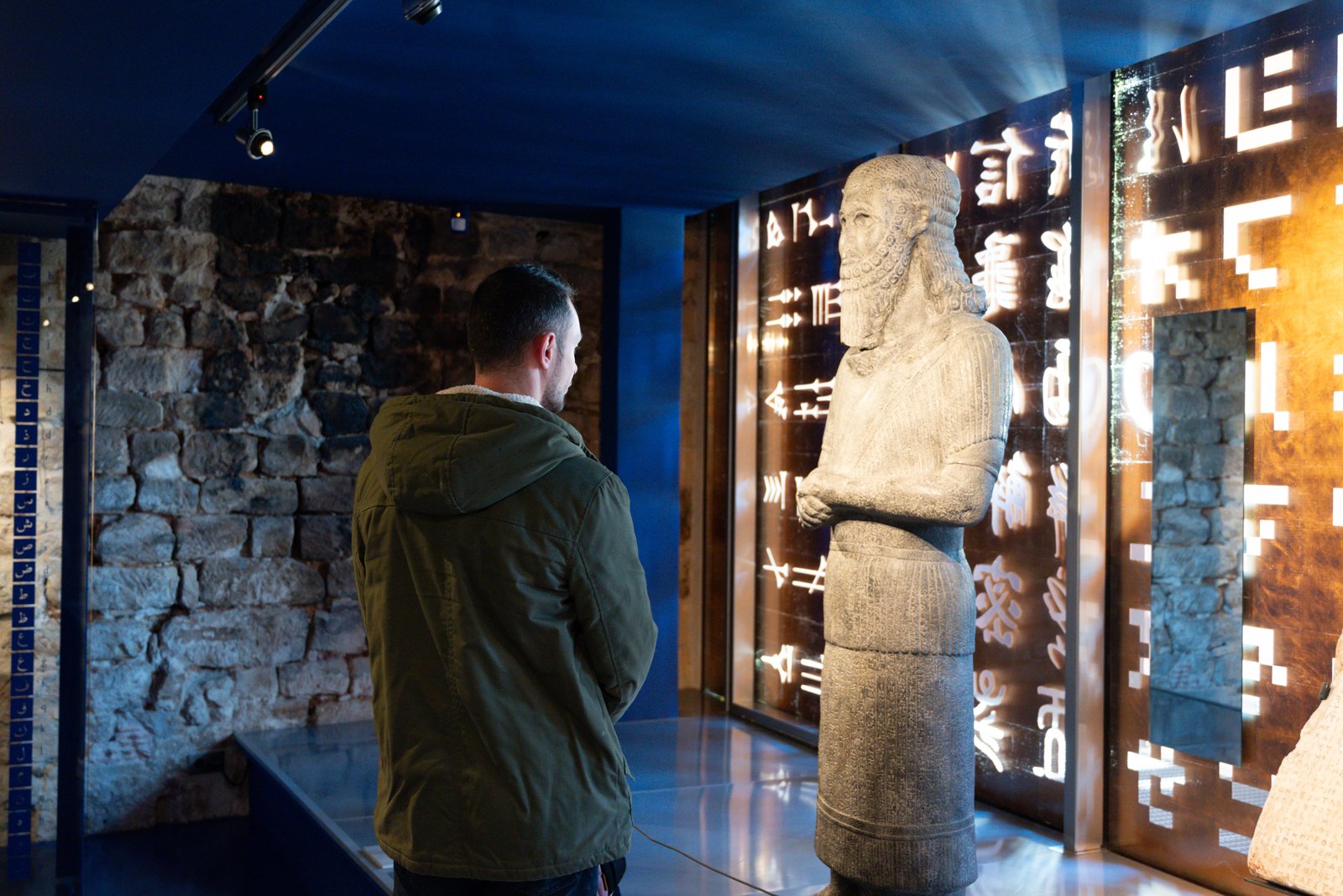
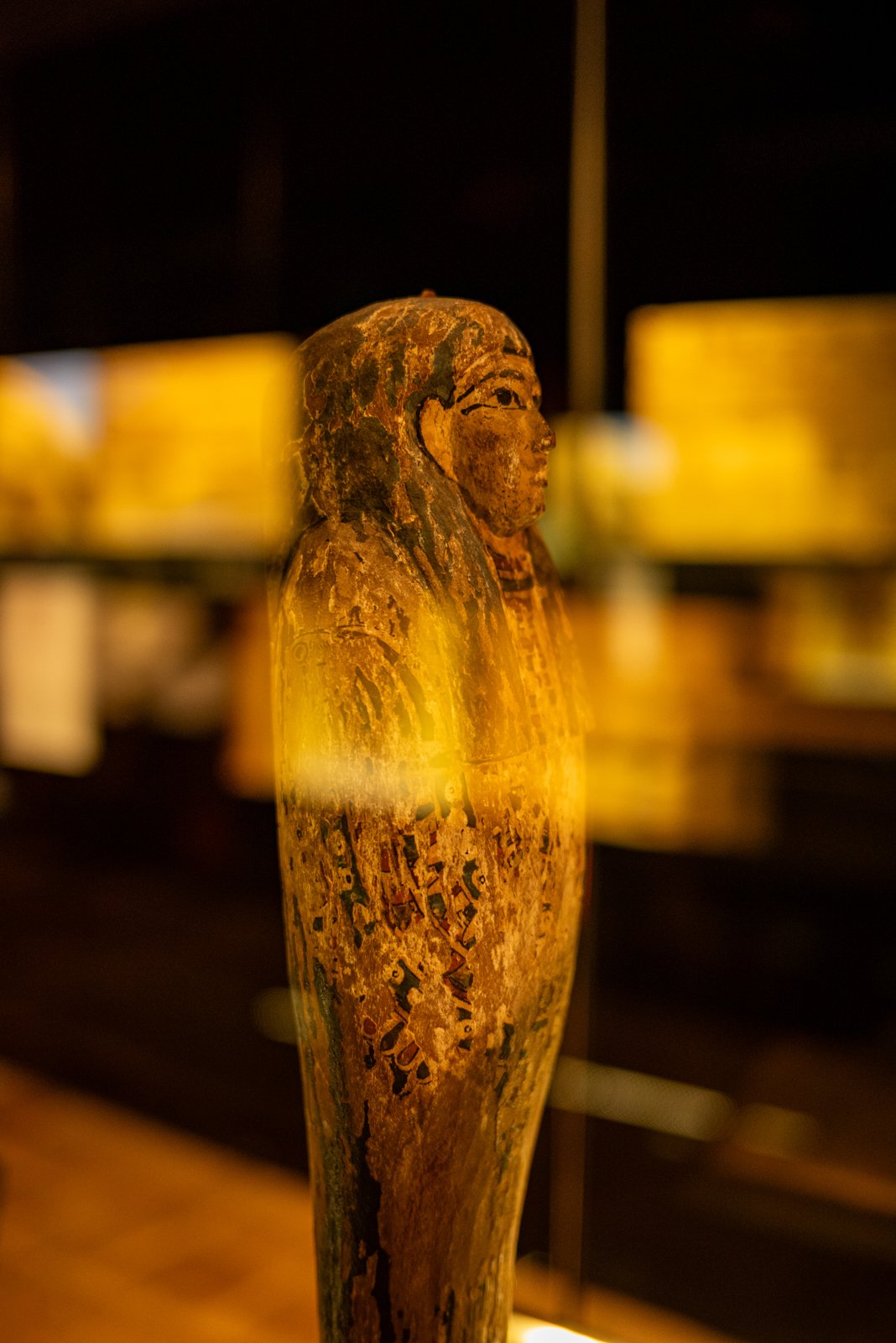
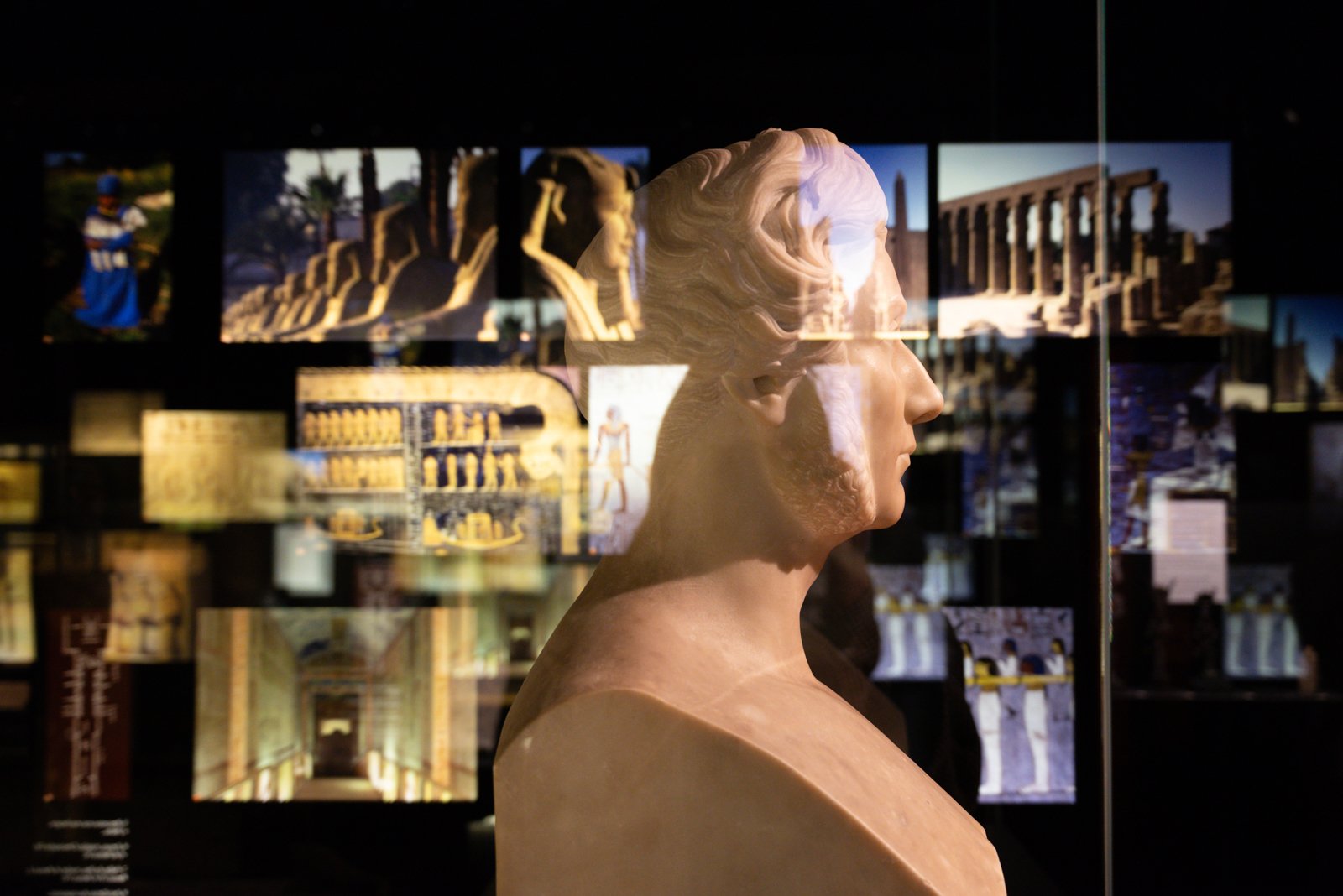
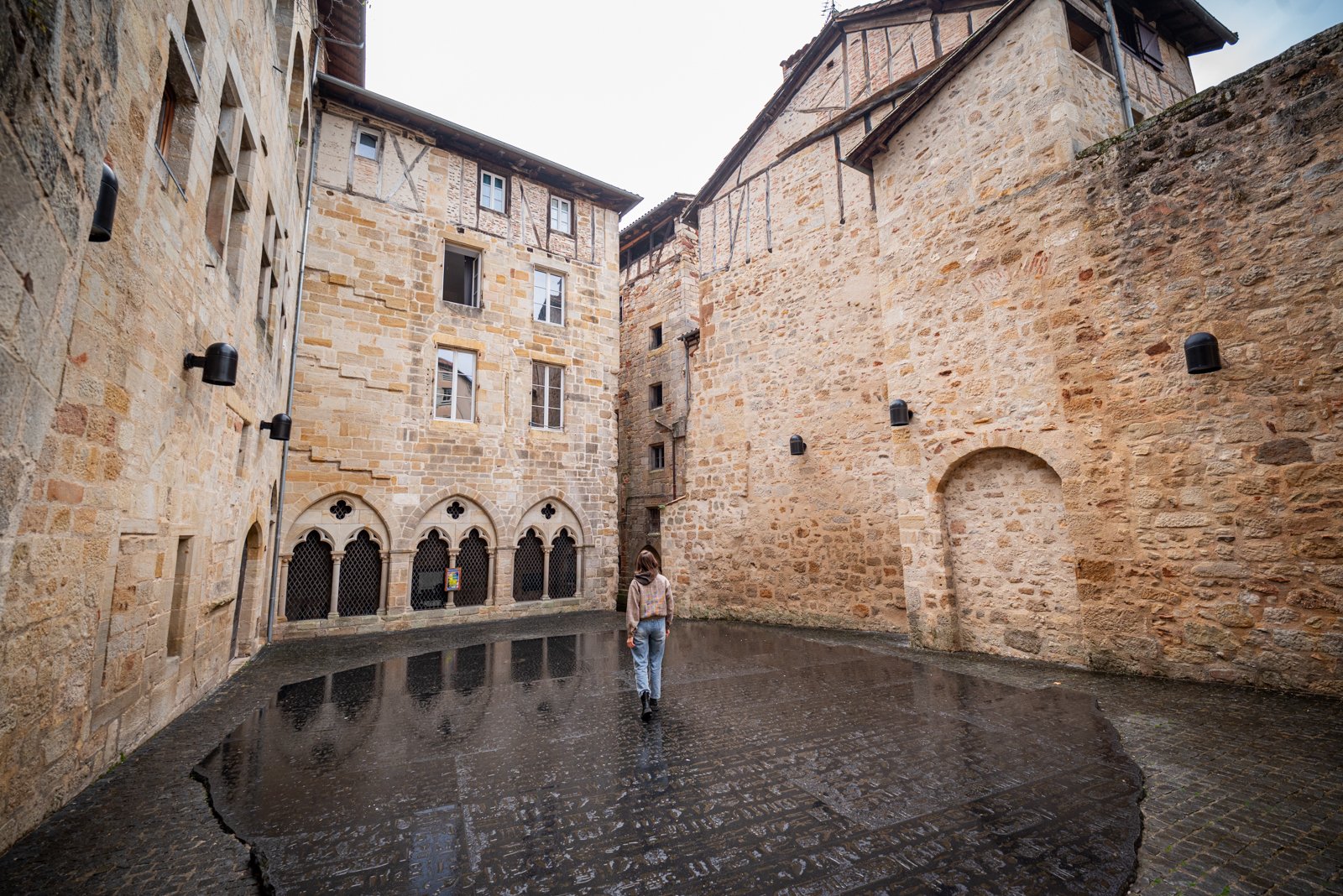
Just a few steps away, don’t miss the Place des Écritures, where a monumental replica of the Rosetta Stone by the artist Joseph Kosuth recalls the incredible breakthrough of Figeac’s native son.
Visiting Cardaillac and its surprising “Musée Éclaté”
Cardaillac greets us under grey skies. But never mind, because a rather unusual visit — and, above all, an indoor one — awaits us as a fallback: the Musée Éclaté de Cardaillac!
When I shared its name in my Instagram stories, a few followers reacted, convinced I’d started talking like a teenager! In French slang, “éclaté” means something like “rubbish” or “lame”… But no, this museum isn’t “éclaté” in the way the younger generation would mean it: here the word simply means “scattered”, as the museum is spread across several sites in the village!
Seven sites let you discover daily life and traditions of the past: an old classroom, a clog workshop, a chestnut drying house, a prune drying oven, a walnut oil mill and the house of the sémalier, a craftsman who made the wooden containers used to carry grapes during the harvest.
The chestnut drier is no coincidence! Although chestnut trees are often associated with other regions, they also play an important role in the Lot’s farming history, particularly in the Ségala area of the Quercy, where chestnuts were long an essential source of food for rural families.
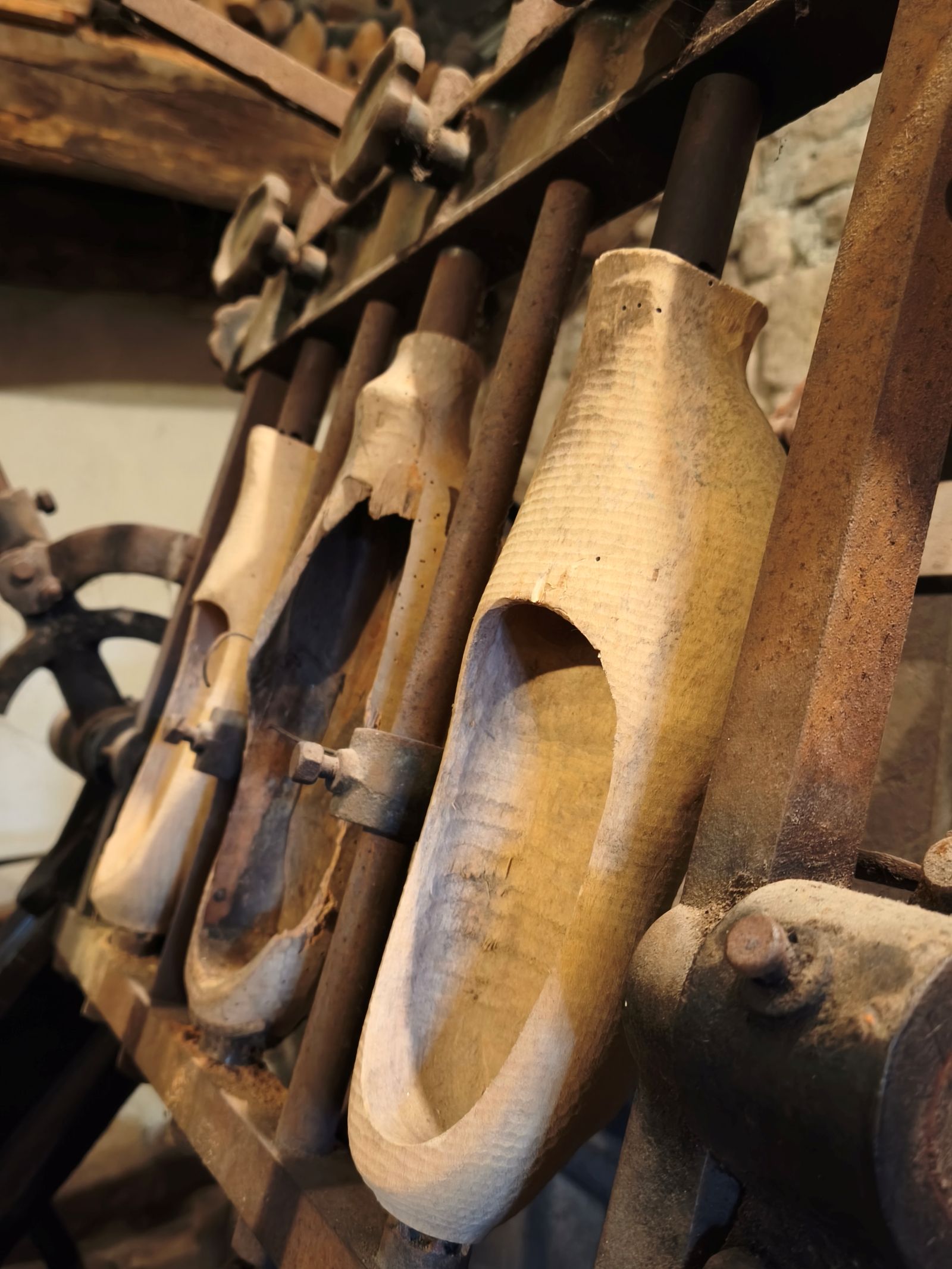
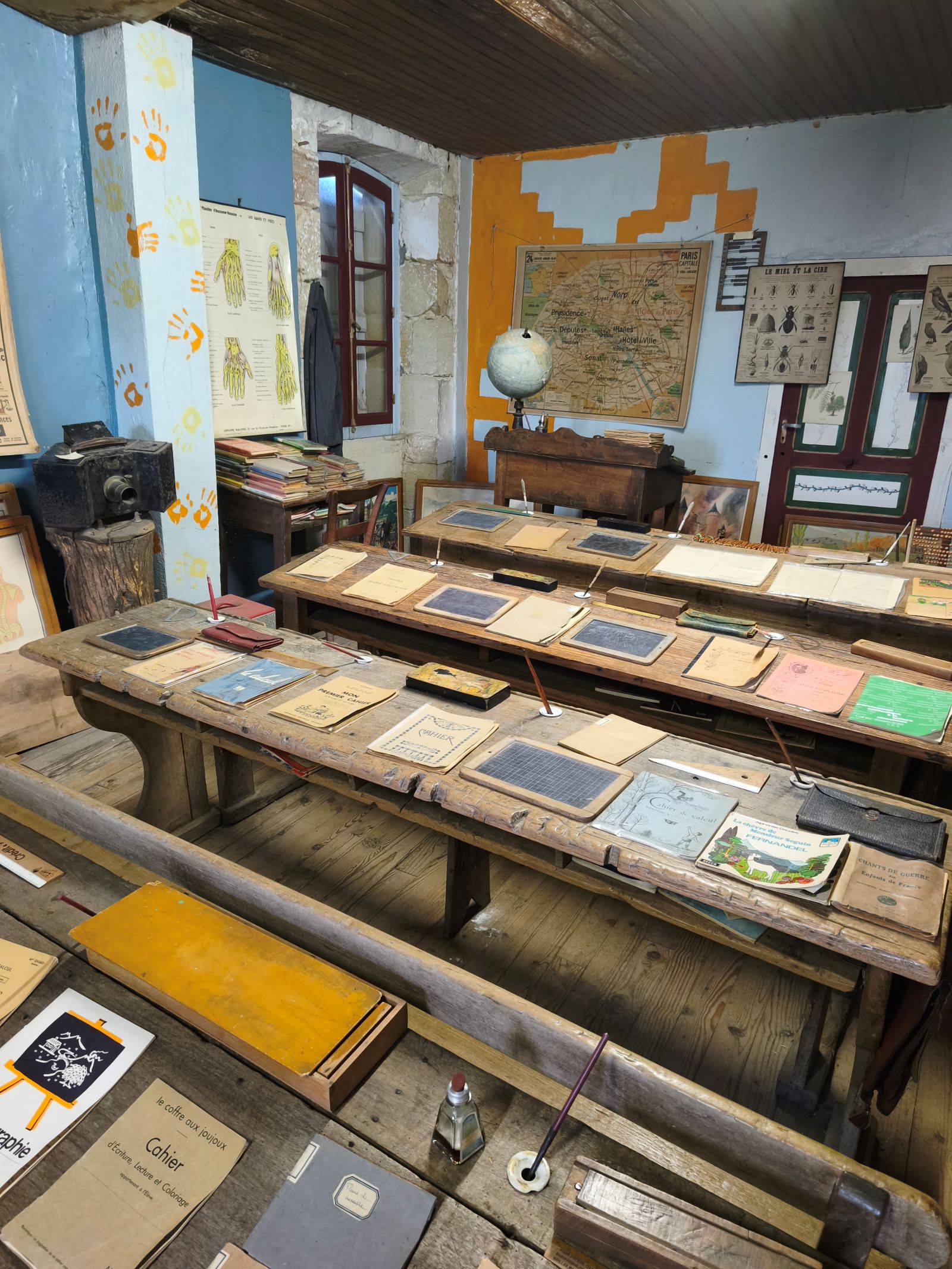
The museum is maintained and run by an association of passionate volunteers, who over the years have gathered an impressive collection of objects, tools and memories of the past. Our tour is led by a fascinating lady in her eighties, a real bundle of energy, who shares her knowledge with infectious enthusiasm!
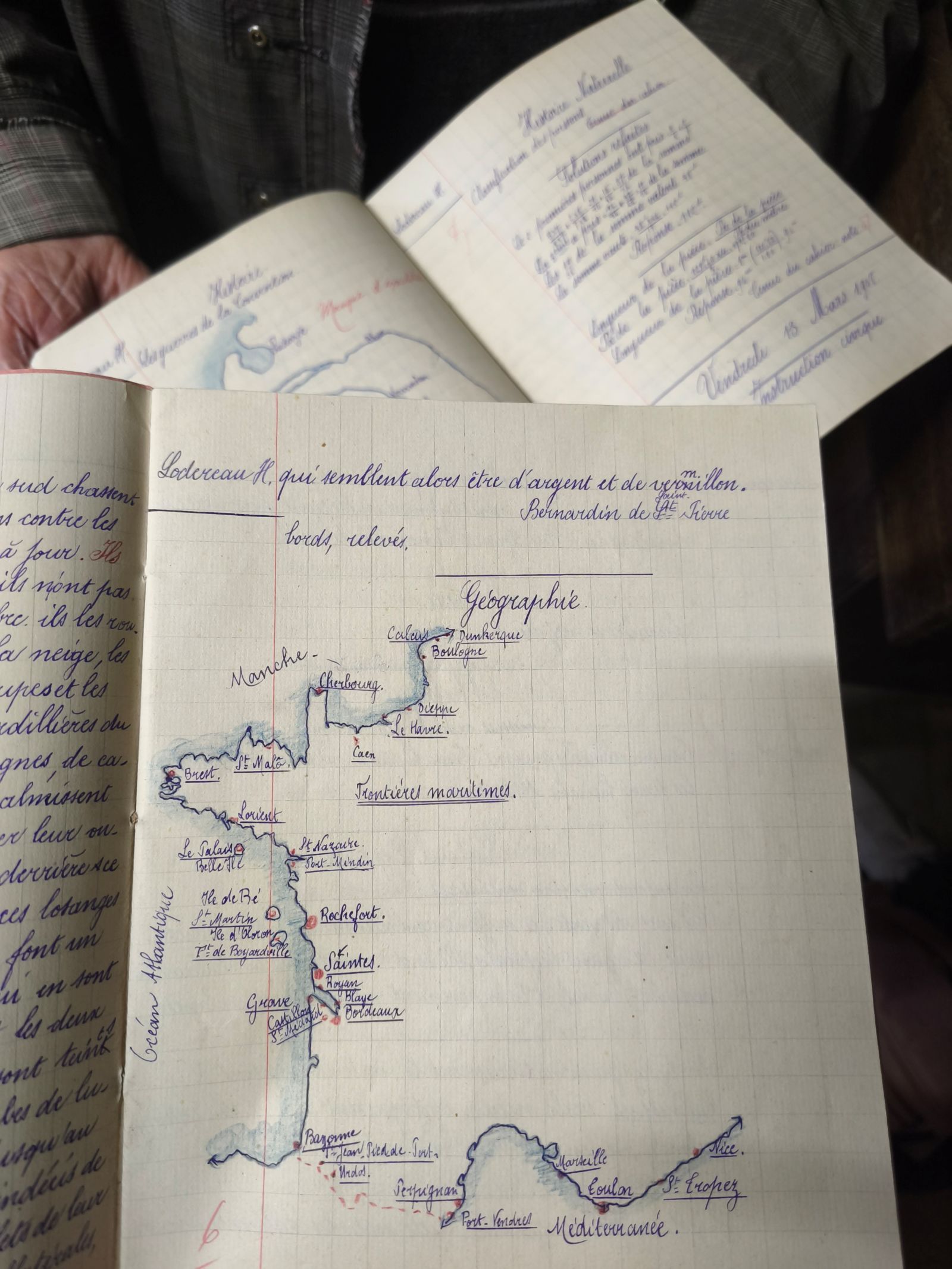
As a primary school teacher myself, the old classroom naturally fascinated me. Pupils’ exercise books from the early 20th century, old textbooks, school equipment… Some of the work produced by pupils more than a century ago left me absolutely stunned! Needless to say, I can’t imagine teaching the same way today!
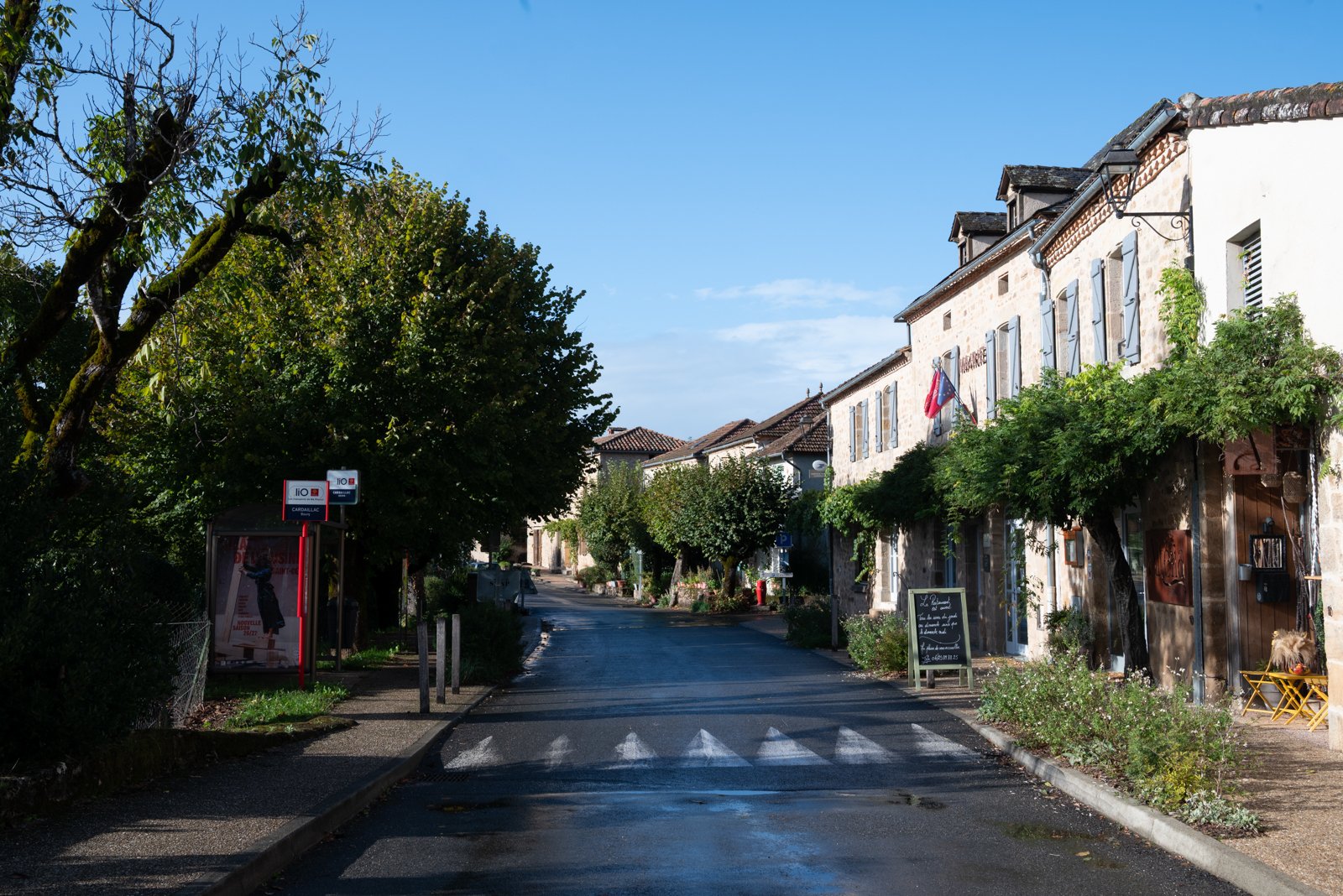
We end our visit to Cardaillac with a quick stroll through its medieval streets. Listed among the Most Beautiful Villages of France (Les Plus Beaux Villages de France), Cardaillac has preserved fine traces of its past, notably its fortified towers and old houses. The light is starting to fade and shadows gradually creep over the streets, but the village and its views over the surrounding countryside are no less charming.
Practical information: the Musée Éclaté can be visited by reservation all year round, with groups limited to 10 people according to 2026 tourist information. Remember to check visiting conditions and book before you go!
Don’t miss in Cardaillac
A few highlights to discover in this village, listed among the Most Beautiful Villages of France:
The medieval towers
The Tour de Sagnes, the Clock Tower and the Round Tower, remnants of the village’s fortified past.
The Fort quarter
The medieval heart of Cardaillac, with its old lanes and stone houses.
The Murat medieval garden
A garden dedicated to aromatic, medicinal and dye plants.
The wash houses and the Mercadiol
To discover as you continue your walk through the village’s old quarters.
The Musée Éclaté
A museum spread across several buildings in the village: an old classroom, clog workshop, chestnut drying house, prune drying oven, walnut oil mill and sémalier’s house. A window onto the trades and traditions of the past.
Visiting Capdenac-le-Haut, a hilltop village above the Lot
Last stop on our tour of the area around Figeac: Capdenac-le-Haut, another village listed among the Most Beautiful Villages of France, perched on a rocky spur overlooking the Lot Valley.
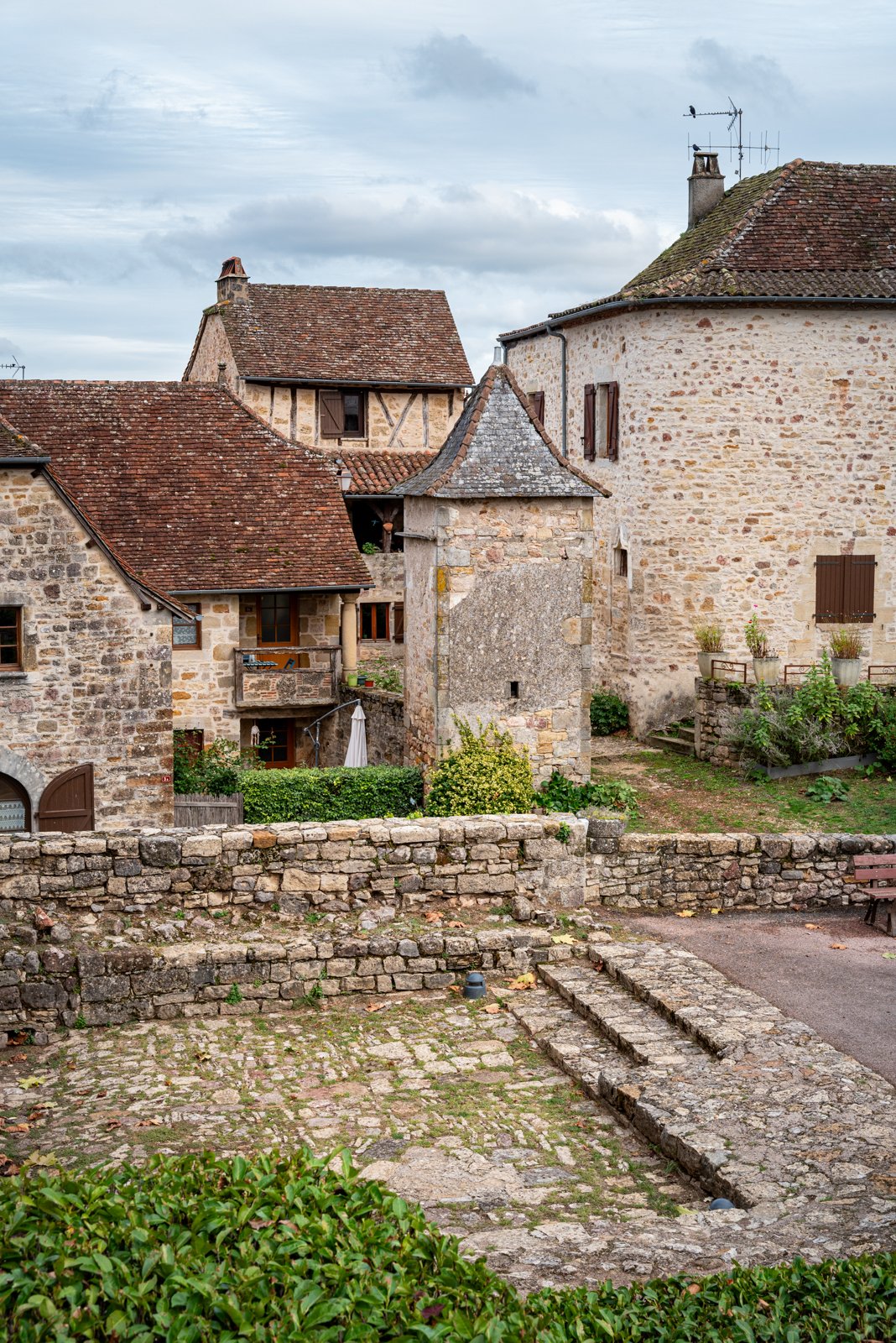
A former stronghold, occupied since Antiquity, Capdenac-le-Haut has kept many traces of its past: ramparts, fortified gates, a medieval keep and old lanes. A lovely heritage you can explore by following the Clefs du village trail.
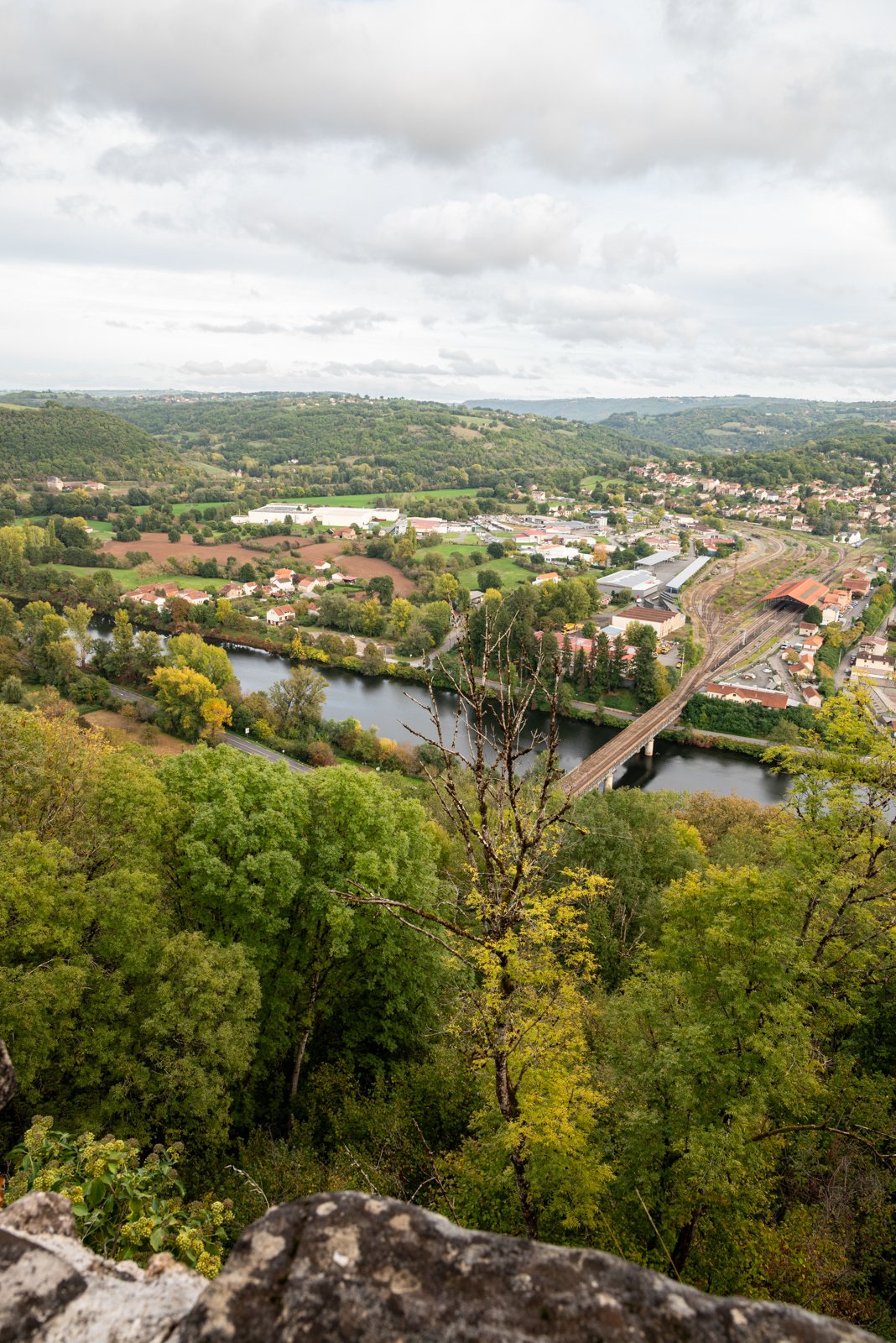
Our visit is fairly brief, but we still take the time to wander its lanes and admire the views over the Lot and its valley. The old buildings and fortifications are very photogenic, even under the grey sky that followed us that day.
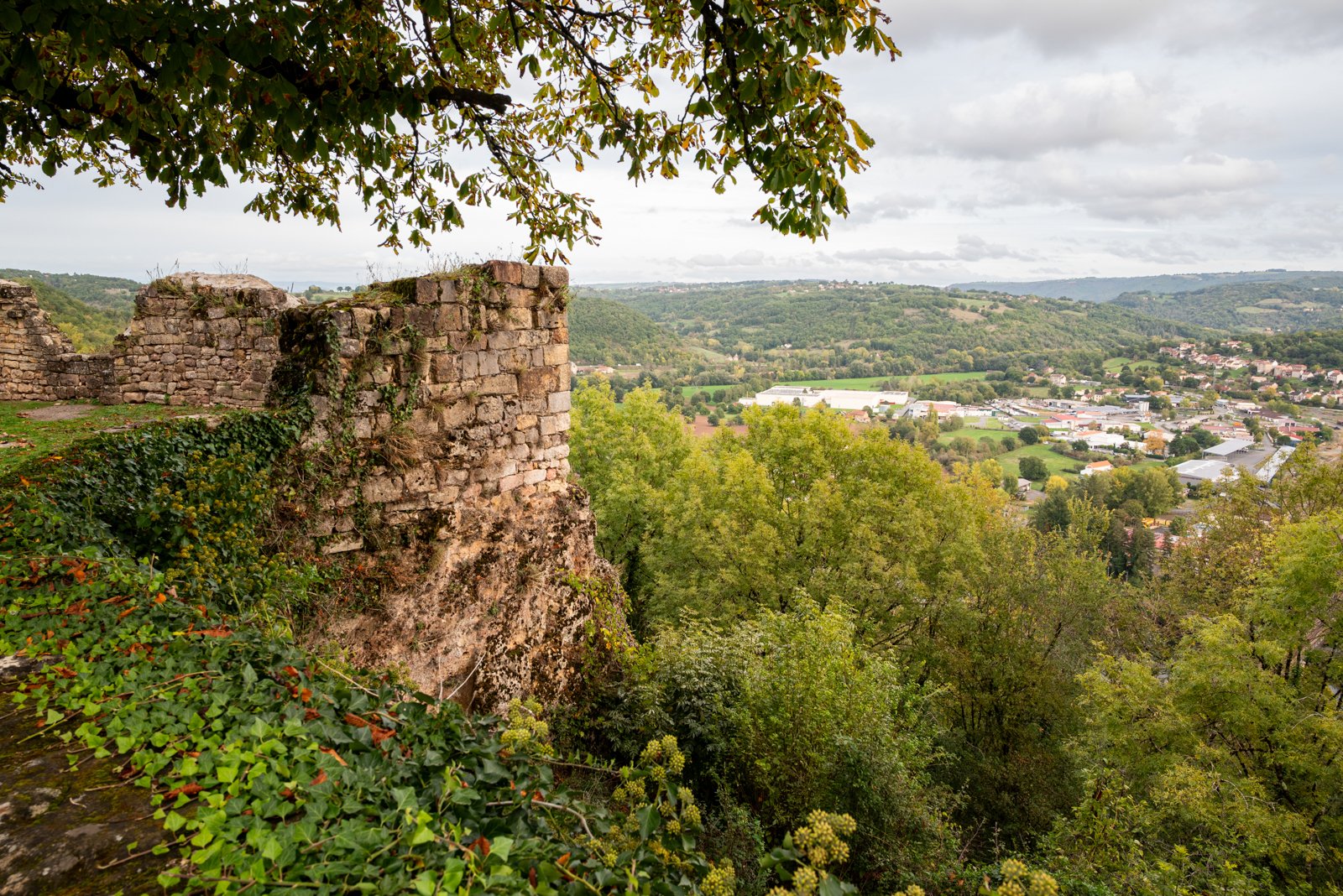
I imagine that at the end of the day, when the last rays of sun warm the old stones, the village must be stunning! For us, it was a visit under grey skies, which didn’t stop us appreciating the charm of the place.
Don’t miss in Capdenac-le-Haut
A few places to discover as you wander the lanes of this former fortified town:
The Modon keep
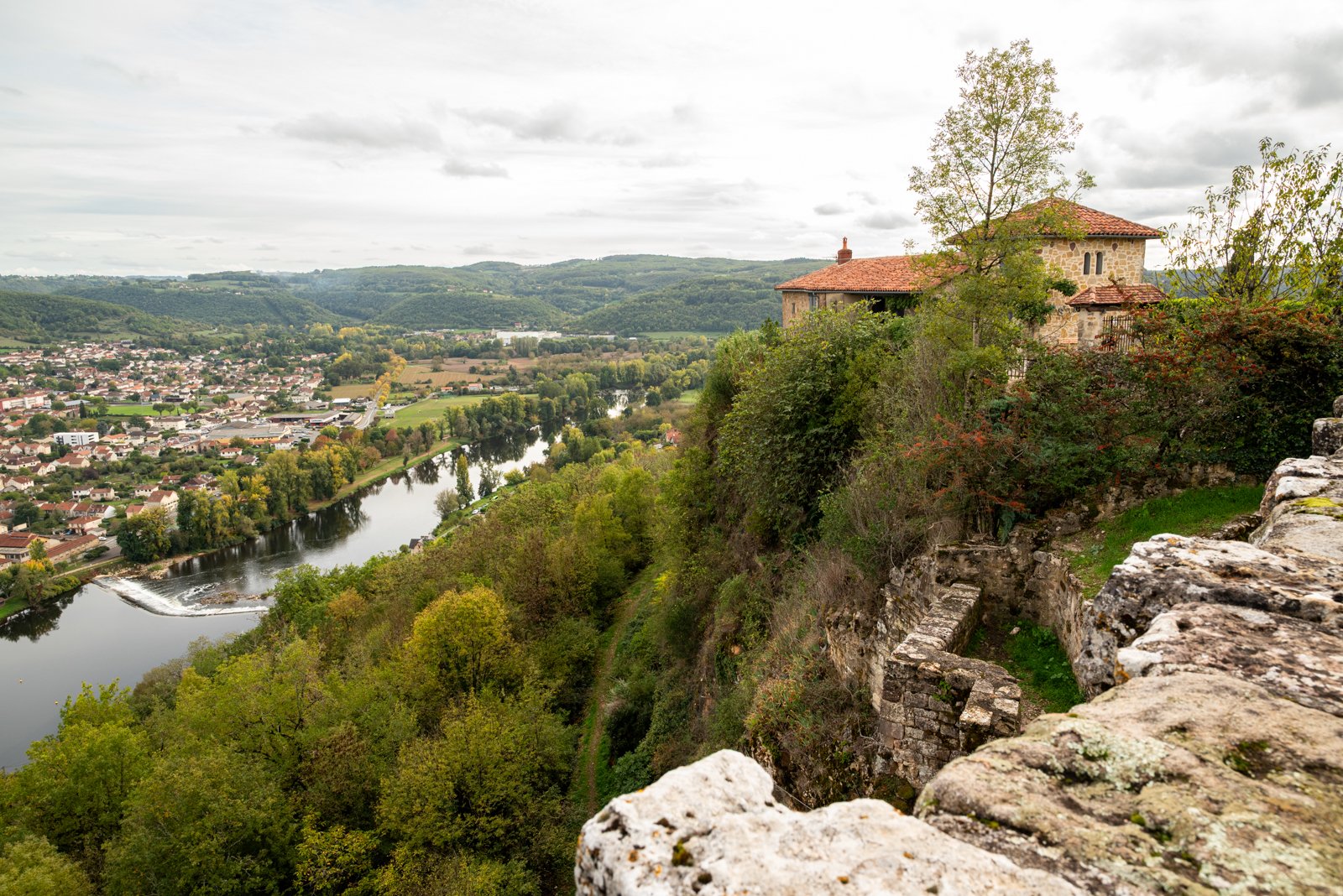
A medieval tower overlooking the village, with lovely views over the Lot Valley.
The fortified gates
The Porte de Gergovie and the Porte Vigane, known as the Narbonnaise, are reminders of the old defensive system.
The Fontaine des Anglais
A curiosity built into the rock, reached by a staircase running down the cliff.
Saint-Jean-Baptiste Church
An 18th-century church that houses a Renaissance altarpiece.
The old houses
The Maison des Gardes, the Maison Sully and the houses lining the medieval lanes.
Gardens and viewpoints
The Jardin des Cinq Sens and Jardin des 1001 Pattes, plus views over the meanders of the Lot.
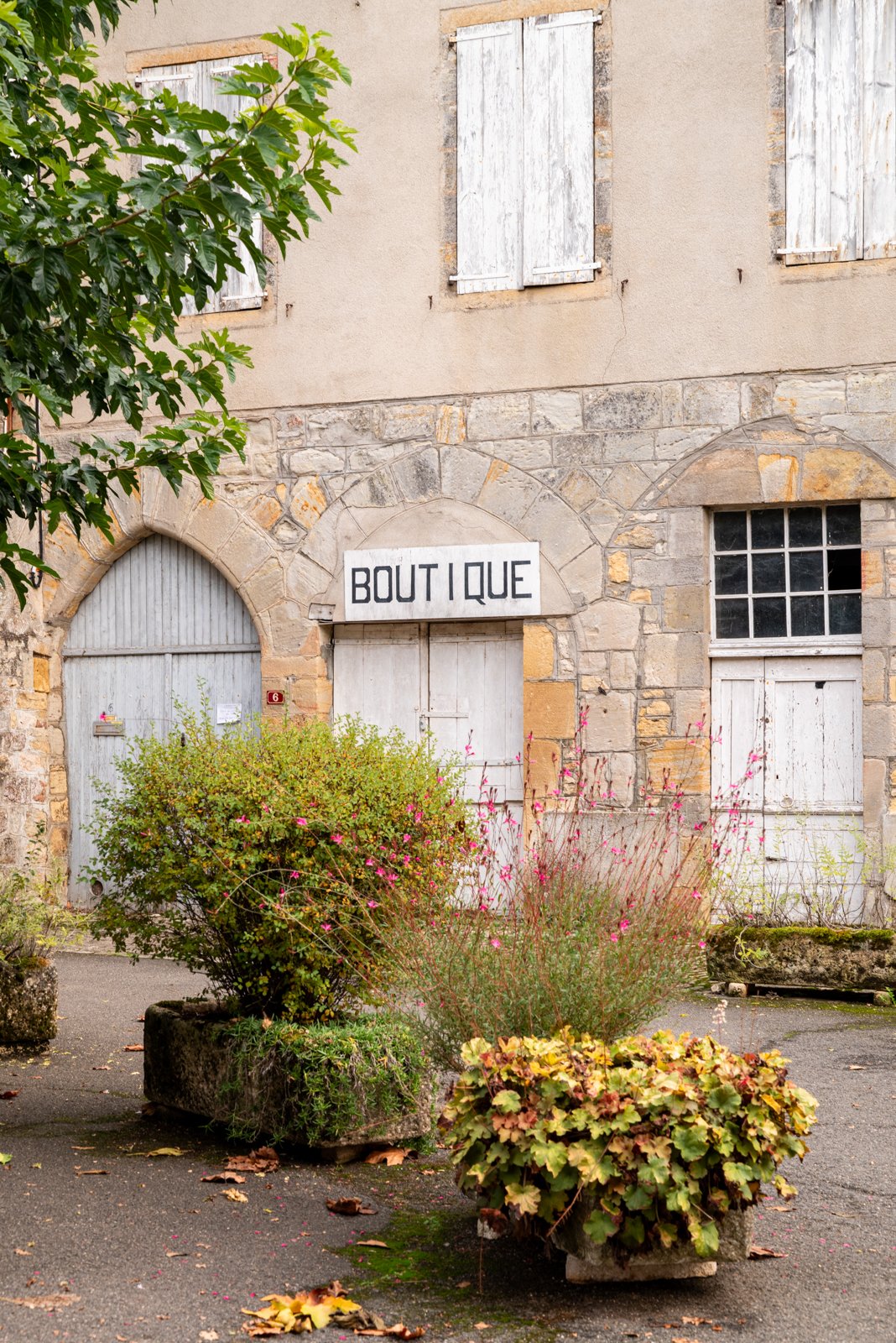
What to see and do in Cajarc and the Lot Valley
Characterful villages, wild landscapes and food discoveries
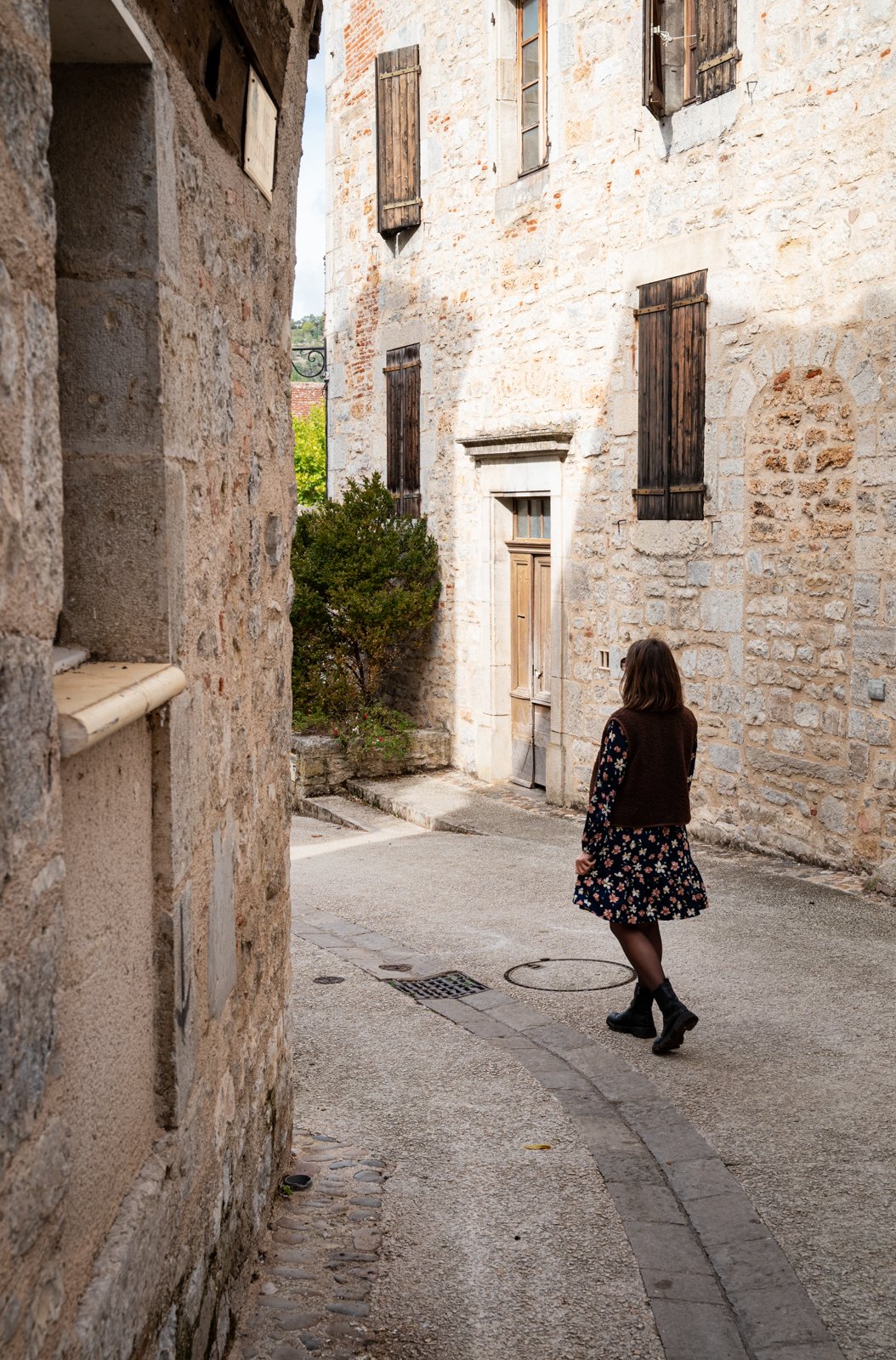
Visiting Cajarc, a charming little town on the banks of the Lot
Already the last stop on this short Lot itinerary! Former French President Georges Pompidou and his wife Claude, the novelist Françoise Sagan and the comedian Coluche were all, in turn, captivated by this small town. Would I be too?
Nestled in a natural amphitheatre of limestone plateaus on the banks of the Lot, Cajarc is very much in keeping with the other villages we explored on this trip. Old stones, flower-filled and sometimes hidden lanes, fountains and wells seem to have frozen the little town in time, preserving that old-world charm I love finding in the Lot.
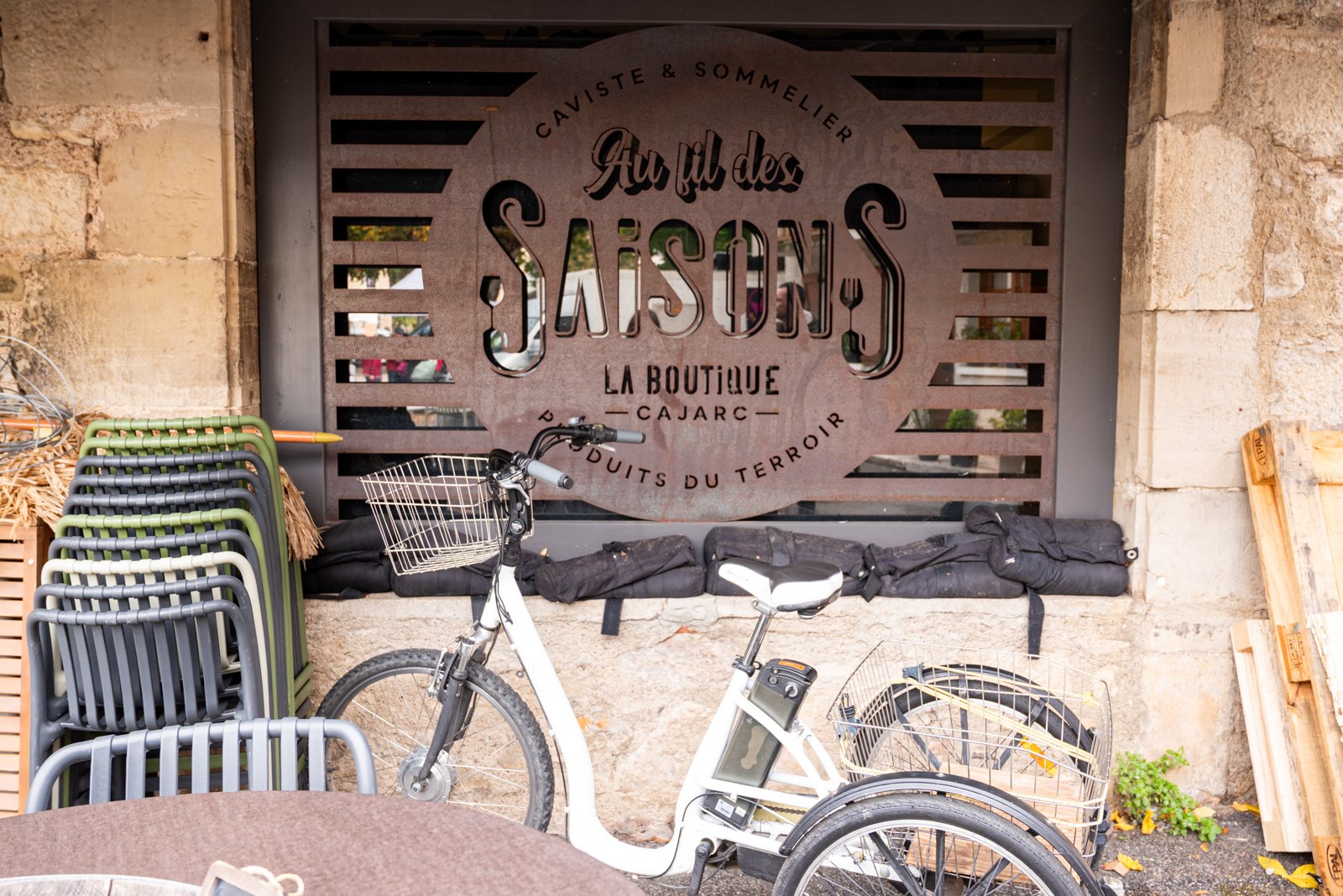
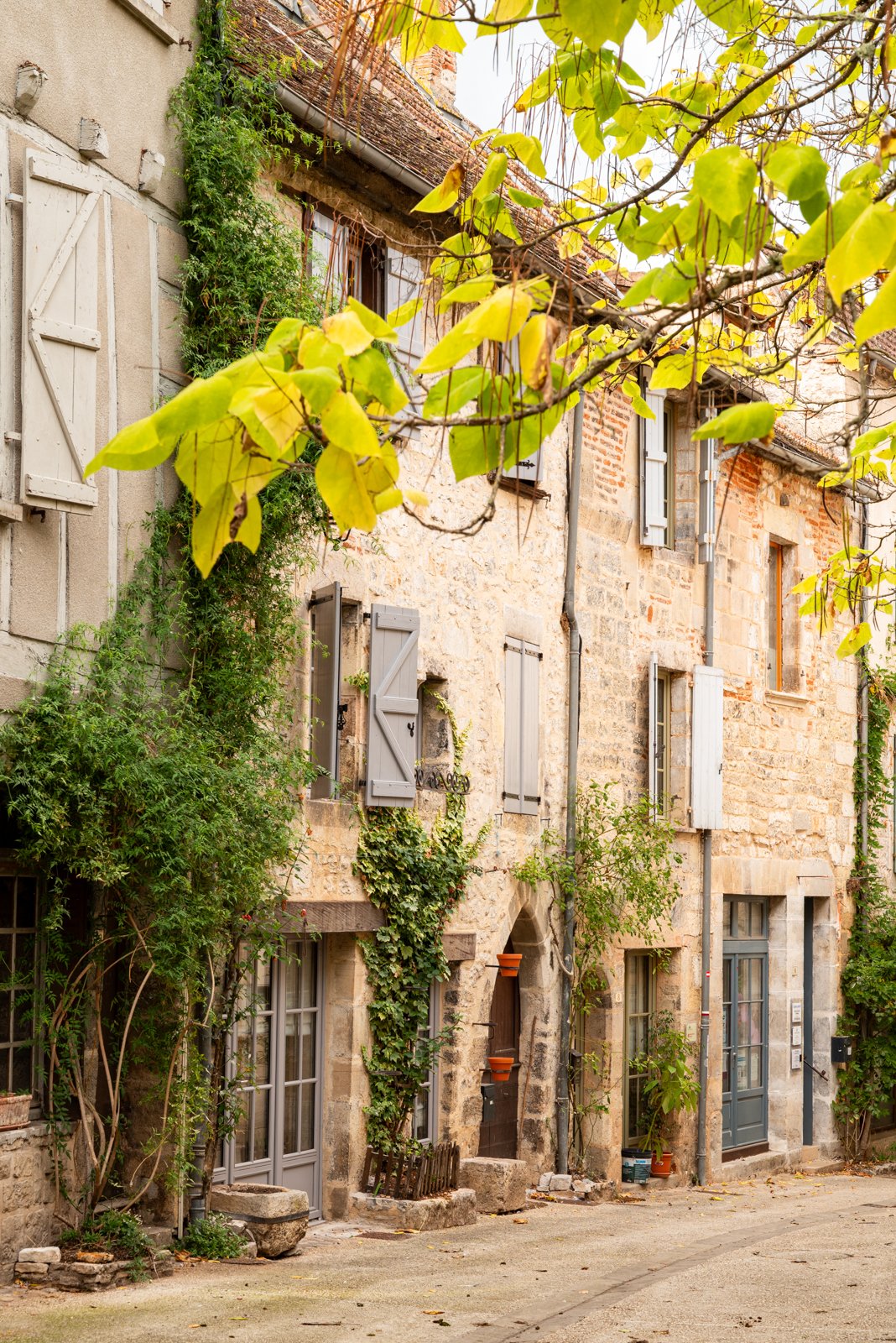
Yet Cajarc has a few rather unexpected stories to tell! Françoise Sagan was born here, Georges and Claude Pompidou had a holiday home here, and Coluche even drew inspiration from a local fishing tackle seller for his famous Schmilblick sketch, a cult send-up of a popular 1970s French TV game show. Thanks to its famous Papy Mougeot character, Cajarc enjoyed its own little moment of TV fame… even though Coluche mistakenly placed it in the Aveyron!
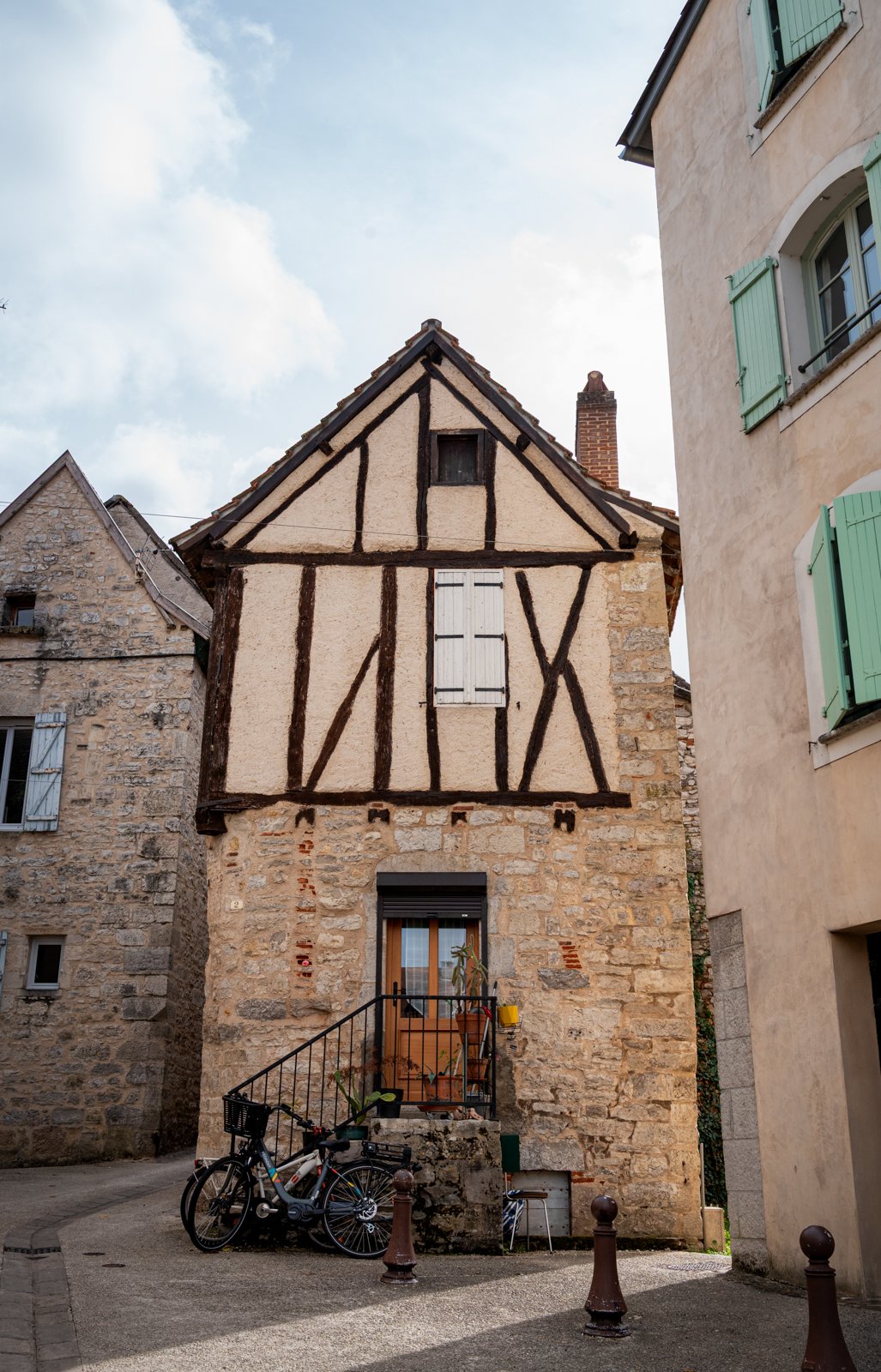
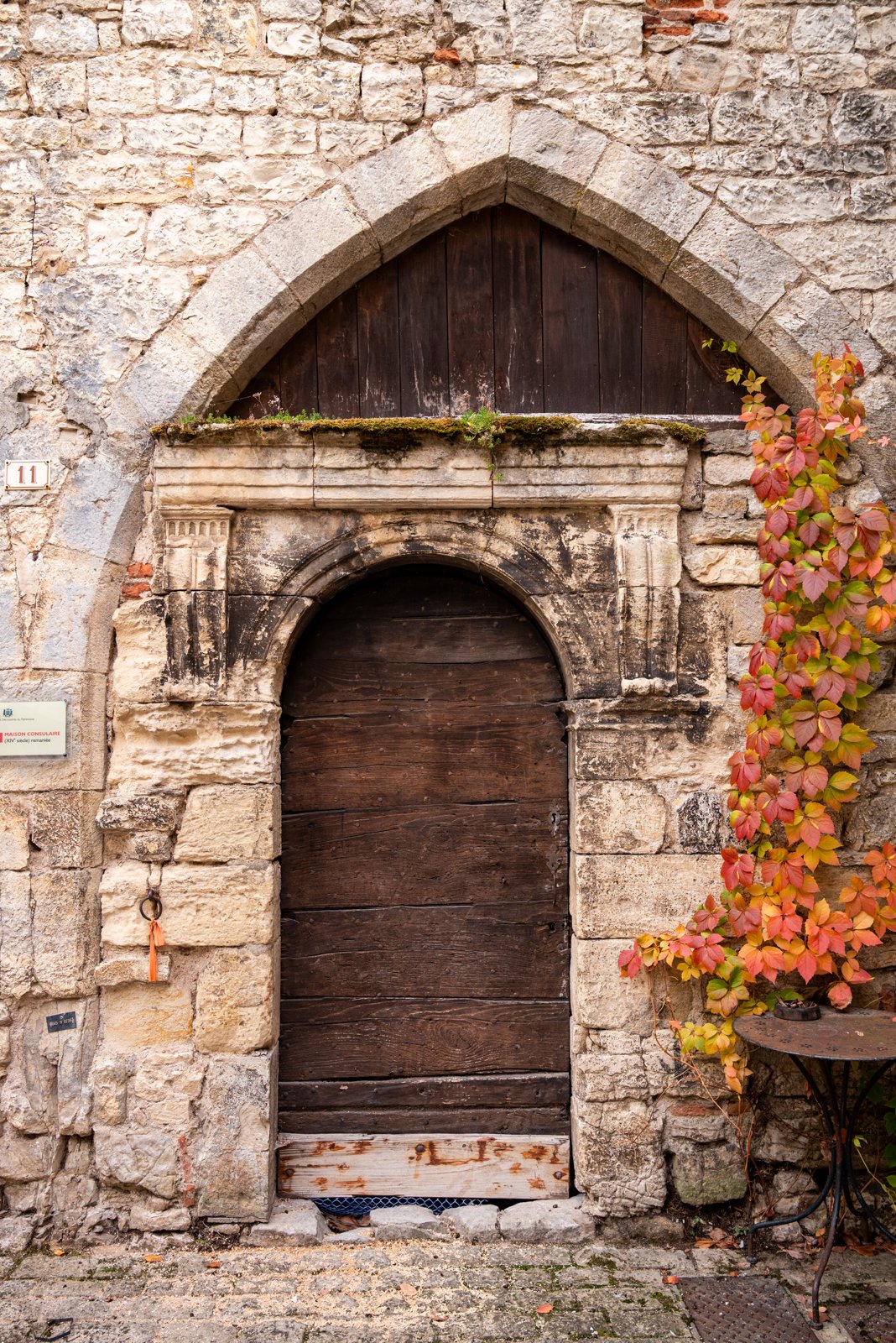
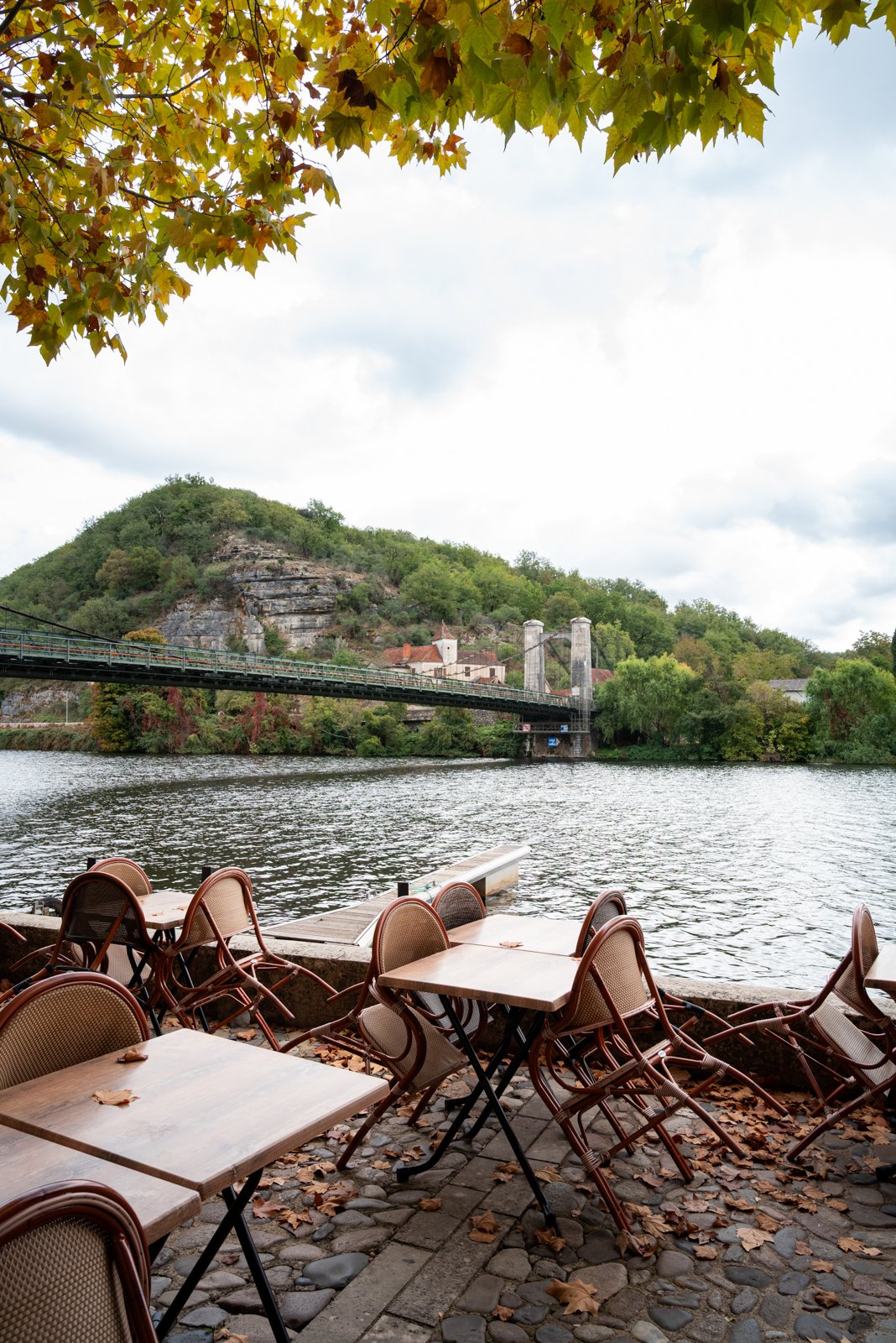
To explore the town’s lanes and old houses, we once again follow a few stops on the Clefs de Cajarc trail, before heading down to the banks of the Lot. At the end of October, fallen leaves carpet the paths and the last golden leaves are reflected in the river. A lovely, peaceful autumn walk, far from the buzz Cajarc must have known when celebrities gathered here in the 1960s!
Discovering Quercy saffron, from the saffron field to the Saffron Festival
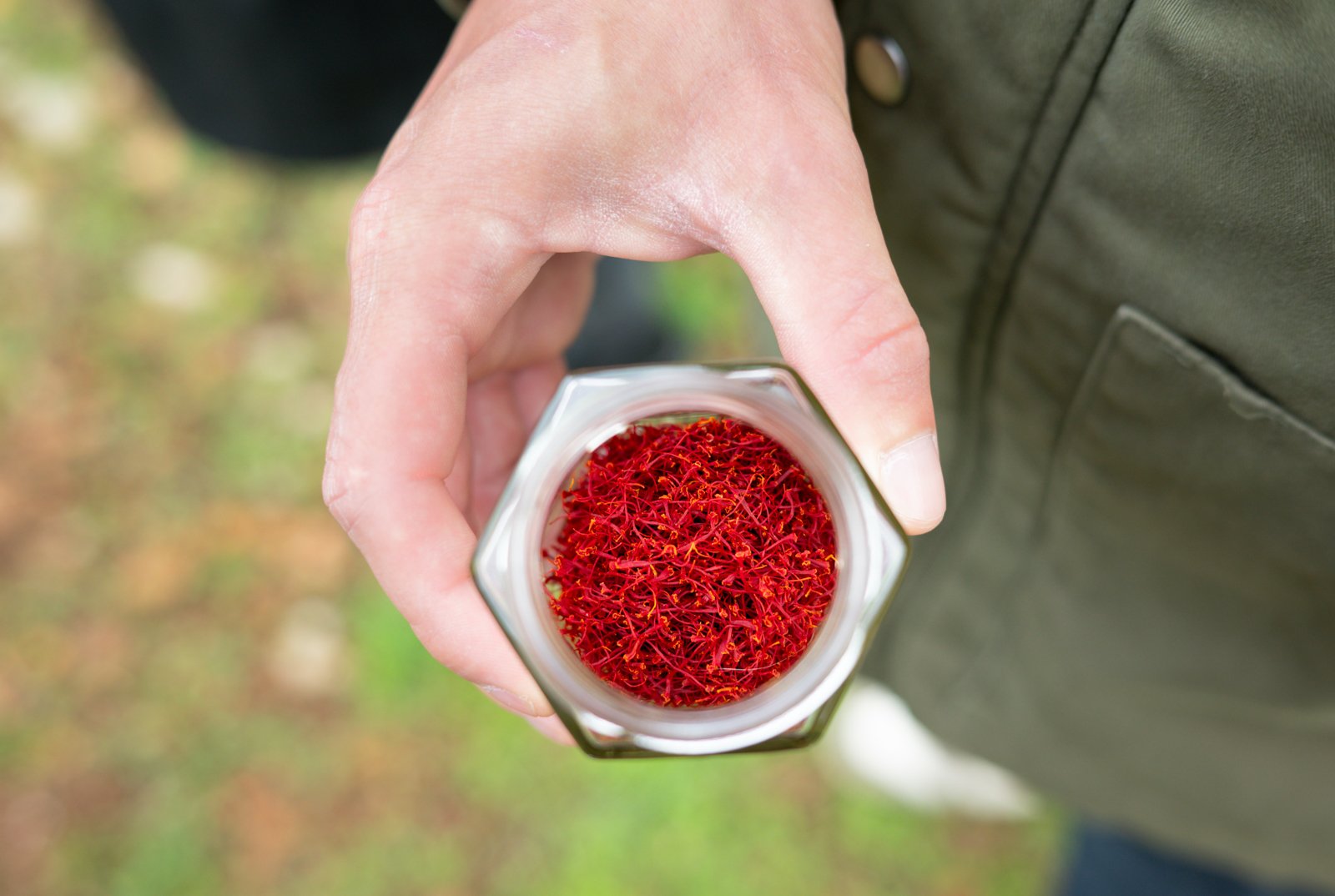
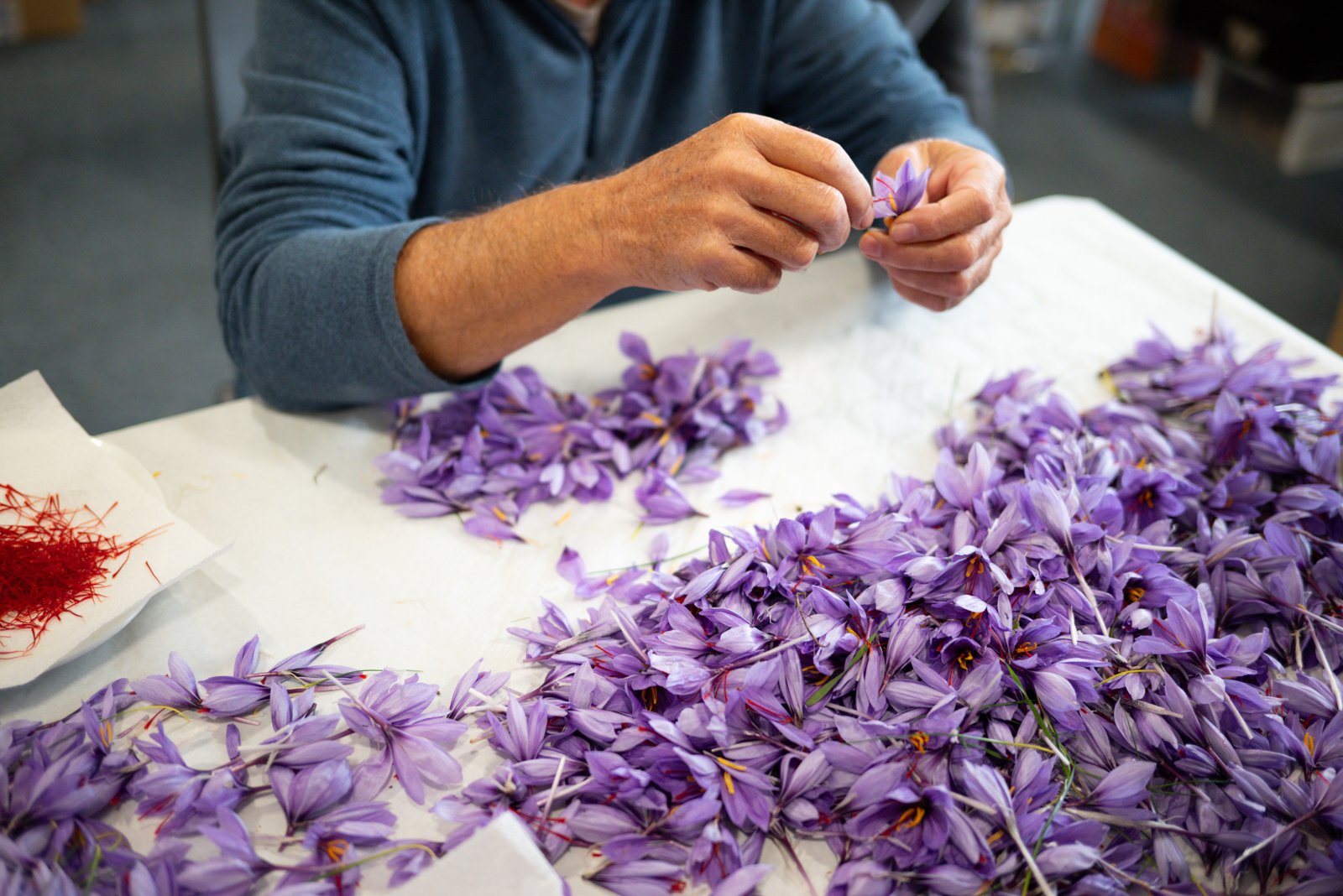
Harvested from the three red stigmas of a delicate crocus flower, picked by hand every autumn, then carefully separated and dried, saffron embodies age-old expertise, carried on today by passionate growers.
Grown in the Quercy since the Middle Ages, it is celebrated every autumn at the Cajarc Saffron Festival (Fête du Safran). On the programme: saffron farm visits, stigma-picking workshops, a producers’ market and plenty of tasty discoveries!
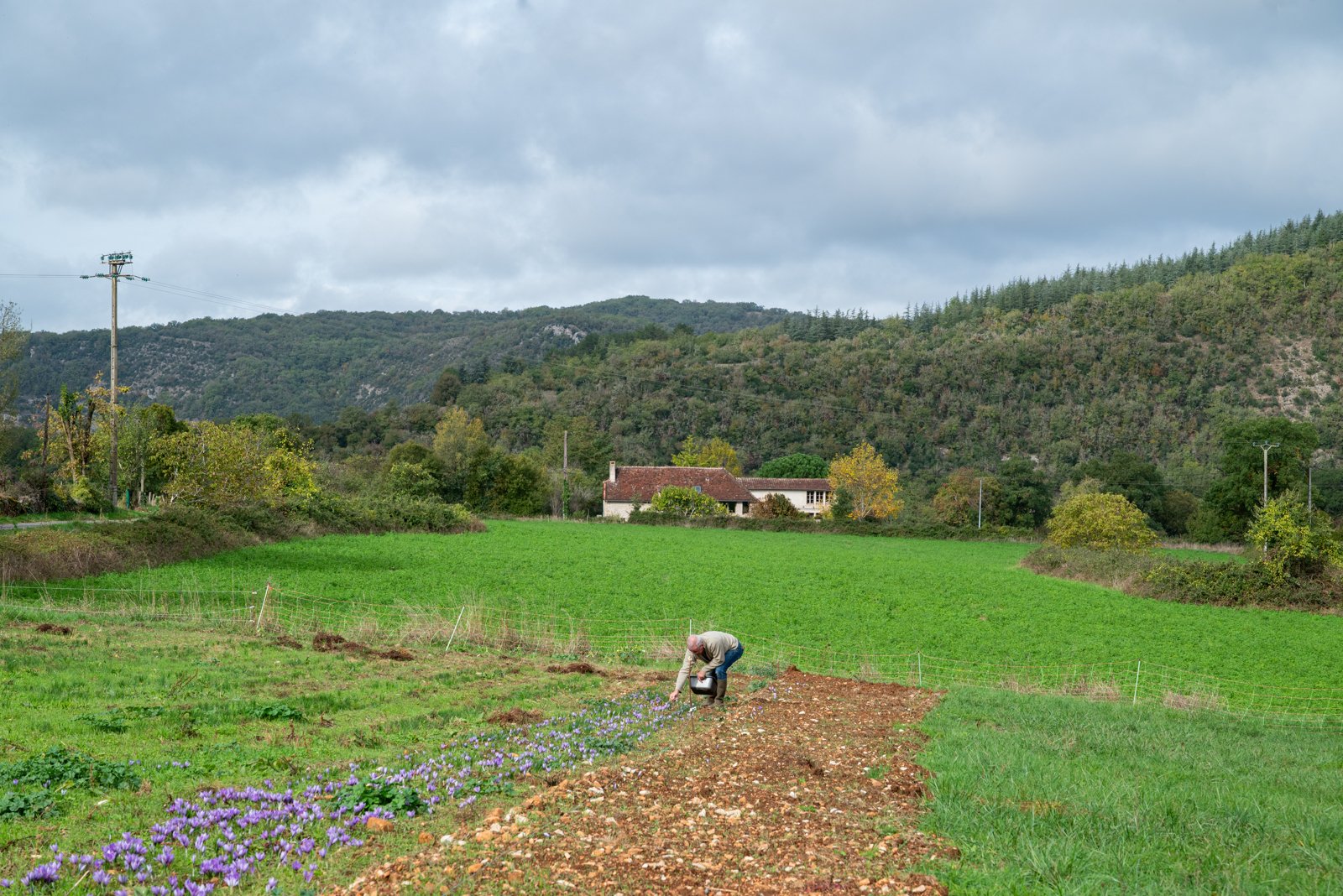
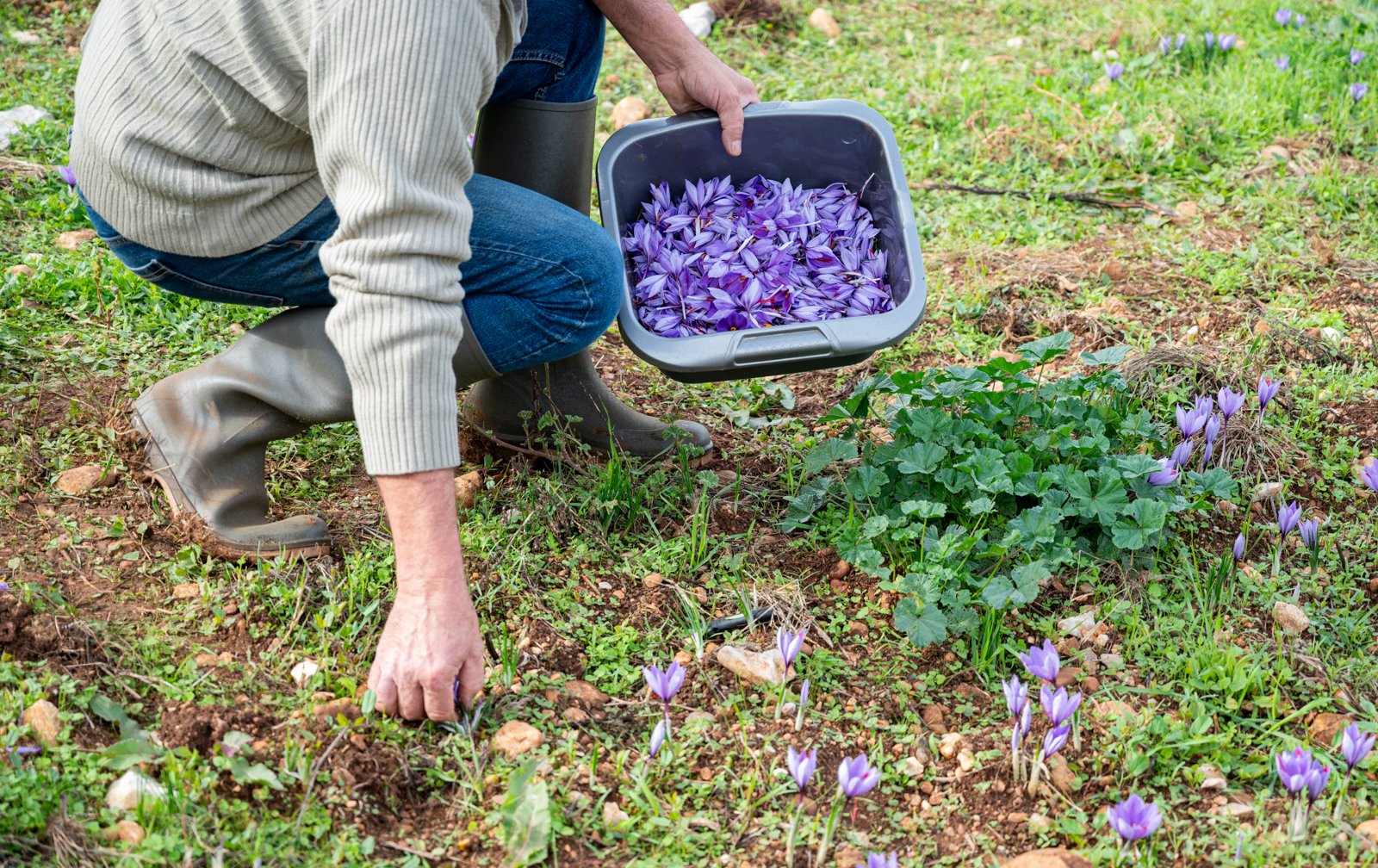
I couldn’t wait to take part in this event and learn a little more about the “red gold” of the Quercy! On Saturday morning, after signing up at the Tourist Office, we head to a saffron farm in a nearby village to watch the harvest. And our timing is perfect: hundreds of little mauve flowers have just bloomed, promising long hours of work for their growers!
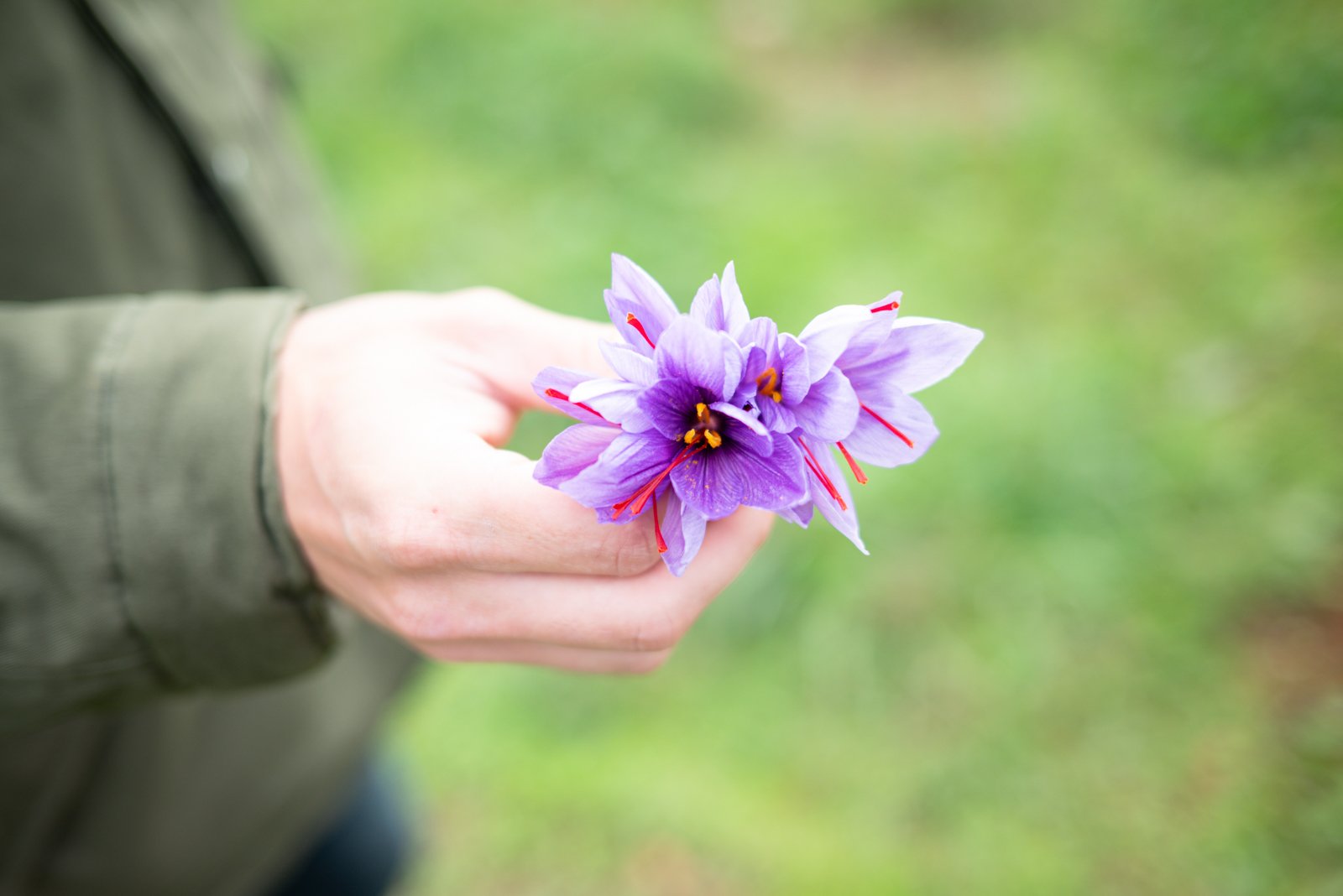
Indeed, the saffron harvest is as painstaking as it is fleeting. The flowers are picked quickly after they open, then their three precious stigmas are delicately removed and dried. During this intense period, the whole family is often roped in: parents, in-laws, neighbours… Everyone lends a hand so that none of this precious harvest goes to waste.
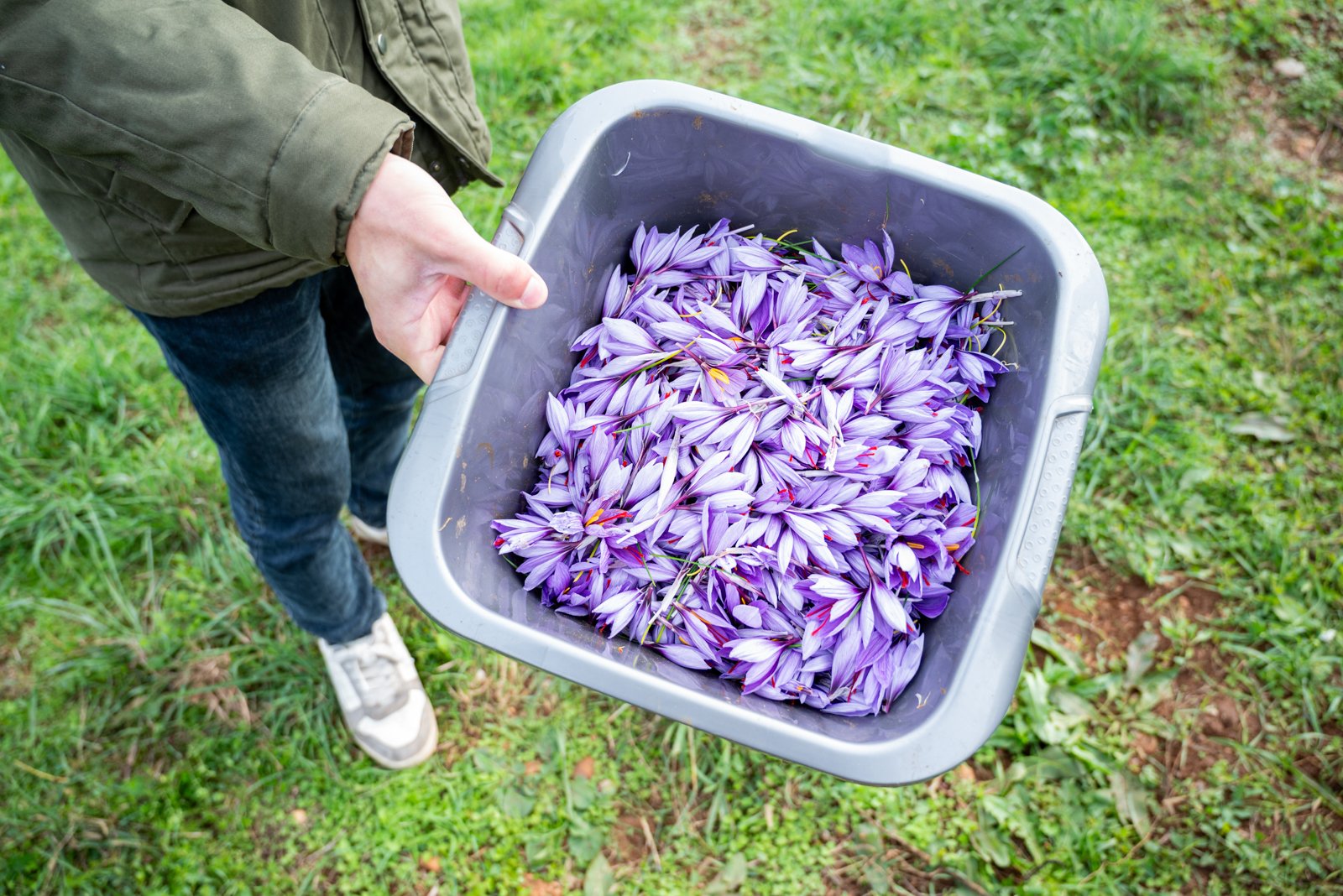
Fun fact: it takes around 200 flowers to produce just one gram of dried saffron… No wonder this spice can be so expensive! Behind every little jar lie hundreds of flowers and long hours of manual work…
Personally, I mostly knew saffron as the powder you buy at the supermarket… So I knew nothing about real saffron! It’s actually used as whole threads, left to infuse for several hours, or even overnight, in a little milk or water to gradually release its aromas.
A lovely encounter with passionate growers, helping us understand everything that goes into this demanding crop, and another way to discover the Lot in autumn, through its know-how, its traditions and the people who keep them alive.
Admiring the Saut de la Mounine, a panoramic view over the Lot Valley
I haven’t mentioned it yet in this article, but if there’s one thing that fascinated me in the Lot, it’s the road signs! It felt like at every junction or village exit, four or five signs pointed the way to remarkable sites. A great effort to showcase local heritage, which certainly pays off with people easily tempted by impromptu detours… like me!
Cajarc was no exception. On our way back from the saffron farm for lunch, a sign pointing to the Saut de la Mounine and a viewpoint caught my eye. Impossible to resist a quick look on Google Maps! The detour seemed reasonable, the view promising… Off we go…
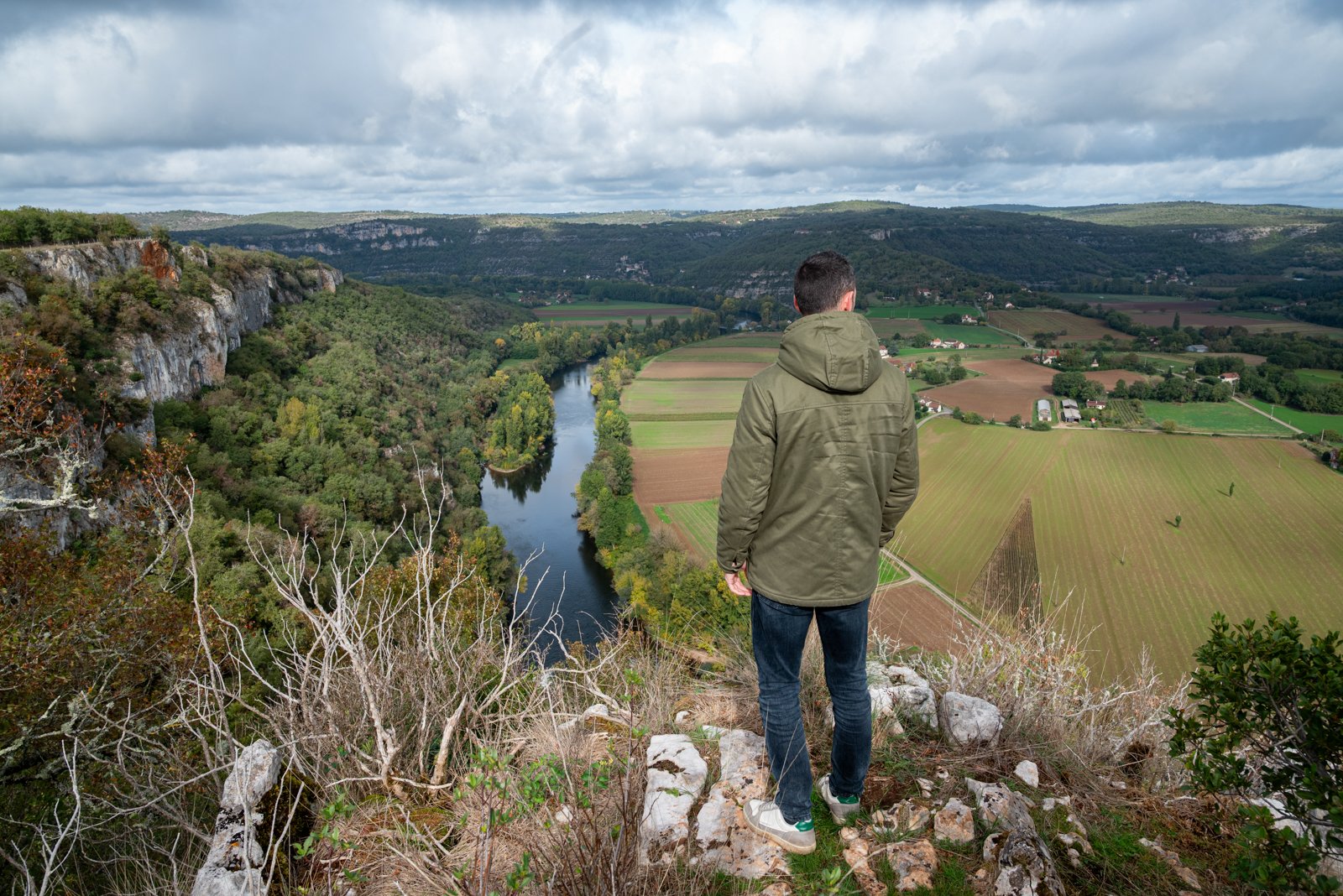
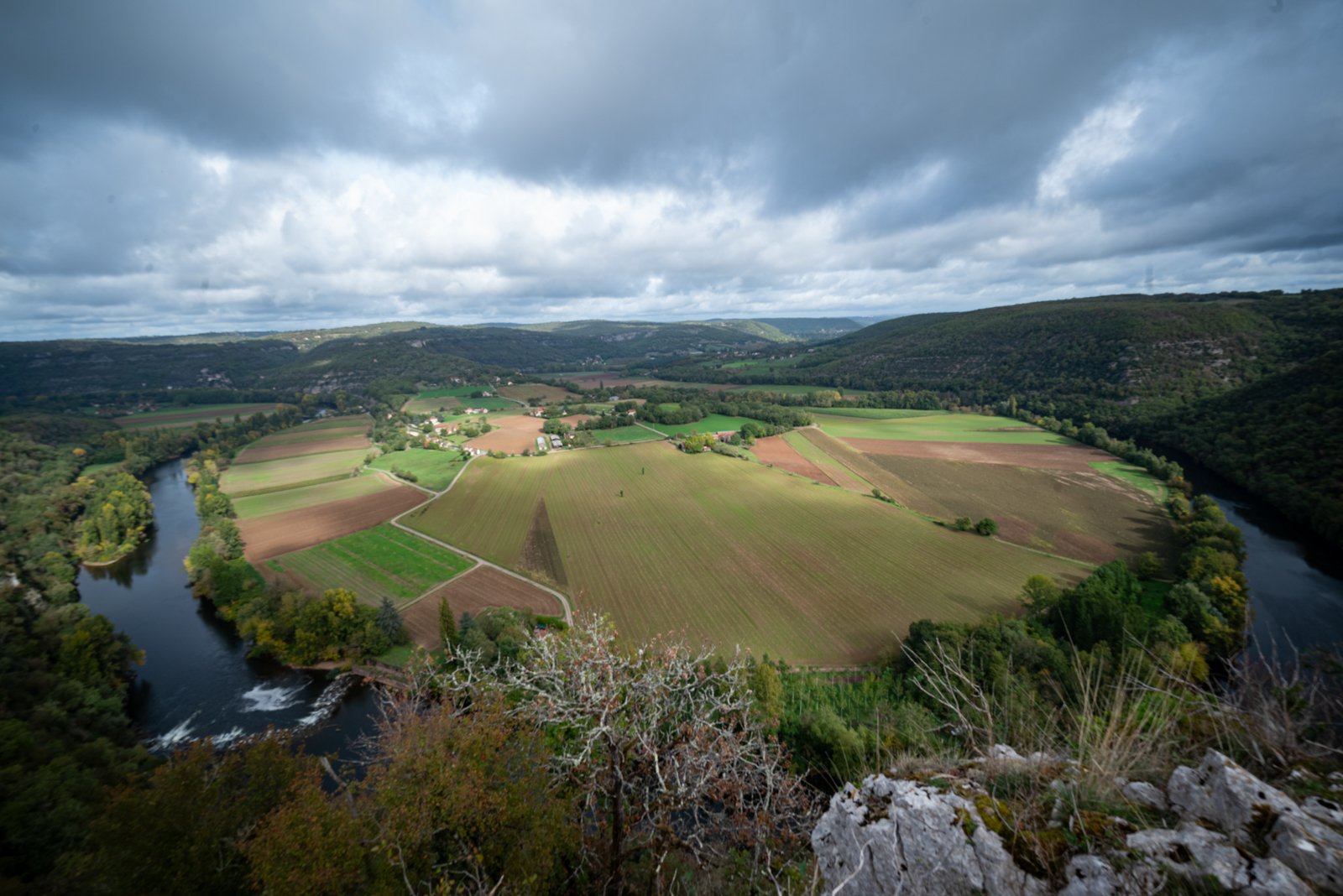
A few minutes later, here we are in the neighbouring Aveyron department, on the heights above Saujac, facing an absolutely stunning panorama. From this viewpoint perched at the top of the limestone cliffs, the Lot Valley unfolds some 150 metres below, with its meanders, cultivated fields and the wooded slopes that frame it. 🤍
Between the lingering clouds and bursts of sunshine, the autumn light sculpts the landscape, highlights the curves of the river and gives the scene a special depth.
A wonderful impromptu discovery, which ended our trip on an unexpected note.
The legend of the Saut de la Mounine
Legend has it that Ghislaine, daughter of the lord of Montbrun, loved Renaud, a young man her father refused to let her marry. To change his mind, a hermit threw his own female monkey, dressed in Ghislaine’s clothes, off the cliff. Believing his daughter dead, the lord was devastated, and when he found her alive, he finally agreed to their marriage. A rather cruel story for the poor “mounine” (Occitan for “little monkey”), which is said to have given the spot its name — “the monkey’s leap”!
Where to stay in the Lot
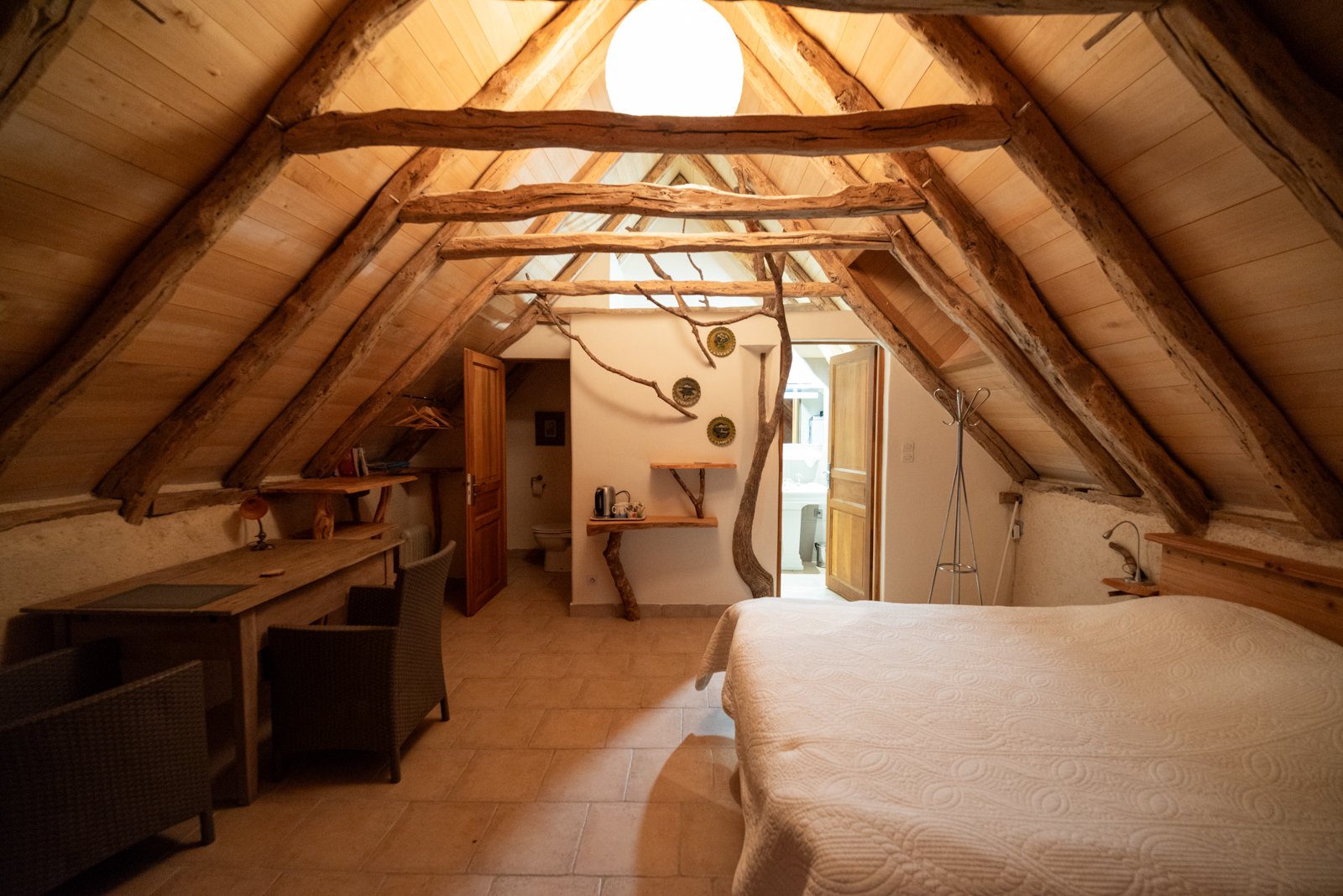
Where to stay in the Célé Valley: La Métairie Haute in Marcilhac-sur-Célé
Perched in a clearing in the middle of the woods, La Métairie Haute feels cut off from the world. Well, almost — there’s still mobile signal ;)!
The sense of escape begins as soon as we arrive, when a few roe deer greet us at the edge of the forest. An almost disconcerting calm reigns over this property surrounded by conifers, barely disturbed by the sounds of nature.
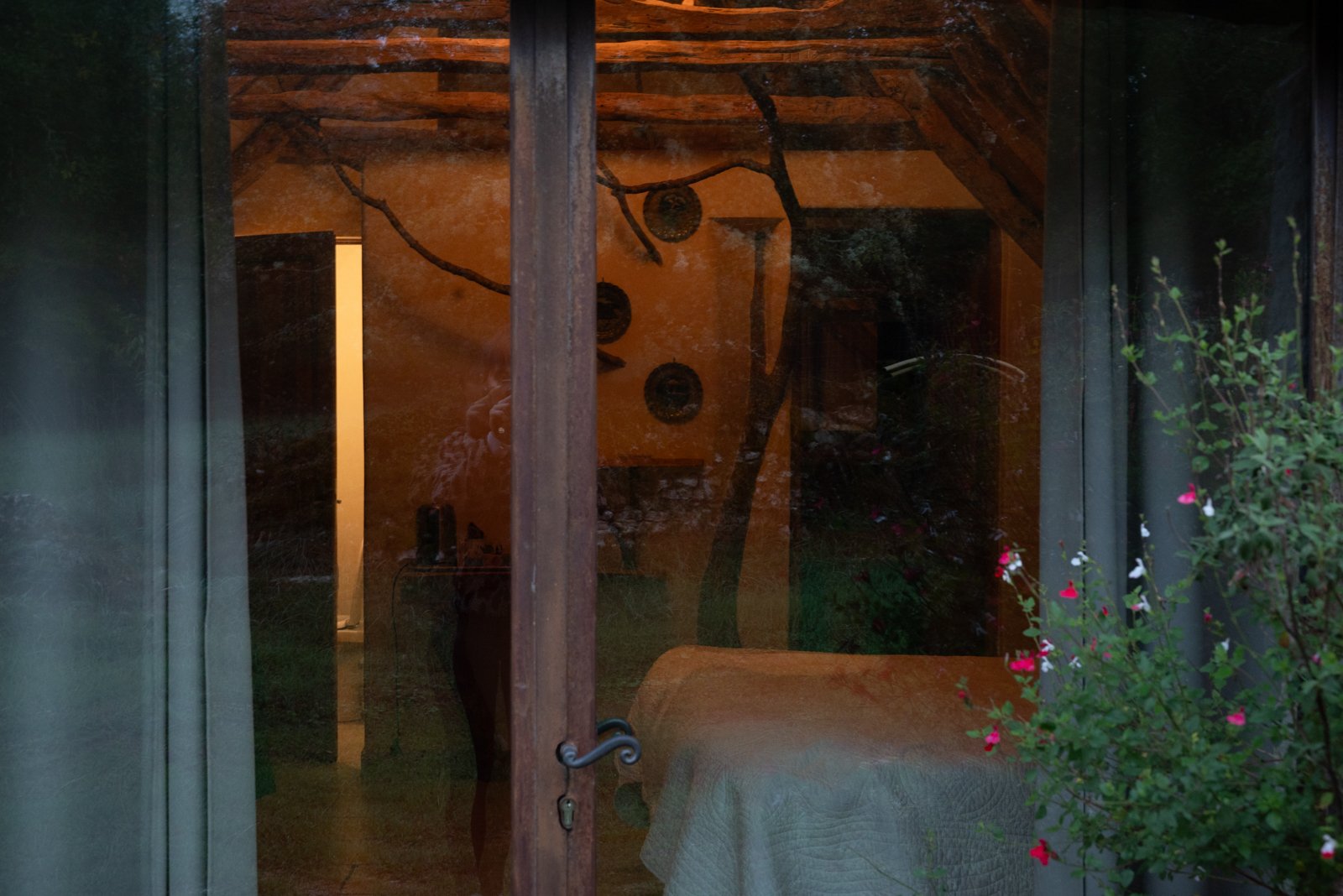
Our room extends this feeling of being in the middle of the woods. With its understated décor, natural materials and, above all, the tree growing right through it like a companion for your dreams, I almost feel like I’m spending the night in a treehouse!
A night out of time, in such a soothing setting… A lovely interlude in the heart of the Causses du Quercy that I would happily have extended!
Where to stay in Figeac: Hôtel Le Quatorze
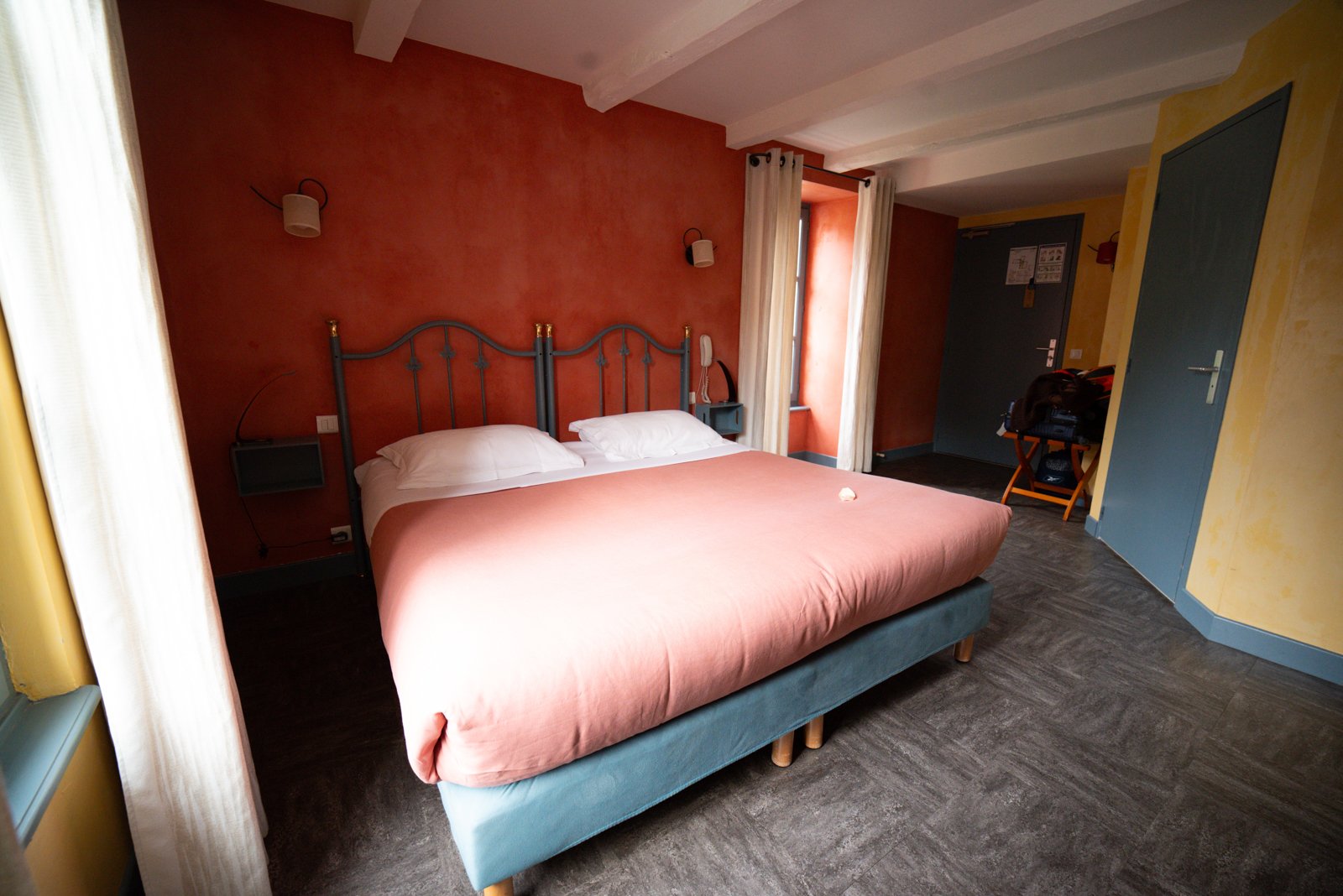
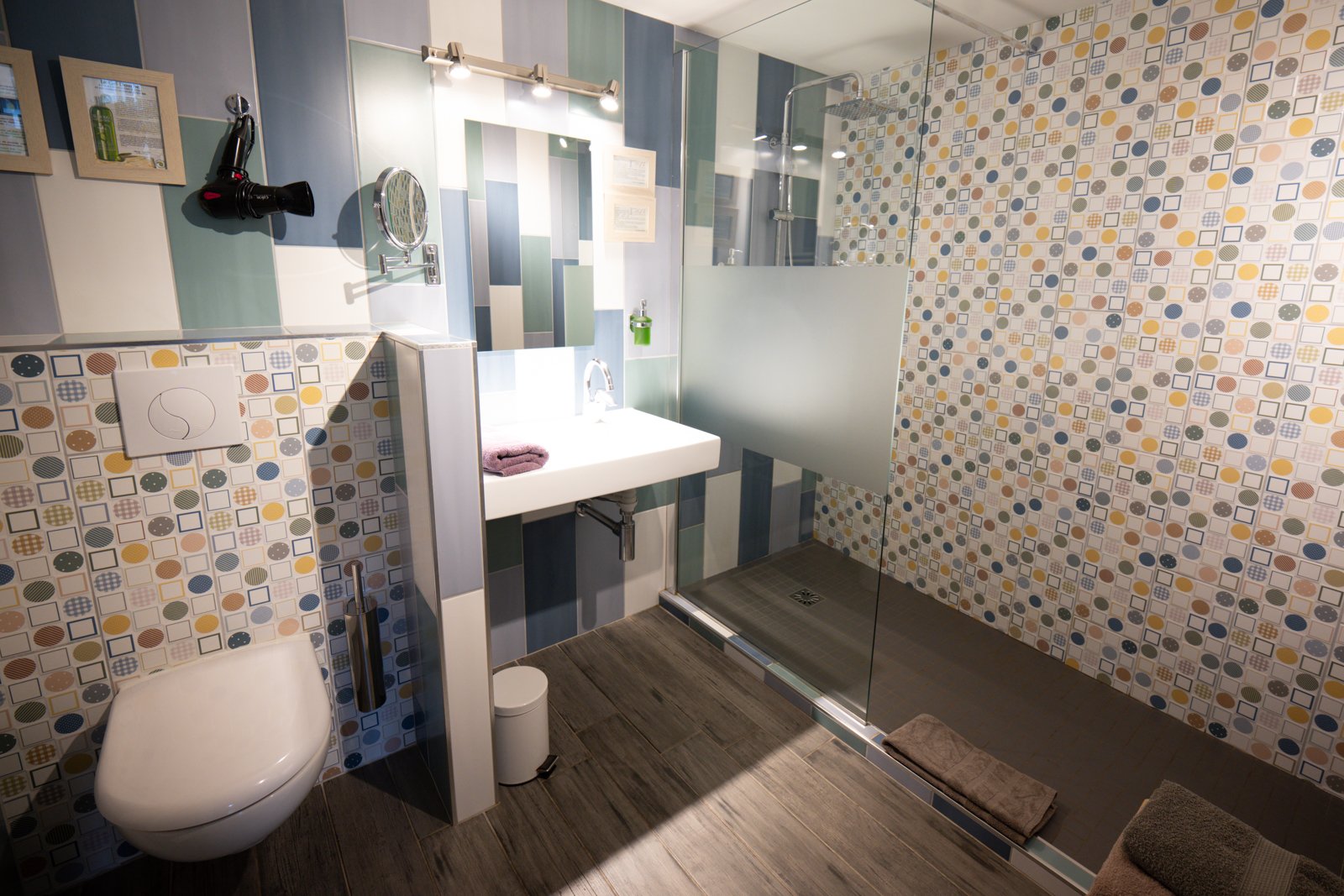
Set in an old Quercy-style building right in the heart of Figeac’s historic centre, Le Quatorze is a small family-run hotel with 14 spacious rooms and simple, natural décor.
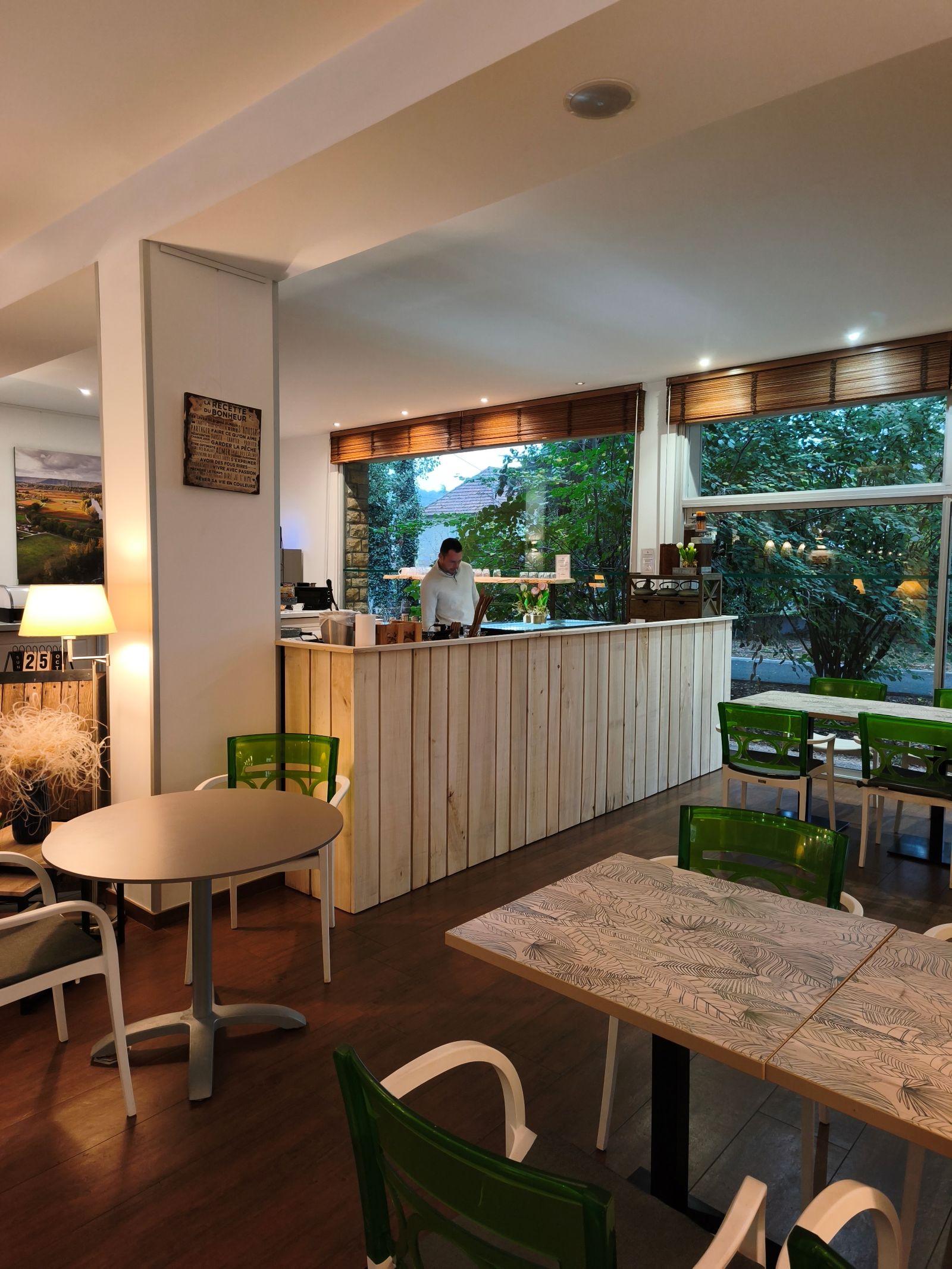
It may not have the most original setting of our trip, but it has other strengths! Starting with its warm welcome and delicious breakfasts, largely homemade, with dishes that change throughout the week. That’s rare enough to be worth mentioning, and so appreciated! Yoghurts, cakes, little custards… We tucked in every morning!
On the practical side, the hotel also has private parking, a real plus in central Figeac. Restaurants, shops and the main sights are just a stone’s throw away, so you can enjoy the town on foot without getting back in the car.
A simple, friendly place, ideally located for exploring Figeac and the surrounding area!
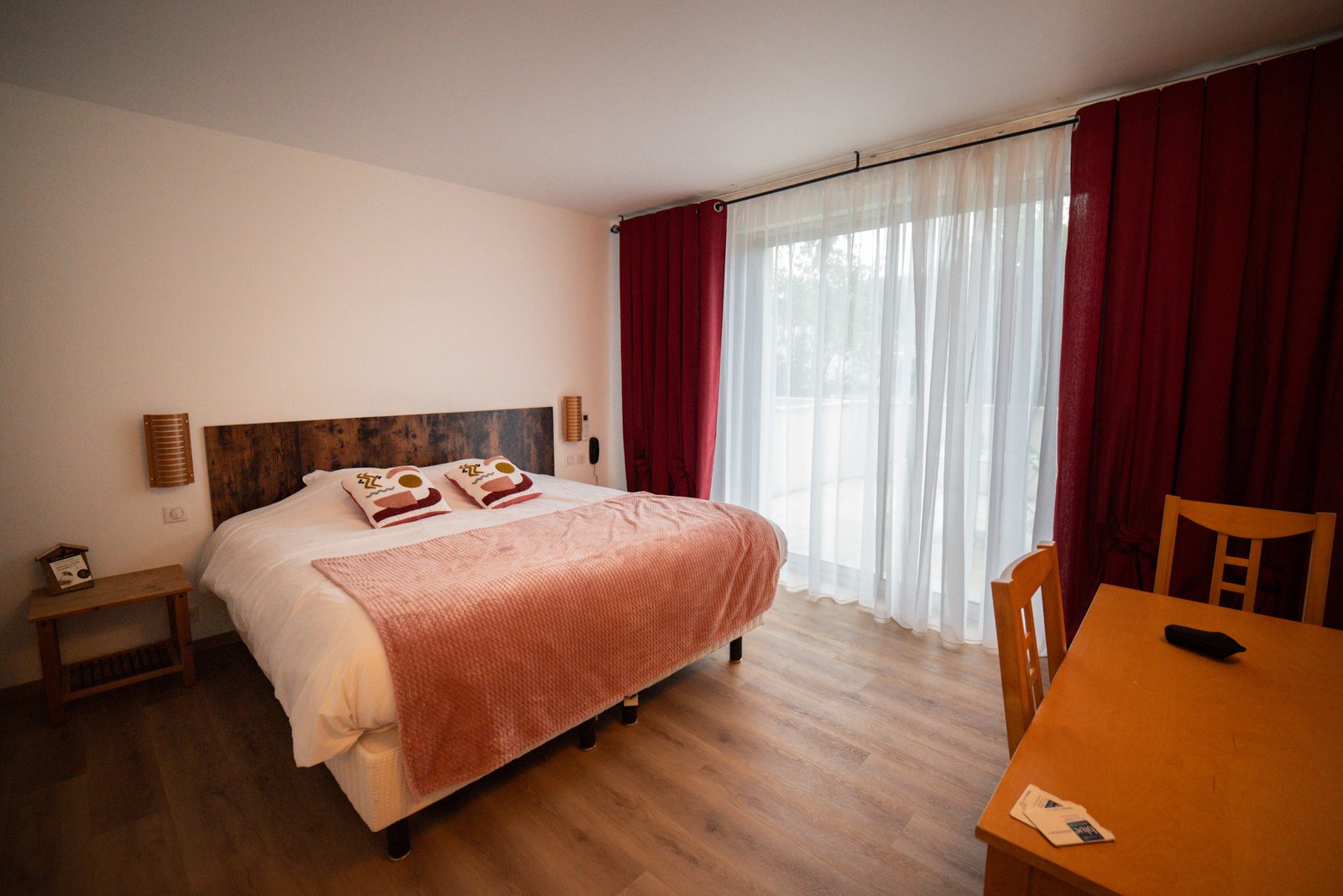
Where to stay in Cajarc: the Cajarc Blue Hotel
Our last night in the Lot was spent at the Cajarc Blue Hotel (La Ségalière), in Cajarc, in the heart of the Causses du Quercy Regional Natural Park.
A change of atmosphere compared with our previous stays! With its clean lines, generous spaces and architecture that reminds me a little of Californian hotels, the Cajarc Blue Hotel has a more modern style, without lacking warmth. The welcome is particularly friendly and attentive!
I would have loved to discover the hotel in summer, to enjoy its pool and pretty wooded grounds, perfect for spending a few hours in the sun without even leaving the premises.
But autumn has its advantages too! After a busy day in and around Cajarc, the cosy library and the billiard table make for a pleasant, quiet evening. The understated, warm interior décor suits the autumn mood rather well.
On the practical side, the hotel has a large car park, always welcome when exploring the Lot by car.
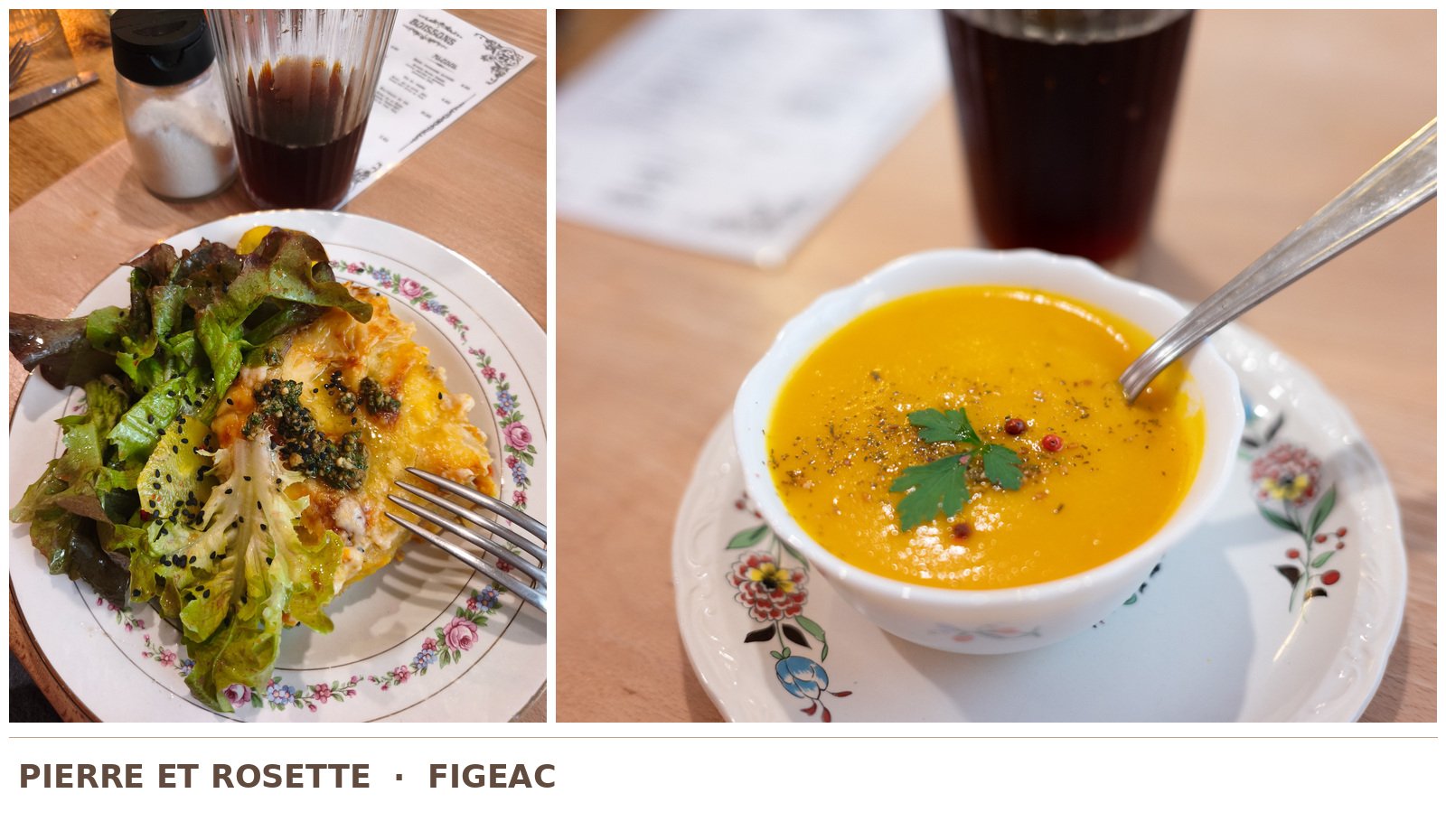
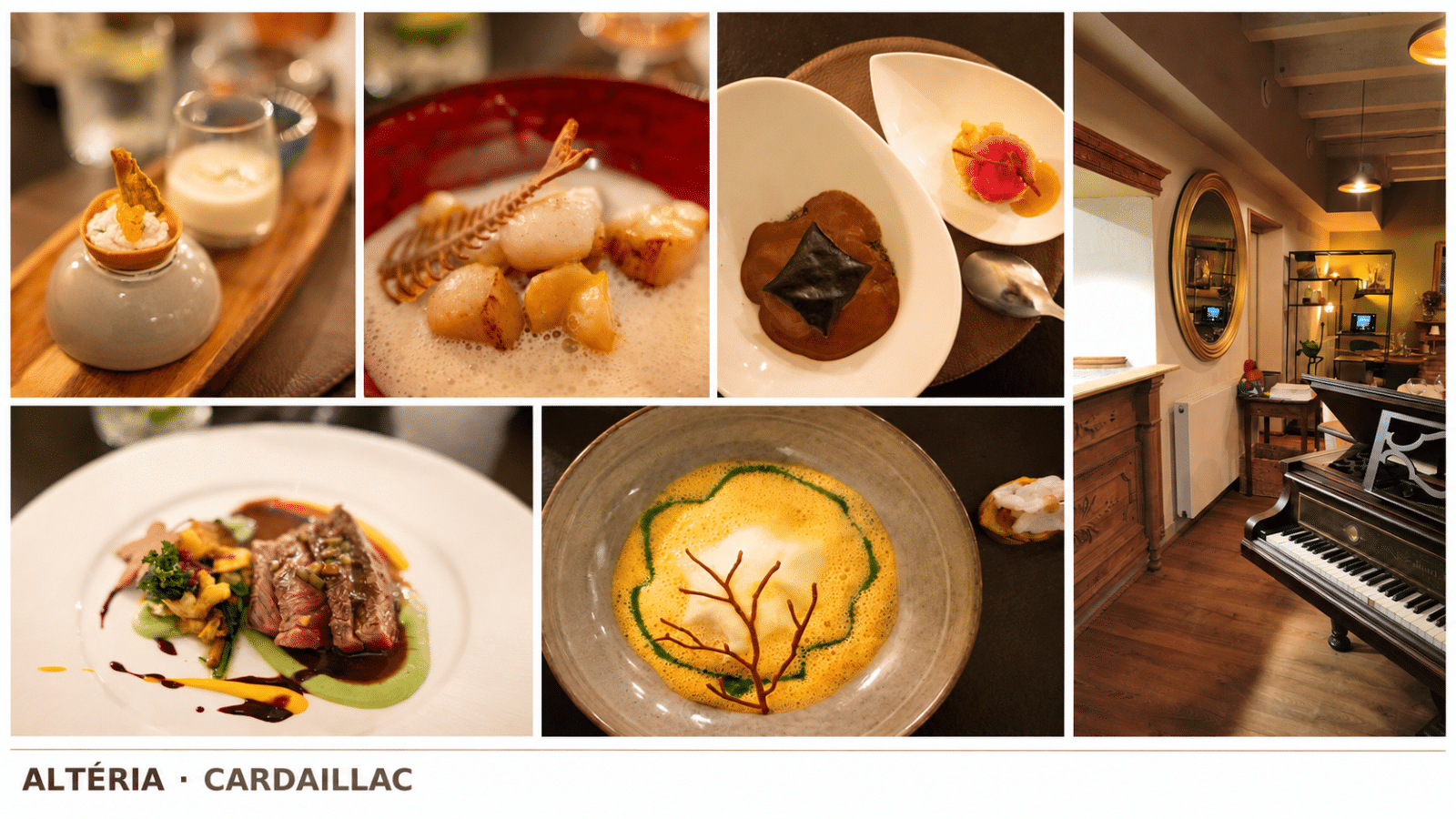
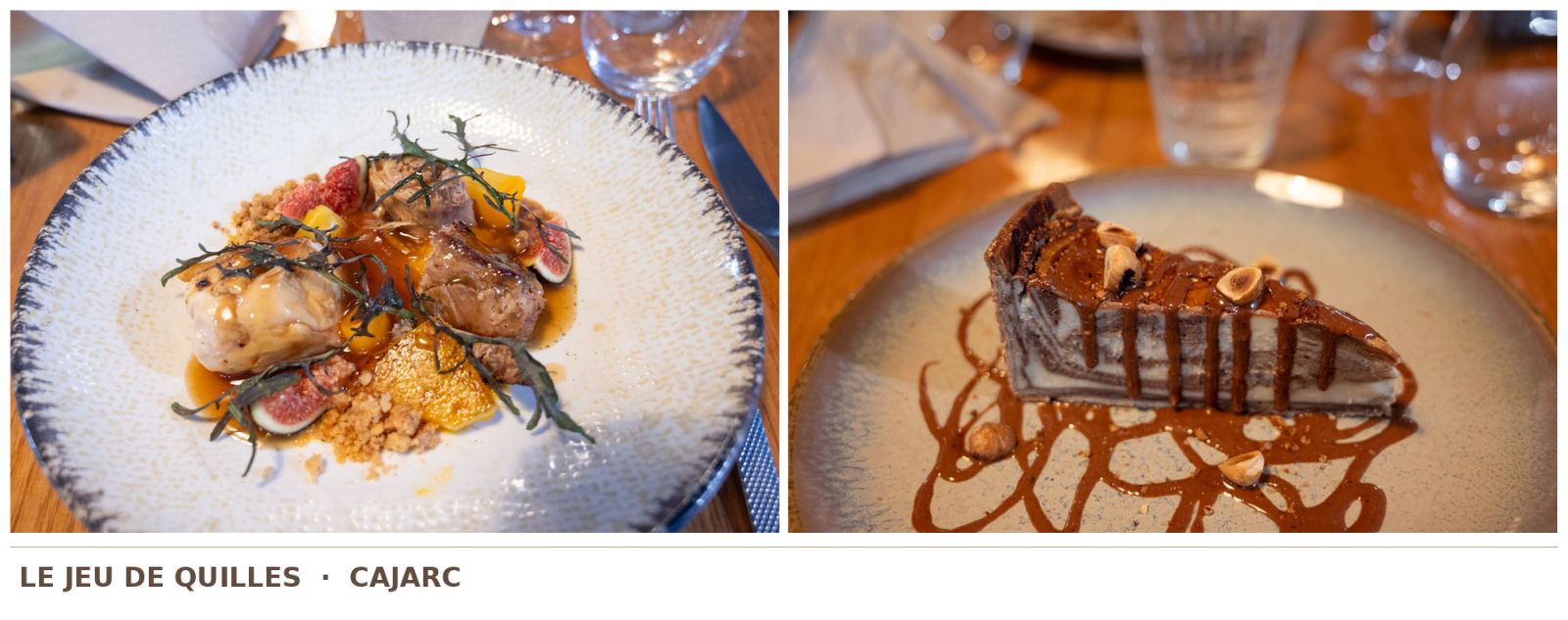
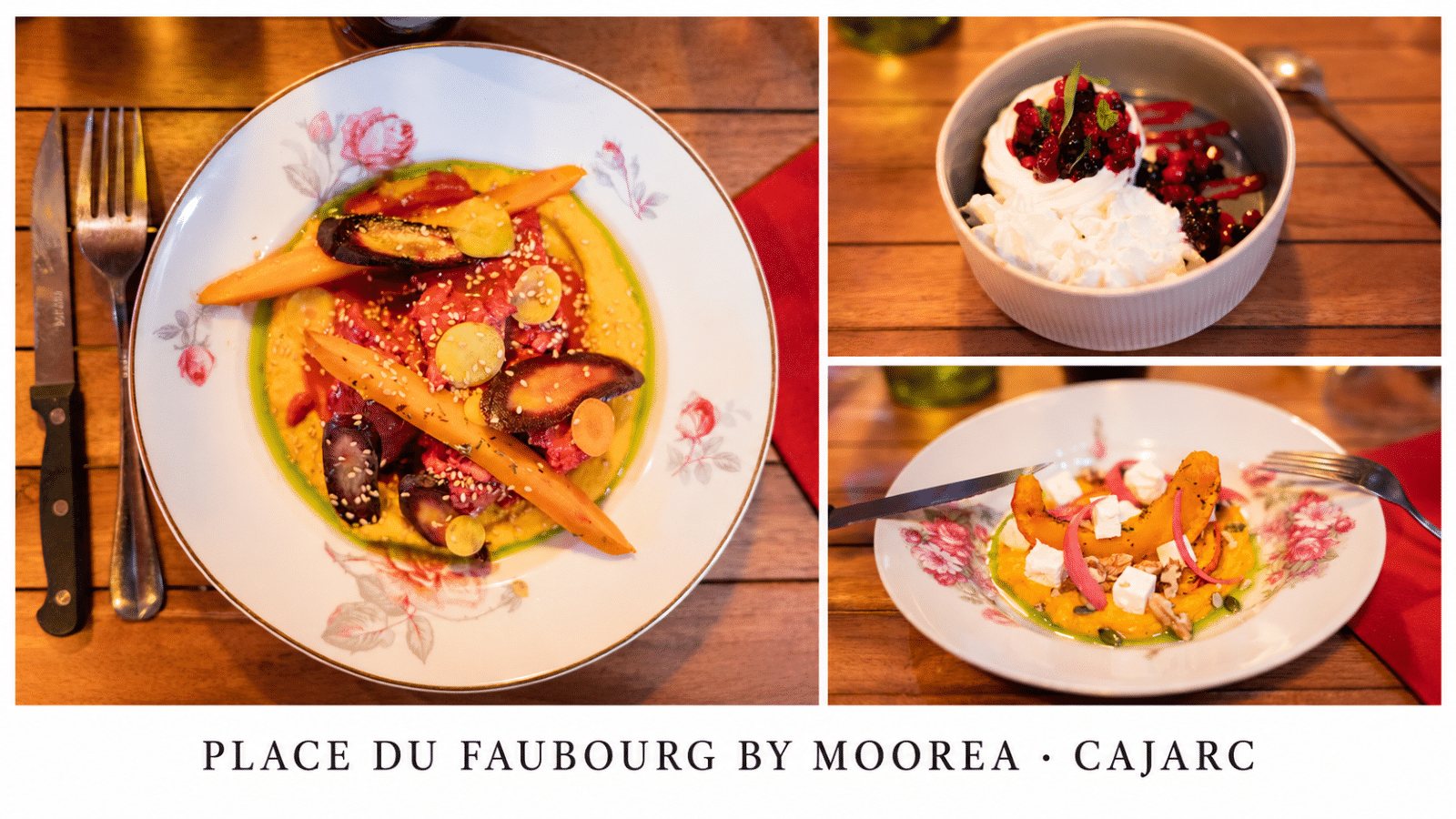
Where to eat in the Lot
FAQ: planning a weekend in the Célé Valley and around Figeac
What is there to do in the Célé Valley?
The Célé Valley is full of little stone villages, hiking trails and prehistoric sites. My must-sees include Pech Merle Cave, the abbey at Marcilhac-sur-Célé, the priory at Espagnac-Sainte-Eulalie and Vieux Sauliac, clinging to the cliff face. Not forgetting the landscapes of the Causses du Quercy and their dry-stone caselles!
How many days do you need to visit the Célé Valley and Figeac?
Three to four days are enough to see the main villages of the Célé Valley, Pech Merle Cave and Figeac. To add Cajarc, a few hikes and the surrounding villages, I’d recommend a long weekend of four to five days.
What are the most beautiful villages around Figeac?
Cardaillac and Capdenac-le-Haut, both listed among the Most Beautiful Villages of France, are well worth a visit for their medieval lanes and fortifications. I also loved Marcilhac-sur-Célé, Espagnac-Sainte-Eulalie and Sauliac-sur-Célé.
When is the best time to visit the Célé Valley?
Spring and autumn are particularly pleasant for hiking and exploring the villages. In October, the landscapes turn beautiful golden shades and there are fewer visitors. Summer is better for swimming and activities along the Célé.
Can you visit the Célé Valley without a car?
It’s possible for some stops, but quite restrictive if you want to explore the whole valley. The villages, trailheads and natural sites are spread out, and public transport is limited, so I recommend having a car. Figeac, on the other hand, can be reached by train and its historic centre is easy to explore on foot.
What to visit in the Lot around Figeac?
Besides Figeac’s historic centre and the Champollion Museum, I recommend Cardaillac, Capdenac-le-Haut, the villages of the Célé Valley and the landscapes of the Causses du Quercy. A little further afield, Cajarc lets you continue exploring along the Lot, especially in autumn when saffron takes centre stage.


