During our week in Poland, visiting Auschwitz-Birkenau was one of the stops we absolutely wanted to include in our itinerary. A visit very different from the others, of course, which we’d booked several weeks before leaving.
About 70 kilometres from Kraków, the former Nazi concentration and extermination camp now welcomes visitors from all over the world. But between booking tickets, the different types of visit, the two sites of Auschwitz I and Auschwitz II-Birkenau and the available tour slots, planning your visit takes a bit of organisation.
Having visited during our trip, I’m sharing my experience and all my tips for visiting Auschwitz-Birkenau: how to book, which tour to choose, how long to allow, how to get there from Kraków and what to expect once you’re there.
Auschwitz-Birkenau was one of the stops on our one-week itinerary in Poland, which also took us to Kraków, Wieliczka, Zakopane and Ojców National Park.
Auschwitz-Birkenau: practical information
Visiting Auschwitz-Birkenau: what to know before you go
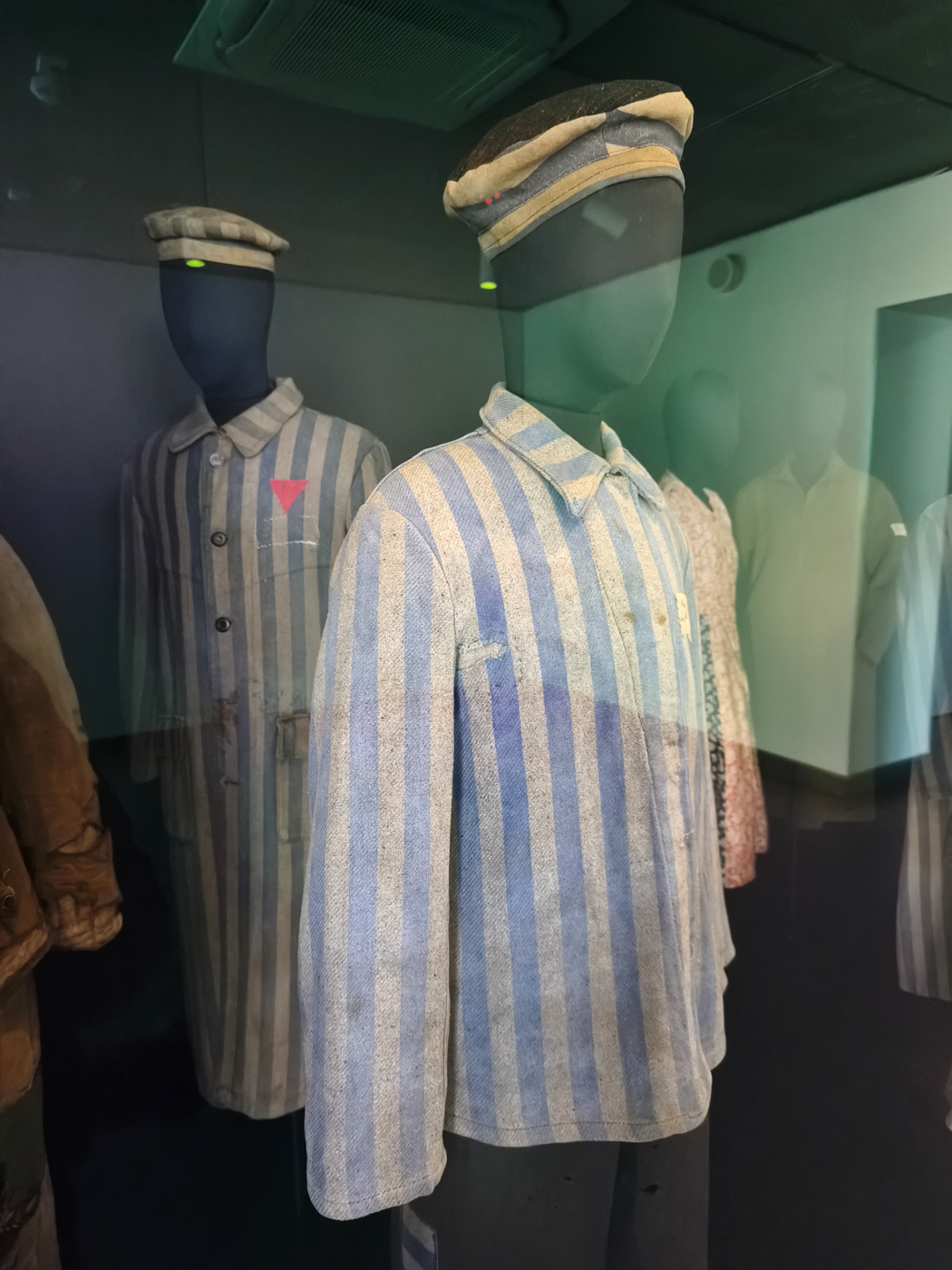 When people talk about “Auschwitz”, they’re actually referring to a complex of several camps set up by Nazi Germany during the Second World War.
Today, visits focus mainly on two sites: Auschwitz I and Auschwitz II-Birkenau, a few kilometres apart.
Auschwitz I, the main camp, now houses most of the Memorial’s exhibitions. Auschwitz II-Birkenau, much larger, was both a concentration camp and the main killing centre of the Auschwitz complex.
The two sites are very different but complementary, and together help you understand the history and scale of the complex. Here are the main areas you’ll see.
.
Auschwitz I and Auschwitz II-Birkenau: what do you see?
The two sites are complementary but very different. Here are the main places and areas we saw during our visit.
| Site | The main areas to see |
|---|---|
| 📍 Auschwitz I Main camp |
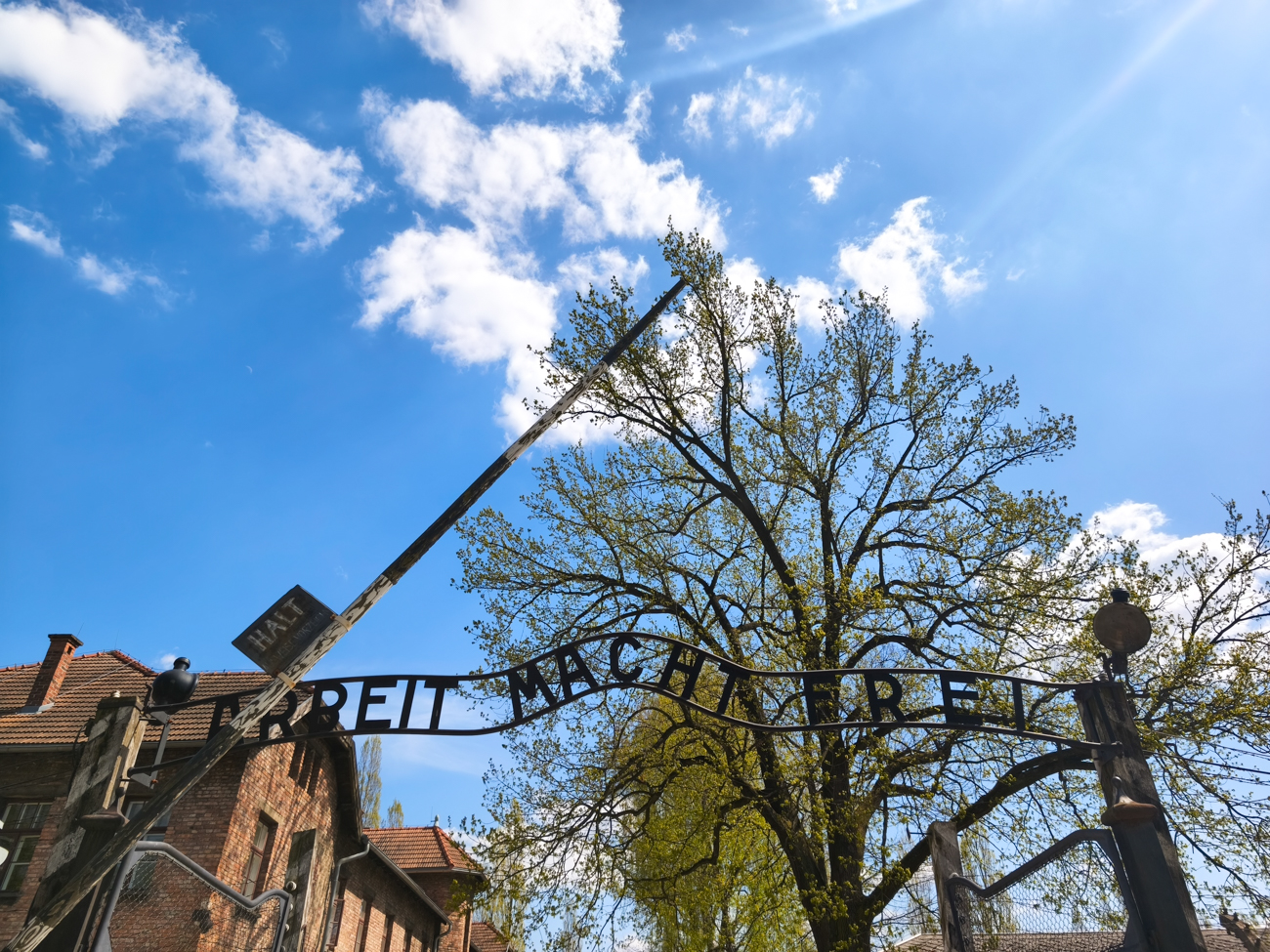
• The “Arbeit macht frei” gate
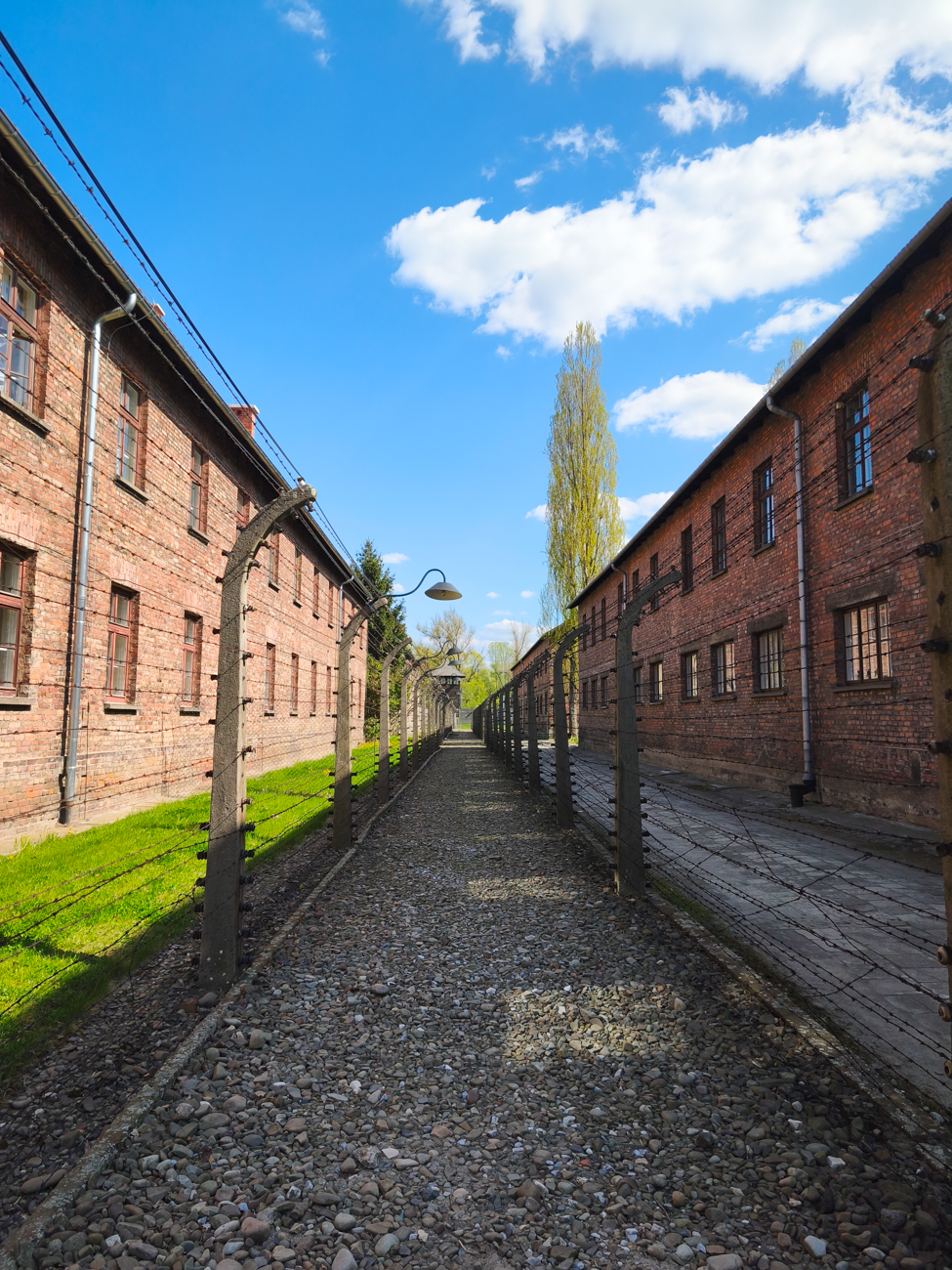
• The former prisoner blocks, now exhibition spaces • The collections of suitcases, shoes, glasses and personal belongings of the deportees • Block 11, known as the “death block”, and its cells • The execution wall between Blocks 10 and 11 • Crematorium I and its gas chamber |
| 📍 Auschwitz II-Birkenau Concentration camp and killing centre |
• The famous entrance gate and railway line leading into the camp
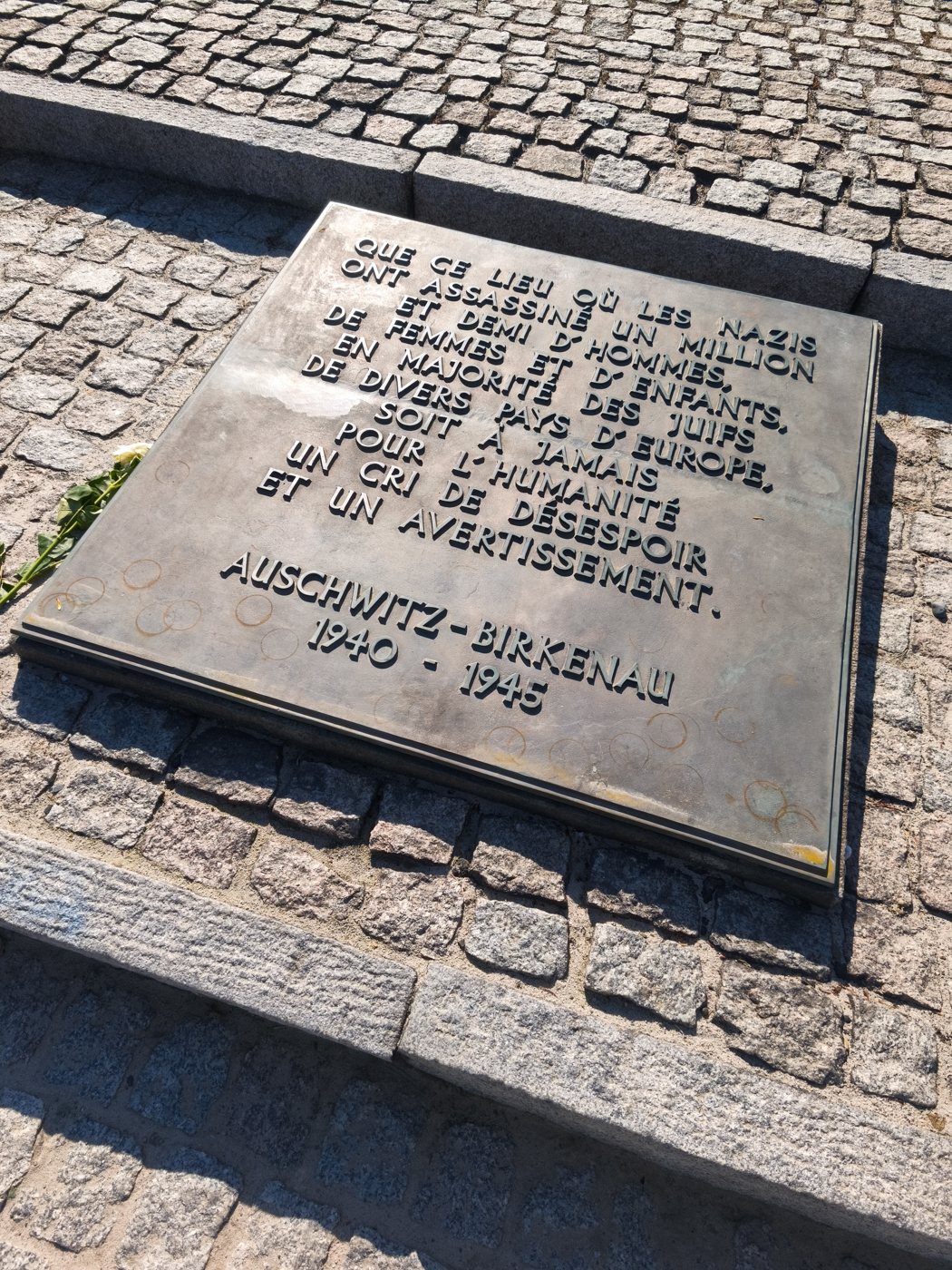
• The selection ramp where the transports of deportees arrived • The prisoner barracks and latrines in the buildings open to visitors • The ruins of gas chambers and crematoria II, III, IV and V • The International Monument to the Victims • The watchtowers, fences and vast expanses of the camp |
How to book your visit to Auschwitz-Birkenau
If there’s one piece of advice I can give you, it’s not to leave booking your visit to Auschwitz until the last minute. Slots can fill up quickly, especially in the busiest seasons – and even more so for tours in languages other than English, which run less often.
We booked about 4 to 6 weeks before our trip, and availability was already limited. There were three of us, and we even had to adjust our plans slightly to fit the French-language slot that was still available. So I really recommend booking as soon as your plans start taking shape.
Bookings are made on the official Auschwitz-Birkenau Memorial website. When choosing your ticket, several options may be offered depending on the season and time, including tours with a guide-educator in different languages.
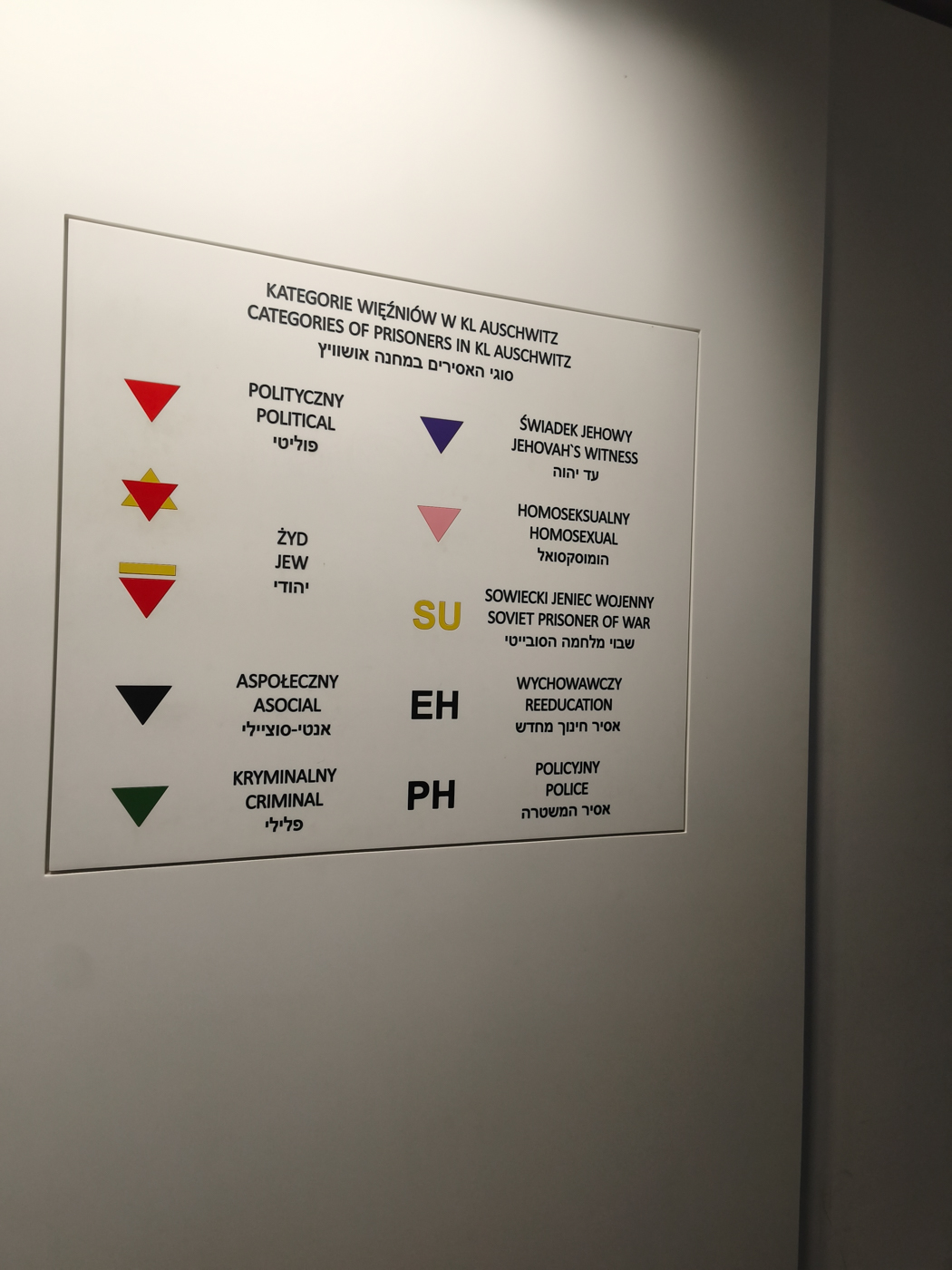
Visiting Auschwitz with or without a guide?
You can visit Auschwitz-Birkenau with or without a guide, but the conditions aren’t the same.
Visiting without a guide is free, but only at certain times, generally late in the day during high season. You still need to book a personal entry pass in advance on the official website.
This option has one major advantage: it lets you discover Auschwitz at your own pace, stop longer in certain buildings or in front of certain exhibits and take in the atmosphere more fully, without being bound by a group’s pace. The visit is necessarily more independent, but also more personal.
A guided tour, on the other hand, is paid and much faster-paced, but you benefit from a guide-educator’s explanations throughout, and access to certain areas only open with a Memorial educator. Auschwitz has a particularly complex history, and I found these explanations invaluable for understanding the place and the events that took place there.
Auschwitz with or without a guide: which to choose?
| Guided tour | Without a guide | |
|---|---|---|
| 💶 Price | Paid | Free |
| 🕐 Times | Several slots depending on the season | Limited slots, often late in the day in high season |
| 🎟️ Réservation | Yes, book ahead | Yes, with a personal pass booked in advance |
| 🗣️ Language | Several languages, including English and French | Self-guided |
| 🚶 Pace | Pace set by the group and guide | You go at your own pace |
| 📖 Explanations | Detailed, very illuminating explanations from a Memorial guide-educator | No guide: you explore independently |
| 🚪 Access to buildings | Access to the guided route, which may include some areas not open to individual visitors | Access to buildings, barracks and areas open to individual visitors |
| 🌿 Atmosphere | Group visit, more structured | Freer, more personal visit |
| 👍 Choose this if… | You want detailed explanations and to be guided all the way round | You prefer to take your time, stop more often and explore independently |
We chose a guided tour (in French), and I don’t regret it. The explanations along the way helped us better understand what we were seeing.
Bear in mind, though, that the experience can vary depending on your guide. Ours took a very factual approach, with lots of historical information and little room for emotion. This did have some influence on how I felt, as I explain later in this article.
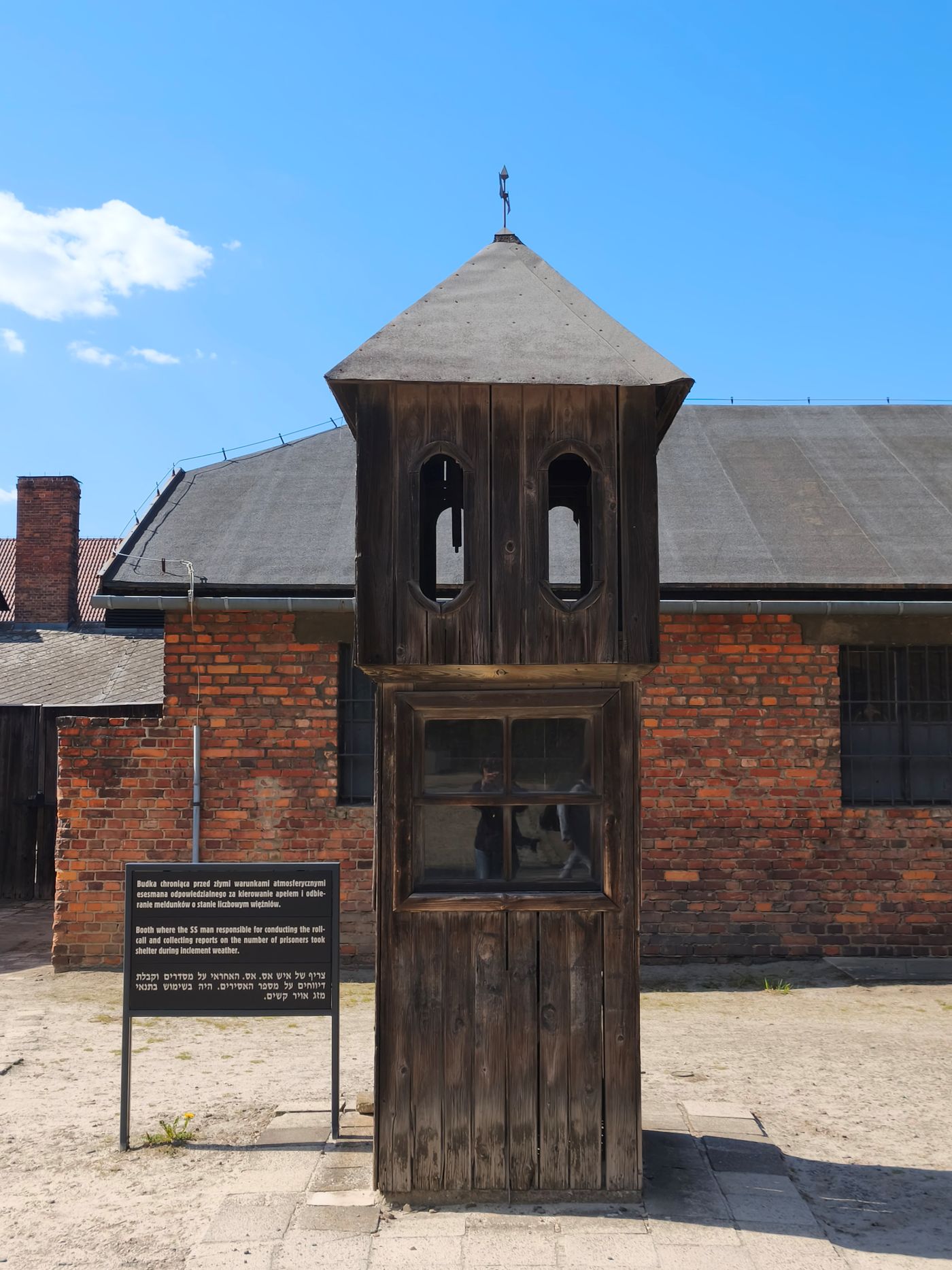
What is the visit to Auschwitz-Birkenau like?
Our visit began at Auschwitz I, where the Memorial entrance and car park are. After the security checks and showing our tickets, we joined our group and our guide. The camp itself is a few minutes’ walk away.
One thing struck me quickly: everything is extremely organised and timed.
There are many groups, one after another throughout the day. Our guide therefore moved at a fairly brisk pace to stay on schedule. The visit runs like clockwork, which is understandable given the number of visitors each day. Still, I’d sometimes have liked to stop a little longer in certain places.
Visiting Auschwitz I
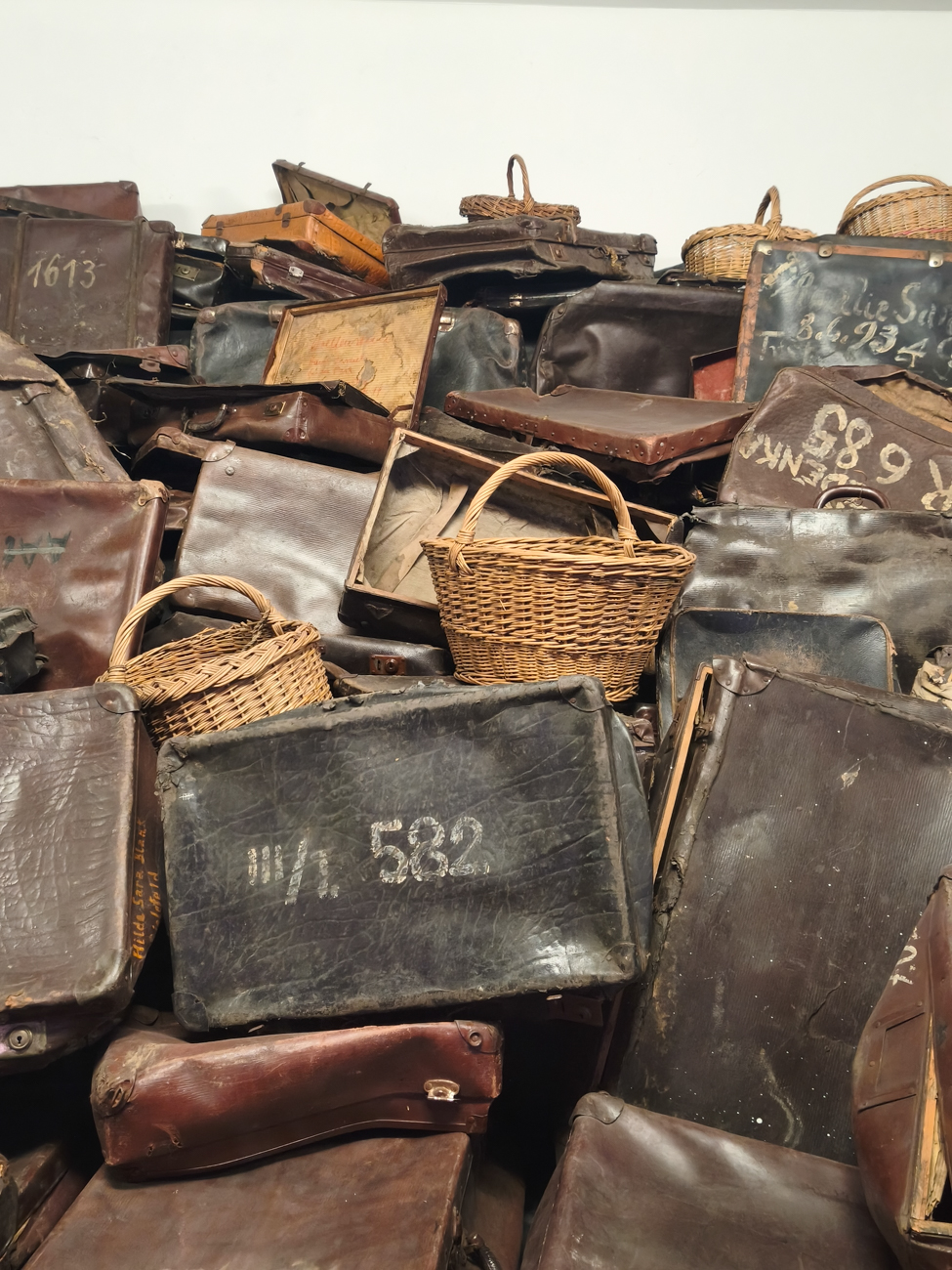 On the way to the camp, our guide first gave us a brief overview of Auschwitz’s history and organisation. We then entered the camp and visited several of its buildings in turn.
Some now house exhibitions on the deportations, the prisoners’ living conditions and how the camp operated.
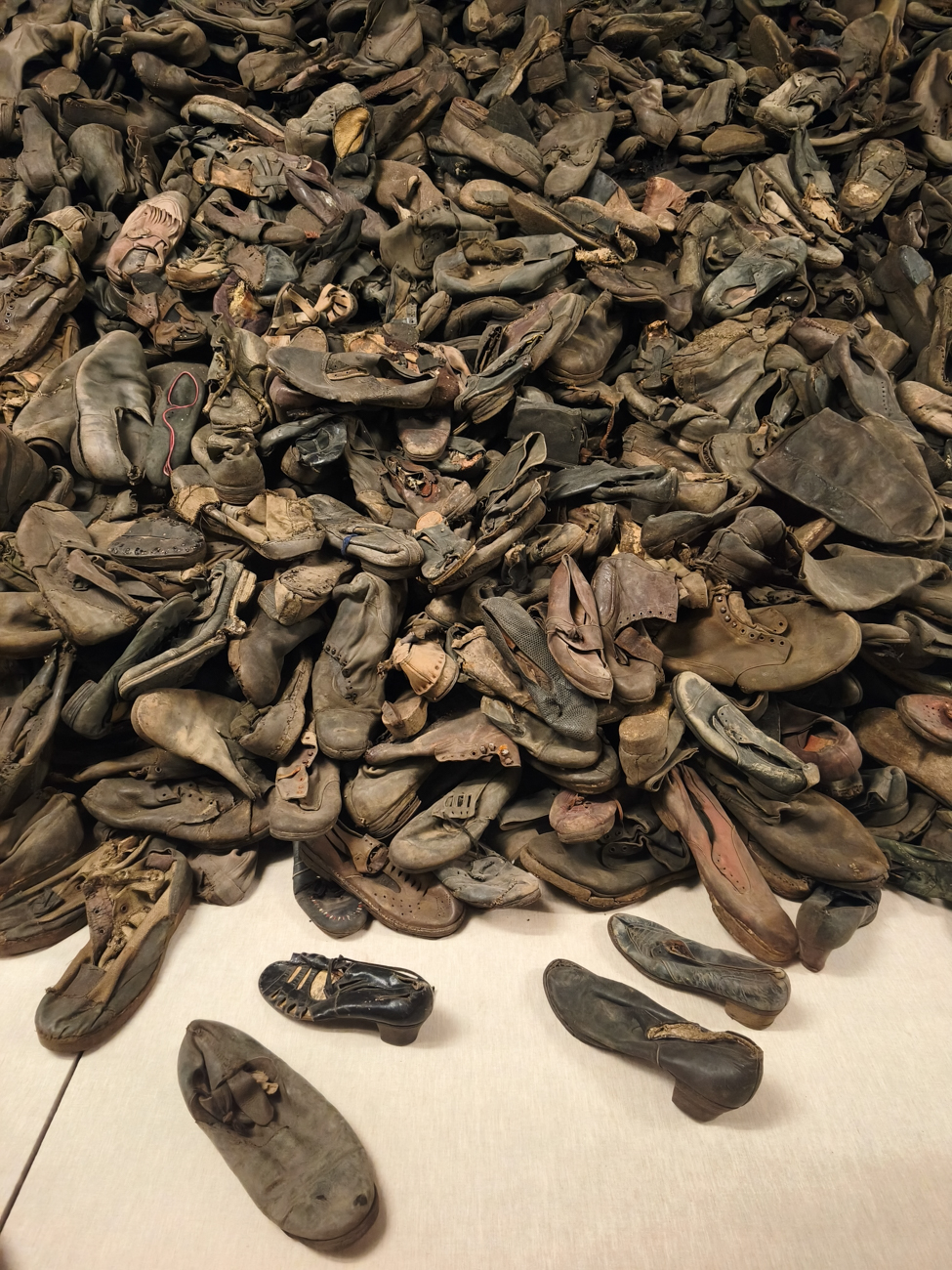
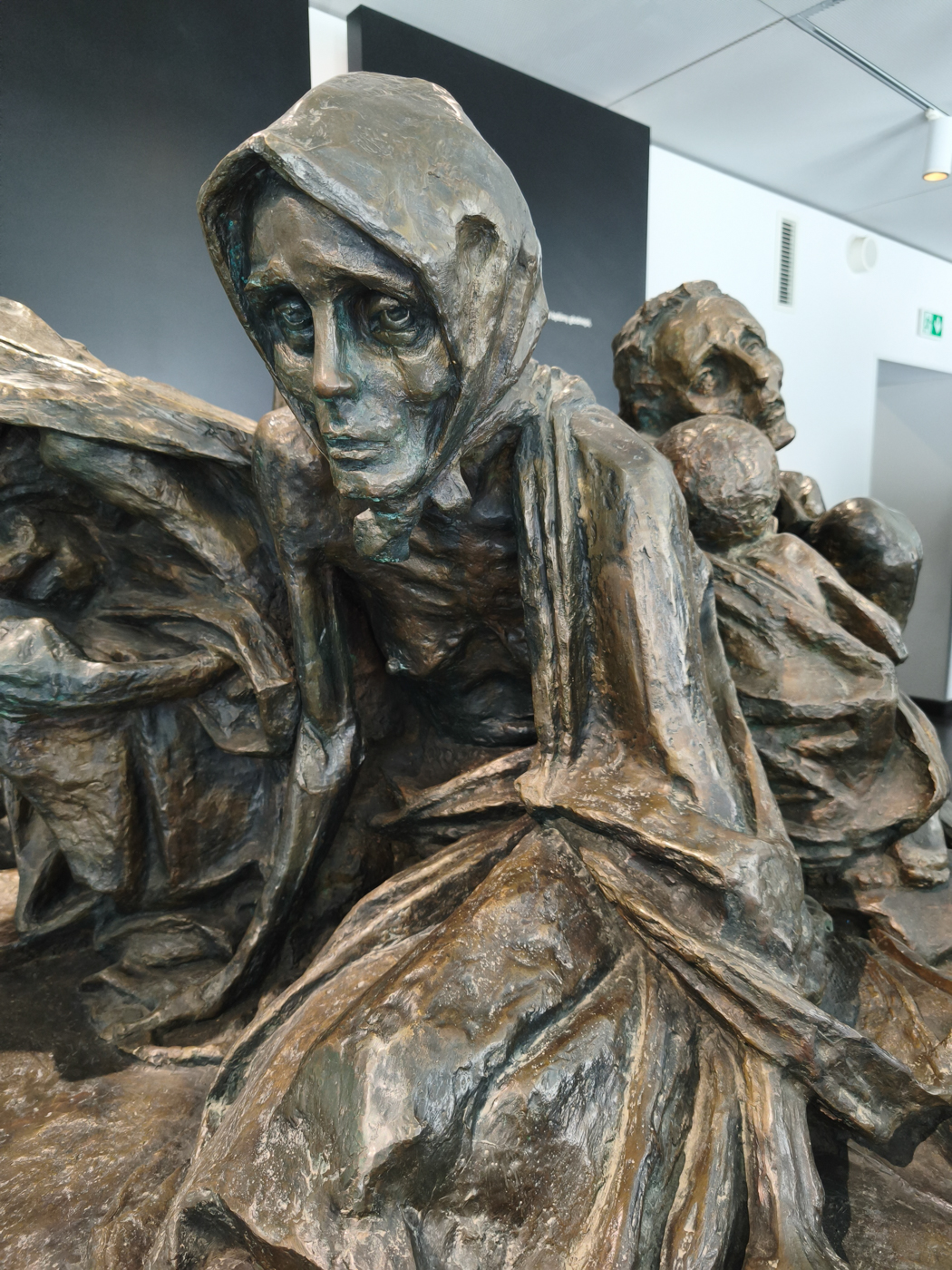
Some rooms display the personal belongings confiscated from deportees on arrival: suitcases, shoes, glasses, jewellery and countless everyday objects. Seeing them piled up behind glass makes you grasp the scale of what happened here in a very different way from the figures.
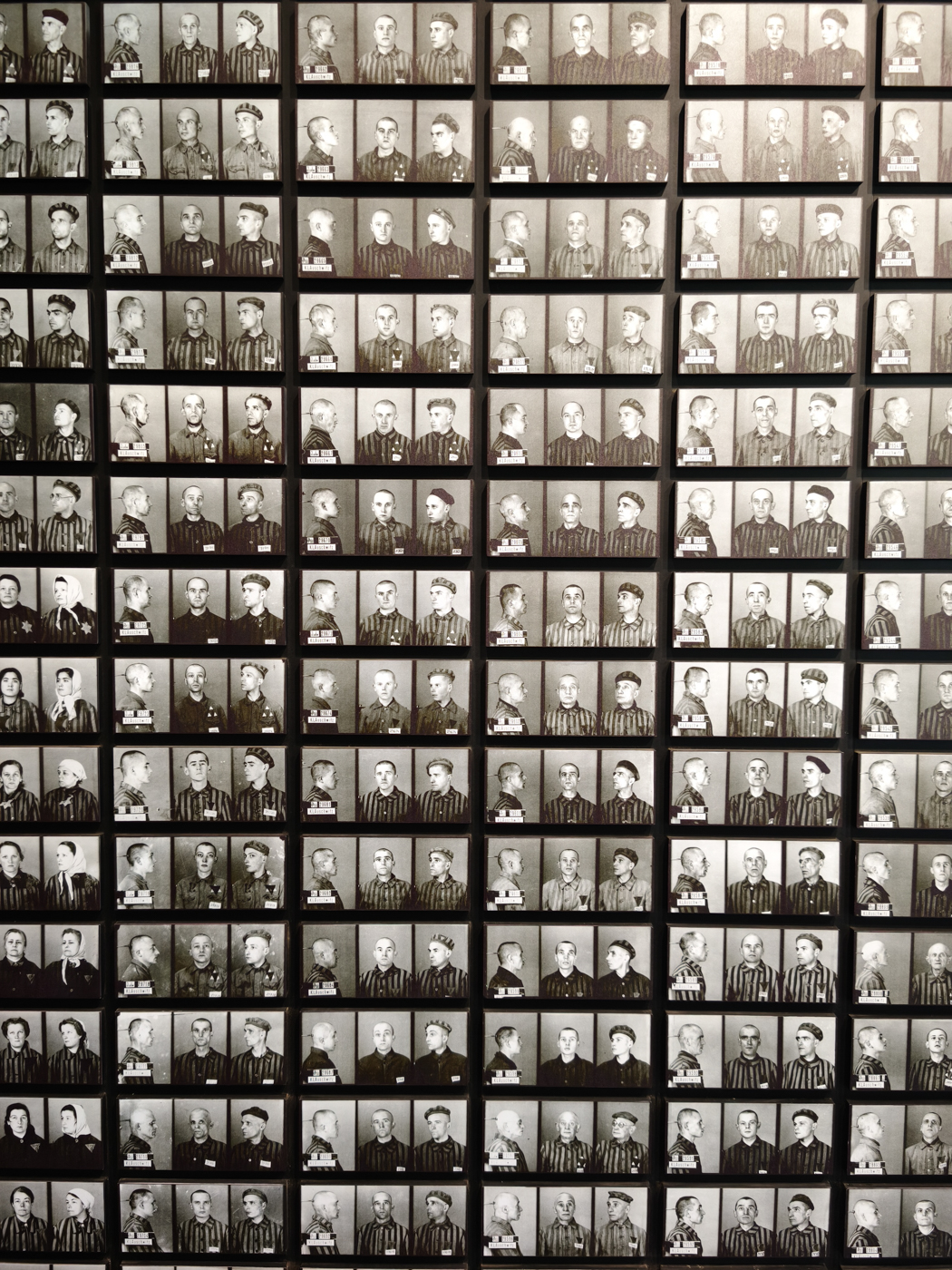
We also saw many documents and photographs, including portraits taken of some prisoners on arrival. This part reminded me strongly of The Photographer of Mauthausen, a Spanish film I’d watched shortly before our trip.
The tour also took us to Block 11, known as the “death block”. Its basement served as a prison within the camp. Some cells were used to keep prisoners in darkness, starve them to death or force them to stand in a tiny space.
The first experiments with mass killing using Zyklon B at Auschwitz also took place in the basement of this building, in 1941.
At the end of this part, we saw Crematorium I and the first gas chamber set up in the main camp.
Getting to Auschwitz II-Birkenau
After this first part of the visit, we had a short break before rejoining our group and taking the bus to Auschwitz II-Birkenau, a few kilometres away.
The journey made a particular impression on me. From the bus, we saw dozens of buildings and remains of the complex go by. We then better grasped the size of the site and understood that what we’d seen so far was only a tiny fraction of it…
Visiting Auschwitz II-Birkenau
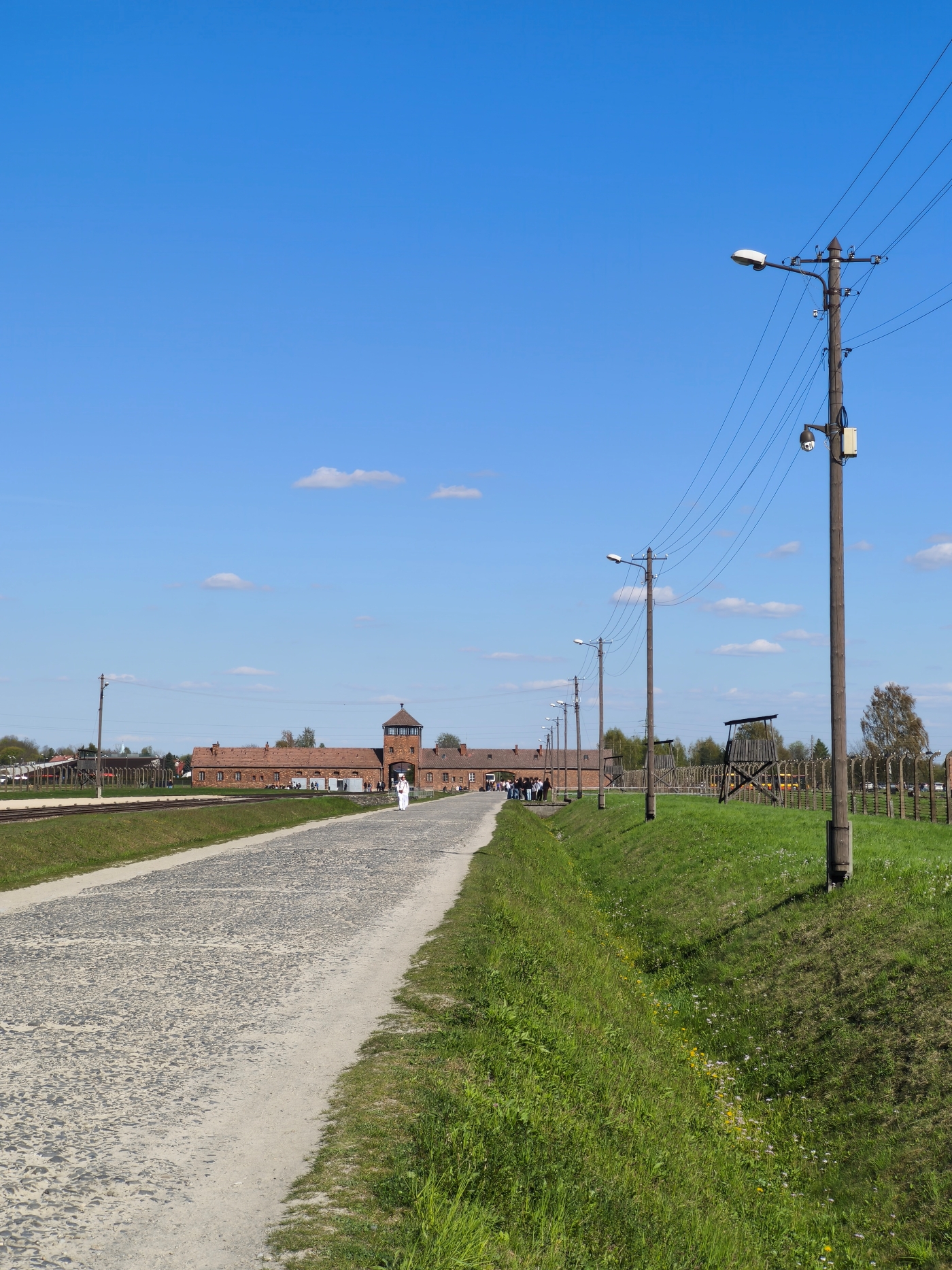 At Birkenau, we began near the railway line, following part of the route taken by the deportees after they arrived.
The tracks cross this vast expanse dotted with barracks, watchtowers and fences. The size of the camp is hard to imagine until you see it for yourself…
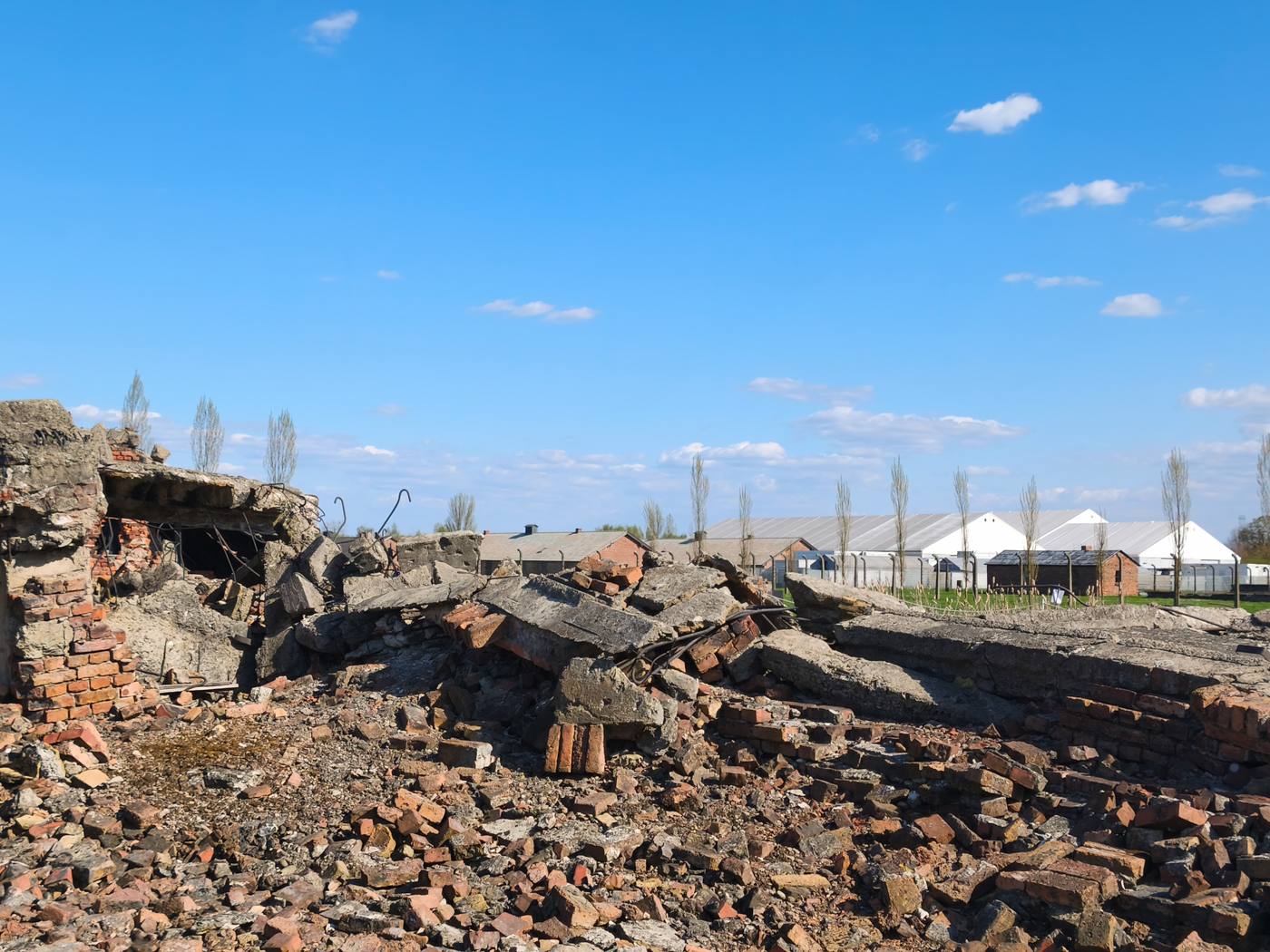
Our guide explained how the selections were carried out when the transports arrived, and the fate of those deemed unfit for work. We then went to the ruins of the gas chambers at Birkenau. Seeking to erase the traces of their crimes, the SS dismantled or blew up these “installations” in late 1944 and January 1945, shortly before the Red Army arrived.
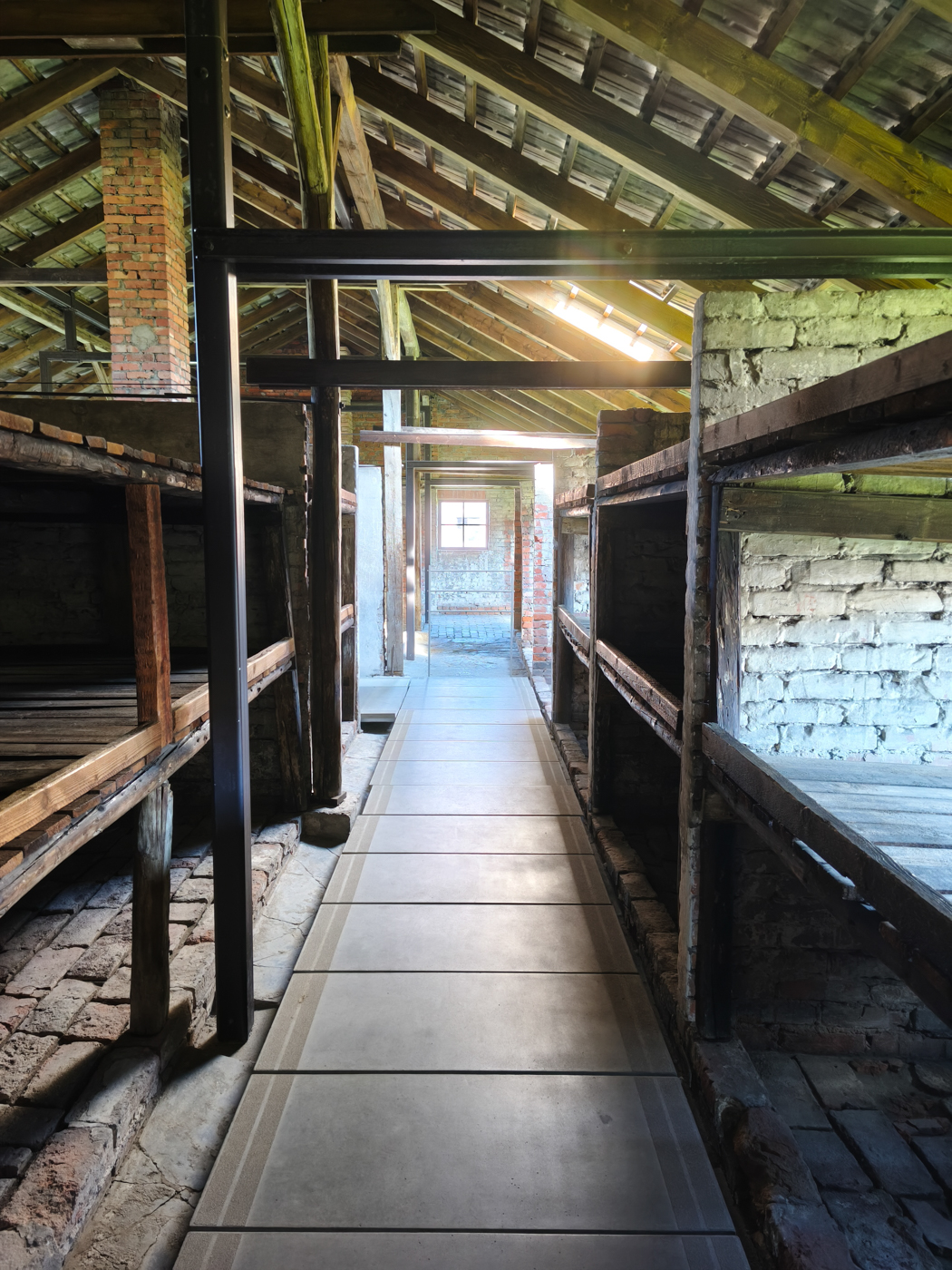
The guided tour ended in one of the barracks open to the public. The extremely basic facilities give an idea of the terrible living conditions of the prisoners, the little space they had and the almost total lack of privacy in their daily lives.
We were then free to stay at Birkenau. After a fairly fast-paced guided tour, I appreciated being able to take more time, walk along the paths and see the remains of the camp at our own pace – although we didn’t linger, as we had to return our hire car that evening.
How long should you allow for Auschwitz-Birkenau?
It depends on the type of visit. General guided tours of Auschwitz-Birkenau usually last between 2.5 and 3.5 hours, depending on the route.
Our guided tour lasted about 2 hours 45 minutes in total.
So I’d recommend allowing at least half a day for Auschwitz-Birkenau, and more if you want to stay at Birkenau for a while after your tour.
If you’re coming from Kraków, you’ll of course need to add the journey there and back. It’s best not to plan too much else that day.
How to get to Auschwitz from Kraków
Auschwitz-Birkenau is in Oświęcim, about 70 kilometres from Kraków. You can get to the Memorial by car, bus, train or on an organised day trip from Kraków.
Getting to Auschwitz by car
That’s what we did, as we had a hire car for our road trip in Poland.
To book hire cars, I generally use BSP Auto. The site compares prices from many rental companies and often finds very good deals, with good conditions depending on the vehicle (free cancellation, insurance, excess cover…).
🚗 Compare car hire with BSP Auto
From Kraków, allow about 1h15 to 1h30 by road, depending on traffic. The visit begins at Auschwitz I, so if you’re driving, that’s the address to head for first.
There’s a paid car park near the visitor centre. Once the first part of the visit is over, there’s no need to take your car: a free shuttle bus links Auschwitz I and Auschwitz II-Birkenau, about 3.5 kilometres apart.
Getting to Auschwitz by bus from Kraków
You can also get to Auschwitz directly by bus from Kraków. Some buses go right to the Museum car park, which is particularly handy if you don’t have a car.
Just make sure you leave enough time before your visit. The Museum recommends arriving at least 30 minutes before the time on your booking, to get through the security checks.
Price: about PLN 40 return (around €9.50 / £8).
Visiting Auschwitz on a day trip from Kraków
Finally, many day trips let you visit Auschwitz-Birkenau from Kraków, with transport organised for the day.
This option can be worthwhile if you’re only spending a few days in Kraków and don’t want to worry about transport. Some trips also combine Auschwitz with the Wieliczka Salt Mine on the same day.
Personally, if you have more time, I’d suggest doing the two visits separately. Auschwitz-Birkenau deserves not to be rushed, and Wieliczka is a substantial visit in its own right. This guided tour offered by Civitatis, for example, is very decent.
Visit Auschwitz on a guided tour
Other visits around Kraków
Planning a trip to Kraków?
Make the most of it to discover the impressive Wieliczka Salt Mine.
My thoughts on visiting Auschwitz-Birkenau
I was naturally a little apprehensive about this visit. A few years earlier, I’d visited the Mauthausen concentration camp in Austria and come away deeply shaken. So I expected to feel something similar at Auschwitz, perhaps even more intensely.
In the end, I felt rather differently.
As I mentioned above, the visit to Auschwitz is very structured and fairly fast-paced. Our guide had also chosen to present events in a very factual way, with a certain distance and without seeking to stir emotion. I think the experience can vary a lot from one person to another, and also depending on the guide.
That certainly doesn’t mean the visit left me indifferent – far from it. Some parts affected me deeply, especially the rooms holding the deportees’ personal belongings. Figures give an idea of the scale of the genocide, but seeing those thousands of shoes, glasses, suitcases and, above all, children’s belongings suddenly gives it a far more concrete dimension.
I was also stunned by the sheer size of Birkenau. The tracks, the rows of barracks and the remains of the gas chambers make you grasp the scale of what happened here. More than a million people were murdered at Auschwitz, the vast majority of them Jews.
So I wouldn’t say this visit shook me in the same way as Mauthausen. It affected me differently, making me realise things more concretely and putting (heavy) images to the words I’d read or heard until then.
And despite the difficulty of the subject, I truly consider visiting Auschwitz-Birkenau essential. The last direct witnesses of this period are gradually passing away, and these places keep their history and its lessons alive, helping us measure the dramatic consequences that the stigmatisation, exclusion and dehumanisation of part of a population can lead to. Preserving this memory is also a reminder of how important it is to stay vigilant when these mechanisms reappear.
If you enjoy more personal accounts, I also describe this day at Auschwitz, along with all the other stages of our trip, in my Poland travel diary.
FAQ: preparing your visit to Auschwitz-Birkenau
How much does it cost to visit Auschwitz-Birkenau?
Entry to the Auschwitz-Birkenau Memorial can be free for an individual visit without a guide, but you still need a personal pass. Tours with a guide-educator are paid, and the price varies depending on the type of visit.
Can you visit Auschwitz without a guide?
Yes, you can visit Auschwitz-Birkenau without a guide at certain times, with an entry pass booked in advance. For a first visit, however, I found the guided tour very helpful for understanding the history of the place.
How long does it take to visit Auschwitz?
Allow generally between 2.5 and 3.5 hours for a guided tour of Auschwitz I and Auschwitz II-Birkenau. Our guided tour lasted around 2 hours 45 minutes, after which we were free to stay at Birkenau.
Can you take photos at Auschwitz?
Yes, photos are allowed in much of the Memorial, without flash or tripod. However, they’re forbidden in certain areas signposted on site. Auschwitz is, of course, a place of remembrance: discretion and respect are essential.
Can you visit Auschwitz with children?
The Memorial advises against visits by children under 14, due to the particularly difficult nature of the site, the exhibitions and the testimonies on display.
Can you visit Auschwitz and the Wieliczka Salt Mine on the same day?
Yes, it’s possible, and several day trips from Kraków combine Auschwitz-Birkenau and the Wieliczka Salt Mine in a single day. Personally, I’d recommend doing the two visits separately if your schedule allows: both are fairly long, and doing them back to back makes for a very full day.