Poland wasn’t necessarily one of the destinations that had been on my wish list for years, although Kraków had caught my eye after several people around me visited it.
How did it start? With a ritual: an annual long spring weekend with friends. After the Algarve (in French), Ireland (in French), Italy and Austria, which destination should we choose this year? In the end, we went for Kraków. Affordable prices and a reasonable journey time… It was settled: we were going to Poland.
Then fate stepped in: a change of flight times gave us a little more time there. Enough to start looking in more detail at what was around the city. In the end, the Tatras and Zakopane were added to Auschwitz and the salt mines…
Very quickly, the simple city break turned into a little road trip with friends across the south of the country, and an almost unexpected mix of atmospheres. Going from the lively streets of Kraków to the misty, still-snowy valleys of the Tatras. Alternating between pierogi eaten in a roadside hut, steaming thermal baths facing the mountains, the fascinating depths of the salt mines, visits steeped in remembrance, and walks among limestone cliffs or misty valleys…
I didn’t expect such a variety of landscapes. Poland took us through dozens of different emotions in just a few days.
So today, I’m sharing all the practical details of this week in Poland, between Kraków and the south of the country. Here’s my itinerary, our budget, my tips and a few must-see places to discover without delay.
GETTING TO POLAND
How do you get to Poland and Kraków?
Kraków is very easy to reach from France thanks to the many low-cost and other airlines offering direct flights, notably from Paris, Lyon and Bordeaux…
We flew with easyJet from Paris-Charles de Gaulle and booked our tickets several weeks in advance for April. Result: about €110 return per person with no cabin bag, just a backpack…
The little cabin-bag panic 😅
easyJet only allowed a simple backpack in the cabin for this trip… and I must admit I had a slight hot flush wondering how I’d fit 6 days of fairly warm clothes in there. I did consider adding extra luggage to my booking before leaving.
In the end, Basic Fit backpacks turned out to be incredibly practical for this kind of trip: perfect cabin size, multiple compartments, storage pouches… Honestly, I recommend them 😄
Kraków John Paul II Airport is about fifteen kilometres from the city centre. You can easily get into Kraków by bus (€4), train, taxi, Bolt (prices are very reasonable in Poland – I think the journey cost us €14 for three) or by hire car if, like us, you’re planning to explore the surrounding area.
Getting around Poland
Do you need to hire a car to visit Poland?
Originally, we’d planned a simple long weekend in Kraków. But a change in flight times led us to extend our stay a little… and six days seemed a bit long just to discover the city. So we decided to explore the surrounding area more, and for that, a car quickly became the best option.
As I often do when travelling, I used the comparison site BSP-Auto, which I use almost every time and which has never given me a nasty surprise – quite the opposite. Whenever there’s been a problem, as in Italy last year, customer service has always been responsive and helpful.
🚗 Compare car hire with BSP Auto
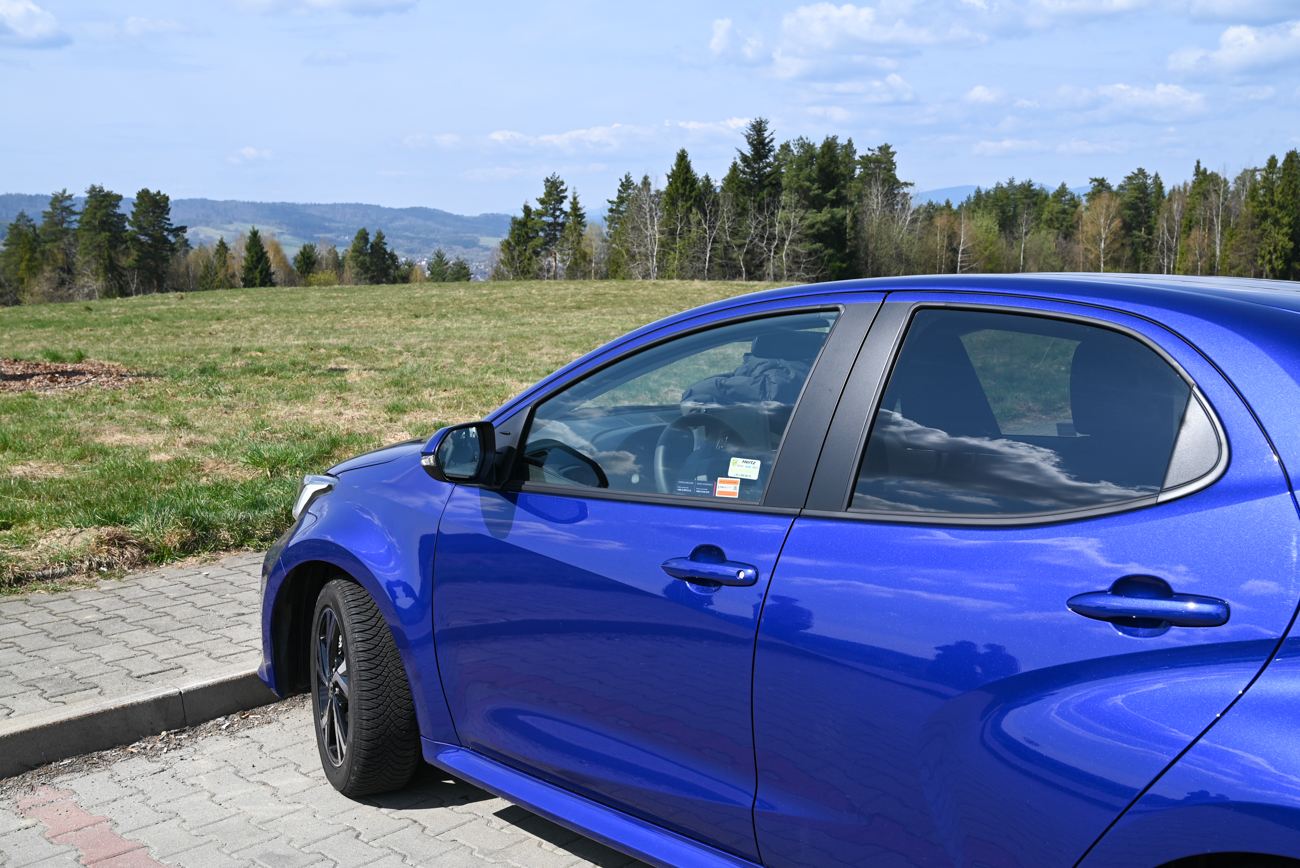
We picked up a hybrid car from Hertz, a choice I don’t regret at all: despite driving almost 700 kilometres over the week, we only spent about €35 on fuel. As fuel is already cheaper in Poland than in France, that makes the road trip particularly good value.
It’s also a particularly cost-effective option when travelling as a group: between the transfers to Zakopane, Auschwitz and the salt mines, we quickly realised that sharing the cost of a car often worked out cheaper than booking several organised excursions.
Beyond the budget, having a car above all gave us real freedom. We could adapt our plans day by day according to the weather (which saved us more than once), organise our visits ourselves without relying on tours or transfers, and explore harder-to-reach places such as the Tatras and Ojców National Park.
Product provided free of charge.
What are the roads like in Poland?
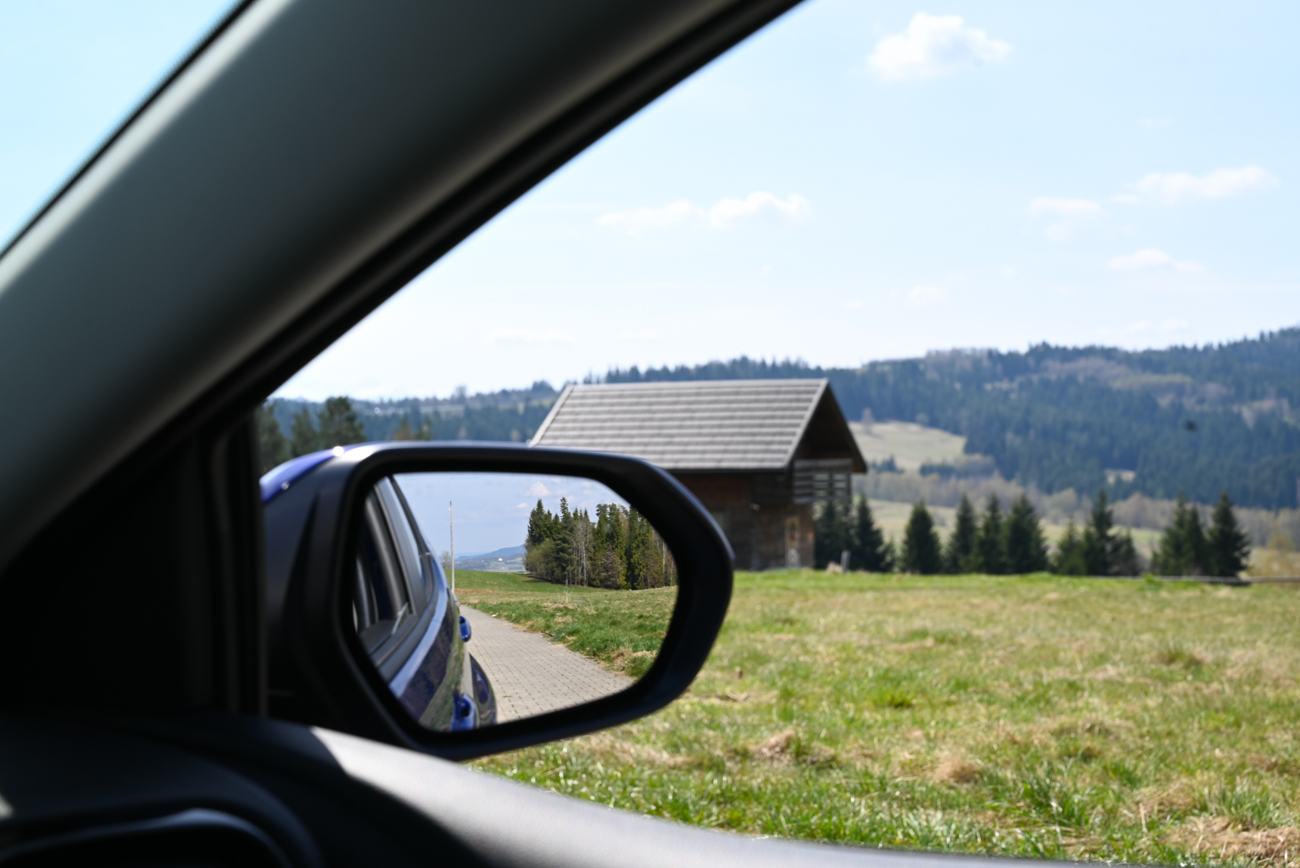
As for the driving itself, I found Poland fairly easy and pleasant. The roads are generally in very good condition and the drivers didn’t seem particularly aggressive or stressful. Honestly, I was expecting something more complicated.
I must admit the speed limits, which change a lot, sometimes over just a few hundred metres, bothered me much more! Between 50, then 70, then 40 before going back up to 80 km/h, you have to stay alert. Fortunately, Waze and the car’s built-in speed-sign recognition helped me a lot.
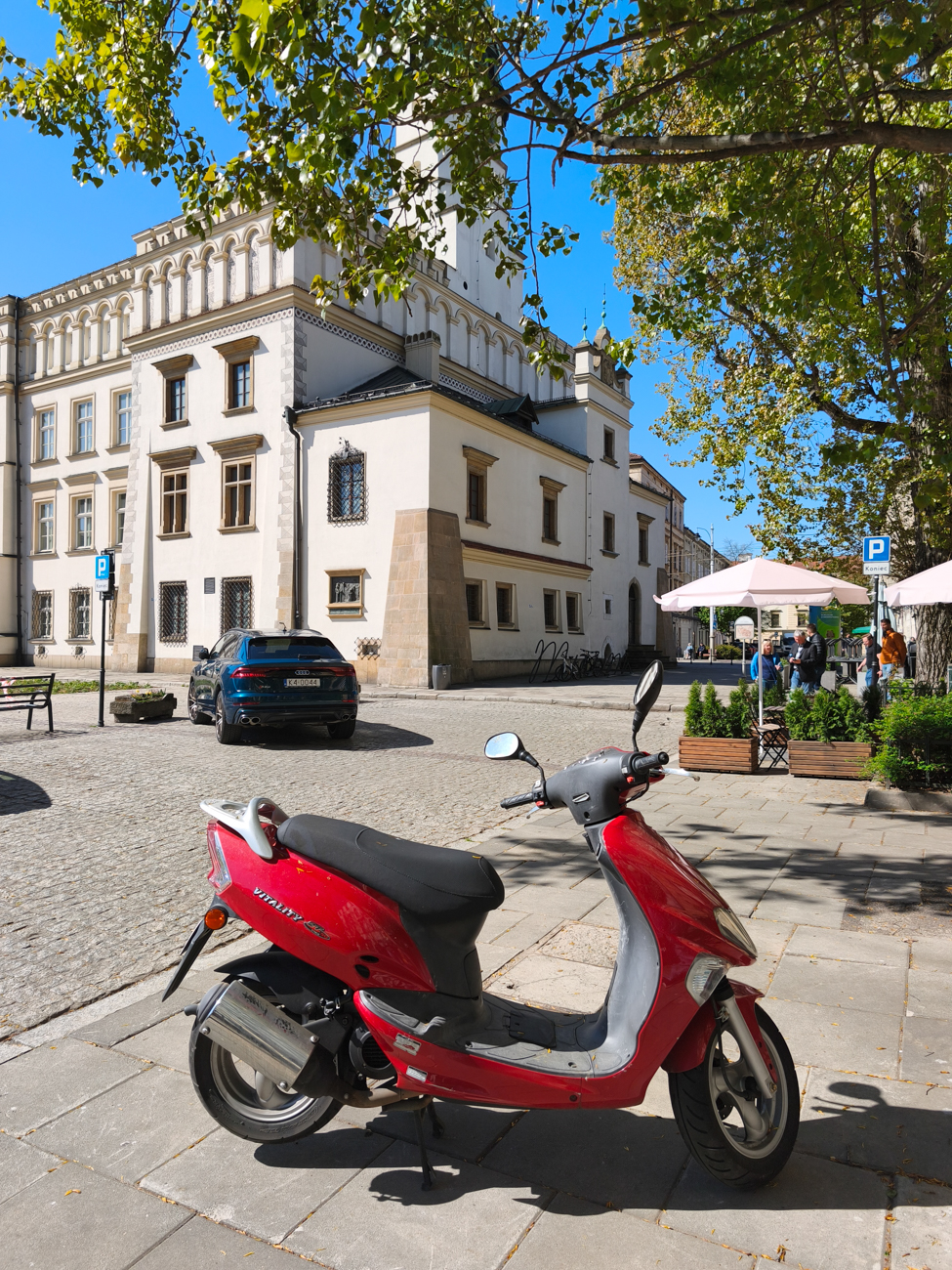
Car parks very often charge a fixed fee rather than by the hour: about 30 zlotys (just over €7) at several tourist spots such as Zakopane and some trailheads. In Kraków, driving is fairly easy, but parking can quickly get expensive, especially if your accommodation doesn’t have parking.
Despite that, I don’t regret choosing a car for this trip. It allowed us to explore the area around Kraków freely, keep our itinerary flexible and clearly save money. It was the most practical and comfortable option.
Are the drives long in Poland?
It obviously depends on where you want to go, but on the whole, the main sights around Kraków are quite easy to reach.
Ojców National Park, for example, is about forty minutes from the city, while the Wieliczka Salt Mine is only about thirty minutes away. Auschwitz is about 1h15 by car, and Zakopane just under 2 hours.
That’s why we chose to spend a night in Zakopane as soon as we arrived: it saved us a long return trip in a day and let us enjoy the mountains in a more relaxed way.
Honestly, the drives never felt particularly tiring. The roads are generally in good condition and easy to drive, and the scenery often makes the journey enjoyable, especially towards the Tatras.
So Kraków is an excellent base for exploring the region without changing accommodation every day.
ITINERARY AND VISITS
Is a week in Poland enough?
I think a week is never really enough to discover everything a country has to offer, and the same goes for Poland, a culturally rich country with surprising nature.
The country is bigger than you might think, and on this trip we only explored a small part of it, mainly around Kraków and in the south.
If you want to see several big cities such as Warsaw, Wrocław or Gdańsk, while also taking time to enjoy the landscapes and the country’s different atmospheres, you’ll clearly need more time… or focus your road trip on those cities.
We chose to focus on the area around Kraków… and honestly, our six days weren’t too many to fully enjoy each stop without constantly rushing.
I must admit that with slightly better weather, at another time of year, I’d happily have added an extra day in the mountains.
Which brings me to my question…
When is the best time to visit Poland?
I can’t say for sure when the best time to visit Poland is, having only been in spring, but late April gave us a fascinating mix of seasons.
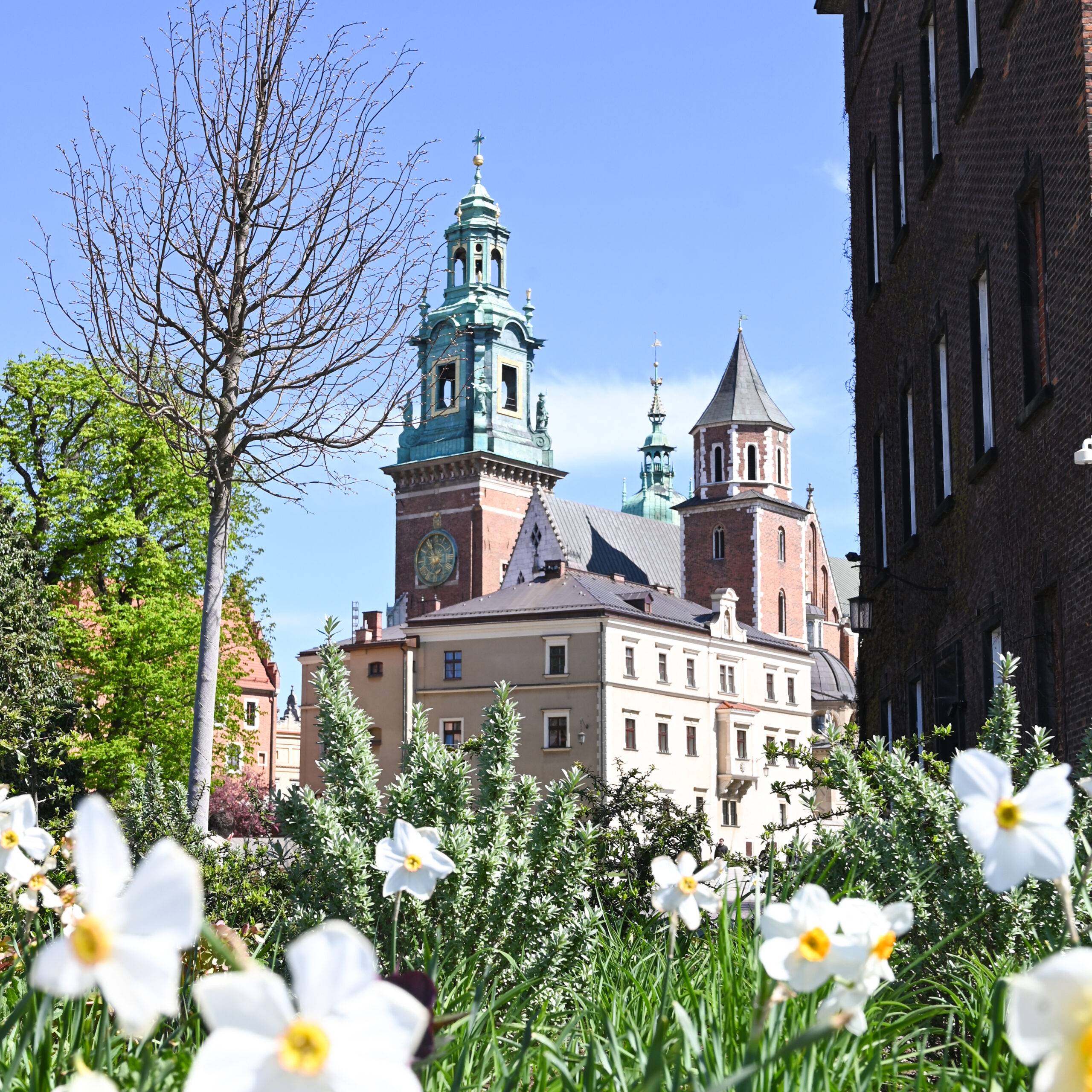
In Kraków, spring seemed well under way: the trees were in blossom, the café terraces were starting to fill up and the colours were beautiful.
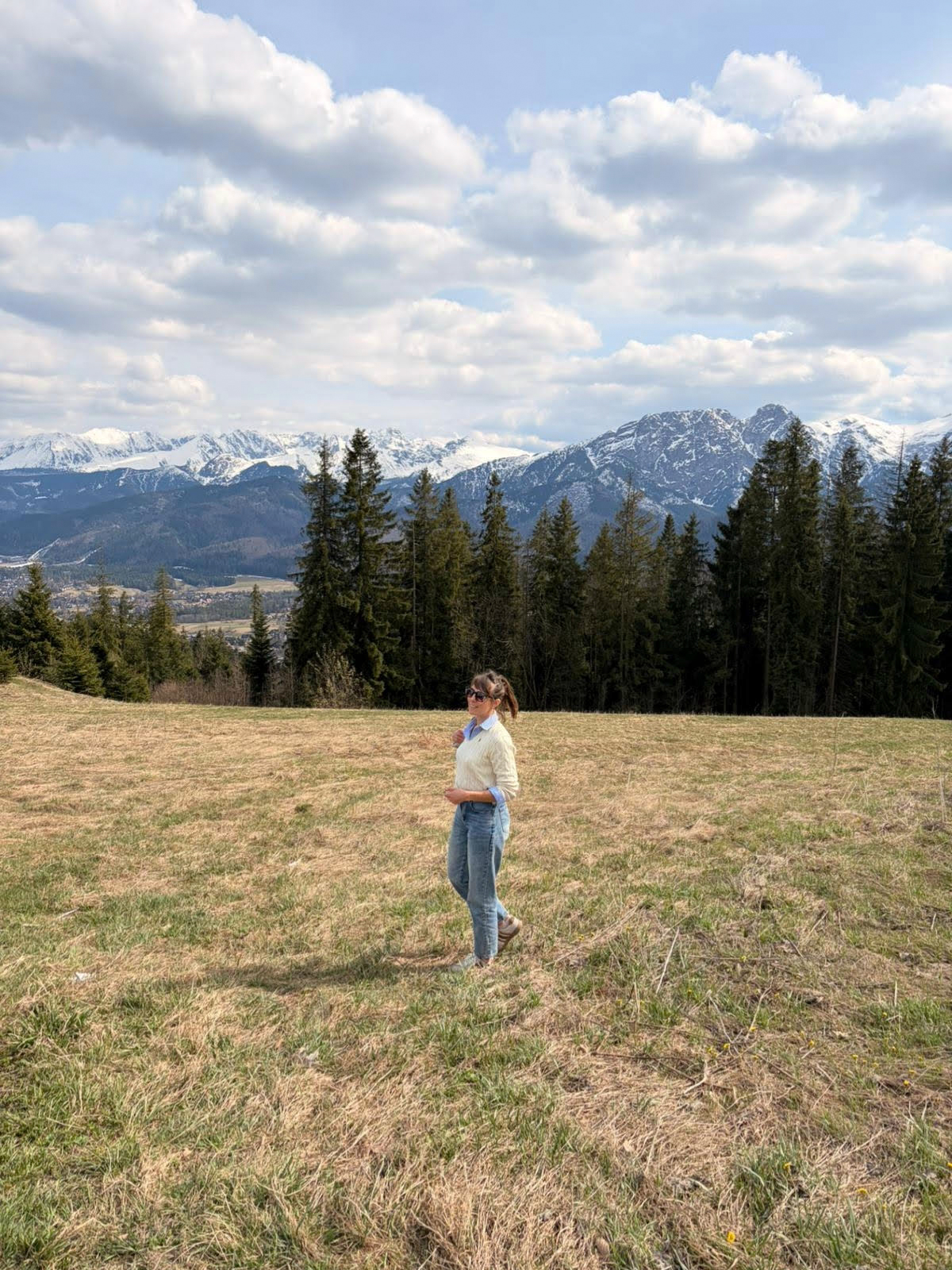
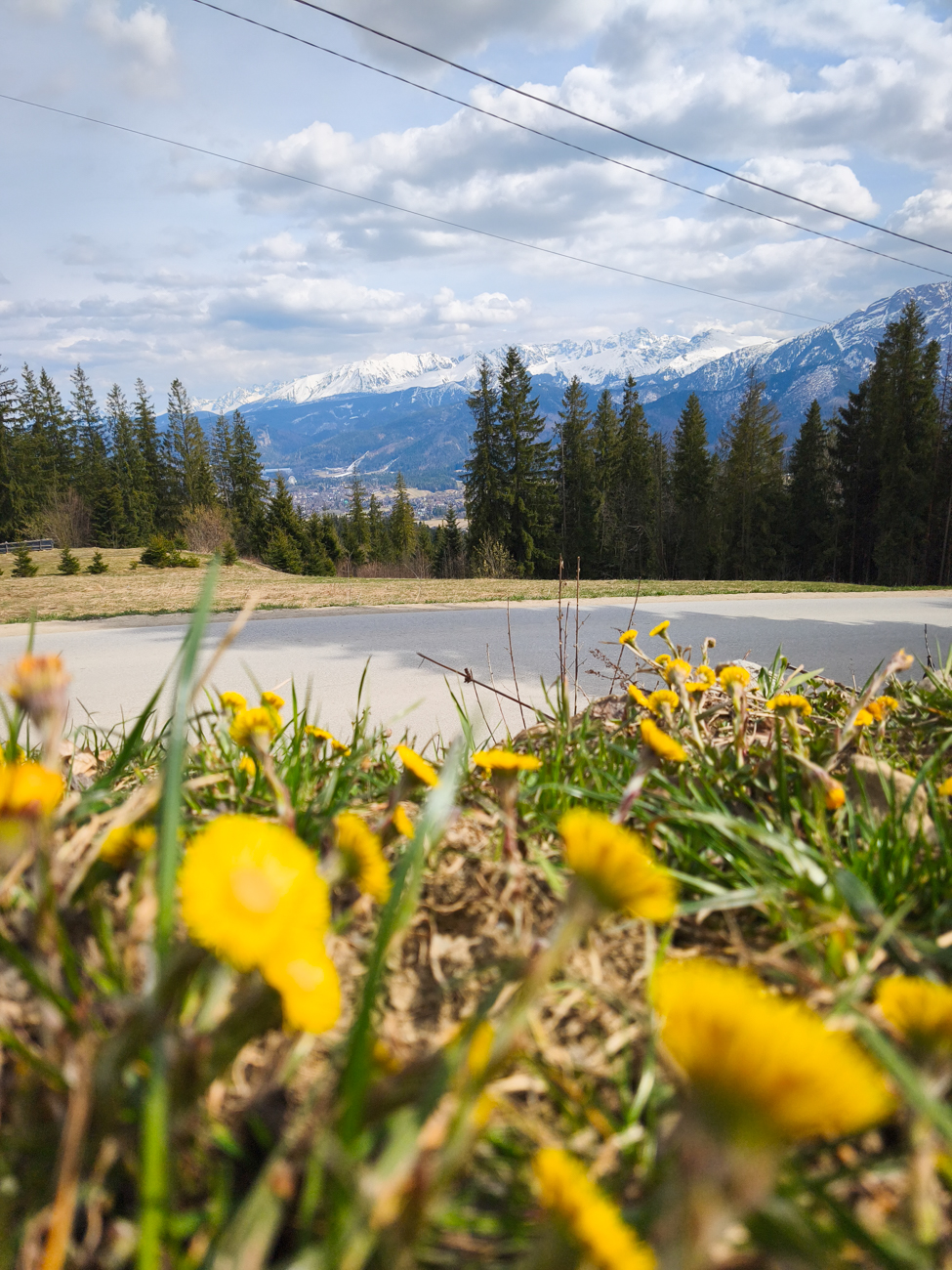
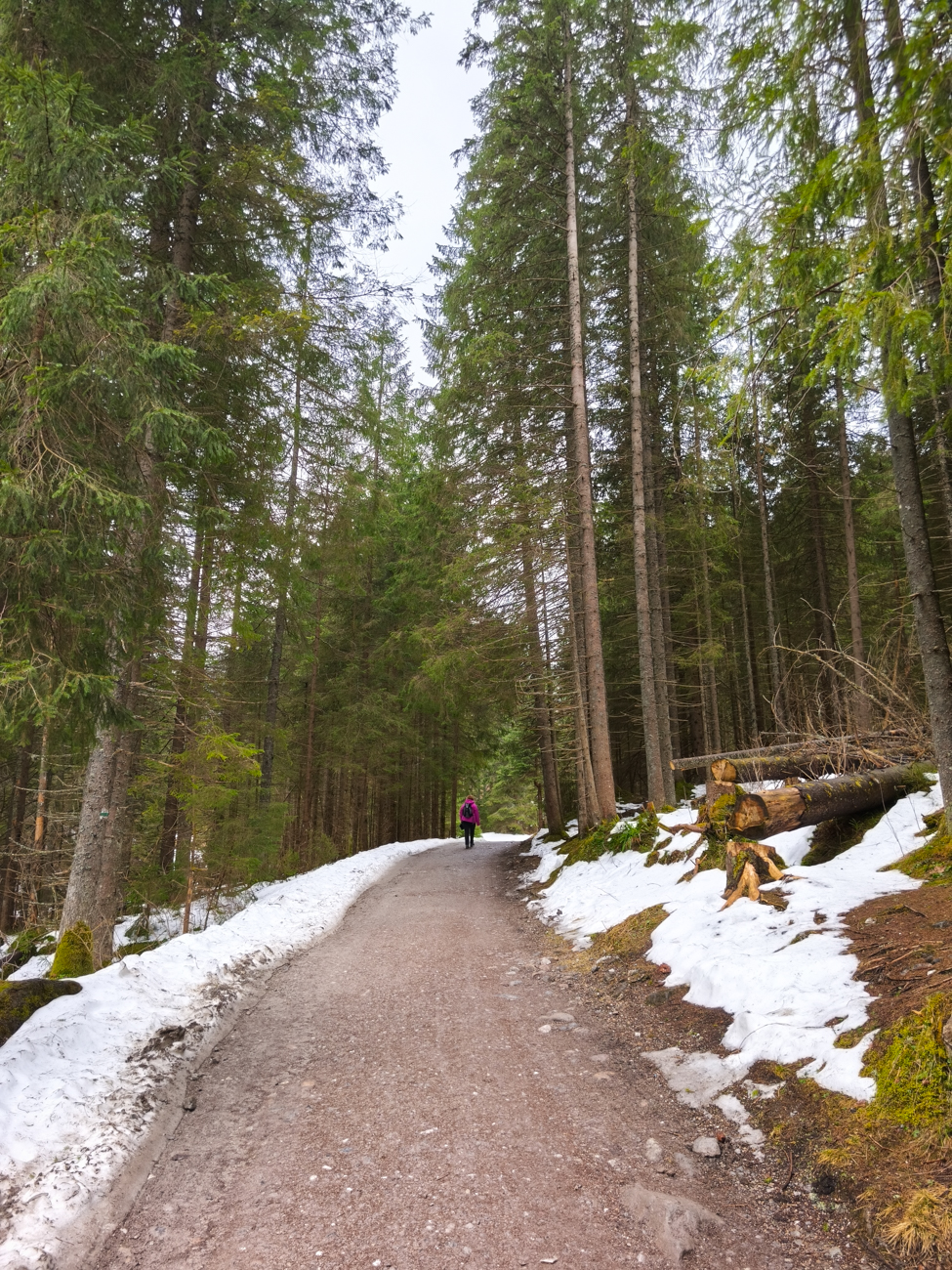
In the Tatras, on the other hand, it was a completely different story. There was still plenty of snow in places, temperatures were cool and the weather was fairly changeable, with sometimes an almost wintry sky.
This contrast between still-snowy mountains and cities already in full spring gave the trip a rather special atmosphere… even if it also had a few surprises in store, such as finding a lake still completely frozen in late April after a 7 km walk…!
I was surprised by how few tourists there were at that time of year, and especially by how few French people we met during the trip. So if you don’t like crowds, April seems a good compromise for discovering Poland!
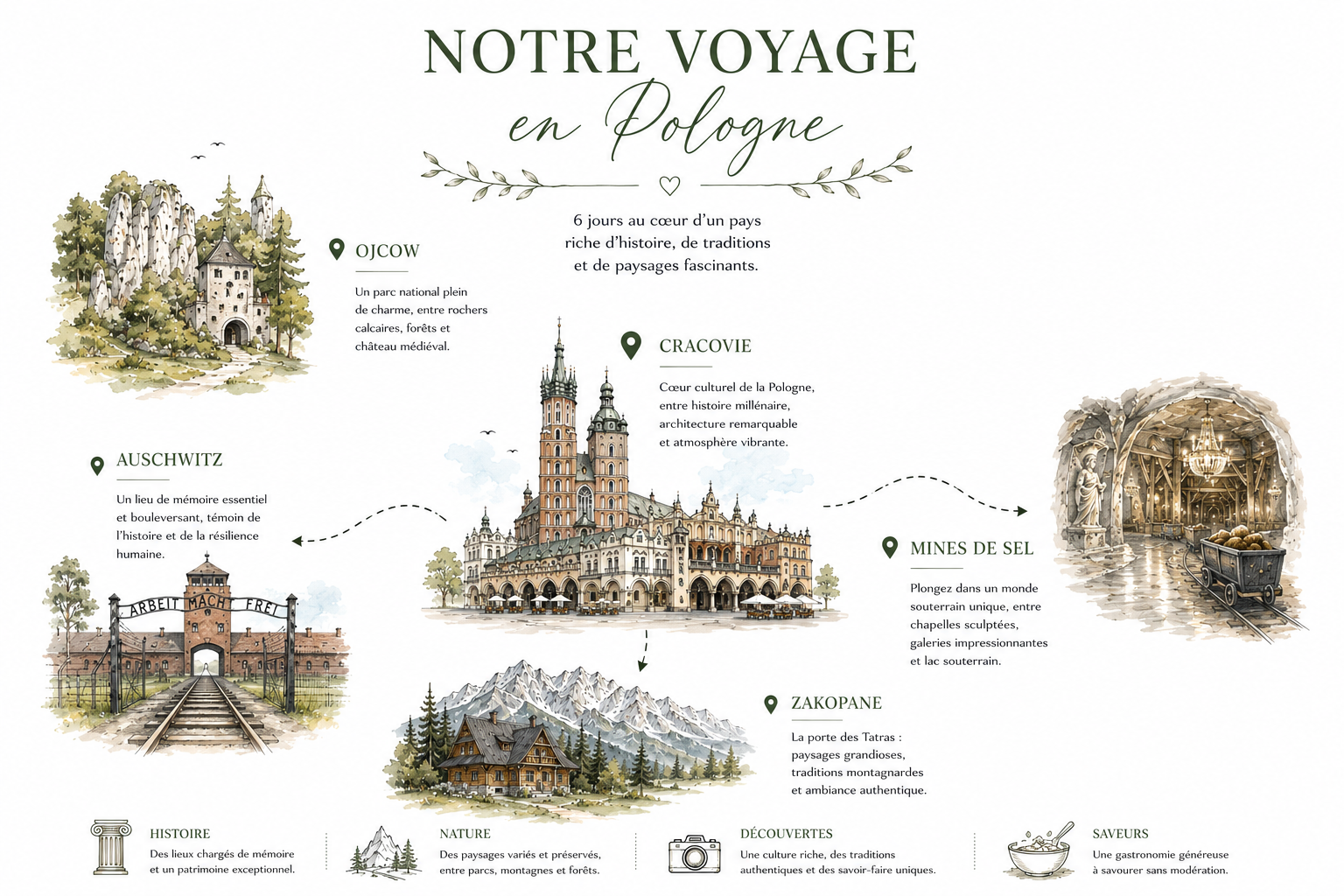
Our 6-day itinerary in Poland
For this first trip to Poland, we chose to focus mainly on Kraków and the south of the country, alternating between city, nature and places of remembrance without spending our days on the road.
Day 1
Arrival in Kraków, then on to Zakopane and the Tatras: the Gubałówka funicular, the Bukovina thermal baths and a night in the mountains at the Bambi Boutique Hotel.
I absolutely loved this beautiful hotel with its traditional architecture! Allow about €90 a night for 3 people.
Day 2
Hike in the Kościeliska Valley to Smreczyński Staw lake, still frozen in late April, then back to Kraków.
Where we slept: Wawrzyńca Brick Apartment Kazimierz. The perfect flat for discovering Kraków! About €275 for 5 nights for 3 people.
Day 3
Exploring Ojców National Park in the morning, then a visit to the Wieliczka Salt Mine (in French) in the afternoon.
Where we slept: Wawrzyńca Brick Apartment Kazimierz.
Day 4
A stop at Zakrzówek lake before the guided tour of Auschwitz-Birkenau.
Where we slept: Wawrzyńca Brick Apartment Kazimierz.
Days 5-6
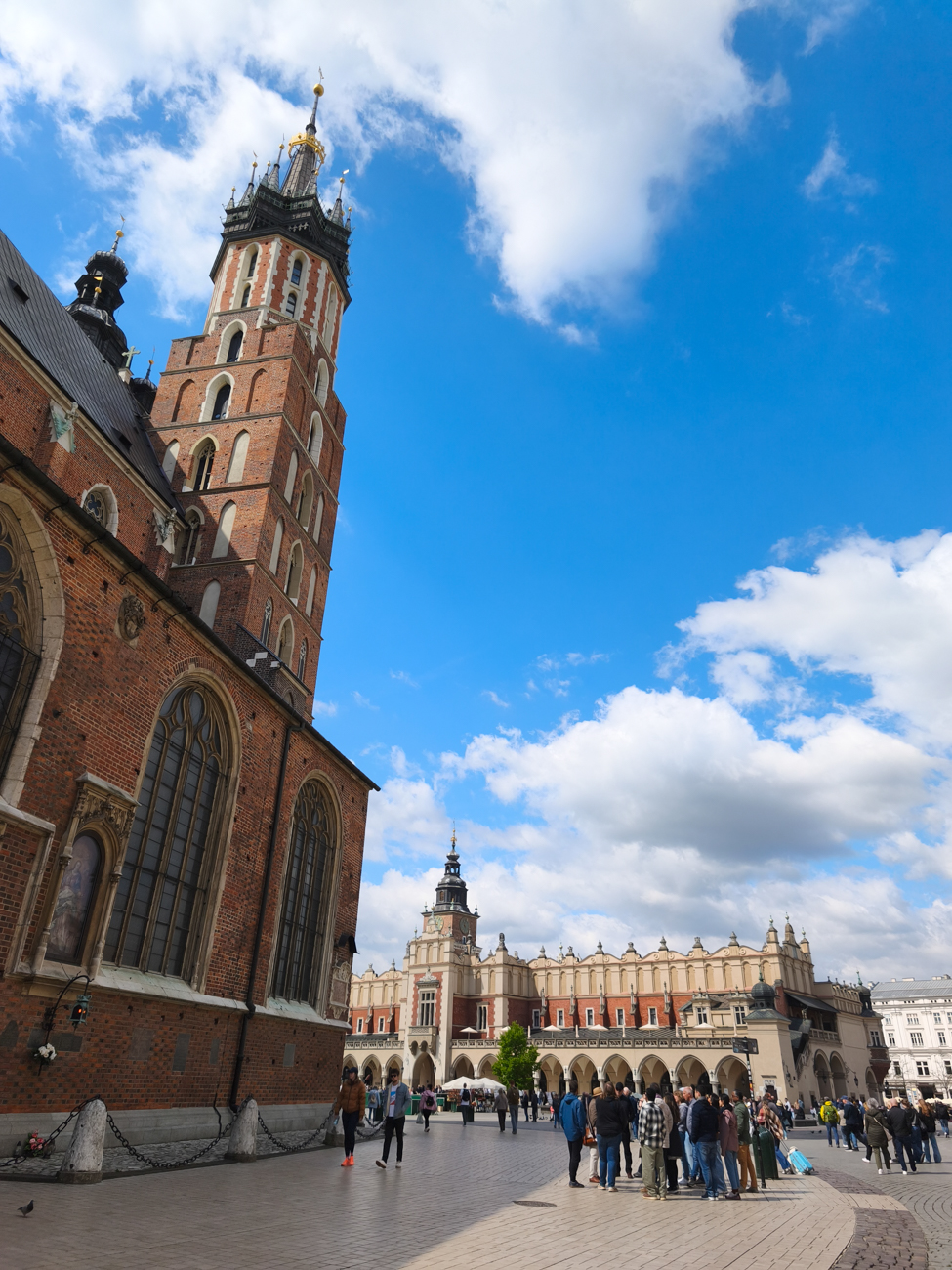
Discovering Kraków: Wawel, Rynek Główny, St Mary’s Basilica, Kazimierz, Planty Park and walks along the Vistula… A visit to Schindler’s Factory before our last hours in the streets of Kraków.
Where we slept: Wawrzyńca Brick Apartment Kazimierz.
My detailed itinerary and travel diary… right here!
Must-see places in Poland
Zakopane and the Tatras
About 2 hours’ drive from Kraków, Zakopane is often considered the gateway to the Polish Tatras. With its still-snowy mountains, wooden chalets and misty valleys, the region has a very different feel from Kraków.
We spent two days there, hiking in the Kościeliska Valley, enjoying the view from Gubałówka and relaxing in the Bukovina thermal baths.
Good to know: Zakopane is very touristy, especially around the Gubałówka funicular. I was personally disappointed by its very commercial side. For a more natural atmosphere, I recommend exploring the valleys and trails of the Tatras instead.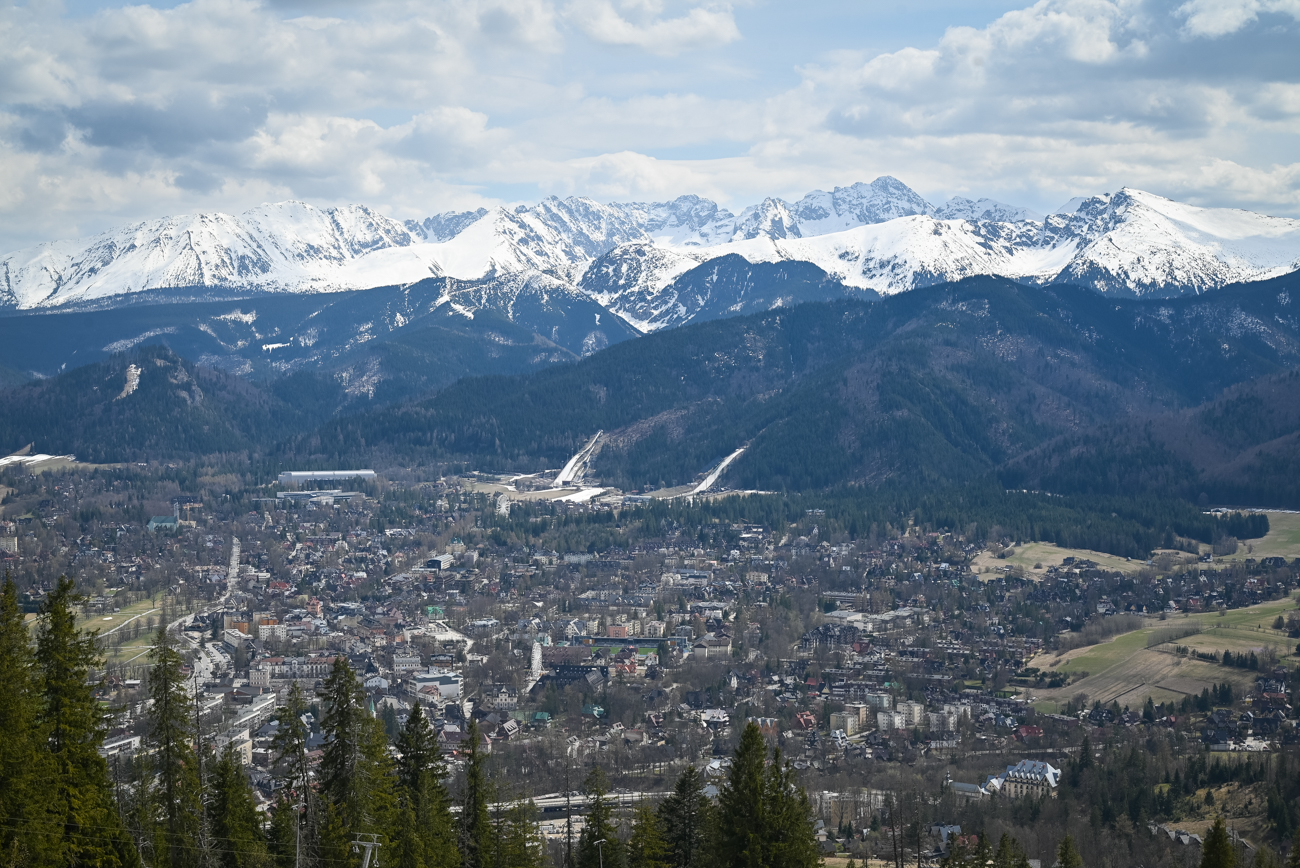
The Wieliczka Salt Mine
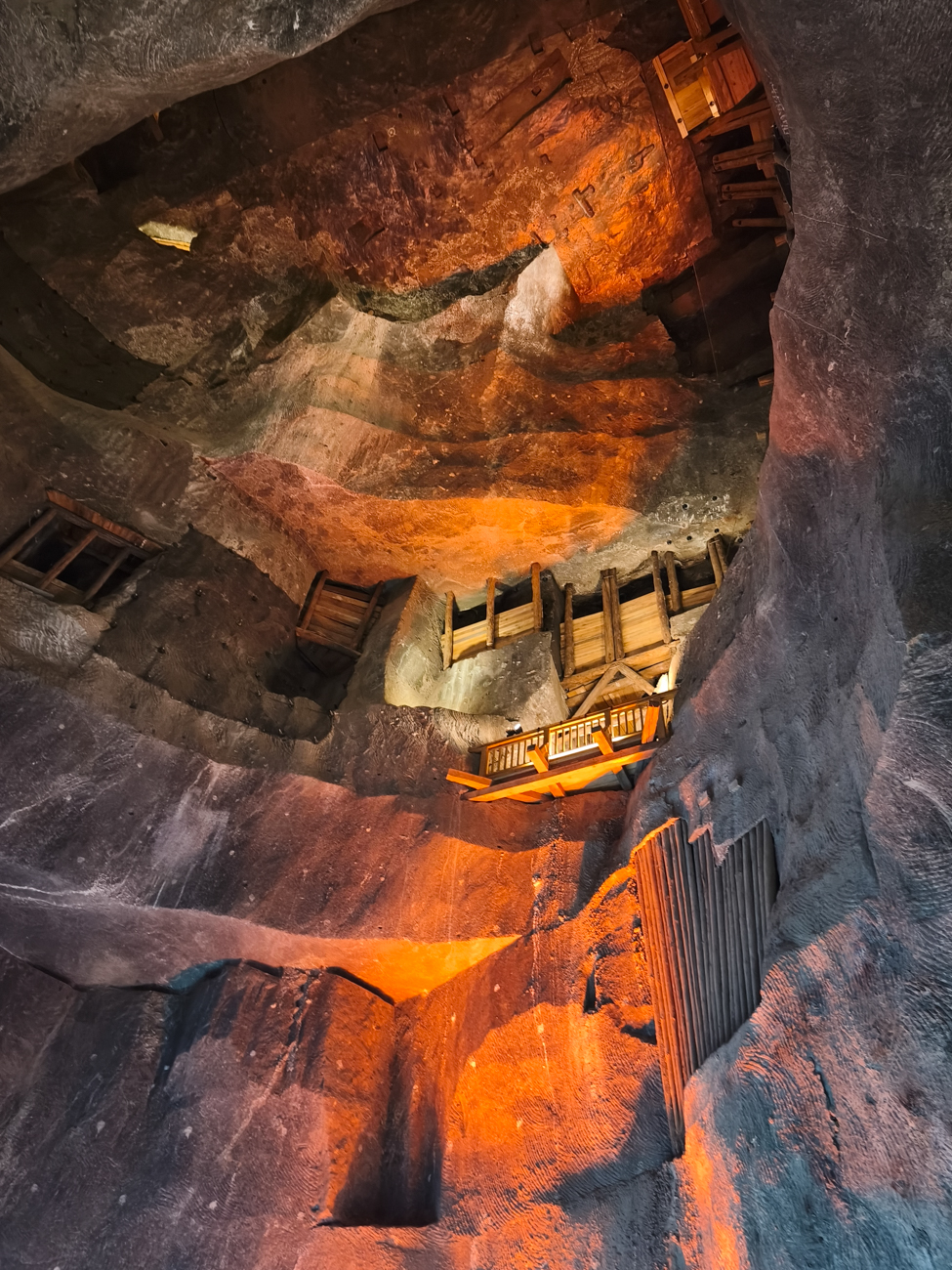
A UNESCO World Heritage Site, the Wieliczka Salt Mine was one of the most impressive visits of our trip.
Nearly 135 metres underground, you discover a huge labyrinth of galleries, chapels and chambers carved entirely out of salt. St Kinga’s Chapel is undoubtedly the most spectacular moment of the visit.
Good to know: visits are by guided group only. Tours in French sell out very quickly, so it’s best to book several weeks in advance.
Ojców National Park
Much less well known than the Tatras, Ojców National Park was one of the lovely surprises of our trip.
Limestone cliffs, caves, rock formations and a peaceful river create a setting very different from the mountainous south of Poland. The atmosphere is calm, almost secret.
Good to know: the park is only 40 minutes from Kraków and is easy to explore in half a day.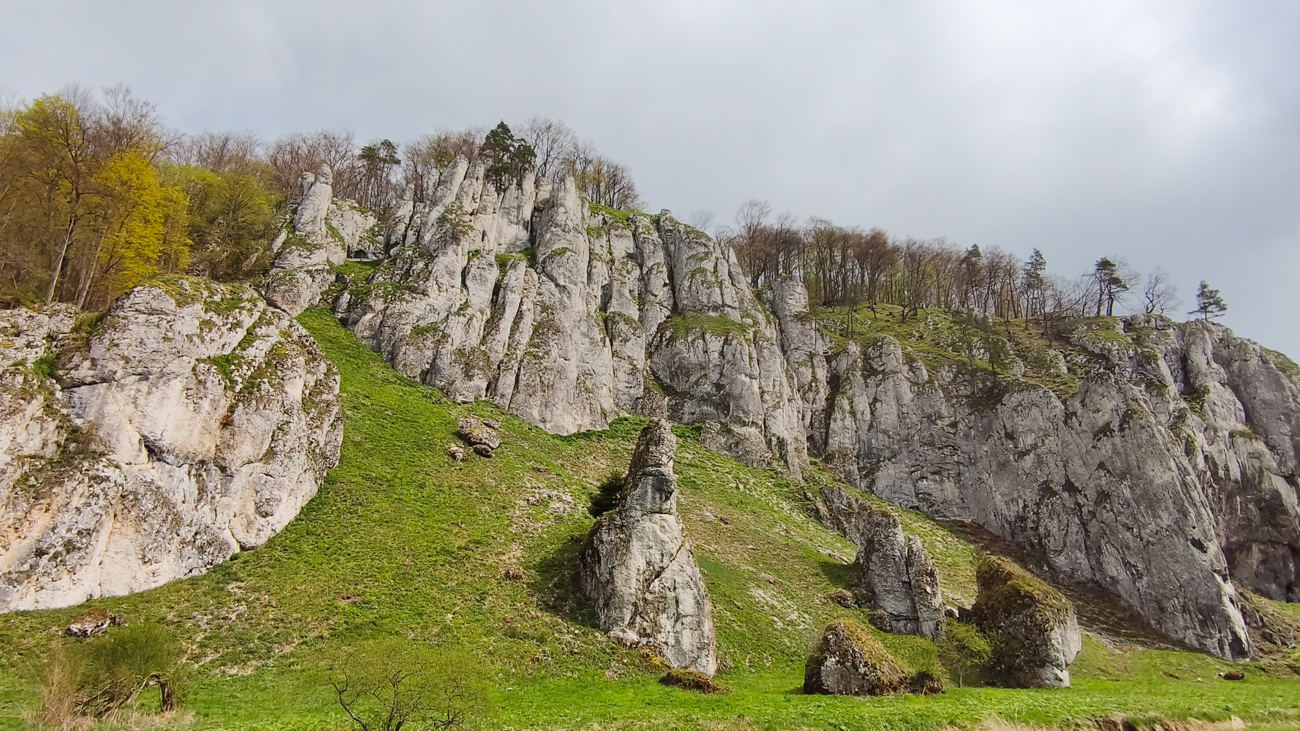
Zakrzówek lake
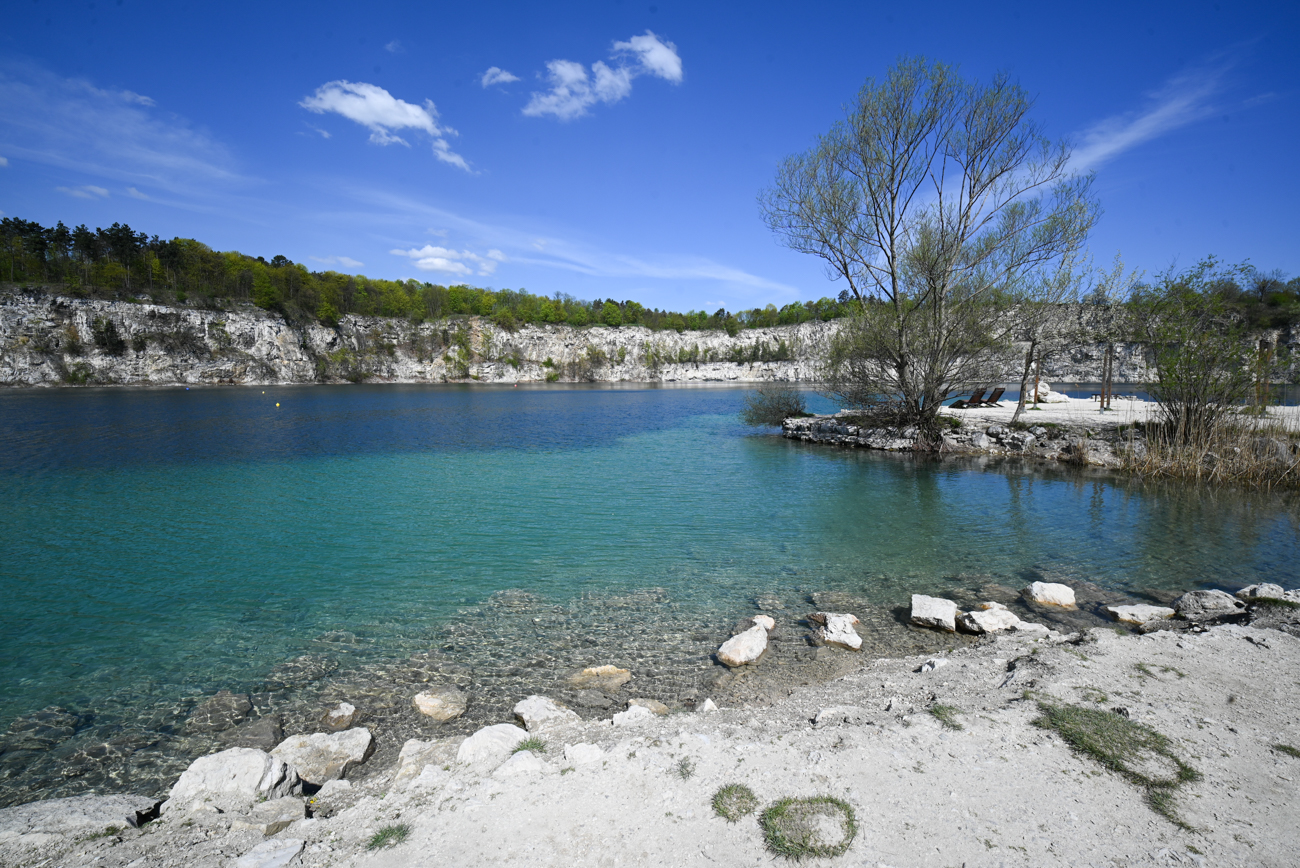
Just a few minutes from the centre of Kraków, Zakrzówek is a former quarry turned into a lake with almost unreal turquoise water. It’s still fairly unknown to tourists but very popular with locals when the weather turns fine.
Surrounded by limestone cliffs, walkways and swimming areas, it’s a real nature break on the edge of the city. We stopped here before our visit to Auschwitz, enjoying a lighter moment in the spring sunshine… despite a little mishap with the local police and a misunderstood parking spot 😅
Good to know: the site is easy to reach from Kraków and makes a lovely break if you want some fresh air between two more historical visits.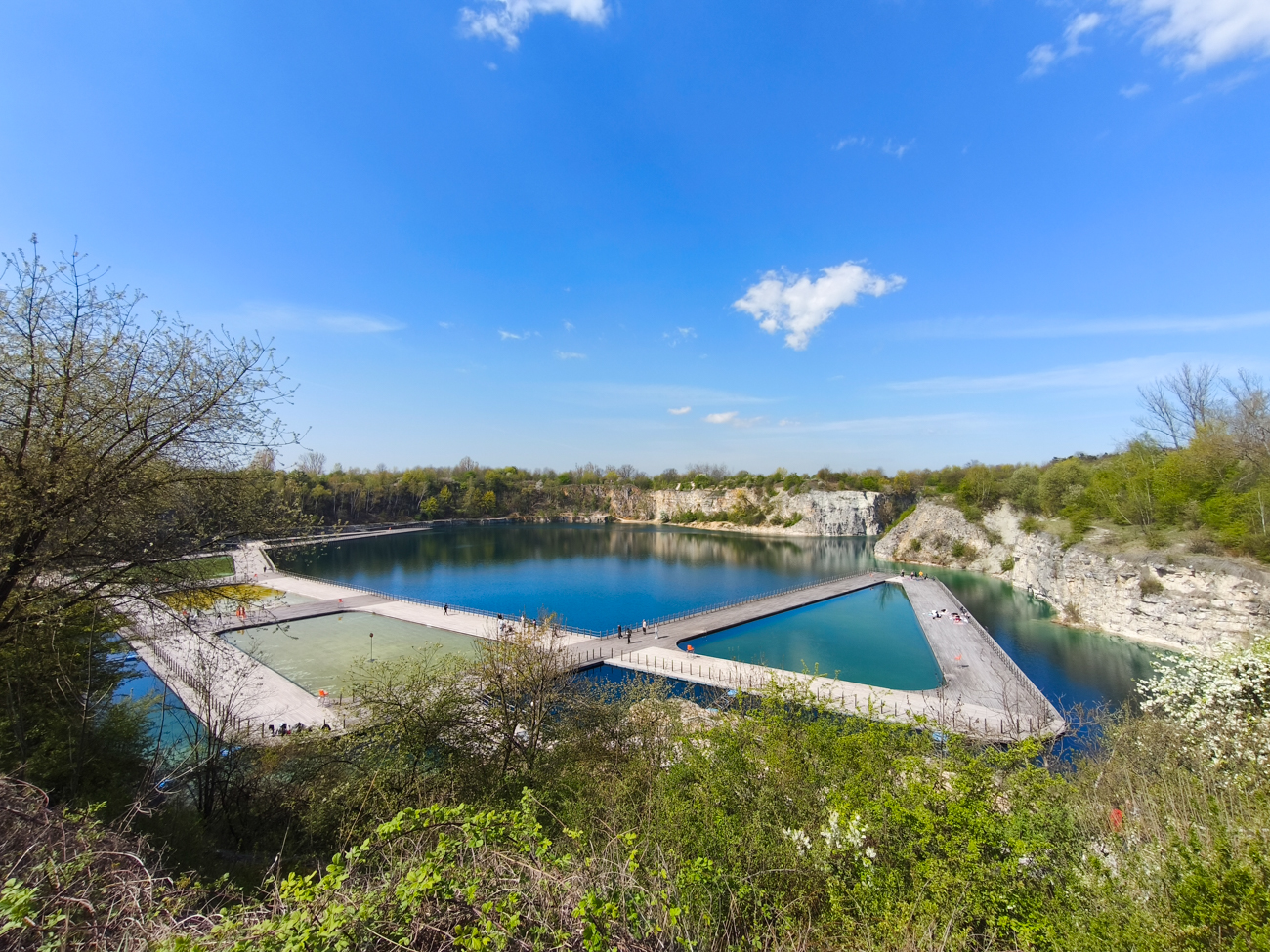
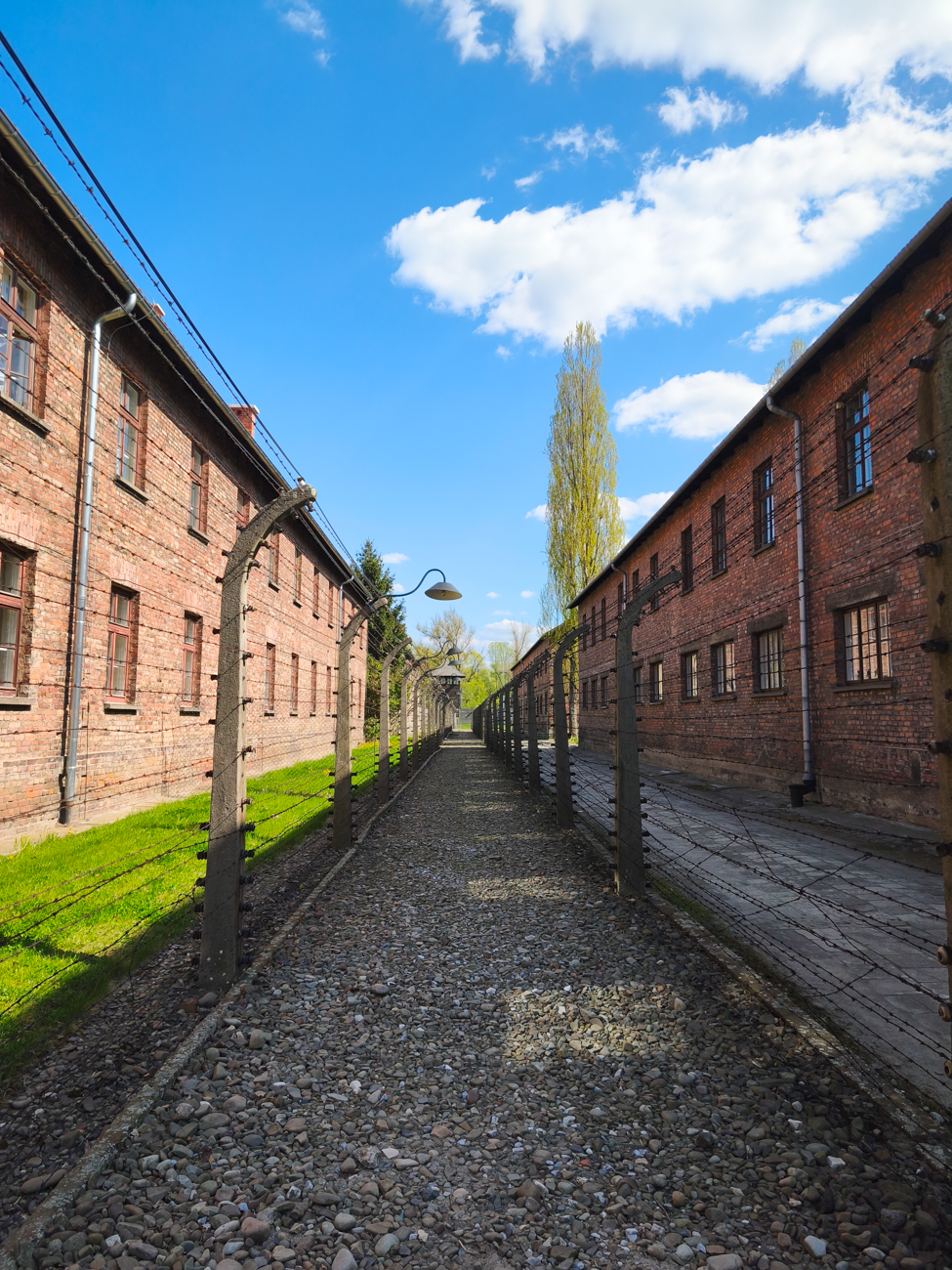
Auschwitz-Birkenau
About 1h15 from Kraków, Auschwitz-Birkenau is undoubtedly one of the most powerful places you can visit in a lifetime.
The former concentration and extermination camp complex is now explored on a particularly dense and harrowing guided tour of Auschwitz I and Birkenau. Walking along the railway tracks, through the barracks or seeing the belongings of the deportees suddenly makes history very real.
The visit lasts about 3.5 hours and, in my view, you need time afterwards to take in what you’ve seen and heard. It’s a difficult, sometimes overwhelming experience, but a deeply essential one.
Good to know: guided tours in French sell out very fast, especially in spring and summer. I strongly recommend booking several weeks in advance.
Planning to visit Auschwitz-Birkenau? I share my experience and all the useful information for planning your visit: booking, guided or self-guided tour, duration, getting there from Kraków and practical tips.
Kraków
You can’t visit southern Poland without stopping in Kraków. The country’s former royal capital is as appealing for its heritage as for its particularly lively atmosphere.
Between the cobbled lanes of the Old Town, the colourful façades, the lively cafés of Kazimierz, the banks of the Vistula and the many places of remembrance linked to Jewish history and the Second World War, Kraków has many faces.
Good to know: Kraków easily deserves a whole article of its own… So I’ll soon be sharing a much more detailed guide with my favourite addresses, must-sees and tips for discovering the city.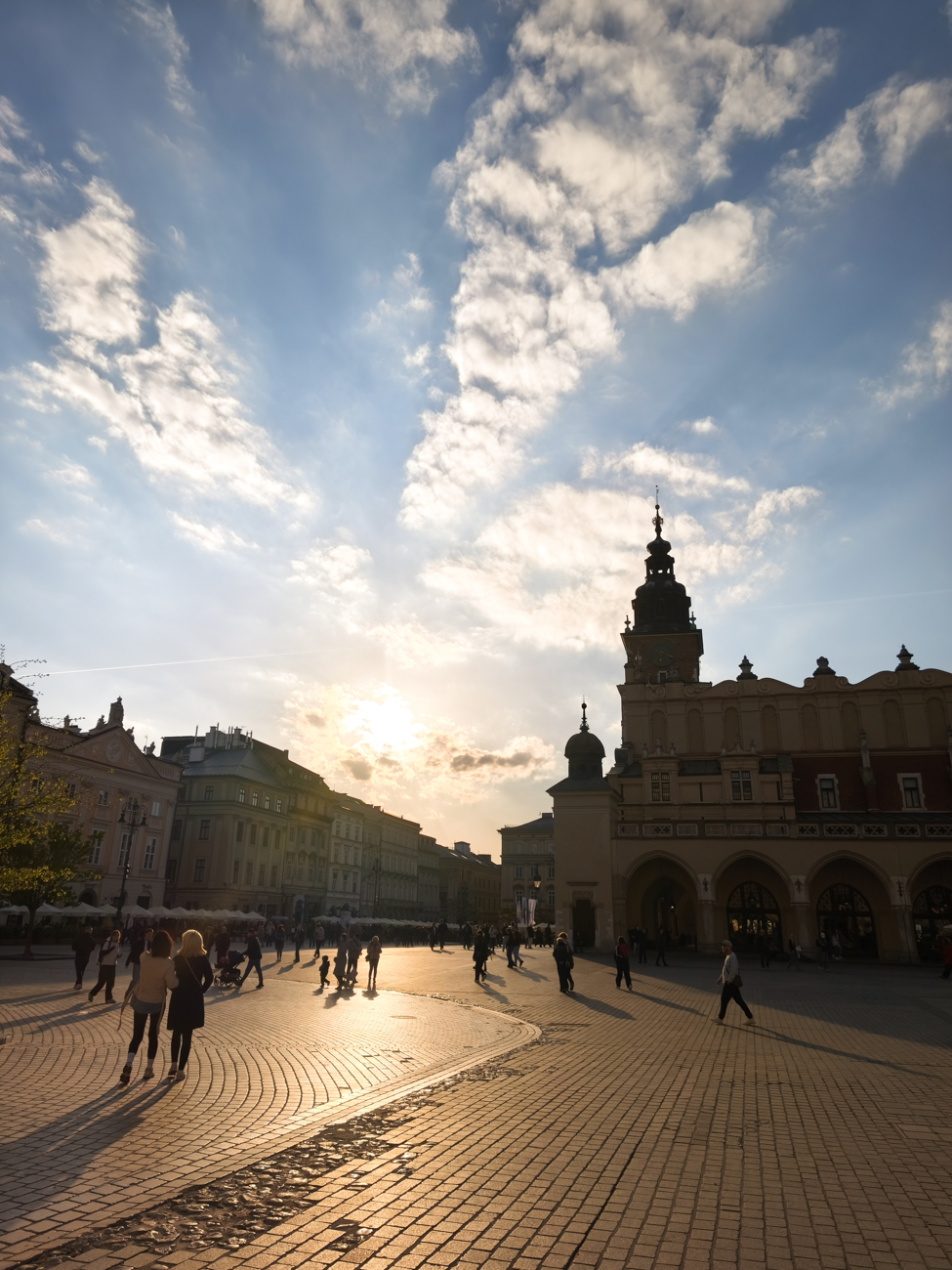
🤍 My favourite places in Poland 🤍
- Auschwitz-Birkenau, of course. A difficult visit, overwhelming at times, that breaks your heart and makes very real what we often only know from books or documentaries. I will never forget this visit.
- The Kościeliska Valley. Although I thought I’d freeze to death and never reach Smreczyński Staw lake, the misty atmosphere of this valley dotted with crocuses heralding spring was simply magical.
- The Wieliczka Salt Mine. I didn’t expect to be so fascinated by this visit. I’ve always had a soft spot for caves, but this one was unlike any other! From the very first underground galleries, you almost forget where you are. Everything seems unreal: the huge chambers carved out of salt, the sculptures, the chandeliers, the chapels…
-
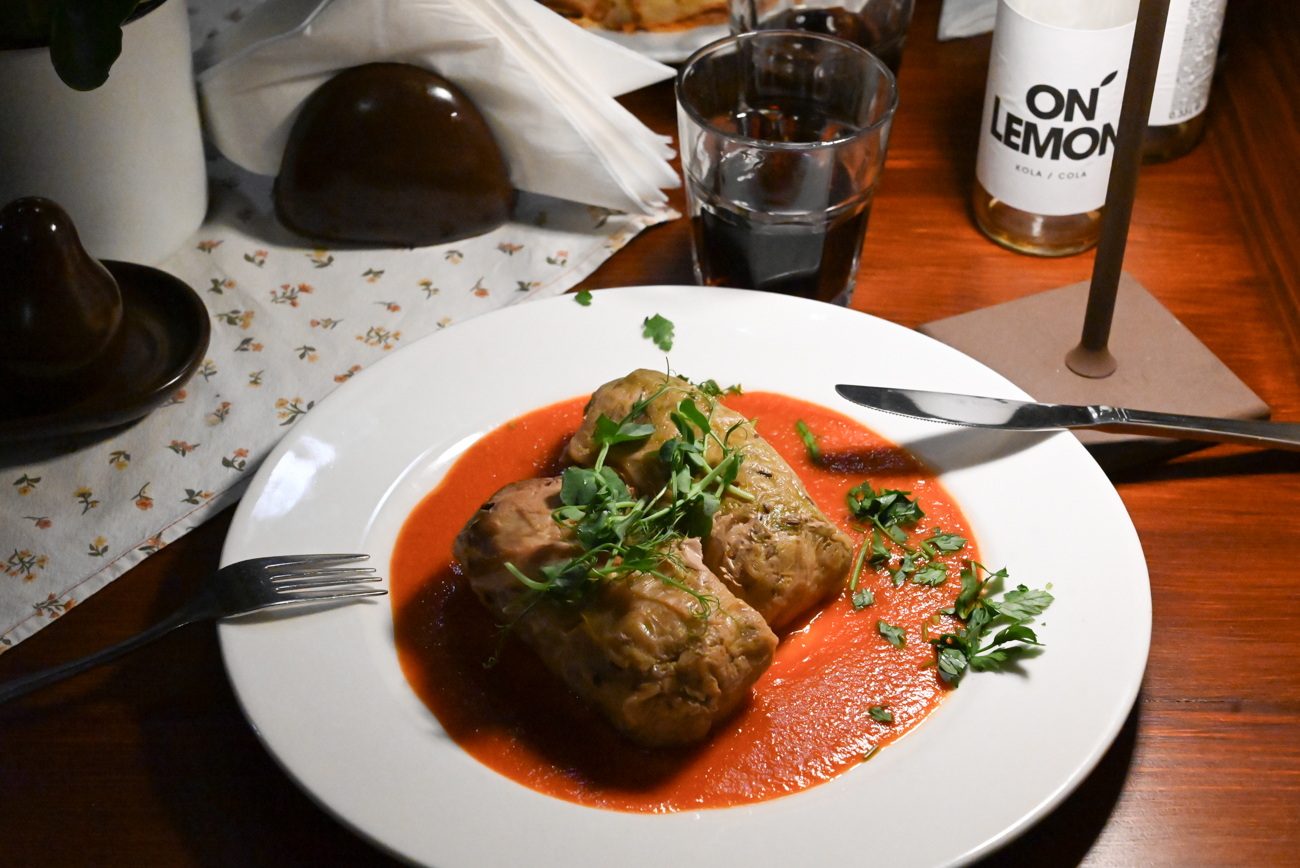
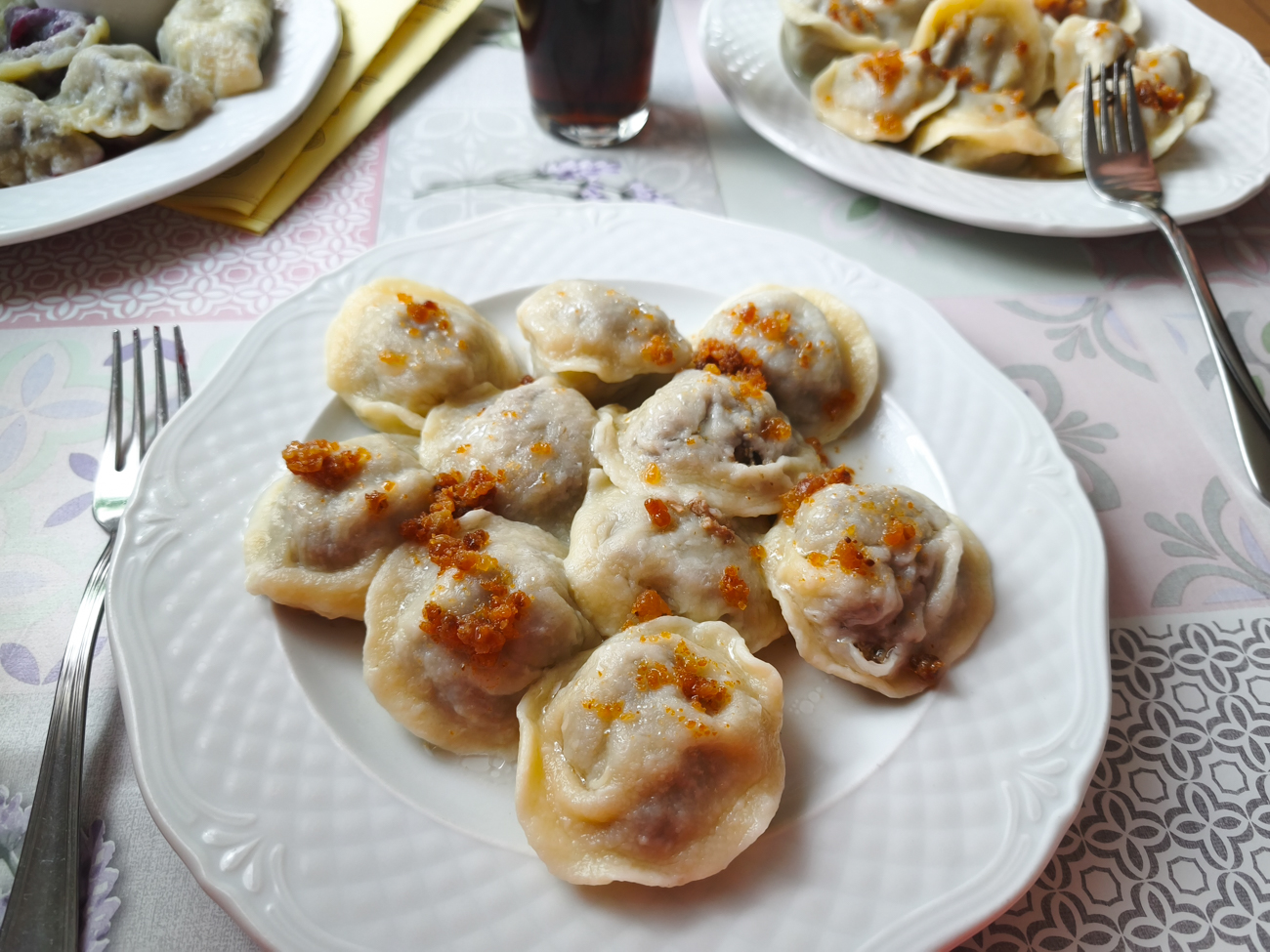
Polish food. Comforting, melt-in-the-mouth and tasty, Polish cuisine offers dishes that are sometimes simple in appearance but flavoursome and made with generosity. I’m still drooling over the stuffed cabbage rolls we ate on the day we left. Stuffed pierogi, Polish cheesecakes (which taste nothing like they do in France) and goulash… were lovely surprises.
-
The Bukovina thermal baths: one of the most enjoyable breaks of the trip. Slipping into water at almost 40 degrees facing still-snowy mountains, while steam rises into the icy evening air… is incredibly relaxing. A wonderful moment with friends! (And I rather enjoyed the slide and its rubber rings too!)
-
Schindler’s Factory: the visit is particularly immersive and helps you better understand the history of Kraków and Poland during the Second World War, going far beyond the story of Oskar Schindler. You leave the museum seeing the city, and some of the places you’ve visited, in a completely different light.
-
Zakrzówek lake: the perfect place to get some fresh air and discover another, more local and natural side of Kraków… with breathtaking turquoise water.
FOODIE ADDRESSES – WHERE TO EAT
- In Zakopane: Karczma Czarci Jar A beautiful, traditional and welcoming restaurant, with generous, tasty dishes.
- In the Kościeliska Valley: Ku Doline, for a comforting afternoon treat. The cakes are excellent.
- In Ojców National Park: Pierogarnia Babci Marysi: it doesn’t look like much from the outside. Reasonable prices, a great choice of pierogi and generous portions.
- In Kraków:
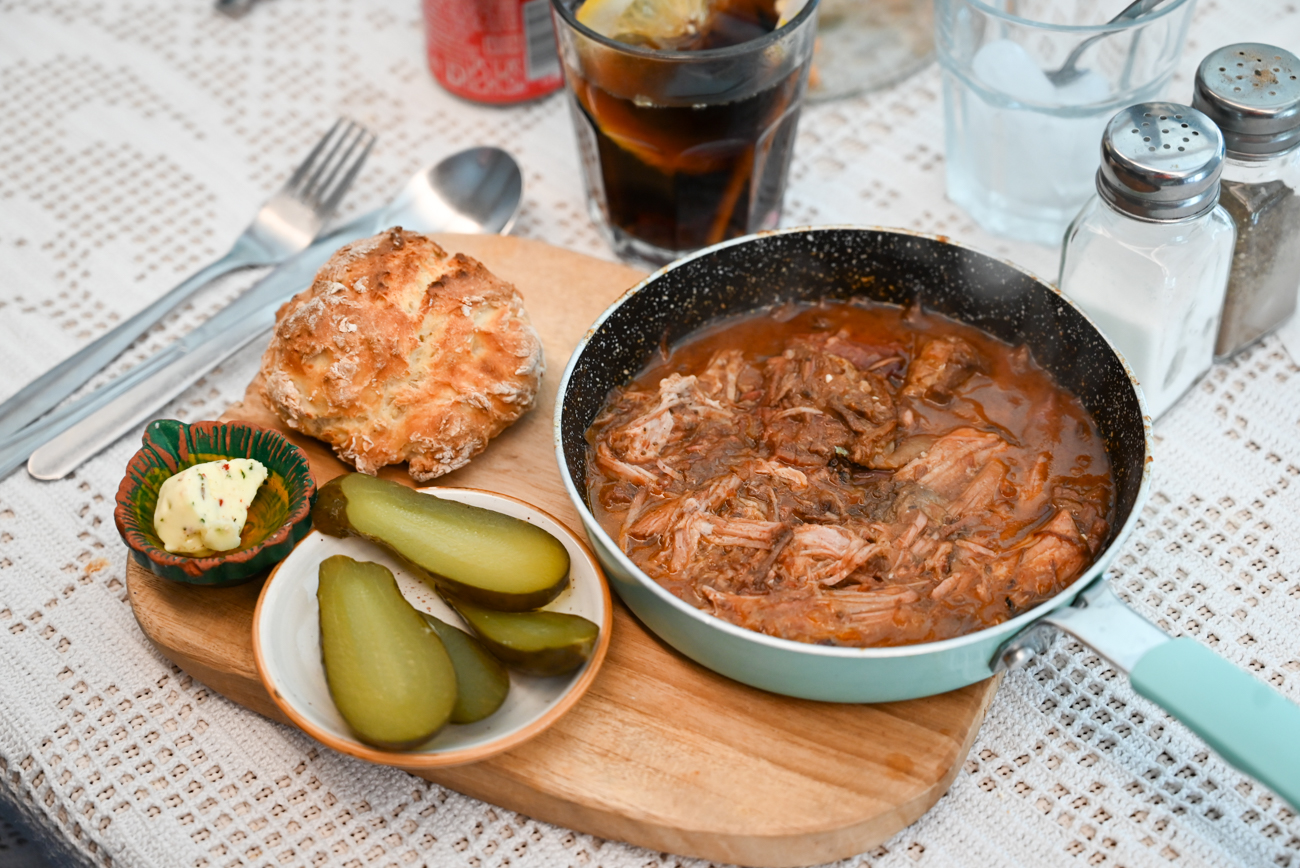
- – Restauracja Po Kralosku Cracovie. Authentic, generous Polish food in a warm atmosphere typical of Kraków. The pulled beef bagel… Mamma mia!
- –Koleczko Cafe. A cosy, old-fashioned little café, “just like at Grandma’s”, which we stumbled upon by chance – ideal for trying Polish specialities made just for you. Special mention for the welcome!
- –Goscinna Chata. A friendly place to discover tasty local specialities in a traditional setting. I still haven’t got over the stuffed cabbage rolls I had there.
Do you need to book activities in advance in Poland?
If there are must-see visits that matter to you, I can only urge you to book ahead, especially for Auschwitz-Birkenau and the Wieliczka Salt Mine.
Both sites are mainly visited on guided tours with set time slots. And if, like us, you want a tour in French, the options are even more limited: there are usually only two departures a day, with a limited number of places.
So slots sell out very quickly, especially in spring and summer. I booked about 4 to 6 weeks before leaving, and even so I had to change the day of our Auschwitz visit because there weren’t enough places for three people in the slot I’d originally planned.
For tours in English or other languages, there’s more availability, and it’s probably possible to book a little later.
In Kraków, most sights can be visited independently, such as Wawel Cathedral and St Mary’s Basilica, so it’s fairly easy to improvise your plans once you’re there. I did, however, book Schindler’s Factory in advance, as it’s also very popular. A friend who had just come back from Poland wasn’t able to visit because there were no places left during his stay.
How much does a week in Poland cost? Is Poland a cheap destination?
On the whole, Poland is more affordable than many other European city breaks, even if some must-see visits are a real expense, notably Auschwitz-Birkenau and the Wieliczka Salt Mine, which can only be seen on guided tours. That said, these are long visits (often 2 to 3 hours) and of particularly high quality.
Schindler’s Factory was probably the most expensive visit of our trip, at about €45 per person. It was also one of the ones that made the biggest impression on us. Even so, I must admit I found the price a little high for a relatively short visit (about 1h30).
On the other hand, we were very surprised by how affordable the accommodation was compared with many other European destinations, while still being very good quality!
As for flights, we flew with easyJet and got a fairly standard low-cost fare for an April departure booked in advance.
As I mentioned above, fuel is cheaper in Poland than in France (about €1.40 a litre when we were there).
As for restaurants, we found the value for money very good: mostly homemade food, generous portions and often a warm setting… even if prices aren’t quite as low as you sometimes hear.
In the end, the main expenses of the trip were the sightseeing visits.
Our budget per person (we were 3 adults):
| Expense | Budget per person |
|---|---|
| Return flights | 110 € |
| Accommodation | 120 € |
| Visits and activities | 150 € |
| Meals | About €150 |
| Fuel (hybrid car) | 10 € |
| Parking and other costs | About €15 |
| Total for 6 days | About €555 |
You’d need to add car hire to this figure, which was provided free of charge to me.
Should you get zlotys before you go?
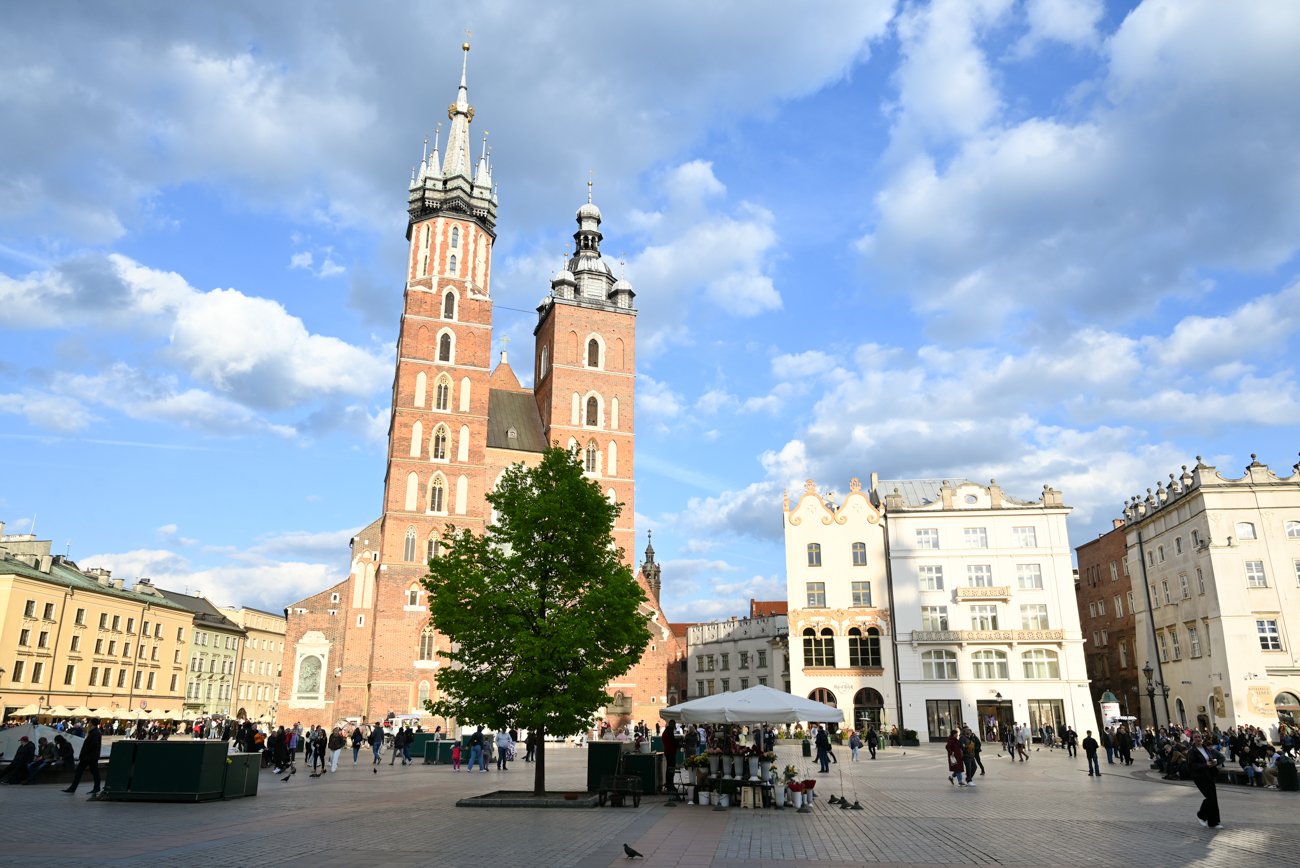
As Poland isn’t part of the eurozone, payments are made in zlotys (PLN).
Personally, I usually withdraw a little cash from an ATM once I’m there rather than getting cash before I leave. Especially as some French banks don’t necessarily offer zlotys: one of my friends asked before the trip and her bank simply couldn’t supply any.
Be aware, though, that bank charges may apply depending on your card and bank, as Poland isn’t in the eurozone. So check the conditions for withdrawals and payments before you go.
In any case, we were able to pay by card almost everywhere during our trip, except perhaps at car parks.
Final notes
FAQ – A week in Poland
Is a week enough to visit Poland?
A week is enough to really enjoy Kraków and the south of the country (the Tatras, Wieliczka, Ojców, Auschwitz). To add Warsaw, Wrocław or Gdańsk, you’ll need more time.
How much does 6 days in Poland cost?
About €555 per person for us (3 adults): €110 for flights, €120 for accommodation, €150 for visits, €150 for meals, plus fuel and parking. Car hire is extra.
Do you need to hire a car in Poland?
To explore the area around Kraków, yes: it gives you more freedom and is often cheaper than tours when there are several of you. The roads are good, but speed limits change often.
Do you need to book Auschwitz and the salt mine in advance?
Yes, especially for a tour in French, as there are often only two departures a day. I booked 4 to 6 weeks ahead and still had to move our Auschwitz visit. English tours have more availability.
When is the best time to go to Poland?
In late April, Kraków already felt like spring and was quiet, but there was still snow in the Tatras. Bring warm clothes in spring.
Do you need zlotys in Poland?
Poland isn’t in the eurozone. We paid by card almost everywhere; withdrawing a little cash once there is enough, but check your bank’s fees.