A few days in Kraków : that’s how this trip to Poland was supposed to start. Originally, we’d simply planned a long girls’ weekend in the former Polish capital. But a change in flight times ended up letting us add a few extra stops to the programme.
From the lively streets of Kraków to the Tatramountains, via Zakopane, the salt mines and Auschwitz, this city break turned into a little road trip through southern Poland. Here’s the story of these few days between cities, mountains, pierogi and hot springs.
For all the practical details of this week in Poland, my itinerary, our budget, my tips and a few must-see places to discover without delay… it’s this way (in French)!
Une semaine en Pologne : itinéraire, que faire, budget et conseils
Itinerary
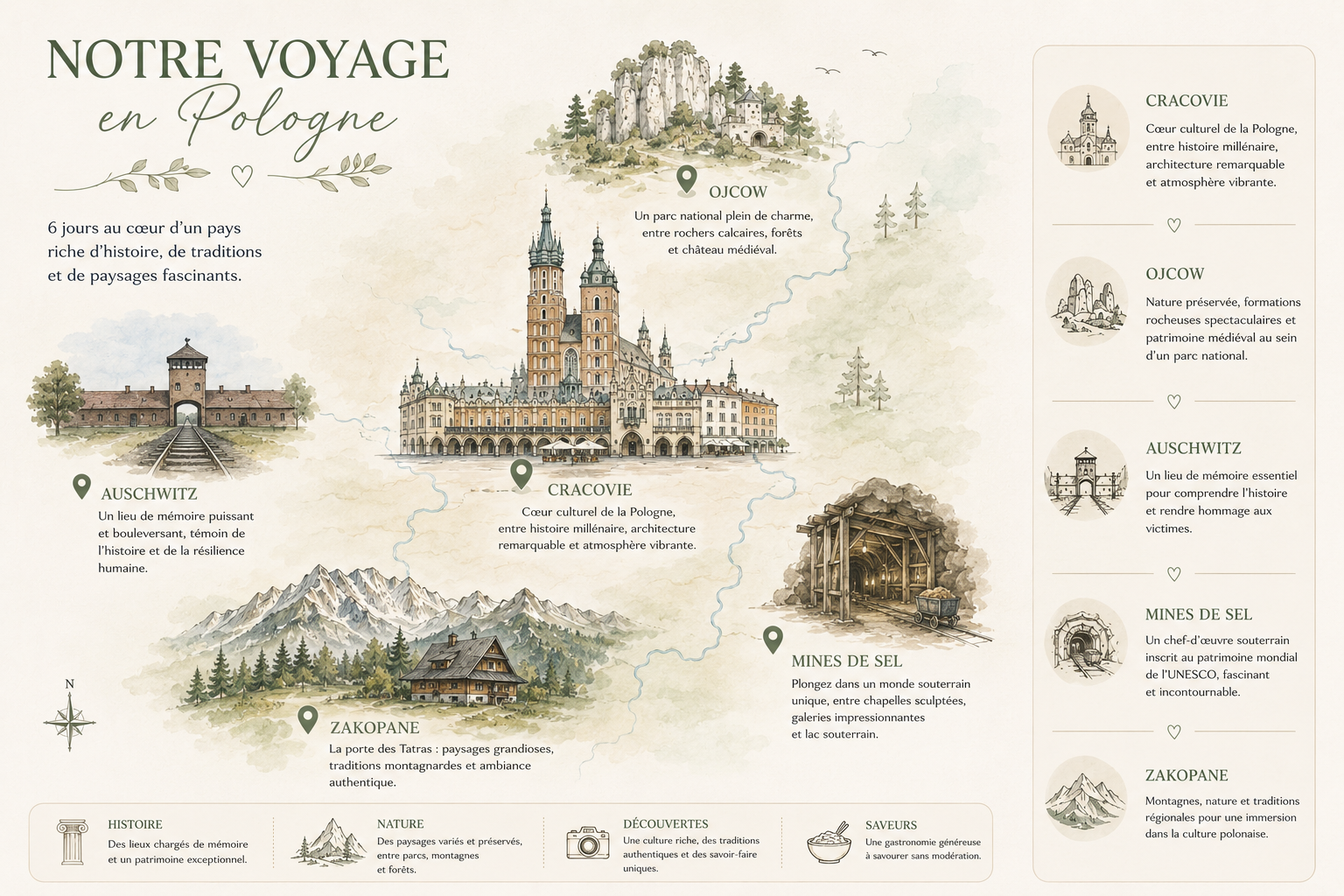
Day 1: Zakopane and the Tatras
Arriving at Kraków airport, we picked up the car booked through BSP-Auto (a French rental comparison site) and left the city straight away.
It wasn’t the original plan, but sometimes one extra day is all it takes to spark the urge to go further. Fate had spoken; we could only bow to it!
Off to the Tatras.
🚗 Compare car rentals with BSP Auto
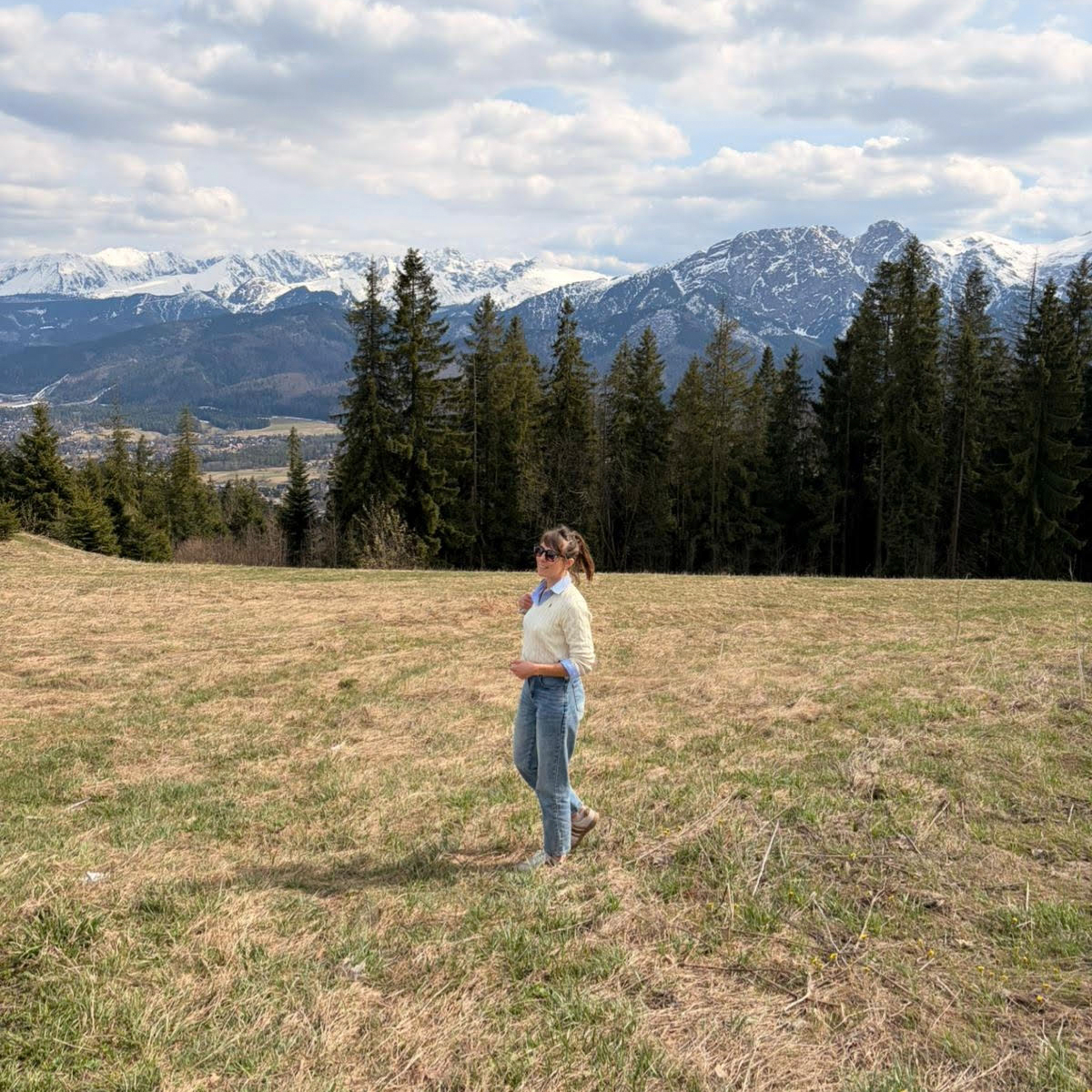
The mountains are barely an hour and a half’s drive away. I gradually got my bearings on the motorway as the horizon opened up. In the distance, the snowy ridges appeared like a promise.
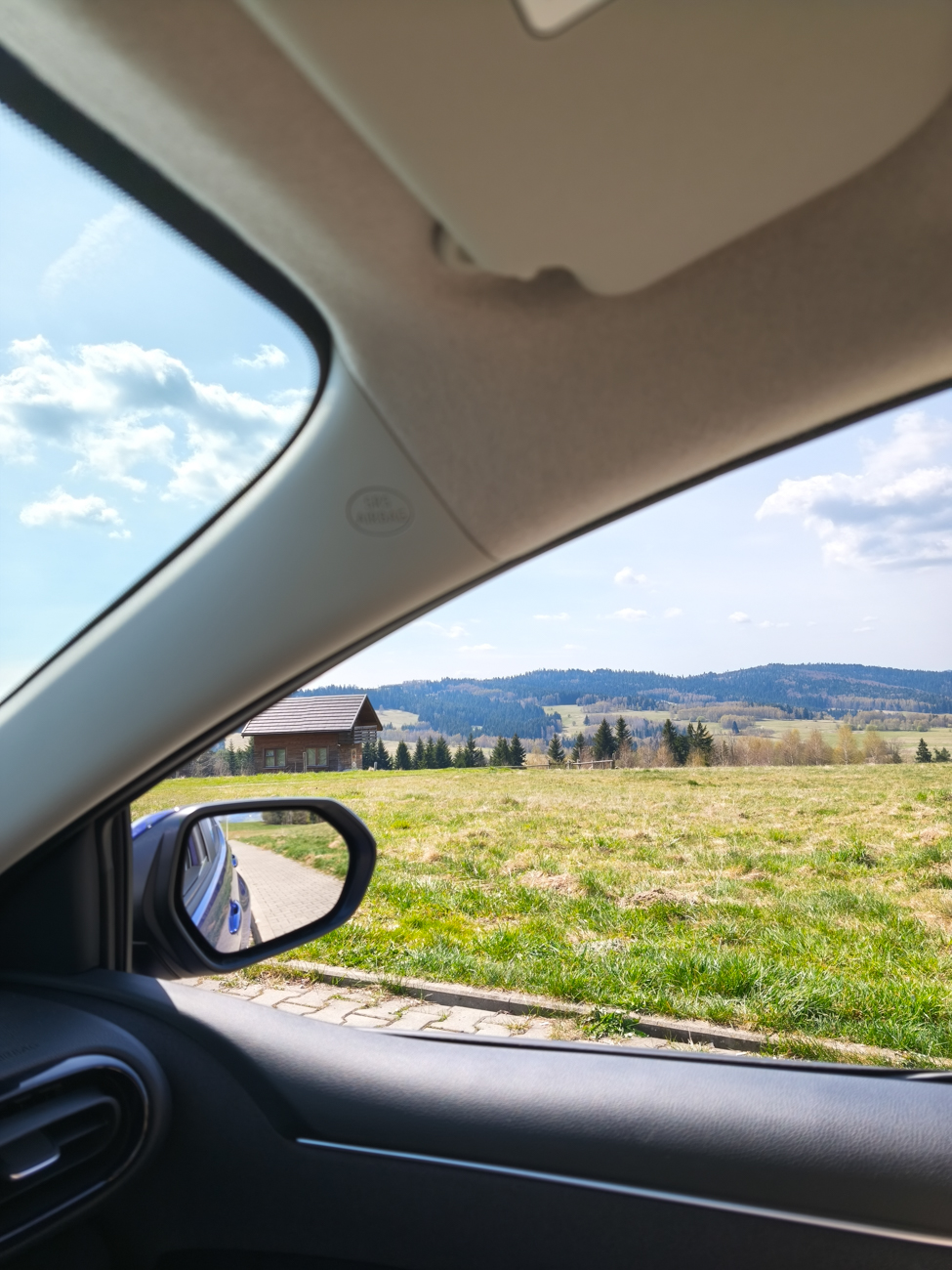
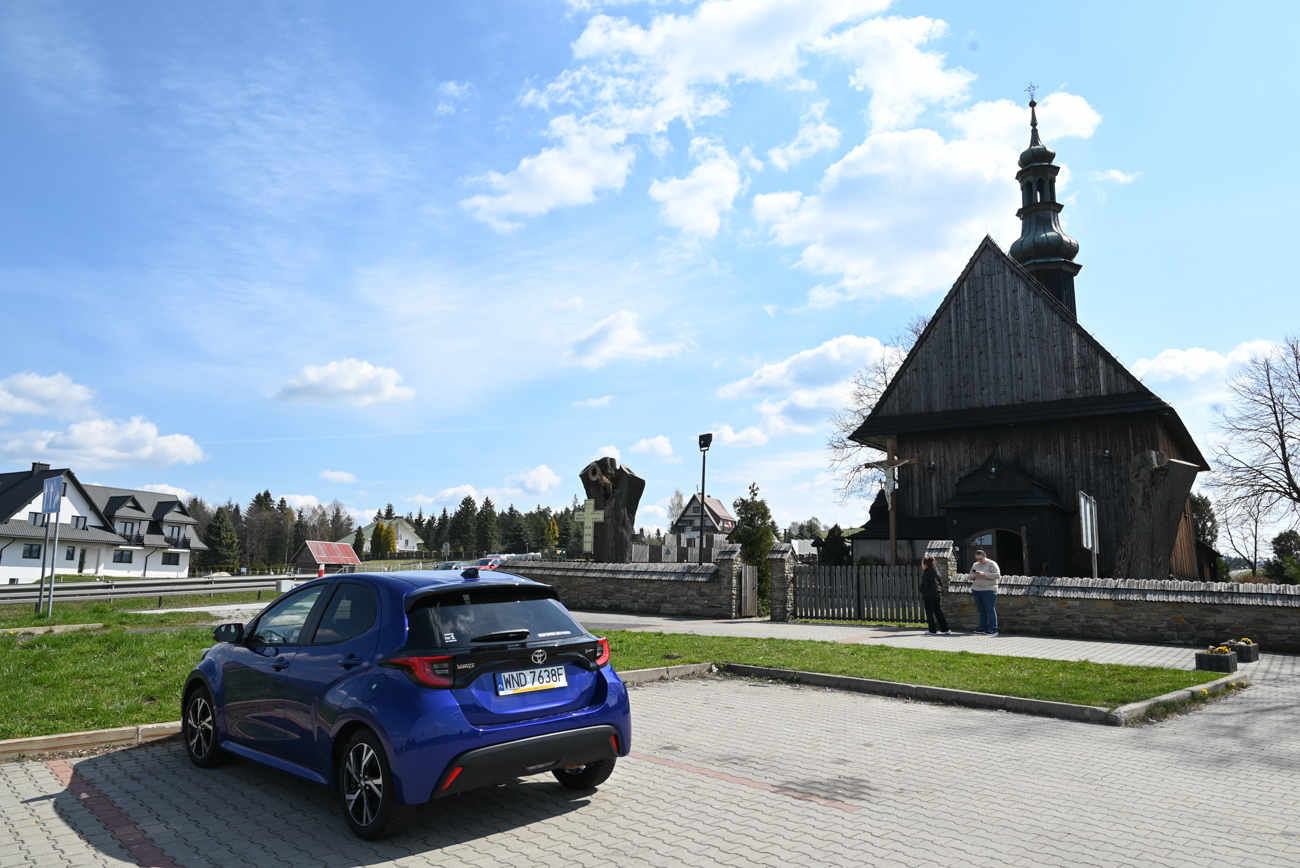
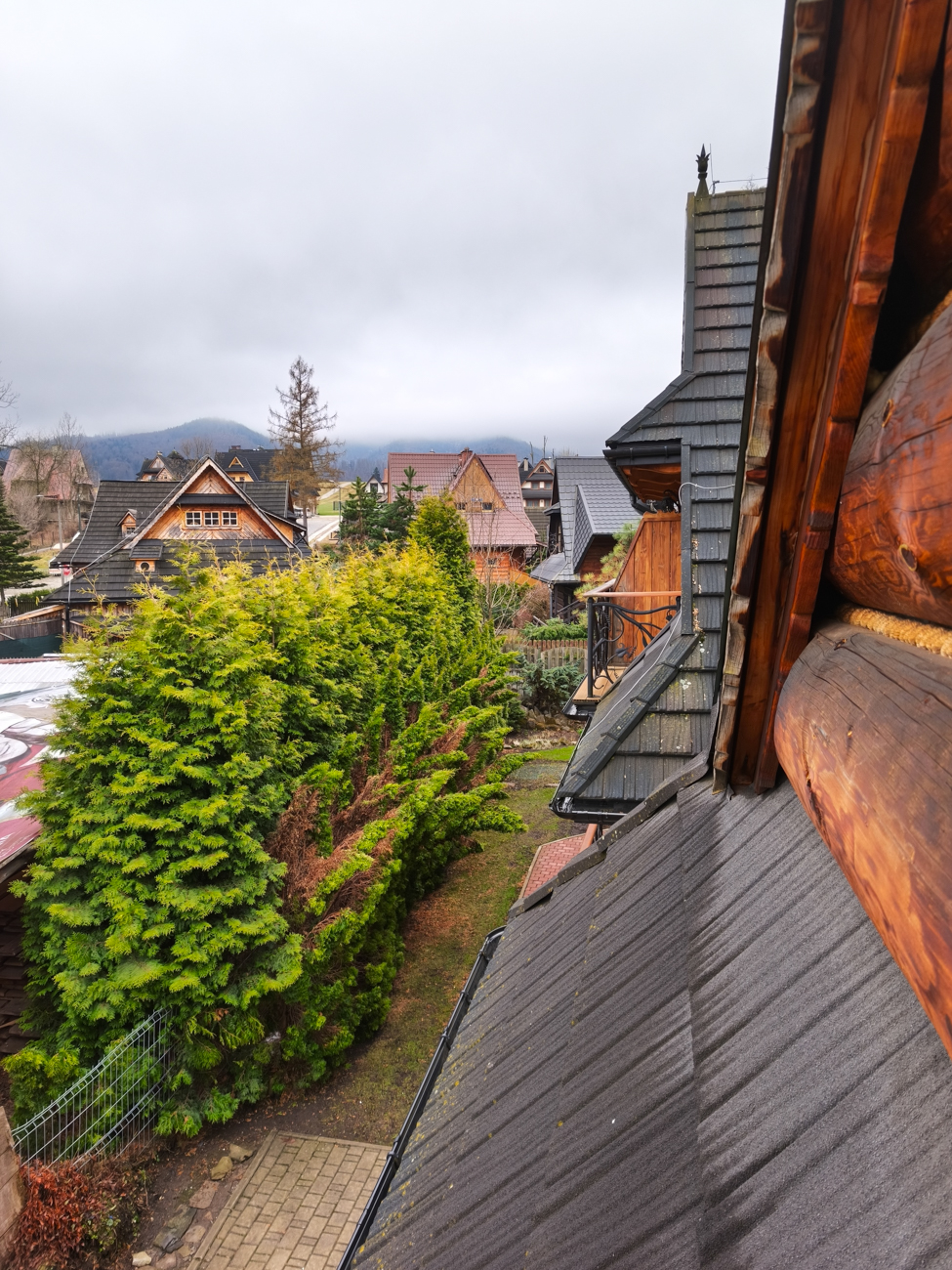
On the border between Poland and Slovakia, the Tatras are the highest part of the Carpathians. An alpine setting of sharp peaks and open valleys. Here, the landscape is more open than we’d imagined.Few forests, but wide views, dotted with chalets with very distinctive roofs, very steep to withstand heavy snowfall: the famous Zakopane-style roofs.
On the road, the pace naturally slows. We struggled a bit to understand the speed limits, which change often, especially near villages, and aren’t always easy to read when you don’t know the country.
A stop at a mini-market to throw together lunch… and one wrong address in the GPS later, we stumbled upon a magnificent clearing facing the peaks… Ah, those lovely unplanned surprises that road trips are made of, guided by letting go and curiosity… 🤍
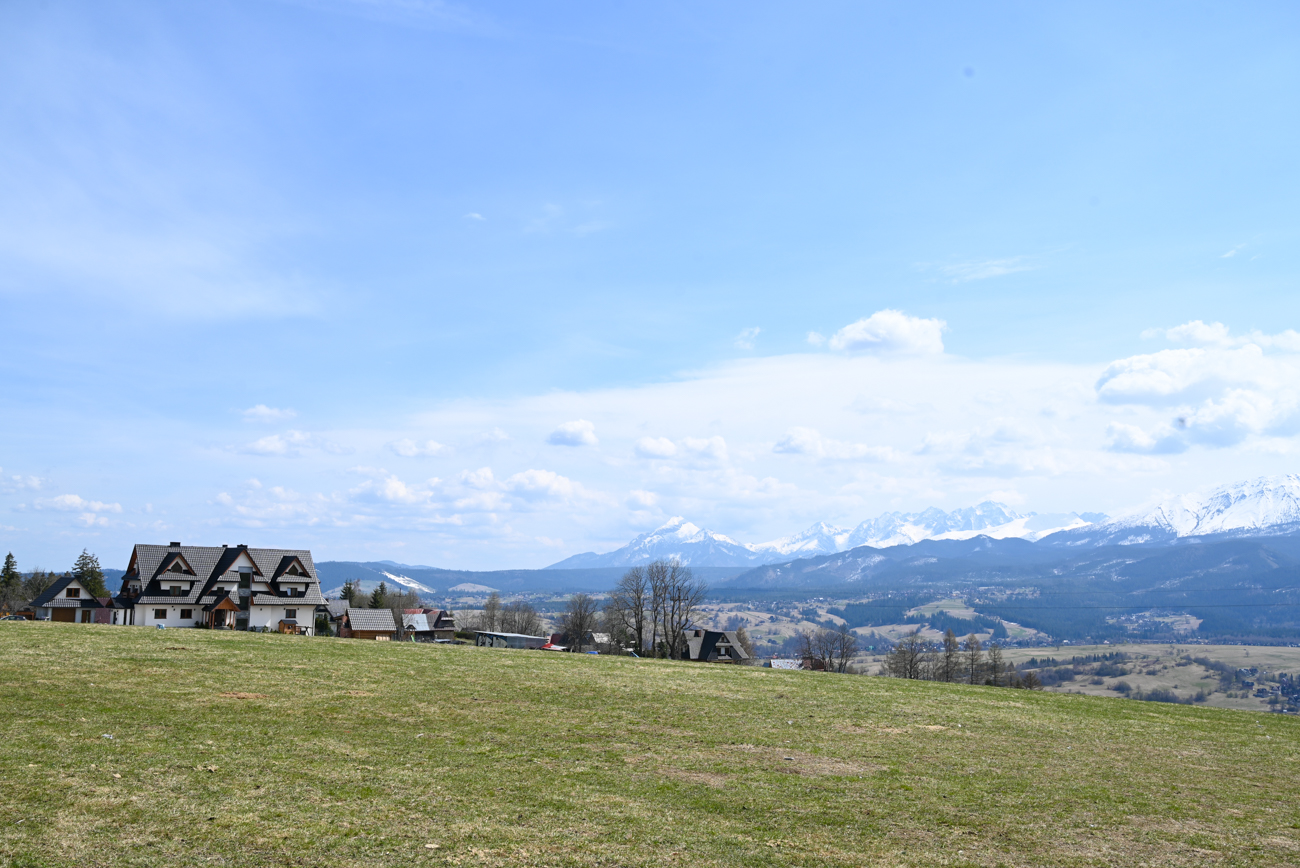
A sandwich break with a view, please! Sitting on a bench away from the crowds, gazing at the snowy ridges in the distance, we savoured this first peaceful encounter with the Tatras, just as we’d imagined them… a contrast all the sharper with the scene awaiting us at the top of the Gubałówka funicular.
Built in the 1930s, this 1,298-metre funicular climbs about 300 metres and takes you up to the heights above Zakopane in barely three minutes. A quick ascent… to a summit largely transformed by tourism.
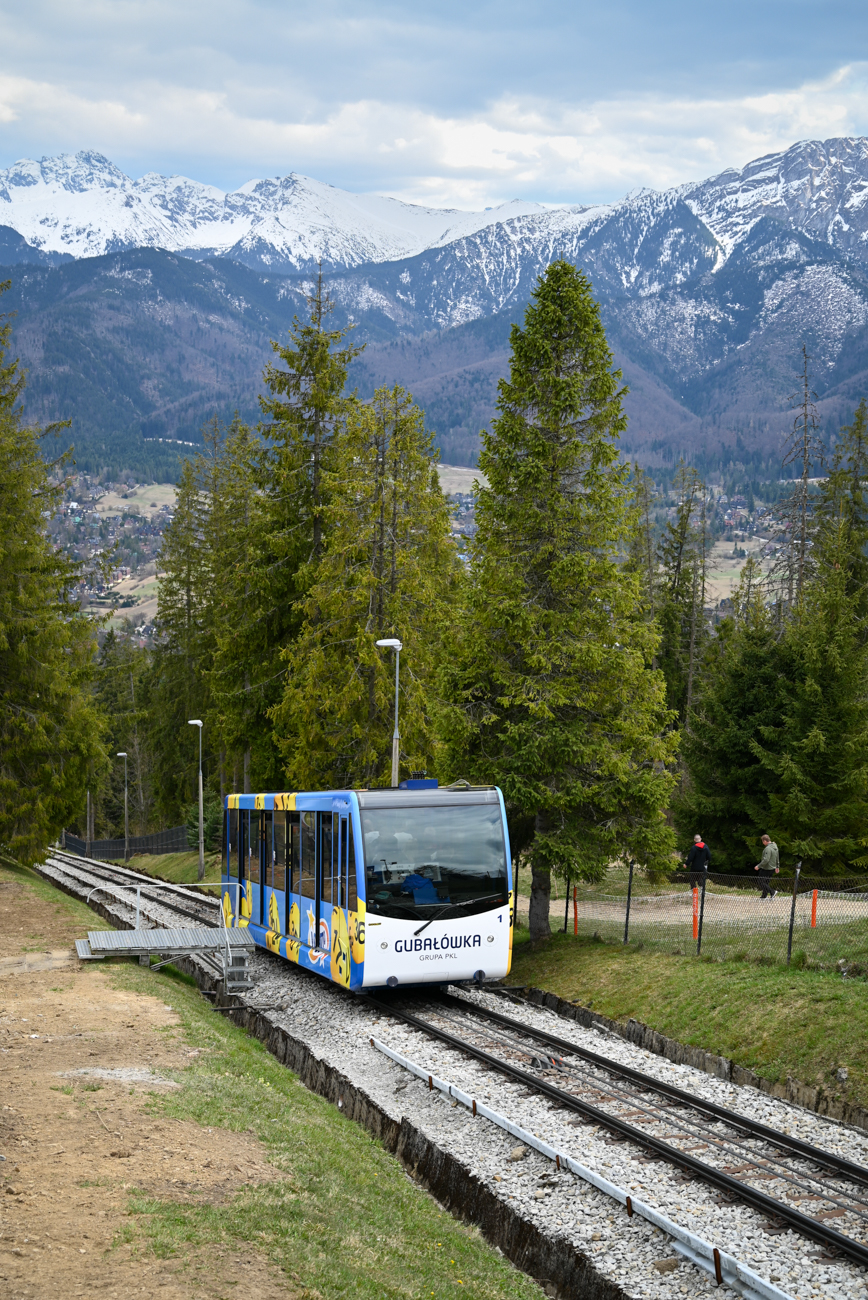
I have to admit it: I was a little disappointed.
I was expecting a rather timeless viewpoint looking out over the mountains… and found a very developed place, almost saturated with restaurants and stalls.
The view is there, undeniably beautiful, even sublime, but the atmosphere takes away some of the charm I’d come looking for.
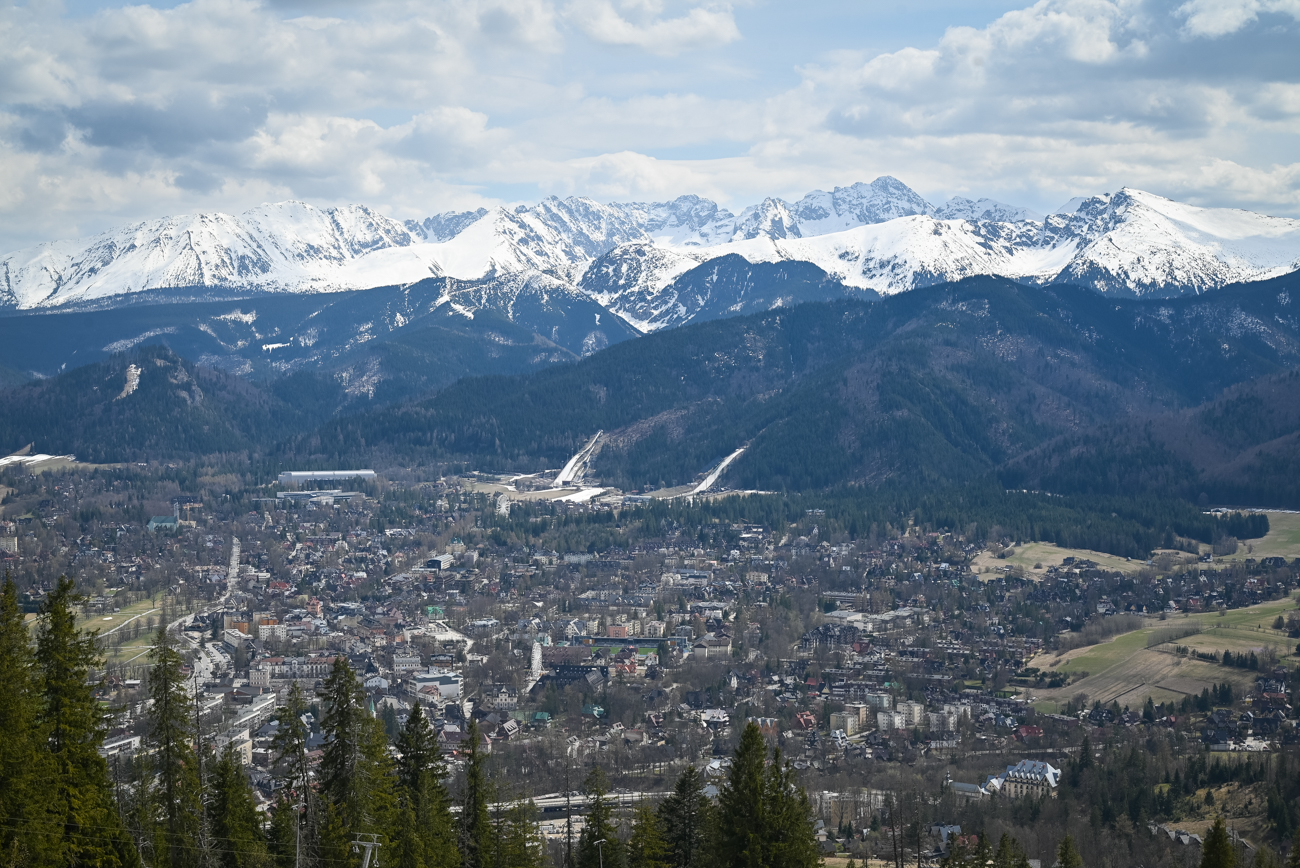
We still carried on with a short walk through the village, then towards the Butorowy Wierchviewpoint. The path there almost feels like an open-air Christmas market, with one souvenir chalet and little attraction after another.
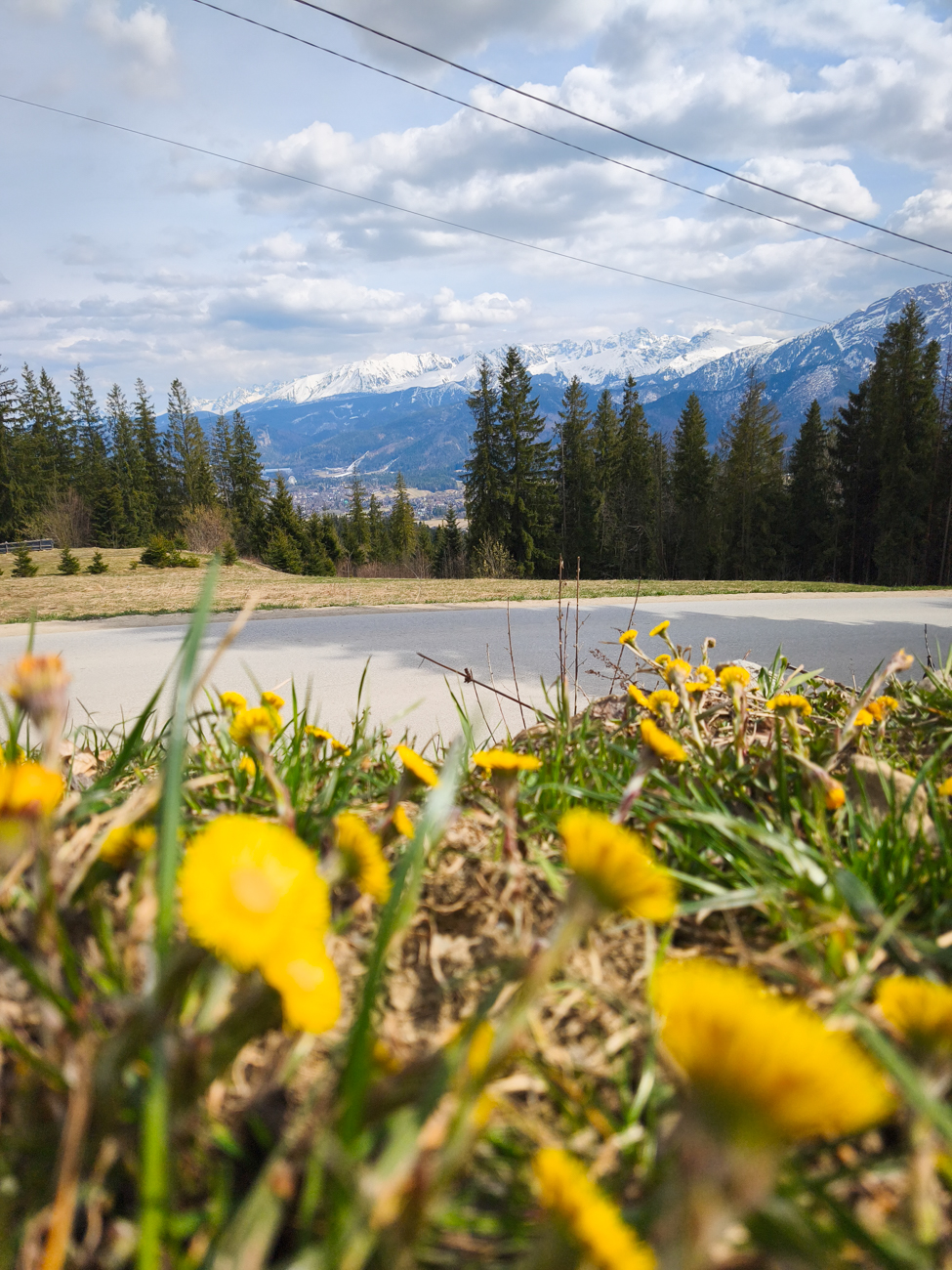
Never mind: fresh mountain air always revives you, and we ended the day at the Bukovina thermal baths.
The Tatra region is famous for its mineral-rich thermal waters , naturally heated by geothermal activity. Many spas have sprung up around Zakopane, offering a wellness break after a day in the mountains.
Among the best known are the ones at Chochołów, but we preferred the Bukovina baths, a little further out, which we imagined would be quieter.
In reality, they’re huge… and very popular with Poles.
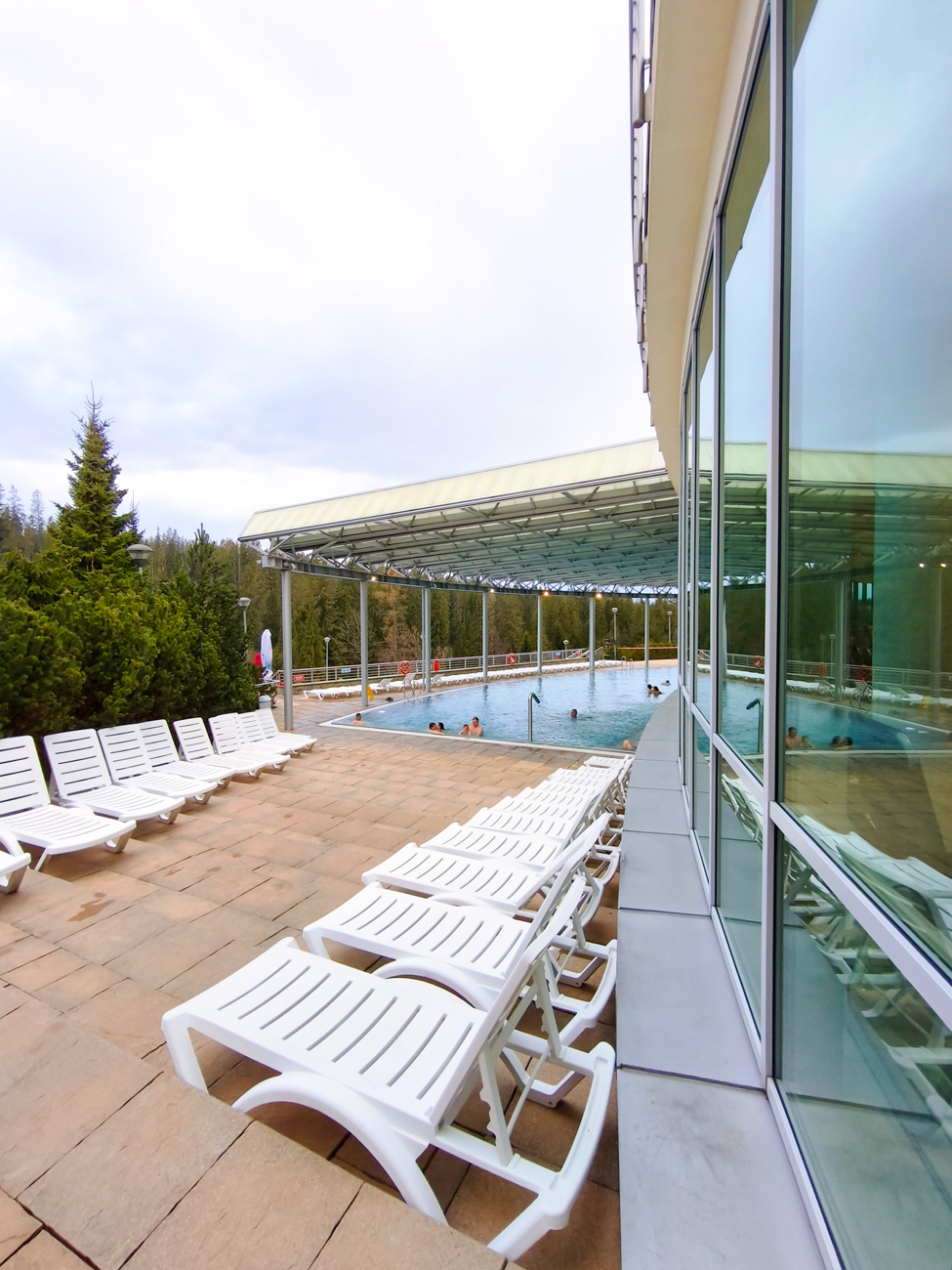
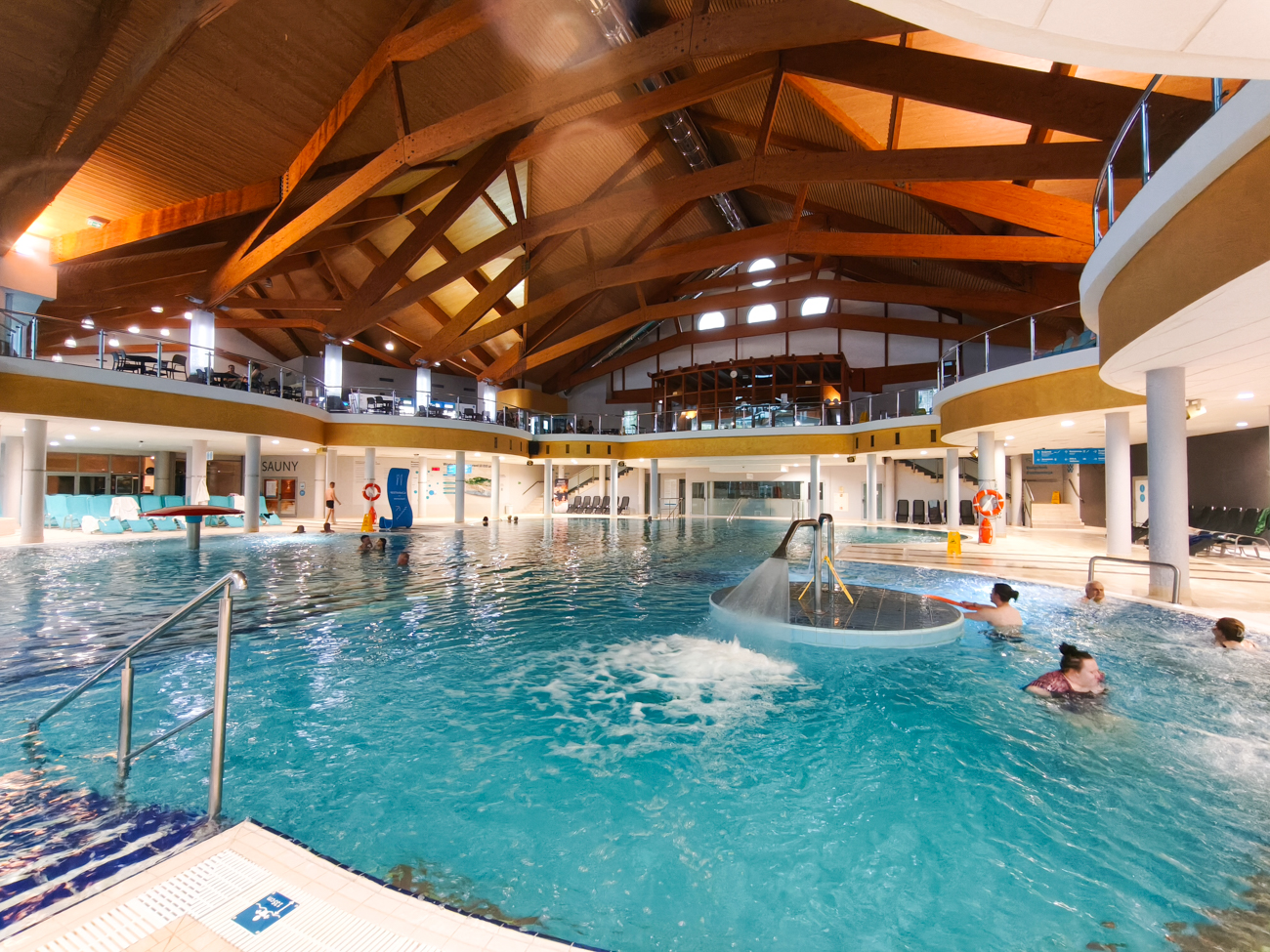
Outside? Several pools heated to 37–40°C (99–104°F) , where you can relax facing the mountains, steam rising into the cool evening air. Inside? Bubble baths, massage jets and water slides round off the experience, between relaxation and a more playful vibe. Little by little, we washed away the stress of the past few weeks and the tiredness of our early start.
After this busy day, we finally dropped our bags for the night at theBambi Boutique hotel.
A magnificent hotel with typical architecture, all in wood, like a chalet placed there to slow time down a little. I chose it for its warm, cosy, almost enveloping atmosphere… but also, I admit, for its name. My daughter has been a Bambi fan for a few weeks, so I couldn’t resist this little nod, even though she wasn’t with us on this trip.
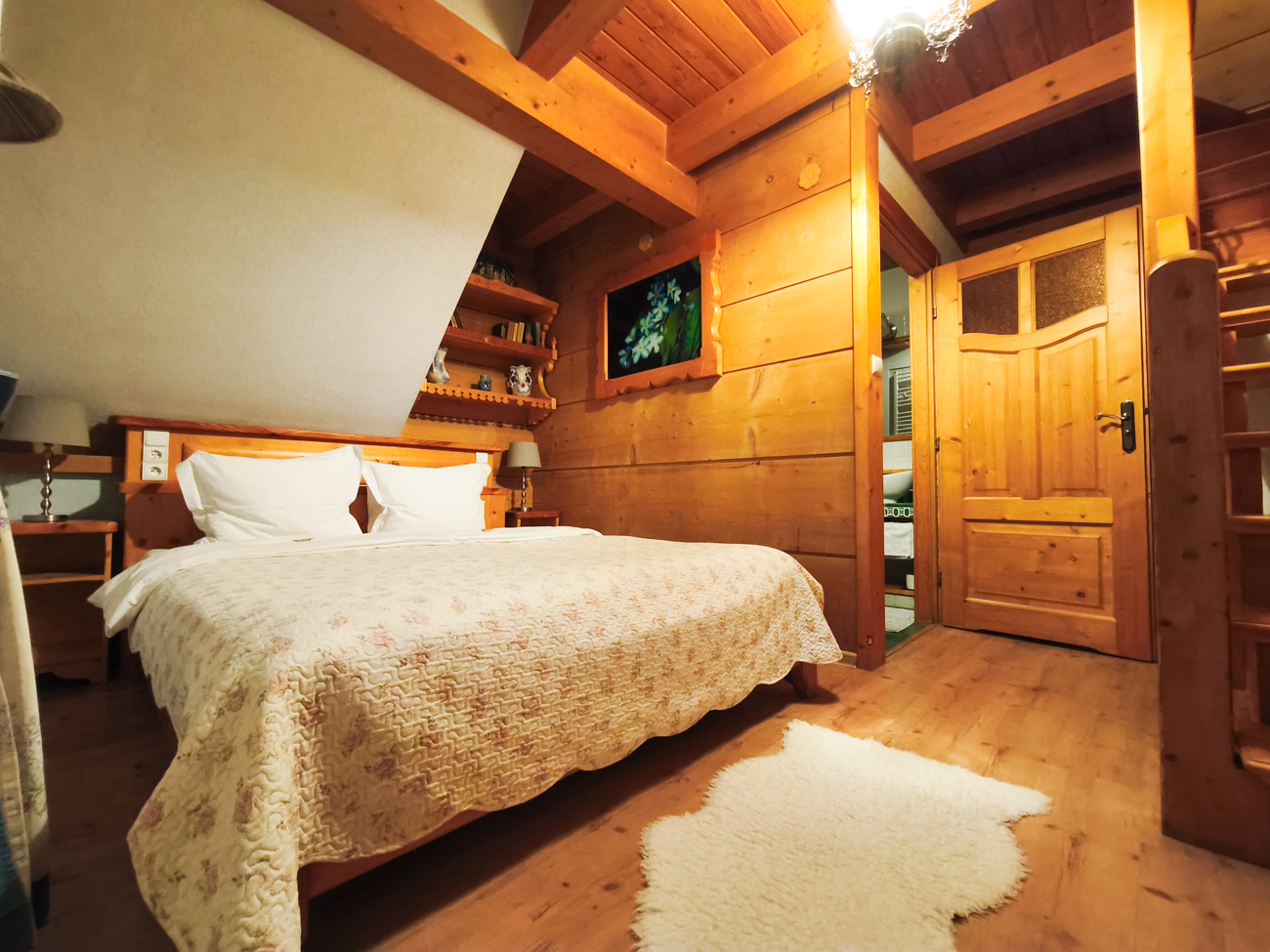
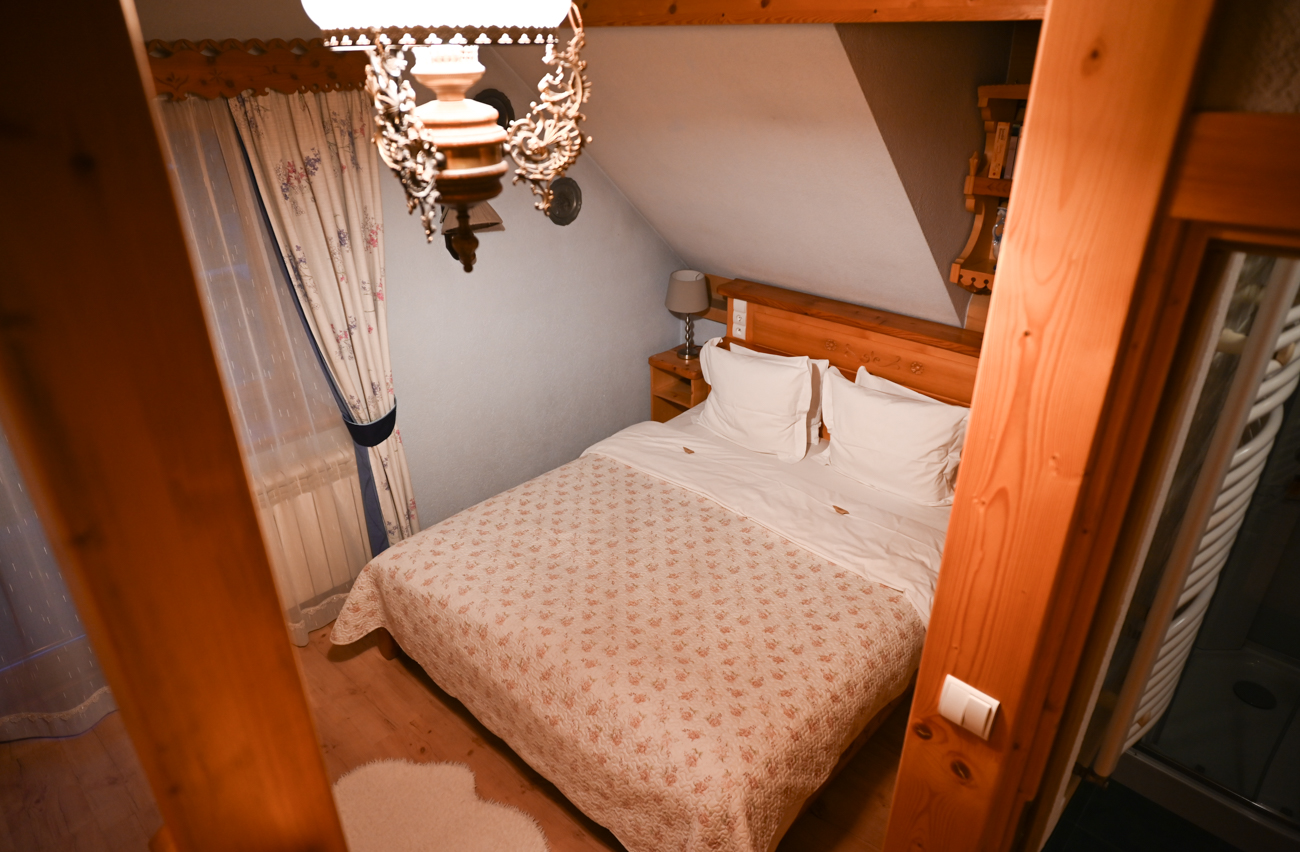
We almost wanted to stay put, wrap up warm and let the day end like that.
But no… our stomachs had other ideas.
So we went back out, starving, in search of a good dinner.
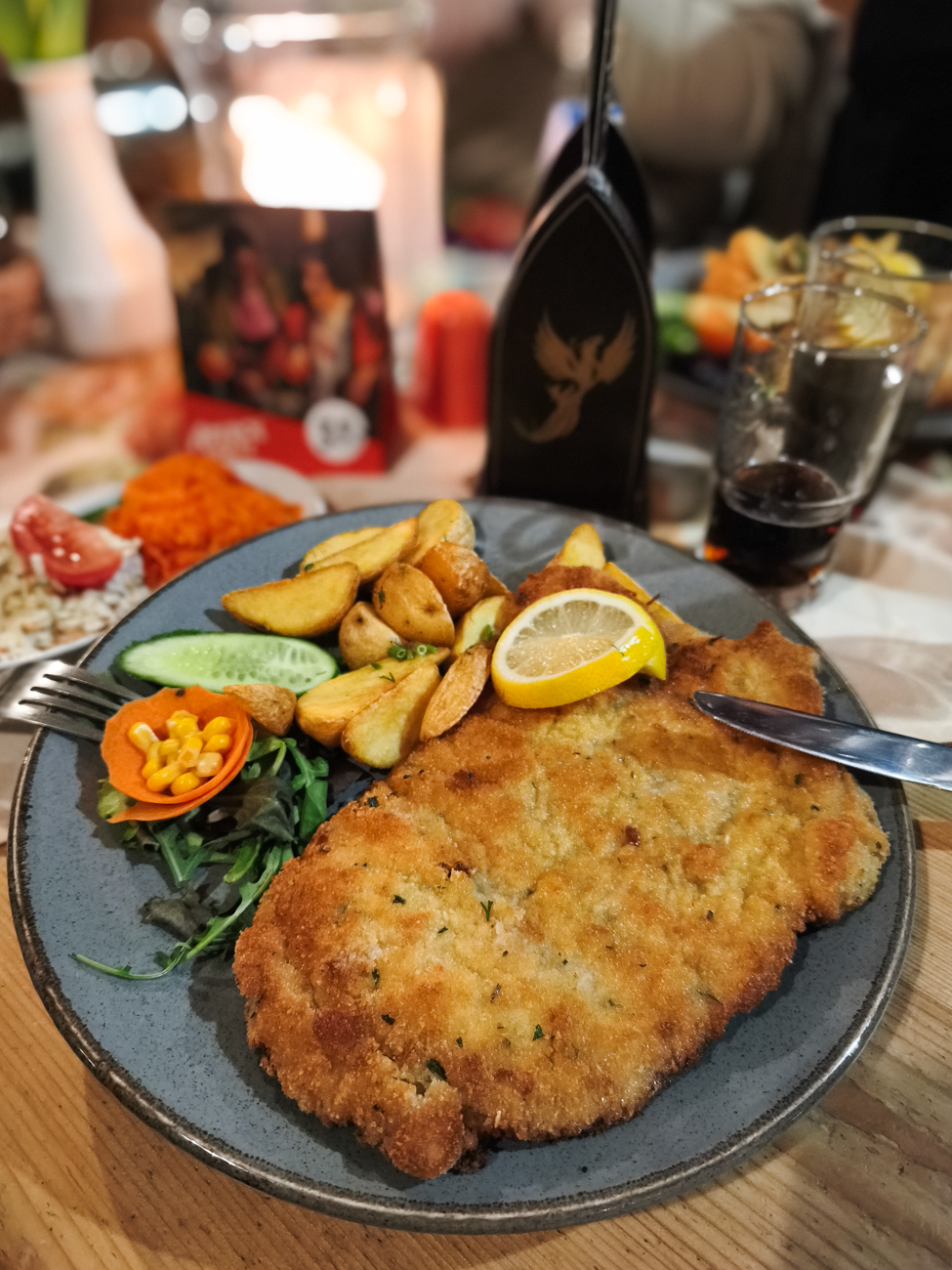
And for this first evening, I’d found a place that promised the perfect foodie break:Karczma Czarci Jar, a family-run place with a warm atmosphere.
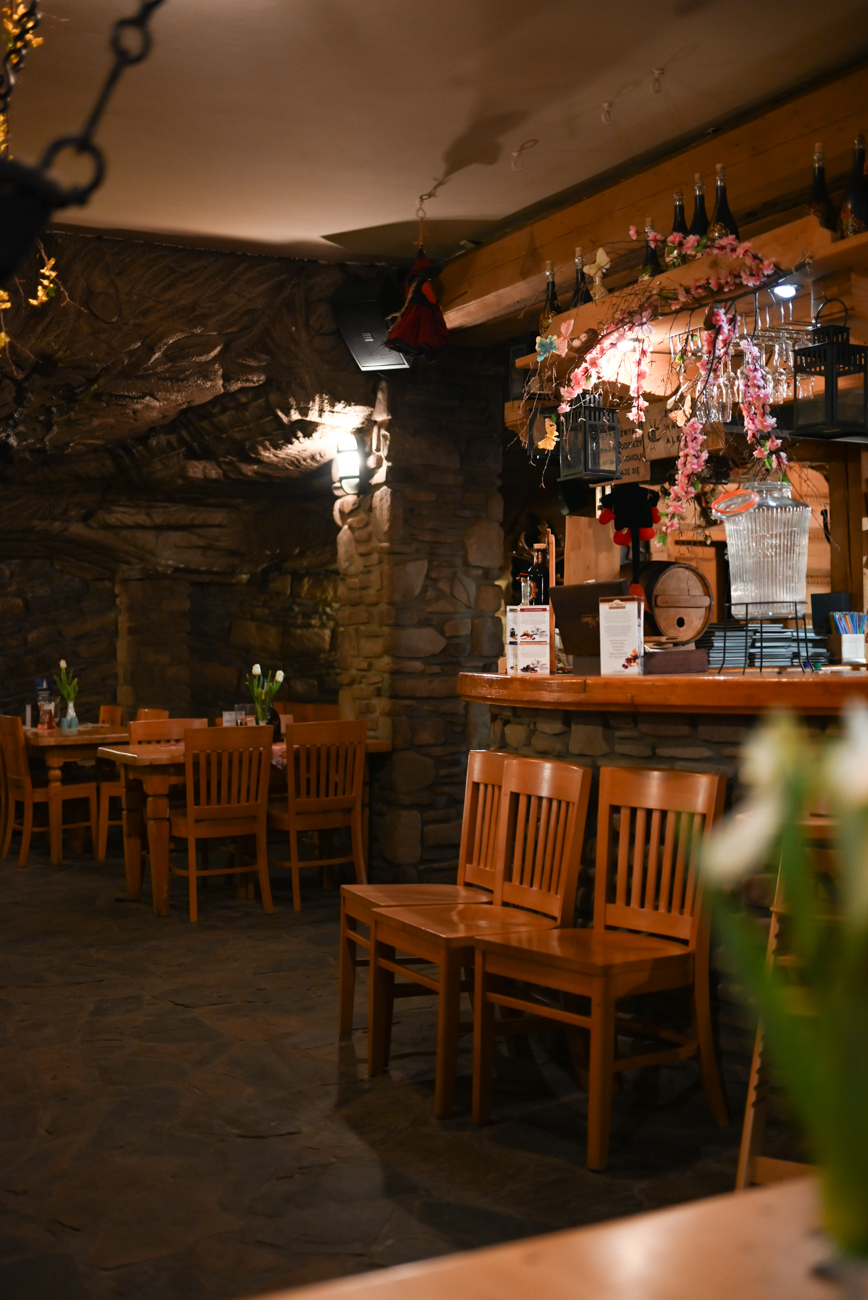
It’s in the tradition of the karczmas, typical inns of the Polish mountains, where you come as much to eat as to soak up the atmosphere. Rough wood, big tables, rustic décor… everything evokes the culture of the Górale, the Tatra highlanders.
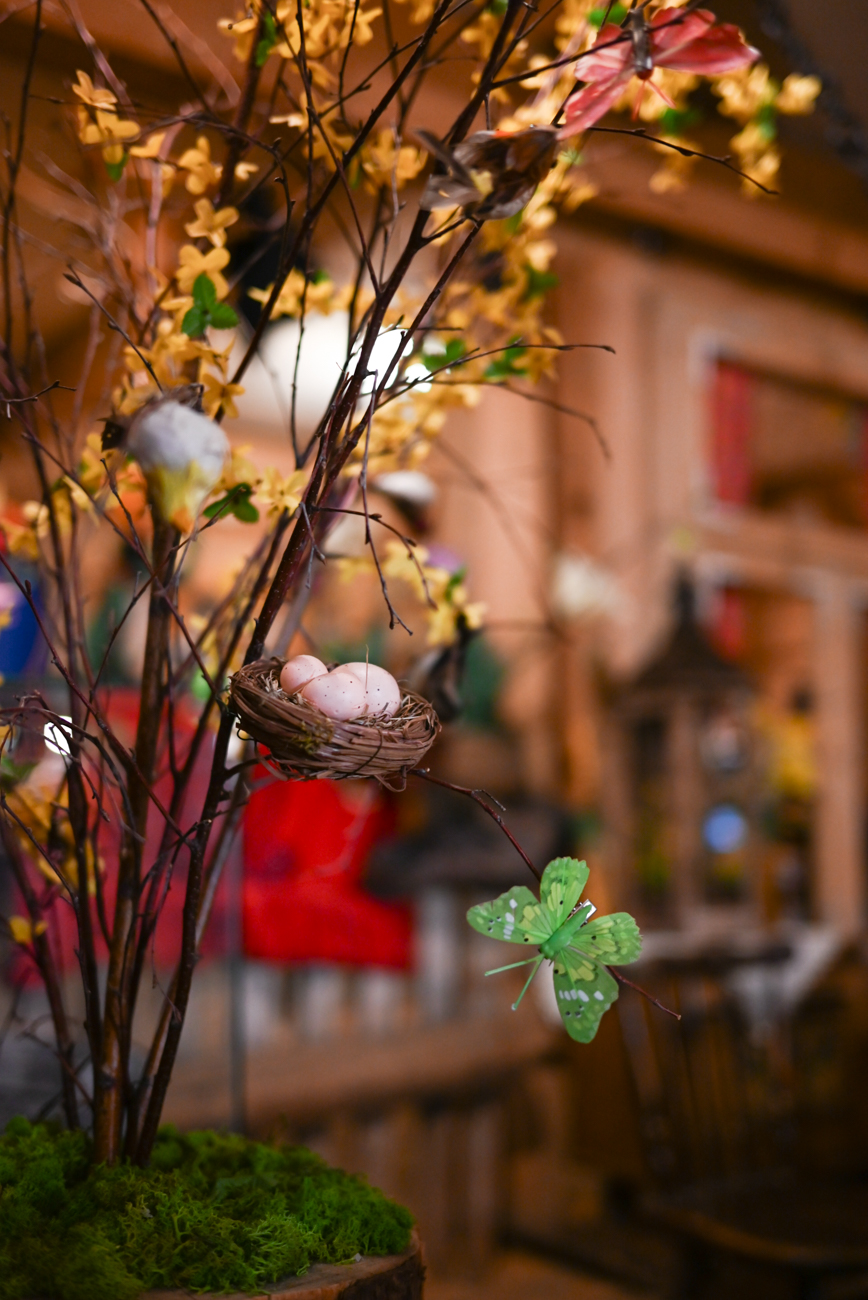
Here, the dishes, Polish of course, are cooked on site, in a typical, almost timeless atmosphere. The food is traditional, generous and full of flavour, with particularly well-judged seasoning. The waiter, both funny and attentive, also helped make the evening even more enjoyable. Well… I think I nailed it this time, didn’t I?
Day 2: the Kościeliska Valley and Lake Smreczyński Staw
Early in the morning, Zakopane woke up under a steel-grey sky. The peaks played hide-and-seek with the clouds as we put on an extra layer before setting off. The sky was heavy, almost threatening, and the forecast was for showers, even a little snow. Welcome to the Polish mountains in late April!
We decided to stick to the original plan anyway: a walk (recommended by AI, I’d like to point out!) of about 5 km around Lake Smreczyński, in the Kościeliska Valley, about thirty minutes from Zakopane.
We drove there and parked in a car park that was still empty at that early hour, before entering the national park and discovering that there’s an entrance fee (about 10–15 PLN).
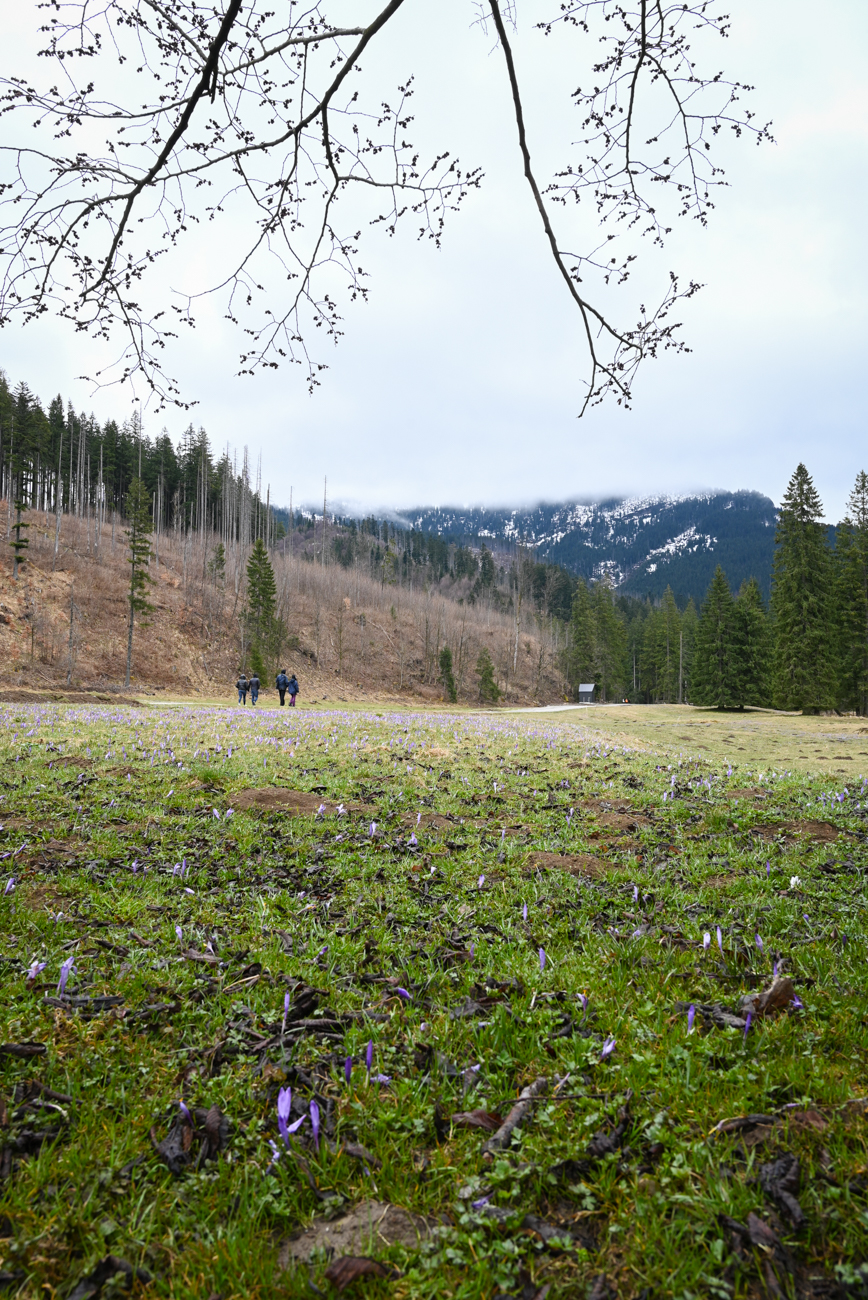
We were soon deep in the valley, following a river swollen by snowmelt. The scenery was gorgeous, almost mysterious in the mist wrapping the peaks, dotted with waterfalls and a few crocuses timidly announcing spring.
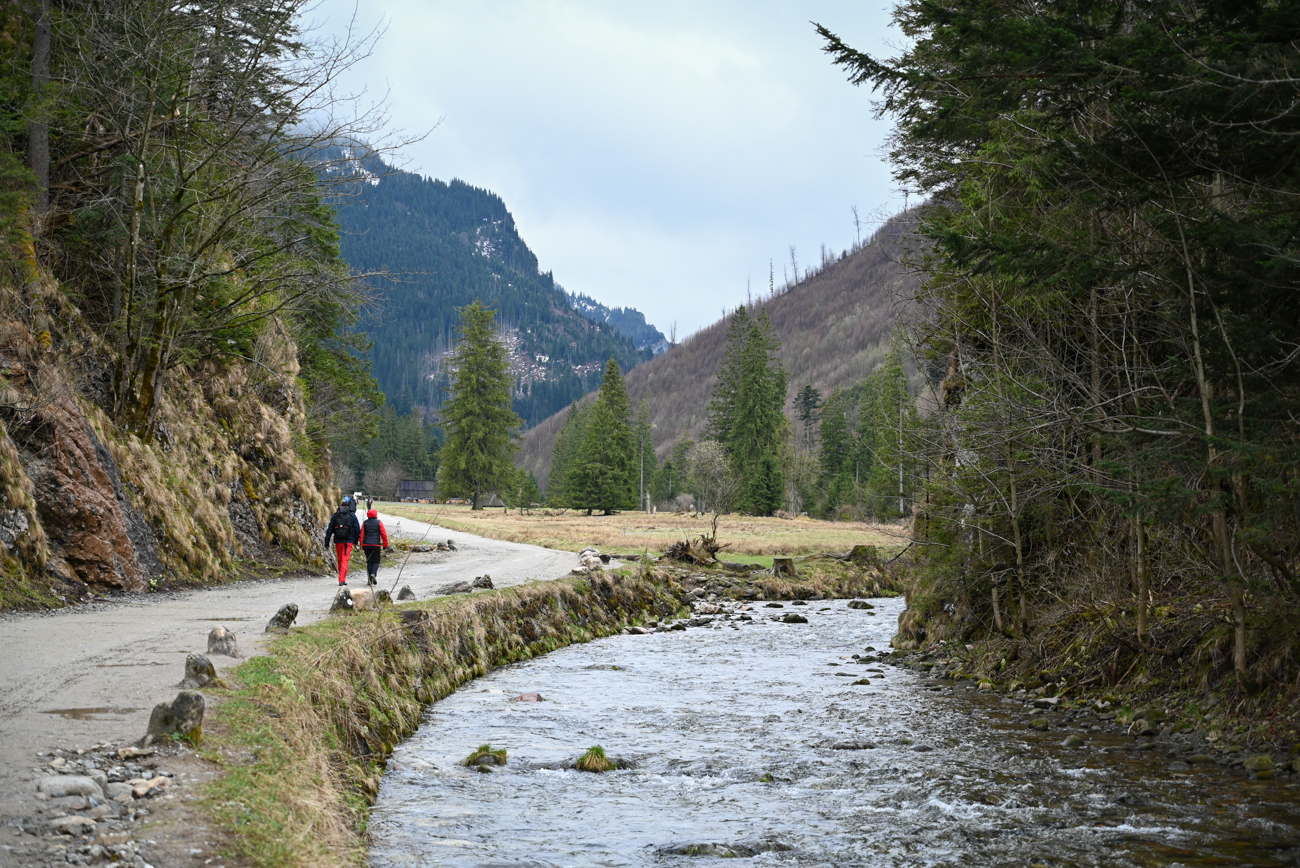
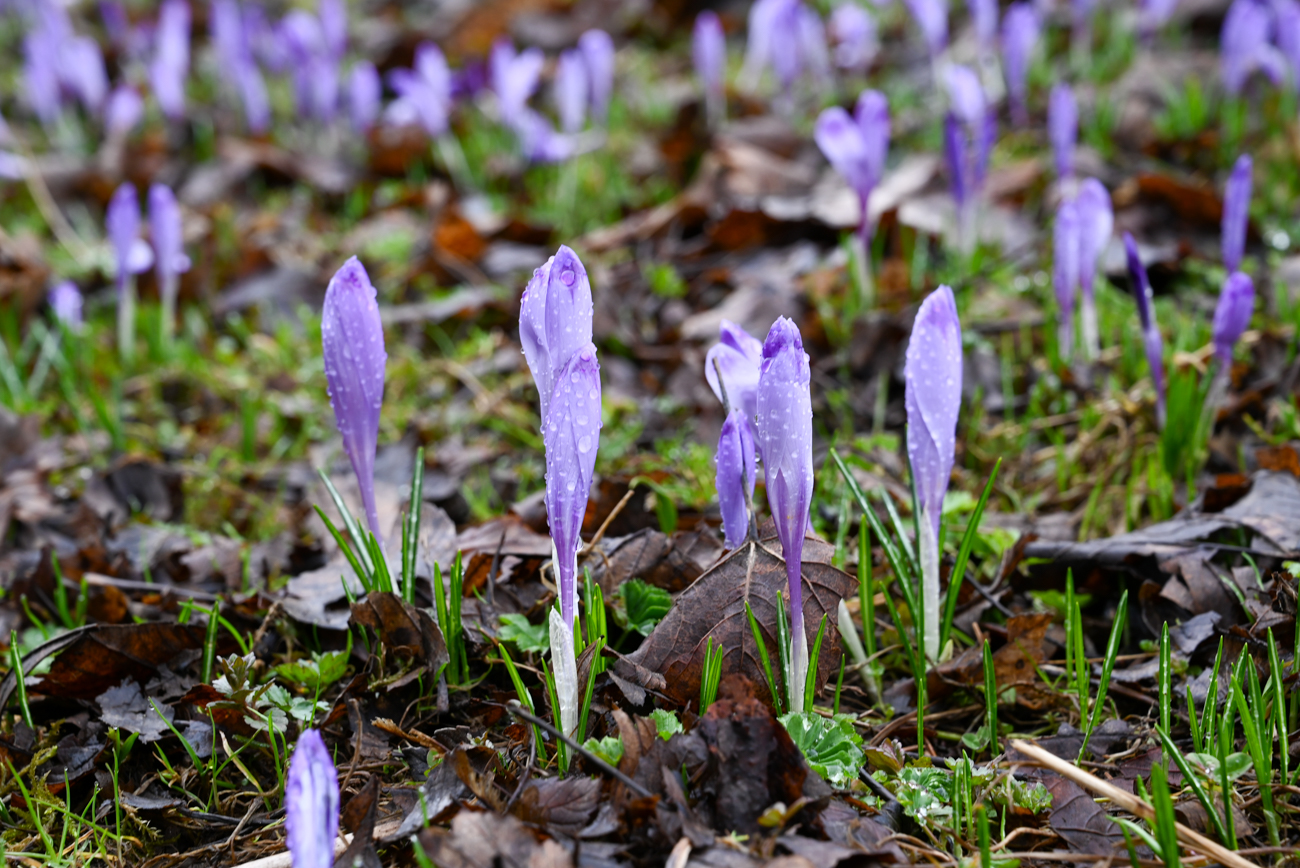
Despite its popularity, the site remains unspoilt and the hike is particularly pleasant. Many trails criss-cross the park: we followed the one to the lake, but there are plenty more to explore.
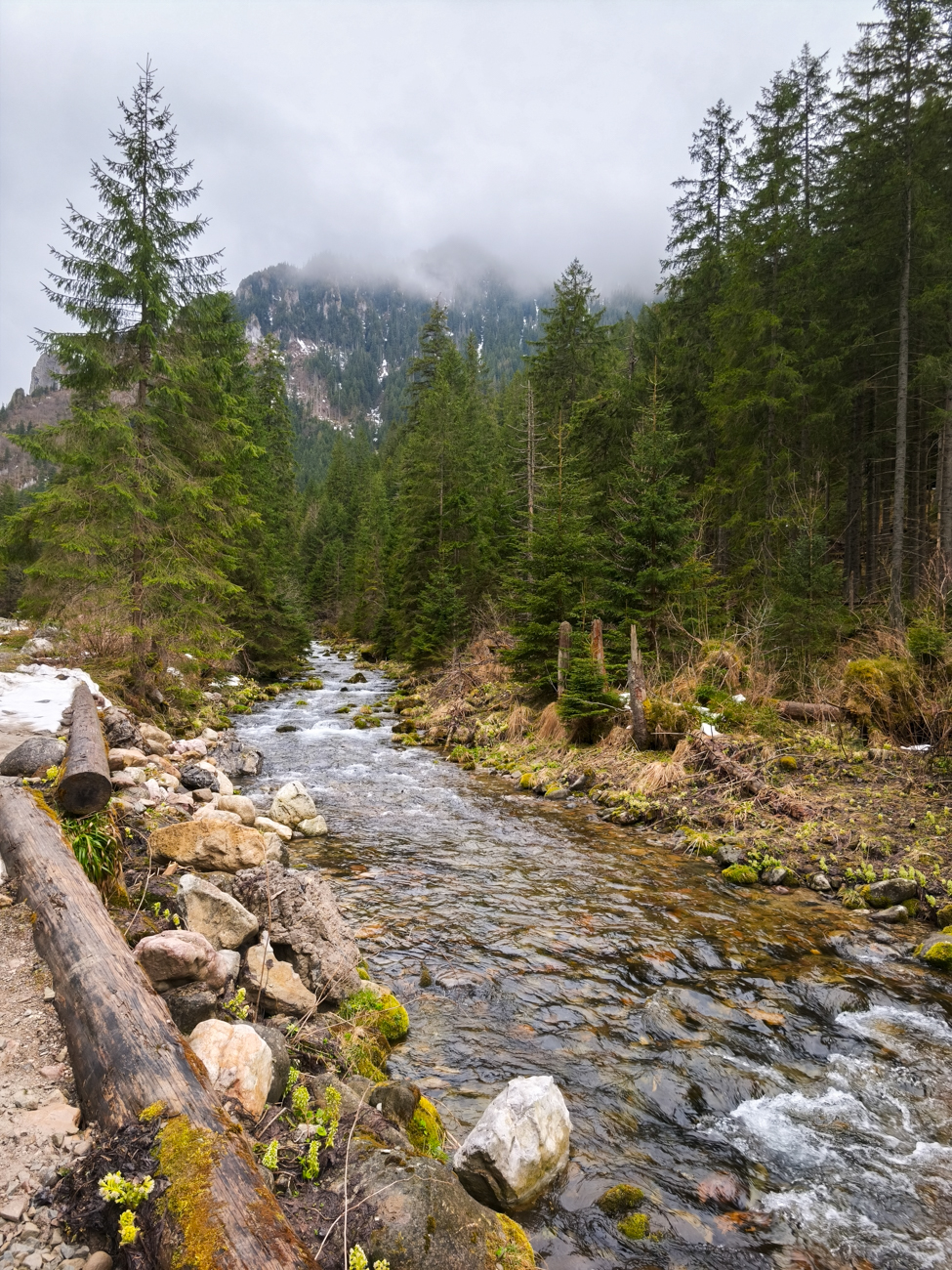
But after an hour’s walk… still no sign of the lake.
With no signal, we went on instinct, until two women we passed told us there was “only a kilometre” left.
A good half-hour later… still no lake in sight. That’s when we realised we clearly didn’t all have the same definition of “a kilometre”. ^^’
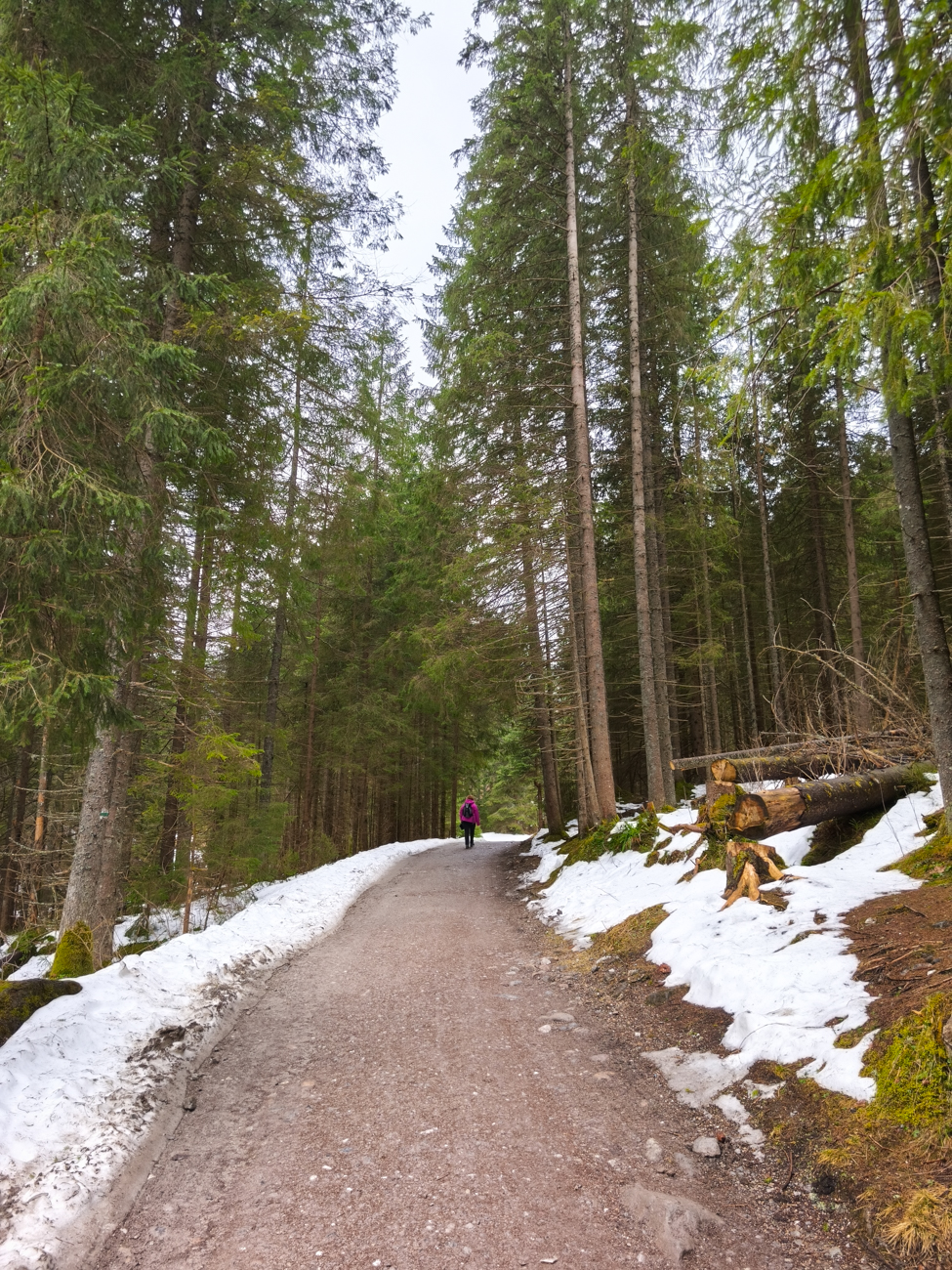
In fact, you have to earn the lake: almost 7 km to reach it, so about 14–15 km there and back, with 200 metres of elevation gain. (Thanks, ChatGPT, for the advice 😄) A “little walk” just how we like them… or almost.
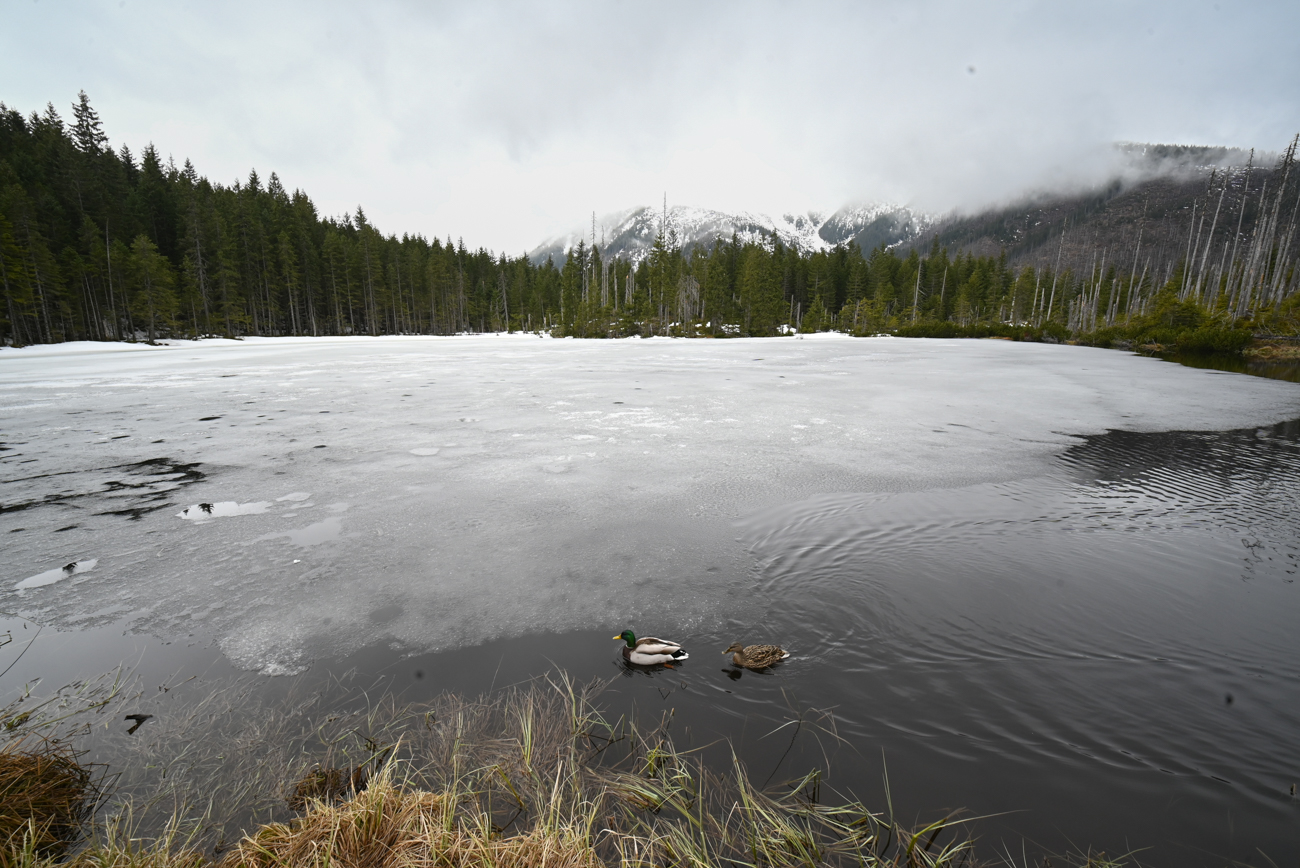
When we arrived, in late April, we burst out laughing: the lake was still frozen.
It’s the journey, not the destination, right?
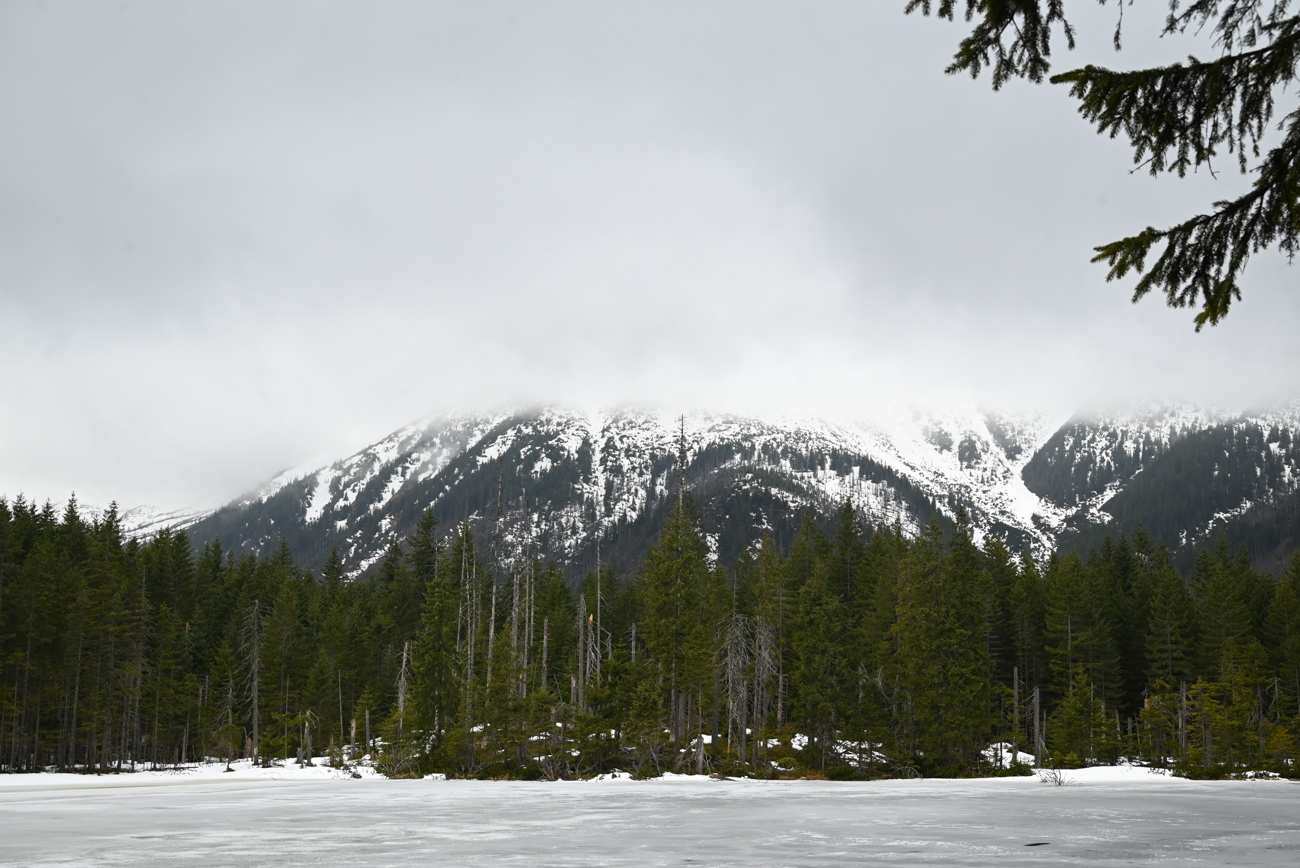
Around the edges, the ice was starting to give way, revealing a few patches of water where ducks came begging for crumbs. We took time to enjoy it, then started back down, which was tougher than expected… The paths were still partly covered in snow and sometimes slippery, as Mélanie painfully found out. The cold was starting to bite. The wind was icy, and after several hours of walking in the damp, our bodies were getting seriously chilled.
Motivated by the thought of a good slice of cake and a hot chocolate, we finally made it back to the car park and the restaurant next to it… A well-deserved sweet break.
A little surprise: the valley is also home to bears. One of my followers even told me she’d come across a mother and her cubs there, with a video to prove it. That gives the place an even wilder feel.
Despite these little hitches and a few changes to the plan, I can only recommend the place. In summer, under a sunny sky, the colours must be almost magical. The walk is probably gentler with a few more degrees, and above all, Lake Smreczyński Staw is well worth those few kilometres, with its beautiful reflections and intimate atmosphere.
That said, by then it was already getting late, and after this long day, we decided to head straight back to Kraków. We still had almost 1 hr 45 of driving ahead. The plan: do some shopping on the way, then settle into our apartment for the evening.
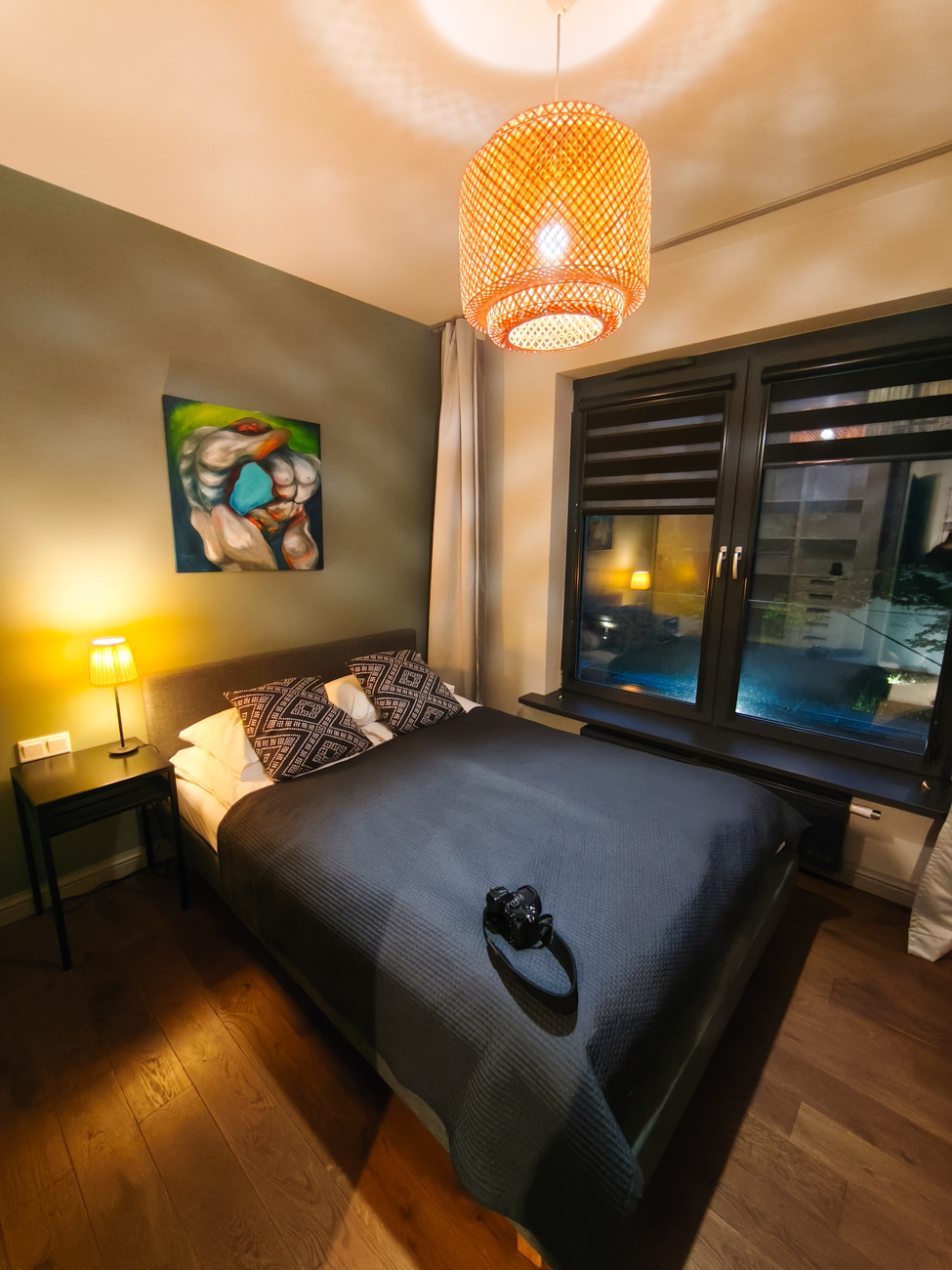
And above all… warm up. We were completely frozen. All we dreamt of at that moment was a hot shower and cleaning our mud-covered shoes and trouser hems! Luckily, the apartment we’d rented had a washing machine, with detergent provided. -> To book one or more nights in this apartment, it’s this way.
A small detail, perhaps, but very much appreciated after a day like that.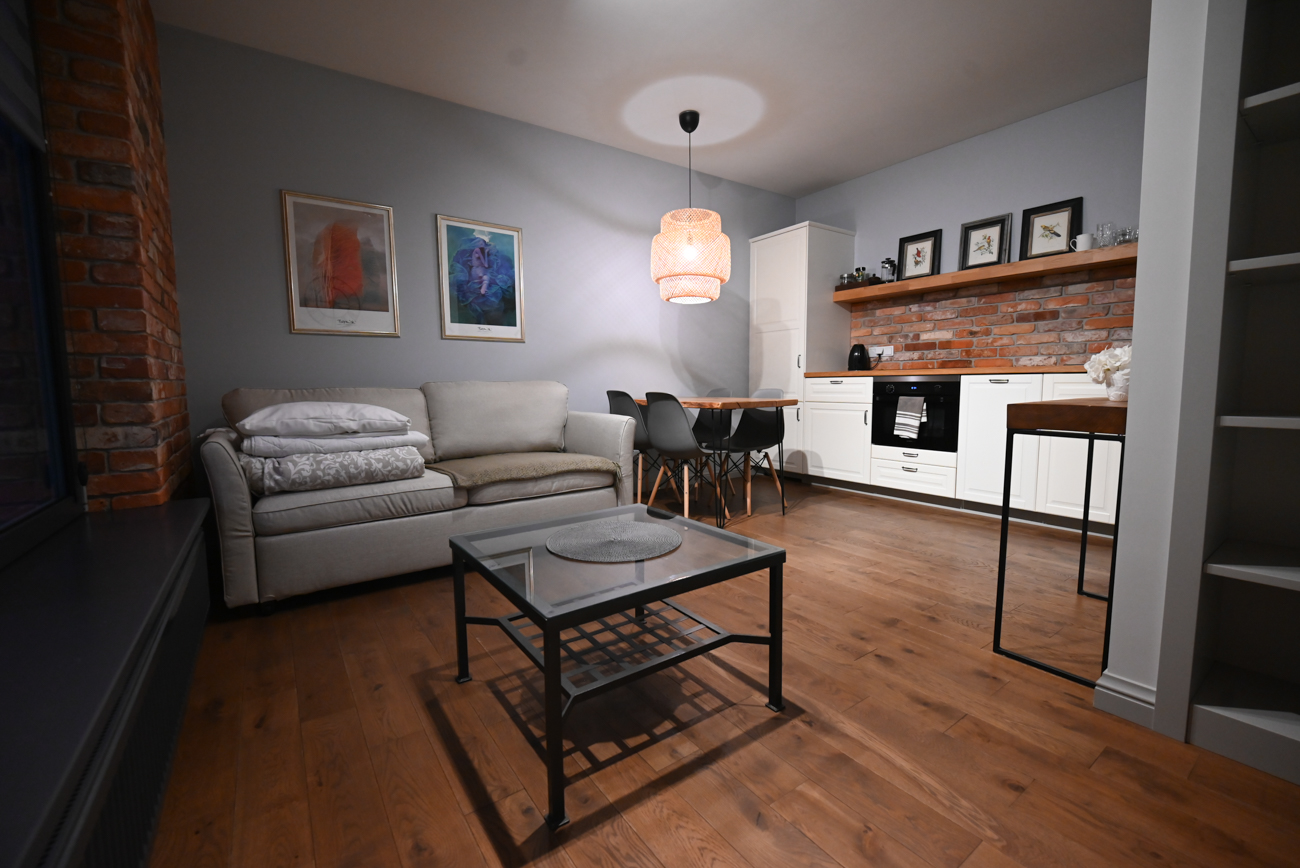
Day 3: Back to Kraków. Around Kraków
Mist still hung between the cliffs as we set off for Ojców National Park, the smallest national park in Poland, about half an hour north of Kraków.
Fairly little-known, it isn’t well documented, and I struggled to picture a clear route for exploring it.
At the time, I didn’t really know what to expect, which made the exploration a bit vague… but also more spontaneous. So we decided to wander in at random.
First stop: the Pieskowa Skała Castle, known for its architecture blending Gothic, Renaissance and Baroque styles. We stopped briefly, but soon realised it wasn’t really what we were after that morning. I didn’t particularly want to spend hours visiting a castle… At the start of spring, I mostly needed fresh air and nature, especially with much kinder weather than the day before.
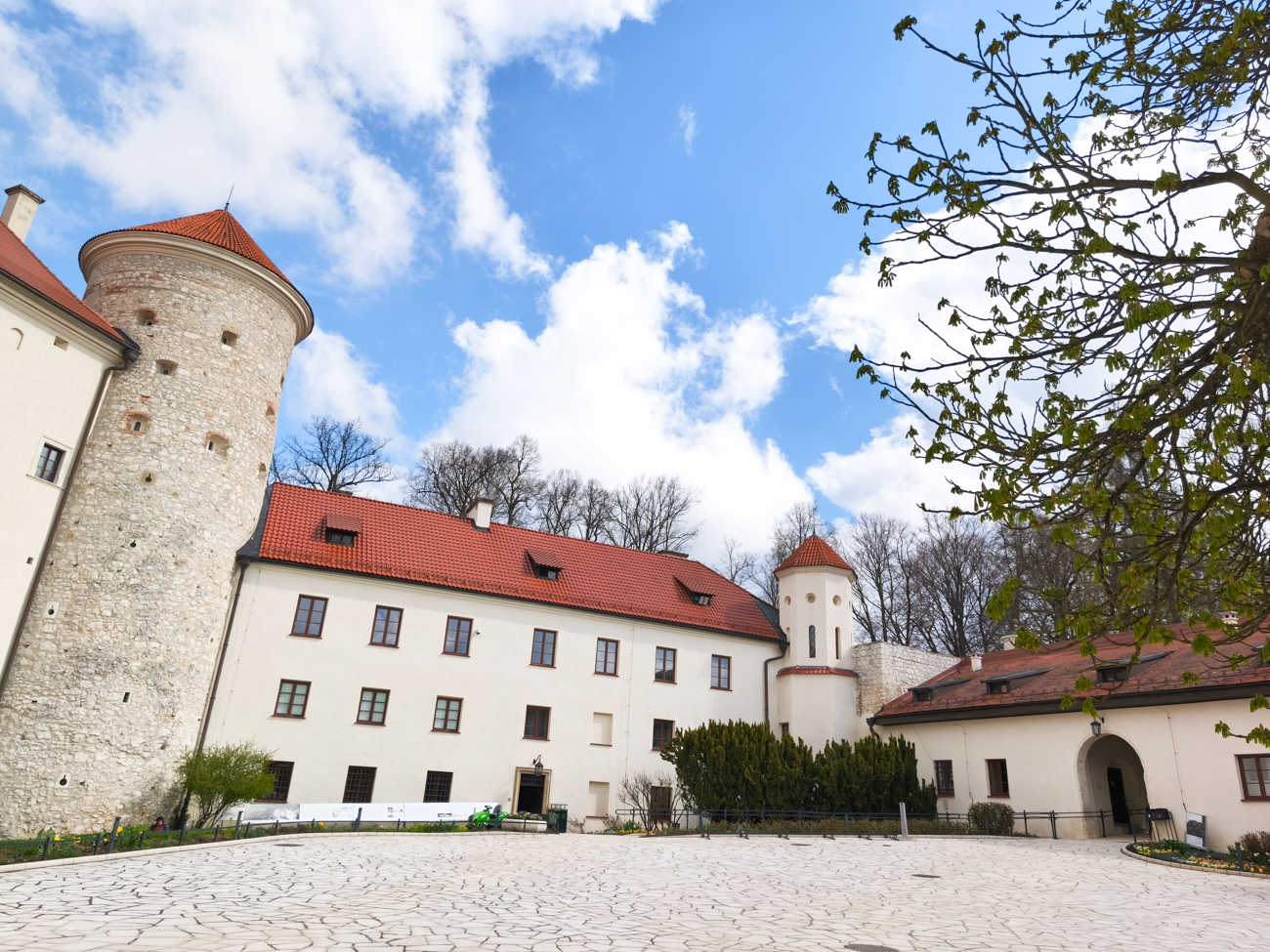
We still made a quick stop nearby to photograph the famous Hercules’ Club rock. Second stop: Ojców Castle. Far less well preserved (you could say that again, as only ruins remain today), it actually marks the entrance to the heart of the park.
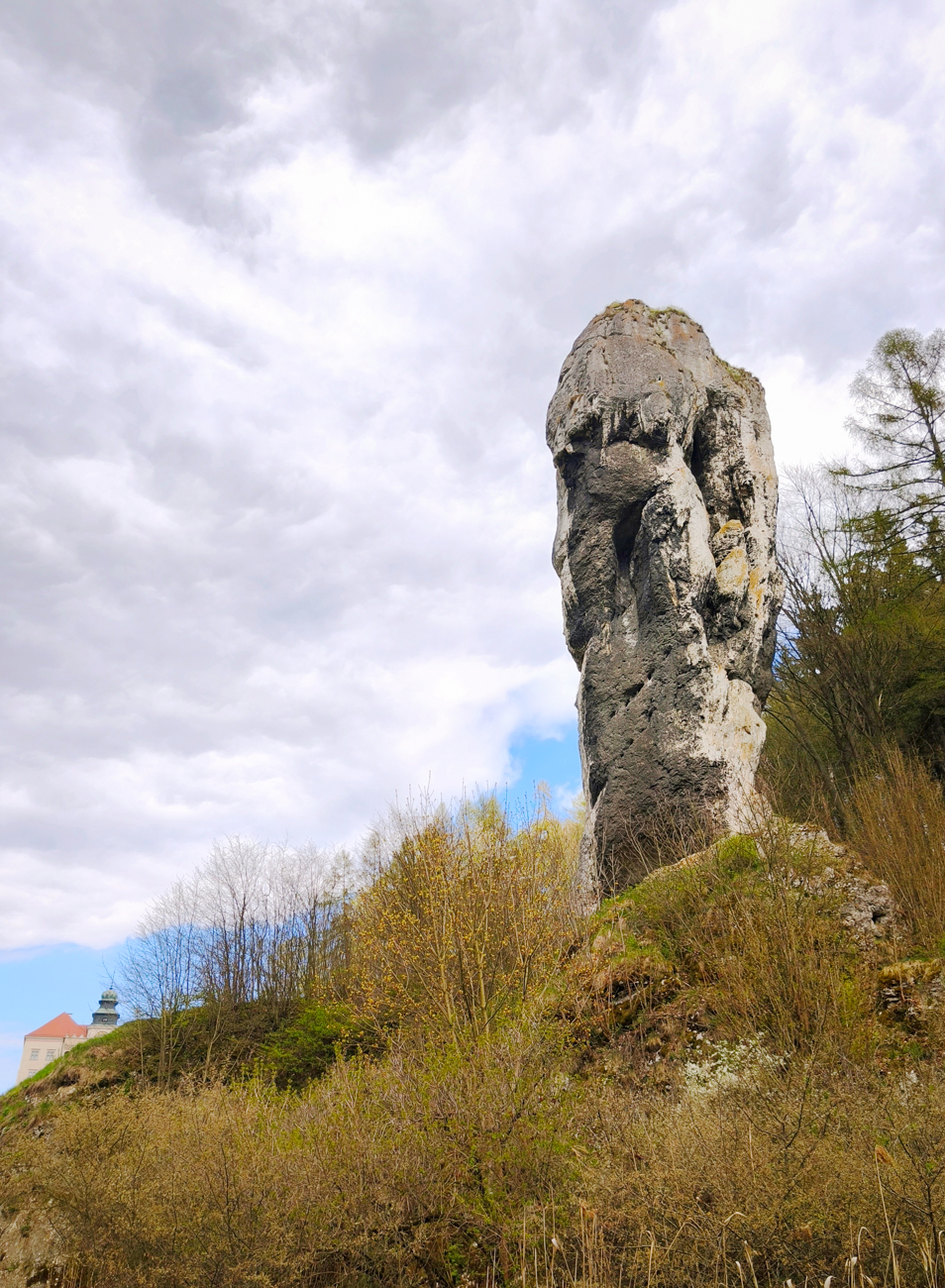
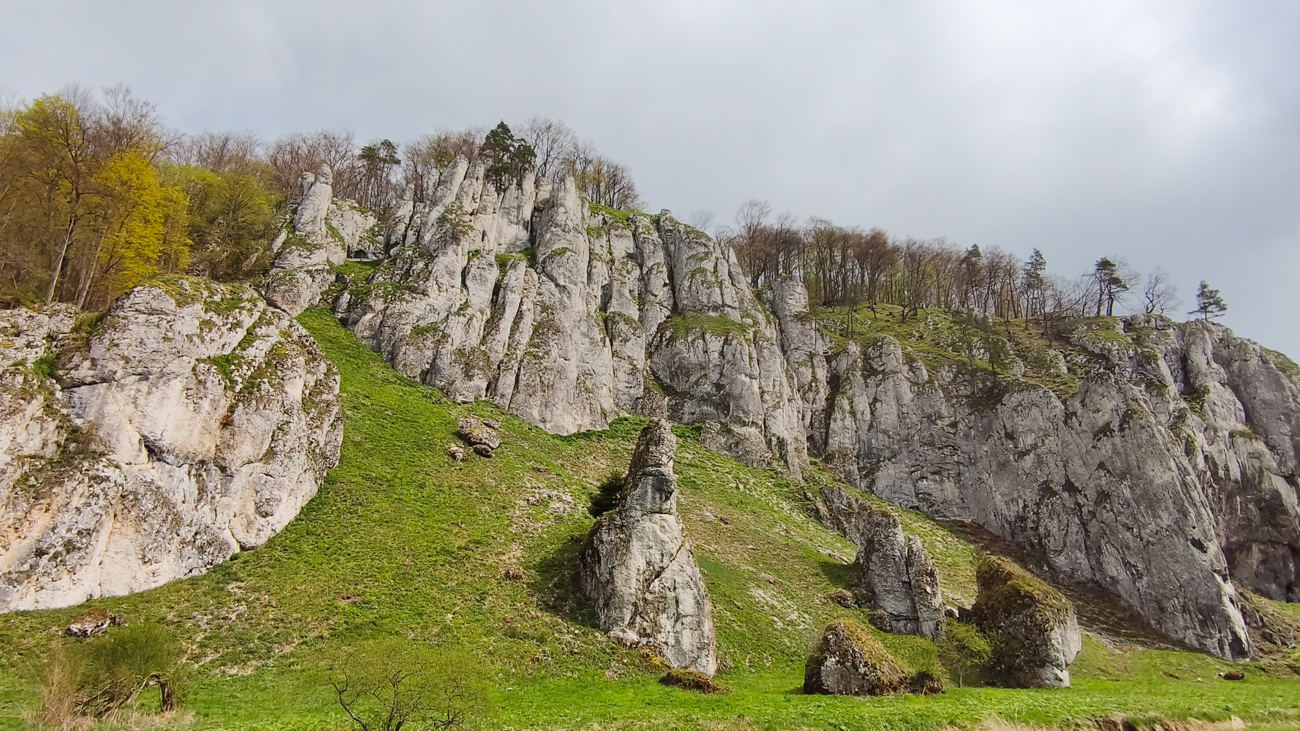
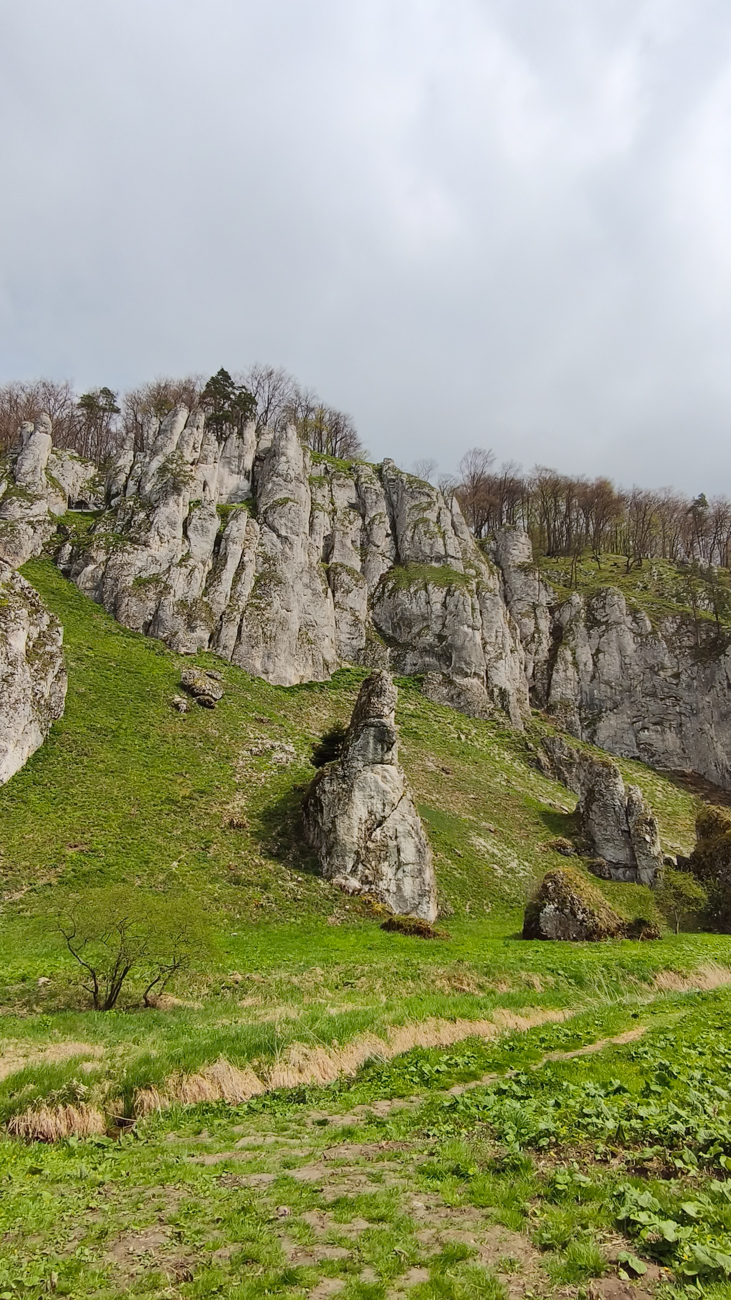
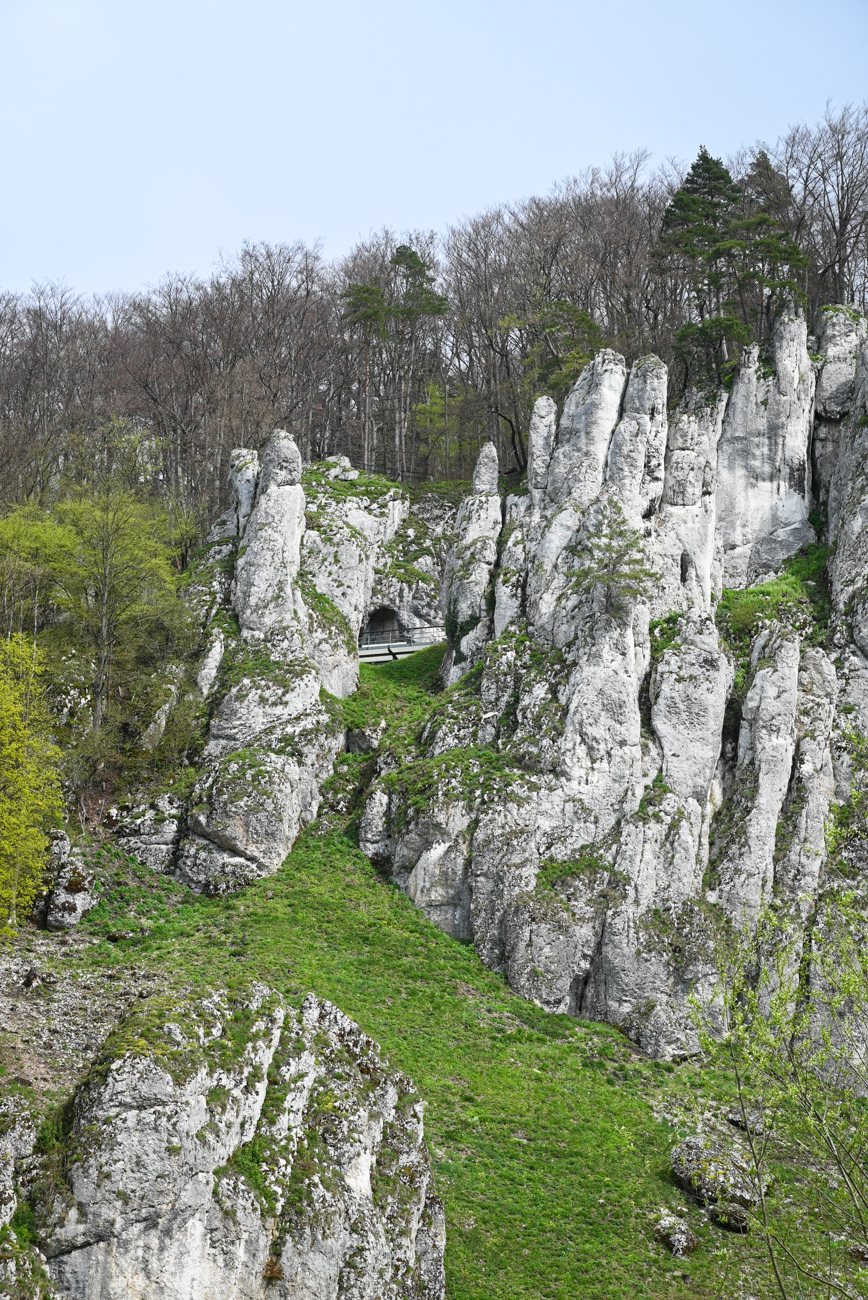
This is where several hiking trails start, following the Prądnik rivertowards the park’s main sights: the Kraków Gate, many caves, and Rękawica Rock, a rather unusual rock formation resembling a five-fingered hand.
After taking on the first real challenge of the day, aka figuring out the parking meter (let’s just say you’d almost need a degree in Polish to manage it), we decided to take a closer look at these rocks.
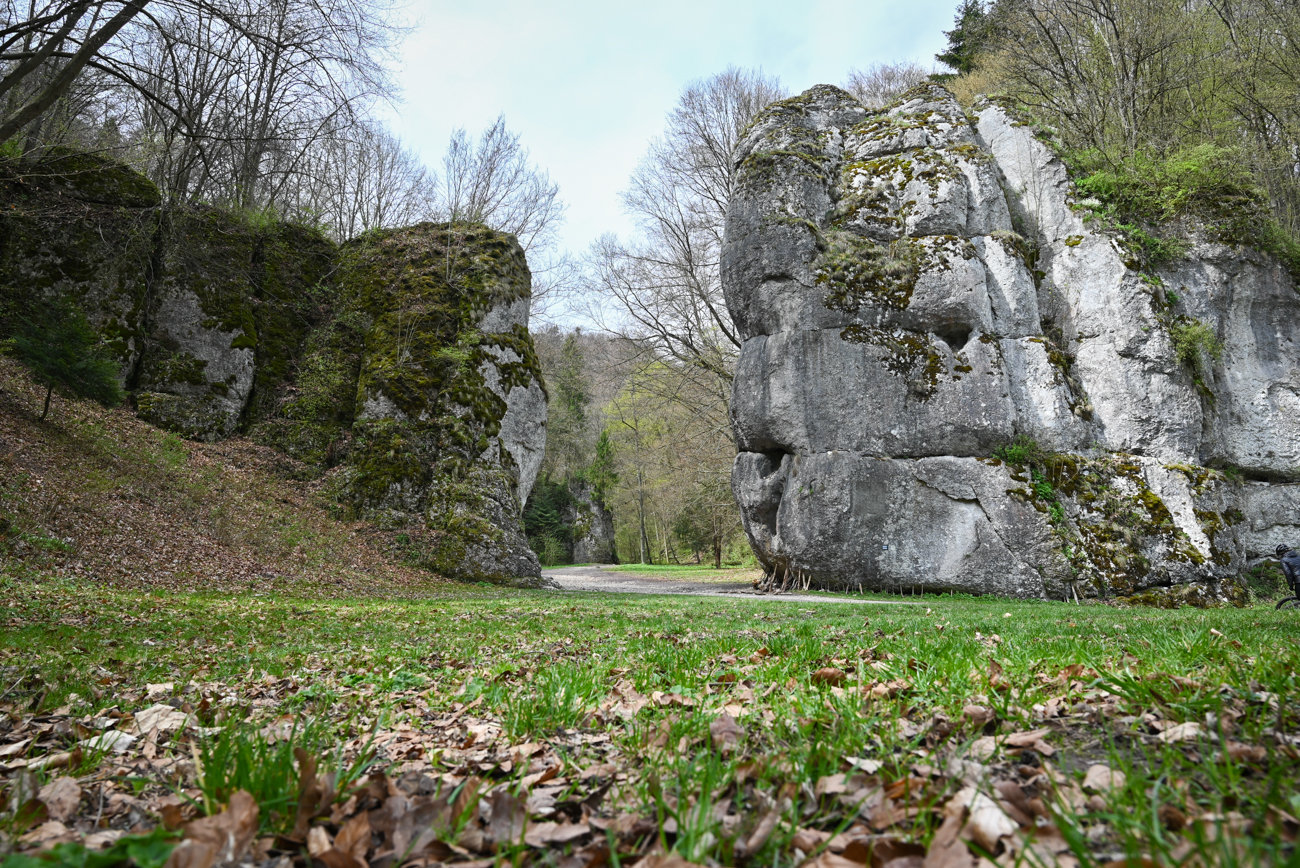
The atmosphere was peaceful. There was hardly anyone around. The place was calm, soothing, almost silent. Here, the river flows gently, far from the roar of mountain torrents. Around us, the limestone cliffs gradually closed in, revealing here and there the entrances to a few caves. The setting is very different from the Tatras: gentler, but just as much of a change of scene.
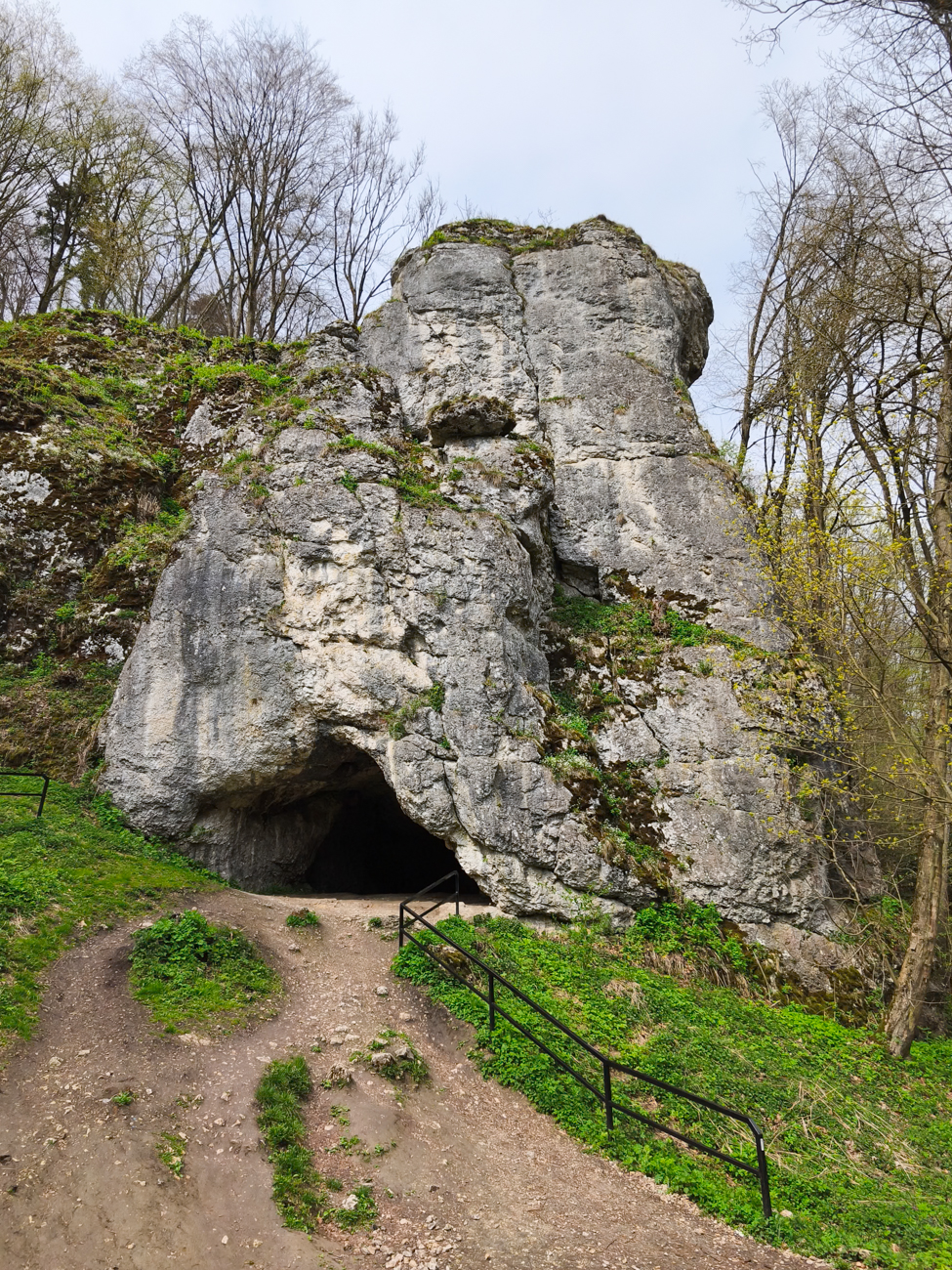
Along the path, we spotted the Kraków Gate and several caves… then reached our destination, about half an hour’s walk away, without even realising: the rock formation isn’t really signposted and blends in with the other rocks around it. You almost need to know what you’re looking for and, above all, find the right angle to make out the famous “hand”.
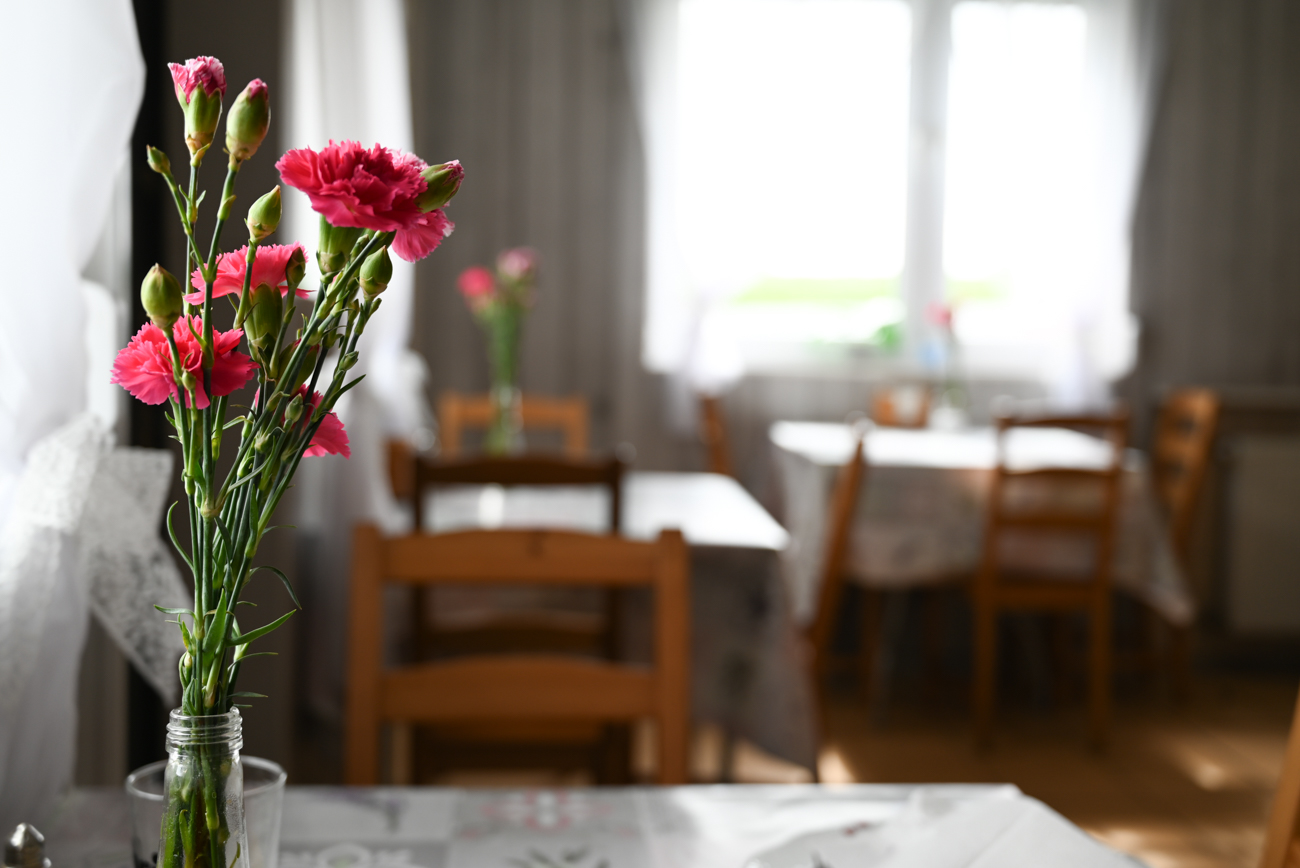
The walk had given us an appetite, and as we were due at the Wieliczka Salt Mine at 3pm, we decided to eat at a small, unpretentious restaurant in the park: Pierogarnia Babci Marysi.
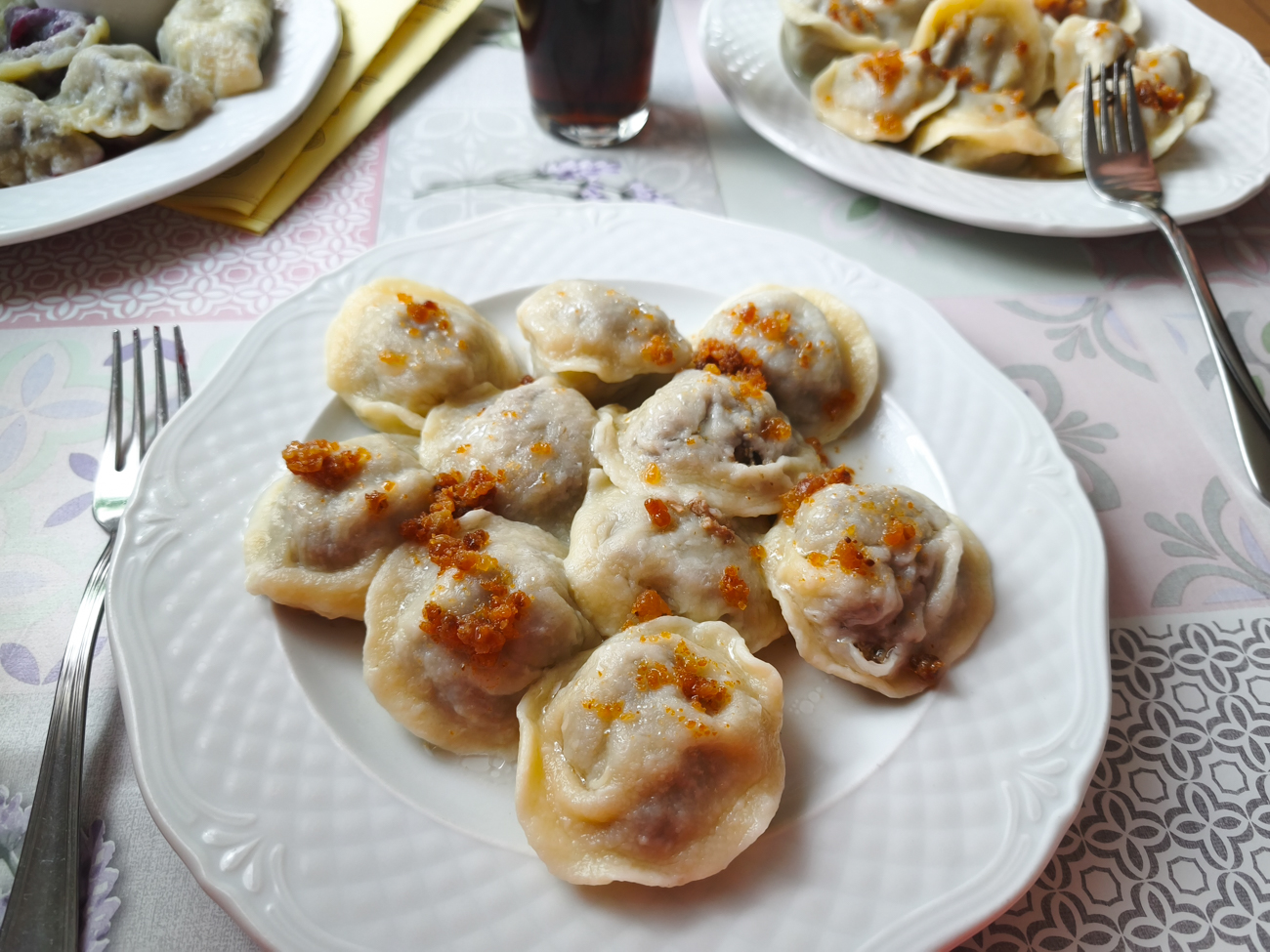
Set in a roadside bungalow, the place doesn’t look like much… The rather cold welcome almost made us want to turn back. But we were in a hurry and couldn’t look for anything else. We sat down, a little doubtful. And yet… what a lovely surprise. We discovered the famous pierogi, Polish stuffed dumplings with a slightly soft dough. A treat. The gorgonzola and honey ones are a real gem.
We’d been strongly advised to visit the Wieliczka Salt Mine before leaving. A must-see, almost mythical, and a UNESCO World Heritage Site.
I’d deliberately avoided looking at too many pictures to keep the element of surprise. So I arrived with no particular expectations, just curious.
Visits are only in groups, accompanied by a guide. You’re given headphones, a real plus for following the explanations along the route. Tours in French run daily at 12:15pm and 3:15pm(tours are also offered in English and other languages), but slots go fast… It’s best to book a few weeks in advance.
We then followed our guide for an organised exploration of the depths.
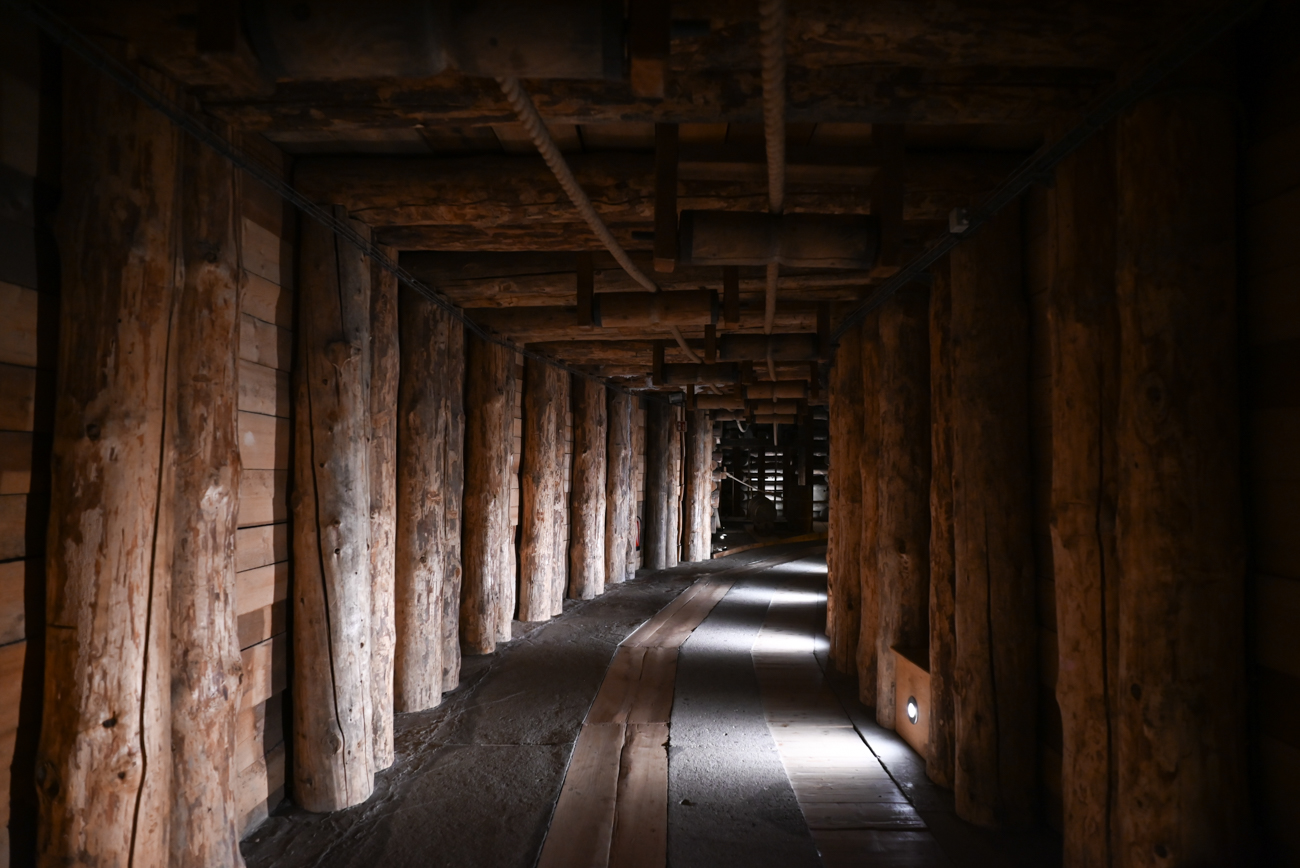
Down we went. First stage: a descent of about 400 steps. Impressive on paper, but actually quite manageable. The steps are even and well maintained, and the pace brisk but sustainable! Unless you have real joint problems, it’s no particular difficulty.
We quickly realised, however, that you have to keep up: everything is perfectly orchestrated and timed, and groups follow one another like a well-oiled machine. It can be a bit frustrating at times, but it also avoids waiting.
On the way down, the guide began to trace the history of the place. Mined from the 13th century until 1996, Wieliczka is one of the oldest mines in Europe. Today, you only see a tiny fraction of it: more than 245 km of galleries, spread over nine levels, down to a depth of 327 metres.
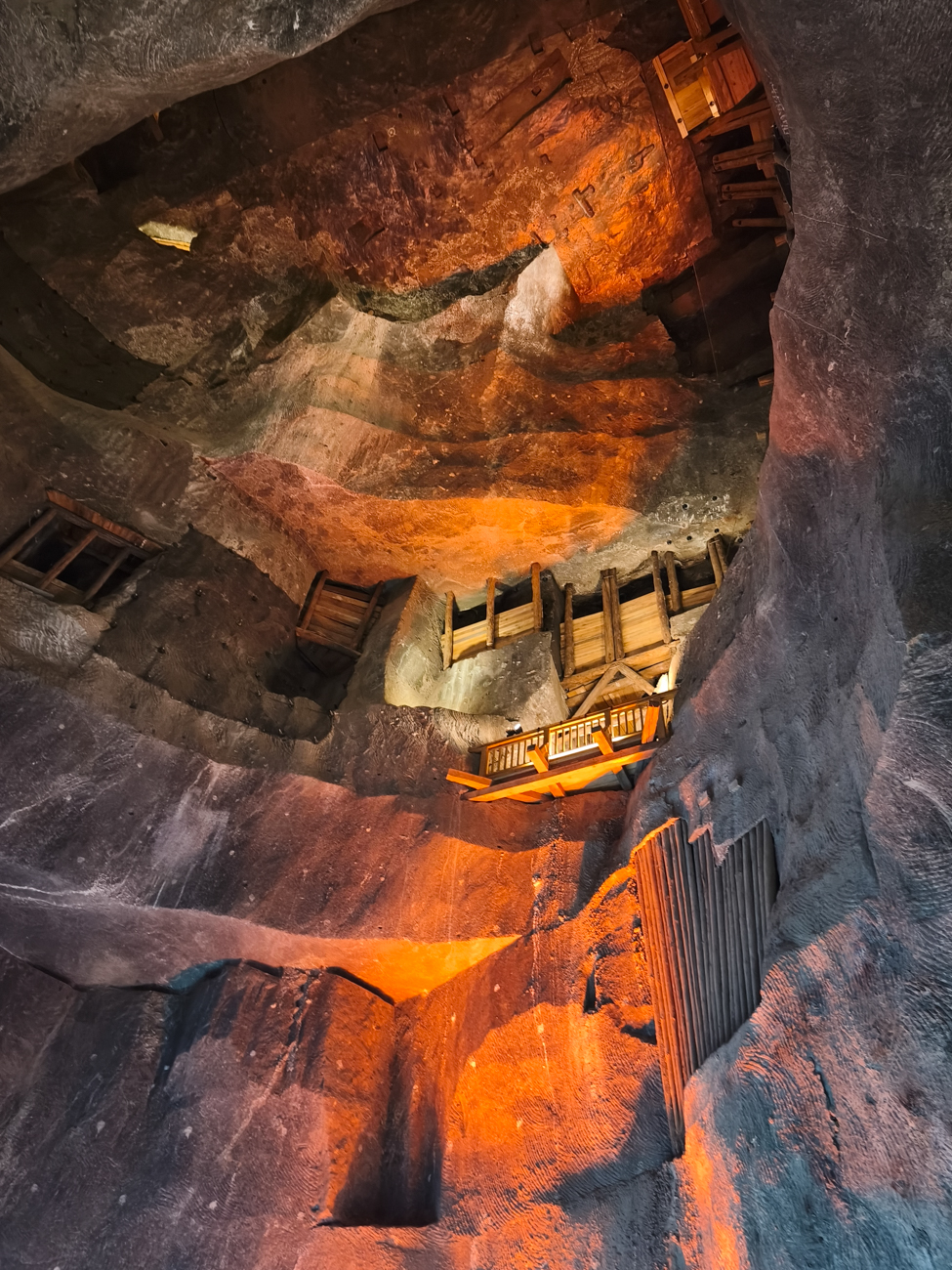
And then, very quickly… you completely forget where you are. Mordor, perhaps?
Inside, the temperature stays constant all year round, at around 14–16°C (57–61°F), and the air is surprisingly dry, very different from ordinary caves.
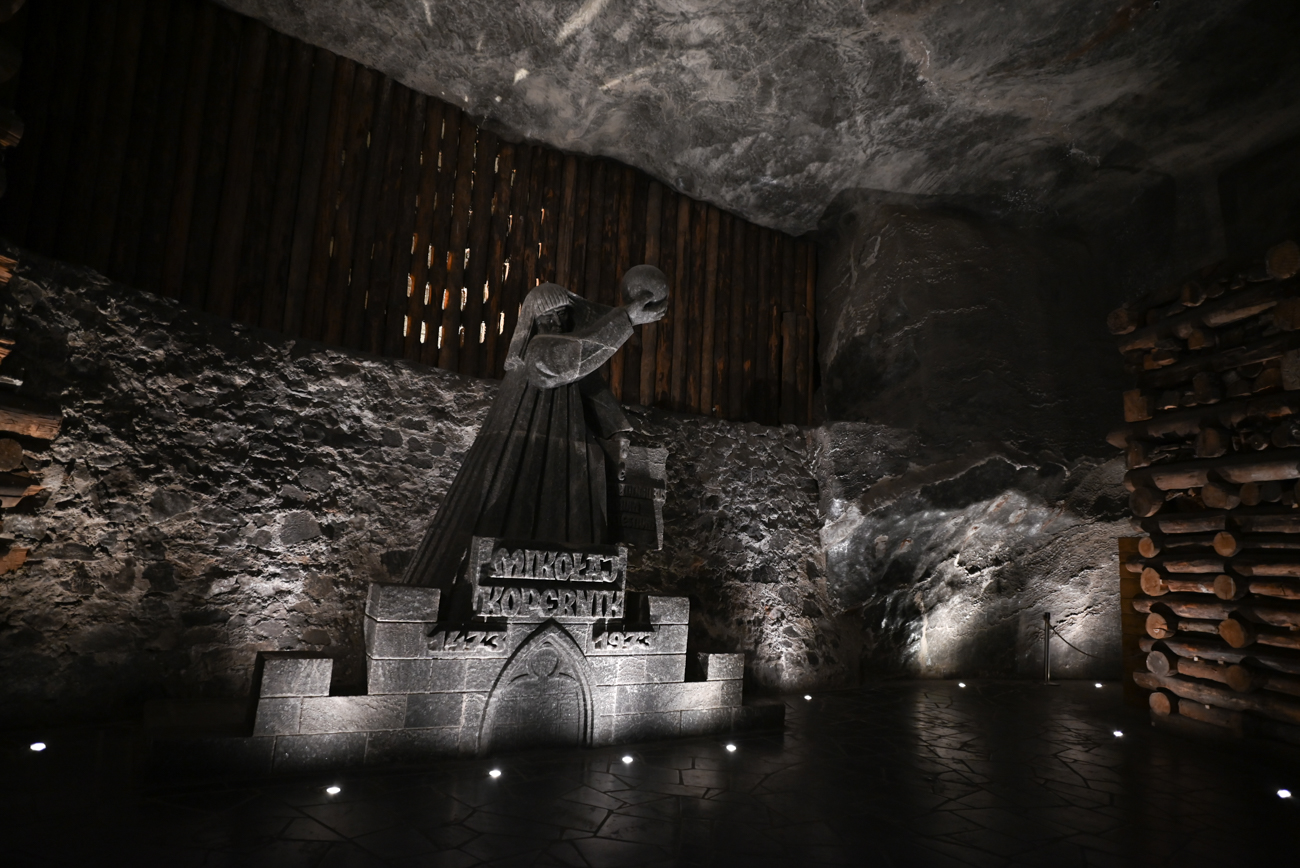
You walk through galleries carved out of salt, opening onto huge chambers, also carved out of salt. Everything is sculpted: the floors, the walls, the ceilings… down to the smallest details.
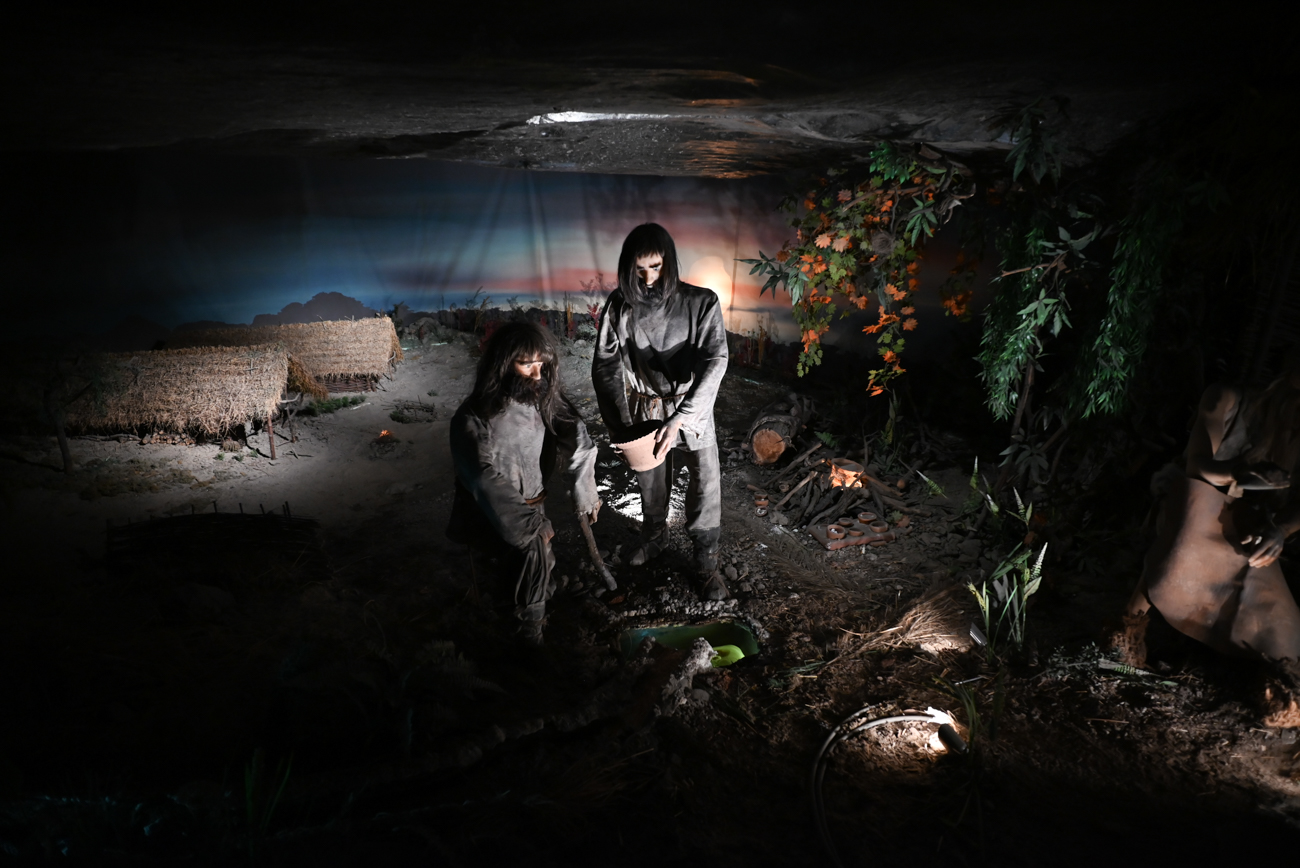
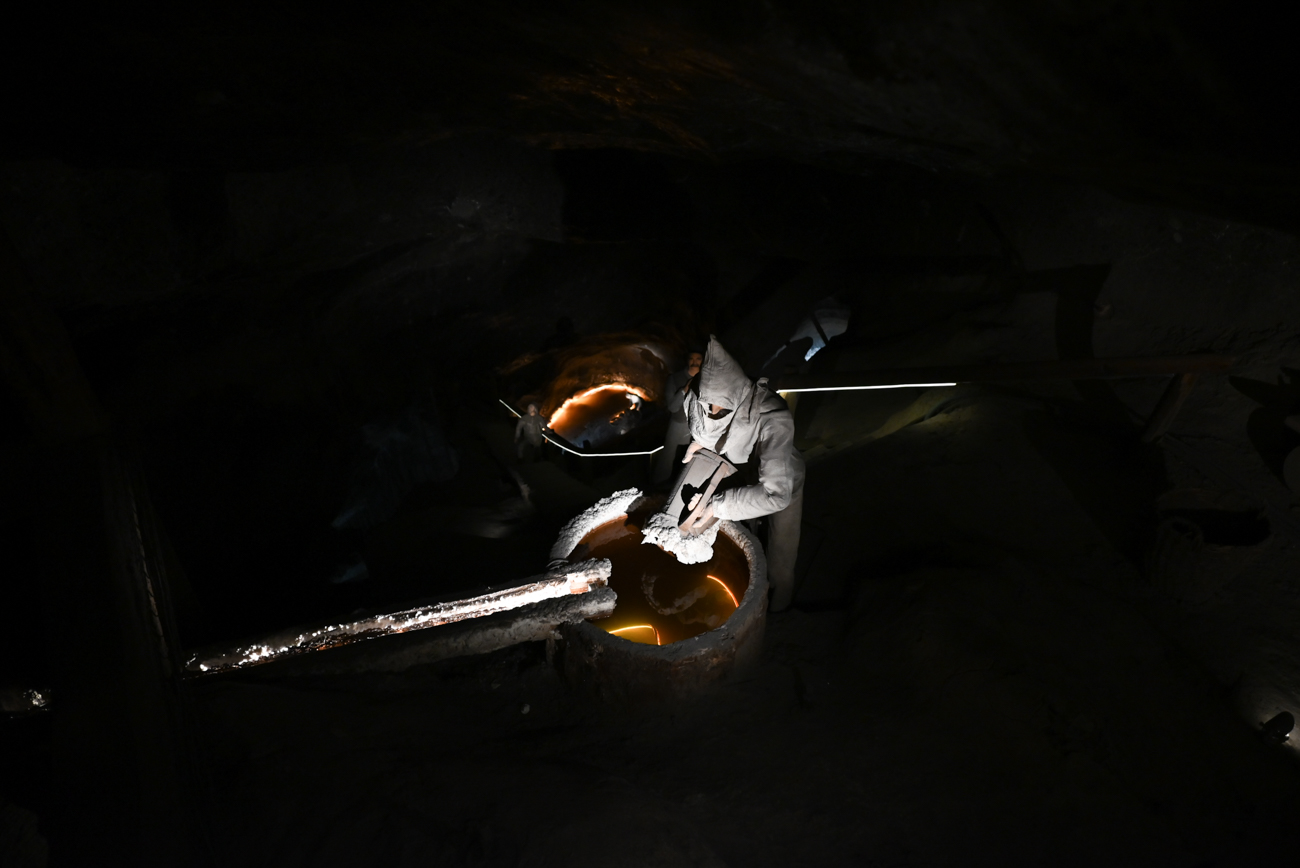
We looked around, a little incredulous. Everything was made of salt. Absolutely everything.
The effect is hard to describe. It’s neither a cave nor a museum… but something in between, almost unreal.
Then came St Kinga’s Chapel. Silence fell. The space is huge, entirely carved out of salt, from the chandeliers to the statues. It’s hard to believe it was all dug by hand. It really blew us away.
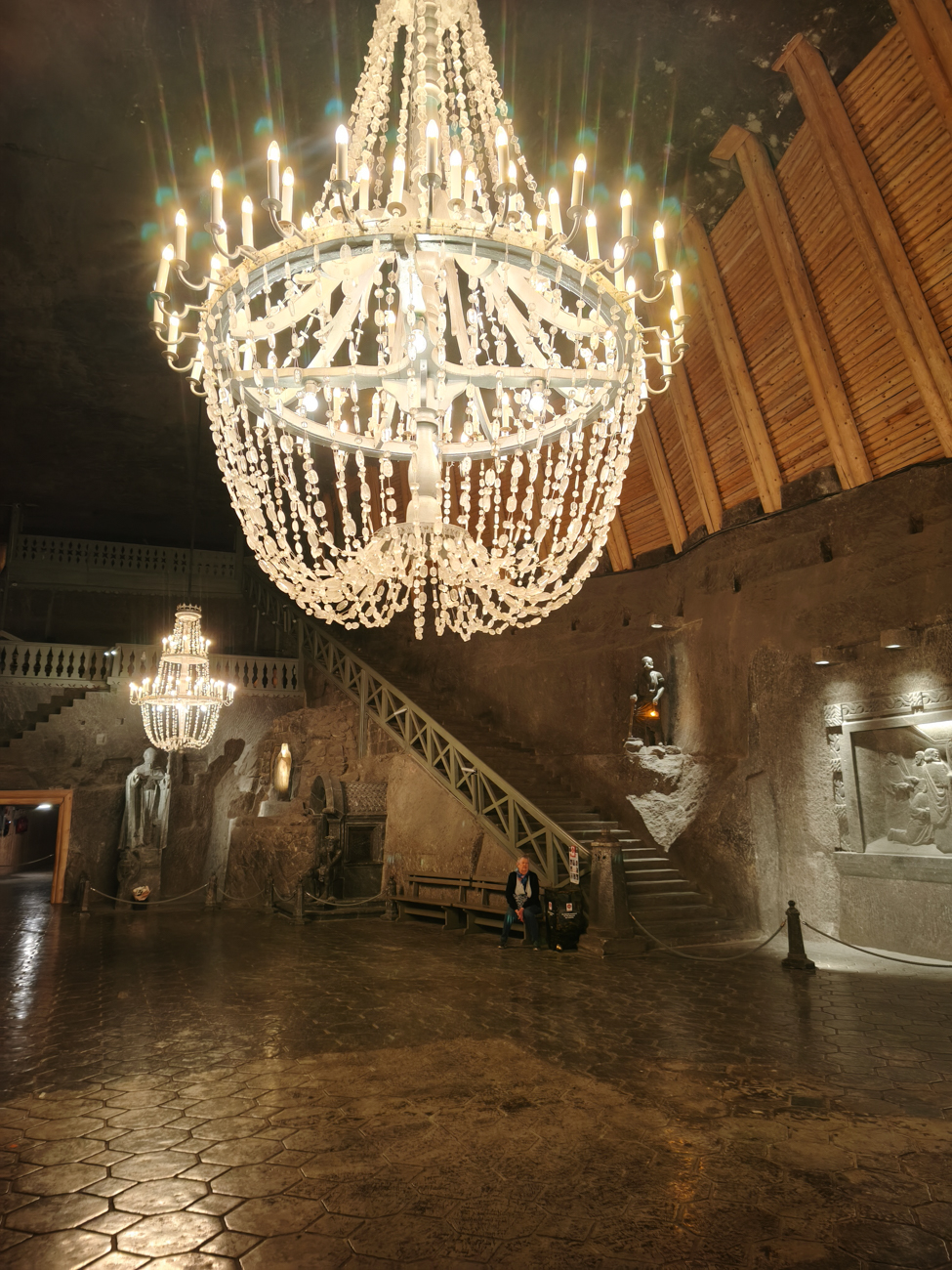
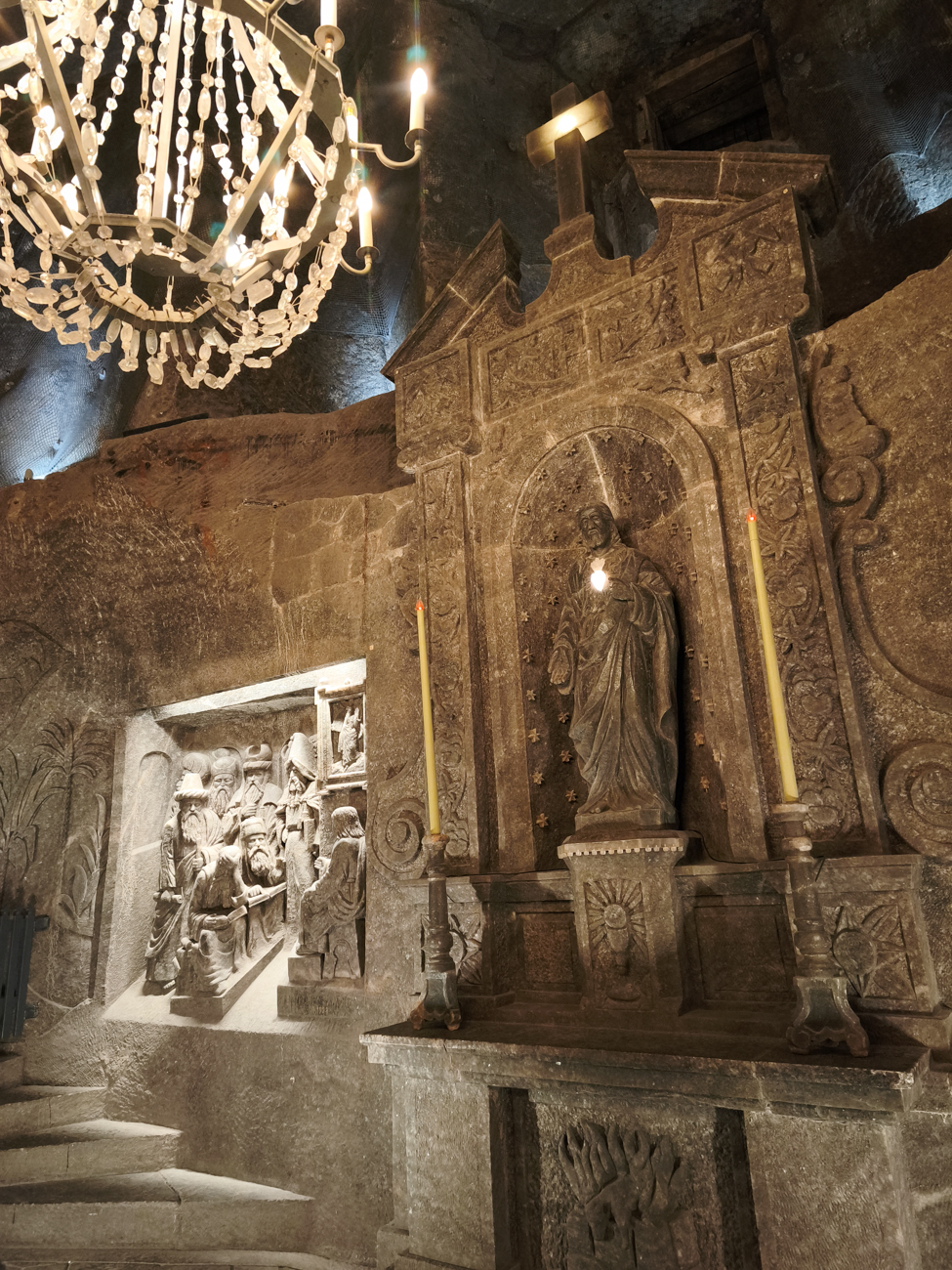
The Michałowice Chamber is just as impressive, with its wooden structures suspended over the void.
At that moment, we forgot the route and the timing… we were just there, watching, fascinated.
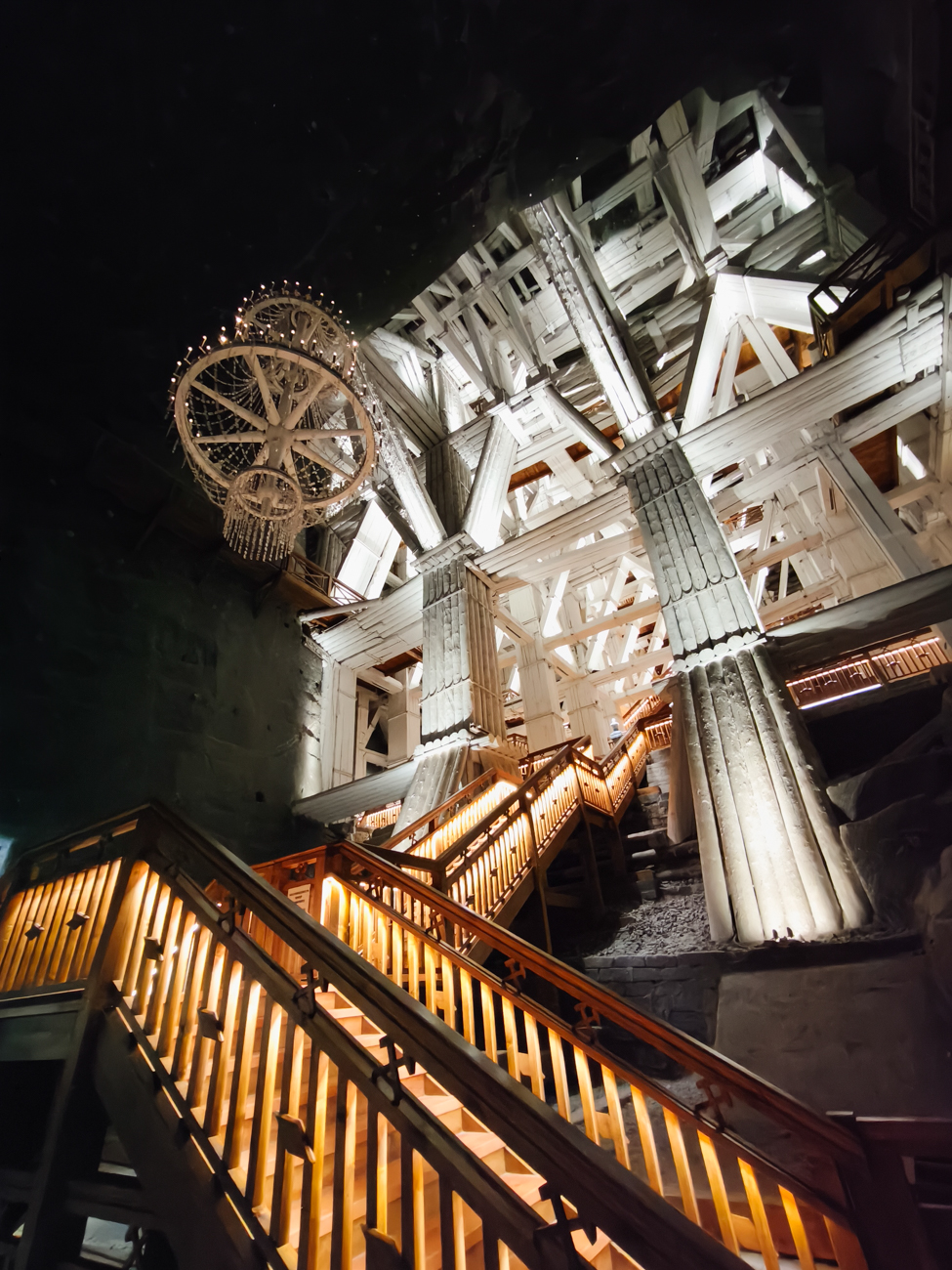
I’m lost for words to sum up this day so full of discoveries and surprises…
Day 4: Auschwitz
Before a far weightier visit planned for the afternoon, we made the most of the spring sunshine at Zakrzówek.
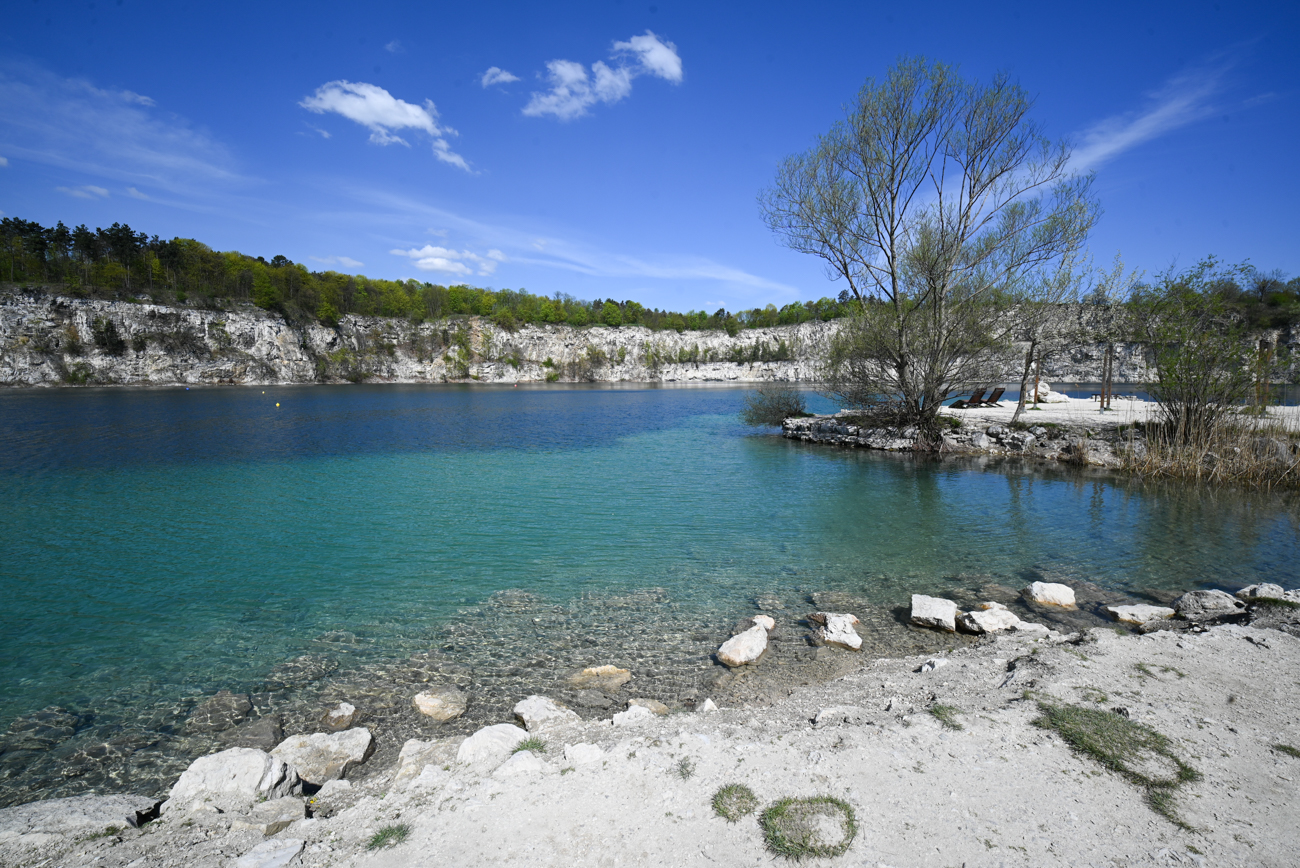
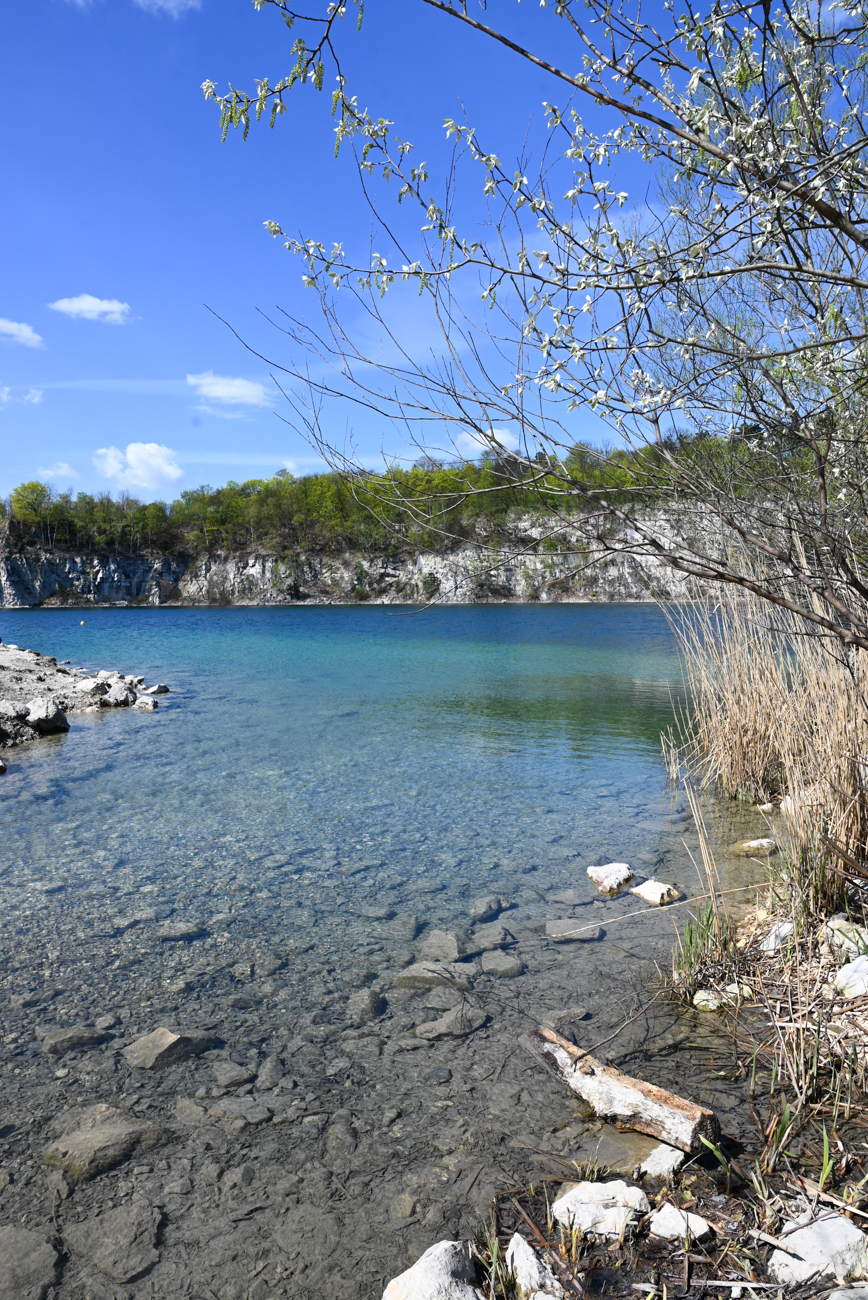
This former quarry, now a lake with turquoise waters, is just a few minutes from Kraków. We stopped there in the late morning, before heading to Auschwitz for our guided tour at 1pm… and then returning the car straight afterwards.
When we arrived, we followed Google Maps : bad idea. We turned into what looked like a street, with cars parked on both sides. That detail matters…
A few moments later, a police car was waiting patiently for us in the car park. We’d actually been about to ask them whether it was paid parking, since there was no meter ^^’
Wrong move.
A charming police officer explained that the road wasn’t open to the public, but reserved for permit holders. And while he was at it, he kindly suggested we trust Polish road signs rather than Google Maps, “which is American”.
Message received. Even if we’re still waiting for that degree in Polish 😅
Result: a 100-złoty fine. A bit hard to swallow for a car park that was supposed to be free…
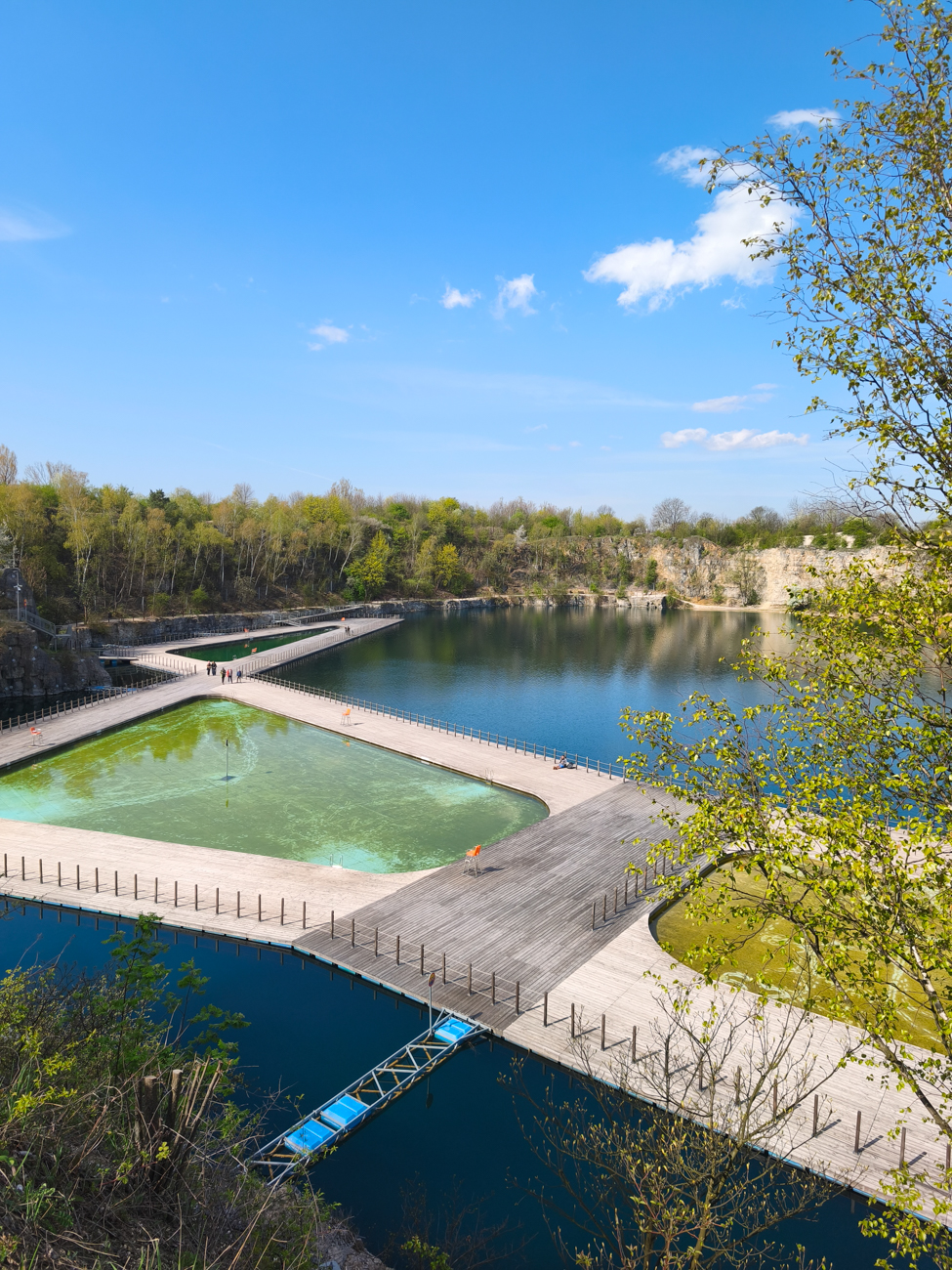
At the time, I felt a bit silly, a bit guilty, slightly stressed. But… the sun was out, the place was beautiful, and I apparently still have 8 Polish licence points left.
The lake, with its almost unreal colours, is surrounded by small cliffs and fitted with walkways and swimming areas that are very popular with locals.
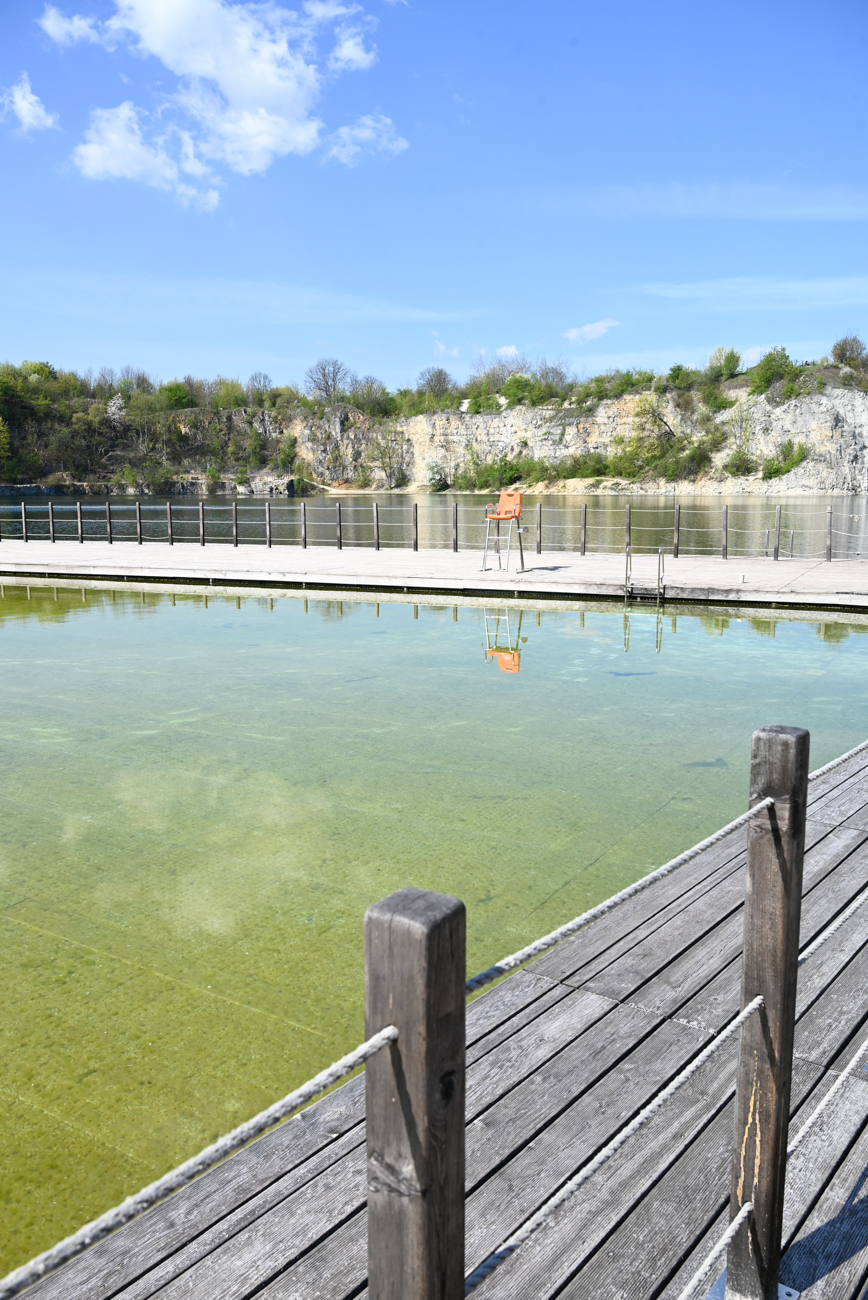
Around it, a large park offers a real breath of fresh air. A perfect place to wander and escape the bustle of the city for a moment.
Not entirely wild, but enough of a change of scene to surprise you.
And in the end, while this little mishap slightly spoilt the moment, once we’d got over it, it gave us a memorable fit of giggles.
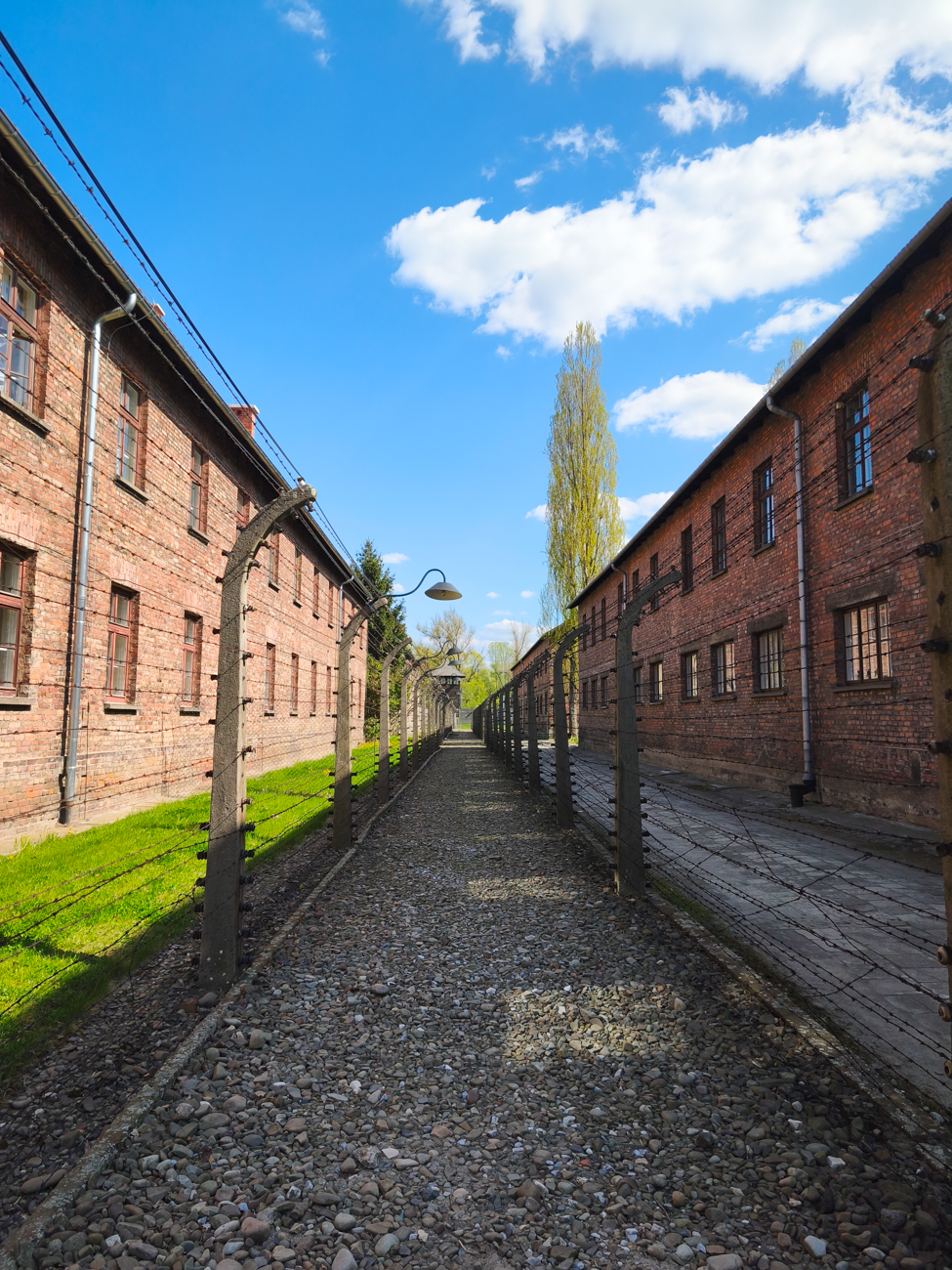
The afternoon was devoted to visiting Auschwitz-Birkenau.
The site is made up of two parts: Auschwitz I, a former concentration camp, and Auschwitz II-Birkenau, which became an extermination camp. The guided tour in French lasts about 3 hrs 30(tours are also available in English); I recommend booking in advance.
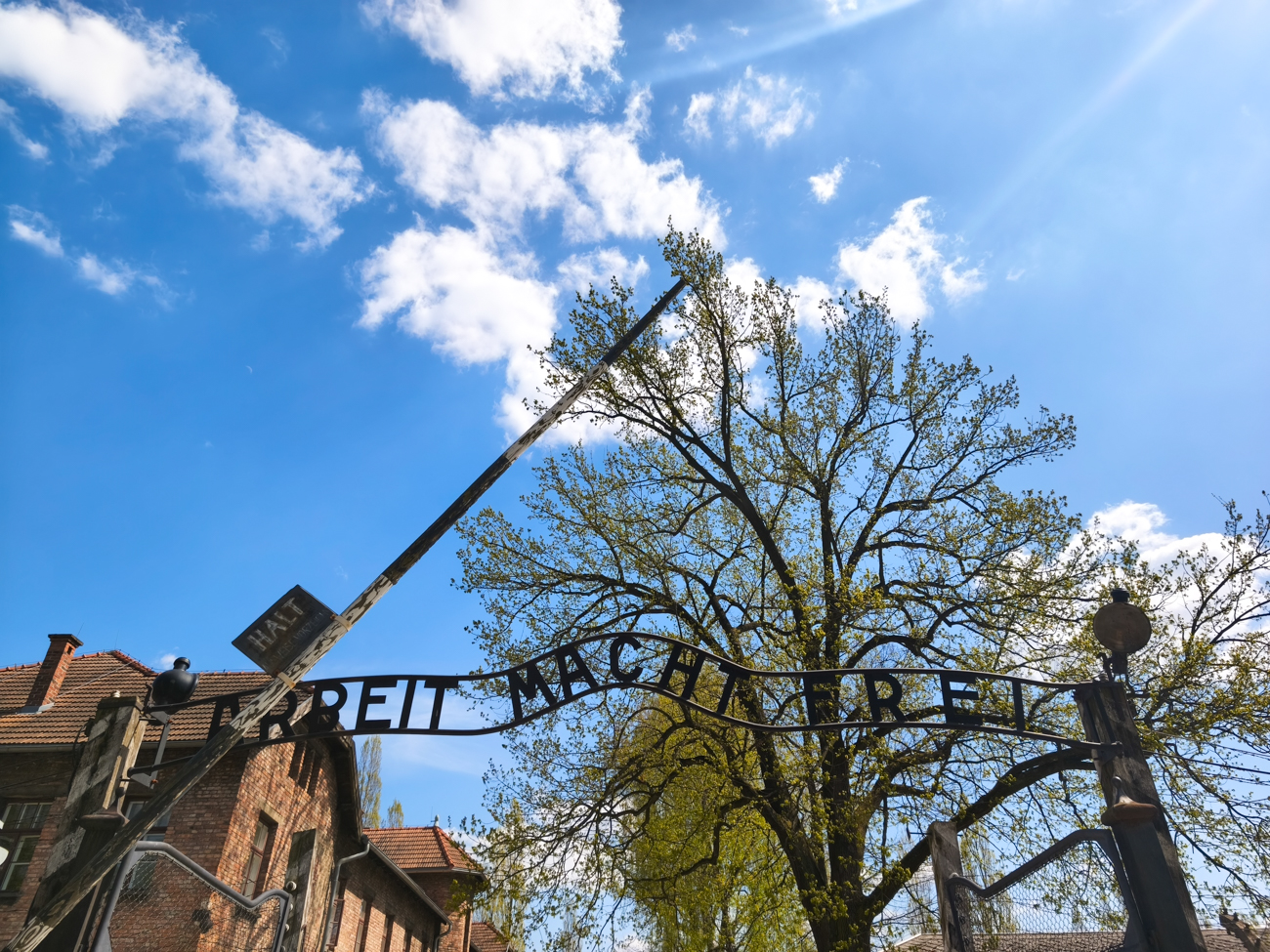
It’s undoubtedly one of the most powerful visits I’ve made in recent years. I’d already visited the Mauthausen camp in Austria, but here, the sheer scale of the place and of what happened there strikes you immediately.
It’s hard to put into words what you feel. The history written here is beyond all comprehension.
I was apprehensive about this visit, I admit. I thought I’d come out overwhelmed with emotion, as I had at Mauthausen.
And yet… The visit, very structured and almost timed, leaves little room for emotions to be expressed. Our guide, deliberately distant, set out the facts soberly. Perhaps that’s necessary, to allow each person to take in these places in their own way.
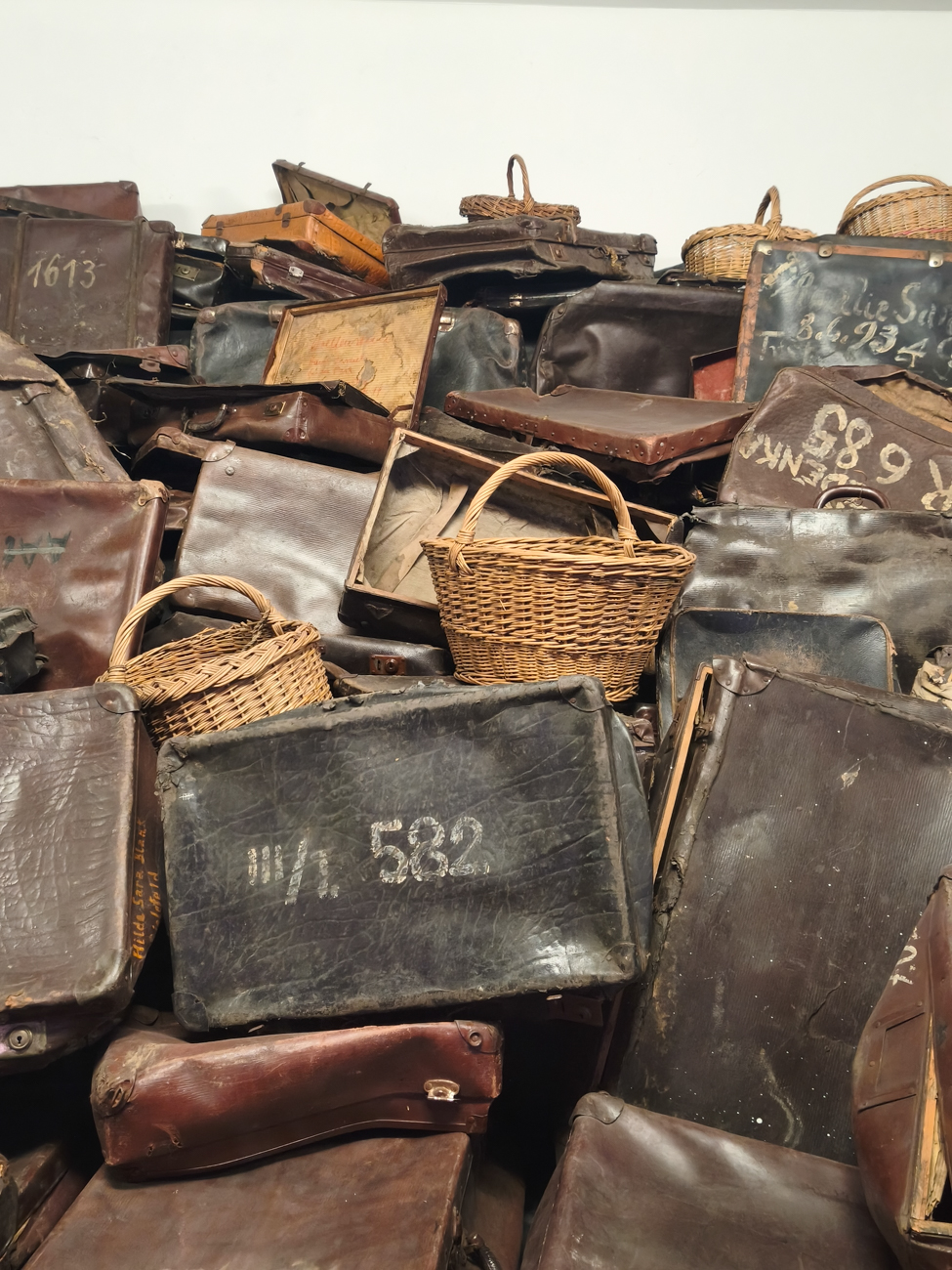
Some rooms nevertheless left a deep mark on me. Those displaying the deportees’ personal belongings: suitcases, glasses, mountains of shoes… and, even more devastating, children’s shoes… They wrenched my heart like never before.
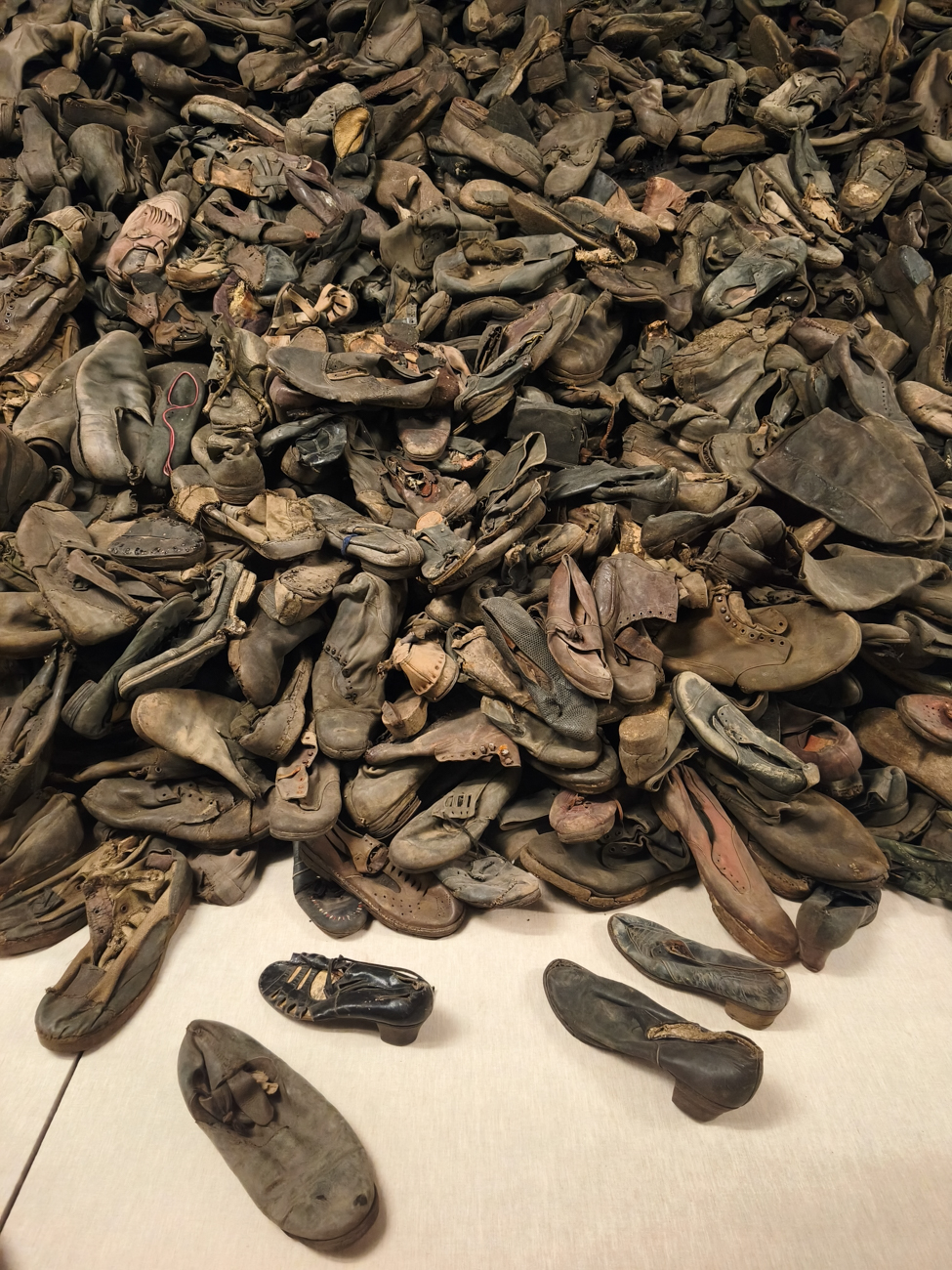
Concrete, silent traces that suddenly make history terribly real. Walking on the very ground where the deportees arrived, along the tracks leading to the gas chambers, now in ruins, gives the visit another dimension. Their destruction erases nothing of what took place there.
More than a million people were murdered here, the vast majority of them Jews.
An essential, difficult but deeply necessary visit… As the last direct witnesses of this madness orchestrated by human beings pass away, passing on this memory is more vital than ever.
Planning your visit to Auschwitz-Birkenau
I now have a full article on Auschwitz, with a detailed account of our visit, my thoughts and all my practical information for planning yours (in French).
Days 5–6: Kraków
The Vistula flowed peacefully in the still-cool morning light. On its banks, Kraków was slowly waking up as the church spires gradually emerged above the rooftops. We were starting the last stage of our week in Poland: Kraków, which was originally meant to be the heart of the trip.
We’d already been staying there for two days but, apart from a few evenings out for dinner, we hadn’t really taken the time to explore it, preferring to spend the first days around the city to make the most of the rental car, which we’d returned the day before after visiting Auschwitz.
Our (very) lovely apartment was right in the heart of Kazimierz, Kraków’s historic Jewish quarter, a place of remembrance that has become a haunt of artists, intellectuals and dreamers. A vibrant, buzzing district where food courts, street art, cafés and trendy shops sit alongside synagogues and cemeteries. That morning, we walked along the banks of the Vistula. A few joggers and walkers kept us company along the still-cool riverbanks, brightened by cherry trees and magnolias in bloom.
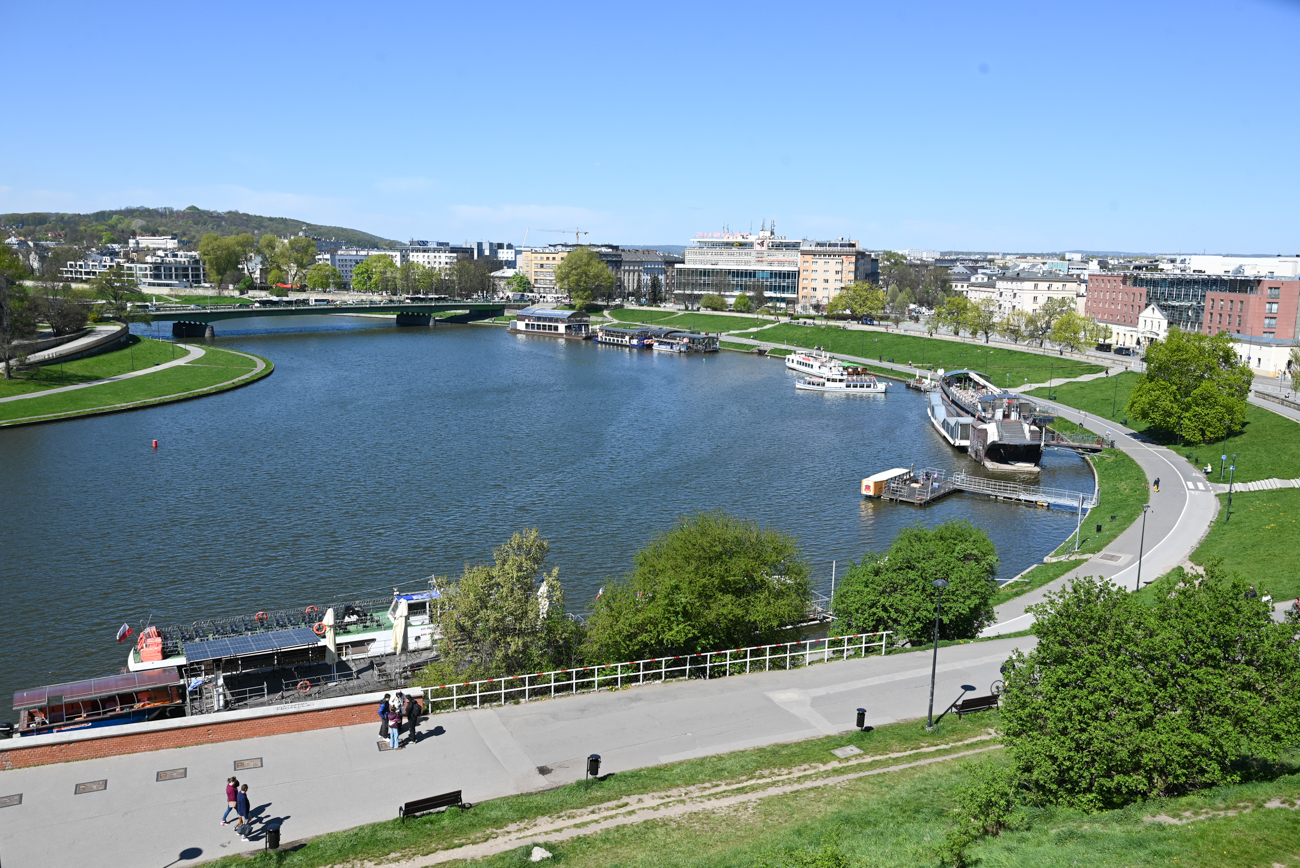
Very soon, Wawel Hill came into view, impossible to miss.
A true symbol of Poland, for centuries it was the heart of royal power: the residence of kings, the place of their coronations and burials. The castle, blending Gothic and Renaissance styles, dominates the city, while the cathedral, also steeped in history, watches over the banks of the Vistula. Its various architectural styles bear witness to the eras it has lived through.
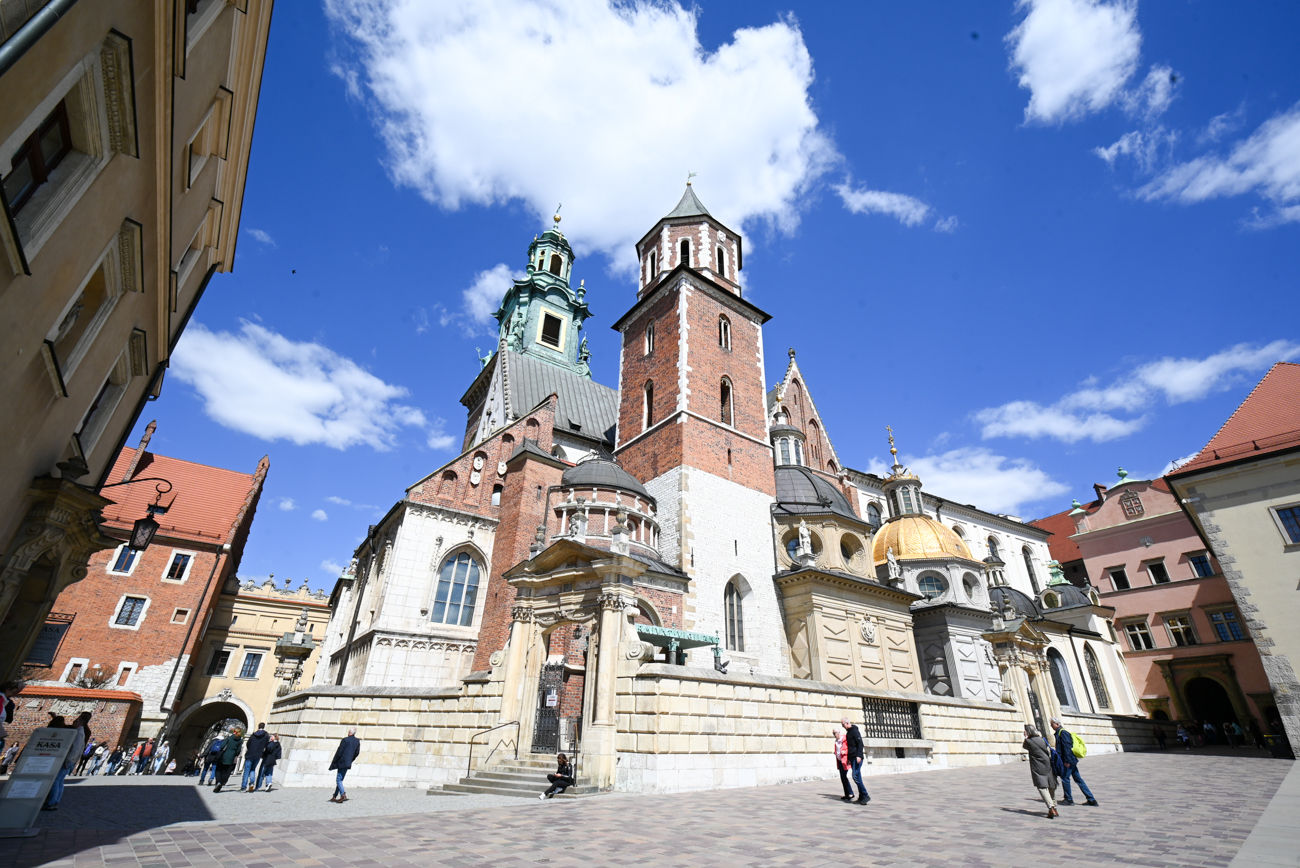
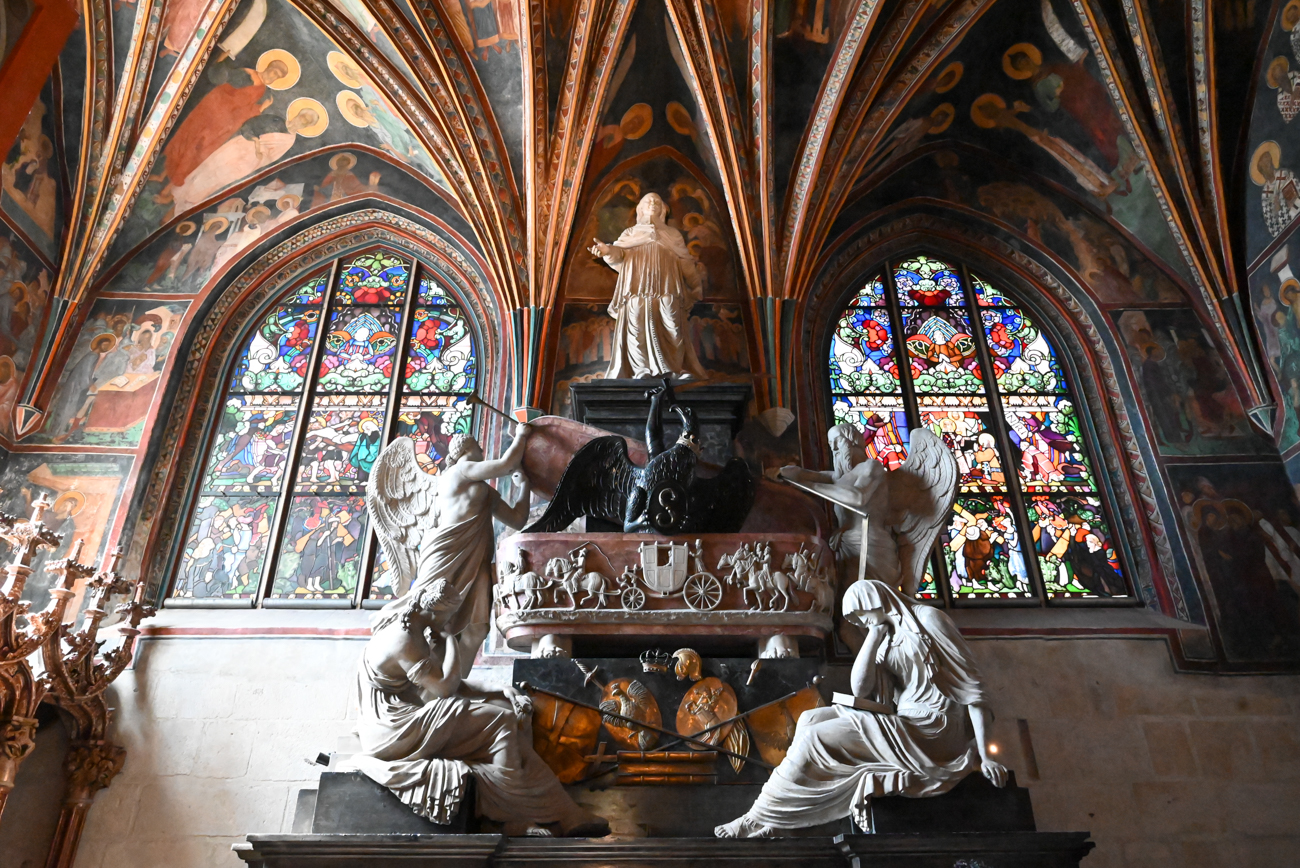
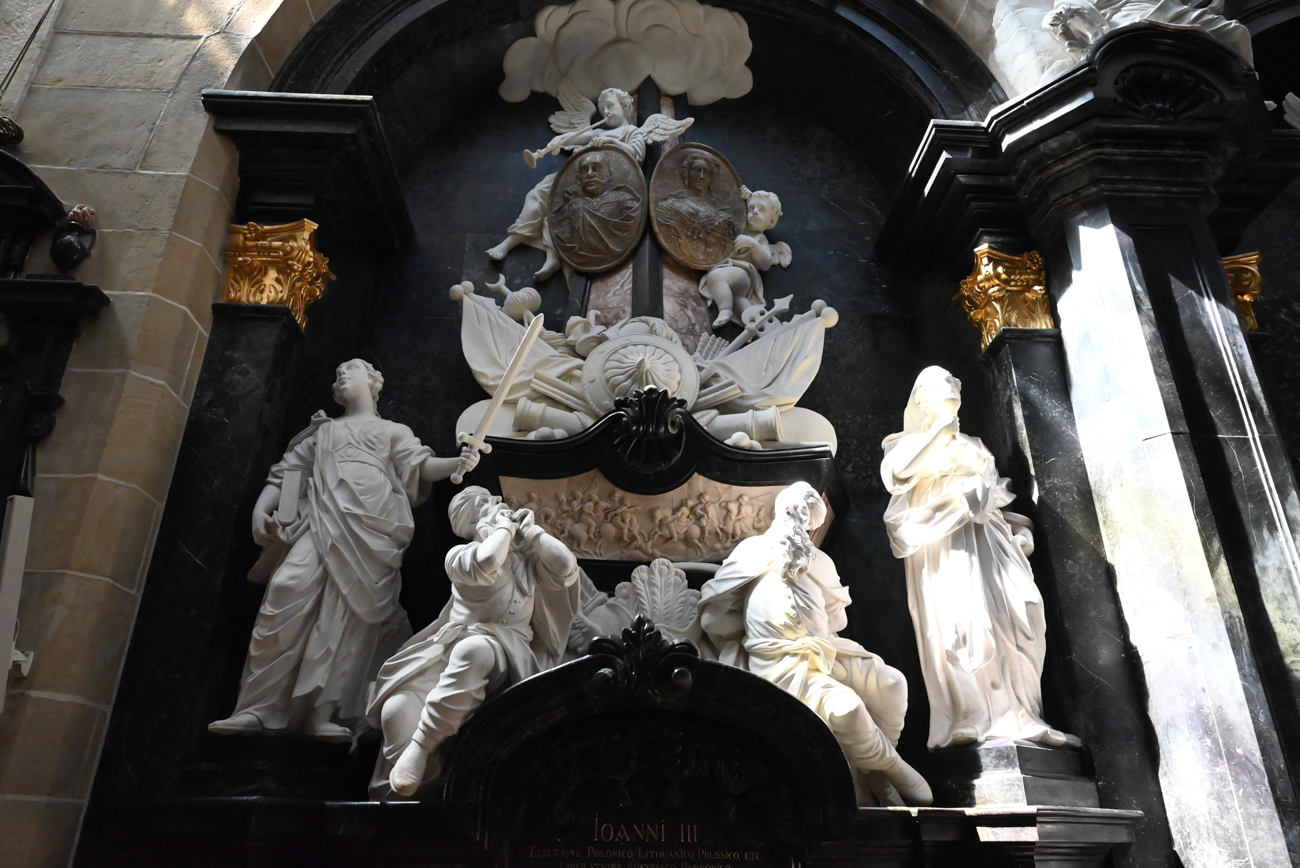
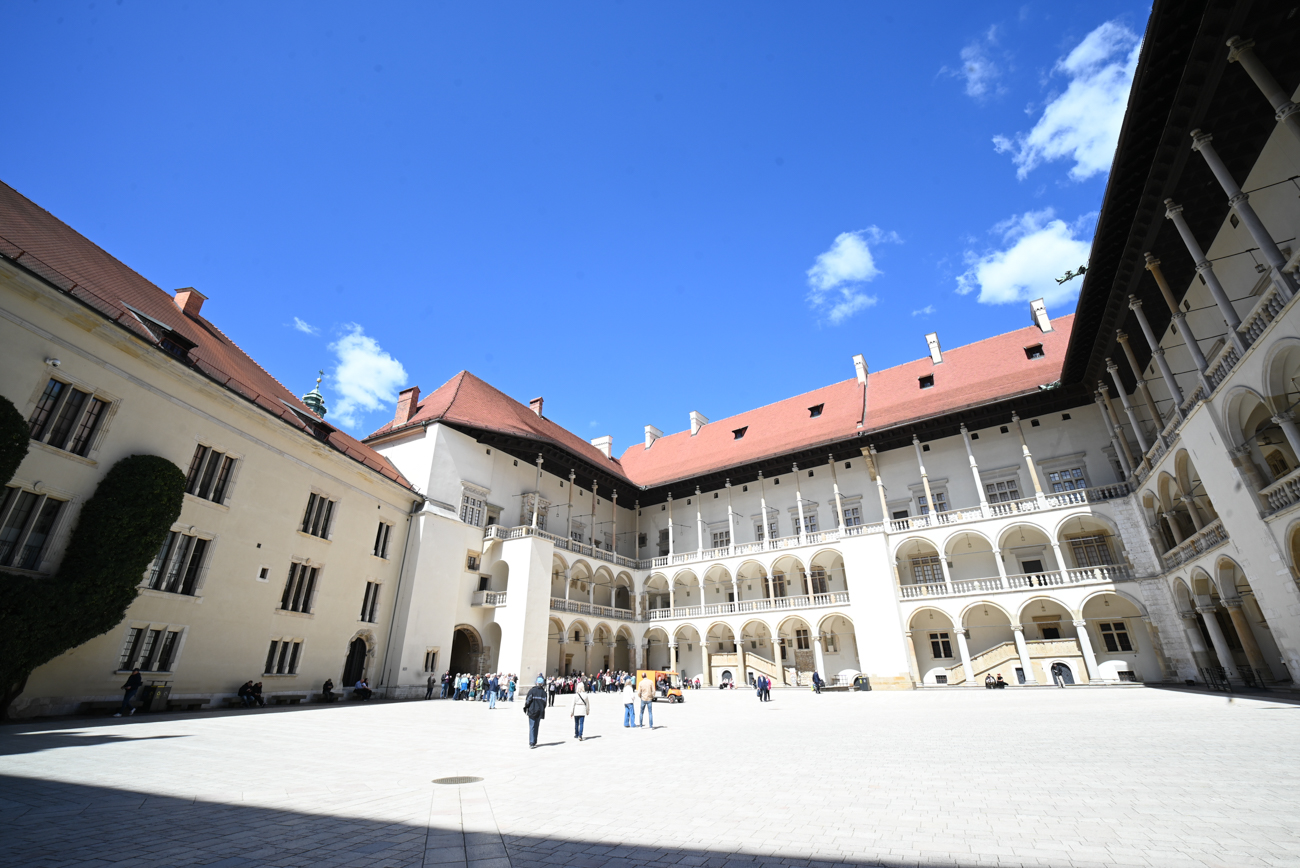
From its cloisters to its richly decorated chapels, and the climb up to the bells, which we found somewhat by chance, the visit has some lovely surprises in store. At the top, a magnificent panoramic view opens out over the city and Kraków’s rooftops.
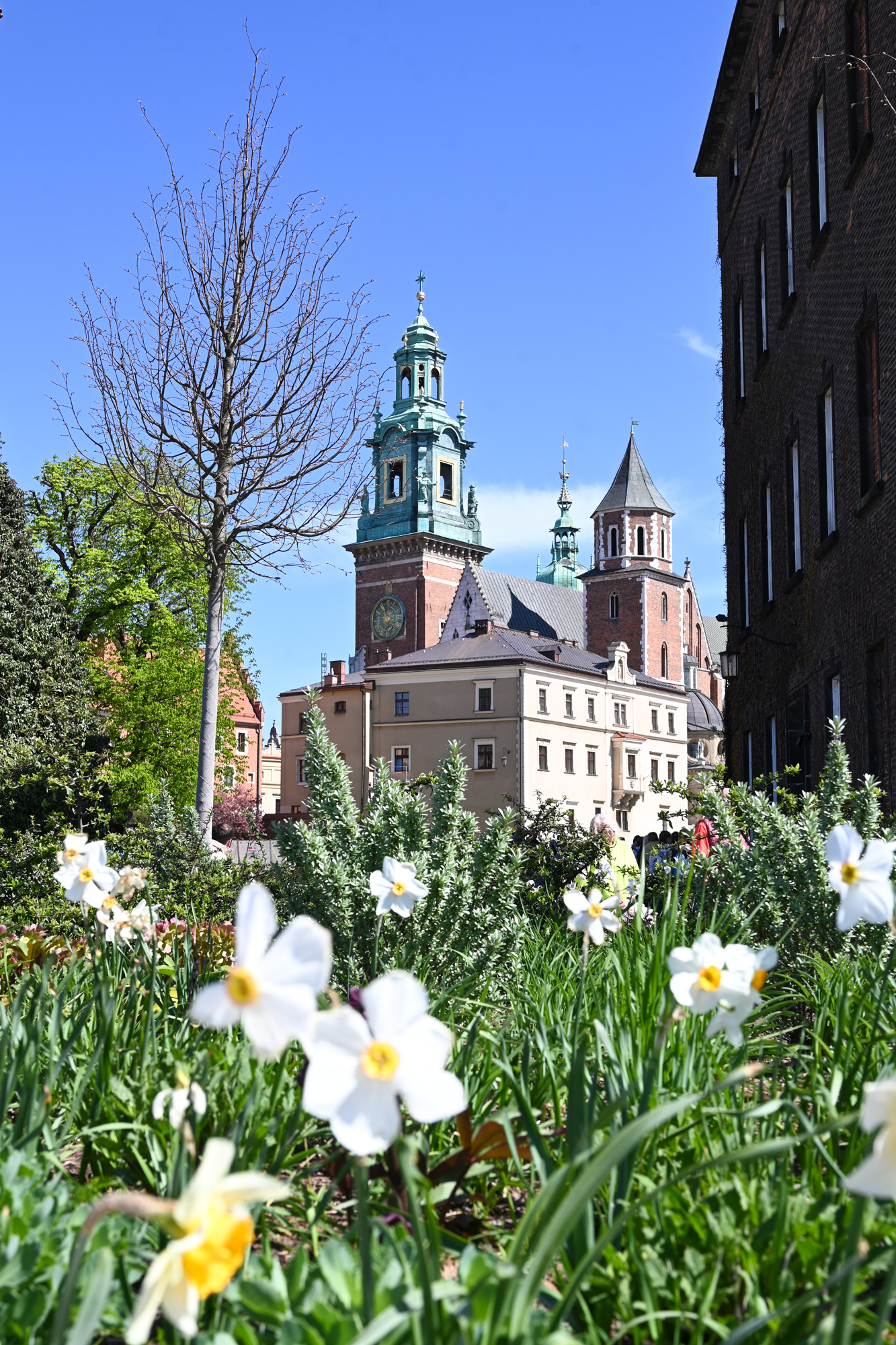
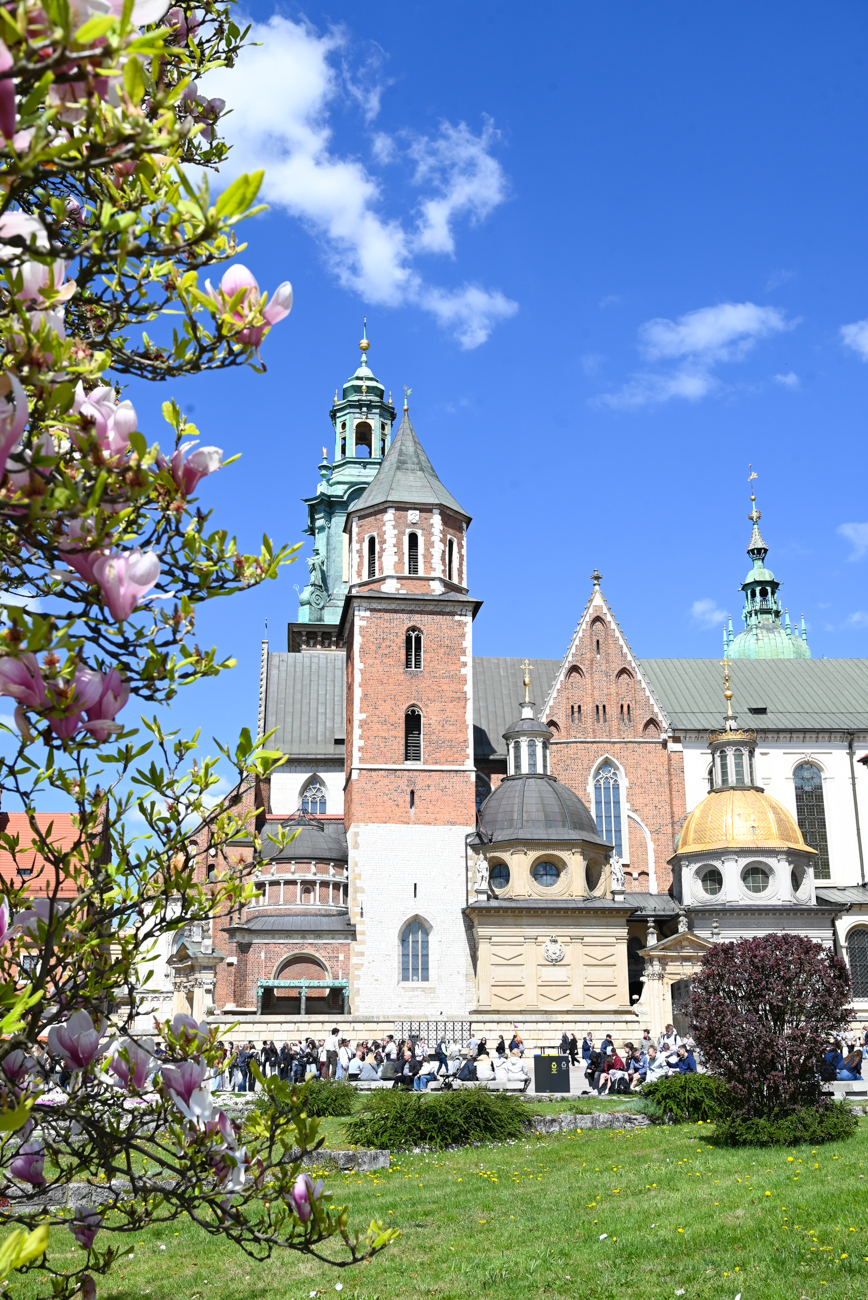
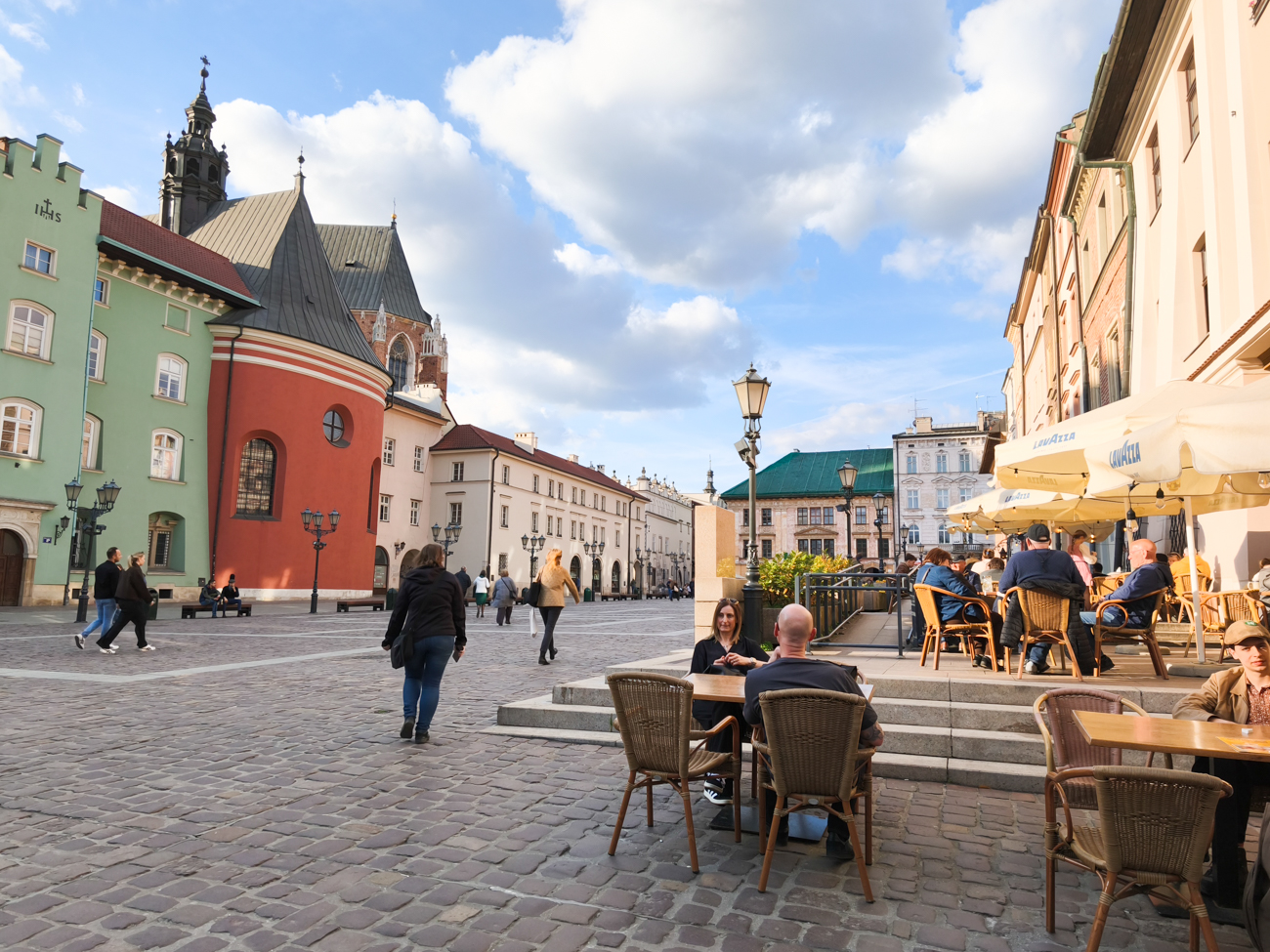
We discovered Kraków as we went, drifting from square to square and lane to lane, with church spires as our only compass.
I love these unplanned wanderings, these city breaks where you let yourself be surprised, with just one or two goals in mind… (because let’s be honest, we’ll always have spotted a few must-sees beforehand).
Kraków’s centre is perfect for it.
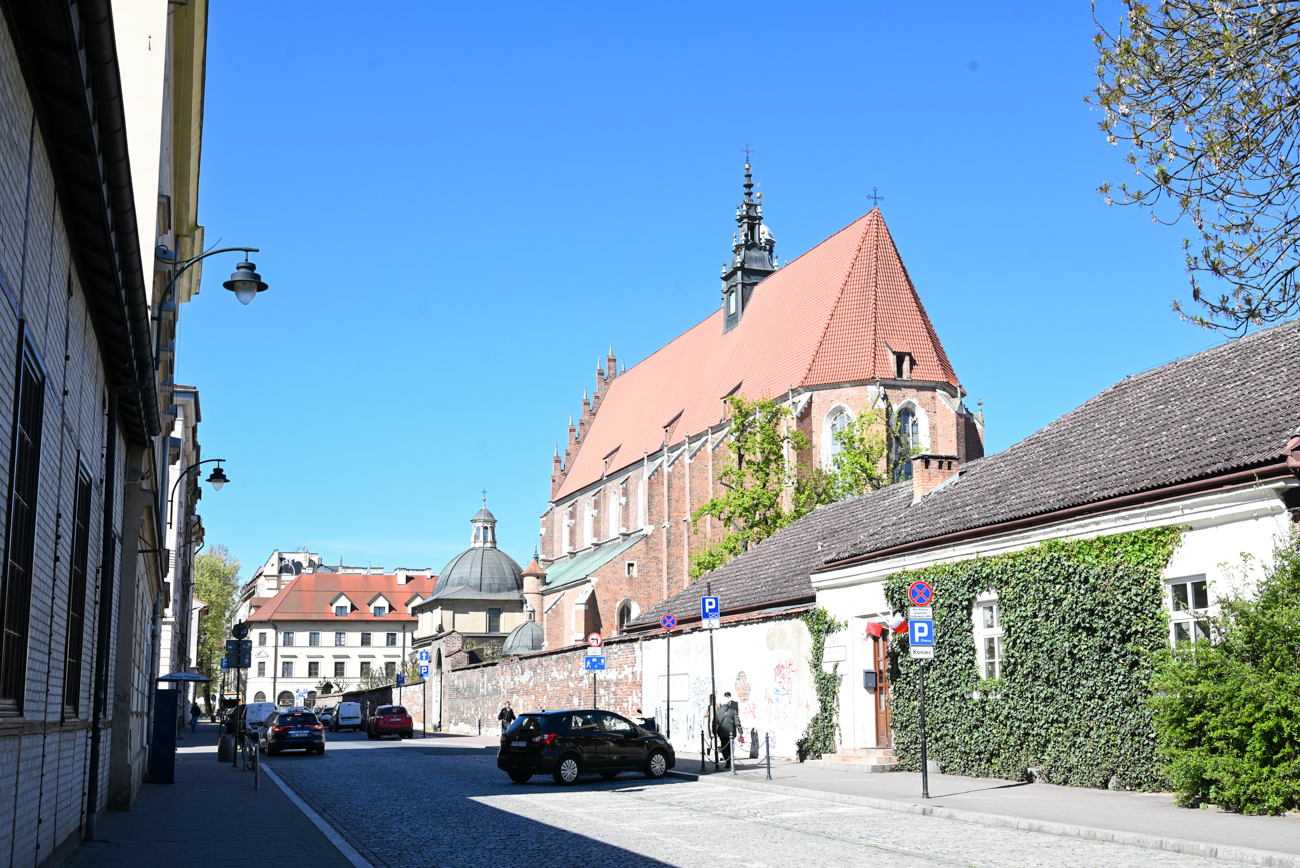
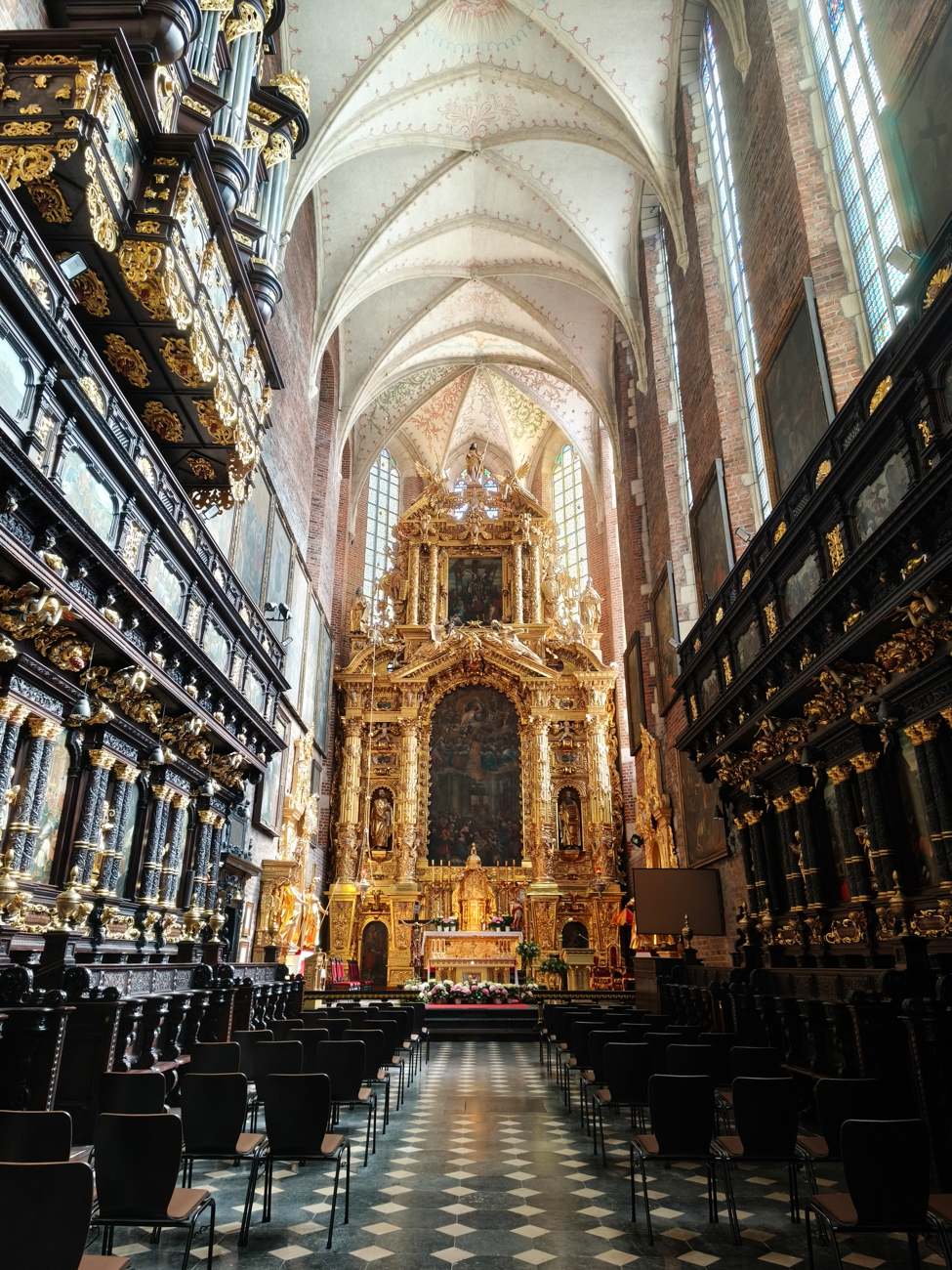
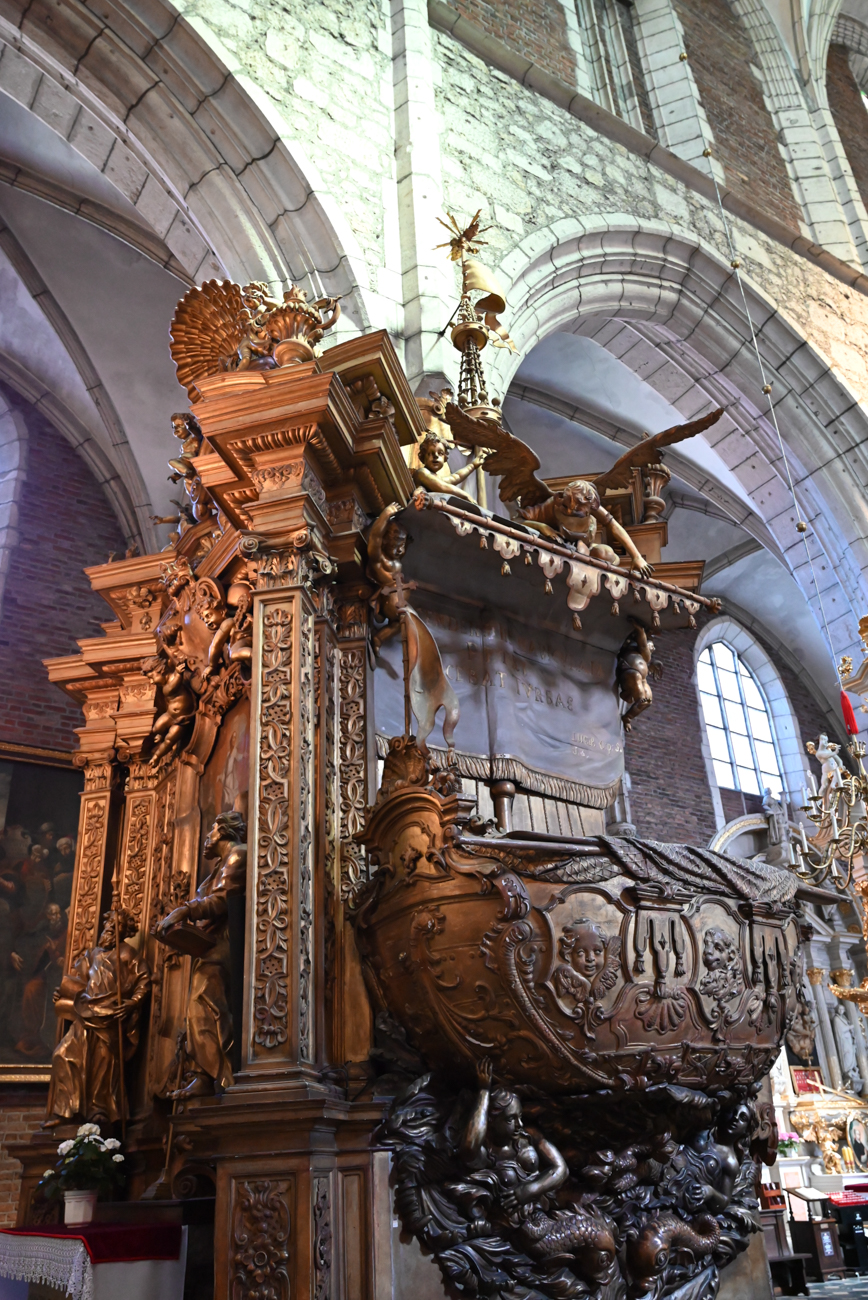
I love stumbling upon theCorpus Christi Churcharound a corner, stepping inside freely and admiring its gilded altar or its carved pulpit, shaped like a ship almost ready to set sail. Being captivated by these finely chiselled details.
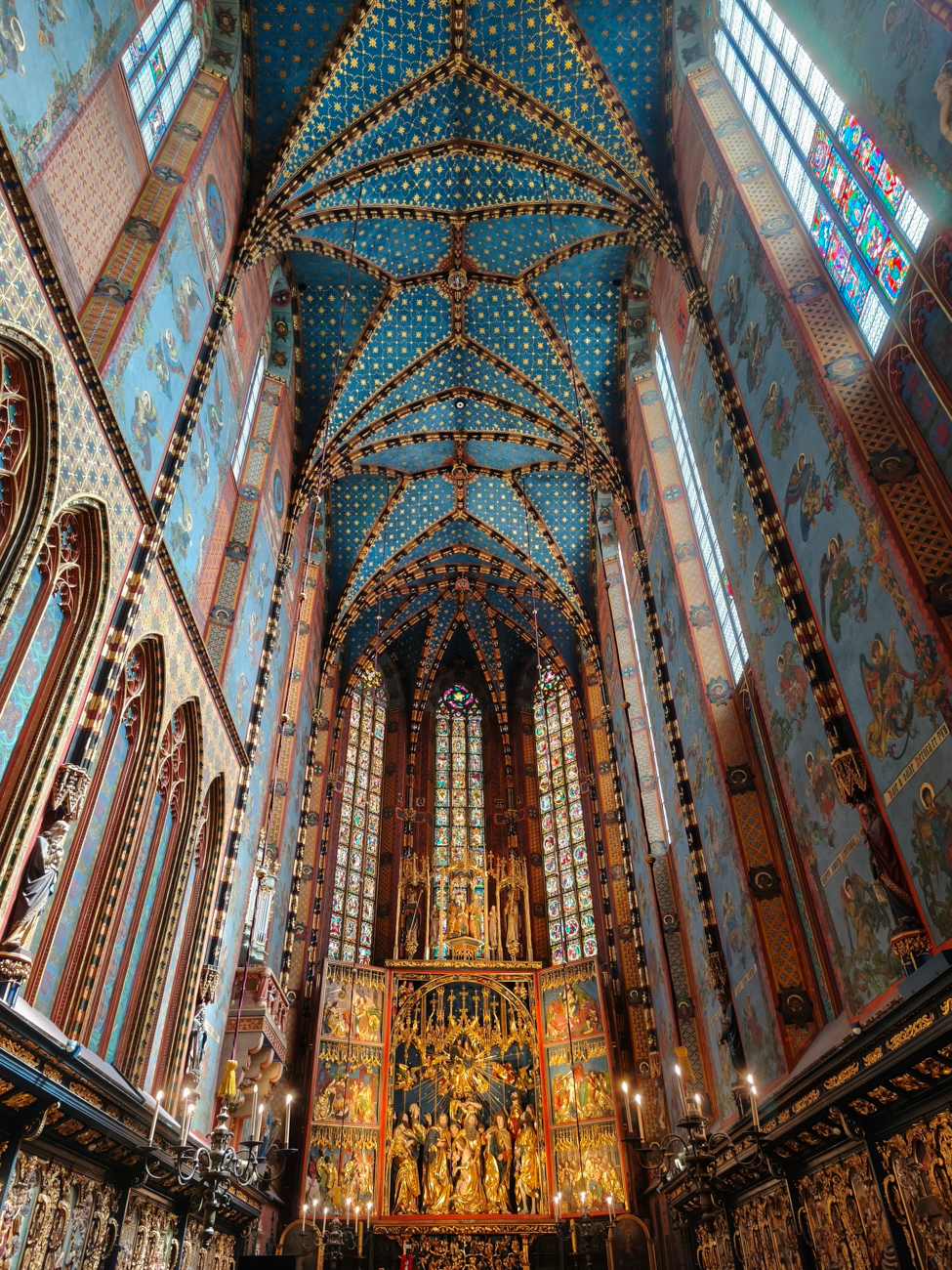
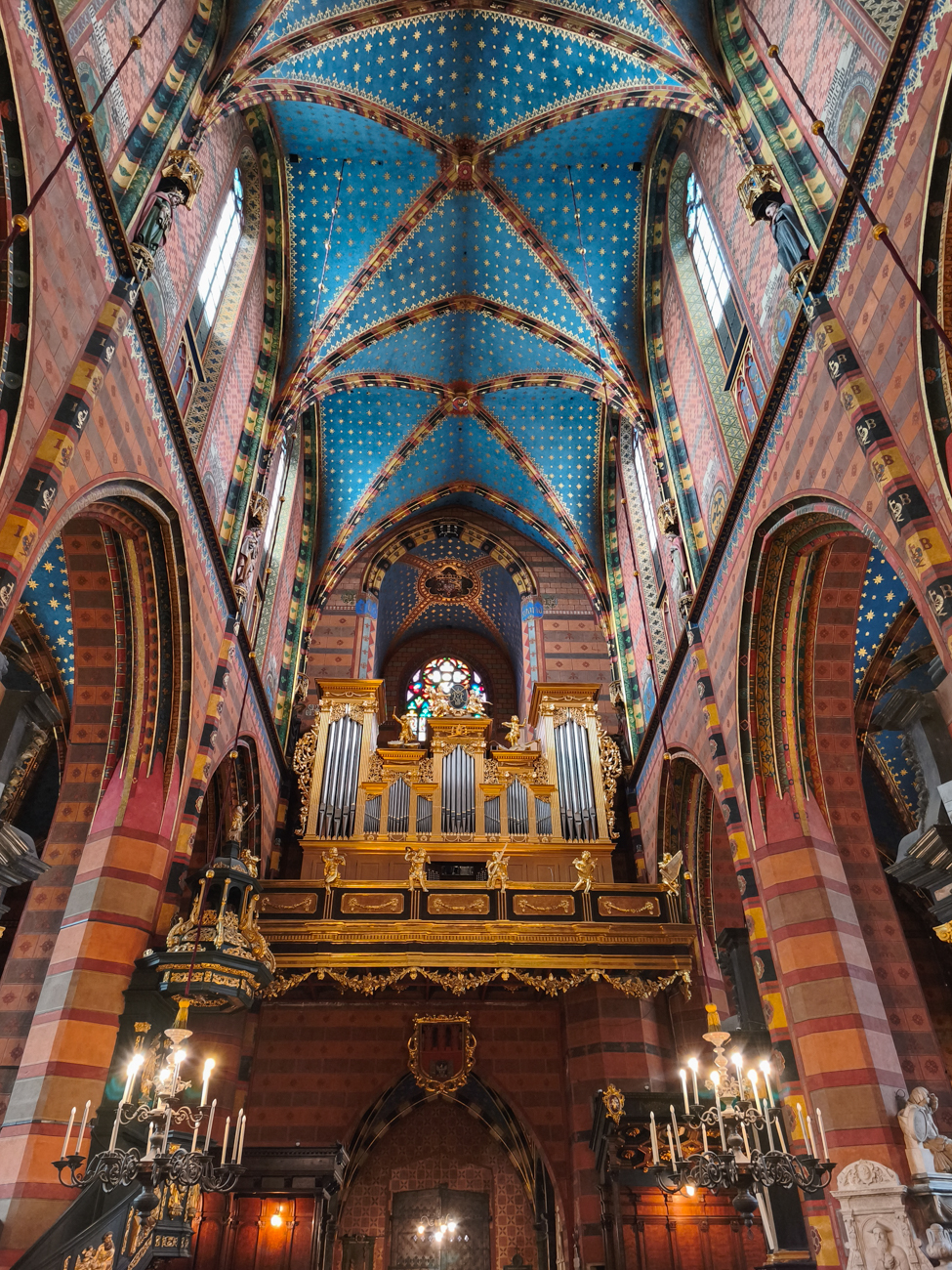
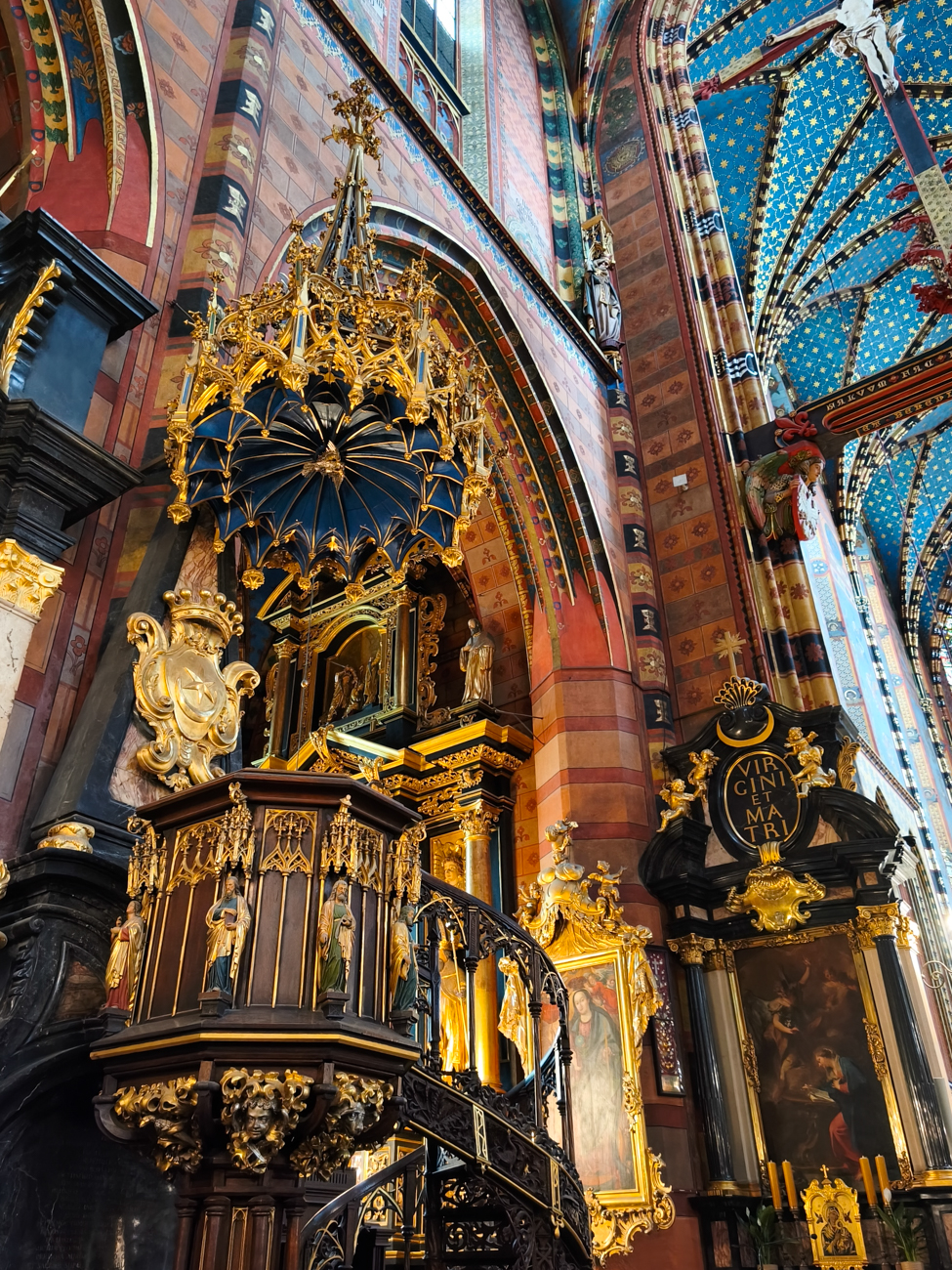
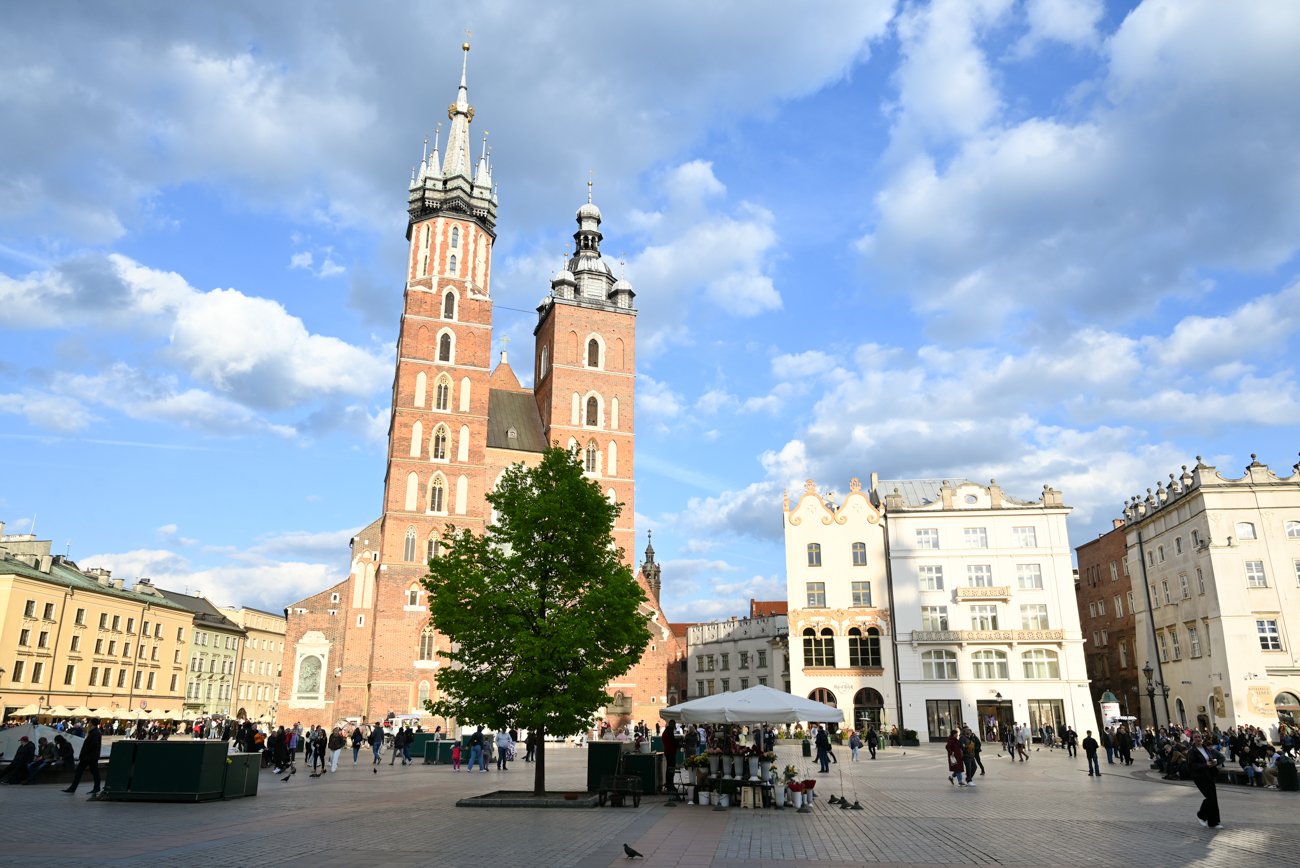
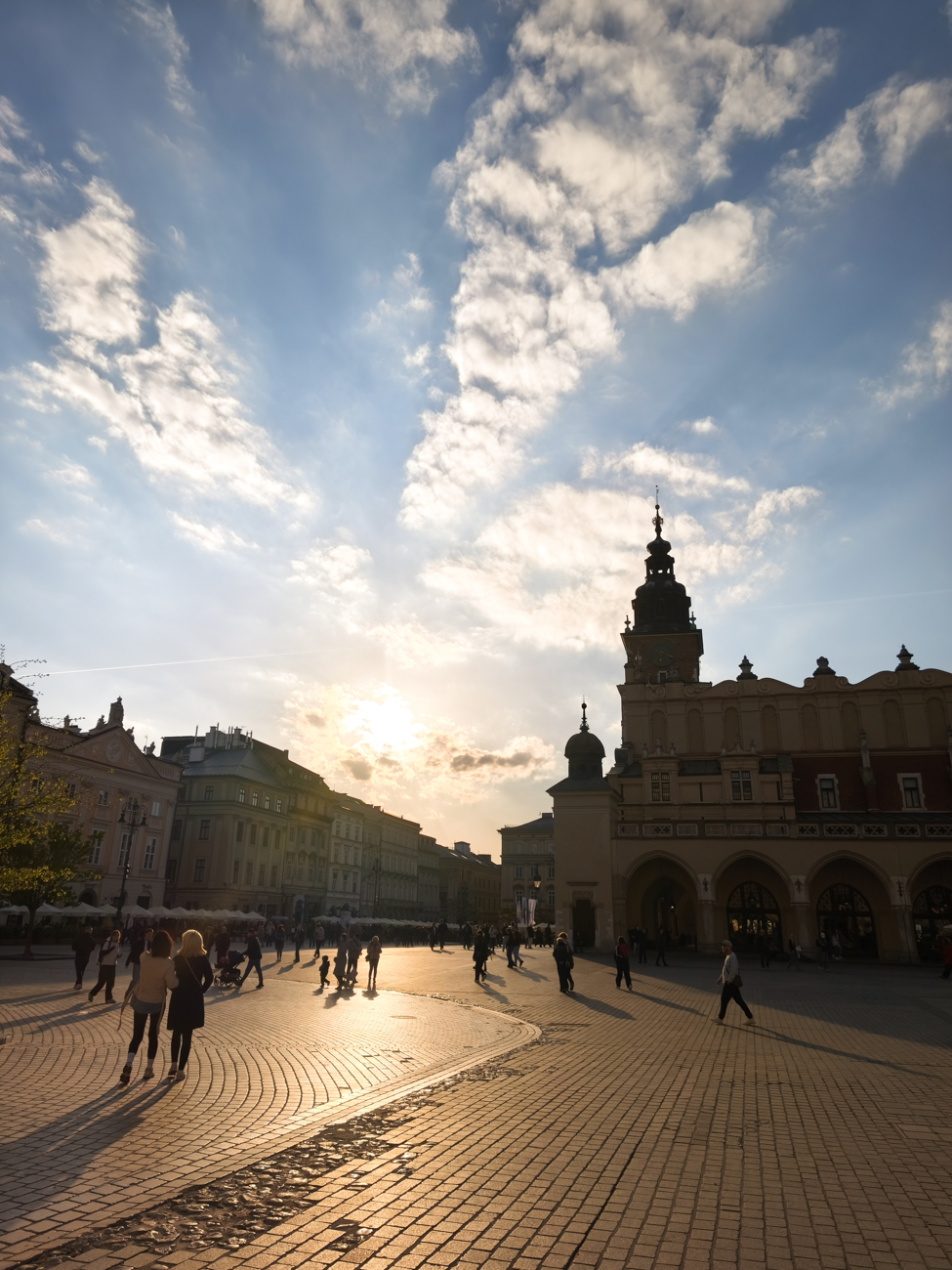
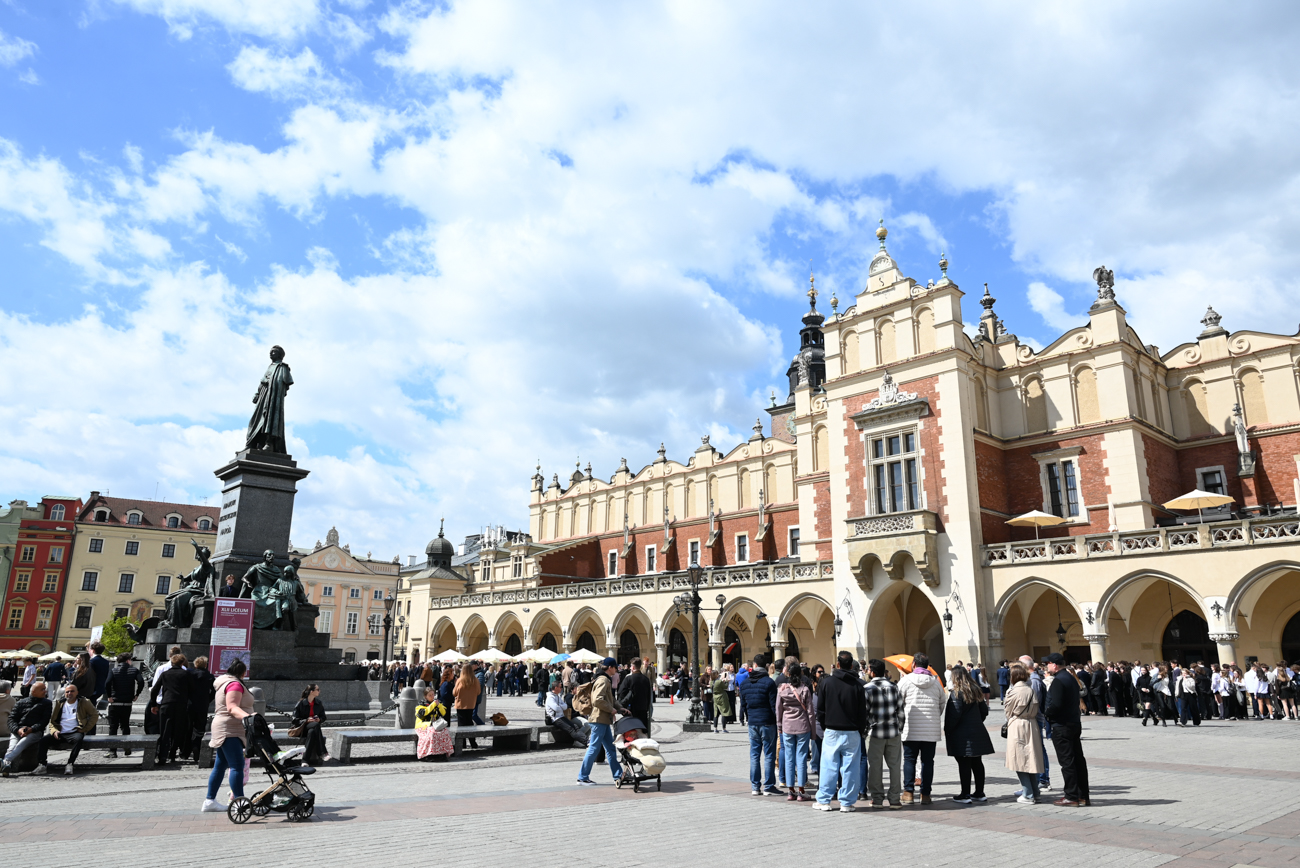
Further on, later, the asymmetrical towers of St Mary’s Basilica guided us to Rynek Główny, the vast medieval heart of the city and one of the largest squares in Europe. In the middle stands the Cloth Hall, a former market now turned into souvenir stalls, while inside the basilica reveals a blue ceiling studded with stars and a spectacular Gothic altarpiece, which only opens at 11:50am every morning… A ritual that draws the crowds!
The late-afternoon light softened the façades, the terraces filled up, and we followed the trend with a hot chocolate as the city seemed to slow down gently…
Our only real must-do for this last weekend in Kraków? A visit toSchindler’s Factory.
Does the name ring a bell? It’s bound to. The story of Oskar Schindler, made famous by Steven Spielberg’s film Schindler’s List, is now part of our collective memory.
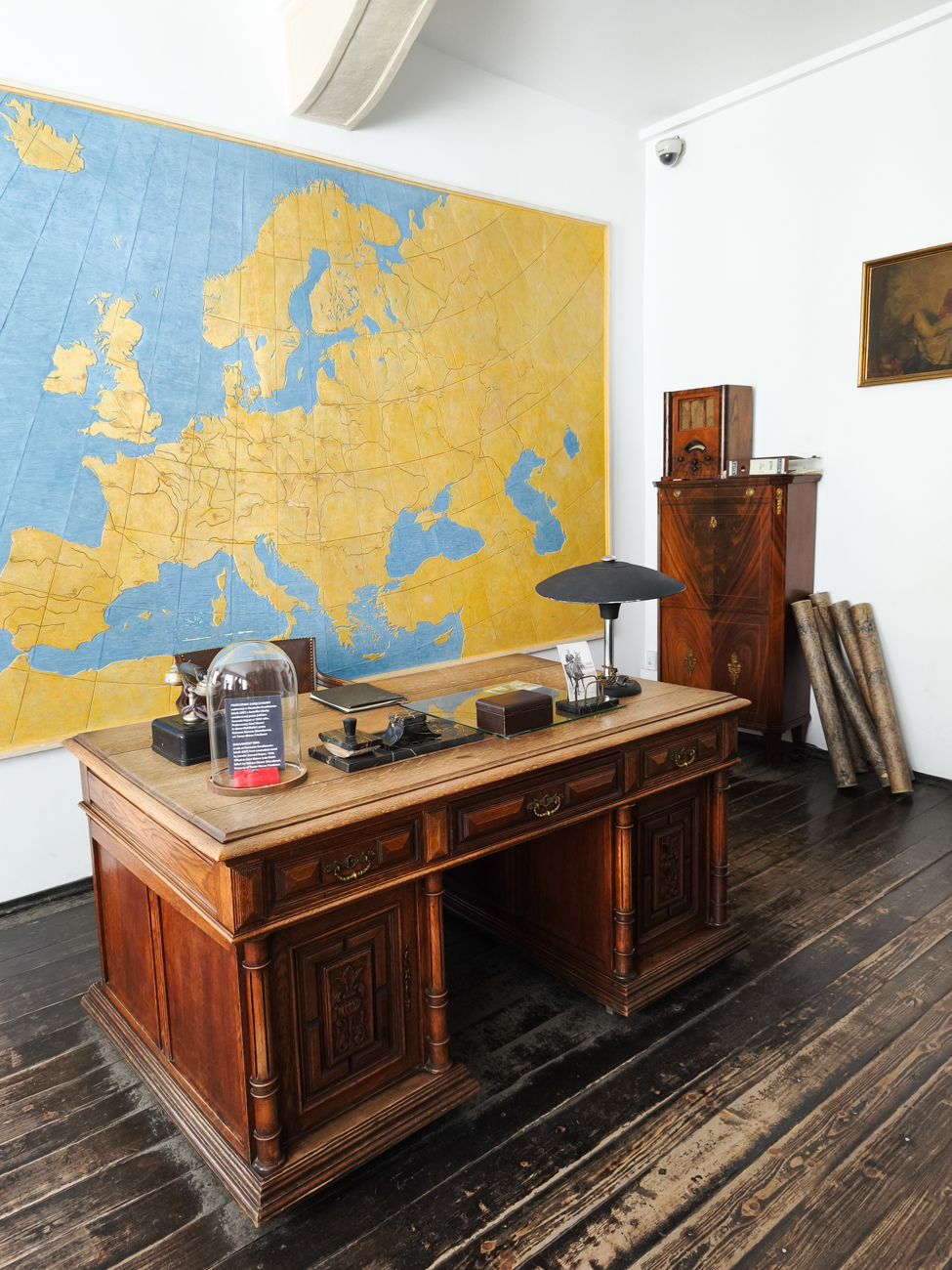
None of us had seen the film, but reviews of the visit are unanimous: immersive and sometimes dense, it above all helps you understand the history of Poland during the Second World War and grasp the reality of the genocide that struck a large part of the population, particularly the Jewish community.
The figures are staggering: of around 3.3 million Polish Jews before the war, nearly 2.9 million were murdered.
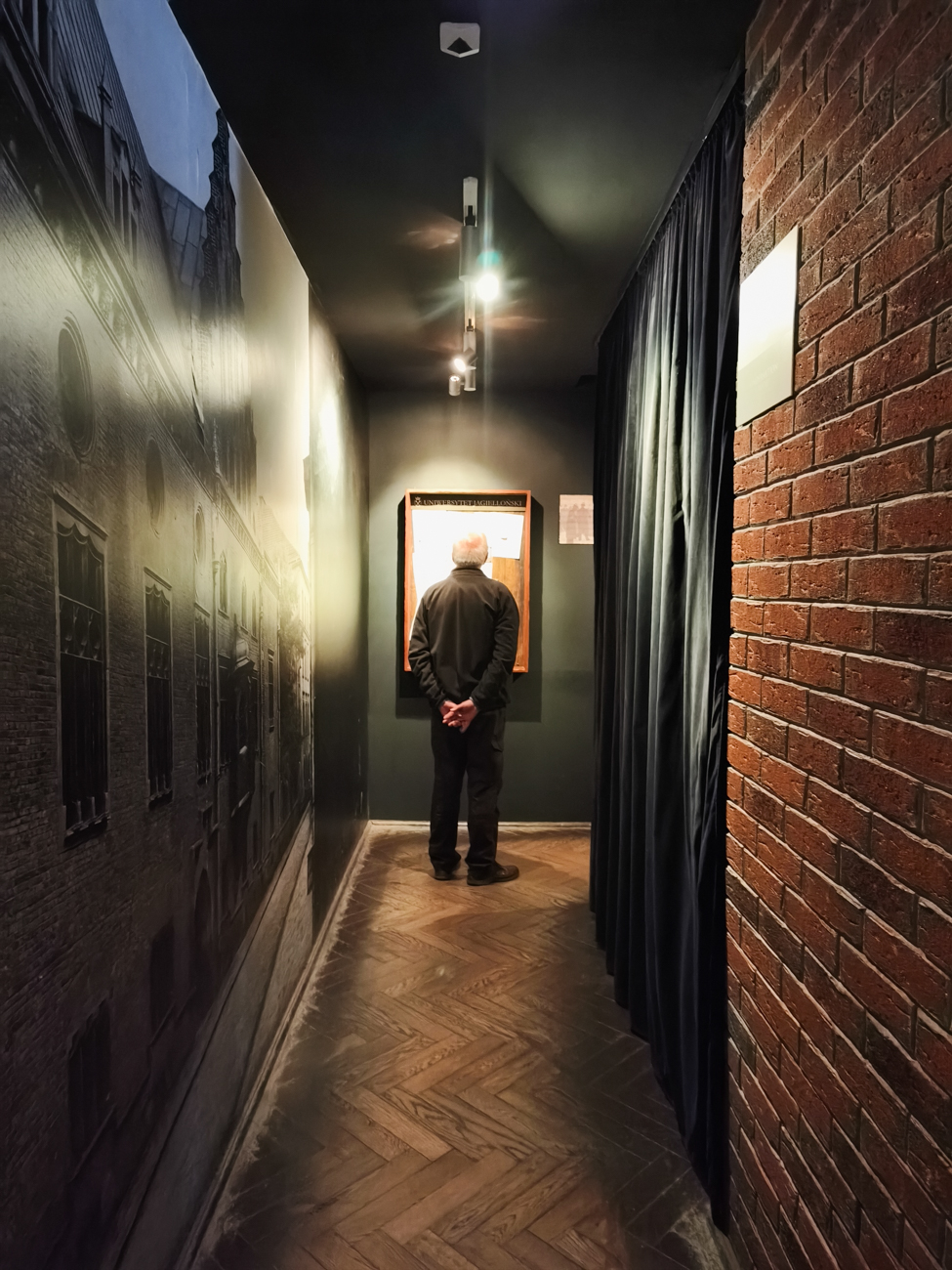
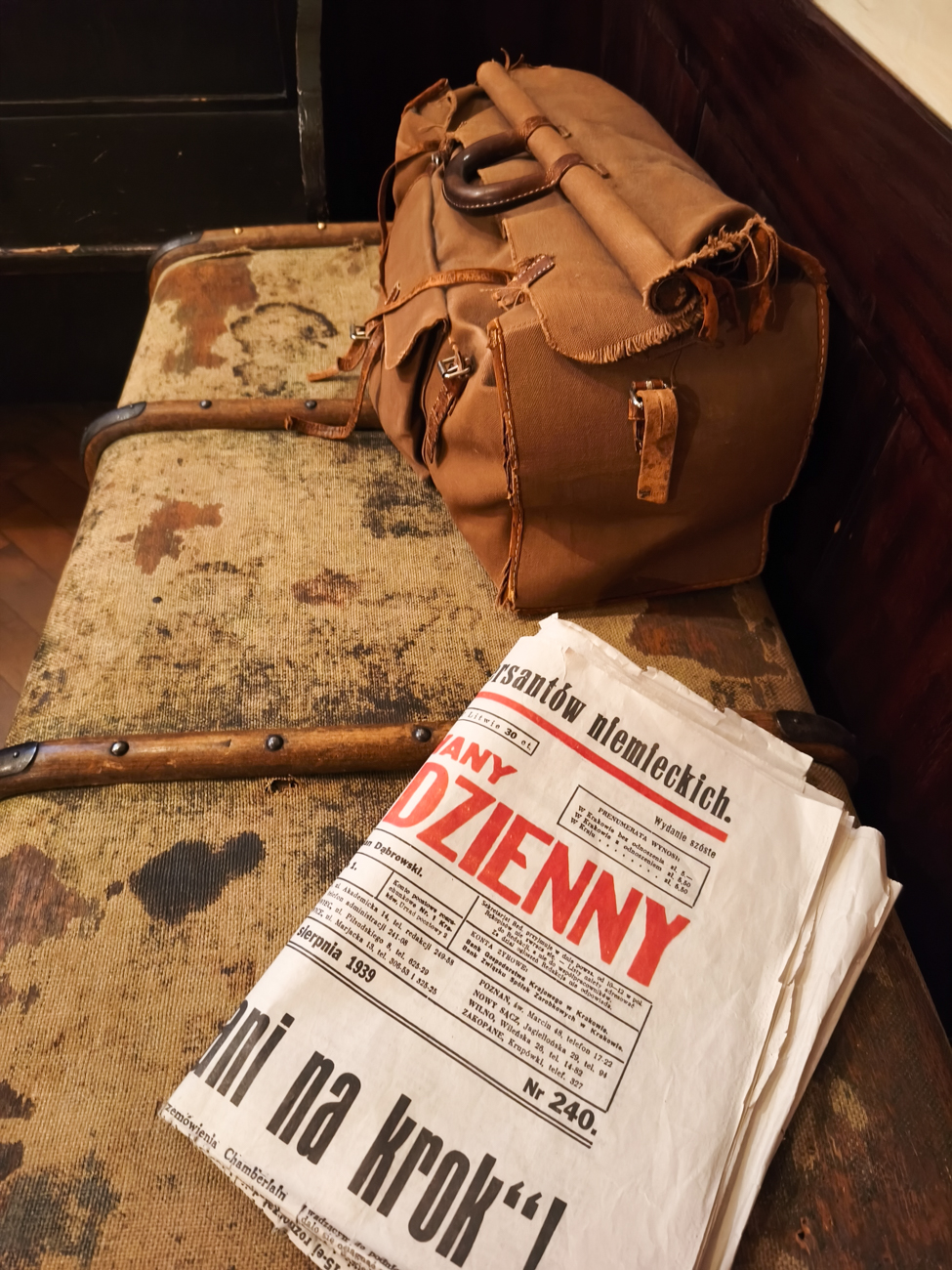
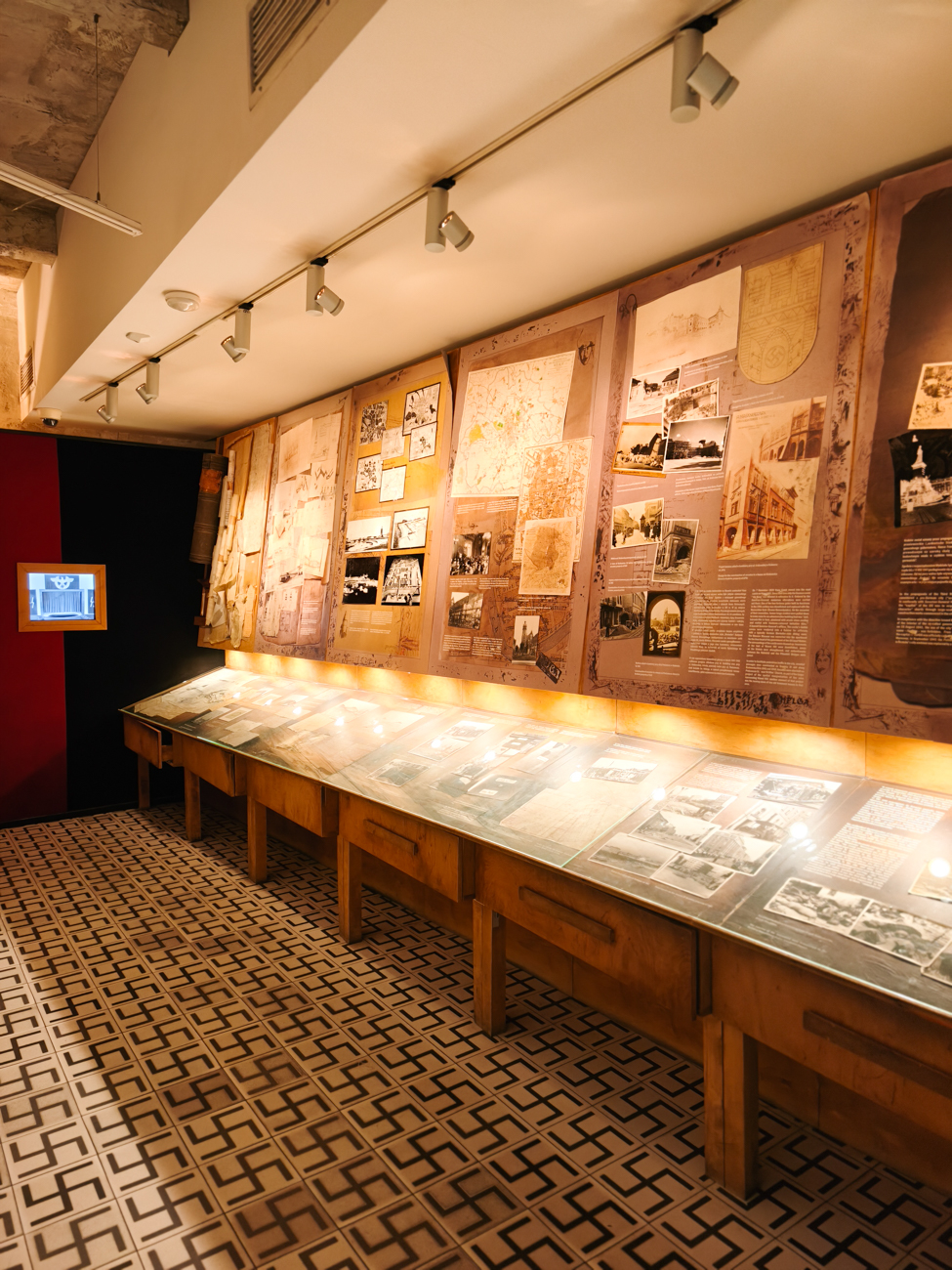
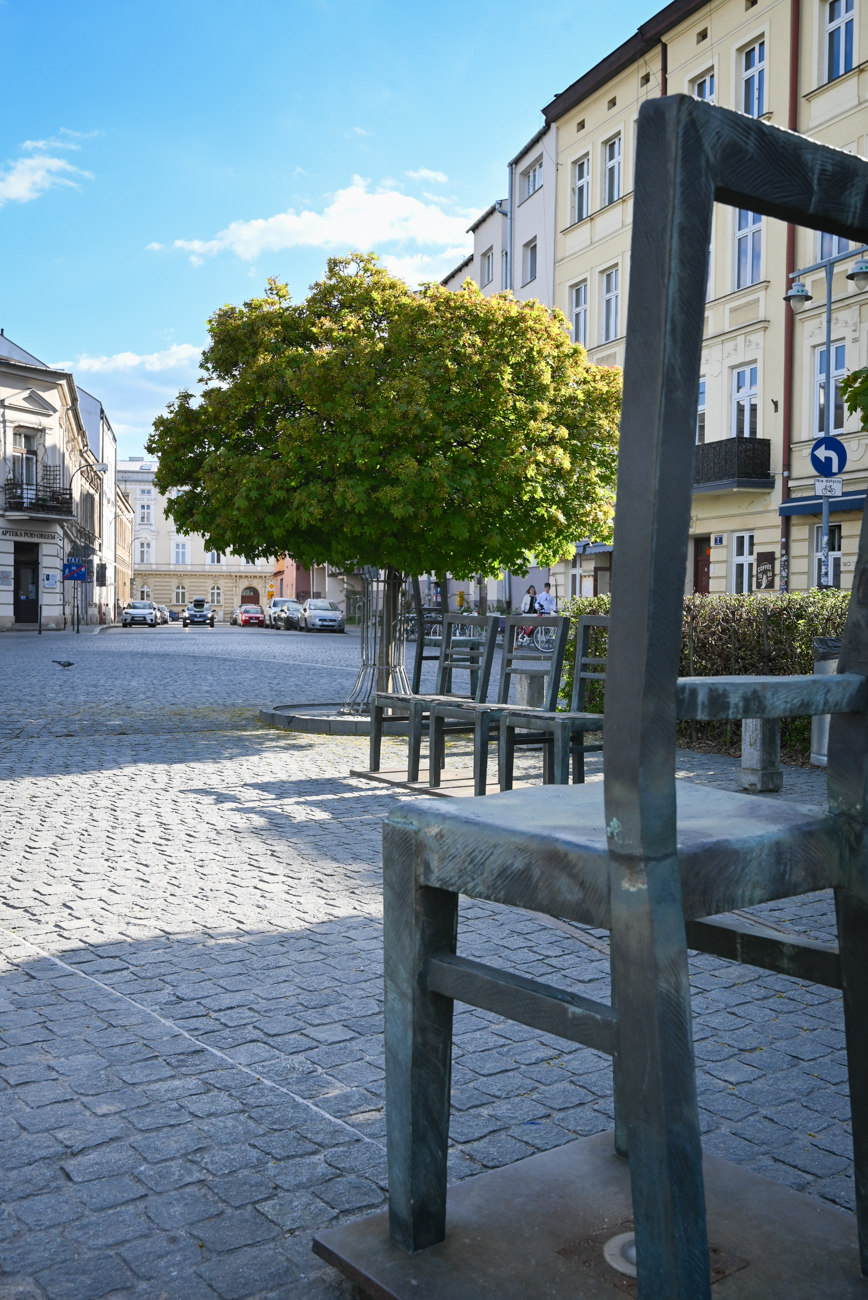
Theold Jewish cemetery and Ghetto Heroes Square, with its large chairs scattered across the esplanade, recall the tragic events surrounding the liquidation of the ghetto. Places of remembrance and reflection, bearing witness to a community once very present in Kraków and now almost gone.
Coming out ofSchindler’s Factory, the atmosphere felt almost different. As if the city, behind its colourful façades, its buzz and its blossoming trees in spring, suddenly revealed another depth.
We walked for a while without really talking, letting the weight of the visit gently settle.
Then Kraków gradually came back around us: the sound of trams, conversations drifting out of cafés…
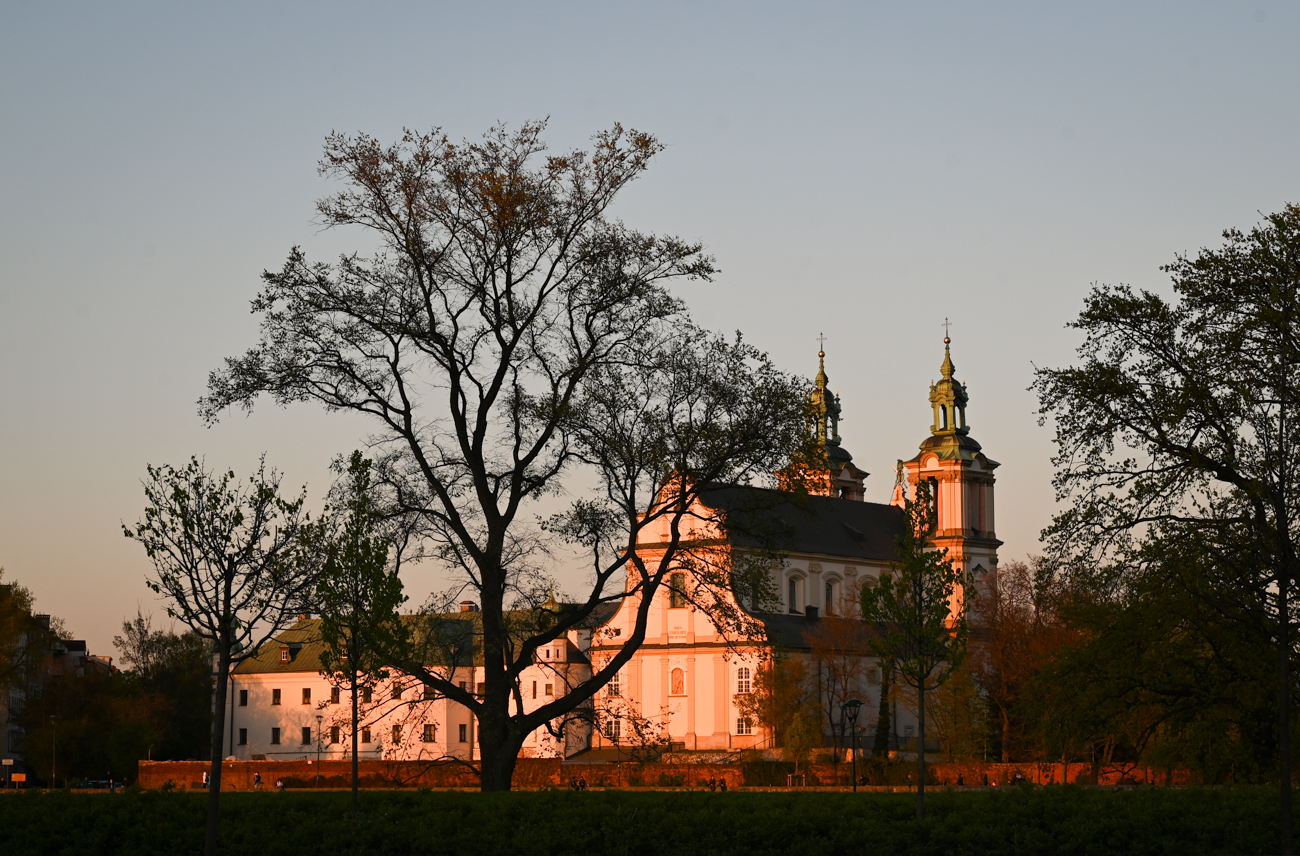
For our last hours here, we chose to slow down. Wander a little more in Kazimierz, buy a few souvenirs (krówki fudge and Wedel chocolate), enjoy a last heavenly Polish meal and savour one last time the very particular atmosphere that makes the city so charming. For good addresses, remember these three: Restauracja Po Krakosku, Gościnna Chata and Kołeczko Café. You’ll eat well and locally, and each one seemed to etch Poland a little deeper into our minds.
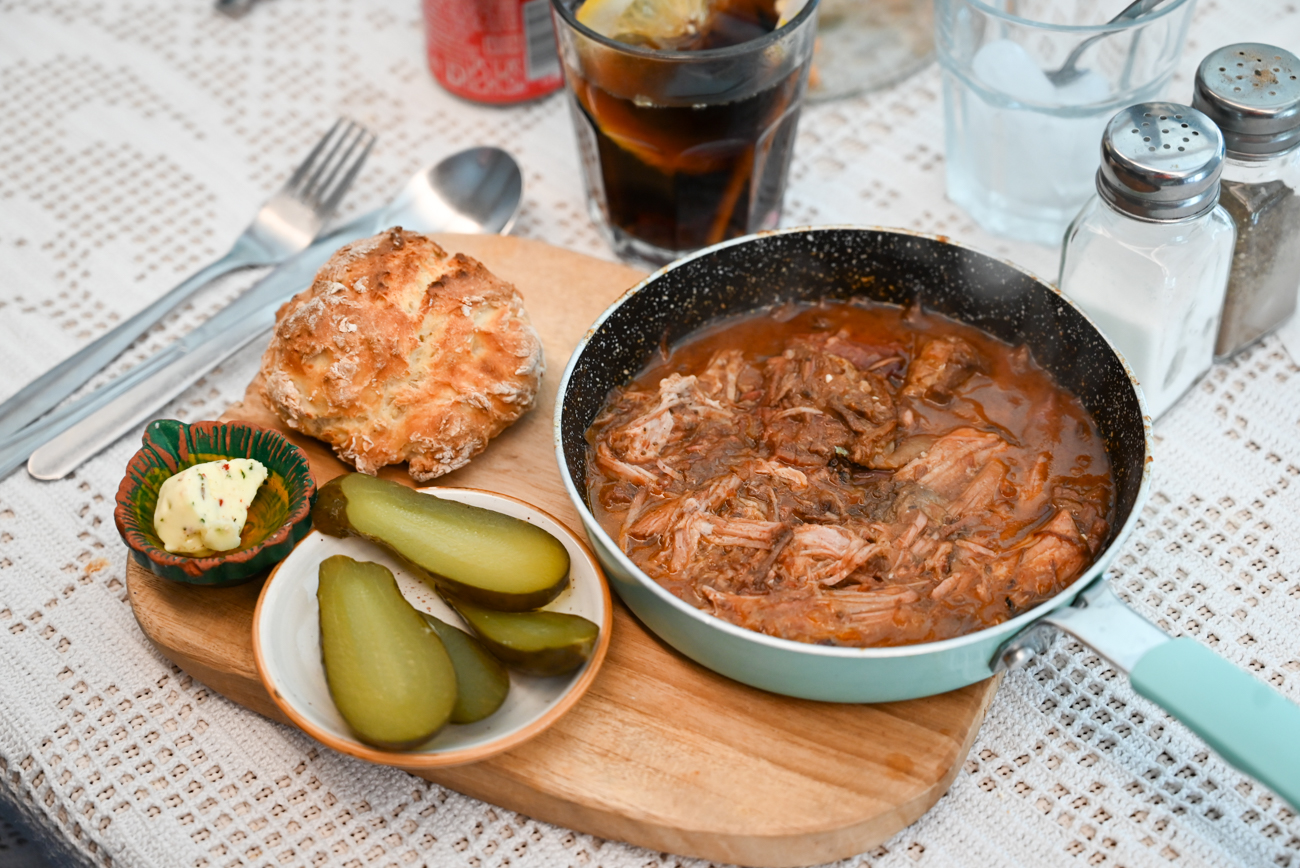
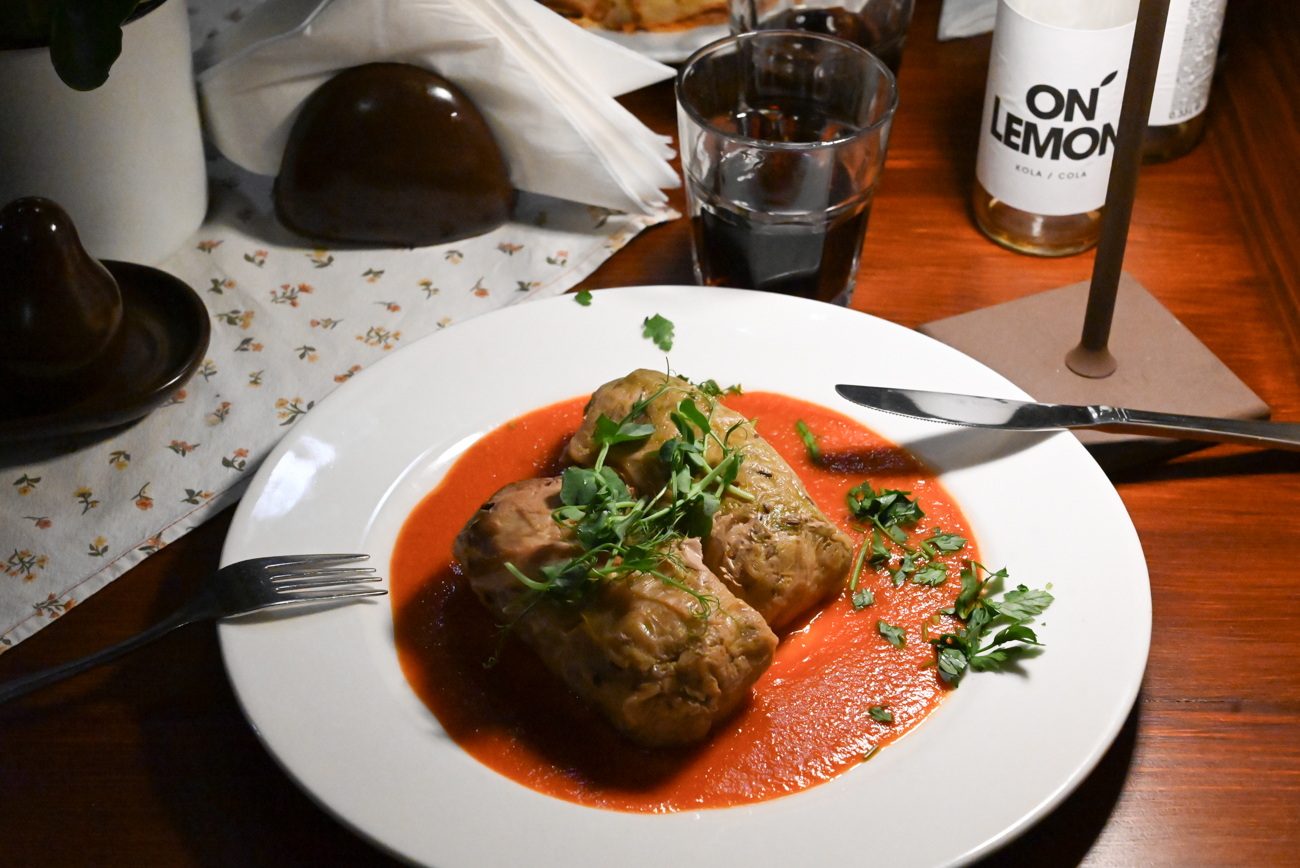
In the end, these six days in Poland were very different from what I’d originally imagined. Between still-snowy mountains, steaming baths, misty valleys, mysterious depths, melt-in-the-mouth pierogi, places of remembrance and the lively streets of Kraków, this trip took us through a thousand different moods, sometimes light, sometimes deeply moving.
One thing’s for sure: Poland didn’t leave us indifferent.