Planning a road trip around the Italian lakes? In this guide, I share a complete 7-day itinerary between Lake Maggiore, Lake Como and Lake Garda, with the most beautiful villages, the must-see visits, the budget, the hotels and all my practical tips.
It had been far too long since I’d set foot on Italian soil… Since 2020, to be precise. Five years already. An eternity in my eyes. I’d missed Italy so much: its luminous landscapes, its carefree way of life, the pizza, the pasta and of course the gelati melting in the sun. A nagging longing, no doubt because Italian blood runs in my veins, and every trip back takes me a little closer to my roots.
Every stay feels like coming home, a breath of fresh air that recharges me with a sing-song accent, a “Ciao” called out in passing, a gently murmured “Prego”. And then there’s that unique atmosphere that makes me feel instantly at home: the roar of Vespas echoing through cobbled lanes, the smell of laundry and coffee drifting from half-open windows, the scent of fresh basil on market stalls, passers-by in their Sunday best leaving church, or even the frantic honking in the background, which you almost come to find endearing.
And what better setting than the northern lakes to reconnect with the Italy I love so much? Lake Maggiore, in the heart of the mountains, felt wilder, almost untamed. Lake Como, more refined, charmed me with its romance and the surprising views that appear around every bend. As for Lake Garda, the largest, it fascinated me with its emerald waters and some unexpected landscapes, like Limone, a village clinging between cliffs and shore that seems straight out of a fantasy novel.
Strolling along these calm waters, taking a ferry from one shore to the other, getting lost in a village of colourful façades… it all had a special resonance for me. This trip was a gentle, luminous interlude, where you breathe deeply and let yourself be lulled by the Italian dolce vita.
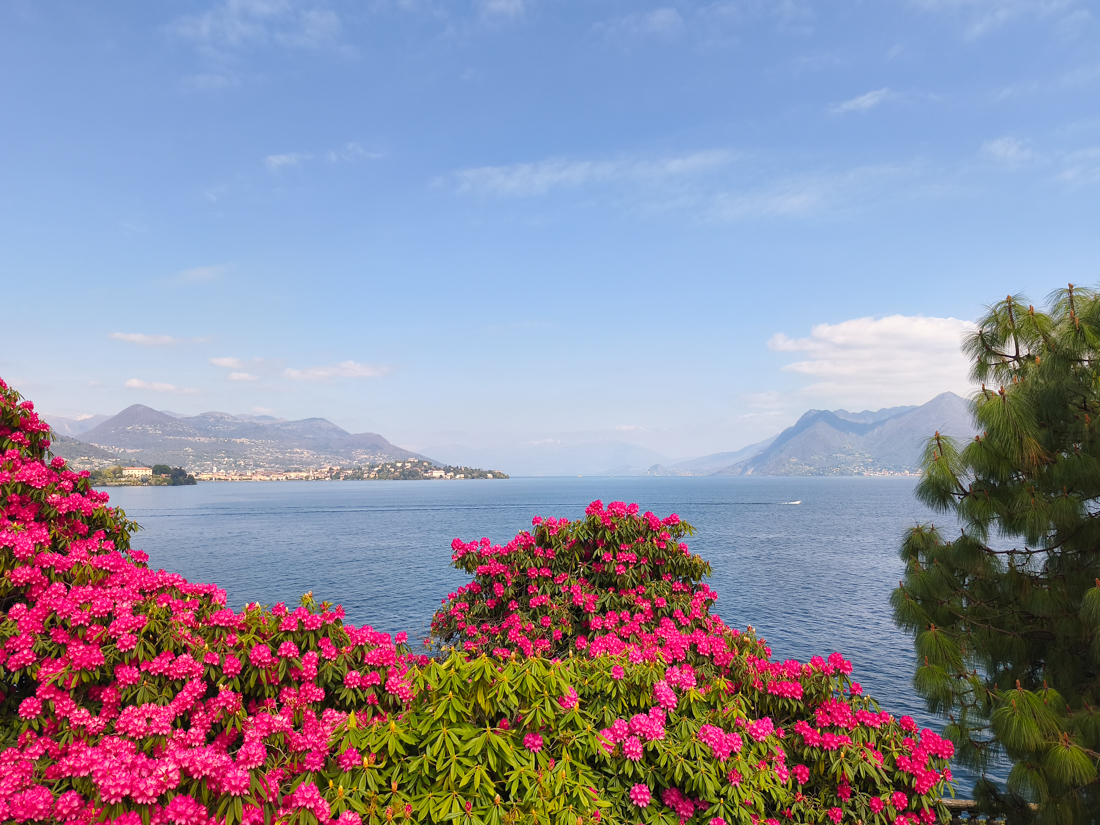
View of Lake Maggiore from the terraces of Isola Bella
Italian lakes road trip: at a glance
- Length: 7 days
- Lakes visited: Lake Maggiore, Lake Como and Lake Garda
- Start and end point: Milan Malpensa airport
- Getting around: rental car and ferries
- When we went: April 2025
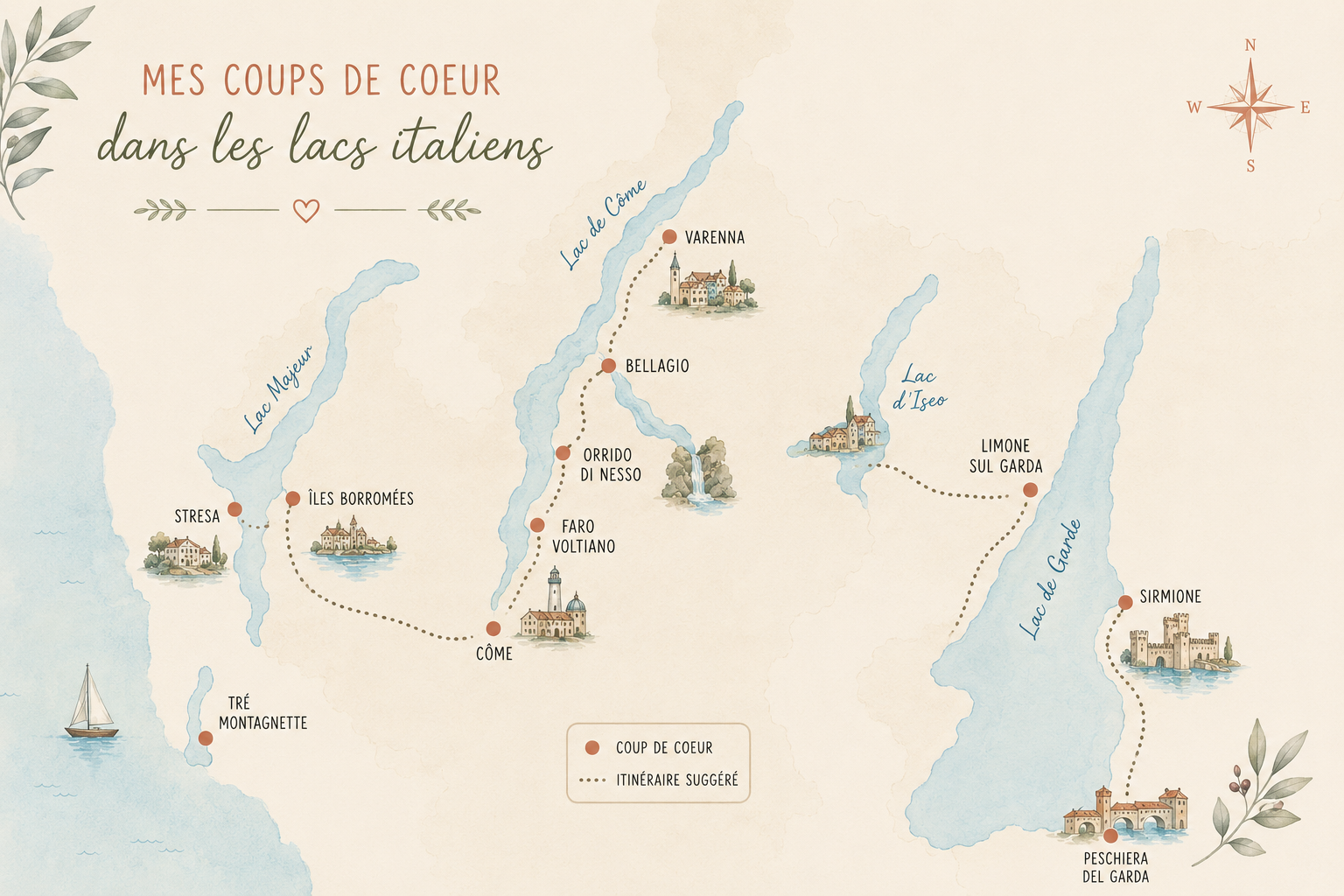
- Main stops: Stresa, the Borromean Islands, Como, Bellagio, Varenna, Peschiera del Garda, Sirmione, Malcesine, Riva del Garda and Limone sul Garda
- Indicative budget: about €516 per person excluding meals
- My tip: go for a small car, more practical on narrow roads and in villages
Which Italian lake to choose: Maggiore, Como or Garda?
An overview of the differences between the three great lakes of northern Italy.
The three lakes offer very different atmospheres. Here’s an overview to help you choose the stops that best suit you.
| Lake | Ideal for | Don’t miss | How long? | My impression |
|---|---|---|---|---|
| Lake Maggiore | Islands, gardens and peaceful landscapes | Stresa, the Borromean Islands, Cannobio and the Tre Montagnette | 2 days | The wildest and most restful |
| Lake Como | Romantic villages and elegant views | Bellagio, Varenna, the Faro Voltiano and the Orrido di Nesso | 2 days | The most refined and romantic |
| Lake Garda | Varied landscapes, fortified villages and turquoise waters | Peschiera del Garda, Sirmione, Malcesine, Riva del Garda and Limone sul Garda | 2–3 days | The most spectacular, and my big favourite |
How to get to the Italian lakes?
For this getaway, we flew from Paris Charles de Gaulle with easyJetto Milan Malpensa. A direct flight of barely two hours, perfect for an Italian break without wasting time on travel. The airport is ideally located, only about 45 minutes from Lake Maggiore: a quick way to dive into the atmosphere. (Milan Malpensa is also served by direct flights from many UK and European airports.)
But flying isn’t the only way to reach Milan from Paris. Fans of slower travel can also opt for the train : a direct TGV links Paris Gare de Lyon to Milano Centrale in about 7 hours, with superb Alpine scenery out of the window as a bonus. For those who want the journey to be part of the trip, there are also night trains linking France to northern Italy: you fall asleep in Paris and wake up on the other side of the Alps, ready to start your road trip.
Finally, you can also get to Milan by car. Allow about 8 hours’ drive from Paris (not counting breaks), via Switzerland or the Mont Blanc tunnel. It may seem long, but it lets you travel at your own pace and plan a few stops along the way.
Whichever option you choose, Milan is an ideal gateway to the Italian lakes. If you’d like to spend a few days there before or after your road trip, have a look at my Milan travel diary (in French).
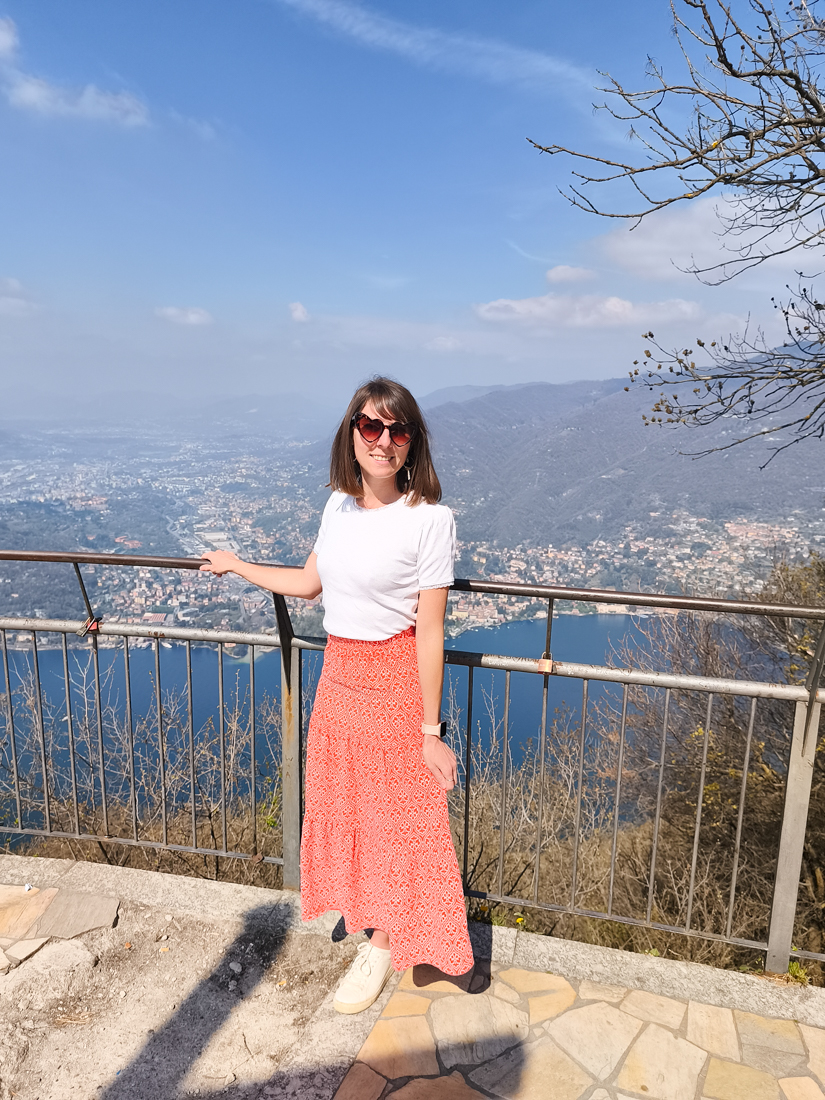
View of Como from the Faro Voltiano
How to get around the Italian lakes?
Getting around the Italian lakes by train
Once in Milan, you have several options for exploring the lake region. Many people choose the train to link the main towns: Milan–Como, Milan–Stresa or Milan–Varenna, on the east shore of Lake Como. It’s a practical, comfortable and affordable option that lets you travel light while watching the scenery roll by. My father, for example, always prefers this option and gets around this way every time: he takes a train to Como or Stresa, then hops straight onto a ferry to explore from village to village.
Taking the ferry on the Italian lakes
Because ferries are the region’s other great classic: they serve the iconic villages (Bellagio, Varenna and Menaggio on Lake Como, or the Borromean Islands on Lake Maggiore) with regular crossings at reasonable prices. It’s both a practical and poetic way to travel: the lake looks different from the water, and every landing stage has its share of picturesque lanes to explore.
These two modes of transport are perfect if you want to focus on a single lake and avoid the stress of driving.
Renting a car to tour the three lakes
We chose the freedom of a car, to do a complete loop around the three lakes. We rented our car through BSP Auto, a French comparison site I always use to book cars when travelling. Their service is reliable and competitive, and I recommend them regularly. One important thing to remember: most Italian rental companies require a credit card (not a debit card) to pick up the car. I hadn’t noticed this when booking, but luckily BSP Auto’s customer service was very responsive and quickly found us a solution.
So we toured the region in a Lancia Ypsilon hybrid, a small model that turned out to be the ideal choice. Because while the scenery is magnificent, so are the roads… and they’re not always relaxing! In the lake region, they often wind through the mountains, narrow and twisting, before squeezing into villages with sometimes tiny lanes. So avoid big cars if you don’t want to break into a sweat at every bend or parking manoeuvre.
Driving and parking around the Italian lakes
And then, of course, there’s the famous Italian driving, which always gets people talking: red lights jumped, daring overtaking, impatient honking… The image sticks. But to my great surprise, I felt very comfortable on the roads. In the mountains, there’s actually not much traffic, and in towns you soon get the hang of it: a mix of attention and flexibility, where everyone naturally finds their place.
Practical tips : download the official ferry app to check real-time timetables and avoid long waits, especially in high season. If you’re travelling by train, it’s best to book tickets in advance for the best fares. And if you’re driving, bear in mind that parking can be complicated (and expensive) in tourist villages: check whether your accommodation has parking.
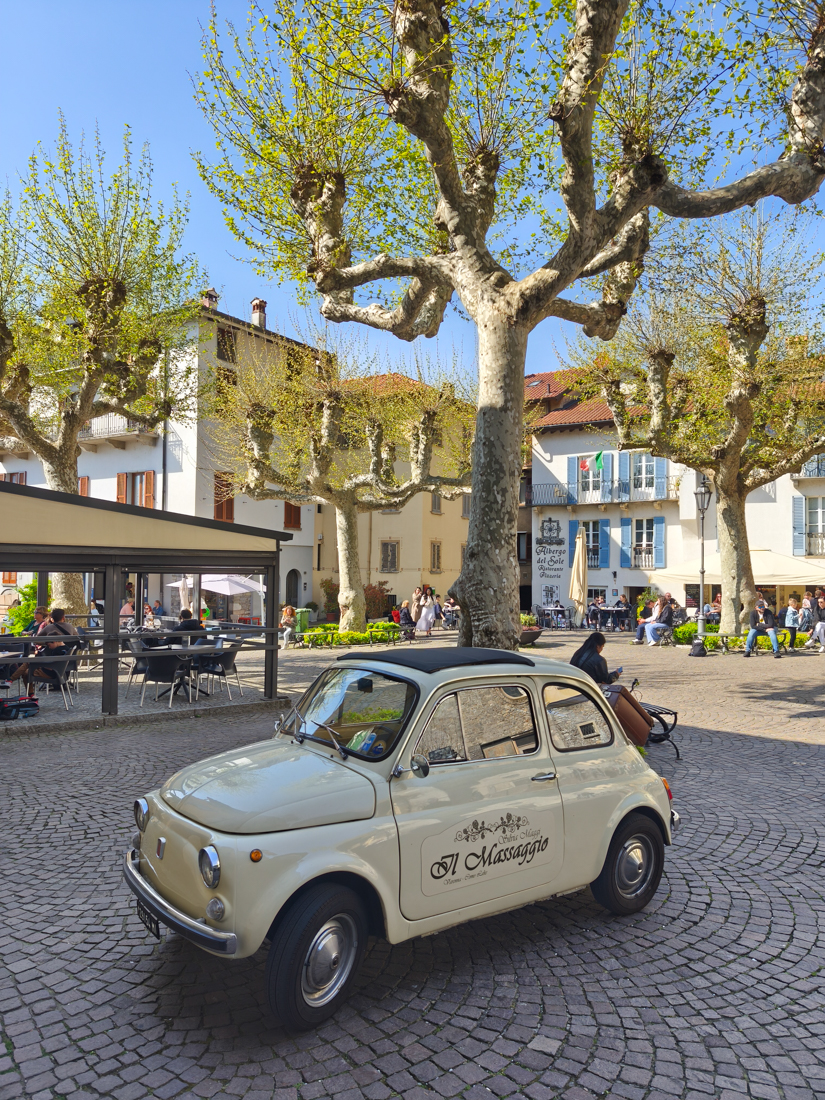
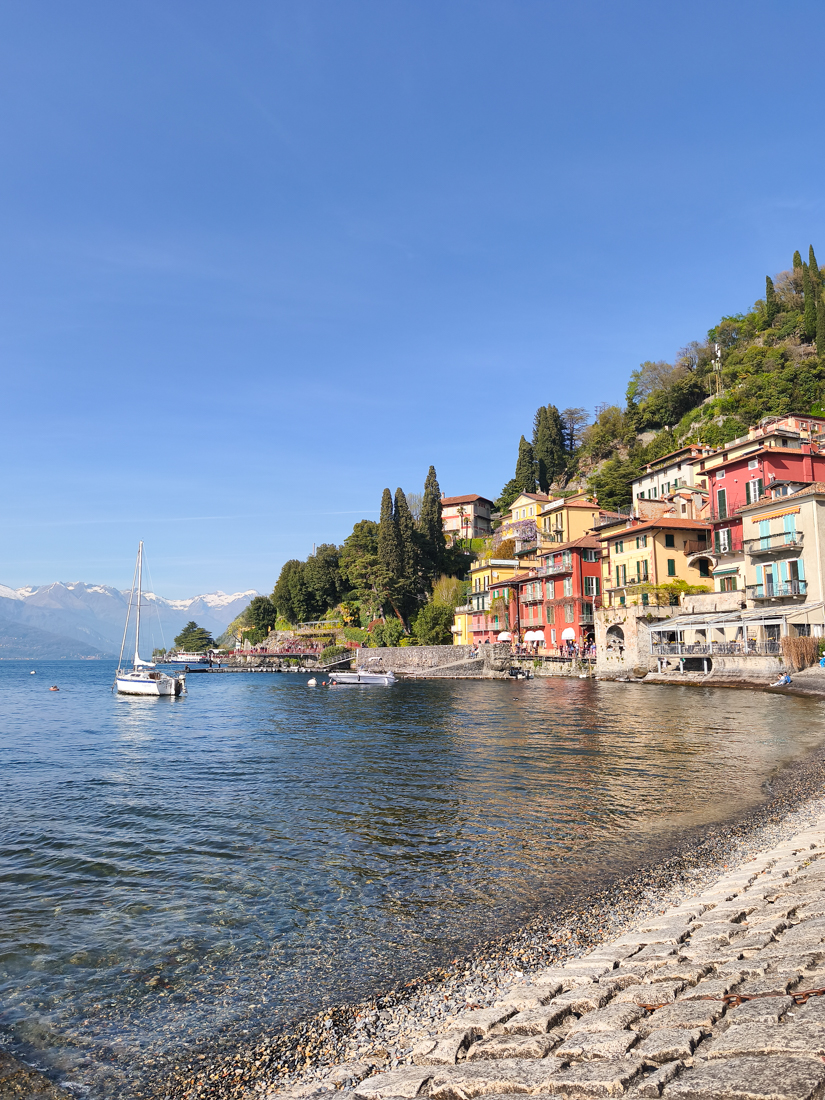
Varenna, Lake Como
Italian lakes road trip: 7-day itinerary
Seven days of travel, from Lake Maggiore to Lake Garda via Lake Como.
Day 1: from Milan to Lake Maggiore – first stop in Stresa
We arrived at Milan Malpensa in the early afternoon and picked up our rental car. Barely forty-five minutes later, we were already driving along the shores of Lake Maggiore and enjoying our first views.
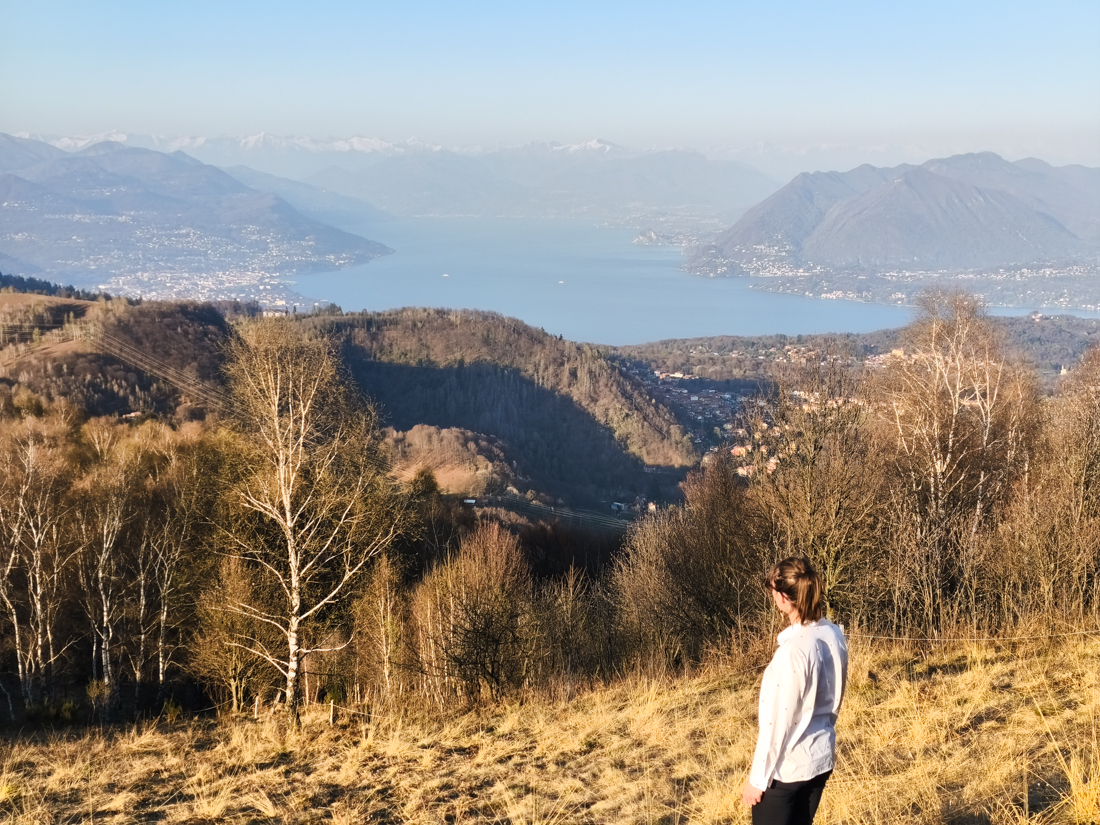
We’d originally planned to go up to the summit of Mottarone, which apparently offers a splendid view over the lake and surrounding mountains. But as the site was closed when we visited, we opted for a lovely alternative: an impromptu hike to the Tre Montagnette viewpoint, found by chance on Google Maps. Forty-five minutes’ walk through woods and steep paths, and we were rewarded with a clear, magnificent view over the lake.
At the end of the day, we settled into Stresa, a charming little town that would be our base for two nights.
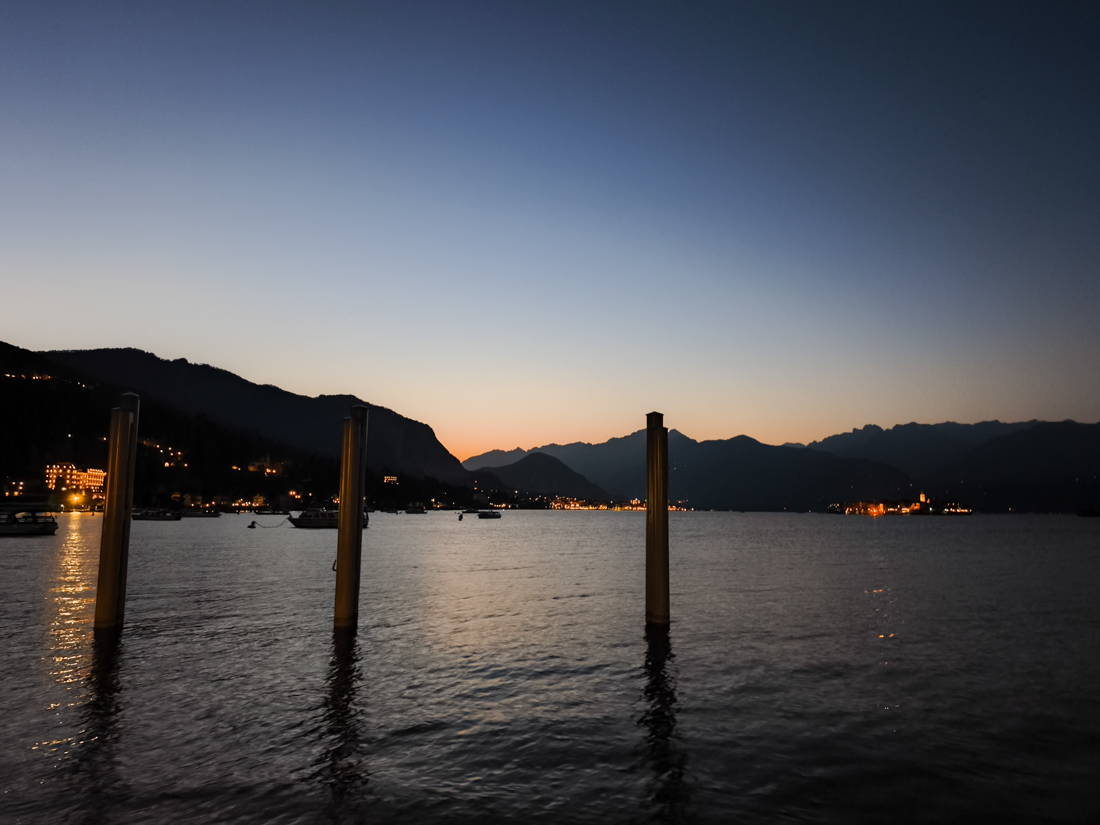
We strolled along the promenade, watching sails glide across Lake Maggiore before fading into the twilight, giving way to the vibrant calm of the night.
Dinner: Grano Duro (Stresa) : a good, typical restaurant with a warm welcome and simple but perfectly cooked and seasoned dishes
Night: Hotel Flora, in Stresa. Allow €177 for two nights for 2, breakfast included. The hotel is a stone’s throw from the landing stage and has parking, a real plus in the region. (Note: allow €15 tourist tax, payable on site.)
Day 2: discover the Borromean Islands and Cannobio
You can’t stay in Stresa without devoting a day to the Borromean Islands. From the landing stage, we boarded a ferry linking the three main islands (allow ~€20 for the day, departures every 30 minutes).
We started with Isola Madre, its pheasants and lush botanical garden, then continued to Isola dei Pescatori, the smallest, with the charm of a fishing village. We finished with Isola Bella, dominated by the Borromeo Palace and above all its terraced gardens.
In the late afternoon, we drove up the lake’s west shore to Cannobio via Baveno for a lakeside stroll.
Dinner: L’Imbuto (Cannobio) : a friendly spot for simple, tasty Italian food (fresh pasta, lake fish), perfect after a day on the water.
Night: back to Stresa, night at theHotel Flora (2nd night).
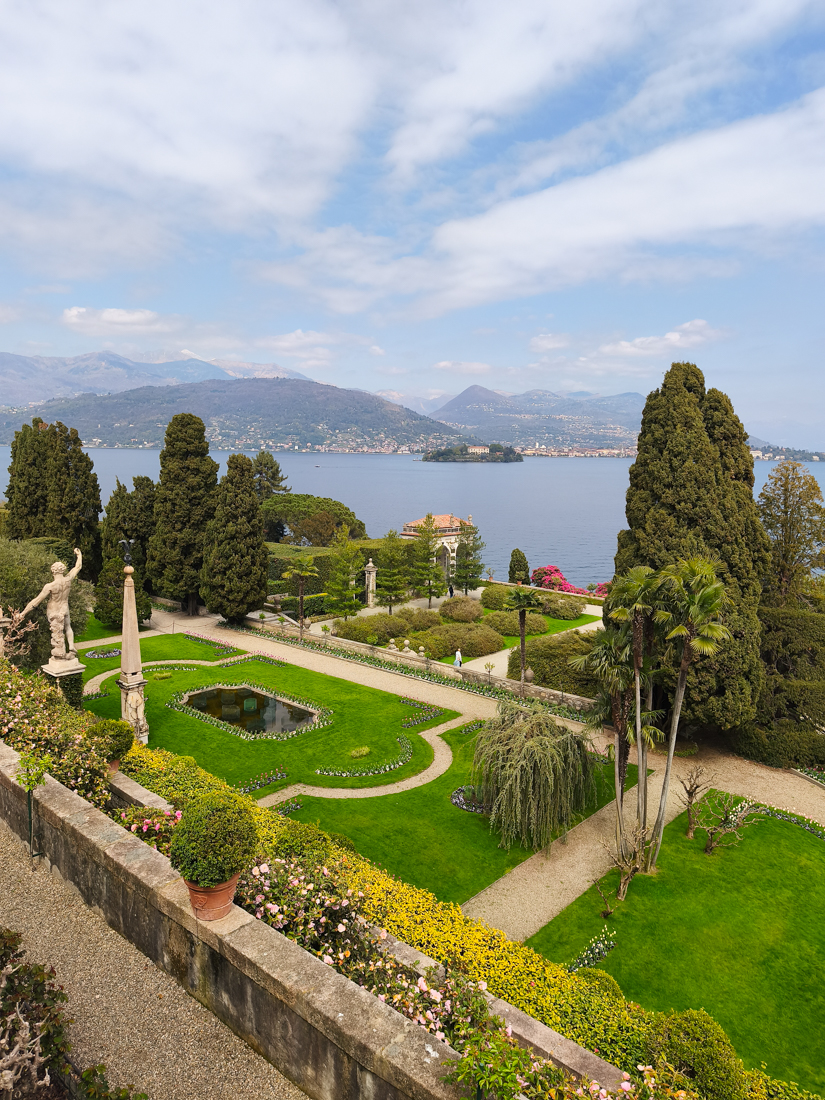
Isola Bella
Day 3: from Stresa to Como via the Faro Voltiano and Nesso
After two nights in Stresa, it was time to head for Lake Como. Our first stop was above the hamlet of San Maurizio: the Faro Voltiano, a lighthouse dedicated to the inventor Alessandro Volta. Perched in Brunate, it offers a splendid view over the city of Como and the surrounding mountains on a clear day. (You can get there on foot by hiking, by funicular or by car.)
We then continued to a much lesser-known spot, which is all part of its charm: theOrrido di Nesso, a deep gorge with an impressive waterfall at the foot of the picturesque Ponte della Civera. The place is wild, a little secret, and seems suspended in time.
We had lunch at Brisaa de Ness, a local restaurant where we enjoyed an incredibly tasty risotto, before heading on to Cernobbio, another chic, elegant town on the lakeshore. Unfortunately, tiredness, and no doubt a bug brought home by my daughters, made us cut the visit short.
We finally reached the city of Como, where we spent the night. While it’s practical as a stopover, it charmed us less than other villages: more spread out and more “urban”, the magic doesn’t quite work… but the next day, heading to Bellagio and its neighbours, the lake’s magic would truly reveal itself.
Night: La Capanna (Como) : a simple, functional apartment (≈€93), breakfast included. I believe it’s no longer available at the moment, but you can look for accommodation in Como here.
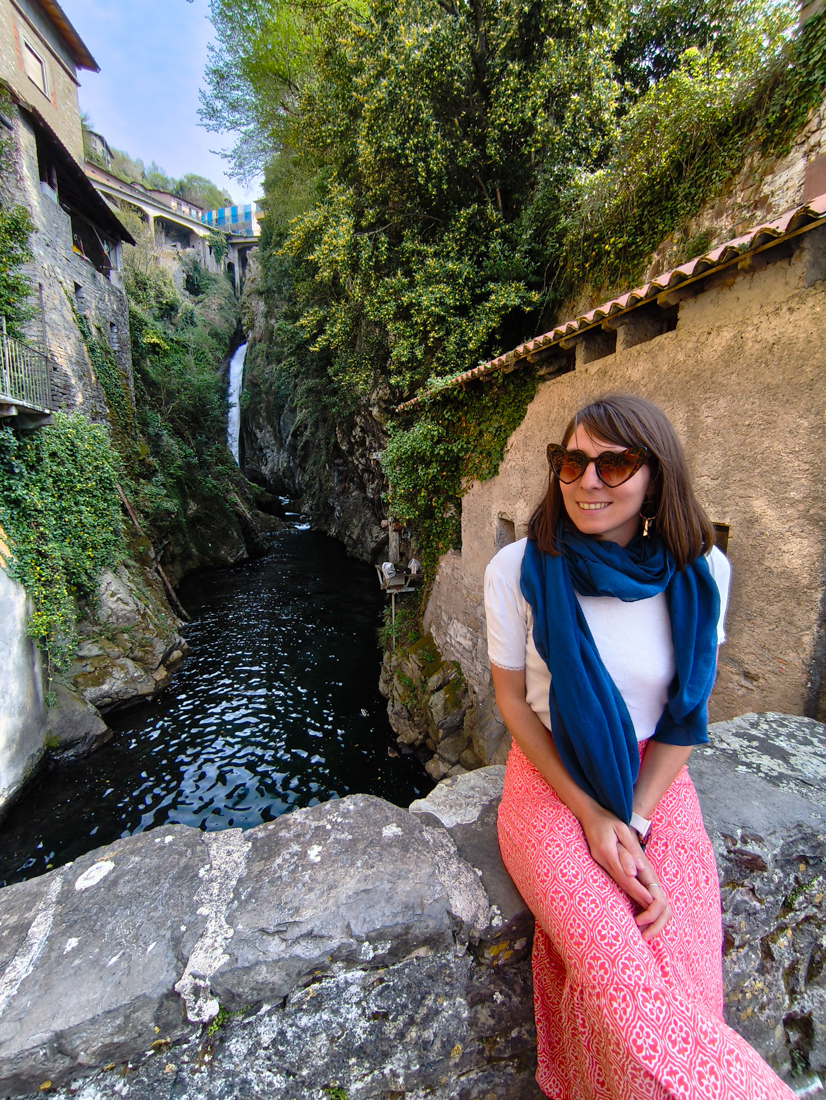
Orrido di Nesso
Day 4: Bellagio and Varenna, Lake Como’s must-sees
The next morning, we left Como and headed up to Bellagio, the “pearl of the lake”, nestled on the tip of land separating its two branches. We’d planned to go by ferry: the connections are regular, the cruise looked pleasant and I needed to get my strength back after a day and night of fever. However, parking near the landing stage was outrageously expensive. So we took the car, reasoning that if we had to pay for parking anyway, we might as well do it there and save on the ferry. In the end, we found free parking at the entrance to the village. The winding road to Bellagio, lined with colourful villages, already offers superb views of the mountains and deep waters.
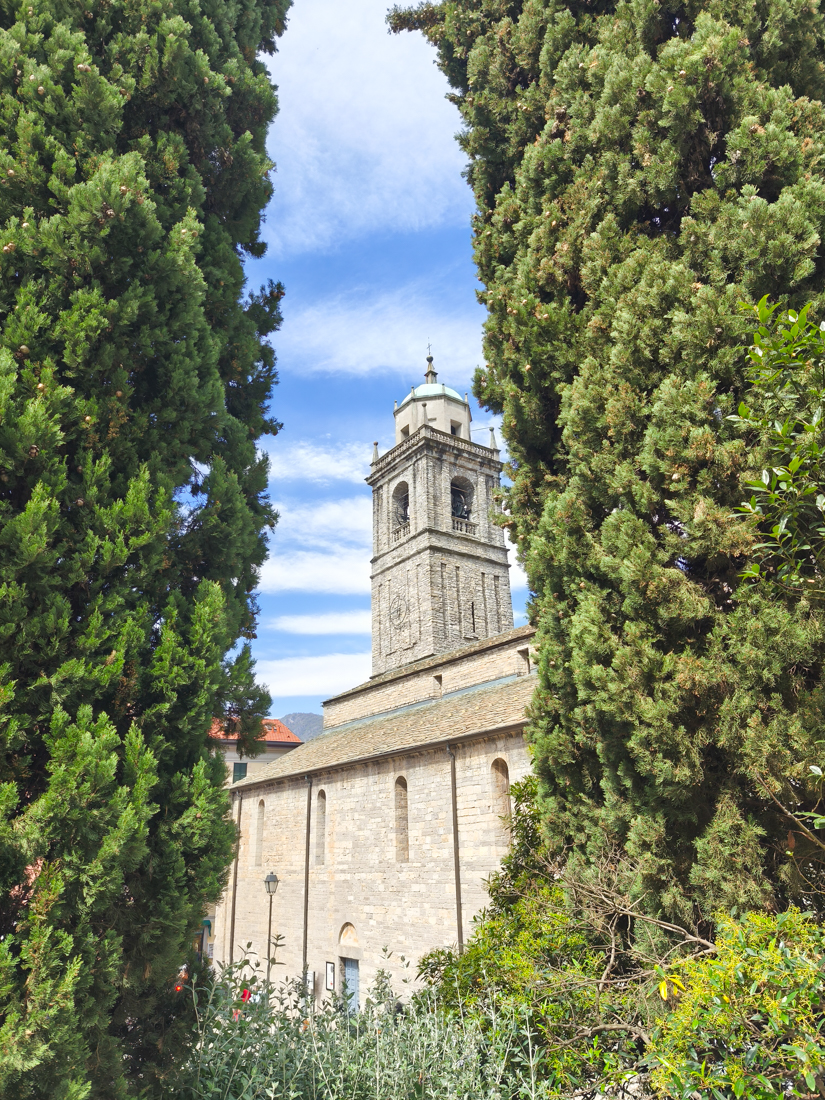
On arrival, it’s impossible to resist Bellagio‘s charm. Its cobbled lanes lined with pastel façades, flower-decked steps and craft shops give it an atmosphere that’s both romantic and elegant. Here, everything invites you to wander: to look up at the flowery balconies, enjoy a coffee on a terrace or linger in front of a silk shop window. From the village, you can climb up to Punta Spartivento, a viewpoint with a splendid view over the lake’s three branches. The walk takes about 1 hr 30 to 2 hrs, but we preferred to soak up the gentle, luminous atmosphere of the centre.
Lunch break : Torre del Gusto, for (real) Italian-style carbonara to die for!
In the middle of the afternoon, we boarded a ferry to Varenna, more discreet, authentic and intimate.
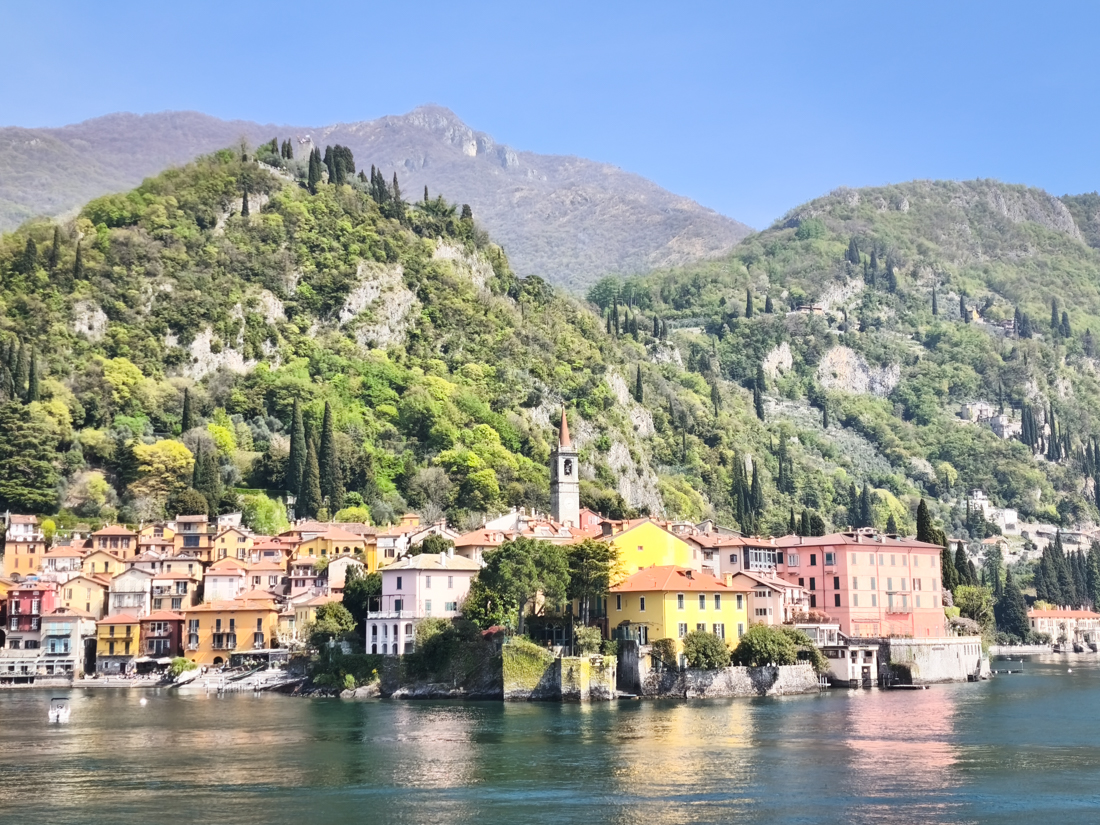
Its narrow lanes and colourful houses, packed tightly together above the water, have a quiet, almost timeless charm. The walk along its lakefront is particularly pleasant at the end of the day, when the golden light reflects off the façades and the boats gently return to port.
Night : we headed for Lecco, where we’d booked theOrchidea Apartment (≈€89), a modern apartment with self check-in via a key safe. A practical, restful stop after a day full of discoveries. I believe it’s no longer available at the moment, but you can look for accommodation in Lecco here.
Day 5: from Lake Como to Lake Garda – Peschiera and Sirmione
We left Lecco in the morning for Lake Garda, the largest lake in Italy, about two hours’ drive away. Our first stop was Peschiera del Garda, a charming little fortified town with pentagonal Venetian ramparts. We took a boat trip around the fortress, which lets you admire the walls from the water and better understand the town’s strategic position.
After this appetiser, we had lunch at All’Orologio, a friendly spot in Peschiera, perfect for good pizzas with a view over the canal and the town’s rooftops.
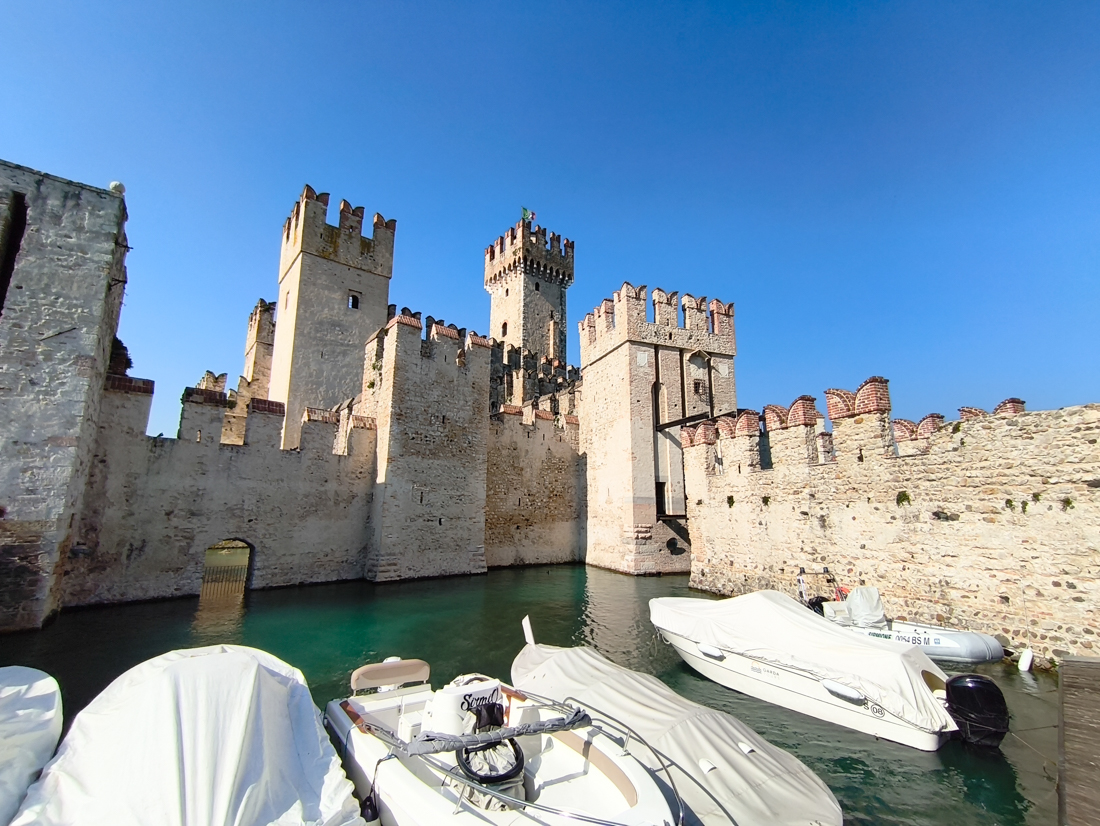
We then continued to Sirmione, probably the most iconic village on Lake Garda. Nestled on a narrow peninsula, it charms with its cobbled lanes, colourful façades and the Scaliger Castle marking its entrance. It’s very touristy, but the charm still works, between the smell of gelati on every corner and the emerald reflections of the lake. Short on time, we couldn’t visit the Grottoes of Catullus, as we’d parked about twenty minutes from the centre in a car park limited to two hours. We settled for a wander through the heart of the village, which was enough to capture its magic.
Night: Hotel Nuova Barcaccia, in Peschiera del Garda (≈€79 per room). A simple but practical hotel, perfect for a night right by the lake.
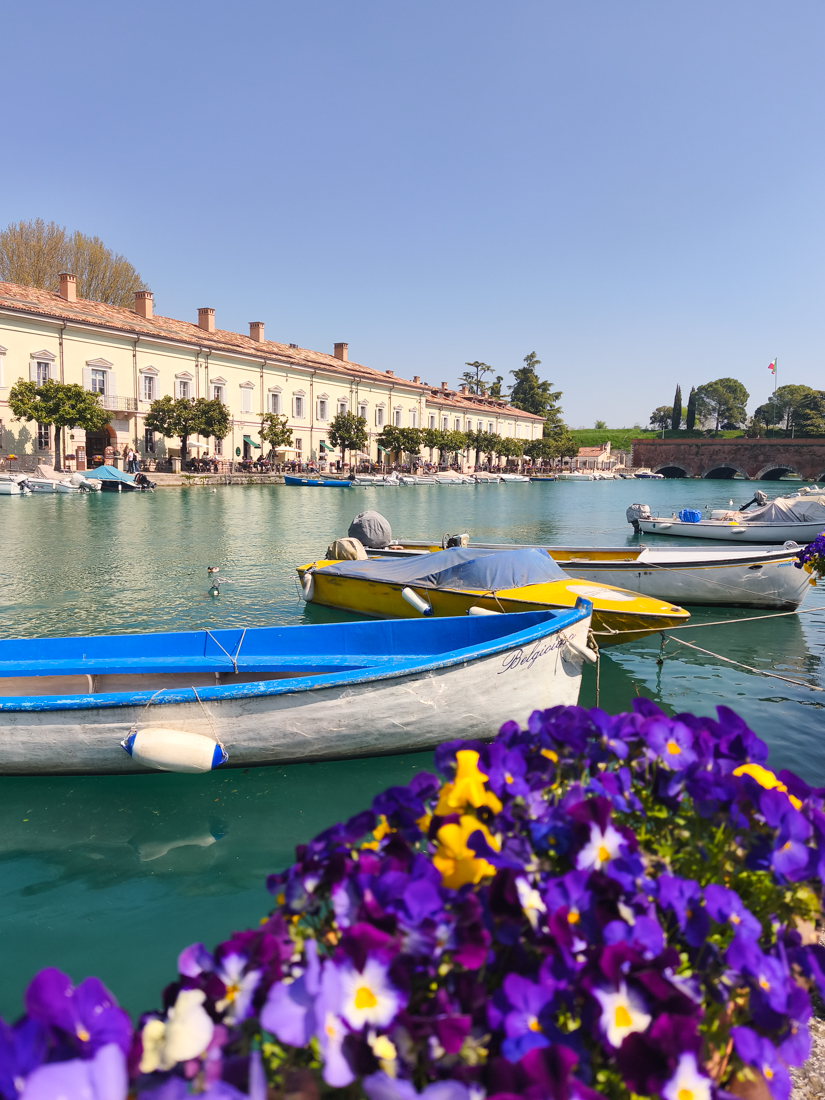
Peschiera del Garda
Day 6: Malcesine, Riva del Garda and Limone sul Garda
We left Peschiera in the morning and followed the eastern shore of Lake Garda. First stop: Malcesine, a charming village dominated by its medieval castle. We wandered through its cobbled lanes, full of life and colour. From here, the cable car goes up to Monte Baldo, which apparently offers an exceptional view over the lake, something we’ll save for next time.
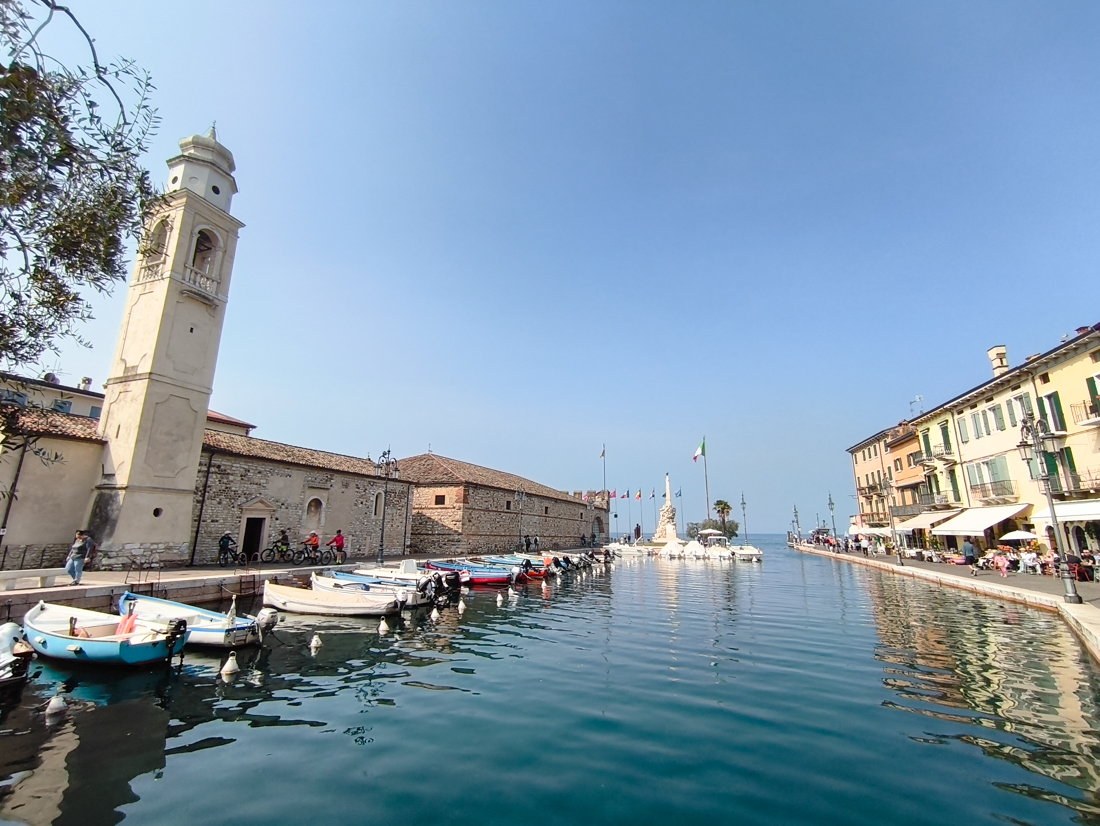
We then continued north to Riva del Garda, an elegant, lively town at the northern tip of the lake. The clouds gradually swallowed the background and the air cooled, but Riva’s colours and its views over the cobalt-blue lake stood out against the misty mountains. Nearby, we followed the signs by chance to the Varone waterfall, a 100 m (330 ft) cascade plunging from sheer limestone cliffs through a narrow gorge. A path lets you explore the site: a refreshing and impressive stop, especially on sunny days.
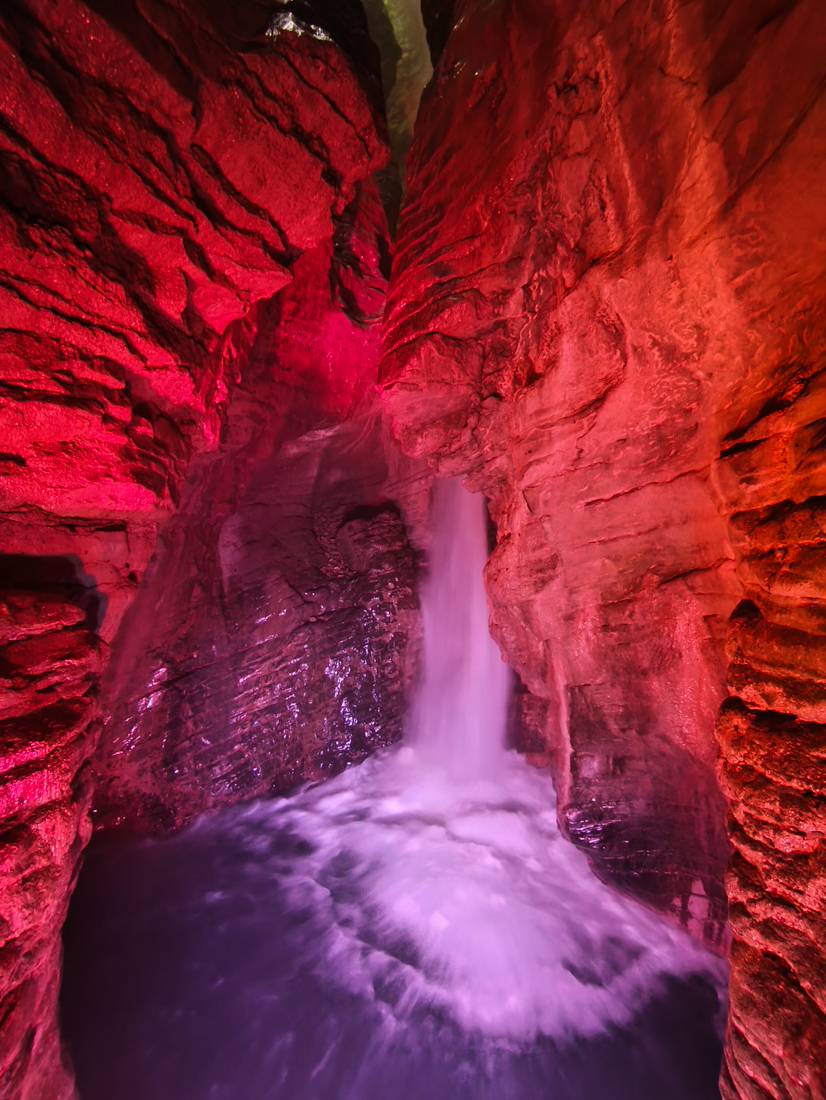
Varone waterfall
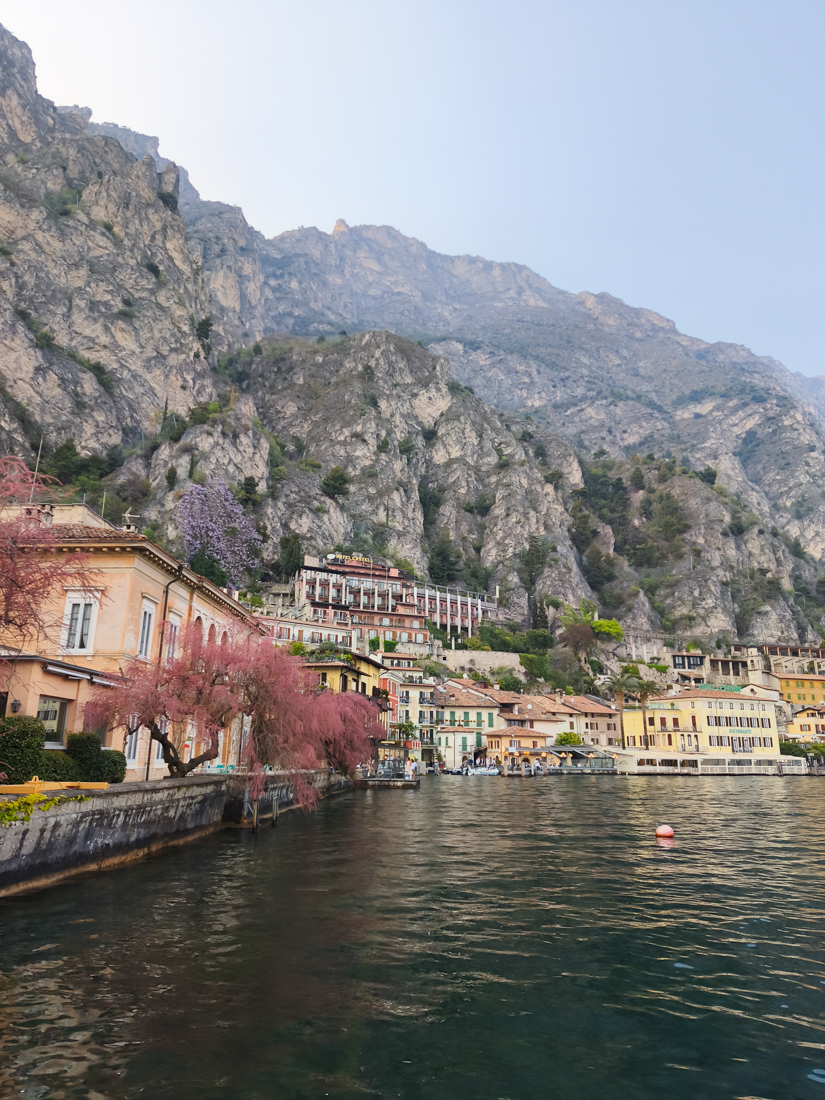
In the late afternoon, we reached Limone sul Garda, nestled between the emerald waters and high, steep cliffs. It was one of our favourites of the trip. The village has an almost unreal atmosphere, as if suspended between sky and water. Its narrow flower-filled lanes, colourful houses packed tightly together, terraced gardens and old lemon groves make it a picture-postcard setting… only better.
At nightfall, the charm works even more: the restaurant lights reflect in the lake and people stroll gently along the waterfront. The atmosphere is both lively and peaceful, wrapped in a golden light that gives Limone the feel of a fantasy film set. An ideal, almost perfect last evening to end our stay in the lake region in style.
Dinner : Chez Gemma, right by the water; the food is excellent!
Night : Aria Life Hotel (Limone sul Garda) : ≈€99 per room, plus €4 tourist tax payable on site. The hotel has a lovely pool with a mountain view.
Day 7: back to Milan and the end of the road trip
Time to hit the road again, not without a pang. After a good breakfast with a mountain view, we headed for the airport! 2 hrs 30 of driving lay ahead and we returned the car in the early afternoon. We’d planned to make a few stops on the way, for example in Maderno, Bogliaco, Gargnano or Salò, but the sky wept at our departure, pouring its tears over the lake. I’ll point you to Inesonline’s Instagram stories, which give a lovely glimpse of these villages.
This week spent between Lake Maggiore, Lake Como and Lake Garda flew by, but it gave us a restorative, luminous break, between mountains, picturesque villages and emerald waters.
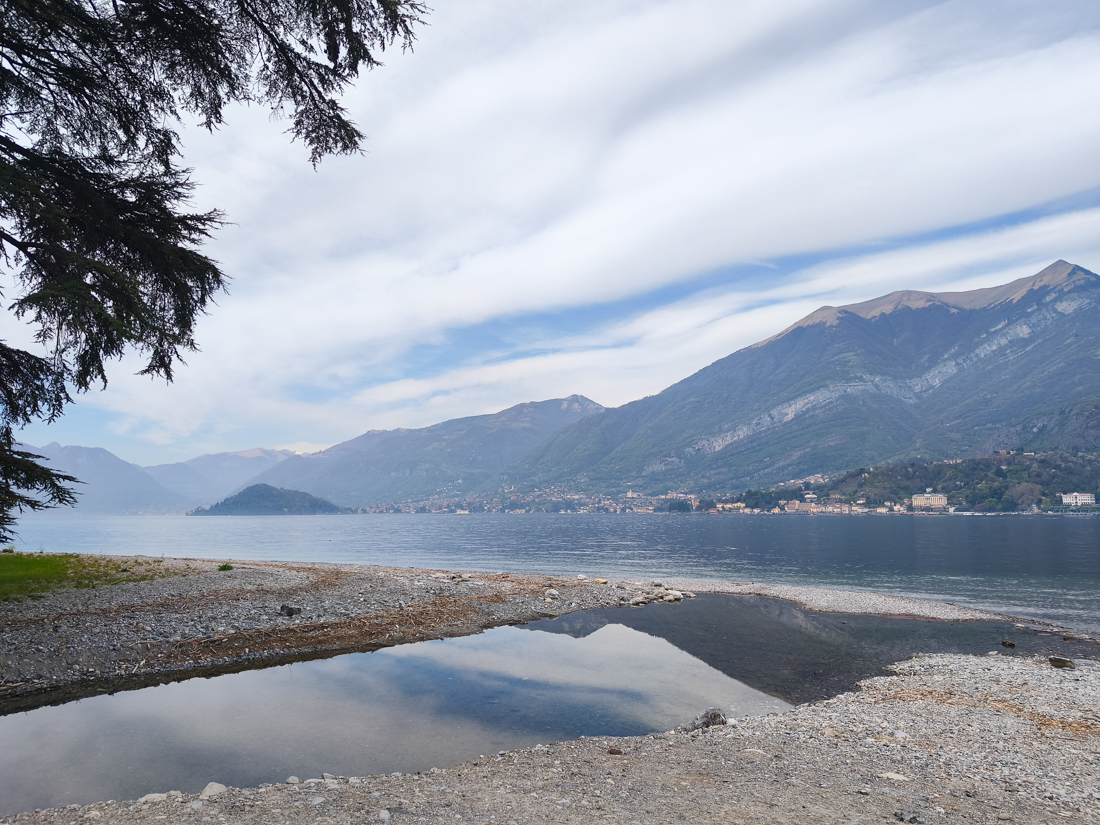
View of Lake Como from Bellagio
Our favourites from this Italian lakes road trip
The places and moments I loved most on this trip.
- The whole of Lake Garda : its turquoise, almost crystal-clear waters, sparkling like a jewel, lined with fortified villages whose centuries-old walls watch over its shores. Enchanting!
- Among these villages, I have a soft spot for Peschiera del Garda and also for… Limone sul Garda, which, nestled in the rock, seems to spring from the cliffs. Its lanes and roofs seem to merge into the rock face, a menacing guardian of the lake’s calm waters. A unique village.
- The Borromean Islands, especially Isola Madre and Isola Bella, two interludes each with a face of its own. I loved getting lost in the maze-like paths of Isola Madre and meeting its feathered residents, but Isola Bella’s terraced gardens and open views over Lake Maggiore are breathtaking. Out of season, there are no crowds and it’s lovely to wander peacefully without rushing.
- Varenna, on Lake Como, with its narrow lanes and colourful houses. The lakefront, lined with little terraces and steps leading down into the water, invites you to linger at sunset. Varenna has a discreet charm that catches you unawares, and felt more authentic to me than Bellagio, more intimate than Cernobbio. Italy just as we love it!
- The 360° view over Lake Como from the Faro Voltiano, a white sentinel watching over the lake’s meanders, offering an almost aerial perspective.
- The Tre Montagnette trail , discovered by chance on the evening we arrived. A little impromptu hike, which I did in a short-sleeved shirt and trainers, so unprepared was I, but magical in the lovely evening light. A bath of nature, views and calm… A perfect taste of the week ahead!
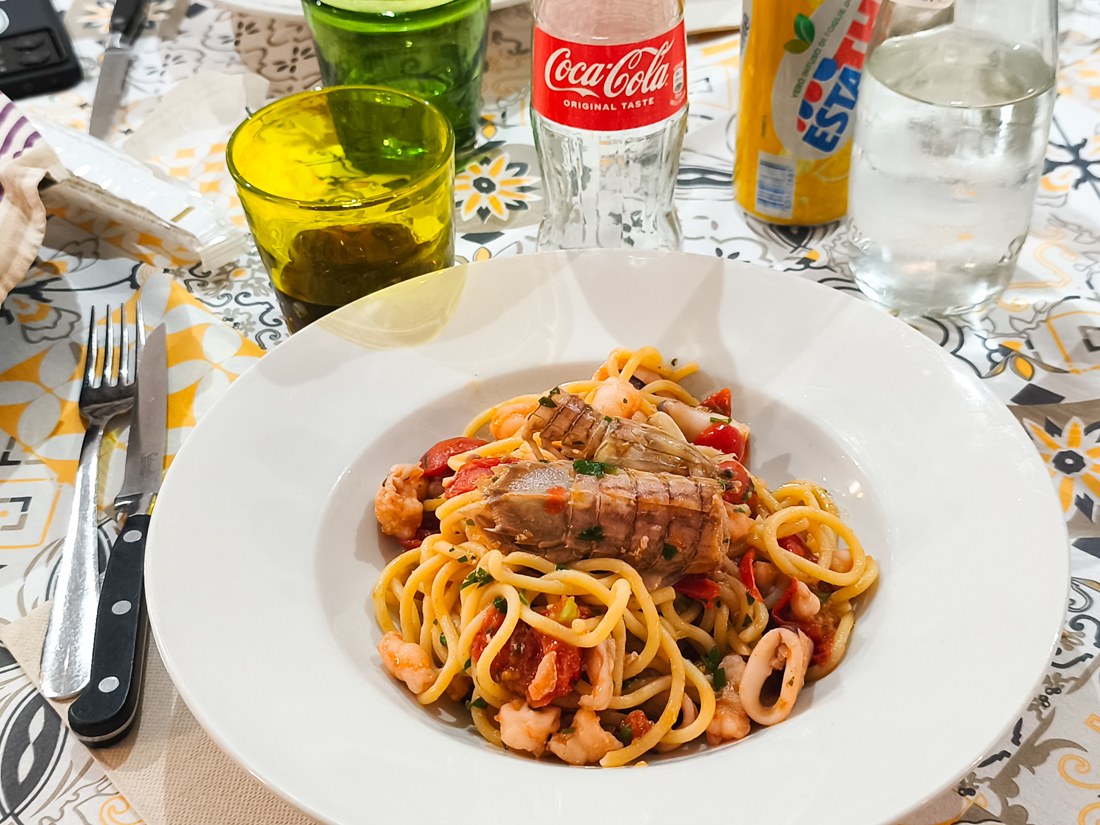
- Italian pasta and gelati , we can’t say it enough! Pasta al ragù, carbonara, creamy ice cream… Unique flavours, simple but tasty, that taste of Italy, because you only find them there, right?
What budget for a one-week road trip around the Italian lakes?
| Item | Budget | Per person |
|---|---|---|
| Accommodation | €550 for 2 | ≈ €280 |
| Flights (from Paris) | €150 for 2 | €75 |
| Car + fuel | €130 + about €90 | ≈ €110 |
| Visits | Ferry to the Borromean Islands: €15 / person Island entry: €36 / person |
≈ €51 |
| Meals | About €25–30 per person per restaurant meal | Depends on your habits |
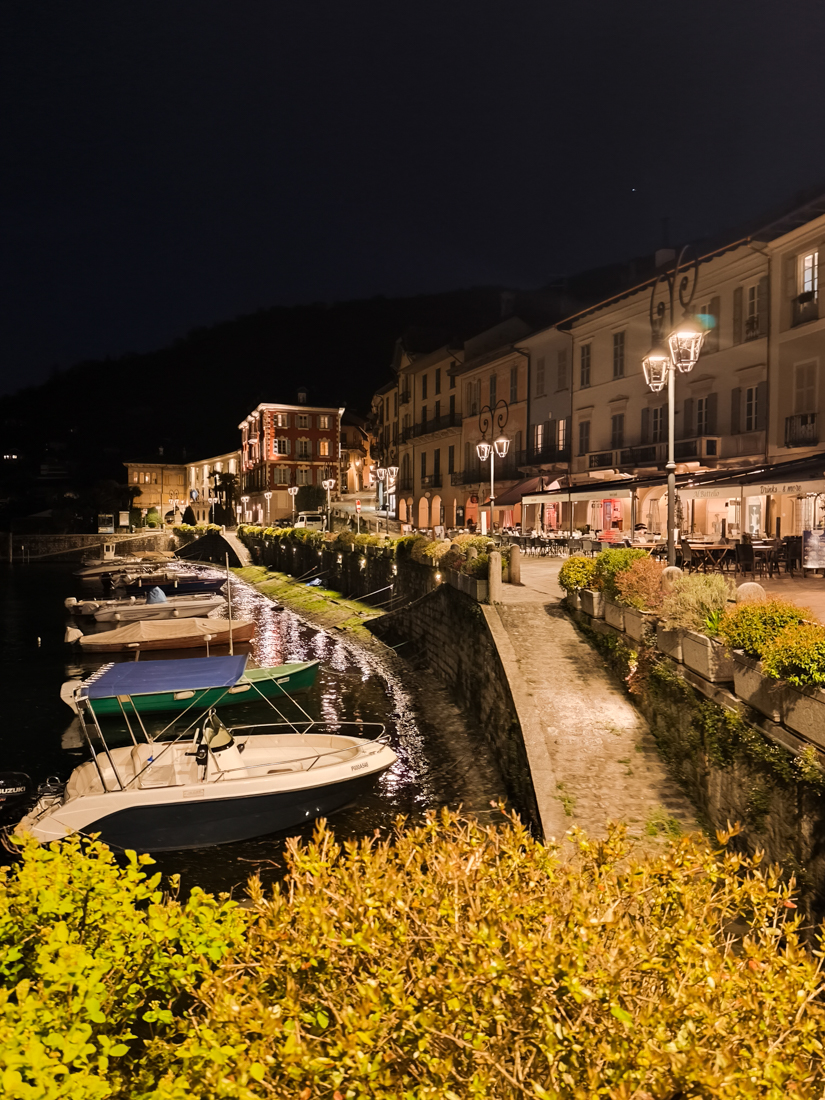
Cannobio
Practical tips for planning a road trip to the Italian lakes
| To plan | My tip |
|---|---|
| Time difference | None between France and Italy (Italy is 1 hour ahead of the UK). |
| Guidebook | I didn’t buy a printed guidebook for this trip, so I don’t have one to recommend. |
| Health | Remember to take your European Health Insurance Card (or UK GHIC) and check it’s valid before you leave. |
| Tolls | Italian motorways are tolled; the toll booths work much like those in France. |
| Climate | Even with lovely days in April, temperatures stay cool: bring a jacket, or even a light coat. |
FAQ: planning a road trip around the Italian lakes
How many days do you need to visit the Italian lakes?
A week lets you discover the three main lakes of northern Italy: Lake Maggiore, Lake Como and Lake Garda. The itinerary is fairly packed. For a more relaxed trip, allow ten days or focus on one or two lakes.
Which is the most beautiful Italian lake?
It depends on what you’re after. Lake Como is ideal for its romantic villages and elegant views. Lake Maggiore charms with its islands and more peaceful atmosphere. Lake Garda, larger and more varied, was our big favourite.
Can you visit the Italian lakes without a car?
Yes. Trains run from Milan to Stresa, Como and Varenna, for example. Ferries then link many villages. Without a car, though, it’s easier to focus on a single lake or two well-served areas.
Should you rent a car to tour the three lakes?
A car is still the most practical way to do a loop between the three lakes and reach some more isolated viewpoints. Go for a small model: roads can be narrow and winding, and parking is sometimes difficult in tourist villages.
When is the best time to visit the Italian lakes?
Spring and early autumn generally offer a good balance between pleasant weather and fewer visitors. In April, we enjoyed lovely days, but temperatures were still cool: a jacket or light coat is essential.
What budget for a week around the Italian lakes?
For our April 2025 trip, we spent about €516 per person excluding meals, including flights, accommodation, car rental, fuel, ferries and the main visits. For restaurant meals, allow around €25–30 per person.
Where to fly into for the Italian lakes?
Milan Malpensa airport is an excellent gateway, especially if you start with Lake Maggiore, about 45 minutes’ drive away. It also makes it easy to rent a car for a loop of the three lakes.
In what order should you visit the three Italian lakes?
From Milan Malpensa, the most logical order is to start with Lake Maggiore, continue to Lake Como, then head to Lake Garda. This loop avoids detours and lets you finish with the spectacular scenery of Limone and northern Lake Garda.
🇮🇹 Want to keep exploring Italy?
After the Italian lakes, discover two other magnificent regions: Sardinia and its wild coves, or Sicily, between villages, beaches and volcanic landscapes.