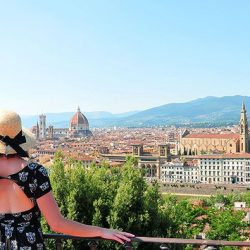

I had already been to Milan (all the practical info is here, in French) a few years ago, in 2010 to be precise. It was my second ‘grown-up’ trip, a few months after Florence (in French) and the Revelation: ‘Discovering places other than your own is just so cool!’ (I’m exaggerating, but that’s more or less it!).
Back then, my ex and I were fairly new to all this and, to be honest, not very organised. Less organised than I am now, anyway! So we had the brilliant idea of booking ourselves a little Italian city break in Milan during a heatwave week (between 38 and 40°C on average), getting around exclusively on foot, and booking a hotel without air conditioning 3 or 4 km from the city centre because it was cheap and had a good score on Booking! (No exaggeration there.)

When we arrived, naive as we were, we were half mugged on Piazza del Duomo because we hadn’t realised that the kind gentlemen handing you seeds for the pigeons actually expect payment in return, and that you have to be very firm with their friends who tie a bracelet round your wrist. Ah, the youth and innocence of days gone by! I thought I was going to die of dehydration several times over those 3 days, and discovered that cold water doesn’t stay cold for long and that warm fizzy drinks are revolting. (In Picardy, that’s rarely a problem!)
In desperation, we even tried the city’s ridiculously expensive swimming pool and were thrilled to pay €16 for a half-hour swim because it happened to close early that day.


Giardini Indro Montanelli, a stone’s throw from our hotel
In short, Milan was the trip where everything went wrong. It could have been worse, and those mistakes taught us a lot 😉! Besides, I’m still here, so I didn’t come home that put off! In fact, I still have lovely memories of that stay, of Milan’s incredible buildings and of the delicious €3 pizzas made right in front of us that we ate every evening in the park next to our hotel, laughing about the day’s mishaps.
Since then, a lot of water has flowed under the bridge, Milan has hosted the World Expo, I’ve read loads of very enthusiastic articles about it, we were given some money for Christmas… All the conditions were right to give it a 2nd chance… this time in winter… At least air conditioning and keeping our water bottles cold wouldn’t be an issue!
If you’re planning to extend your stay in northern Italy, you can also discover my 7-day road trip around the Italian lakes, taking in Lake Maggiore, Lake Como and Lake Garda.

So here we are in Beauvais, ready for take-off, and this time with a list of things to do in Milan as long as my arm. (OK, my forearm!) The weather forecast is fairly encouraging and I can’t wait to rediscover the fashion capital.
We land in Bergamo (Orio al Serio) and hop on the first bus to the central station. From there, we’re 10 or 15 minutes from our hotel, the Ibis Centro Milano… which I chose for its proximity to the city centre. And while Ibis décor is very classic, we’ve never been disappointed by these hotels so far!
It’s already late, but this way we can get an early night and make the most of tomorrow!

Porta Ticinese
Day 1: Milan’s must-sees
Today is all about the classics, the must-sees. I wake up with a pounding head and hope the fresh air (it’s around 10°C) will wake me up! We head for Piazza del Duomo, passing La Scala, still closed for a rehearsal, and the Galleria Vittorio Emanuele. This 19th-century shopping arcade, also known as ‘Milan’s drawing room’, houses the city’s smartest shops under 2 perpendicular arcades topped by a huge glass roof. While I obviously can’t afford to spend my primary-school teacher’s salary there, I really like the neoclassical architecture of the arcade, which opens out, a few dozen metres further on, onto Piazza del Duomo.


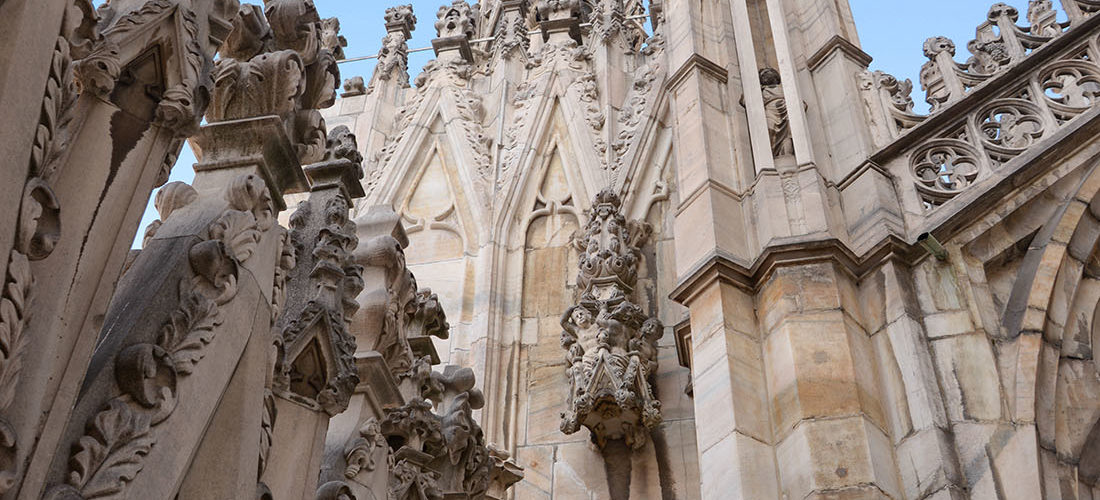
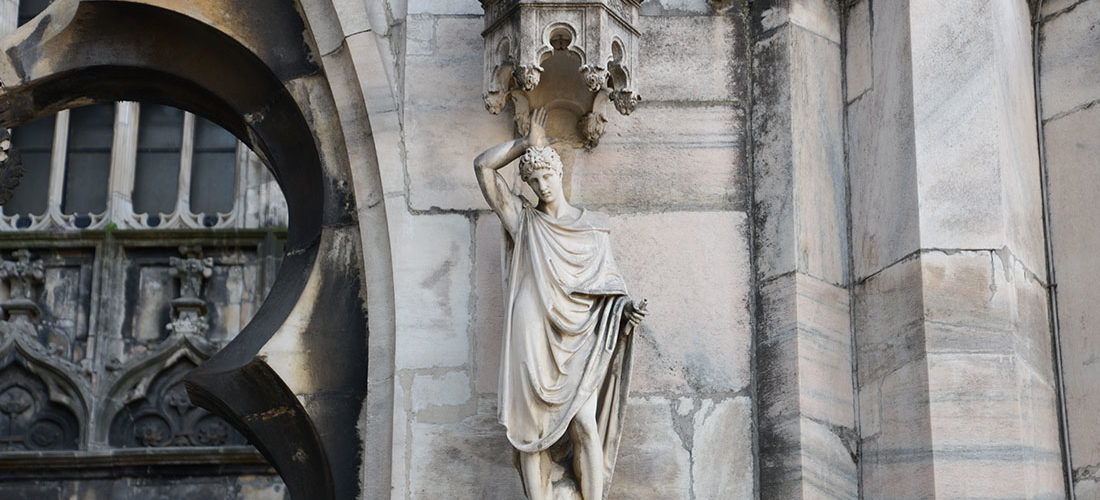
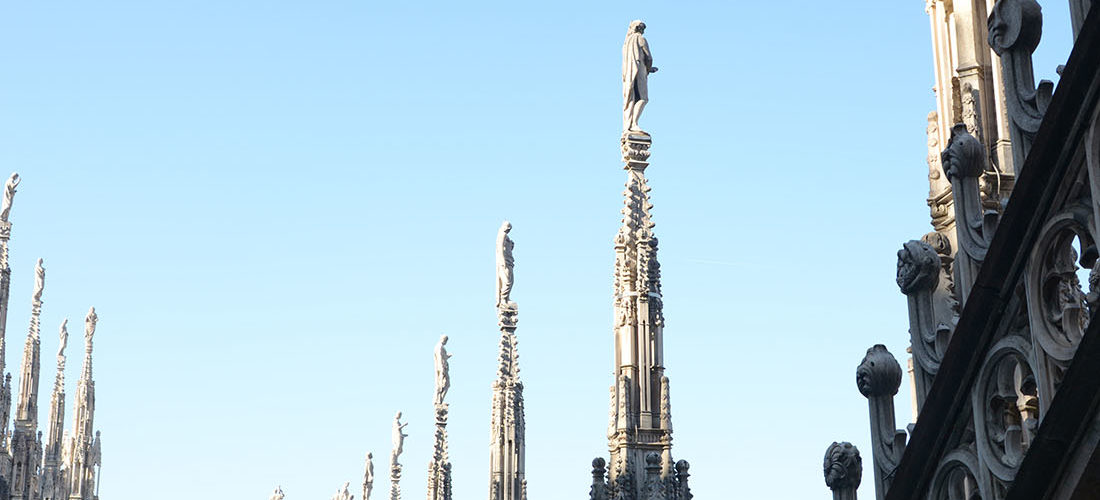
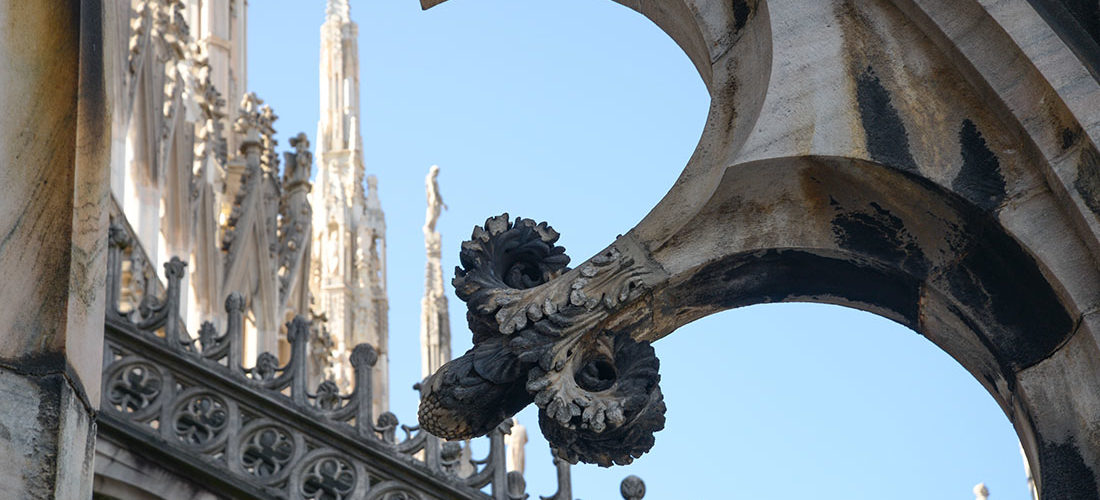
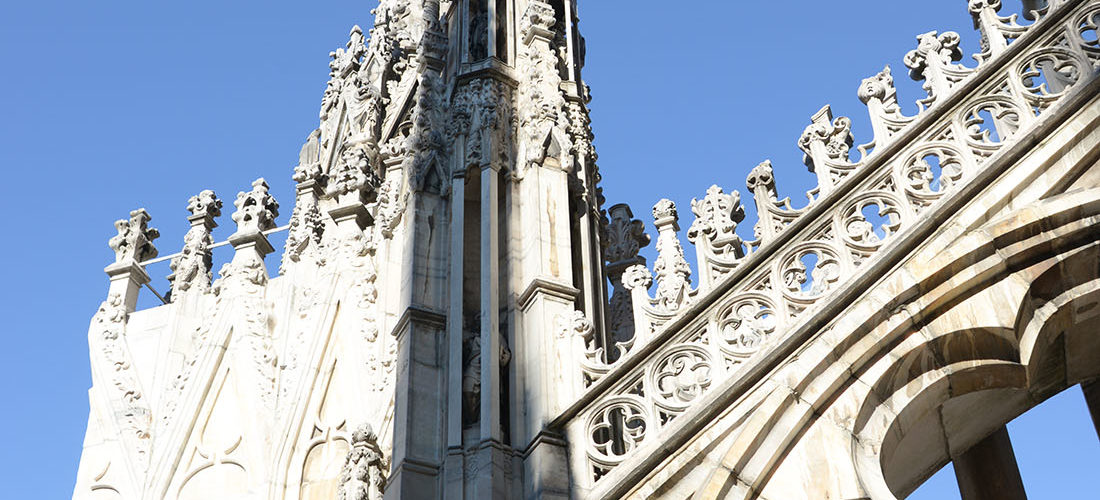
The memories come flooding back. The Cathedral of the Nativity of the Blessed Virgin Mary is just as spectacular as I remembered. Full of poetry, splendour and mystery, the Duomo rises gracefully into the sky. A dizzying lace carved in stone, its imposing façade (93 m wide, 56.5 m high) amazes me just as much as it did 9 years ago. It is one of the largest Catholic cathedrals in the world, alongside St Peter’s in Rome and Seville Cathedral. The building mixes styles (double-pitched façades, Gothic pointed arches…), and we walk all the way round to admire it from every angle. We easily find the adjoining museum of the same name and buy our tickets for the rooftop terraces in a matter of minutes.


In winter, the queue isn’t very long. In summer, beware… it can apparently be endless. Don’t hesitate to buy a skip-the-line ticket in advance!
To get up, you can choose between a lift or 170 steps. I think the price is the same for both options, but I’m not entirely sure. We leave the lift to those who need it and tackle the narrow but quickly climbed stairs…
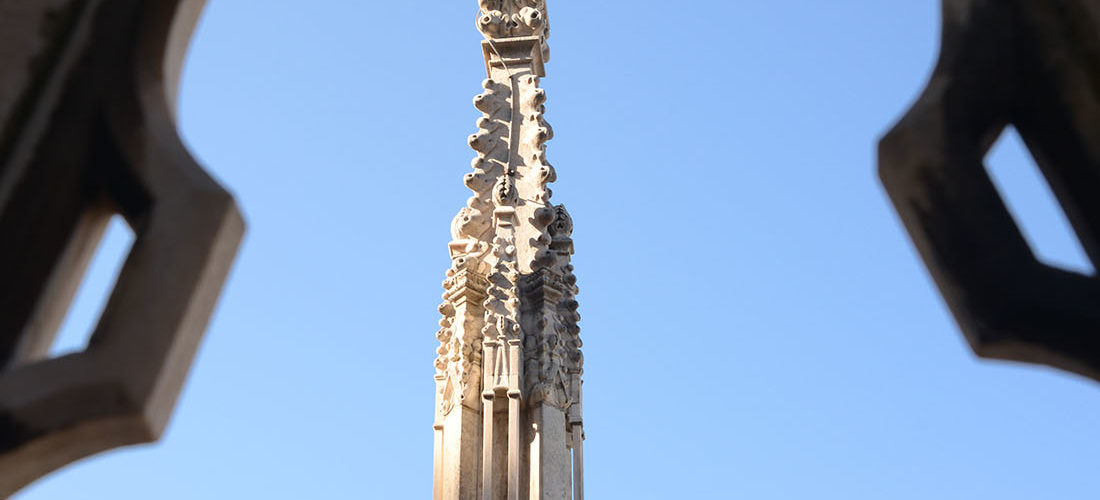
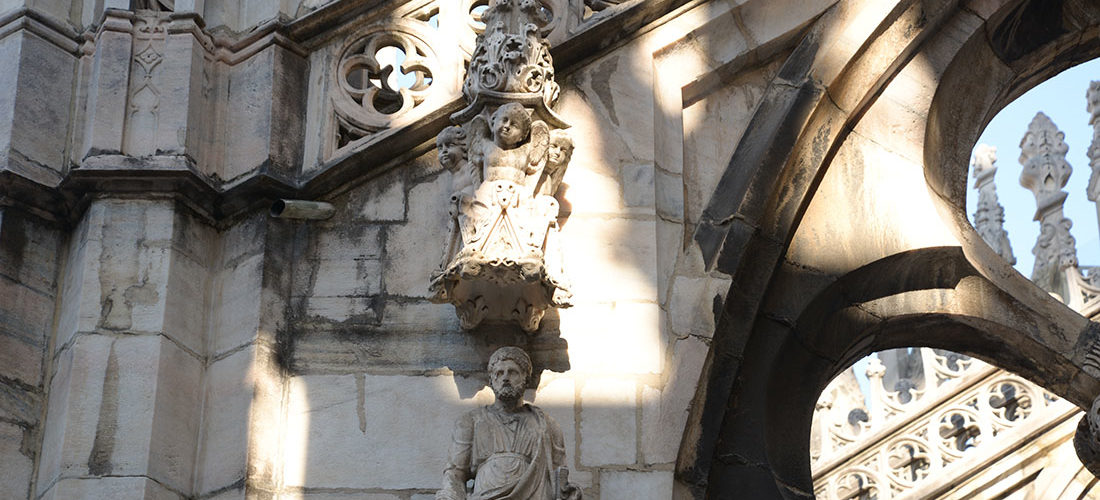
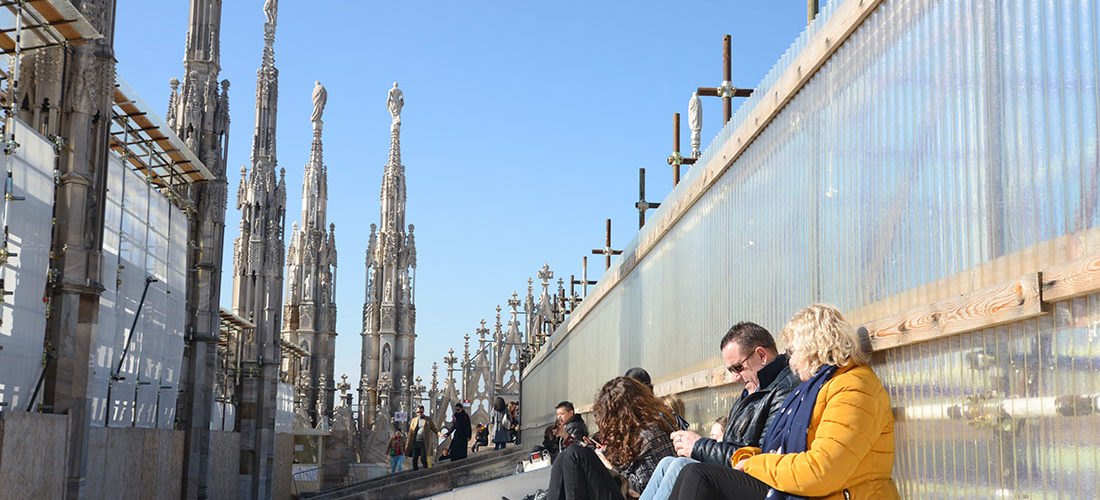
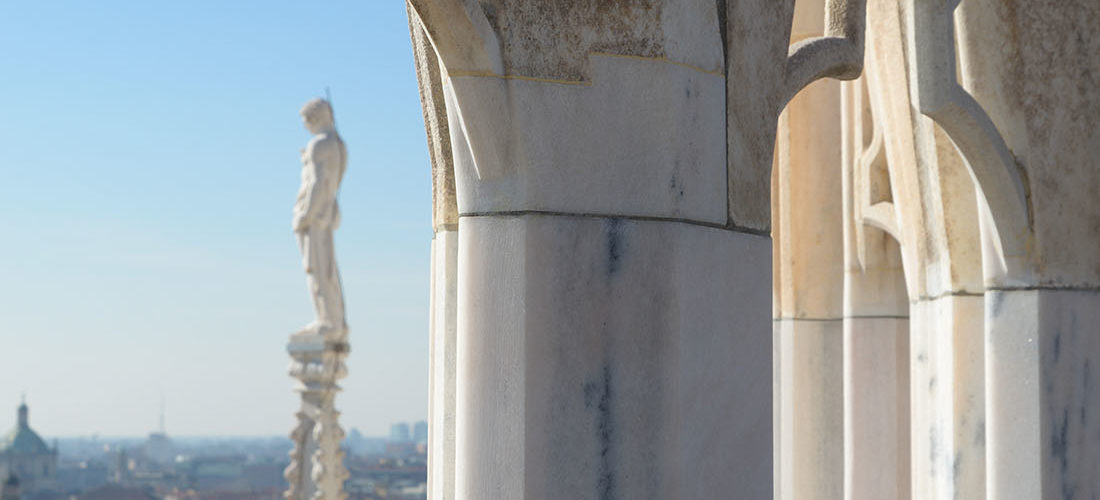
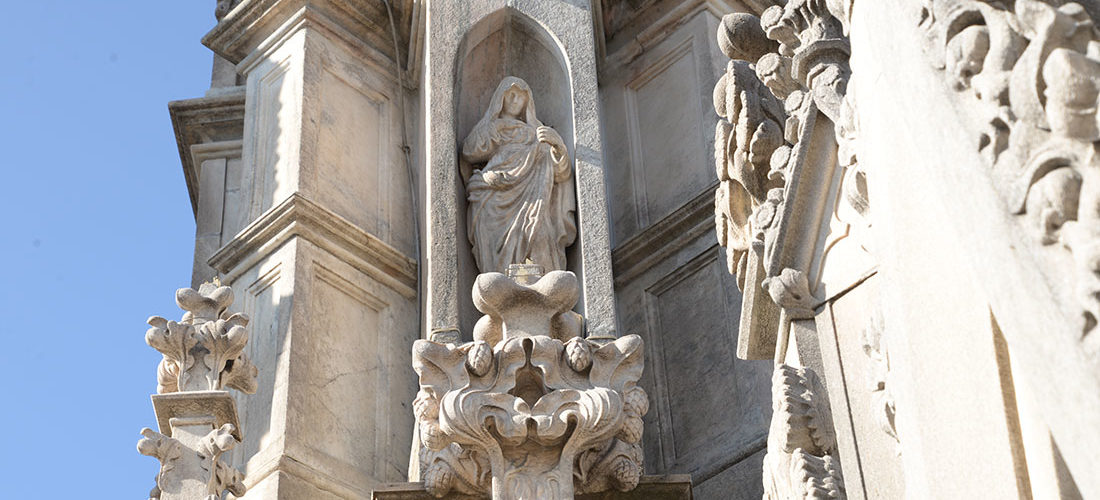
We soon reach the first terrace, which runs along the edge of the cathedral and offers a breathtaking view of the city and its surroundings. We wander among the buttresses and flying buttresses, admiring these marvels up close, as well as the Madonnina, a statue of the Virgin Mary almost 4 m tall standing on a spire that is itself 100 m high…
This visit is magical… There are no other words for it. Unique of its kind, it’s like stepping into the shoes of the builders, who are usually the only ones able to take in every detail of their masterpieces. We sit on the roof for a few moments (we’re on the roof of a cathedral, I can’t quite believe it) to enjoy the sunshine on our faces… and top up on vitamin D!
Price: 10 euros
Also worth visiting:
- The inside of the Duomo
- The Duomo Museum
- The church of San Gottardo

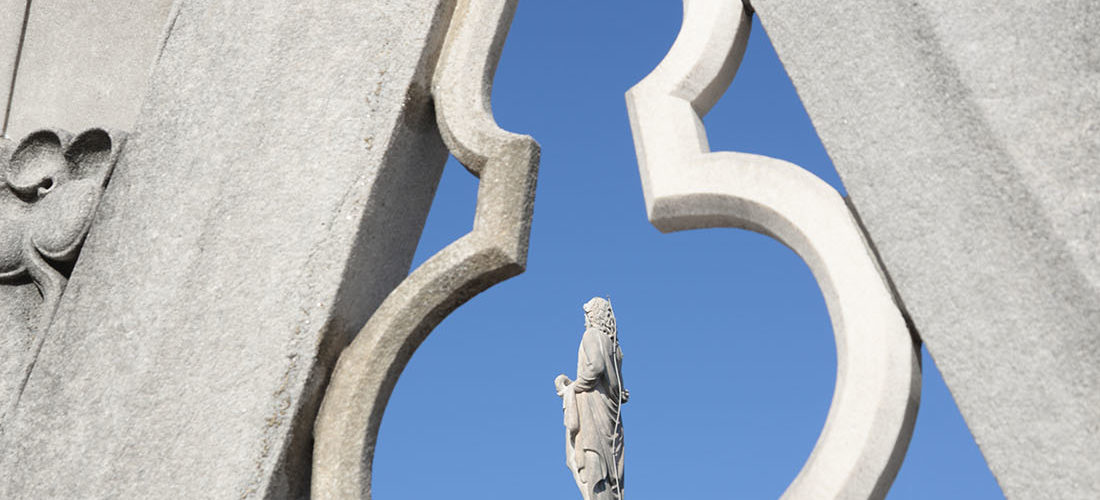
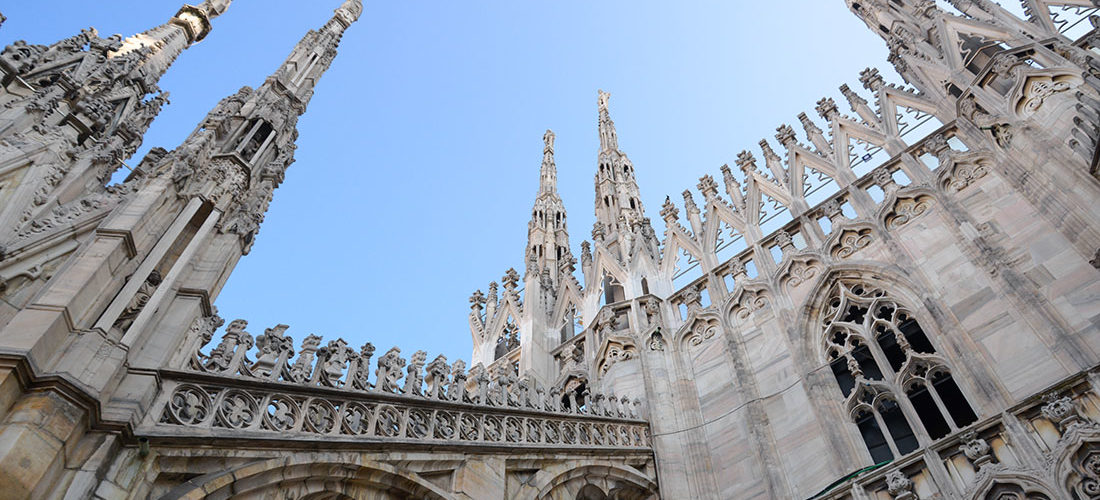

Next stop, La Scala ! Opened in 1778, the opera house is one of the most famous in the world, alongside La Fenice in Venice. It has hosted the greatest names: Rossini, Bellini, Verdi… which gave it all its renown. Bombed during the Second World War, La Scala has since had to be restored. A few months ago, we fell in love with the history of La Fenice in Venice (in French) and the very thorough tour it offered.
The tour of La Scala seems a little dull in comparison. A few notes of music seem to drift through the walls, but we would have preferred a guided tour; unfortunately, it’s a rehearsal day and no guided tours are scheduled. Too bad for us!


It’s time for lunch, and we sit down at the Trattoria del Pino, which I spotted in my guidebook. This little canteen with tightly packed tables doesn’t look like much, but it’s hugely popular with locals… Surrounded by Italians, we both tuck into delicious risottos and refuel for an afternoon that’s already well under way!
This afternoon, we move a little away from the very centre and head for the Church of San Maurizio al Monastero Maggiore, originally built as part of a Benedictine convent. The outside of the church is plain, ordinary even, and could easily go unnoticed… the inside is a marvel ! Every wall is covered in perfectly preserved 16th-century frescoes. A well-kept little secret! We don’t know where to look, the whole thing is so grand… With every step, we leaf through this perfectly illustrated book… Overall, and visually speaking, I’m still not won over by Milan, but its little hidden treasures never stop surprising me and leaving me speechless.

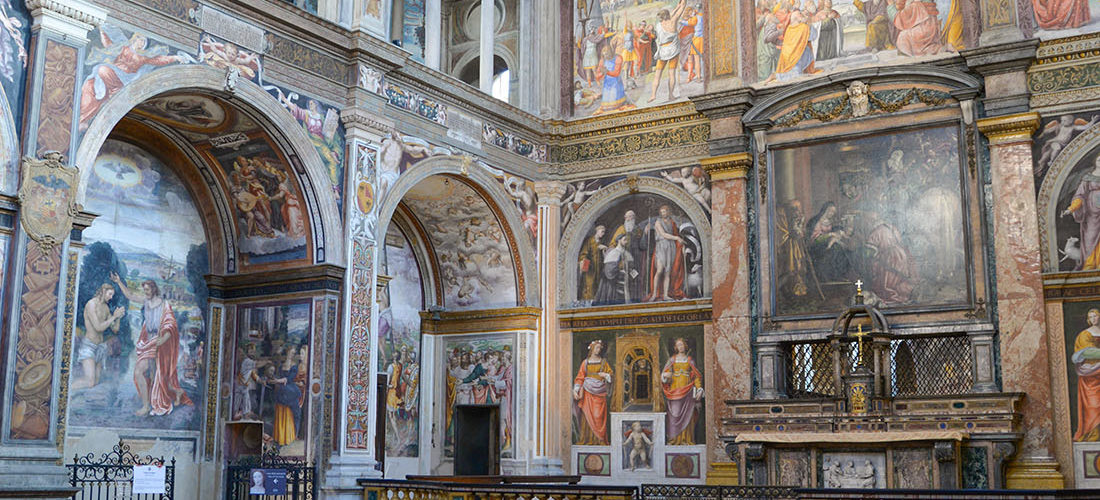
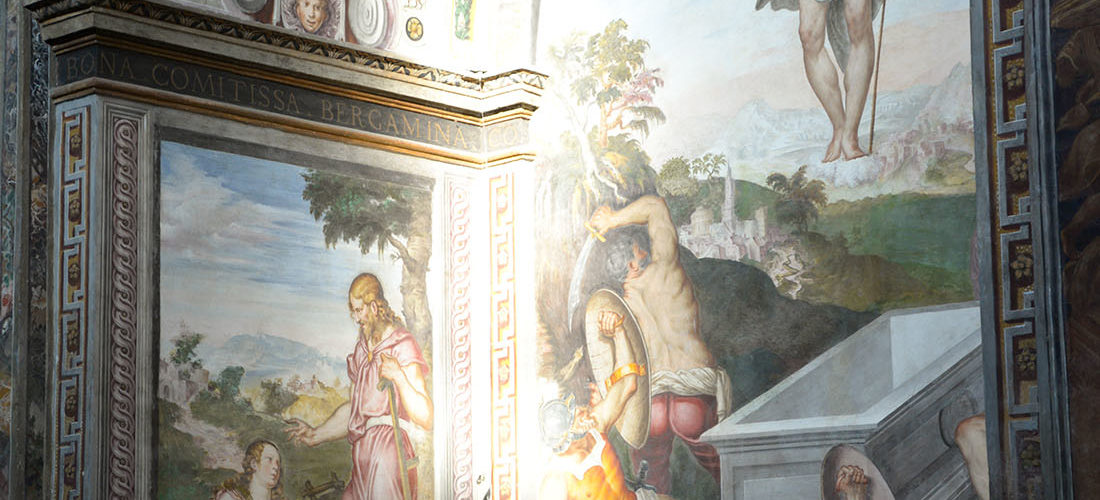
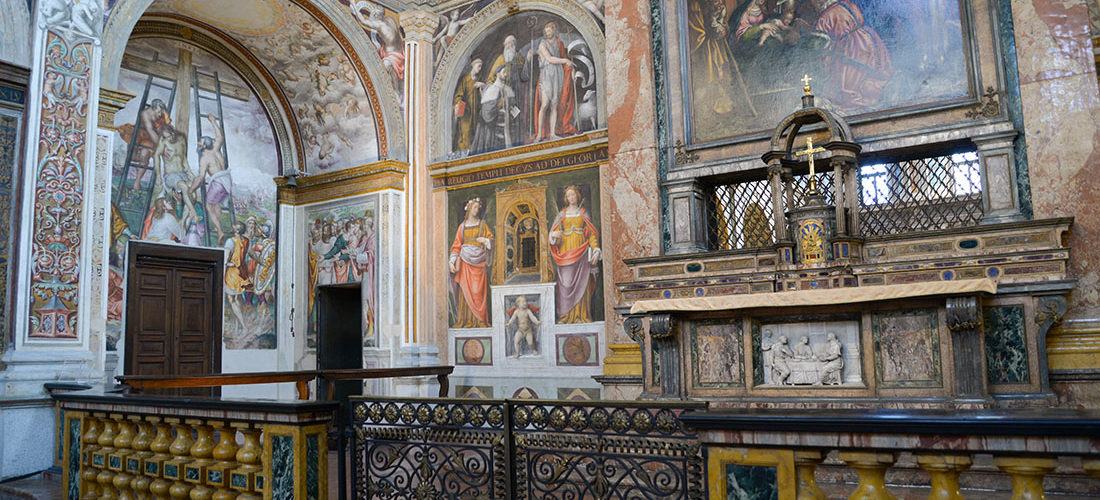
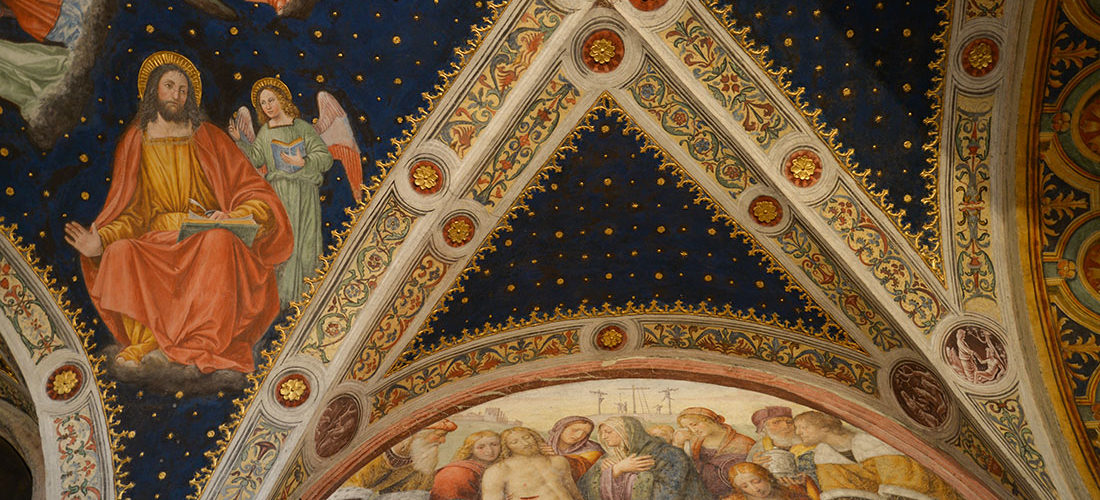

We end the day near Santa Maria delle Grazie, which needs no introduction, as it is inextricably linked to Leonardo da Vinci’s fresco The Last Supper , kept in the church’s refectory. The queue looks very long, though, and not having the courage to join it, we head back to the centre for an ice cream and a peaceful end to the day in the courtyard of the Castello Sforzesco.


Day 2: Milan off the beaten track
For our second day in Milan, we leave the classics behind and head this morning for the (splendid) Garibaldi station and the Isola district. I’ve spotted a few street-art spots (listed here, in French) and we follow the little route I’ve planned to see a few hidden gems in person…

Isola is Milan’s new alternative neighbourhood, with its trendy bars, vintage shops, Sunday flea market, little boutiques, street art and its Bosco Verticale, a complex of 2 green, sustainable towers considered one of the most innovative and beautiful buildings in the world! With a brother working in urban planning, I could hardly skip it…

While the building is impressive and the street art incredible and poetic, I have to admit I’m not won over by Isola’s streets. Milan lacks that ‘Italian-style’ colour; it has a big, modern city feel, less traditional perhaps… which struggles to win my heart. And yet, I’m really enjoying this weekend in Milan, its lovely surprises and its cultural richness. I’m seriously starting to see the city in a different light and to understand why some people love it so much.


Milano Cadorna station, another striking piece of architecture!
The second big stop of the day: the Monumental Cemetery ! Put like that, it doesn’t sound very tempting… and yet the place is well worth the detour, being both a place of contemplation and a real open-air museum!
Opened at the end of the 19th century, the cemetery was built to house the graves of the nation’s great figures… Every extravagance and folly seems allowed. The tombs, covered in sometimes improbable statues, are monumental, colossal and adorned with rich details you never tire of admiring from every angle! Real works of art… My favourite? The replica of the Tower of Babel !


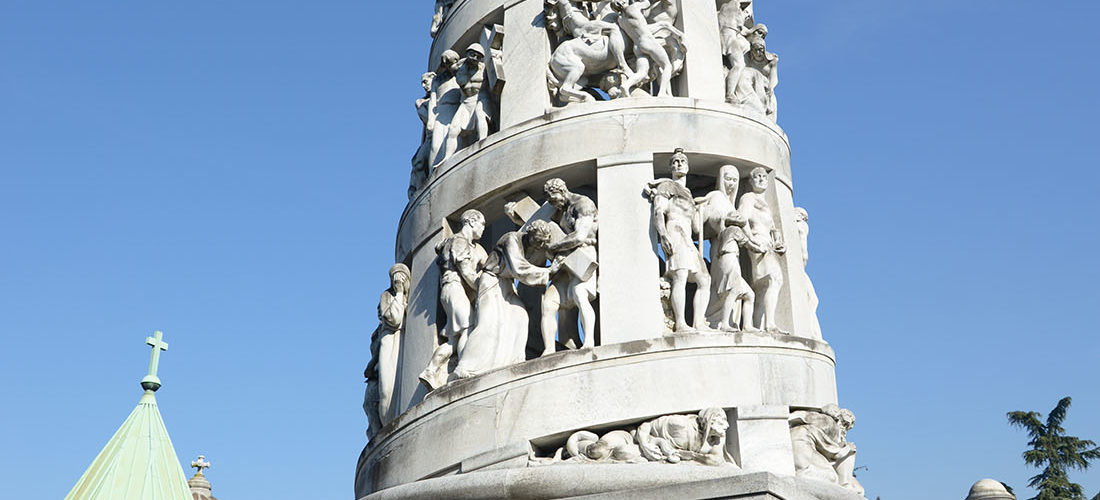
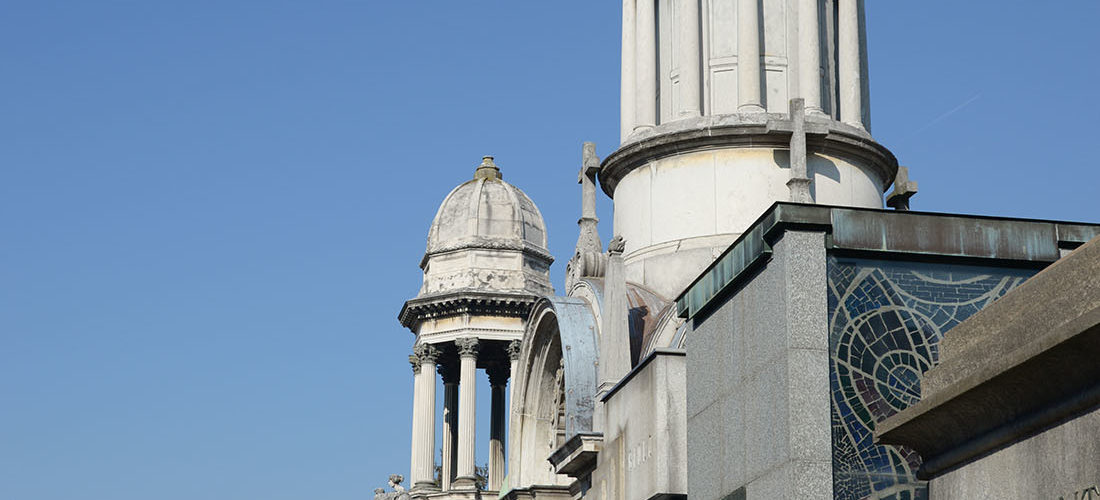
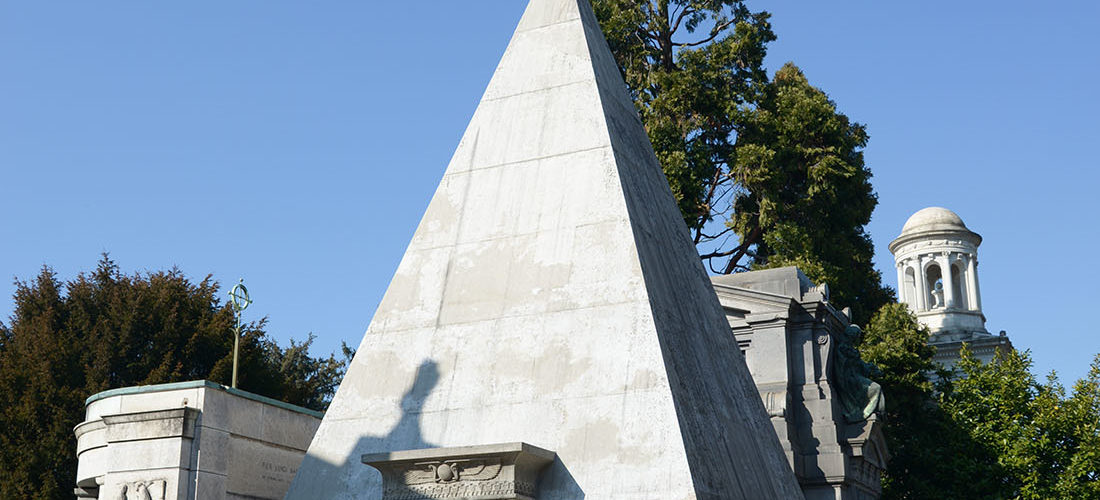
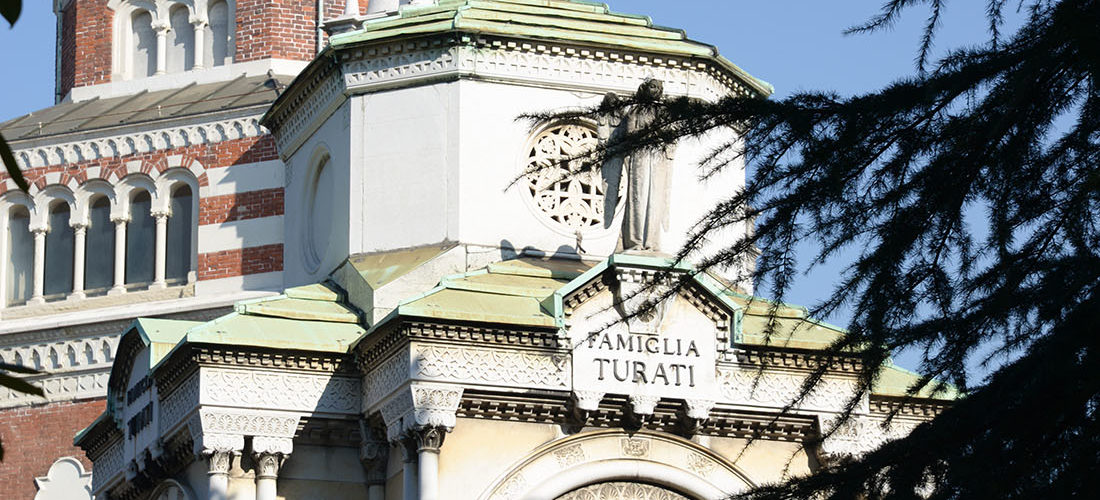
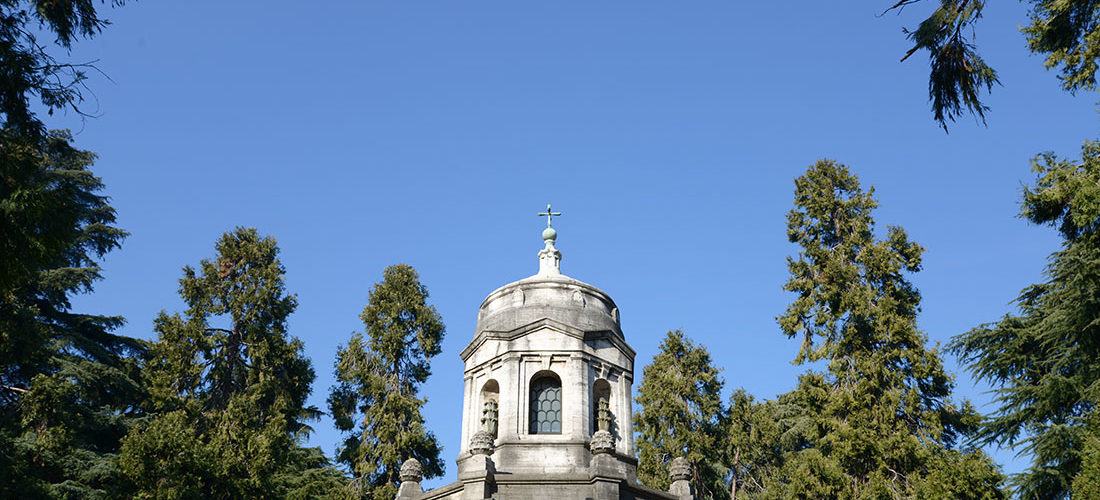
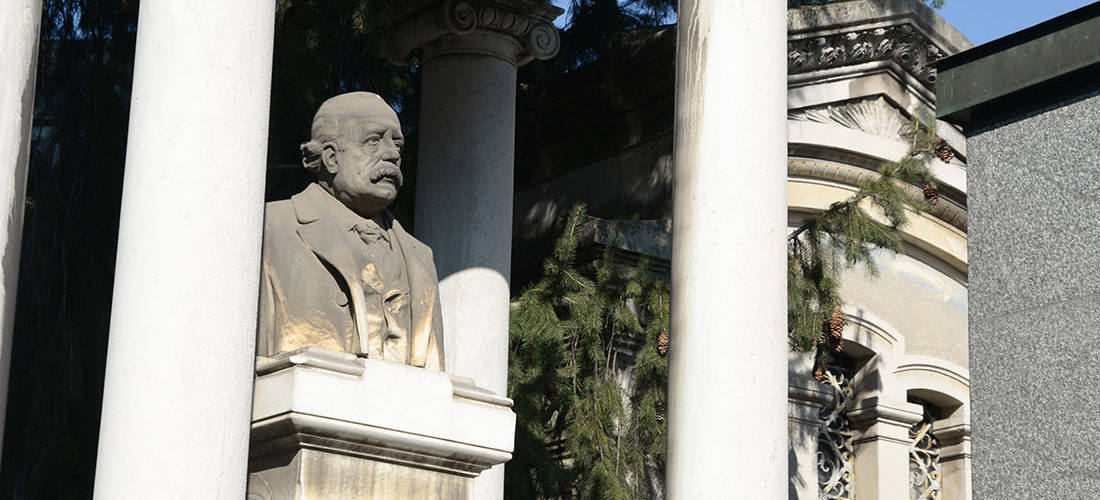
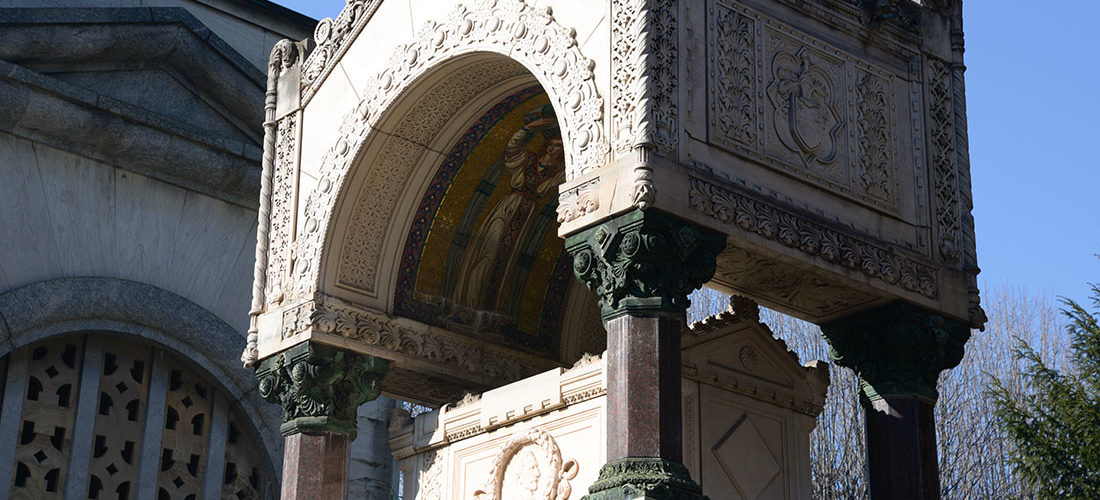


We have ravioli stuffed with carbonara sauce for lunch at Zibo, Via Caminadella. The idea is original, and the plates give us a bit of energy to walk to the Navigli district. Built around a network of canals, as the name suggests (navigli is the plural of naviglio, Italian for canal), it’s one of Milan’s best-known and most charming areas.

Milan’s canals were originally built in the 12th century to connect the city to the River Po and the surrounding lakes. As a bit of trivia, Leonardo da Vinci helped develop them by designing the lock of the Naviglio San Marco basin. Thanks to this system, Milan was long one of the country’s largest inland ports. Today, road traffic has replaced river traffic, but a few canals remain: the Naviglio della Martesana, the Naviglio Grande and the Naviglio Pavese. The trendiest bars and restaurants now cluster around the last two.
I immediately fall for Navigli and let myself wander through its little streets. Picturesque, historic and authentic, it stands out from the modern buildings around it.


Navigli
We carry on walking to Porta Ticinese, one of the 2 remaining gates of the city’s medieval walls, very photogenic with all the trams passing through it, and discover more beautiful street art along the way. The day is drawing to a close and the buildings are taking on lovely golden hues, giving the city a softer atmosphere.
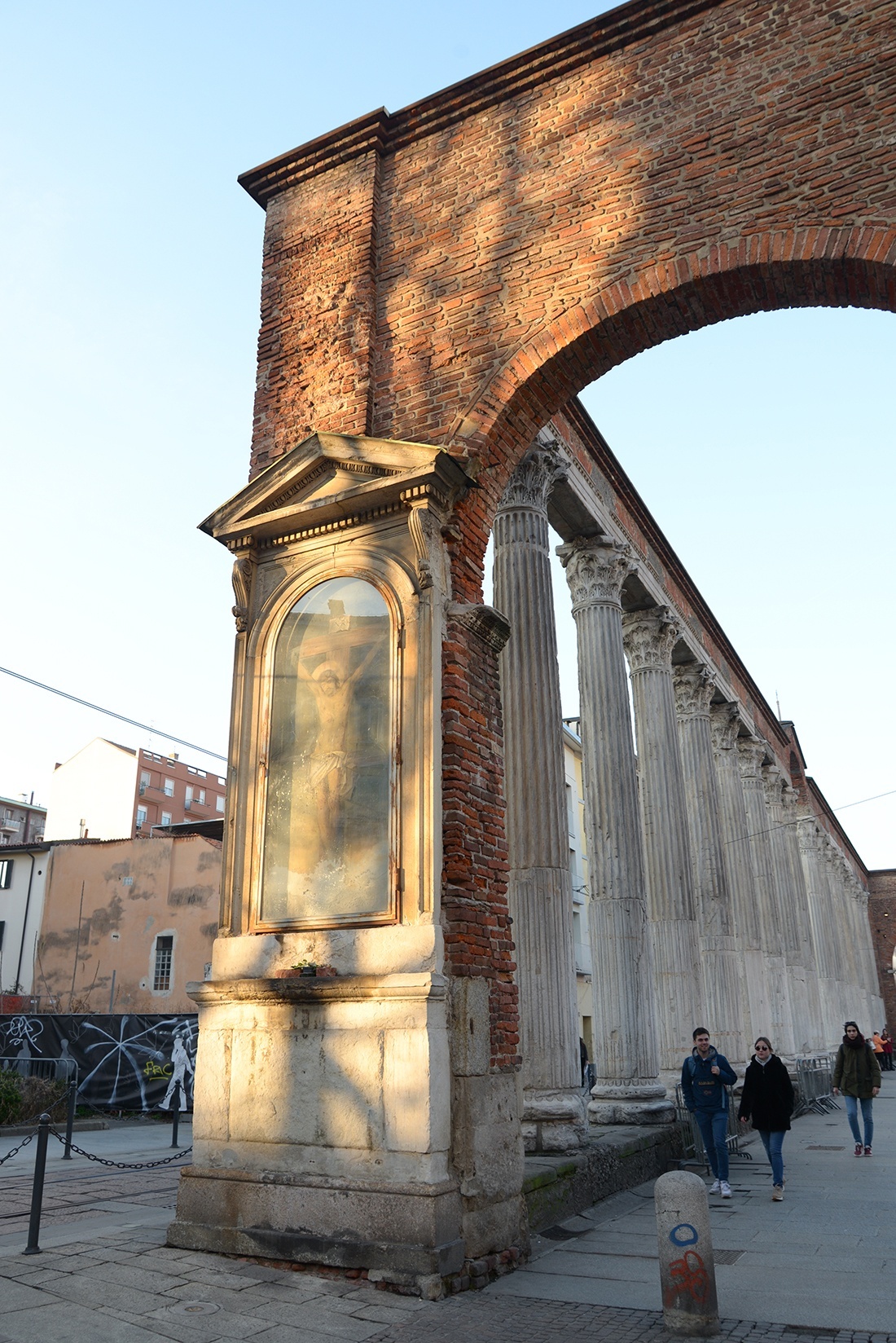
The Columns of San Lorenzo
It’s on this peaceful note that our weekend in Milan comes to an end. Tomorrow, we’ll spend the day in Bergamo, a short train ride away, before flying home.
Despite our rather hesitant start, a bond gradually formed between Milan and me. Fascinating and cultured, the city overcame my preconceptions about it… It’s just like everyday life: you shouldn’t always judge by appearances, and you need to dig beneath the surface to truly appreciate someone’s personality… Grazie Milano, you made our eyes sparkle more than once during these 48 hours full of surprises…


I hope you enjoyed this little travel diary, which has been a long time coming! Feel free to share it on Pinterest so you can find it again easily!
And you, are you tempted by Milan?
See you soon!