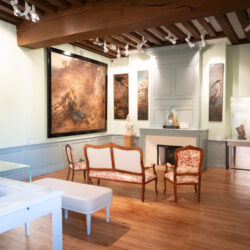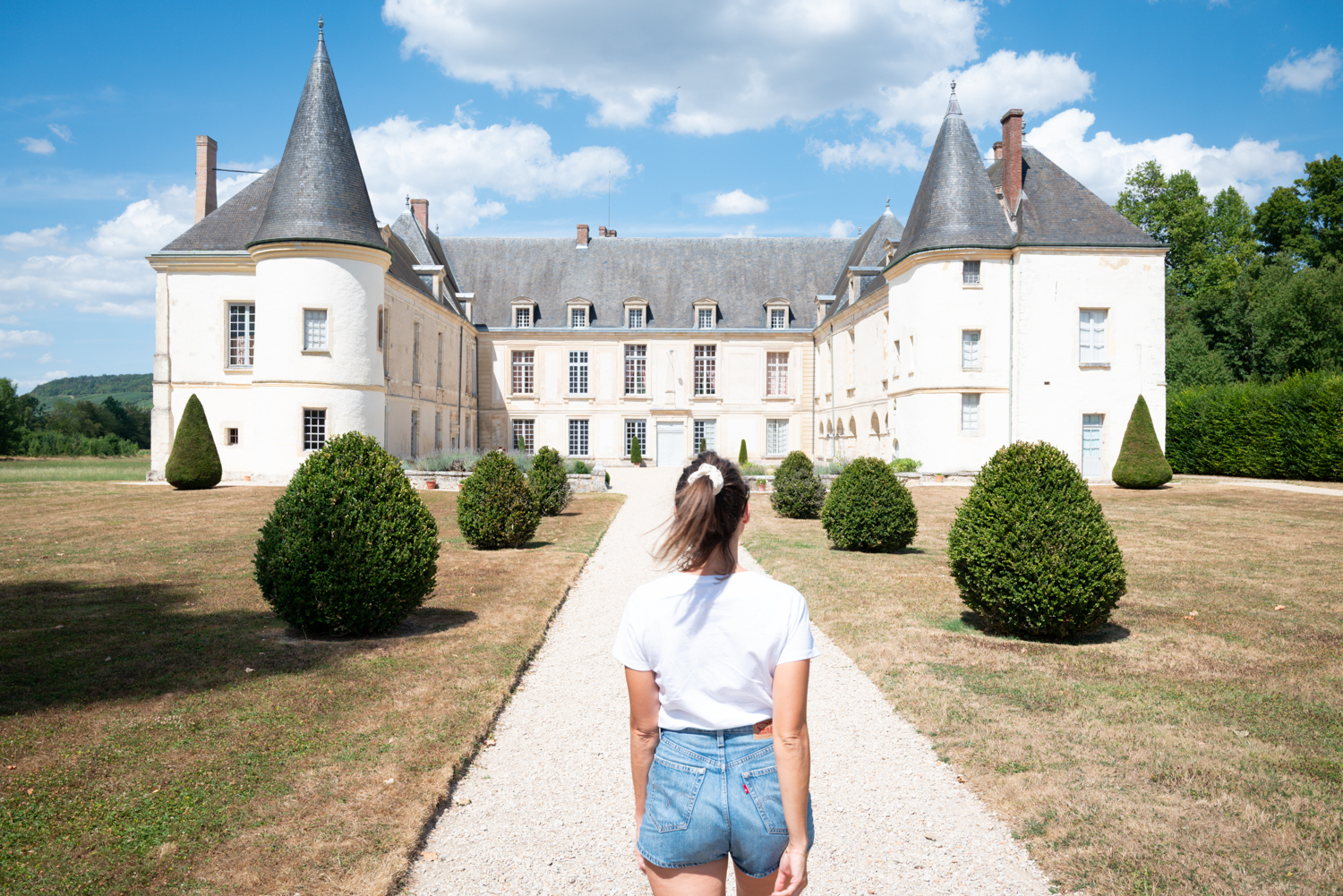
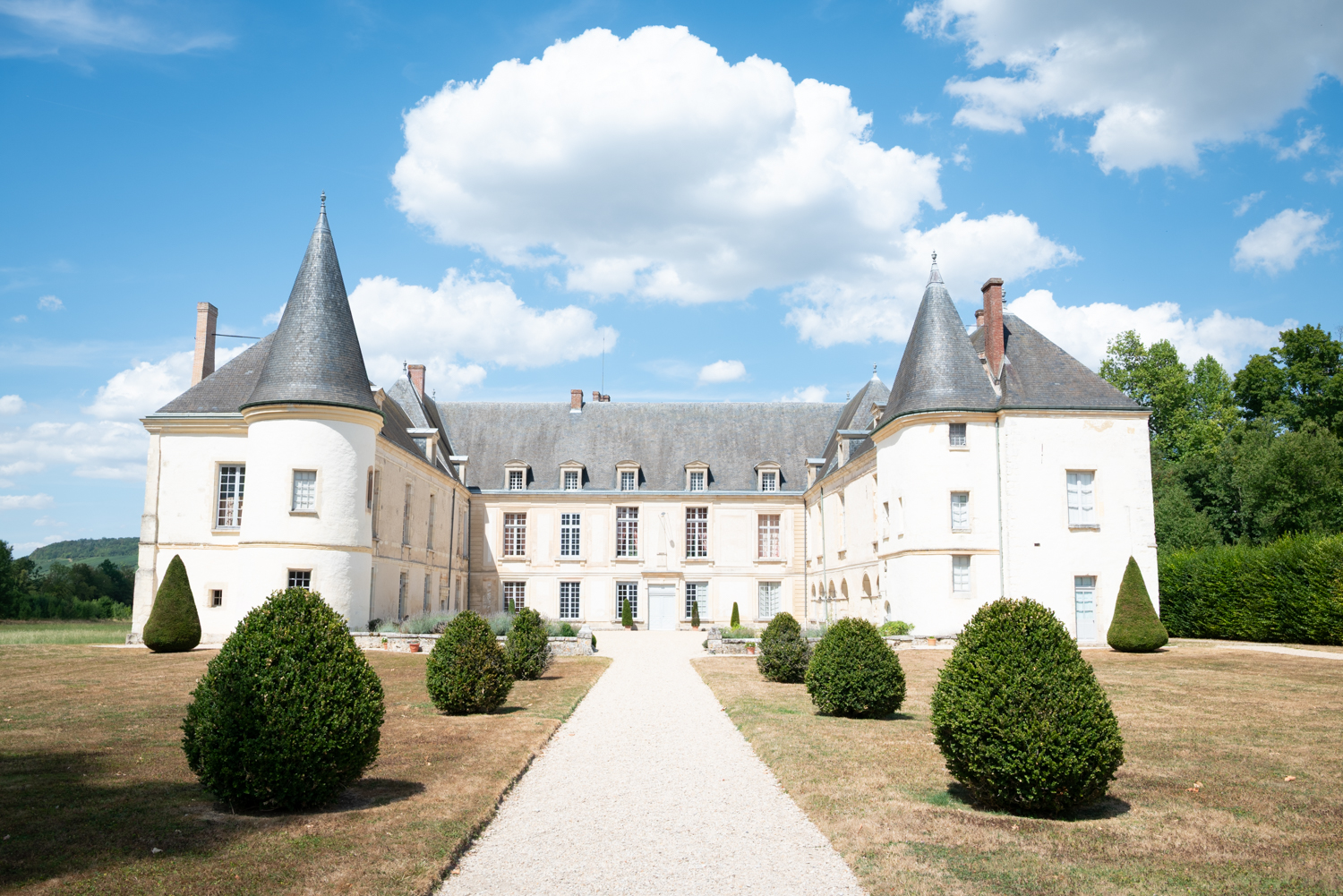
Around twenty kilometres (12 miles) from Château-Thierry, the Château de Condé-en-Brie is one of those places I knew by name without really knowing what lay behind its doors. Before this trip, I didn’t even know you could visit it! Its opening days are fairly limited throughout the year, which no doubt helps make it a little-known gem of the southern Aisne.
The Château de Condé is a private property, still lived in and lovingly maintained by its owners. Listed as a Historic Monument, it boasts some beautiful 17th- and 18th-century décors by artists such as Watteau, Boucher and Oudry.
I really enjoyed this visit, as much for the beauty of the rooms as for the stories and anecdotes that go with them. Some are quite surprising: fake trompe-l’œil windows, a mysterious tale of love potions, and a painting inspired by Jean de La Fontaine hidden for years behind a mirror… The visit had a few surprises in store!
So let me take you around the Château de Condé-en-Brie, to discover its history, its finest rooms and its curiosities, before sharing all the practical information you need to plan your visit.
📍 And this is just a glimpse of the Aisne!
The Château de Condé is one of the places I recommend discovering in my home département. Castles, heritage, villages, nature walks and unusual experiences: I’ve gathered my must-sees in a complete guide.
The Château de Condé-en-Brie: a little history
Before starting the visit, a few words on the history of the Château de Condé-en-Brie will help you better understand the place and the many figures you meet from room to room.
The estate dates back to the Middle Ages. First fortified by Enguerrand III de Coucy, the castle then passed through the hands of several great French families. In the 16th century, it became the home of Louis de Bourbon, the first Prince of Condé, to whom it owes its name today.
Over the following centuries, a number of well-known figures from French history passed through. The Bourbons gave way to the Princes of Savoy, and Olympe Mancini, niece of Cardinal Mazarin, stayed at Condé. Her story, linked to the famous Affair of the Poisons under Louis XIV, plays a rather amusing part in the visit.
The castle underwent another major transformation in the 18th century under Jean-François Leriget de La Faye, a diplomat and great art lover. Renowned artists such as Jean-Baptiste Oudry, Antoine Watteau and Servandoni decorated its apartments. Much of this décor can still be seen today.
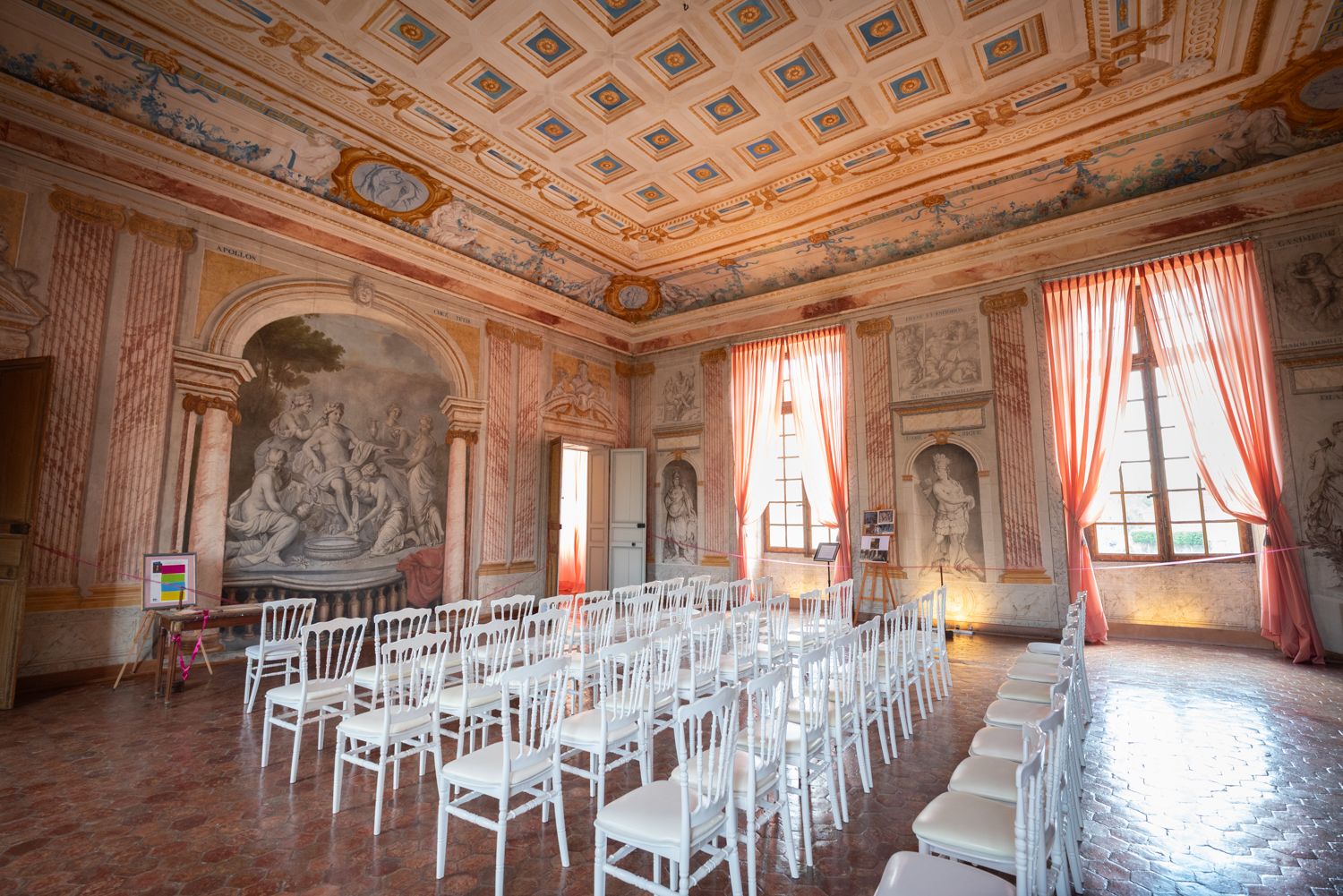
The Servandoni drawing room
The estate then came through both World Wars without suffering the fate of many castles in the Aisne, destroyed in the fighting. Damaged but still standing, it has undergone major restoration work, carried out since the 1980s by the family who own it today.
The Château de Condé is still a private, lived-in home today, which also explains why it works quite differently from the big public monuments. It opens during certain periods of the year, and visits help fund the upkeep and restoration of the estate.
Visiting the Château de Condé: my experience
The visit began as soon as we arrived at reception, where we were welcomed by Aymeri de Rochefort, the owner of the château. A first contact that immediately gave the visit a rather personal feel: the château is a private property, maintained and restored over the years by a family truly attached to the estate.
Before exploring the rooms, we learnt about its history through a video about the château, an old documentary filmed several years ago that seems to come straight out of the VHS era. I found it rather charming!
Above all, the video helps you understand the château’s particular features before you see it: its history, the families who lived there, the changes made over the centuries and the work the owners have undertaken to restore and preserve it.
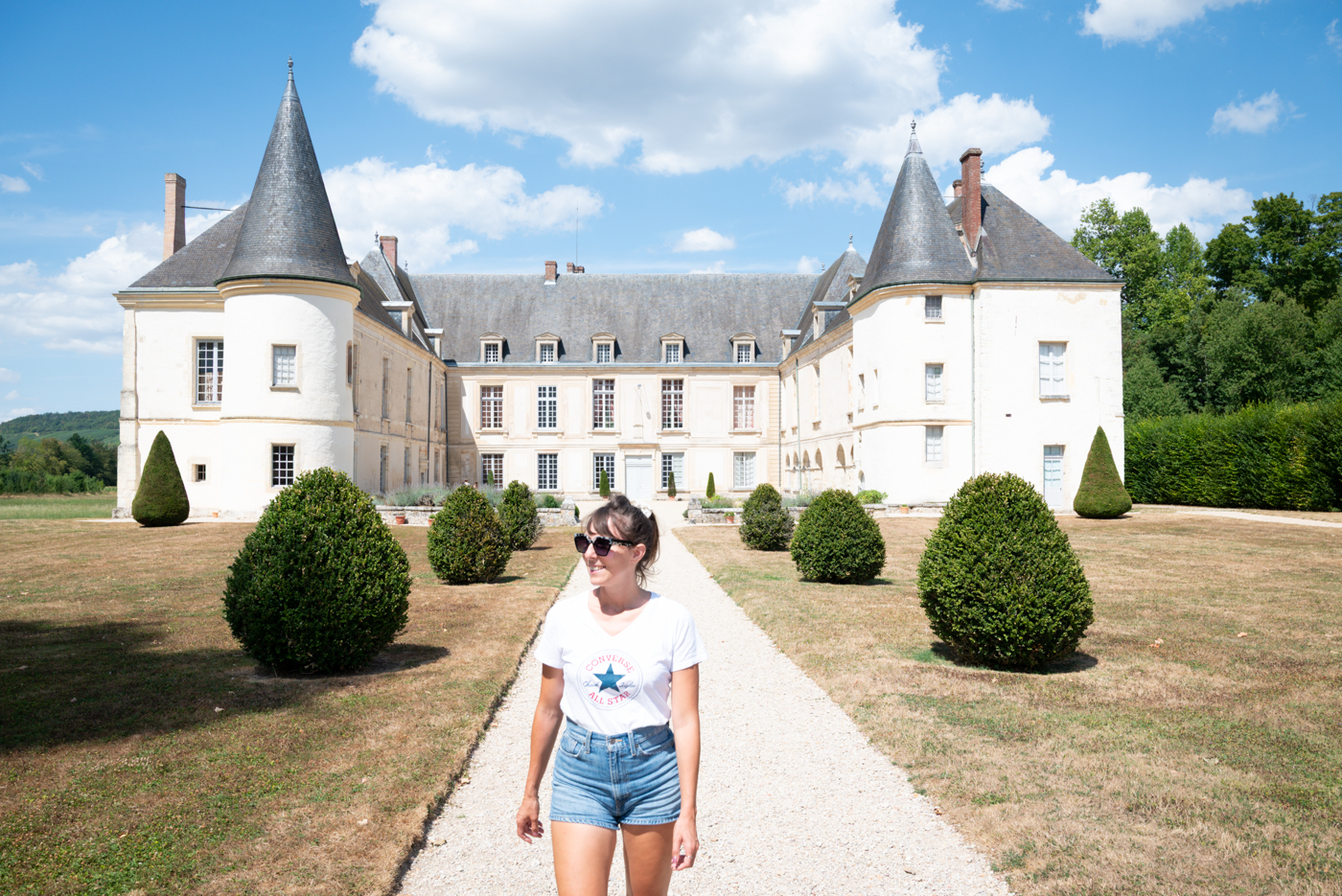
We then walked through the gardens to the château. From the outside, the building has a strikingly regular, symmetrical façade. At least on the surface… Some of the windows are actually just trompe-l’œil, a detail we’d learnt about a few minutes earlier in the documentary and had fun spotting once in front of the château.
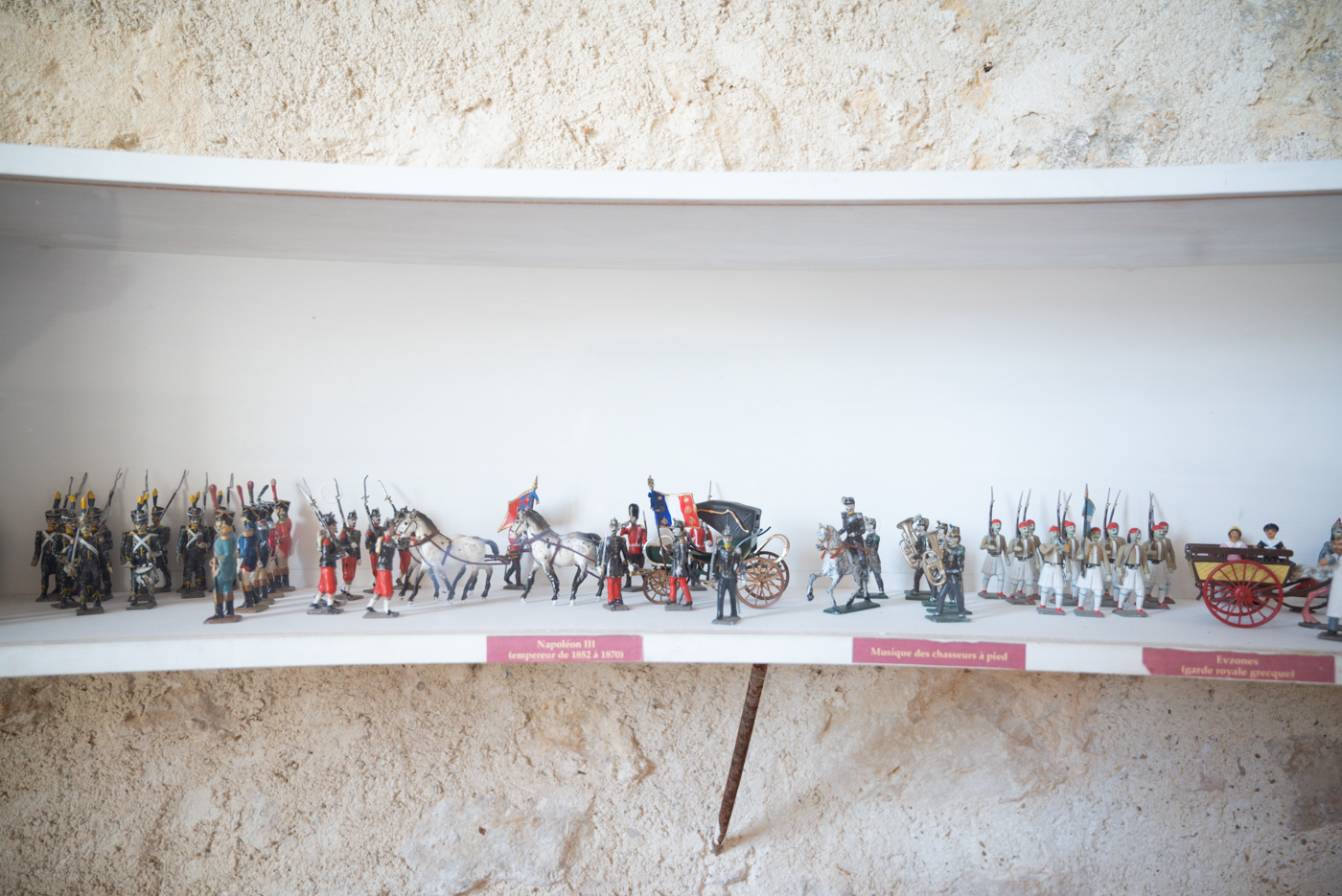
A surprising collection of 1,200 tin soldiers
Before reaching the apartments, the visit takes you through a small tower devoted to a large collection of tin soldiers. Over 1,200 hand-painted figurines trace different periods of history, from the earliest civilisations to much more recent times. Some even date back to the 1930s.
The display cases recreate battles and show how uniforms, weapons and armies evolved over the centuries. We didn’t linger very long here, being more drawn to the château’s apartments, but the collection is impressive and should particularly appeal to military history buffs.

Discovering the château’s apartments
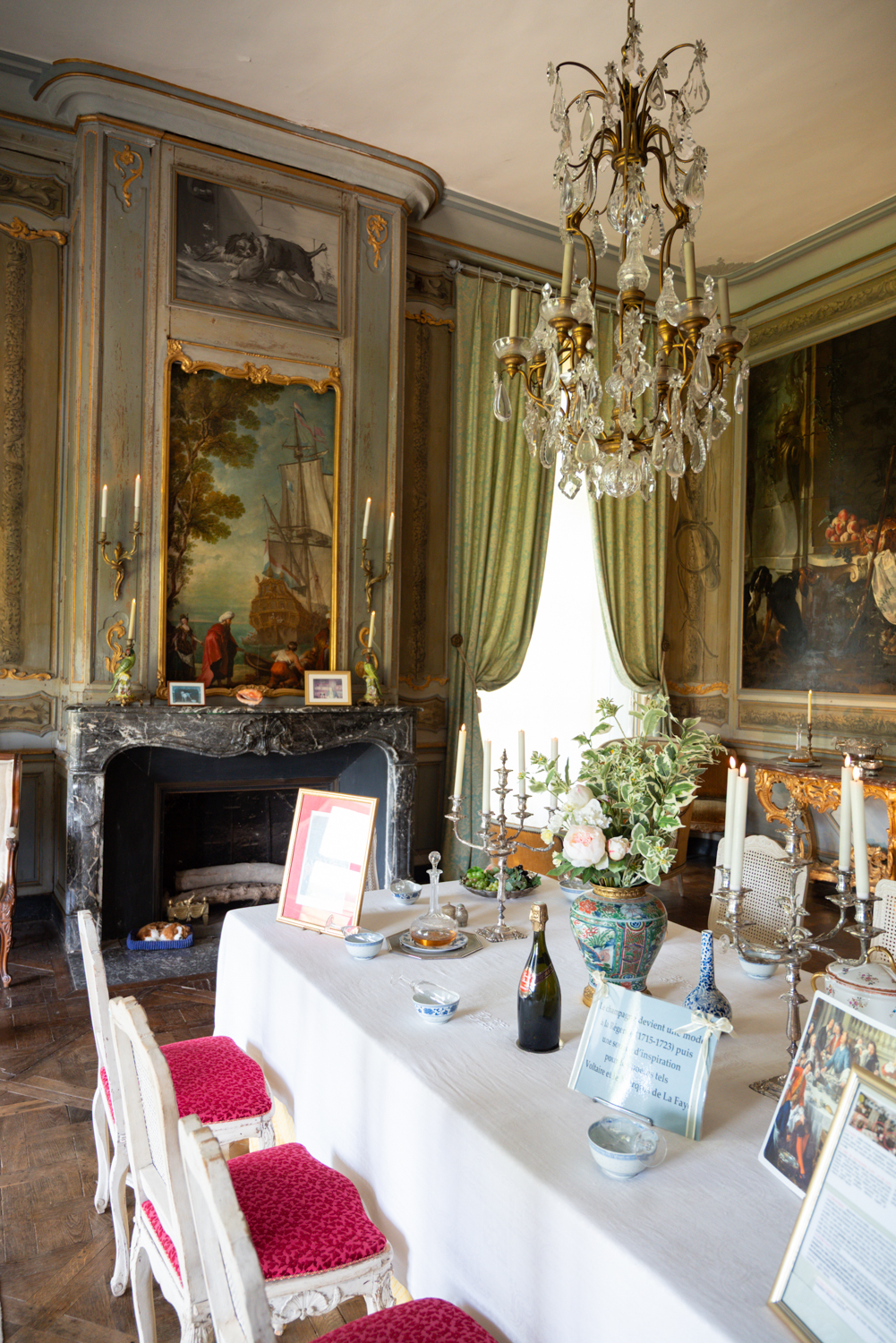
The visit continues on the first floor, home to the main rooms of the Château de Condé-en-Brie. Bedrooms, drawing rooms, a gallery, a dining room and a ballroom follow one another, with very different décors from room to room.
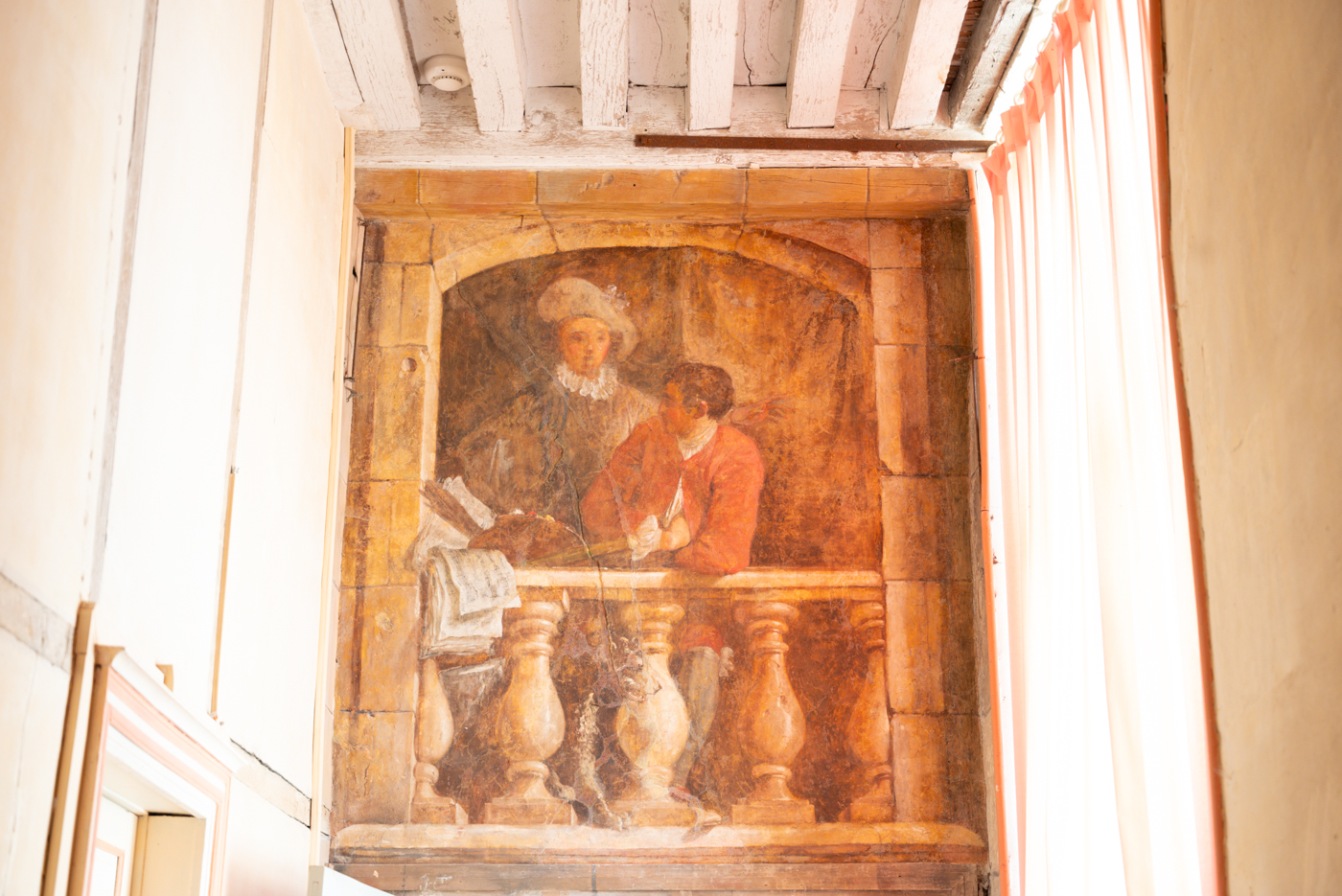
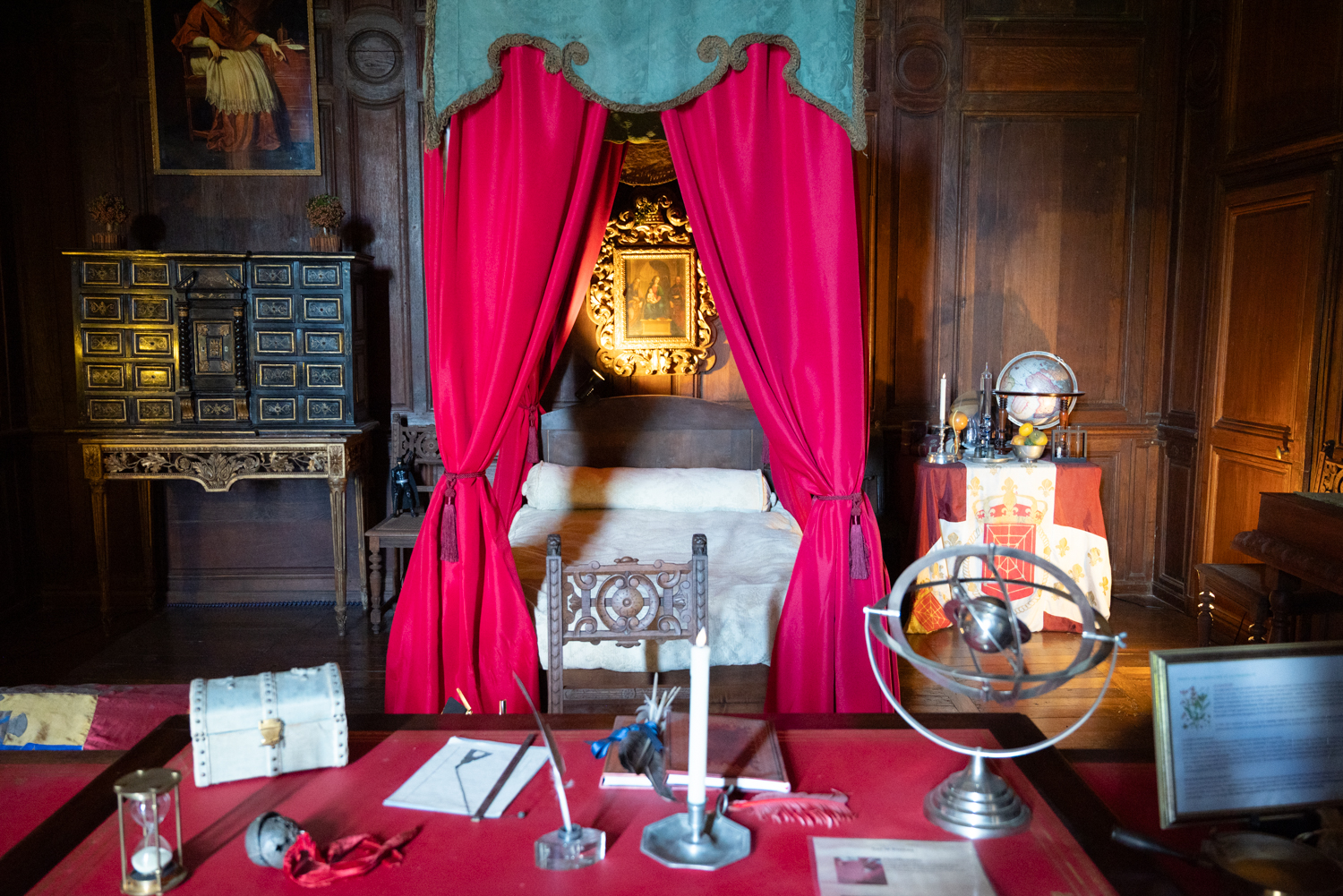
Highlights include Cardinal Richelieu’s bedroom, the grand staircase, the gallery leading to the chapel, the ballroom decorated by Servandoni and the musician’s bedroom, decorated by Antoine Watteau and his pupils.
I loved this part of the visit for the richness of the décors, but also for all the little stories attached to them. The château isn’t huge, yet several rooms hide an anecdote or a rather unexpected detail.
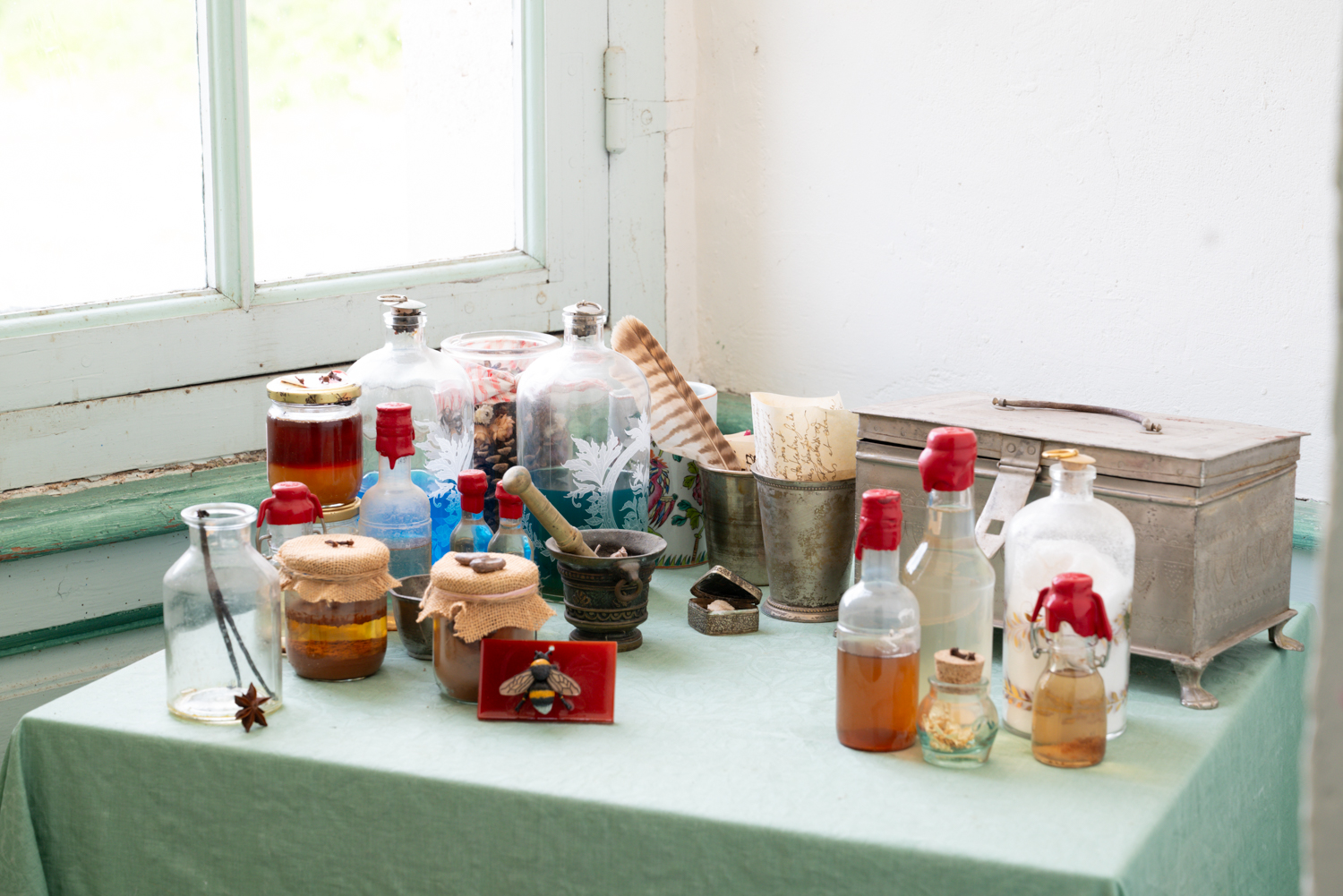
Among them, Olympe Mancini’s bedroom is worth lingering in. Cardinal Mazarin’s niece and Countess of Soissons, this woman with a scandalous reputation was implicated in the famous Affair of the Poisons that shook the court of Louis XIV. At the château, her bedroom keeps alive the memory of her mysterious powders, linked to love affairs… but also to inheritances.
But the best surprise of the visit was still waiting for me a few rooms further on, in the drawing room decorated by Jean-Baptiste Oudry…
The magic mirror, my favourite discovery at the château
Of all the rooms in the Château de Condé, the drawing room decorated by Jean-Baptiste Oudry is probably the one that left the biggest impression on me. I’d learnt its story a few minutes earlier in the video shown at the entrance, and I was really keen to see its famous “magic mirror” with my own eyes.
For almost three centuries, a painting remained hidden behind one of the mirrors in this room. It was only rediscovered in 1991, during restoration work carried out by the château’s owners.
I found this story quite fascinating. Just imagine: you decide to strip the wallpaper in your living room and find behind it… a Rembrandt! The comparison is obviously a bit exaggerated, but it must have been an incredible surprise.
The painting was also remarkably well preserved, protected all those years by the mirror covering it. It belongs to a set of décors referring in particular to the world of Jean de La Fontaine, whose footsteps we’d followed a few hours earlier in Château-Thierry.
Today, the mirror is still in place, but a mechanism lifts it to gradually reveal the painting hidden behind. I’d been waiting for this moment since the start of the visit and I wasn’t disappointed: the device adds a playful touch and, above all, shows just how well preserved the work is.
Visiting the Château de Condé with kids
The Château de Condé is a great visit with kids. Several treasure trails have been designed to let them discover the estate while playing, with levels suited to their age.
When we were there, a girl of about ten was doing one of these trails with her mum. She seemed completely absorbed, looking for clues all around her to move forward in her investigation. A great way to keep children engaged throughout the visit!
Four trails are currently on offer:
- the green trail, Le Petit Prince et les trois petits canards, up to about age 7;
- the blue trail, Le trésor du Petit Prince, with a section on Jean de La Fontaine’s fables, for ages 7–12;
- the red trail, La chasse au tigre, for teenagers and adults, best suited to good walkers;
- the black trail, Le trésor d’Alaciel, a big investigation through the rooms of the château, ending in the park.
There’s also a spot-the-odd-one-out game inside the château for children of all ages. The trails generally last 30 to 50 minutes and materials are provided at reception. Only the big investigation preferably requires booking in advance. Note that the trails are in French.
Children don’t just follow the adults from room to room: they observe the décors, look for clues and move forward in their own adventure. The magic mirror and the impressive collection of tin soldiers add a few more surprises along the way.
The owners also try to make the grounds enjoyable for families. During our visit, the owner told us he sets up water games in the park on hot summer days.
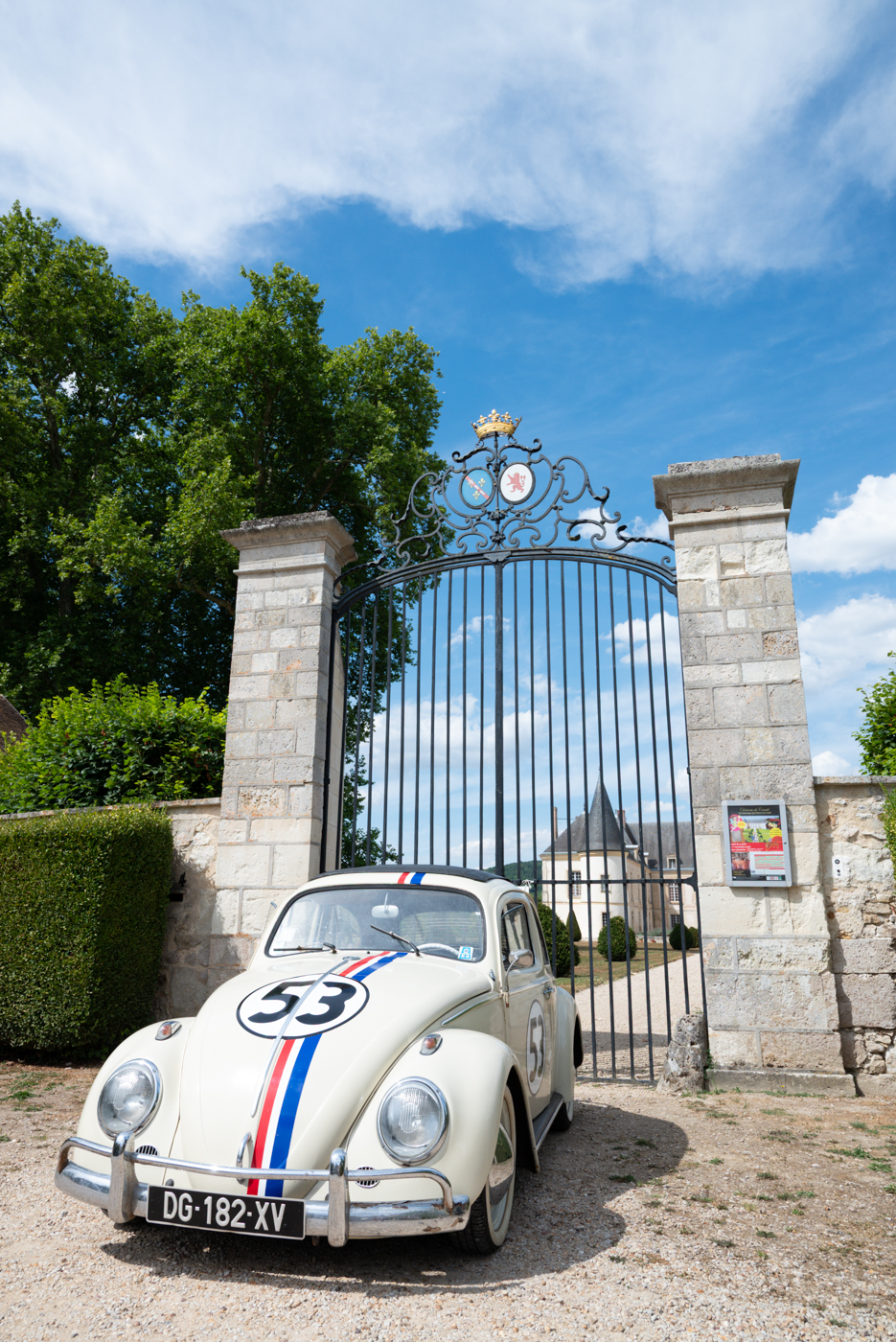
Practical information for visiting the Château de Condé
The Château de Condé isn’t open every day, so check the dates and times before you go. The season generally runs from spring to early November (All Saints’ Day), with more opening days during French school holidays and in summer.
| Information | Château de Condé |
|---|---|
| 📍 Address | 4 rue du Château, 02330 Condé-en-Brie |
| 📅 Opening season | From spring to early November, on certain dates. More frequent openings during French school holidays and in summer |
| 🎟️ Adult ticket 2026 | €13 |
| 🧑 Reduced rate | €10 for under-25s and people with disabilities |
| 👶 Under 3s | Free |
| 🗝️ Guided tour | €16 – available on certain dates |
| ⏱️ Time needed | About 1 hr 30 to 2 hrs to explore the château and grounds at a relaxed pace |
| 🧩 With kids | Treasure trails and odd-one-out game included in the ticket |
| 🎫 Booking | No booking needed for an individual self-guided visit |
| 🚗 From Château-Thierry | About 20 km (12 miles) |
As days and times vary through the season, I recommend checking the Château de Condé opening calendar before you go.
What to do near the Château de Condé?
A visit to the Château de Condé fits easily into a day or a weekend in the southern Aisne. The château is close to Château-Thierry, in the heart of the Champagne Tourist Route.
We’d started our day in Château-Thierry, with a walk in the footsteps of Jean de La Fontaine and a visit to his fully renovated birthplace. A stop I really recommend if you’re in the area.
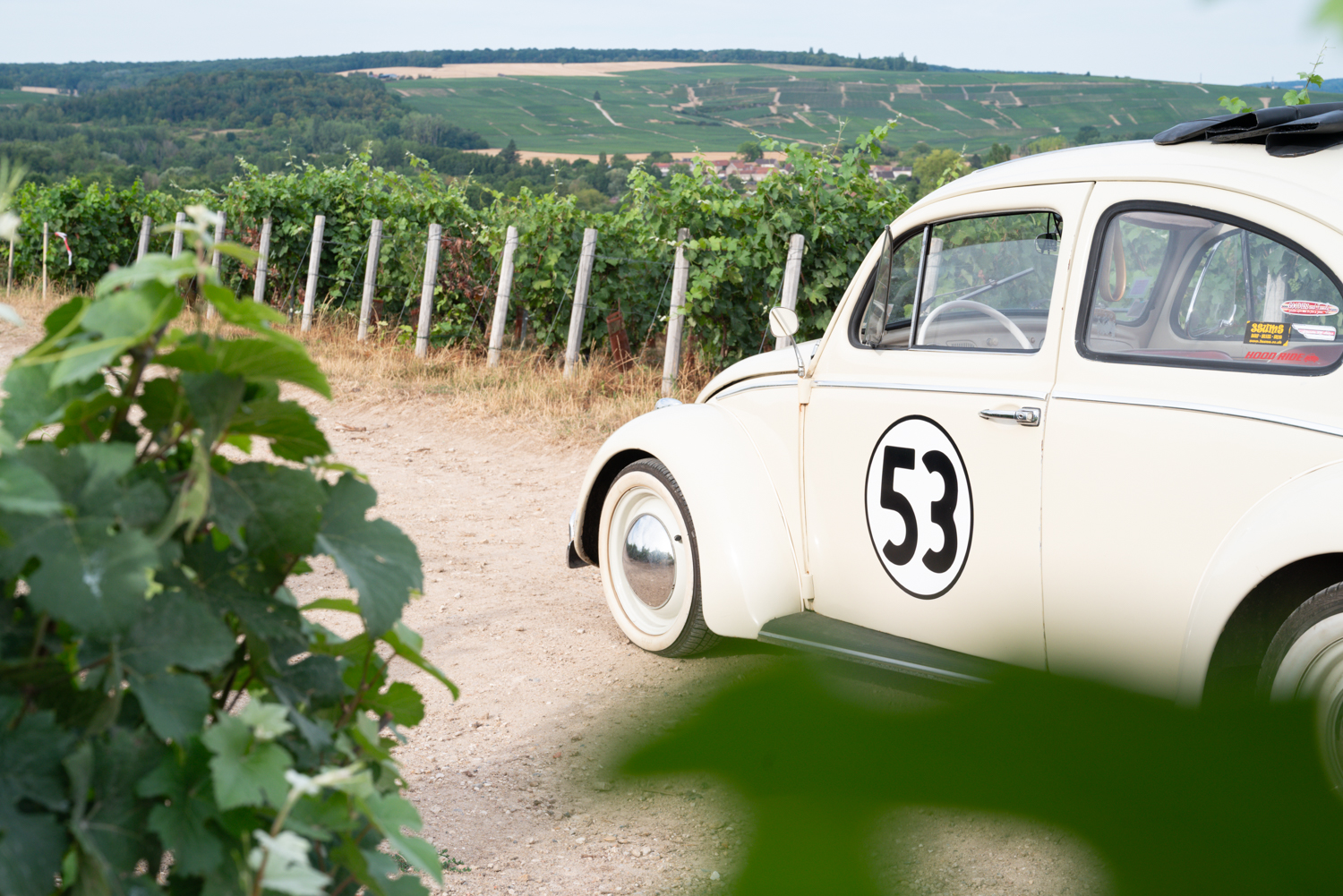
We then continued towards the vineyards of the Marne Valley. Yes, the Champagne vineyards don’t stop at the borders of the Marne département! Several wine-growing villages in the Aisne surround Condé-en-Brie, a lovely way to extend the day.
If you have more time, you can also head to Villers-Cotterêts and the Cité internationale de la langue française, another visit I really enjoyed on this trip.
Finally, if you’d like to discover several of these places on the same getaway, I’ve put together a complete 2-day itinerary in the southern Aisne, combining heritage, Champagne and nature.
My review of the Château de Condé-en-Brie
This visit turned out to be one of the lovely surprises of our weekend in the southern Aisne. I loved how little-known the Château de Condéis, the richness of its décors and, above all, the many anecdotes we discovered from room to room.
The magic mirror will probably remain my best memory of the visit. Between the trompe-l’œil windows, the story of Olympe Mancini, the old paintings and the little surprises scattered around the estate, the château has enough quirks to be well worth the detour.
A lovely discovery I’m delighted to have finally made… just a few kilometres from home!
FAQ – Visiting the Château de Condé-en-Brie
Is the Château de Condé worth visiting?
Yes, I really enjoyed my visit to the Château de Condé-en-Brie. The estate is still fairly unknown and its manageable size makes for a pleasant visit. Its 17th- and 18th-century décors, Olympe Mancini’s bedroom, the tin soldier collection and, above all, the famous mirror hiding an old painting make the visit truly original.
How long does it take to visit the Château de Condé?
Allow about 1 hr 30 to 2 hrs to visit the château and its grounds at a relaxed pace. With kids, add 30 to 50 minutes if you’d like to do one of the treasure trails.
Can you visit the Château de Condé with kids?
Yes! Several treasure trails suited to different ages let children explore the château and its park by looking for clues and solving puzzles. There’s also a spot-the-odd-one-out game inside.
When can you visit the Château de Condé?
The château is open on certain dates between spring and early November, with more opening days during French school holidays and in summer. As dates and times can vary through the season, always check the official calendar before you go.