The southern Aisne is probably one of the least-known parts of the département. And yet, between the Champagne hillsides, castles, characterful villages, forests and unusual experiences, it has all the ingredients for a weekend that’s as refreshing as it is enriching.
Having grown up in the Aisne, I thought I knew my home département well. But this two-day getaway proved there were still plenty of gems left to discover. Over the weekend, I rediscovered Château-Thierry in the footsteps of Jean de La Fontaine, explored the Champagne vineyards in a Volkswagen camper van and slept in a cabin with a spa, before ending in Villers-Cotterêts at the fascinating Cité internationale de la langue française.
More than just a travel diary, here I share my itinerary for a weekend in the Aisne, full of encounters, great addresses and experiences that show how this area now brings its heritage to life and reinvents it.
(For readers outside France: the Aisne is a rural département in Hauts-de-France, about an hour north-east of Paris, on the edge of the Champagne region.)
NB: Unpaid commercial collaboration with the Aisne Tourisme agency. On their website, you’ll find plenty of information to complement this article and help you plan your stay!
✨ At a glance ✨
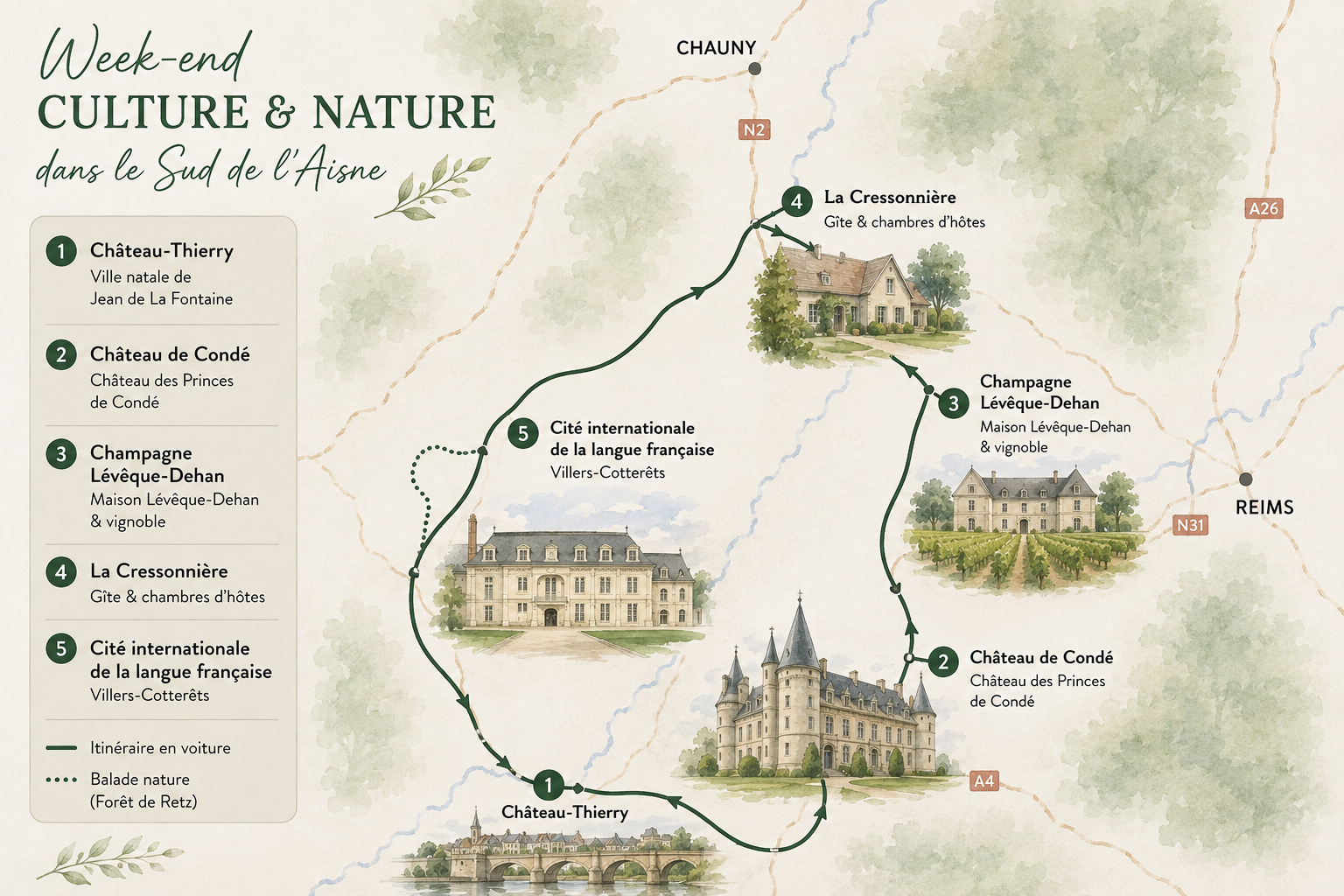
📍 Itinerary: Château-Thierry → Château de Condé → Maison Levêque-Dehan → La Cressonnière → Villers-Cotterêts → Forest of Retz → Cité internationale de la langue française
🗓️ Ideal length: 2 days
🚗 Type of trip: Road trip by car
❤️ Ideal for: Lovers of heritage, food, nature and Champagne.
🌸 Best time to go: April to September, ideally late spring and summer, when the vineyards are at their most beautiful.
⭐ Experiences not to miss:
- Discover Château-Thierry in the footsteps of Jean de La Fontaine.
- Explore the Champagne vineyards in a Volkswagen camper van.
- Get a taste of royal life in a more intimate setting at the Château de Condé.
- Sleep in a cabin with a private spa.
- Walk in the Forest of Retz.
- Visit the Cité internationale de la langue française.
.
Itinerary: two days in the southern Aisne
| Day | Stop | What’s on |
|---|---|---|
| Day 1 | Château-Thierry | Guided tour in Jean de La Fontaine’s footsteps, the Jean de La Fontaine Museum and lunch at Le Saint-Jean. |
| Day 1 | Château de Condé | Discovering the château, its apartments and its many historical anecdotes. |
| Day 1 | Maison Levêque-Dehan | Discovering the Aisne’s Champagne vineyards and a ride through the vines in a Volkswagen camper van. |
| Days 1–2 | La Cressonnière | A night in a cabin, wellness area and dinner on site. |
| Day 2 | Villers-Cotterêts | Walk in the Forest of Retz, lunch at La Tulipe and a visit to the Cité internationale de la langue française. |
.
🌿 To go further
This two-day getaway takes you around the southern Aisne. If you’d like to explore other parts of the département, have a look at my complete guide to my favourite discoveries:
🏰 Discovering Château-Thierry in Jean de La Fontaine’s footsteps
Exploring Château-Thierry, between heritage and memories of La Fontaine.
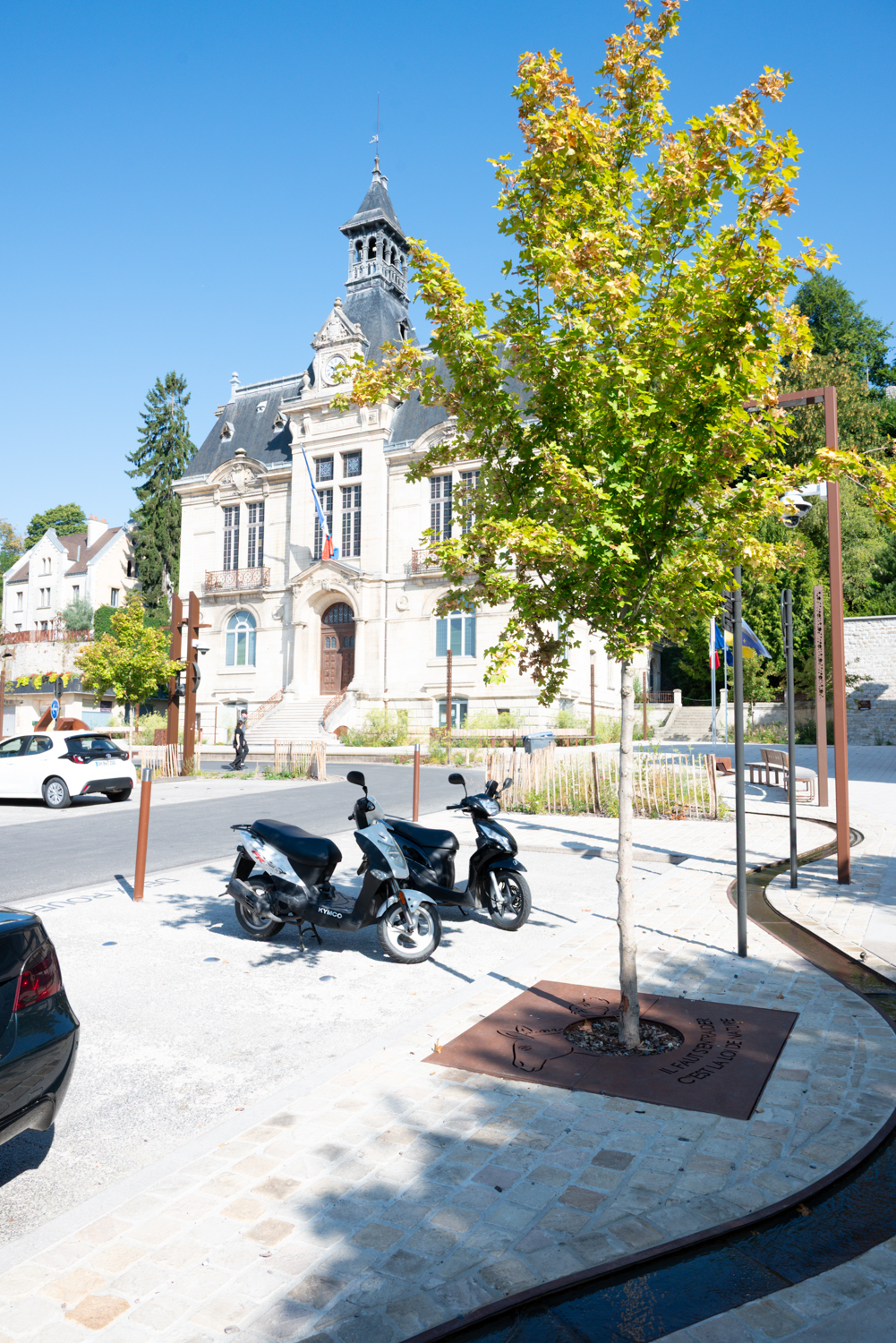 It’s 9:30am when we meet Clémentine outside theChâteau-Thierry tourist office. Her enthusiasm is impossible to miss: she knows her town inside out and, above all, she truly loves it. For almost two hours, she leads us through the lanes of the historic centre, in the footsteps of Jean de La Fontaine… but also of everyone who has shaped Château-Thierry over the centuries.
We quickly understand that reducing Château-Thierry to its most famous writer would be a mistake. Located between Paris and Champagne, the town has always held a strategic position. From the marshes of old to medieval fortifications, from the great battles of the First World War to successive rebuilds, every street tells a piece of its history.
Along the way, the anecdotes keep coming. We learn, for example, that Jean de La Fontaine (France’s great 17th-century fabulist) wasn’t just the author of the famous Fables that every French child studies at school. He also wrote much more… daring tales! An old fountain in town, where locals came to draw water and swap the latest gossip, was a real source of inspiration for him. He drew on these little everyday stories and turned them into tales.
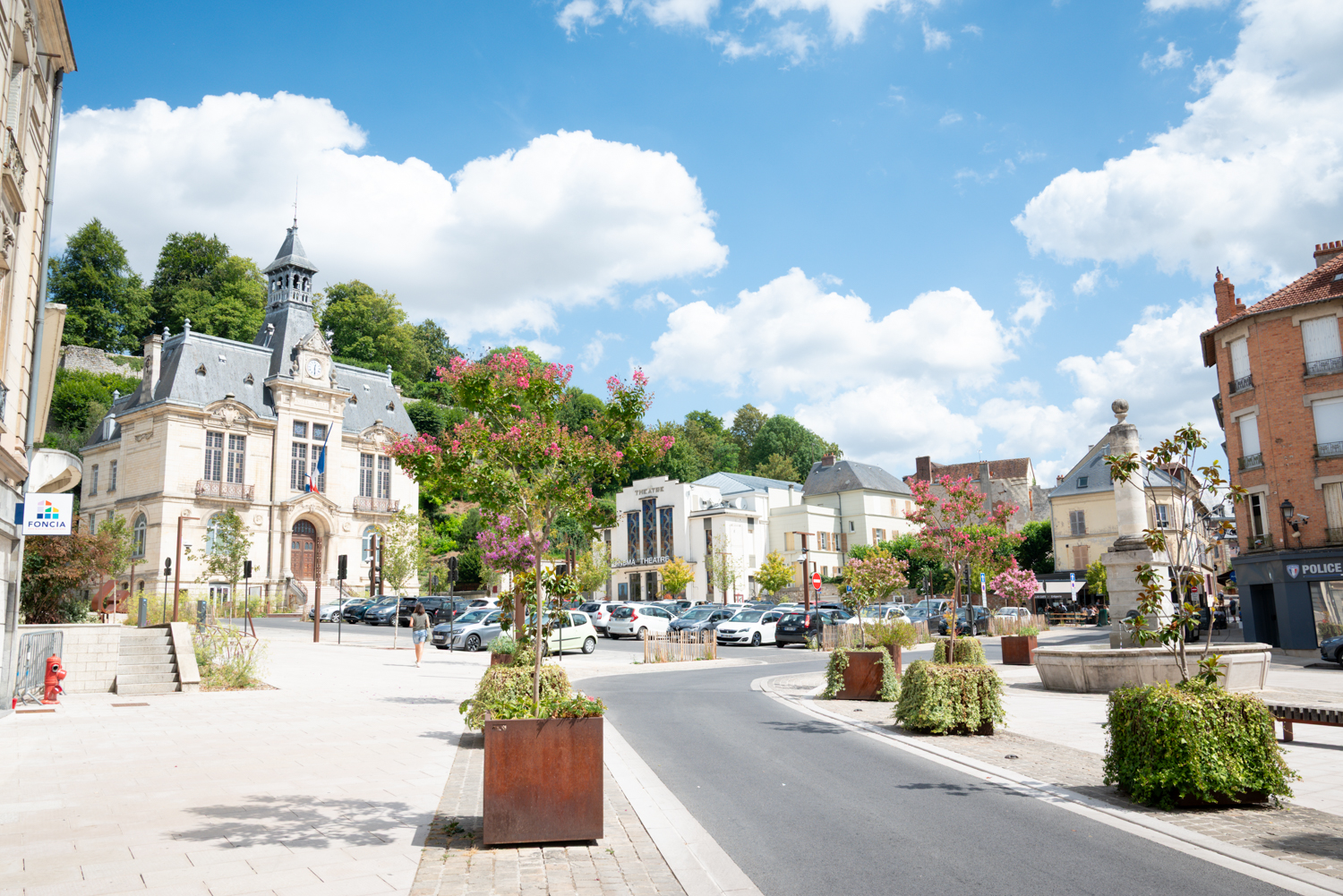
Little by little, the cobbled lanes climb towards the castle. Along the way, Clémentine points out a few landmarks linked to the writer: the old school where he is said to have studied, the Cordeliers convent, the house where his wife lived after they separated, and a discreet staircase that still fuels many legends today.
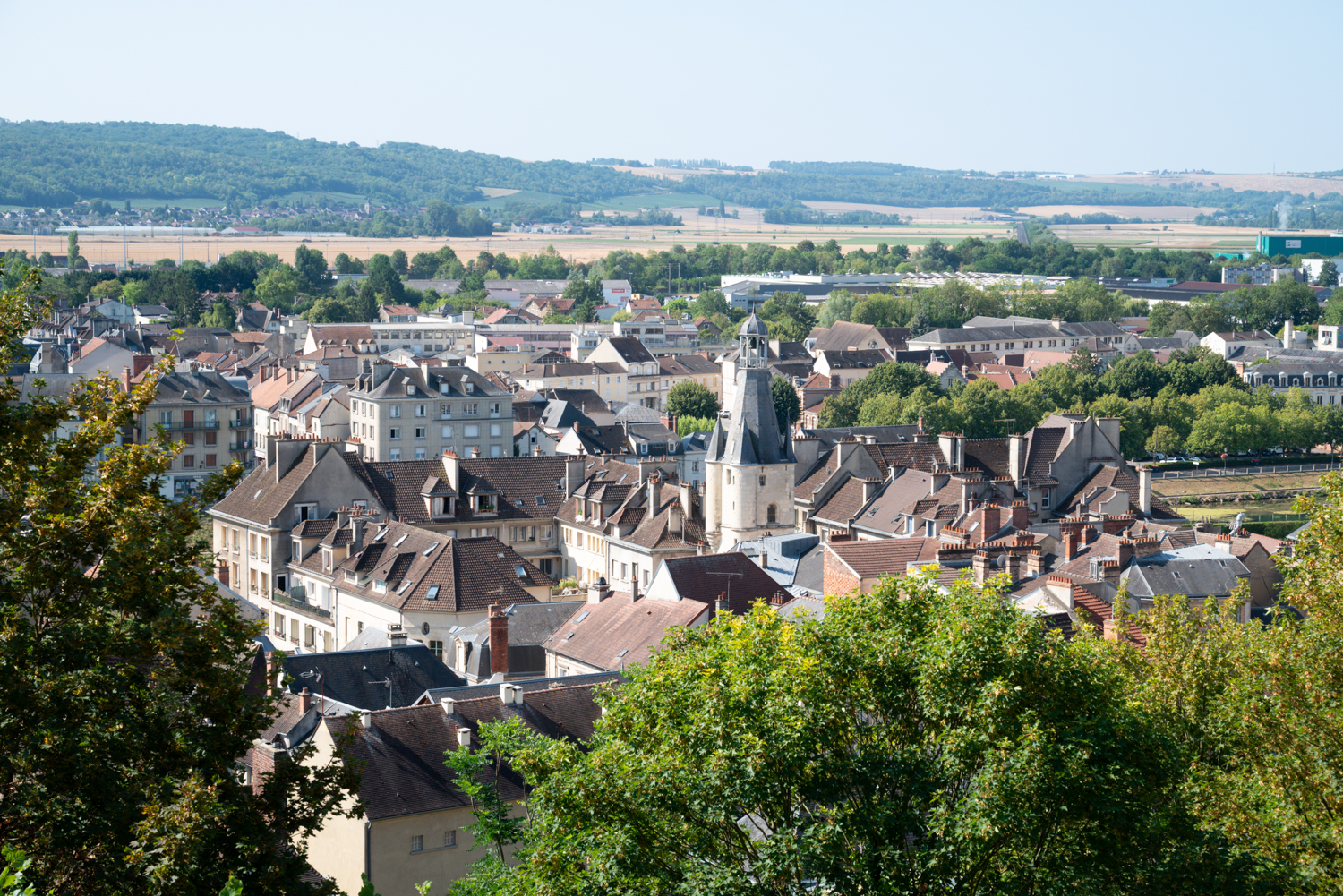
The climb finally leads to the remains of Château-Thierry’s castle. From the ramparts, the view takes in the town’s rooftops, the Marne and the surrounding hillsides. A panorama that’s worth the detour on its own.
💡 Did you know?
During the French Revolution, Château-Thierry was renamed Égalité-sur-Marneto erase any reference to the monarchy. The name only lasted a few years, but a trace of it remains: a street in the town centre is still called rue Égalité-sur-Marne.
🏰 What to look out for at the castle
Before going through the entrance, take a look at the defence system designed by the builders. The access bridge isn’t perfectly straight: its slight curve stopped attackers from building up momentum. Further on, the portcullis and murder holes allowed defenders to trap enemies before they got inside the fortress. An ingenious example of medieval military architecture.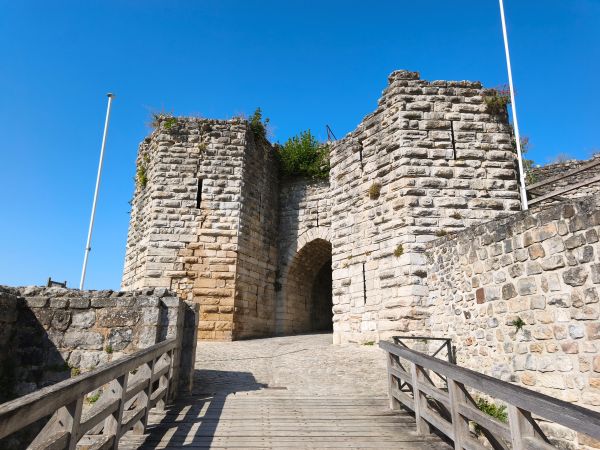
📖 Our guide’s anecdote
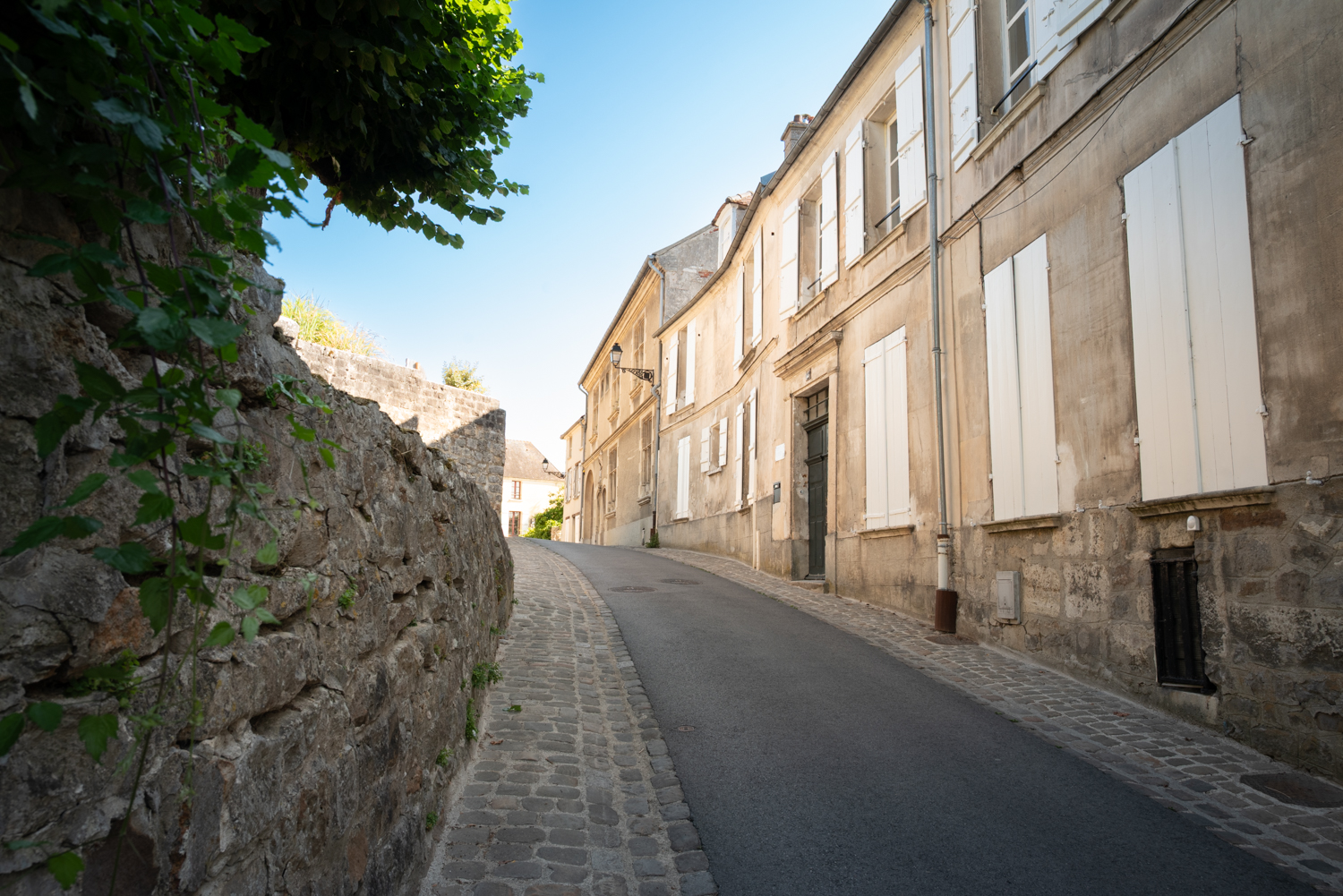
Clémentine shows us a small, discreet staircase winding between the houses of the old town. According to local tradition, Jean de La Fontaine used it after a few boozy evenings… and perhaps also to visit the Duchess of Bouillon, one of his first patrons, who supported his early literary career. It’s impossible to know where history ends and legend begins… but that’s also what makes this guided tour so charming.
❤️ My tip
If you visit Château-Thierry, I highly recommend starting with this guided tour. Much more than an introduction to Jean de La Fontaine, it helps you understand the town’s history and see its lanes, castle and heritage in a completely different light. In my view, it’s the best way to get to know Château-Thierry before continuing at the Jean de La Fontaine Museum. (Tours are usually in French, so ask the tourist office about English-language options.)
📚 Rediscovering Jean de La Fontaine in a completely reinvented museum
A visit devoted to Jean de La Fontaine and his world.
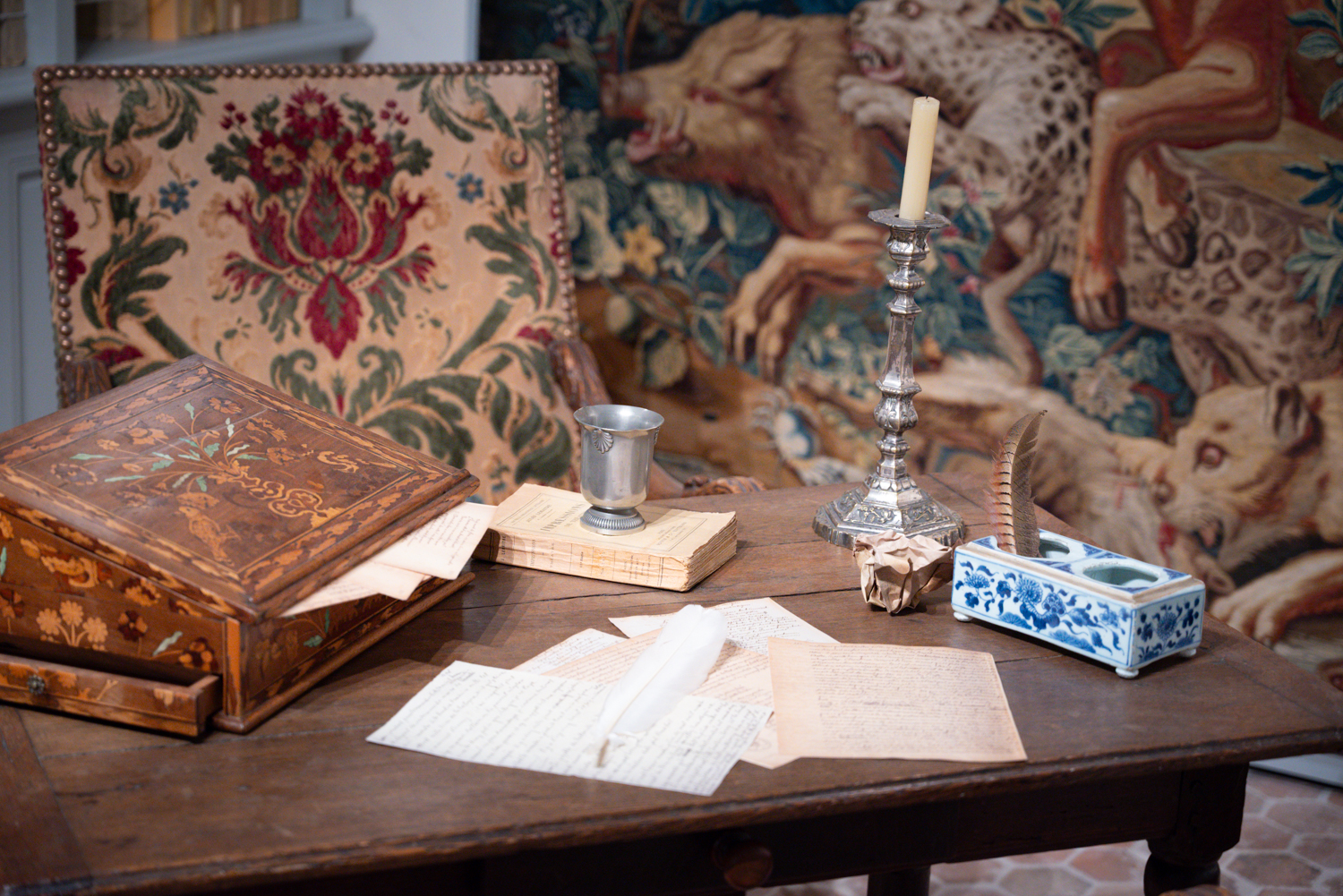
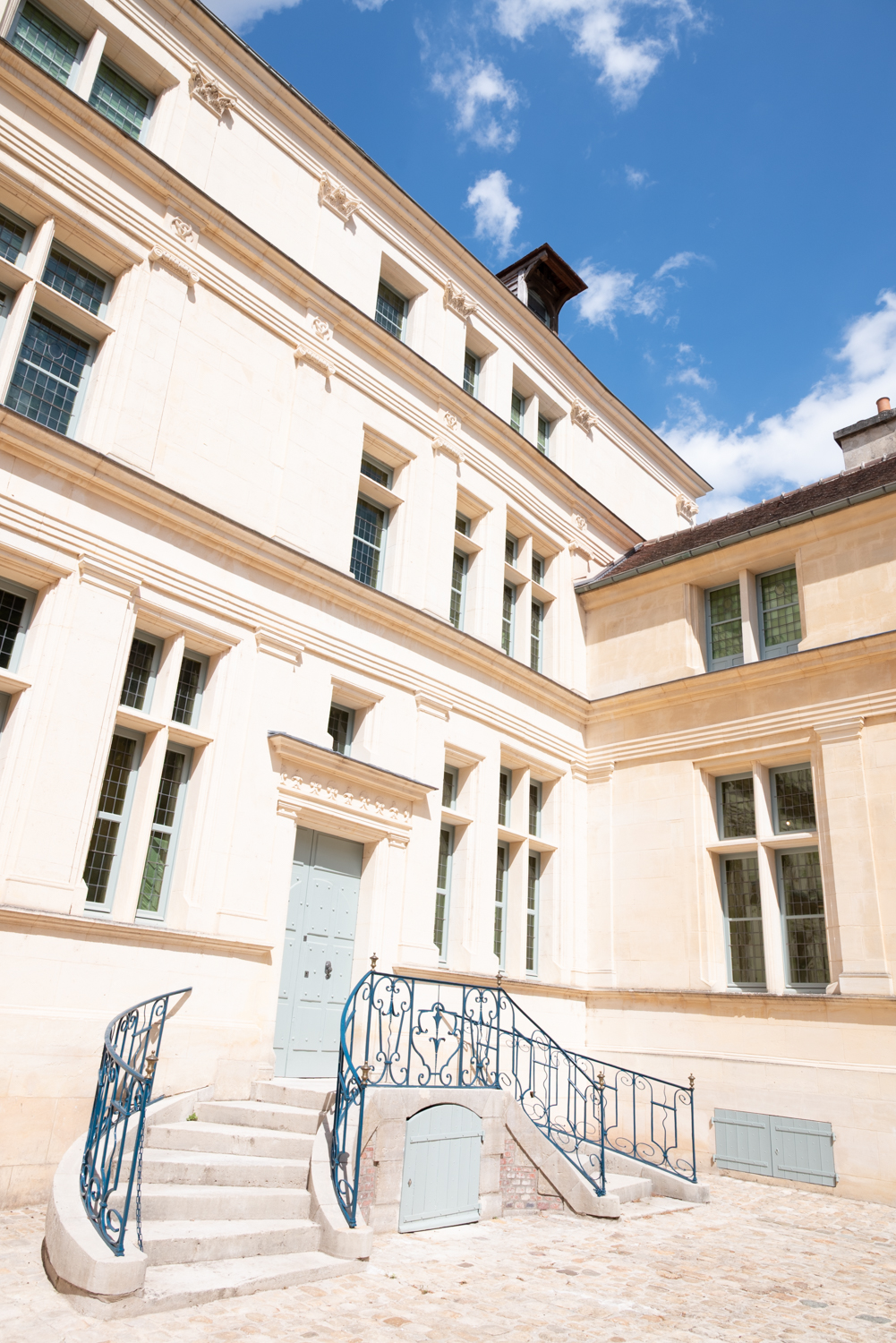 After walking in Jean de La Fontaine’s footsteps through the lanes of Château-Thierry, we naturally continue our discovery at his birthplace. I’d visited the museum a good ten years ago, and needless to say, the transformation is spectacular.
After several years of work, the museum has reopened in a completely redesigned setting. Brighter, more modern and now accessible to people with reduced mobility thanks to a new lift, it offers a much smoother visit while preserving the charm of this historic house.
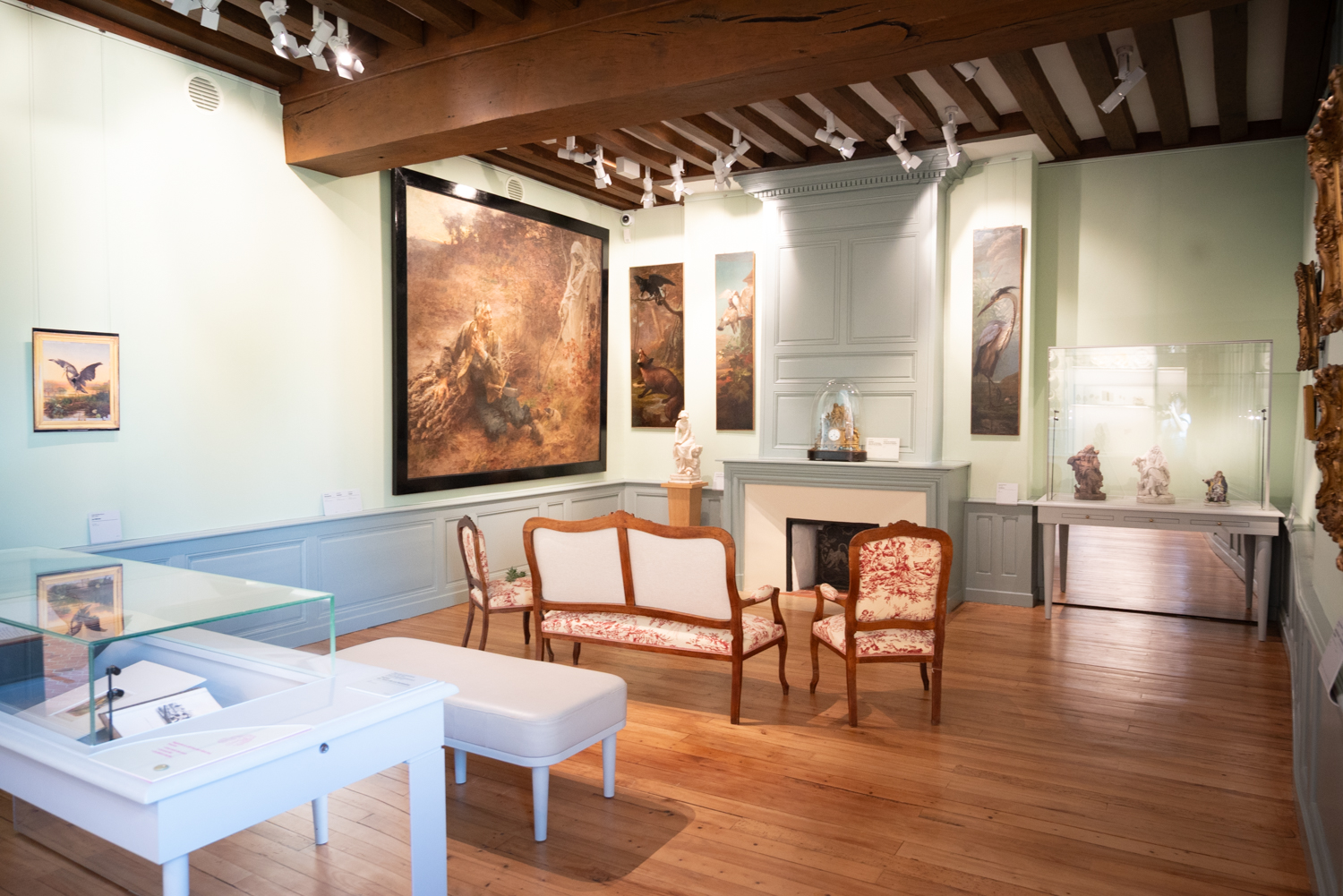
Room by room, you trace the life of Jean de La Fontaine, his inspirations and the encounters that shaped his path. Paintings, manuscripts, sculptures, period objects and old editions help you better understand the man who became one of France’s greatest writers.
The various figures who supported him throughout his career are also honoured, a reminder of how much their patronage helped make his work known.
I particularly liked the way the museum brings literature, heritage and art together. The famous Fables come to life through editions from all over the world, as well as illustrations by great artists. I was especially surprised to discover several works by Salvador Dalí, whose dreamlike world offers a fascinating interpretation of La Fontaine’s tales.
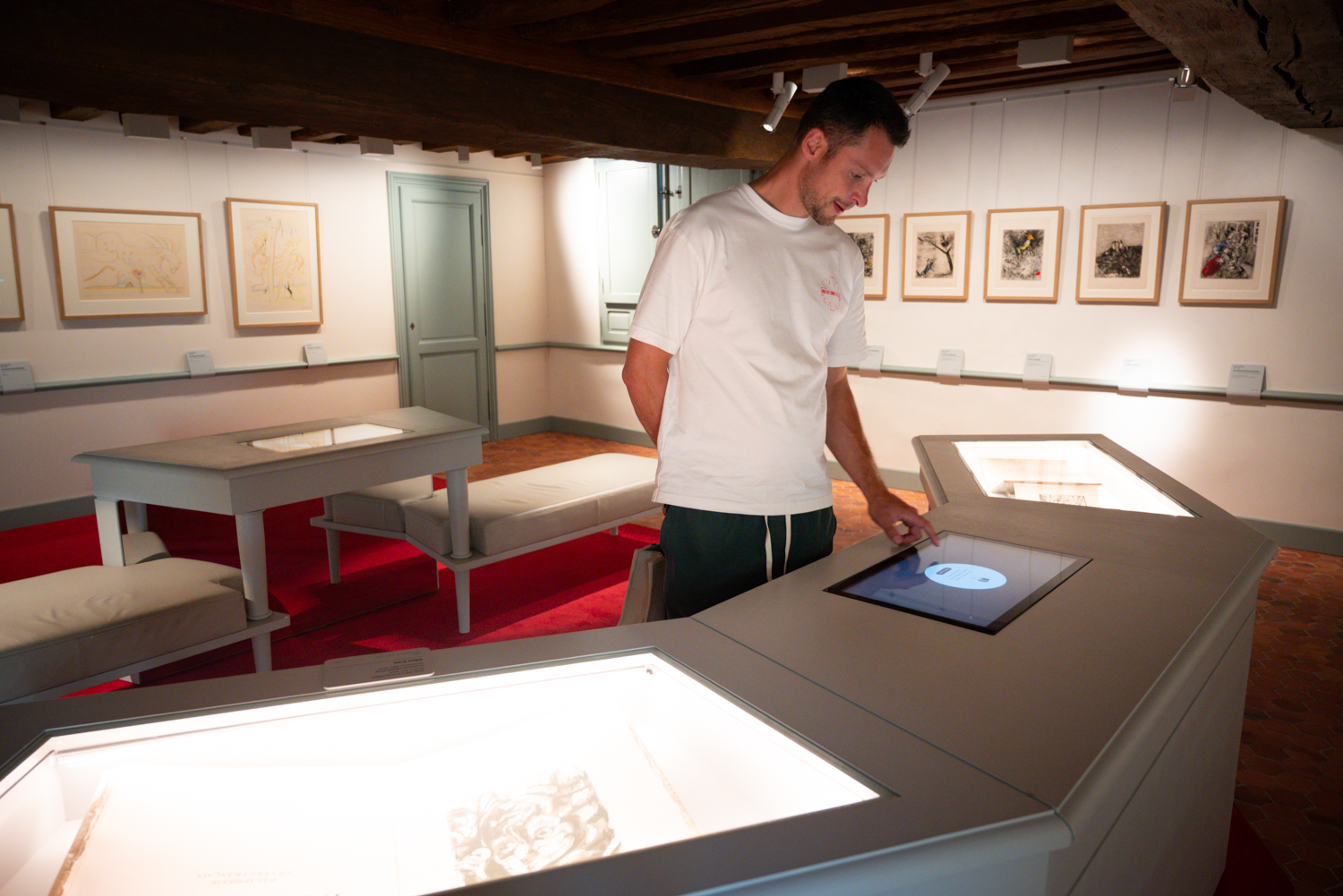
The route also makes plenty of room for families. In the old rooms of the house, where the terracotta floor tiles and exposed beams have been preserved, several interactive areas invite young and old to rediscover the fables in a playful way.
Another good idea : a free app, accessed via a QR code handed out at reception, accompanies the visit. Two routes are offered: one more traditional and historical, the other more interactive. A pleasant way to explore the museum at your own pace.
My detailed article and review of the Jean de La Fontaine Museum
❤️ My verdict: why visit the Jean de La Fontaine Museum?
I really loved the new exhibition design, both elegant and contemporary.
Without ever spoiling Jean de La Fontaine’s birthplace, it showcases the collections perfectly and makes the visit much more lively. Whether you love literature, history or are simply curious, it’s well worth the detour. I also really enjoyed the dialogue between literature, heritage and works of art, especially the magnificent illustrations of the Fables by Salvador Dalí.
💡 Did you know?
Jean de La Fontaine’s Fables have been translated into a great many languages. The museum displays several old editions from different countries, showing the huge international reach of his work.
👨👩👧 For families
Even if you’re not a big literature fan, the visit is very accessible. The many interactive displays, workshops and play areas let children discover Jean de La Fontaine’s world while having fun.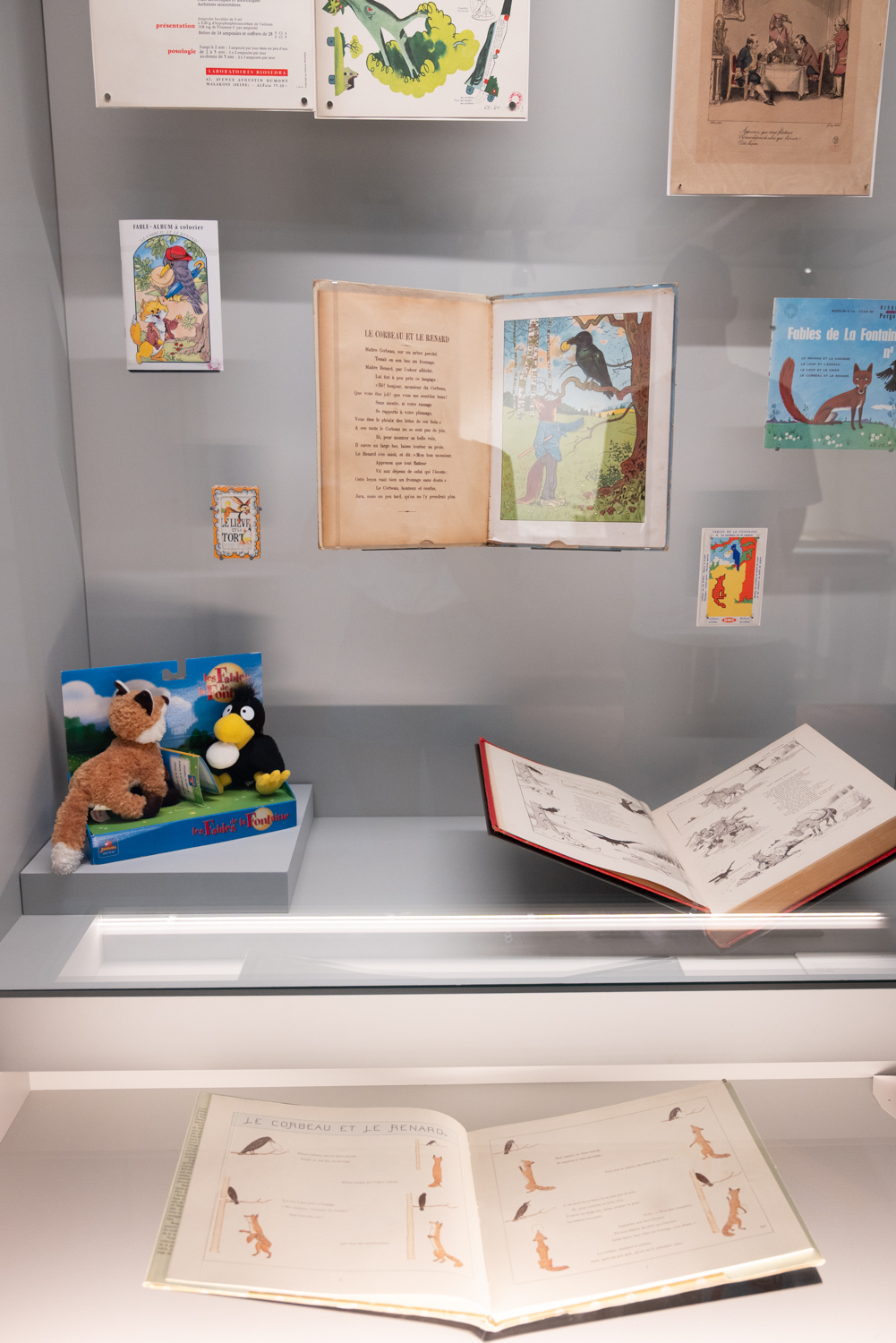
🍴 Lunch at Le Saint-Jean, a foodie spot in Château-Thierry
After a morning wandering the lanes of Château-Thierry, a foodie break is in order. We step into Le Saint-Jean, a small restaurant that doesn’t look like much at first glance.
Yet it’s exactly the kind of place I love finding on my getaways: entirely homemade, generous and honest food.
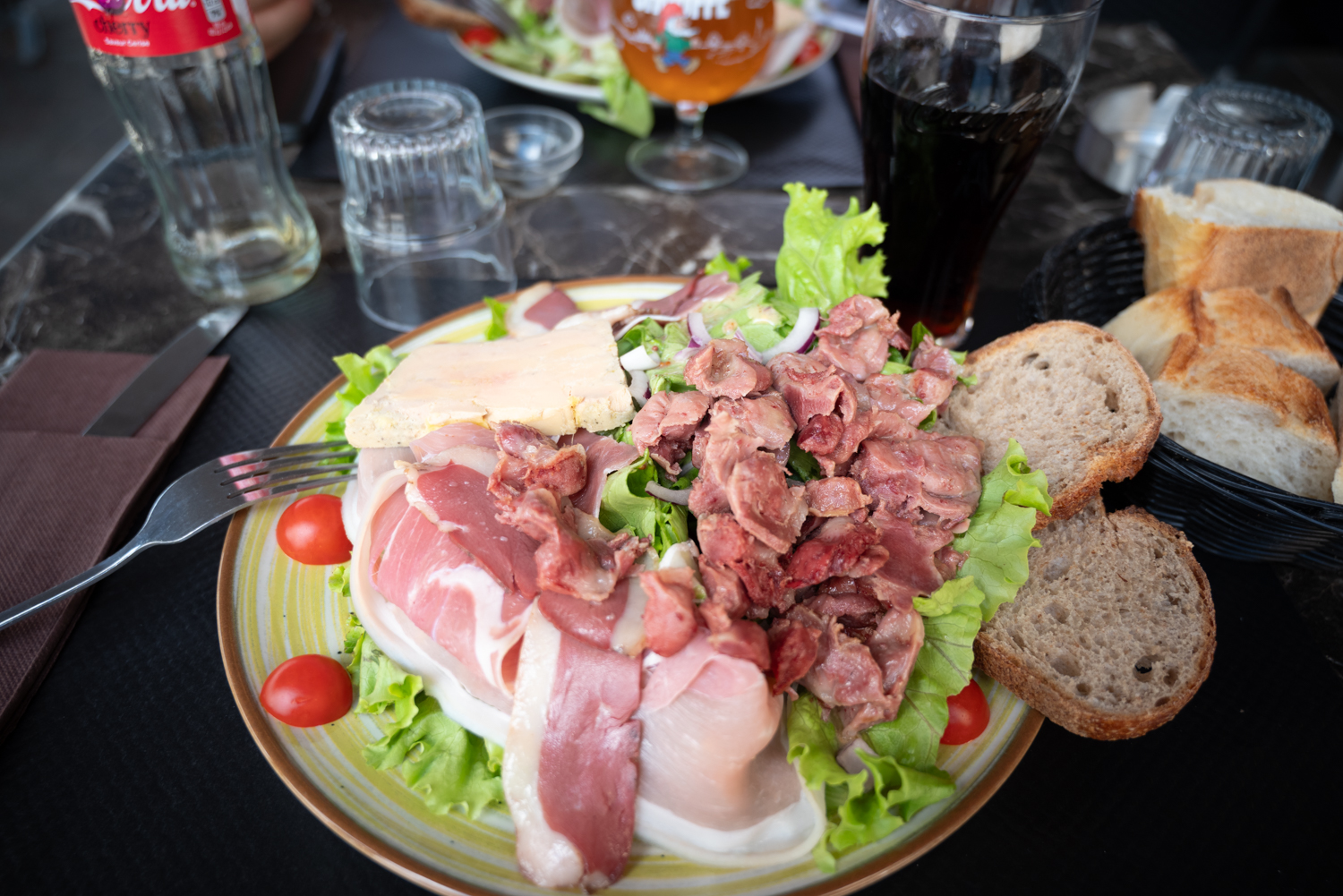
When my plate arrives, I smile. I wasn’t very hungry and thought I’d ordered something light, but I find myself in front of a real local platter. Still-warm gizzards, thinly sliced cured ham, crunchy salad, cherry tomatoes and, above all, a lovely slice of homemade foie gras… It’s as hearty as it is tasty. Simple, authentic food where the quality of the produce speaks for itself.
Then it’s impossible to resist dessert. I give in to a brioche French toast (pain perdu), perfectly soft, melt-in-the-mouth and well balanced. Indulgent without being too rich, it rounds off lunch in the best possible way.
I also liked the nod to Jean de La Fontaine : several dishes on the menu are named after his famous Fables.
A small touch that reminds you that, in Château-Thierry, the writer is still part of the town’s identity.
❤️ My favourite
The homemade foie gras is excellent, but if I had to pick just one thing, it would be the brioche French toast. Soft, melting and delicately caramelised, it’s a real treat that’s almost worth the trip on its own.
👑 Travelling back in time at the Château de Condé
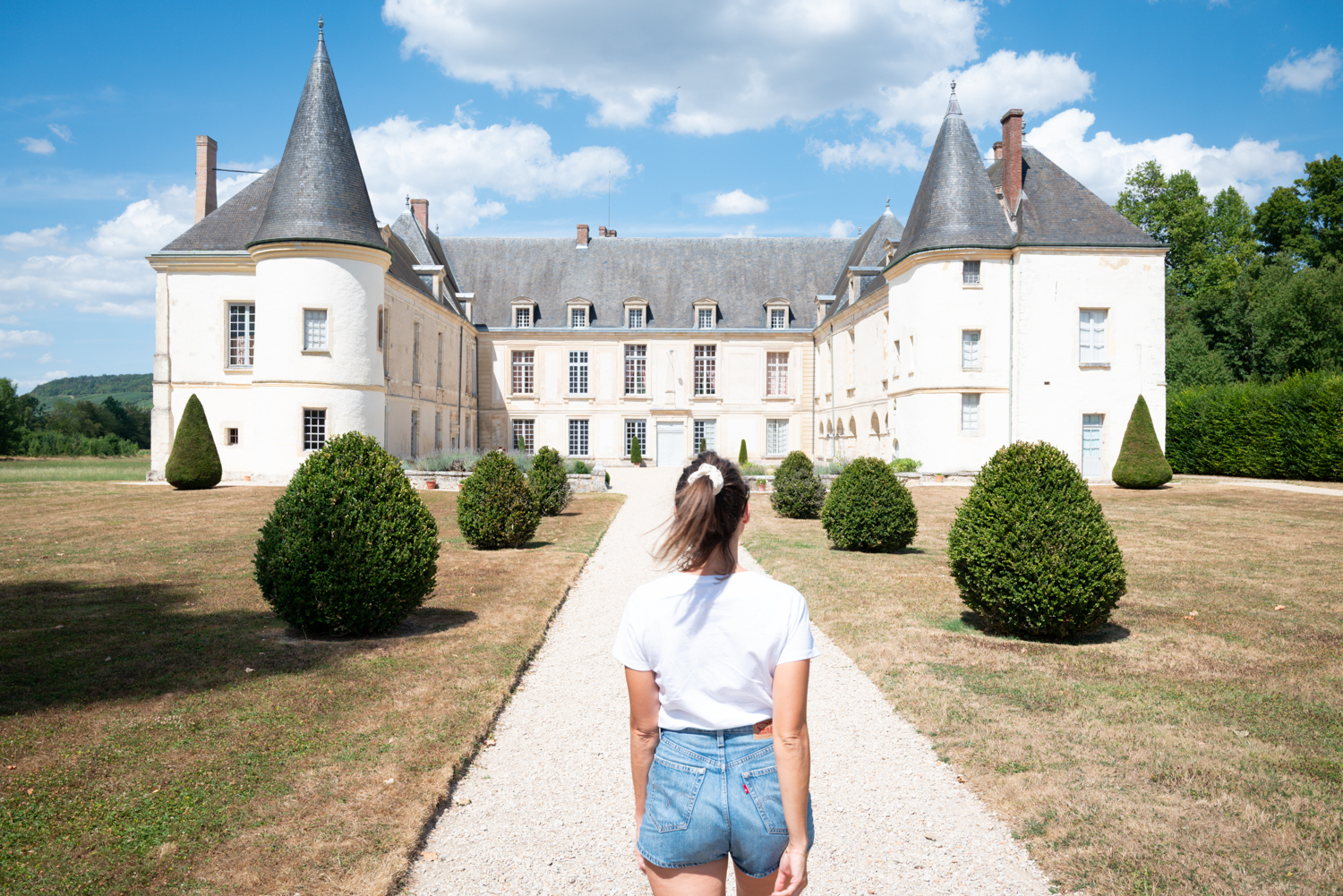
A château and its décors, through the stories of the people who lived there.
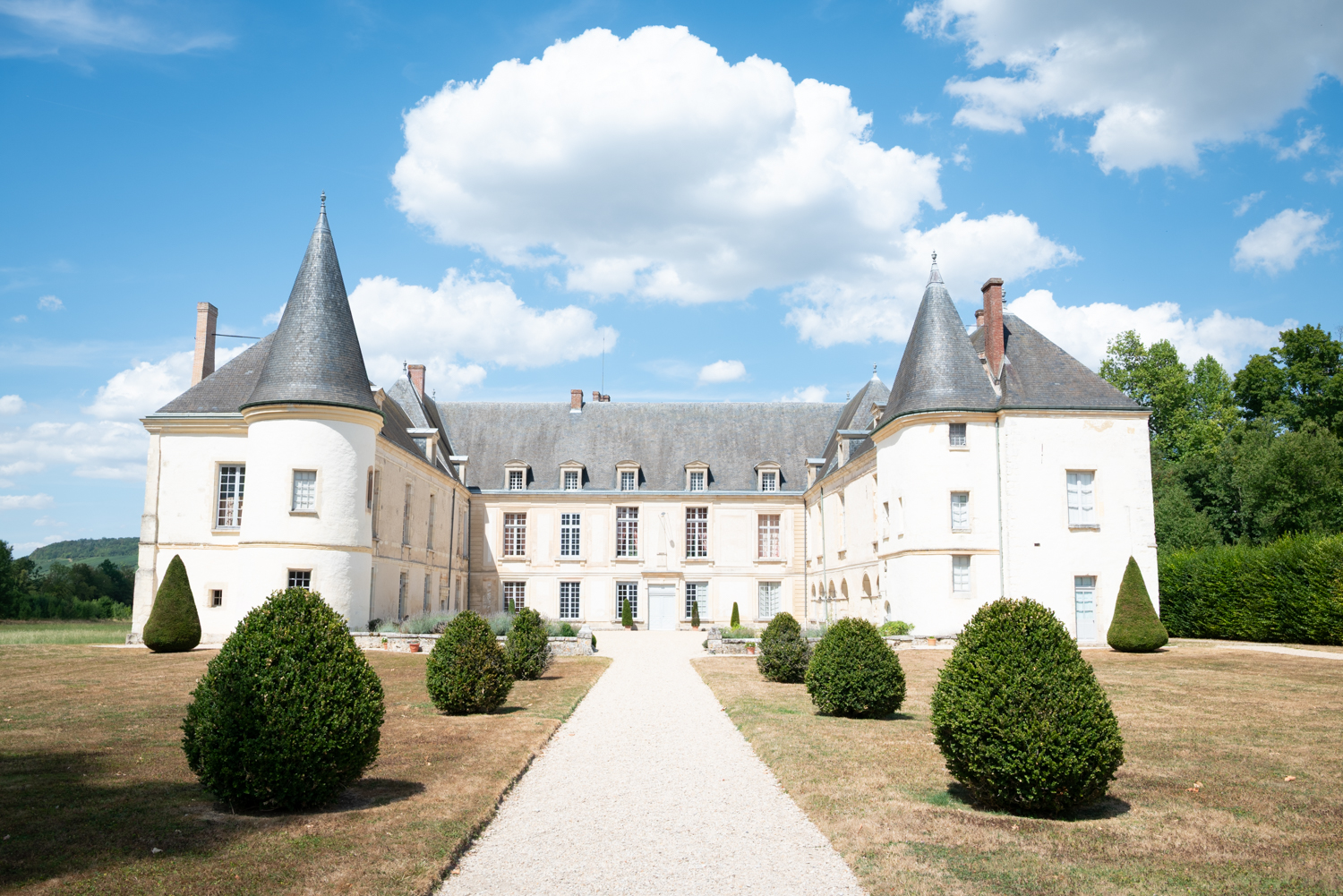
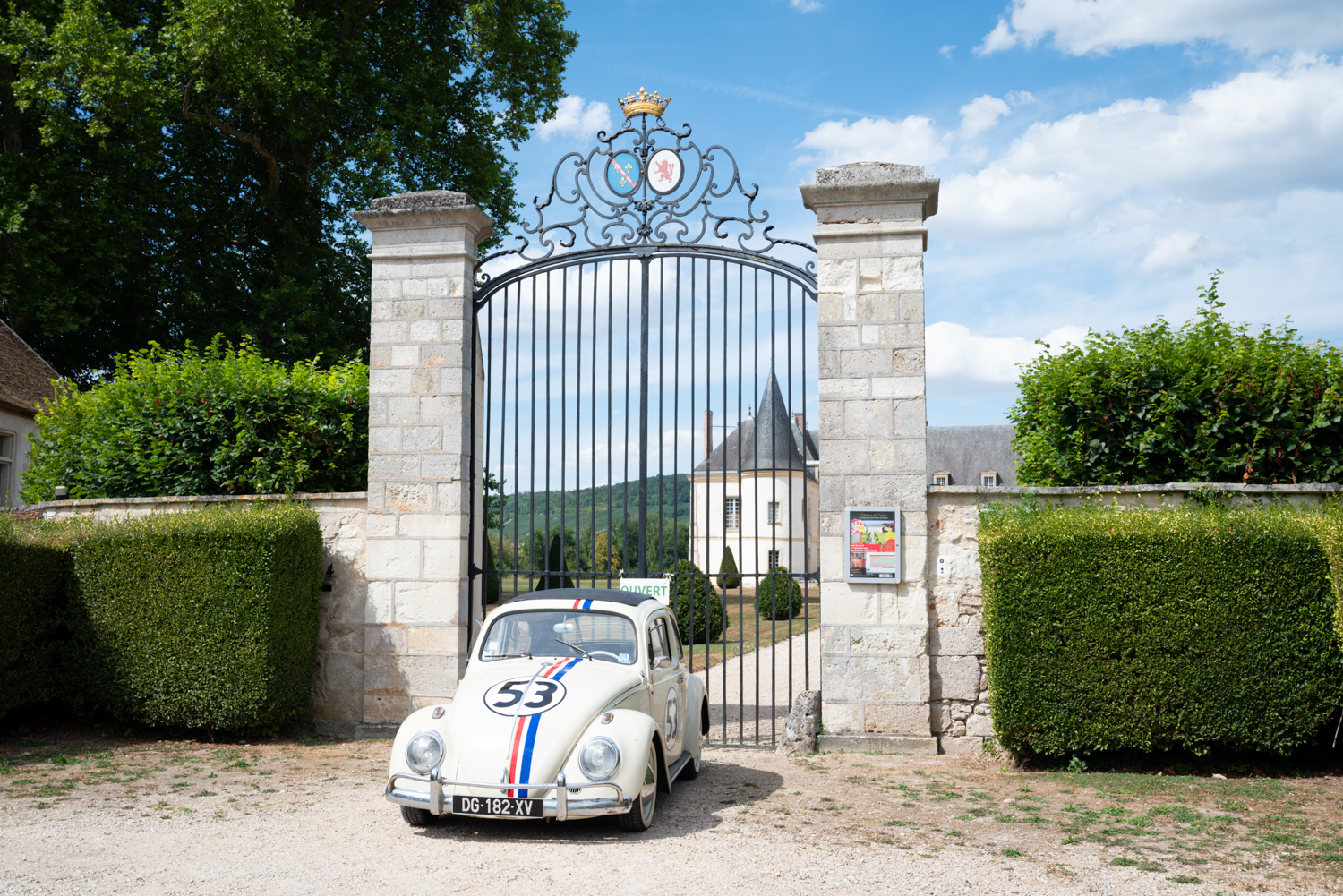 We stay a little longer in the age of kings… and of Jean de La Fontaine, as we head for the Château de Condé, former home of the Princes of Condé. At the end of a long tree-lined drive, behind imposing gates, the château finally appears. Elegant and majestic, it impresses from the very first moment.
Before even starting the visit, a short film shown at reception helps you understand the history of the place. I discover a detail I’d never have noticed on my own: despite its apparent perfection, the façade isn’t entirely symmetrical. In the 18th century, the architect Giovanni Niccolò Servandoni used clever trompe-l’œil, creating fake windows to visually balance the building. A little anecdote that completely changes the way you see the château.
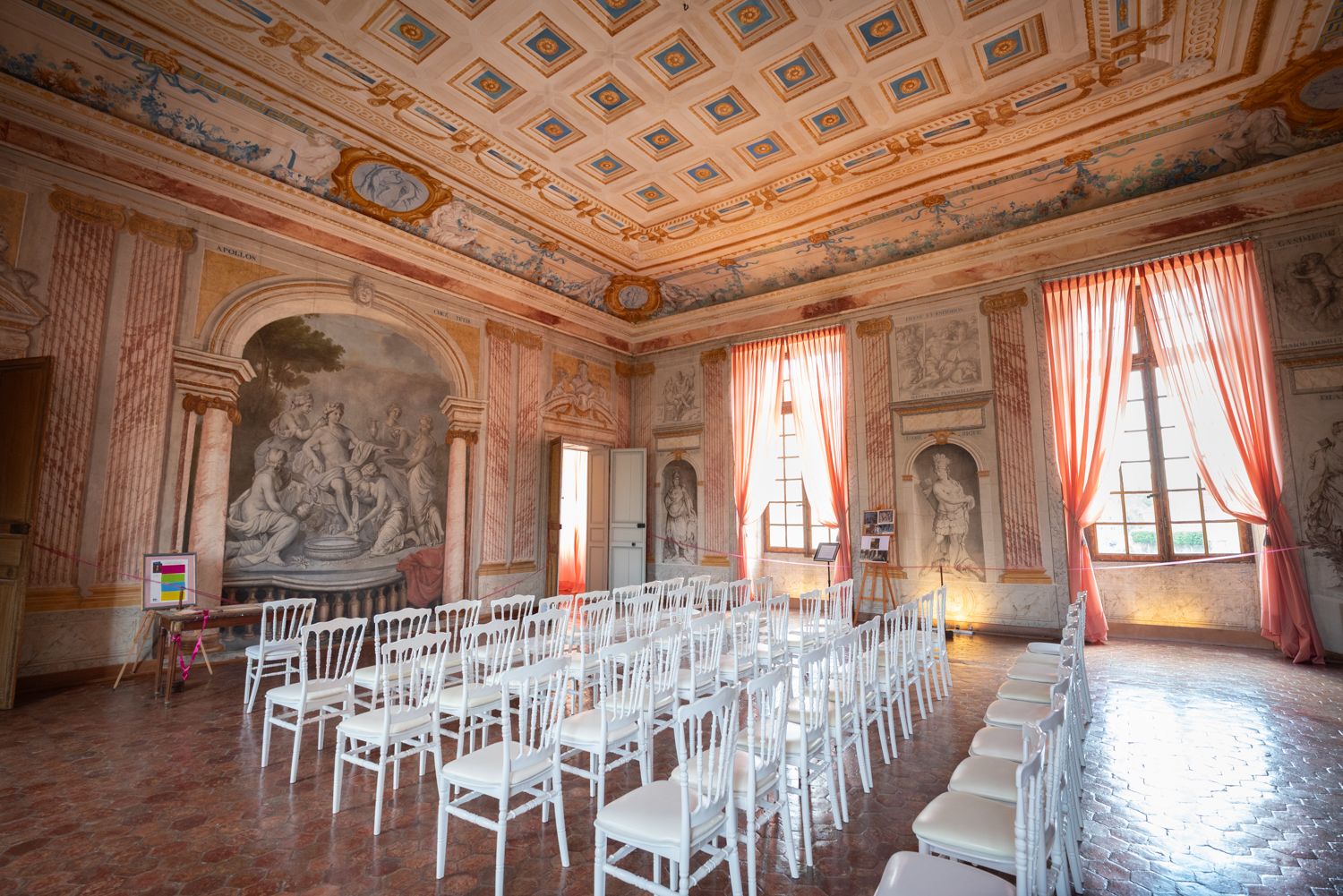
Unlike the big, crowded châteaux, Condé is still a family home, lovingly maintained by its owners. You can feel a real desire to share its history while offering an accessible and lively visit.
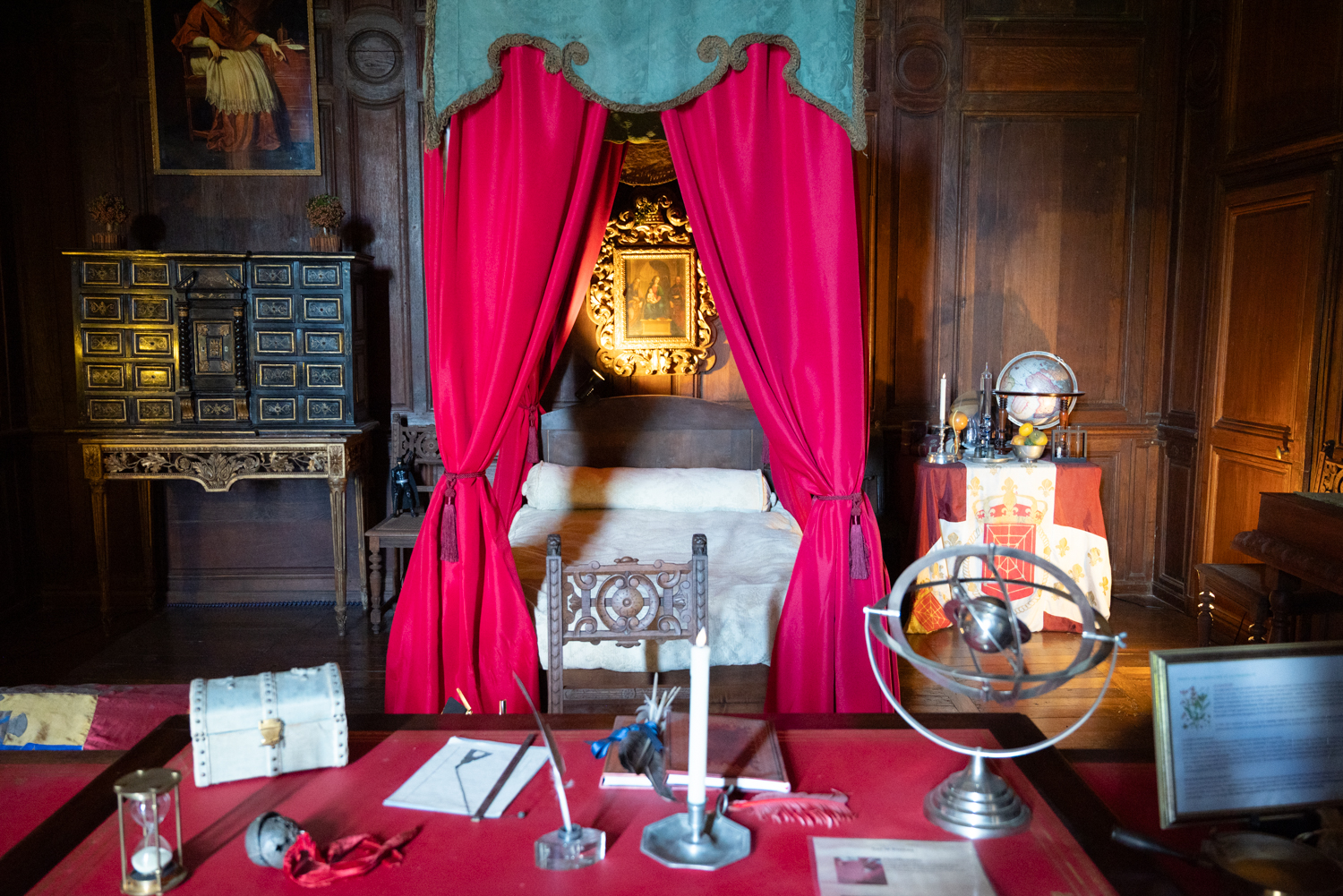
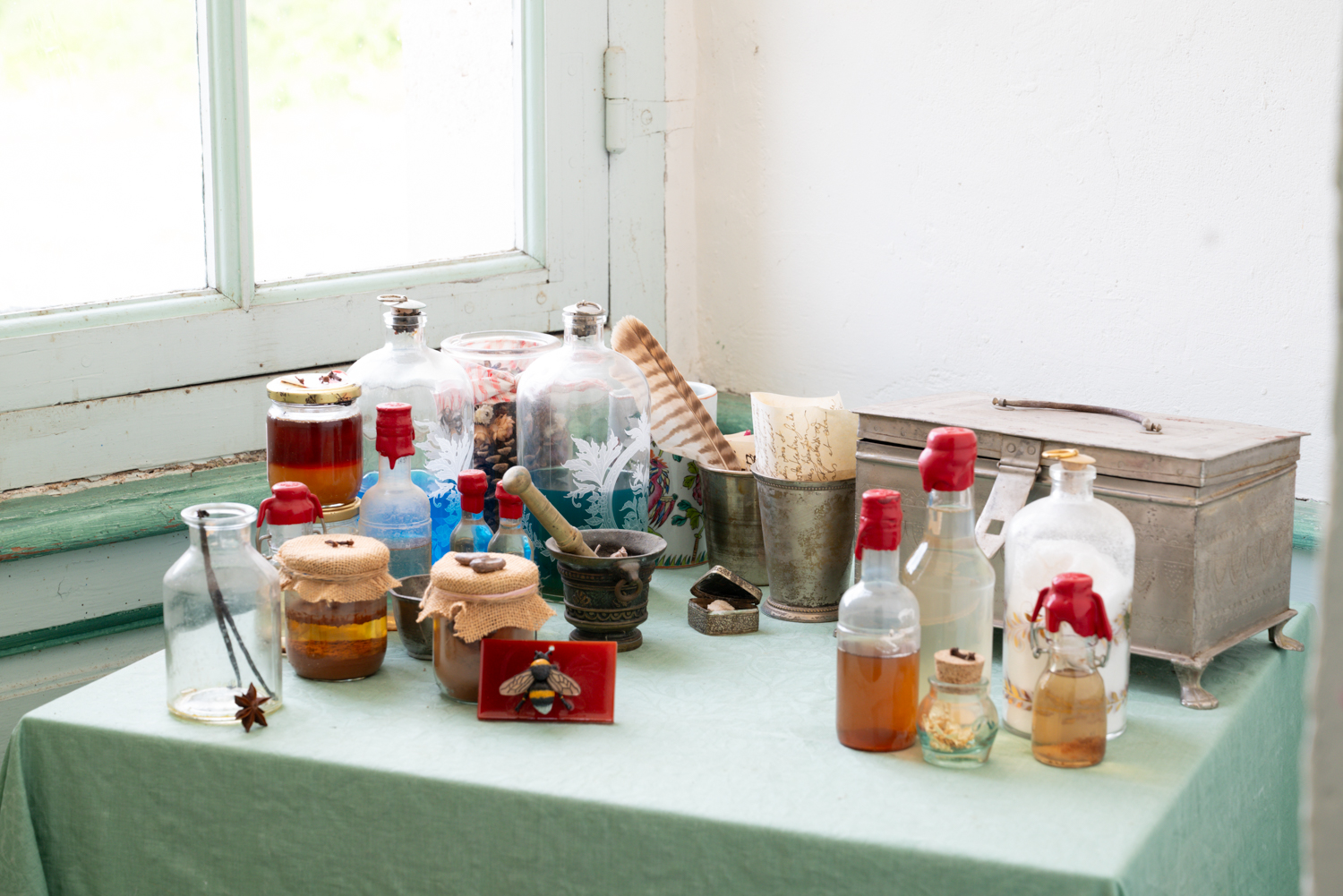
Room after room, you discover the former apartments, reception rooms and richly decorated bedrooms that tell several centuries of history. I particularly loved the bedroom and study of Olympe Mancini, Cardinal Mazarin’s niece and Louis XIV’s first love, implicated in the famous Affair of the Poisons, one of the biggest scandals at the Sun King’s court. Between intrigue, rumours, love potions and state secrets, this room plunges you into the sometimes scandalous backstage of the 17th century.
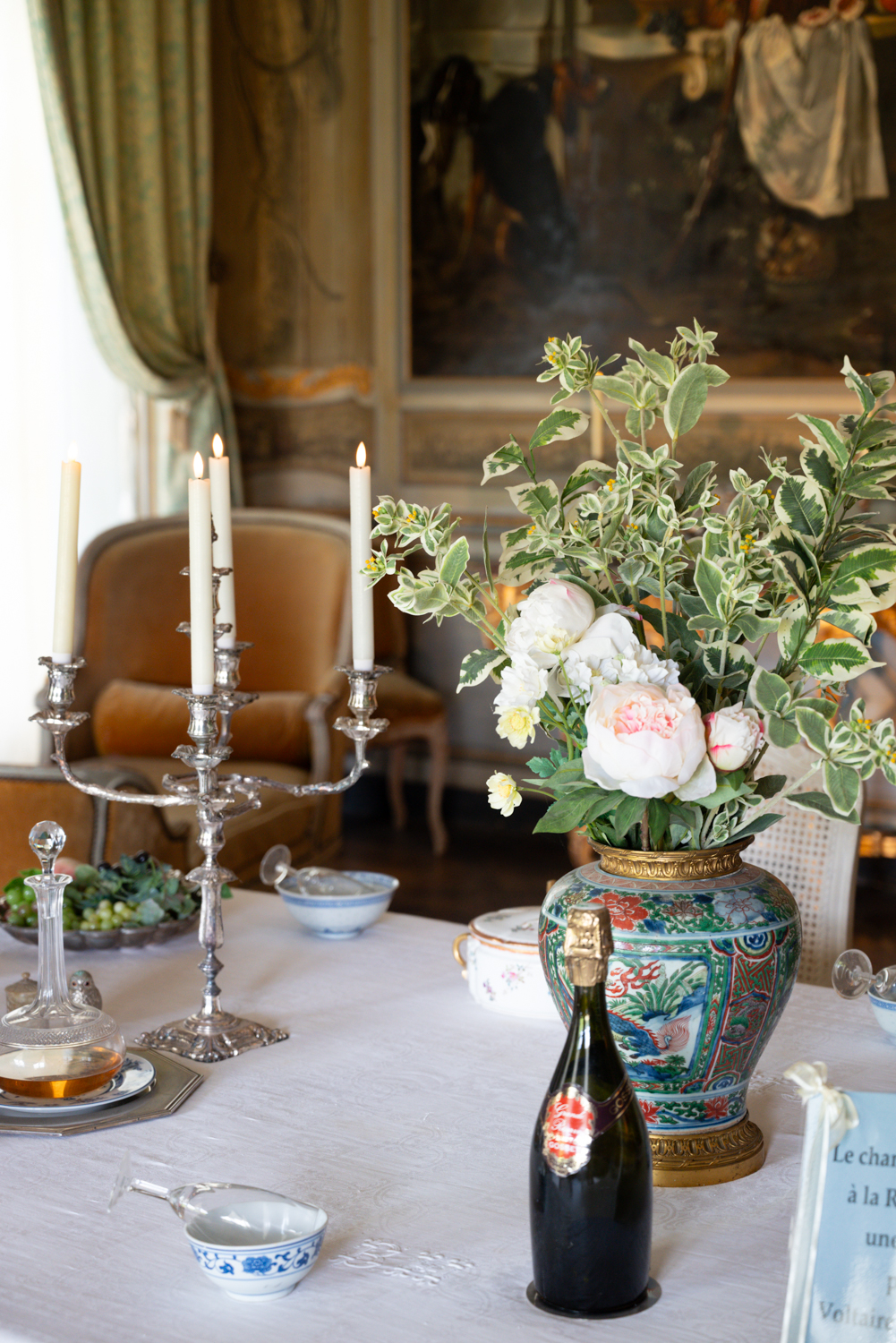
Jean de La Fontaine is never far away either. Invited to the château several times by the Princes of Condé, he found protection and inspiration here. Several works recall his visits, but what I loved most was the magic mirror in one of the rooms. Behind its apparent simplicity lies an animation that’s as original as it is poetic: in a few moments, it reveals a little-known tale by Jean de La Fontaine. I won’t say any more so as not to spoil the surprise, but this staging brings a very successful touch of modernity and surprise to the visit.
I also liked that the château thinks of families. An impressive collection of tin soldiers, little challenges along the way, activities for children and, in summer, water games in the park offer another way to discover this heritage. A great way to make history accessible to younger visitors.
The Château de Condé may not be the most famous château in France, or even in Hauts-de-France, but part of its charm comes from being so little-known. Here, you take time to wander, listen to the stories the rooms tell and discover a place that’s still very much alive, lovingly cared for by those in charge of it.
My detailed article and review of the Château de Condé
💡 Did you know?
Despite its apparent symmetry, the château’s façade hides several fake windows. Designed in the 18th century by the architect Giovanni Niccolò Servandoni, they are a true trompe-l’œil intended to give the building perfect harmony.
📖 A historical anecdote
Olympe Mancini, whose bedroom you’ll see during the visit, is a character worthy of a novel. Cardinal Mazarin’s niece and Louis XIV’s first love, she was named in the famous Affair of the Poisons, a huge scandal that rocked the Sun King’s court, involving accusations of poisoning, love potions and black masses. Although her involvement was never formally proven, her name remains linked to one of the most mysterious affairs of the 17th century.
👀 Not to be missed
The magic mirror ! Behind this animation lies a little-known tale by Jean de La Fontaine. An original staging that surprises adults and children alike, and shows that the château is always looking to refresh the visit.
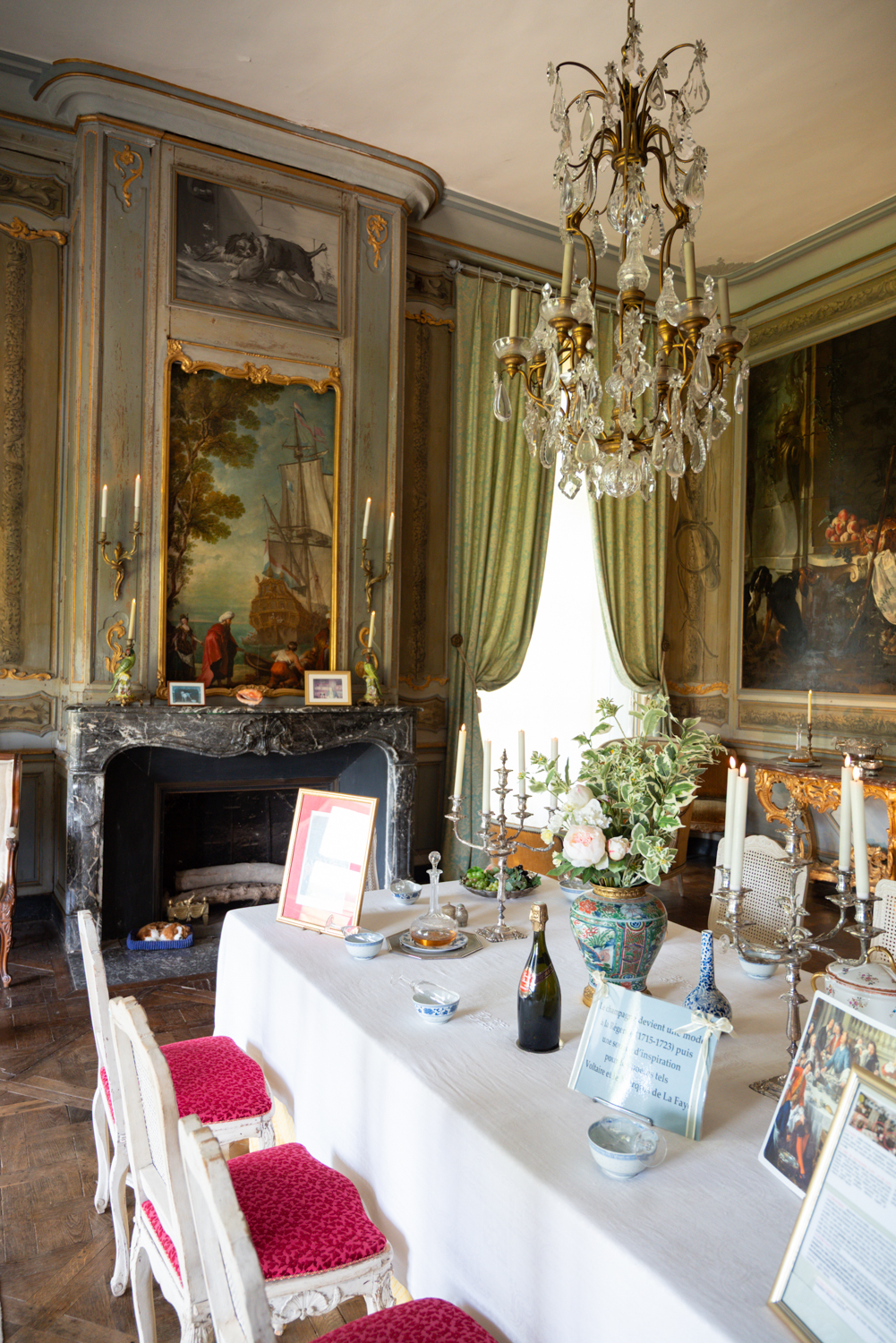
❤️ My verdict on the Château de Condé
I really loved how little-known this château is. You’re far from the big, crowded tourist sites. Here, the visit is more intimate and authentic, and you can feel a real passion for sharing history. A lovely surprise that, in my opinion, deserves to be better known.
🍇 Exploring the Champagne vineyards in a Volkswagen camper van
A ride through the Champagne vines aboard a Volkswagen camper van.
Leaving the Château de Condé, the landscape gradually changes. The hillsides become covered in vines and we arrive in Barzy-sur-Marne, in the heart of the Aisne’s Champagne vineyards, where Maison Levêque-Dehanis waiting for us.
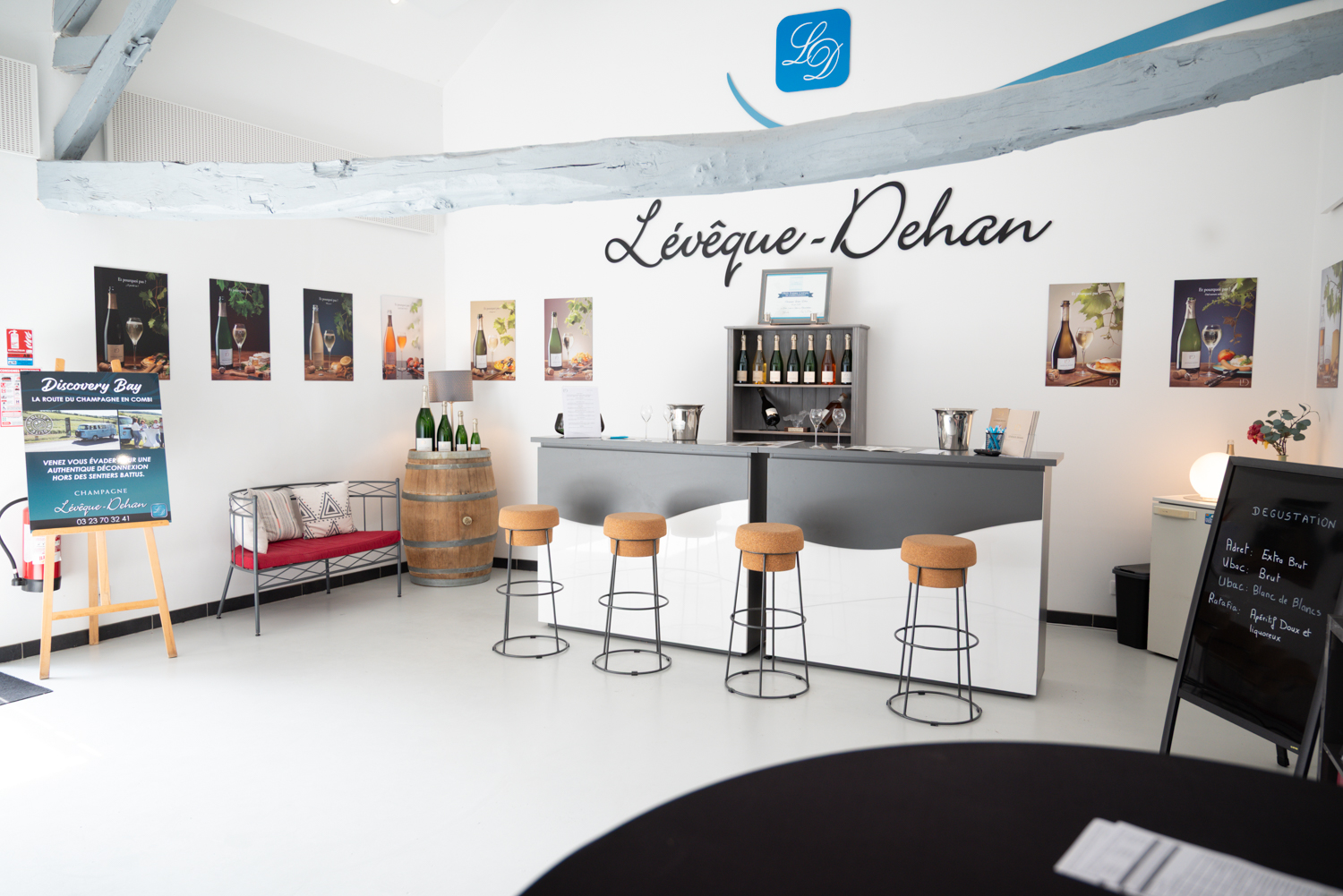
As soon as we arrive, we realise this isn’t just a tasting cellar. Here, Champagne is first and foremost a family affair. For several generations, the estate has been passed down from father to son… and now from father to daughters. A new generation is getting ready to take over with the same passion, while bringing their own perspective and new ideas.
And that’s exactly what I liked here: the ability to keep traditions alive without ever ceasing to innovate.
The visit begins with a museum area tracing the history of the house and of Champagne. Old harvest machinery, a historic cellar, the family’s former grocery shop turned exhibition space, information panels on the Champagne appellation and its different production areas… everything is designed to help you understand the work behind every bottle.
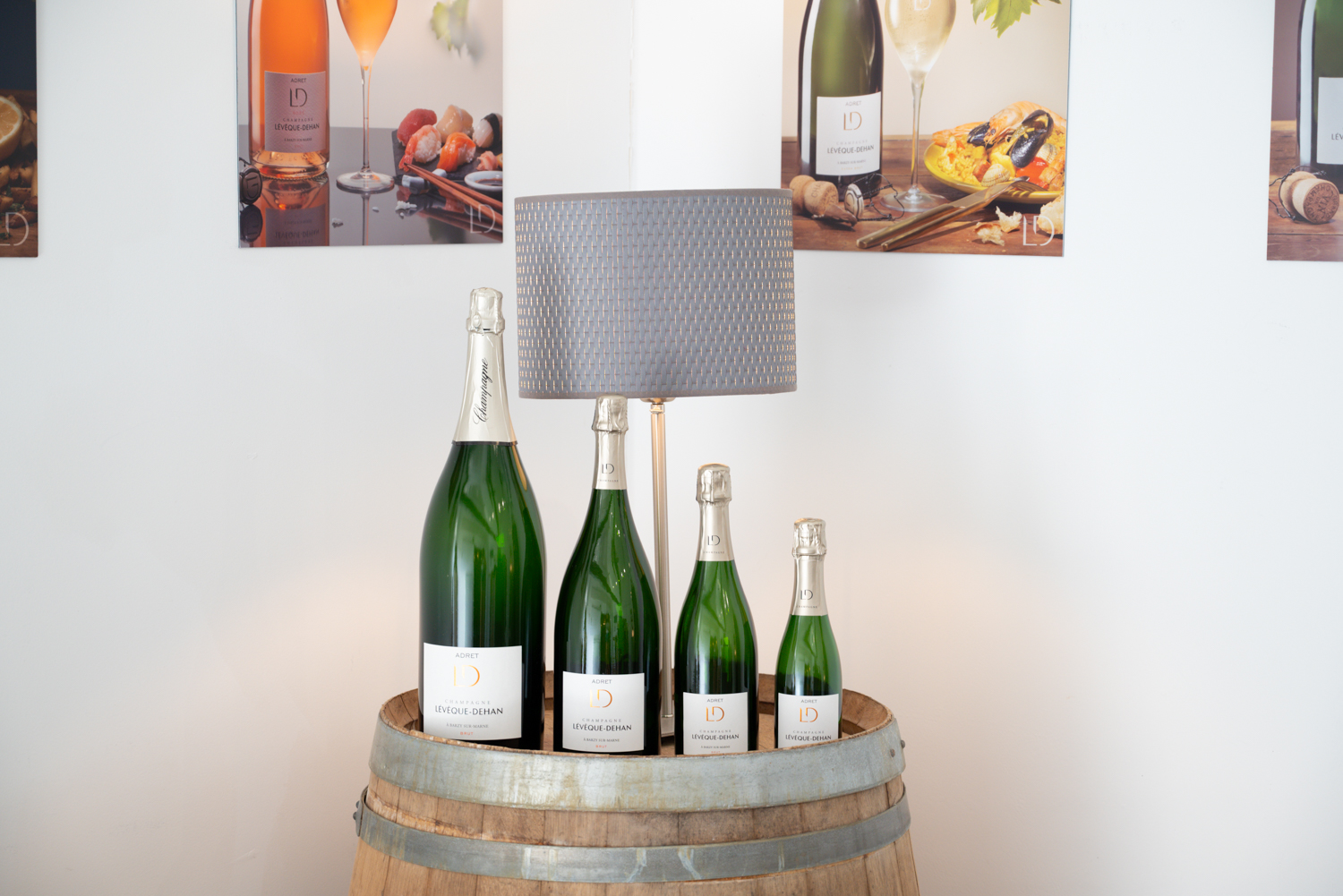
I particularly enjoyed the area devoted to the senses. Much more than a simple tasting, you discover that Champagne involves many perceptions: taste, of course, but also smell, texture in the mouth, balance and even the memory of aromas. An original approach that invites you to taste differently.
But the moment I’d been looking forward to most finally arrives.
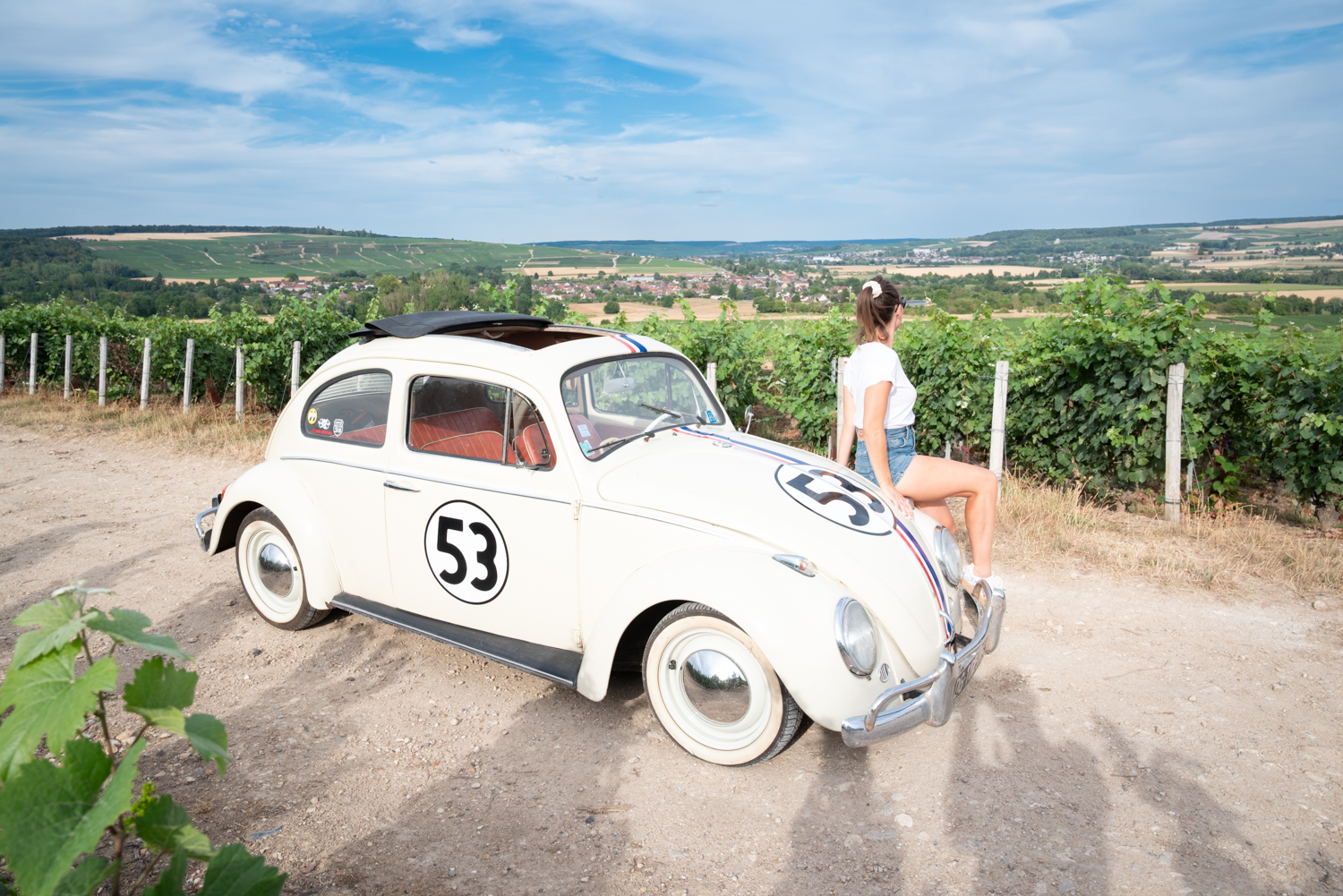
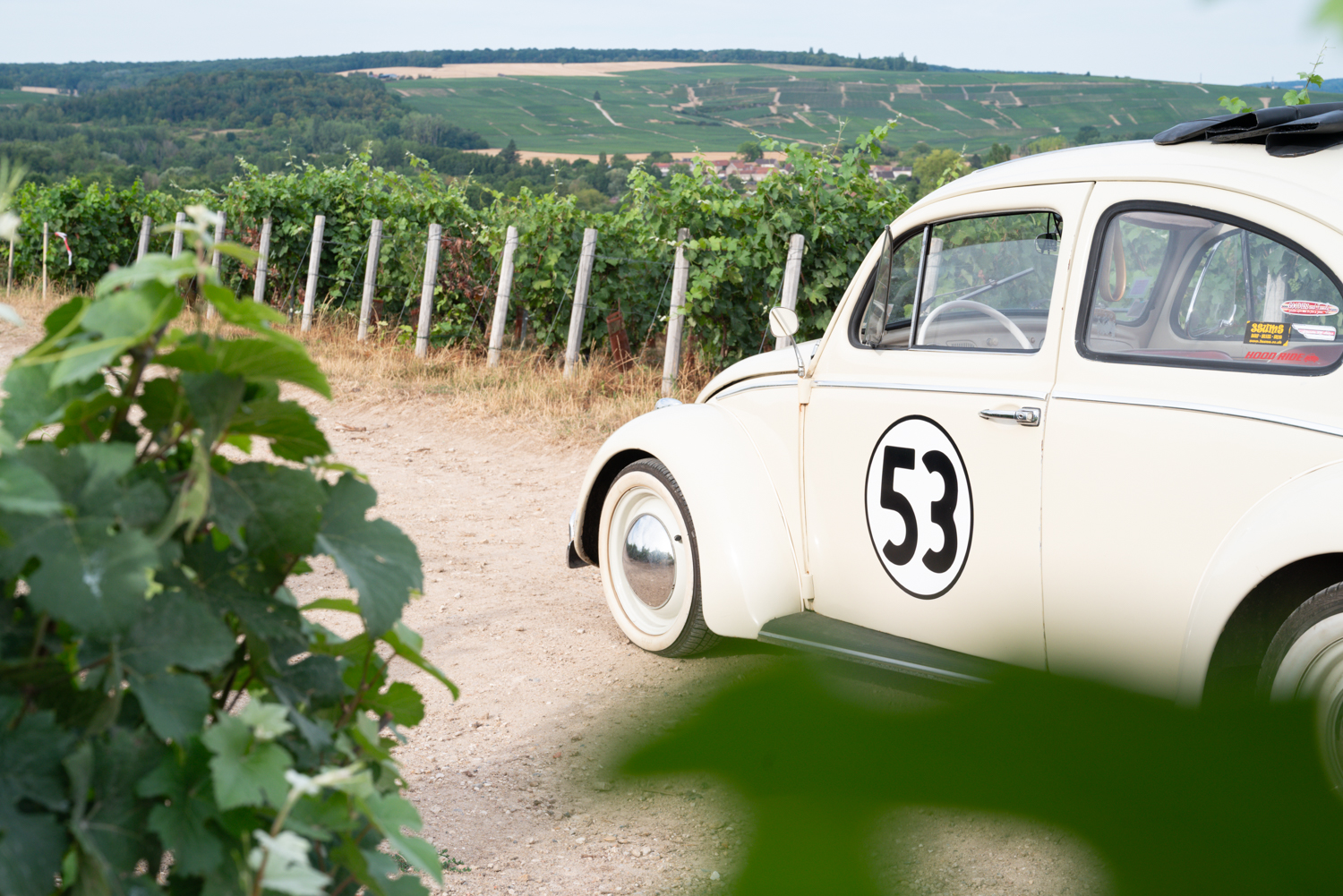
A superb blue Volkswagen camper van is waiting for us outside the cellar. I love it! We climb aboard and leave the village for the vineyards. The road soon winds between the hillsides. Our guide passionately explains the particularities of the family’s plots, spread across both sides of the Marne Valley.
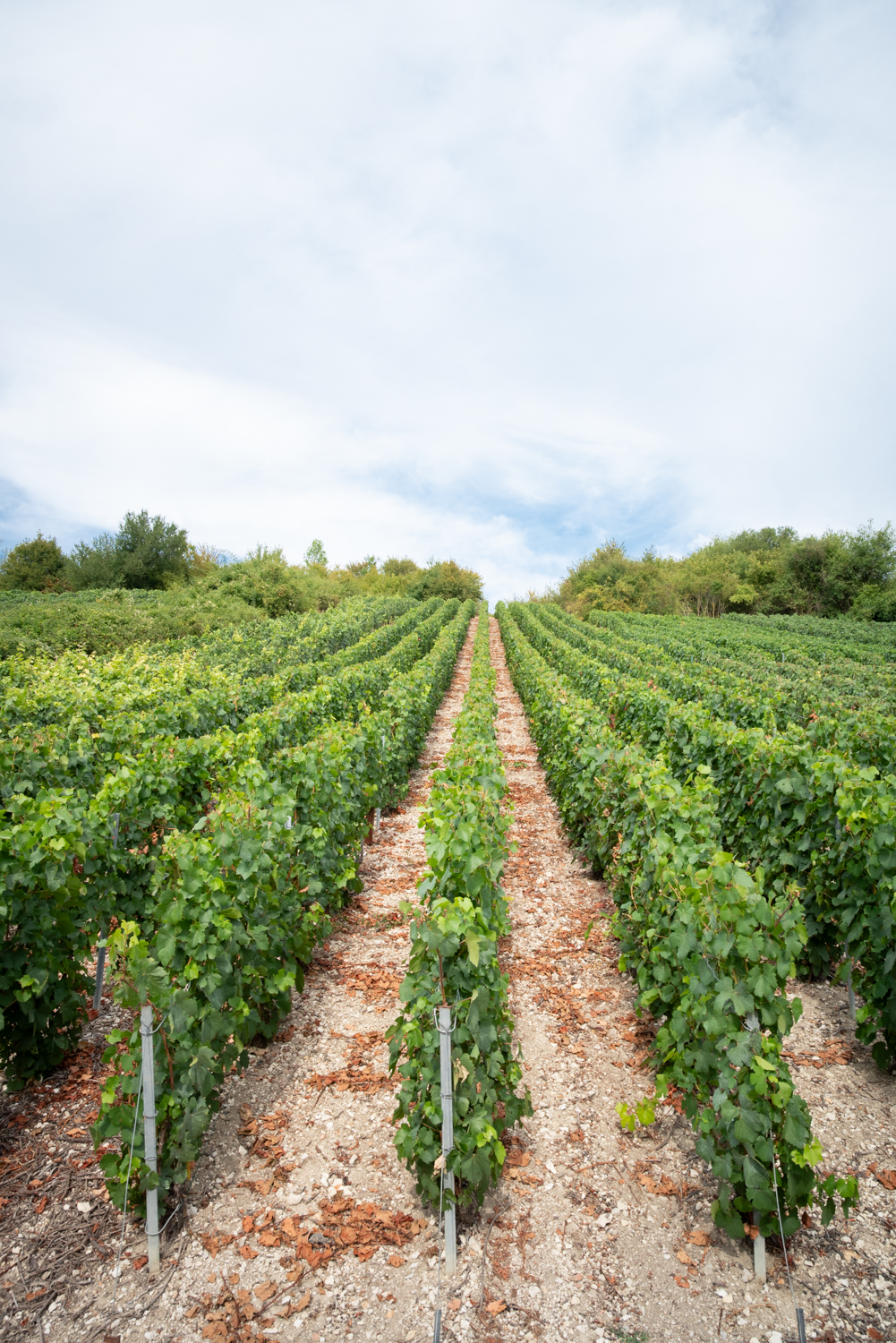
We learn about the importance of sun exposure. Between thesouth-facing slopes, bathed in sunshine, and thenorth-facing slopes, cooler and shadier, the grapes don’t ripen in the same way, which directly influences the character of the future Champagnes.
Along the way, we talk about harvests, vine diseases, climate change and new practices to limit the use of pesticides. Behind every bottle lies exceptional know-how, a lot of patience… and deep humility in the face of nature.
Having taken part in the grape harvest a few years ago, this visit brings back lots of memories. I find that very special atmosphere where every bunch is picked with care and where you realise just how much work goes into a single bottle of Champagne.
Our outing ends in an old vineyard hut, once used to store equipment. Today, it mainly offers a magnificent panoramic view over the Marne Valley.
While the Champagne lovers taste several of the house’s cuvées, I just wet my lips to try to detect the differences between them. Even though I’m not much of a drinker, I found the experience really interesting. You leave with a completely different view of this exceptional drink and, above all, with deep respect for the people who make it.
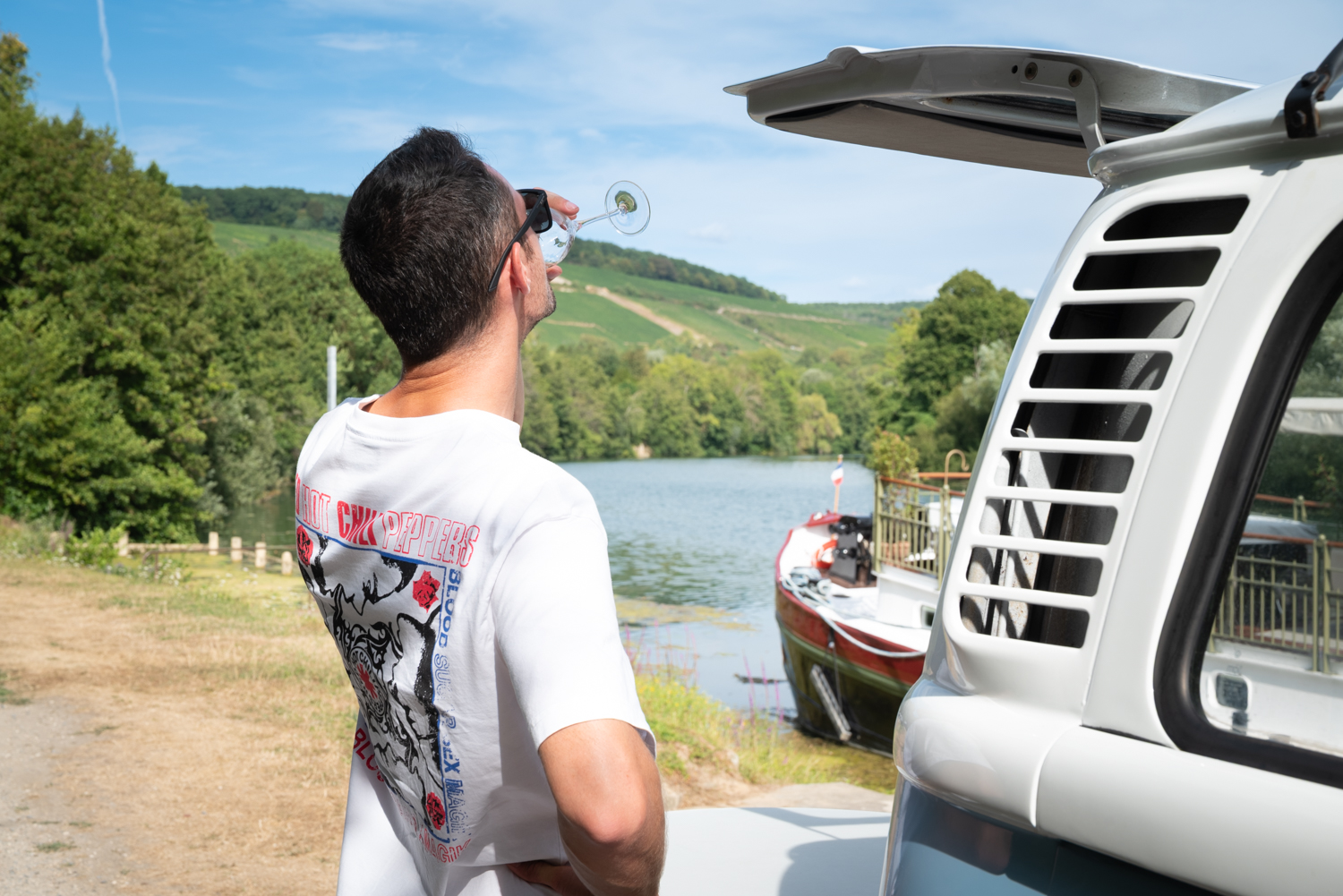
❤️ My favourite
Without hesitation, the ride in the Volkswagen camper van. Much more than a cellar visit, it lets you discover the Champagne vineyards on the ground, in a friendly, authentic and cheerful atmosphere. An original experience that adds a new dimension to discovering Champagne.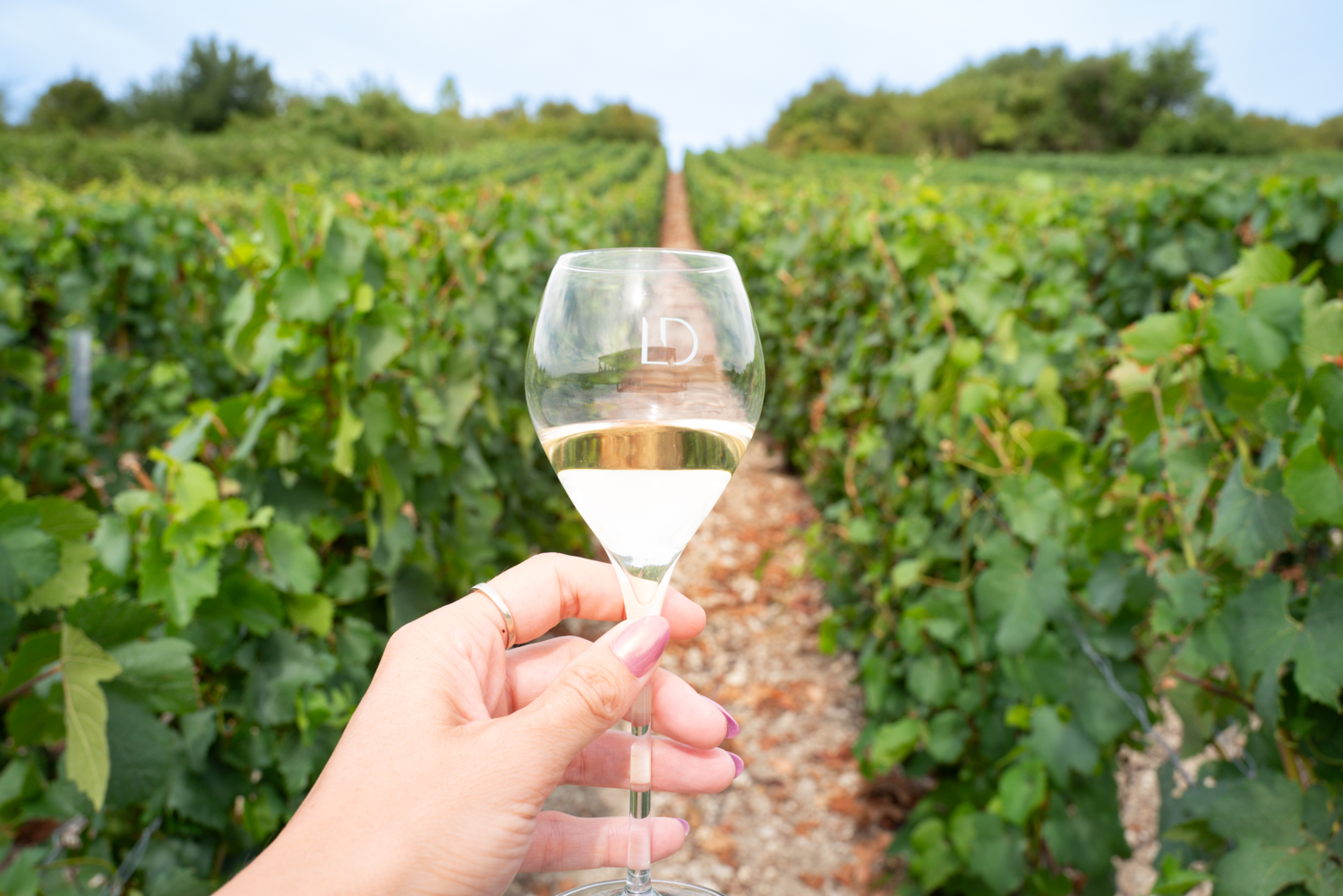
💡 Did you know?
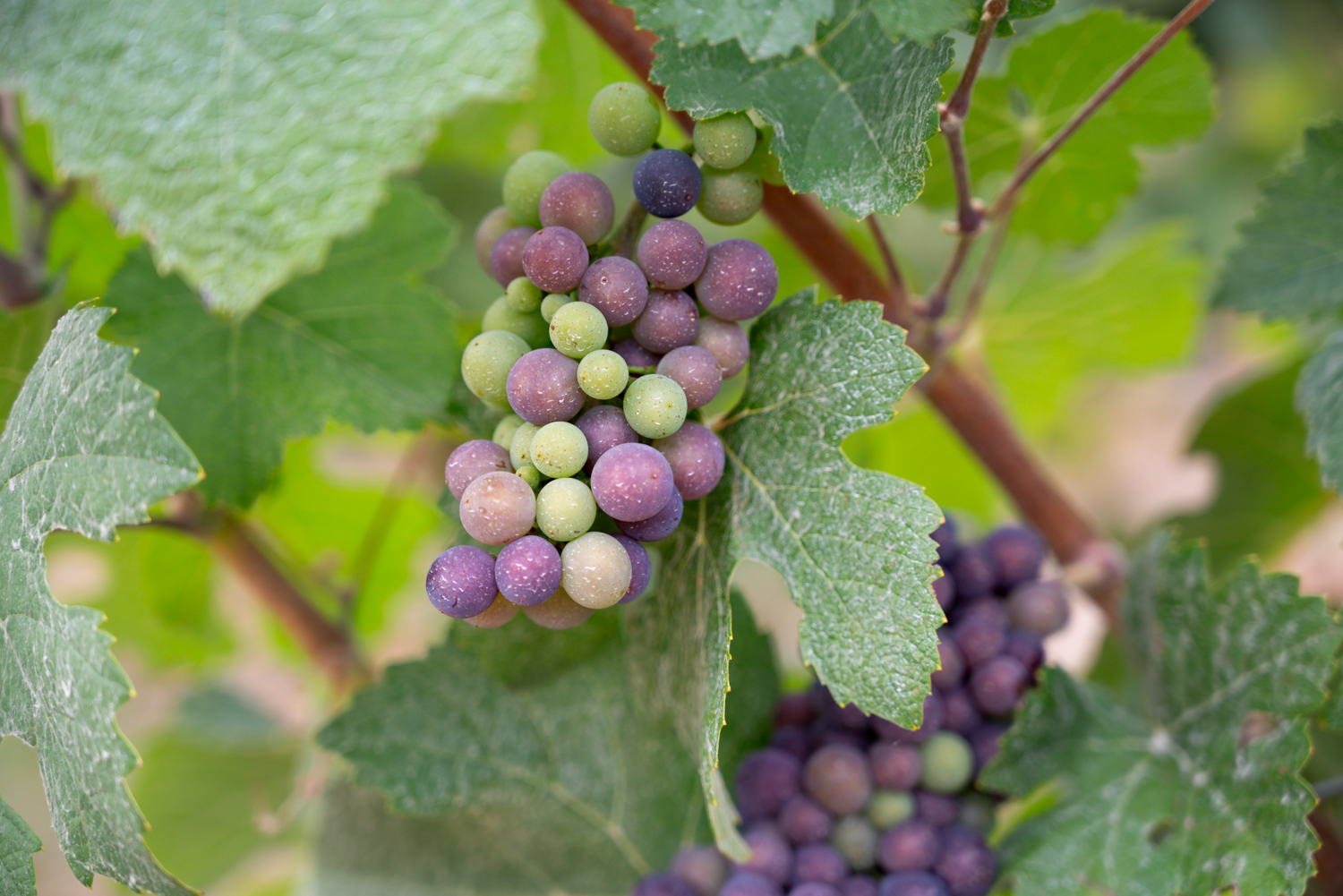
Although Champagne is often associated with the Marne département, the Aisne is also part of the Champagne appellation area. The hillsides of the Marne Valley are home to many family-run houses that carry on know-how passed down from generation to generation.
.
🛁 Treating yourself to a wellness break at La Cressonnière
A wellness break during the weekend.
 After this immersion in the Champagne vineyards, it’s time to slow down. For the night, we head to La Cressonnière, in Noyant-et-Aconin.
The name of our accommodation immediately caught my eye. Several years earlier, I’d met the owners by chance during a trip to the Loire. Audrey was already talking enthusiastically about the guesthouse project she was building up, and I’d promised to follow it.
When we arrive, I immediately understand why she spoke about it so passionately. Behind a large courtyard lined with old farm buildings, several places to stay have found their home: guest rooms, a gypsy caravan, a cabin… each with its own atmosphere.
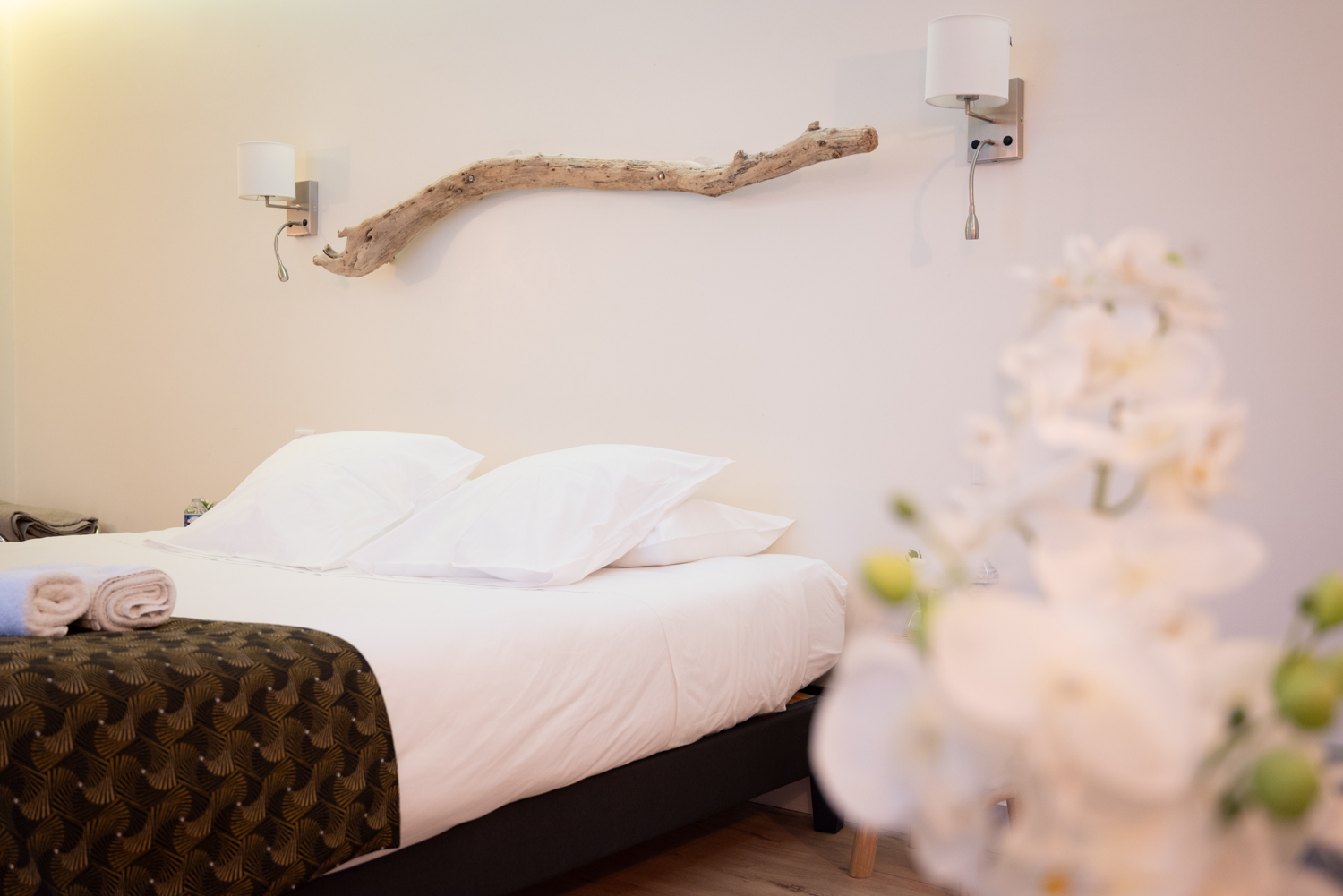
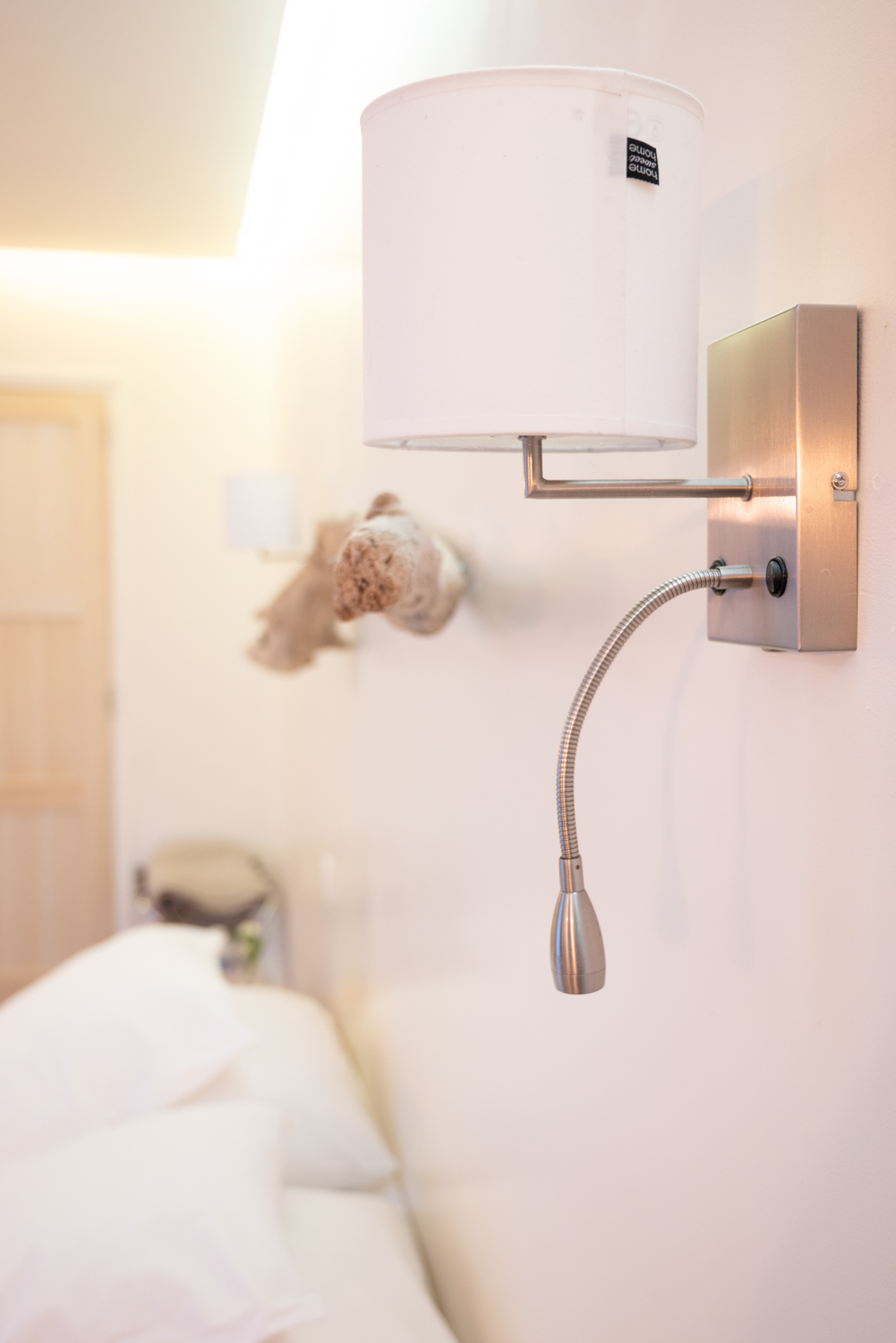
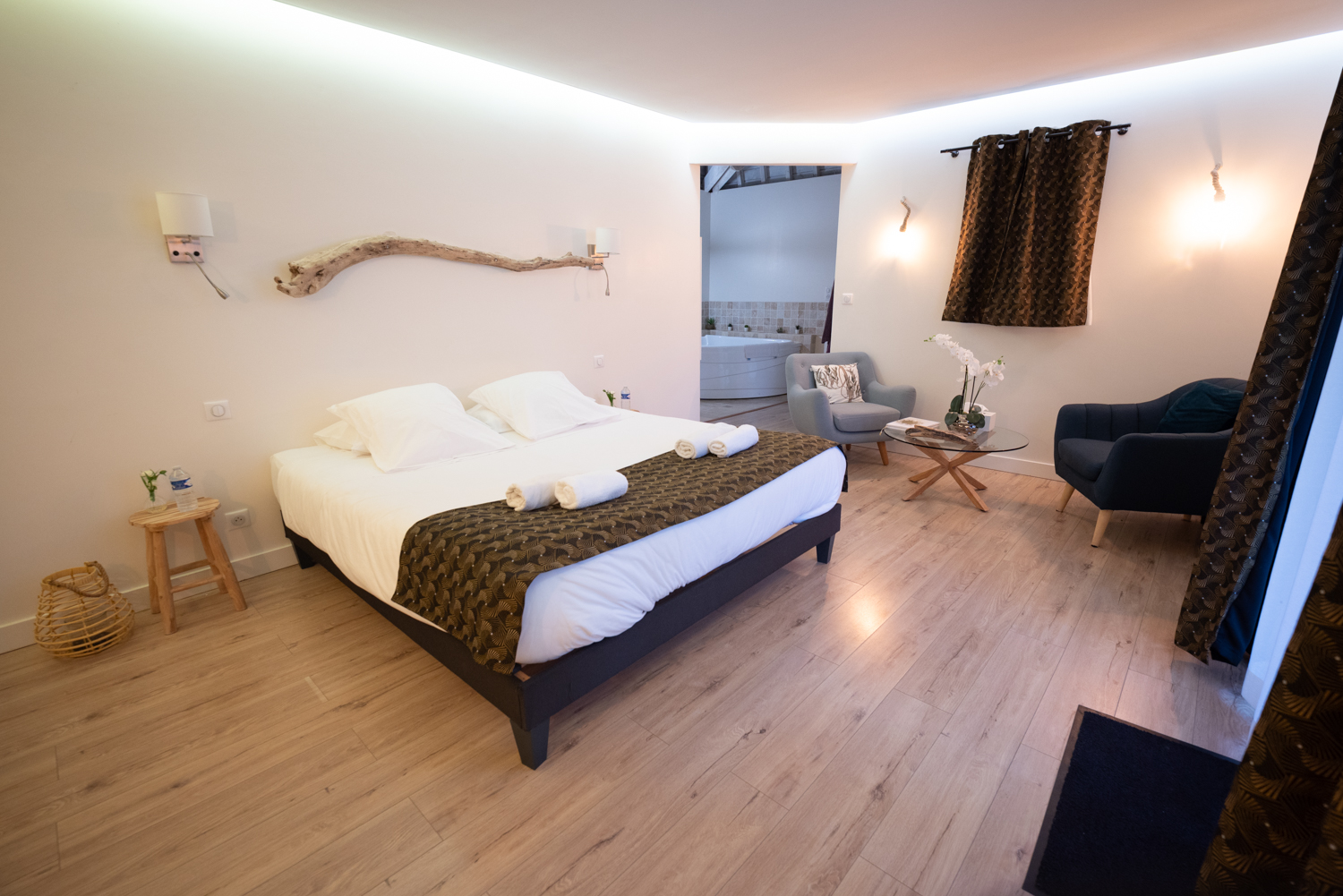
 We drop our bags in a superb wooden cabin, with soft, minimalist and soothing décor. Light wood, natural materials, dimmed lighting… everything invites you to switch off. In the middle of the room stands a huge whirlpool bath. At first, I think this is the famous spa mentioned in the programme…
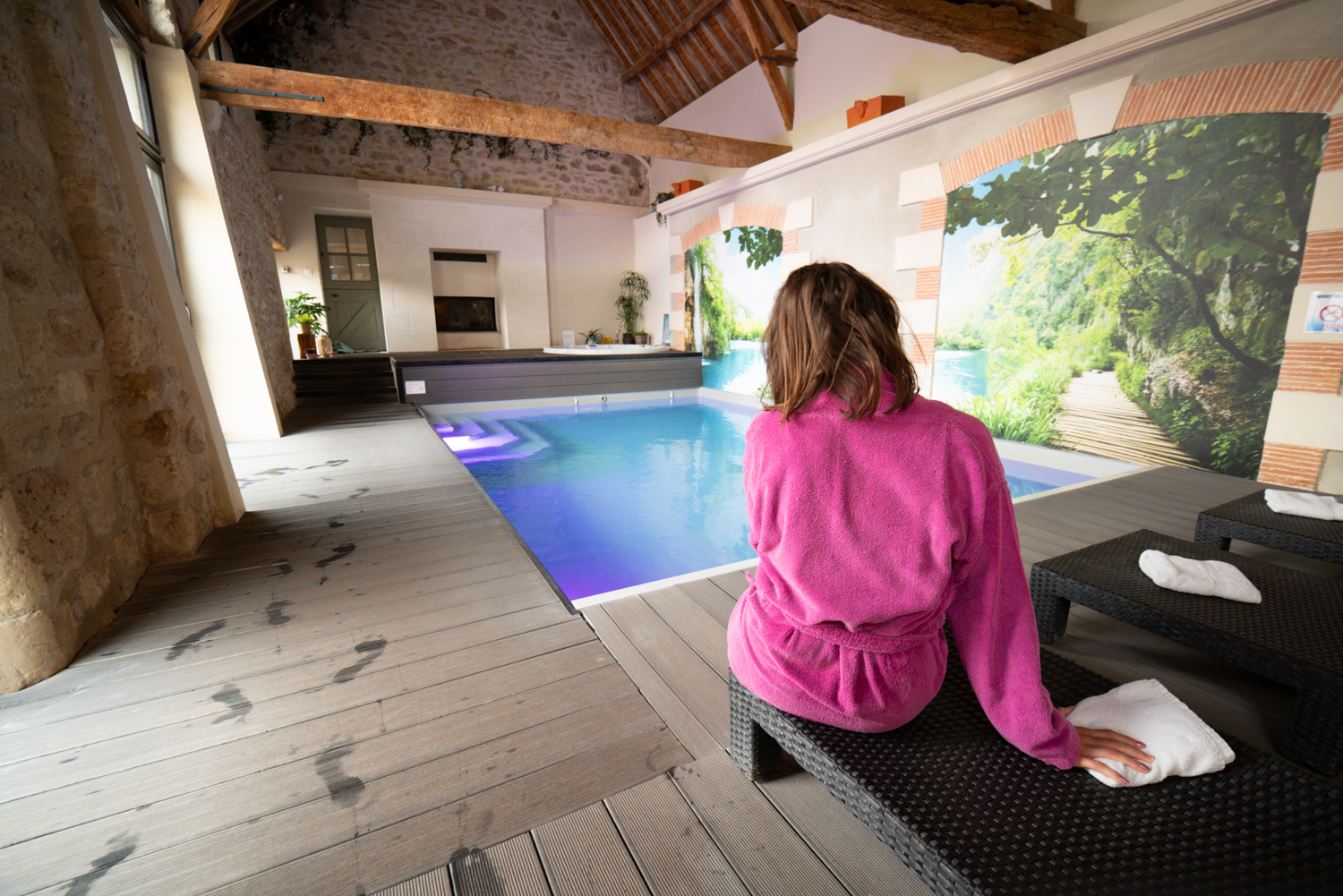
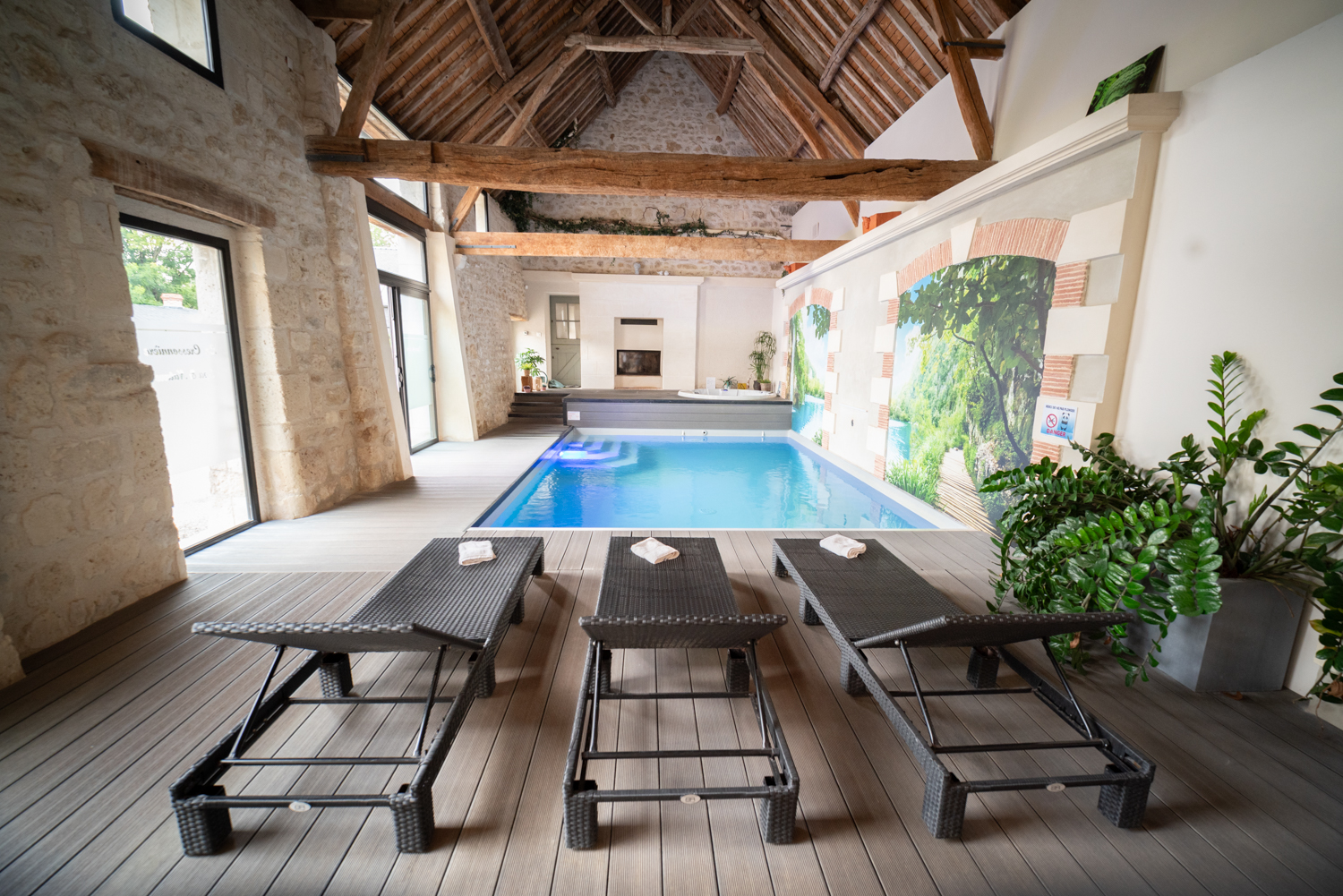
But Audrey has a much better surprise in store. An old barn has been completely transformed into a real cocoon dedicated to wellbeing.
For an hour, we have private use of a heated pool, a jacuzzi, a hammam and a space entirely designed for relaxation. After several weeks of travelling, miles on the road and busy days, this break does us a world of good.
The evening continues gently with a delicious dinner basket , carefully prepared. Settled comfortably in our cabin, we enjoy an excellent asparagus risotto, before I end the evening… in the whirlpool bath. Hard to imagine a better way to unwind.
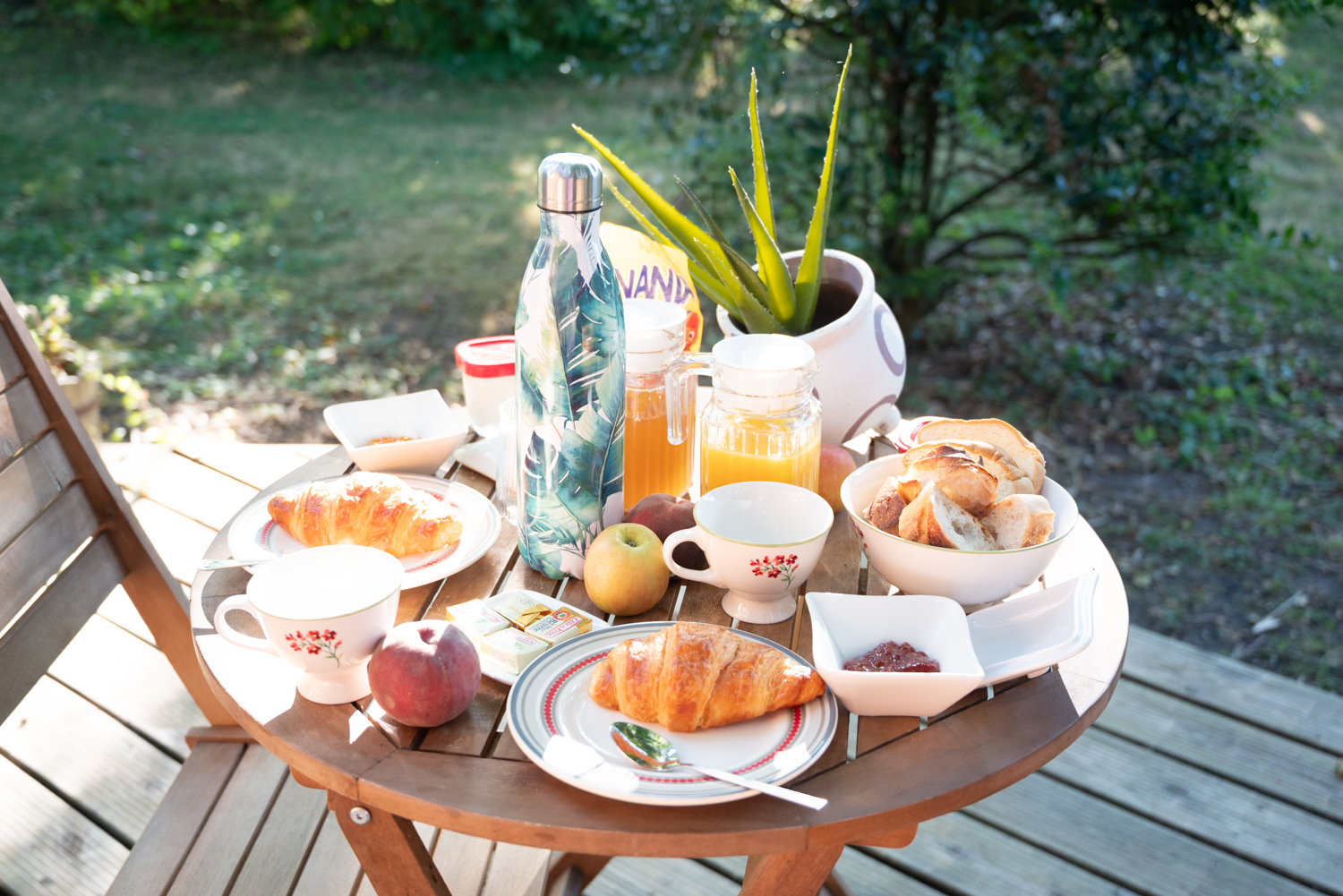
Time almost seems to stand still at La Cressonnière when we wake up. The first rays of sunlight slip between the curtains while the morning freshness gently makes its way into the cabin through the large bay window. Before setting off again, we take our time over a delicious breakfast delivered right to our cabin. Audrey brings us a generous breakfast basket, with fresh pastries, bread, jams, homemade yoghurts, fruit juice and a good hot chocolate. A final touch that perfectly reflects the spirit of the place: simple, warm and truly welcoming.
❤️ My favourite
I loved the atmosphere at La Cressonnière. You can tell Audrey designed this place with her heart. Every detail is thought through so you immediately feel at ease, as if in a bubble outside time.
🌿 Why I loved it
It’s not just a place to stay, it’s a real wellness break. After a day exploring the vineyards, villages and heritage of the southern Aisne, enjoying a private spa before falling asleep in a wooden cabin is a real luxury.
🌳 Starting the day with a walk in the Forest of Retz
A forest walk before more sightseeing.
After a particularly restful night at La Cressonnière and a delicious breakfast prepared by Audrey, we hit the road towards Villers-Cotterêts, about twenty minutes from where we stayed.
Before stepping into the Cité internationale de la langue française, we decide to start the day with a nature break. The château is bordered by the majestic Forest of Retz, one of the largest state forests in France.
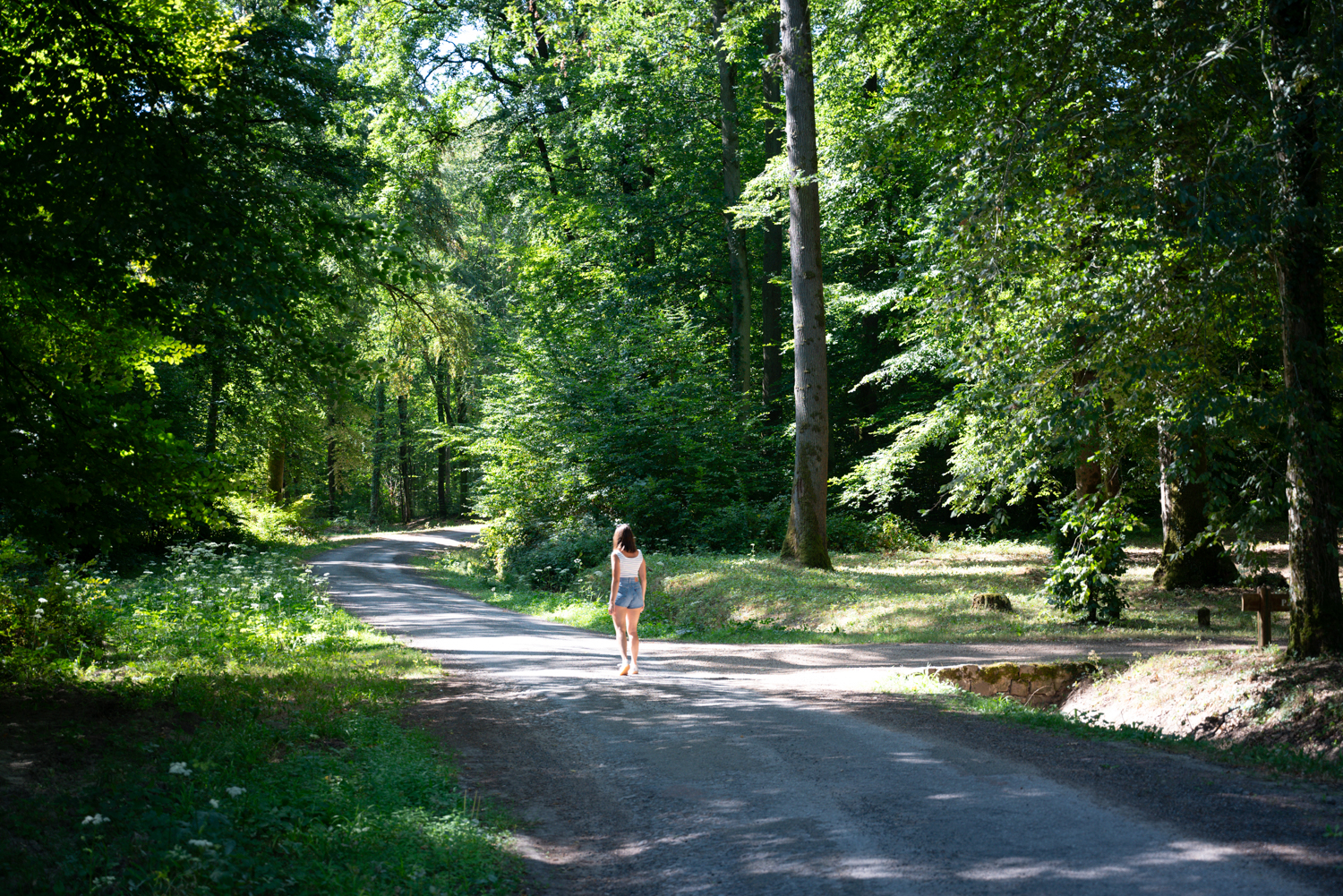
We take the Allée Royale, which sets off from the château towards the great beeches and hundred-year-old oaks. I have to admit I’d imagined slightly more landscaped gardens. A few flowerbeds or some landscaping would, in my view, make this exceptional place even more beautiful.
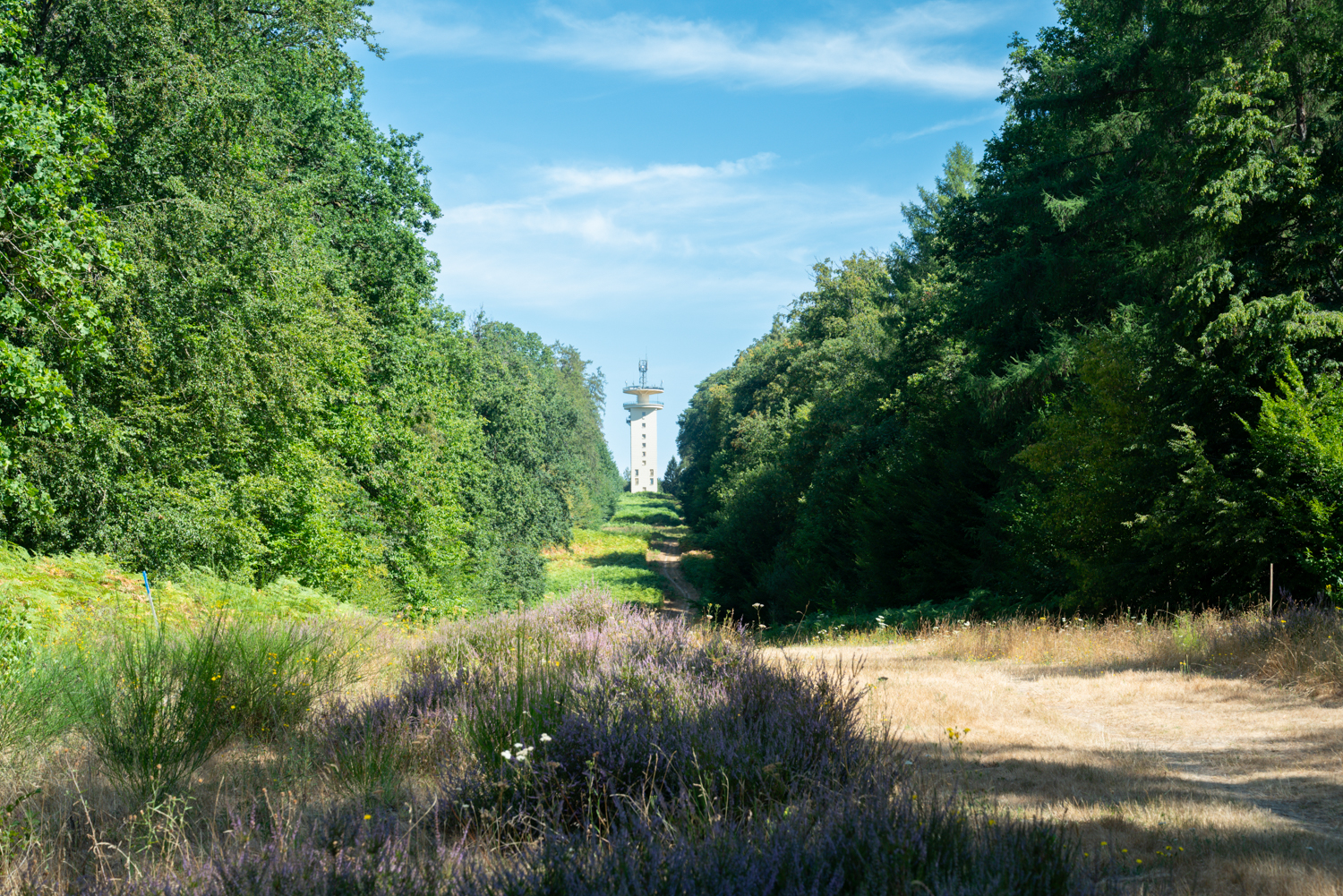
The forest, on the other hand, is more welcoming and colourful! In the middle of a heatwave, this shady walk is a real breath of fresh air. The contrast is striking: a few minutes earlier, we were admiring the imposing Renaissance façade; now we’re immersed in the calm of the forest, lulled only by birdsong.
I love starting a day like this with a moment in nature. The walk offers another view of the château, which you see from different angles along the way before it disappears completely behind the trees.
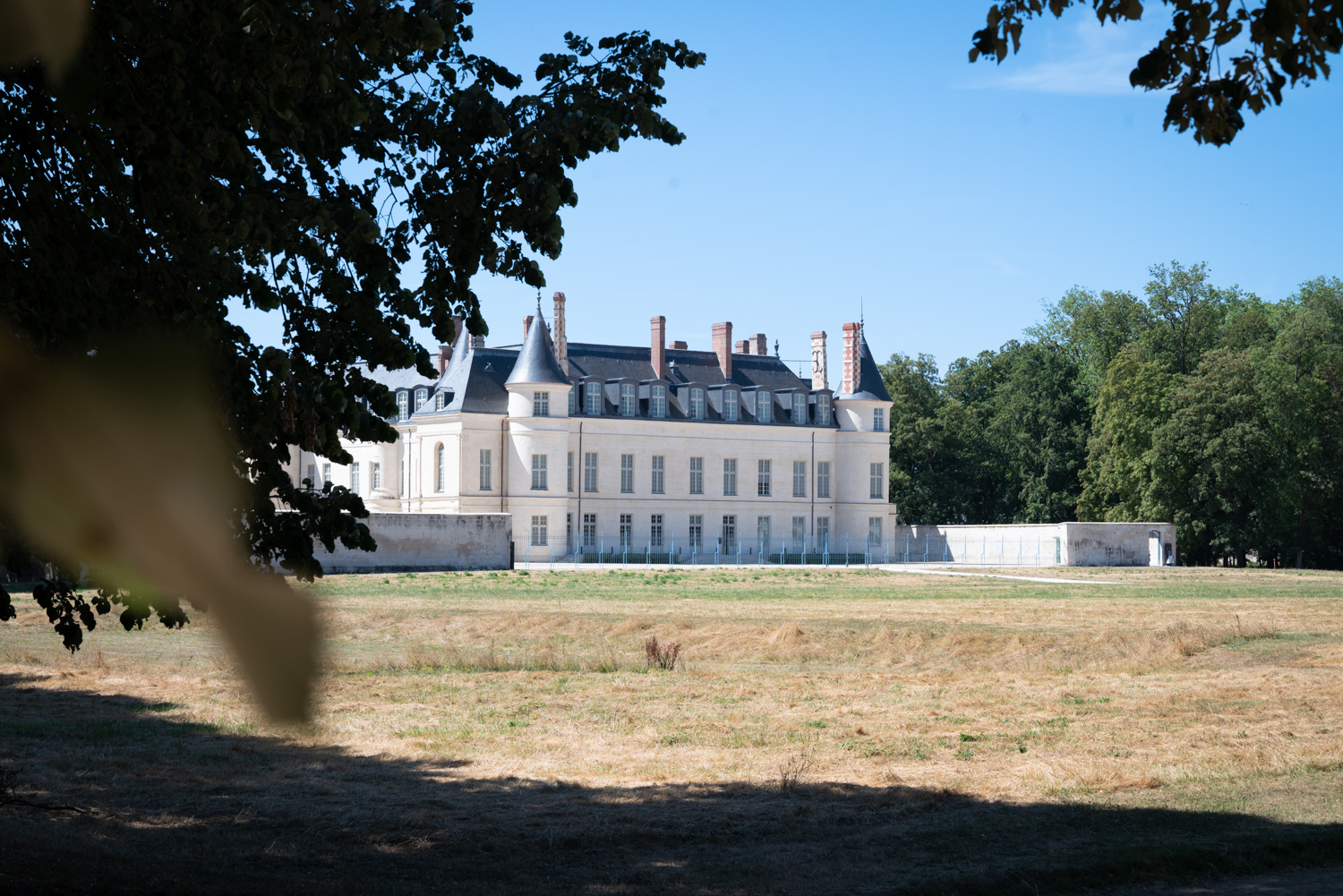
It’s not a spectacular hike, but rather a peaceful walk that lets you slow down before diving back into French history.
🌿 My tip
If you visit Villers-Cotterêts, take time to do this walk before or after visiting the Cité internationale de la langue française. Easy and accessible to all, it lets you see the château from another angle while enjoying the cool and calm of the majestic Forest of Retz.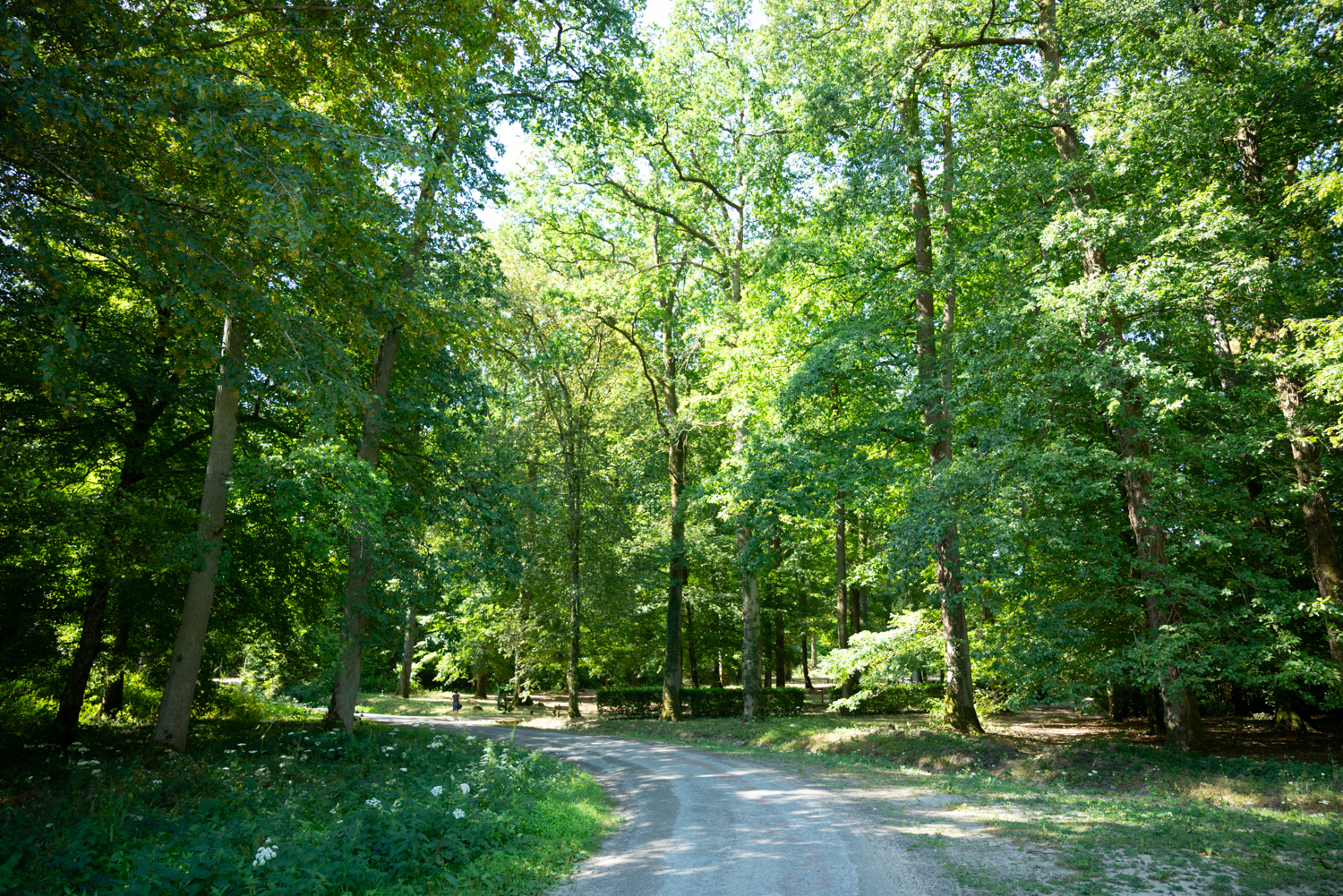
🍴 A lovely foodie surprise at La Tulipe
After this warm-up, we head to La Tulipe for lunch. Like the day before in Château-Thierry, the restaurant’s front is discreet. Nothing really hints at what’s waiting on the plate… and yet.
From the first bites, I understand why the restaurant is fully booked. Throughout our meal, many people turn up without a reservation and sadly leave for lack of space. A tip: do book ahead.
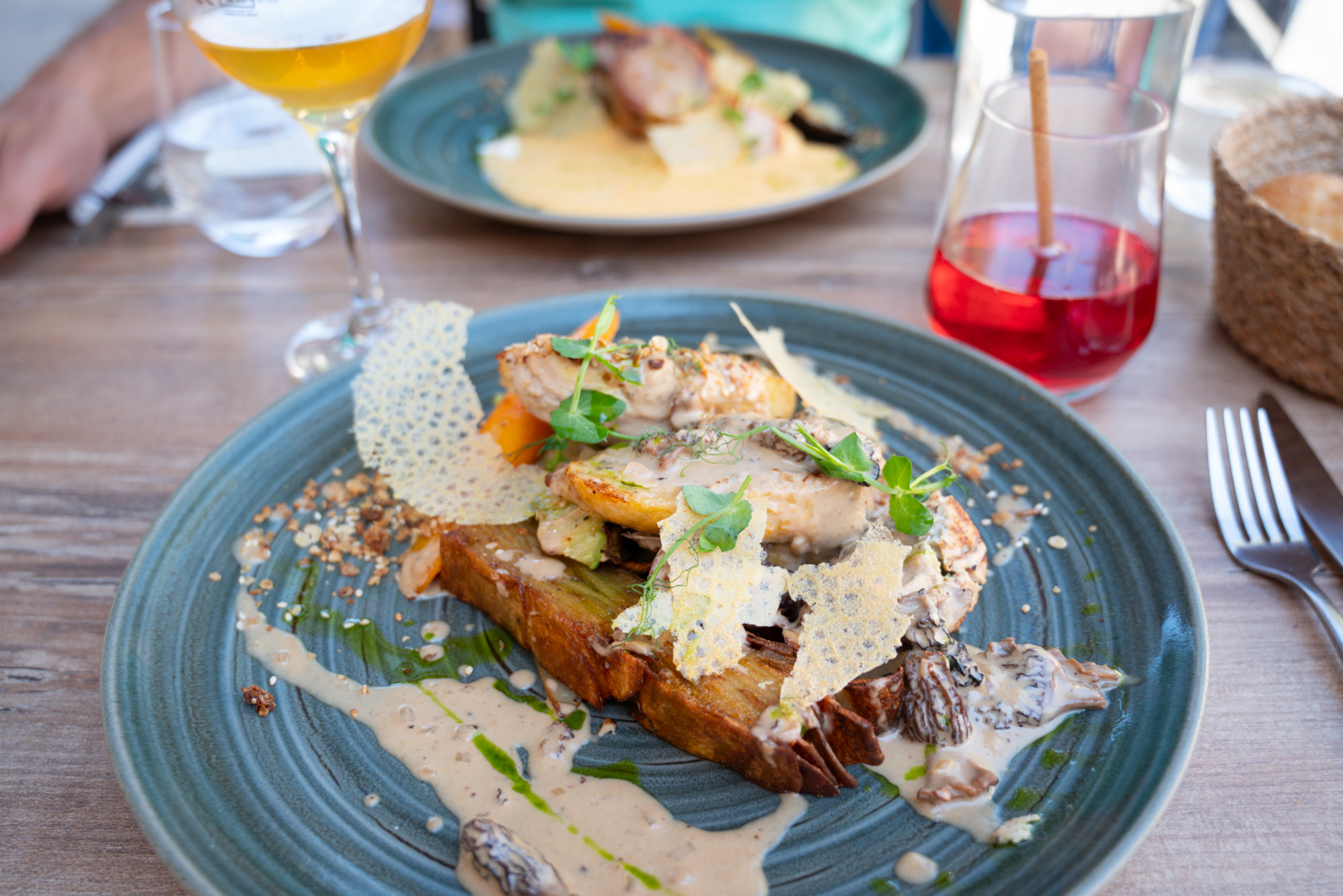
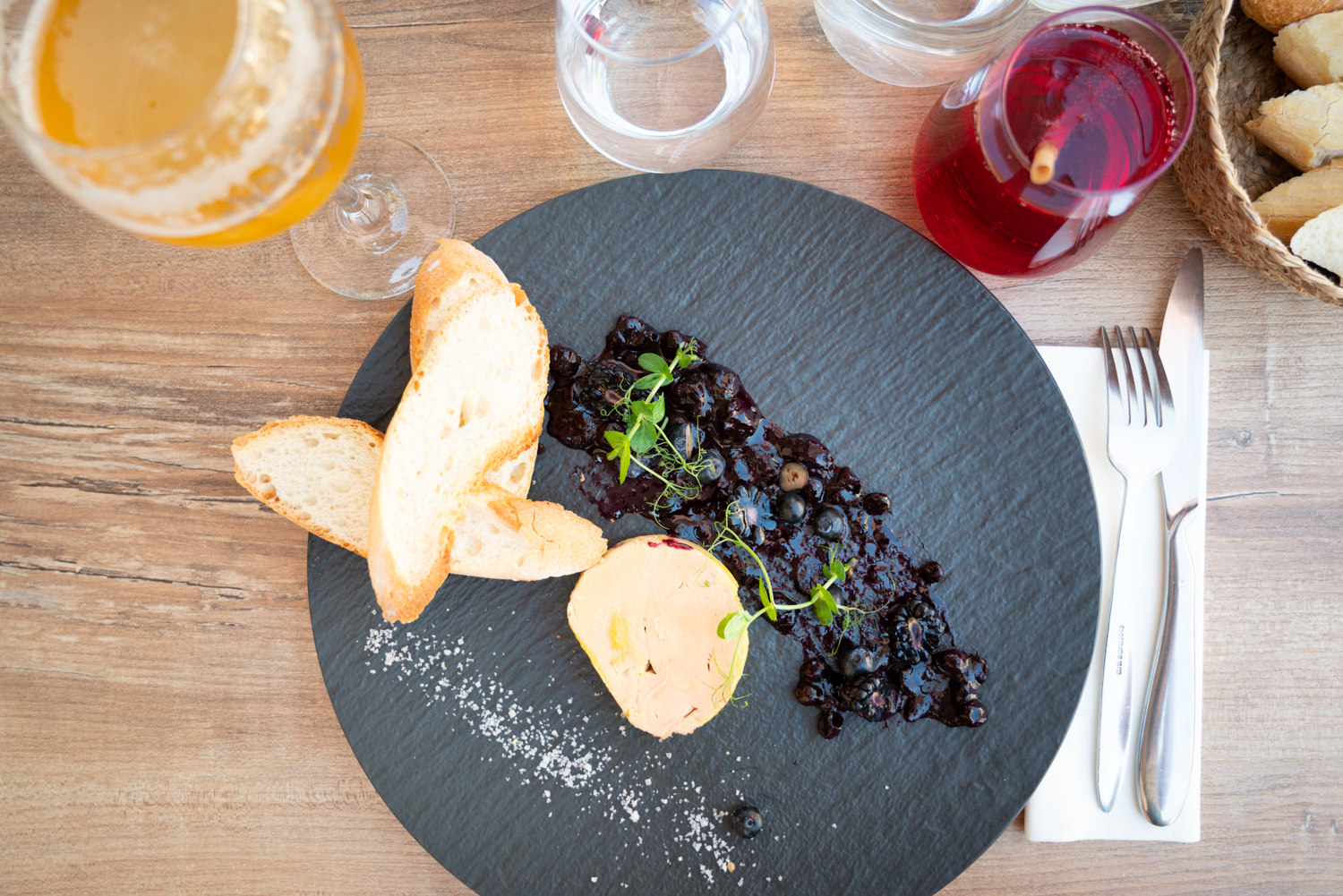
I couldn’t resist the homemade foie gras as a starter. Whenever I see it on a menu, I give in… and I wasn’t disappointed. For my main, I chose poultry in a delicious morel mushroom sauce, served with crushed potatoes.
Here, every plate looks like a little painting. The presentation is delicate, colourful, almost floral, without ever going overboard. You can feel refined yet accessible cooking, with flavours handled with great precision. Generous, comforting food!
What a lovely discovery!
❤️ My favourite
I was won over by the combination of delicate presentation and generous flavours. Every plate is as beautiful as it is delicious, with elegant, creative but never pretentious cooking.
🌿 My tip
Book your table several days in advance. It’s a very popular spot and fills up quickly. During our lunch, several people turned up without a reservation and sadly couldn’t get a table.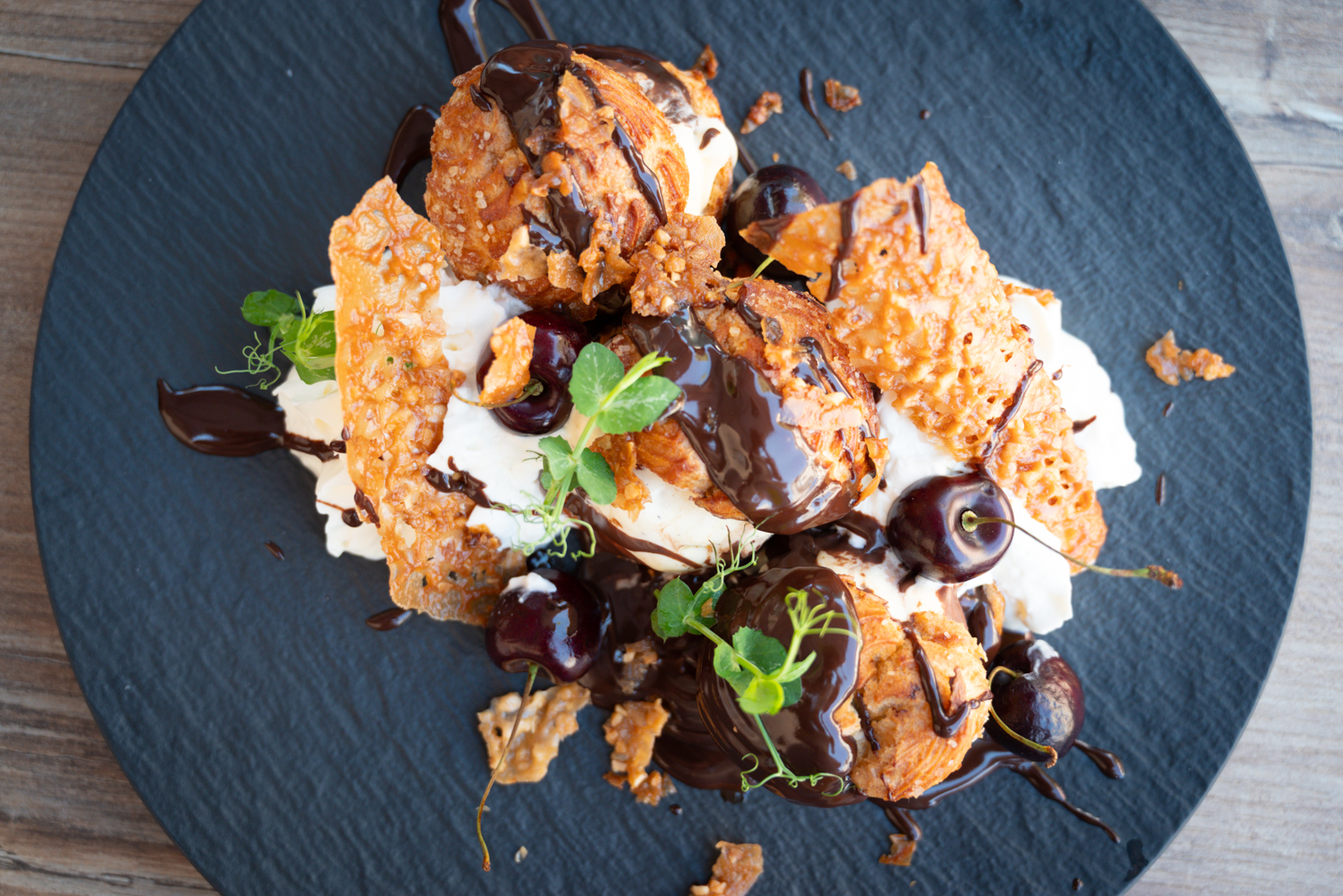
🇫🇷 Rediscovering French at the Cité internationale de la langue française
A visit devoted to the French language in Villers-Cotterêts.
My detailed article on the Cité internationale de la langue française
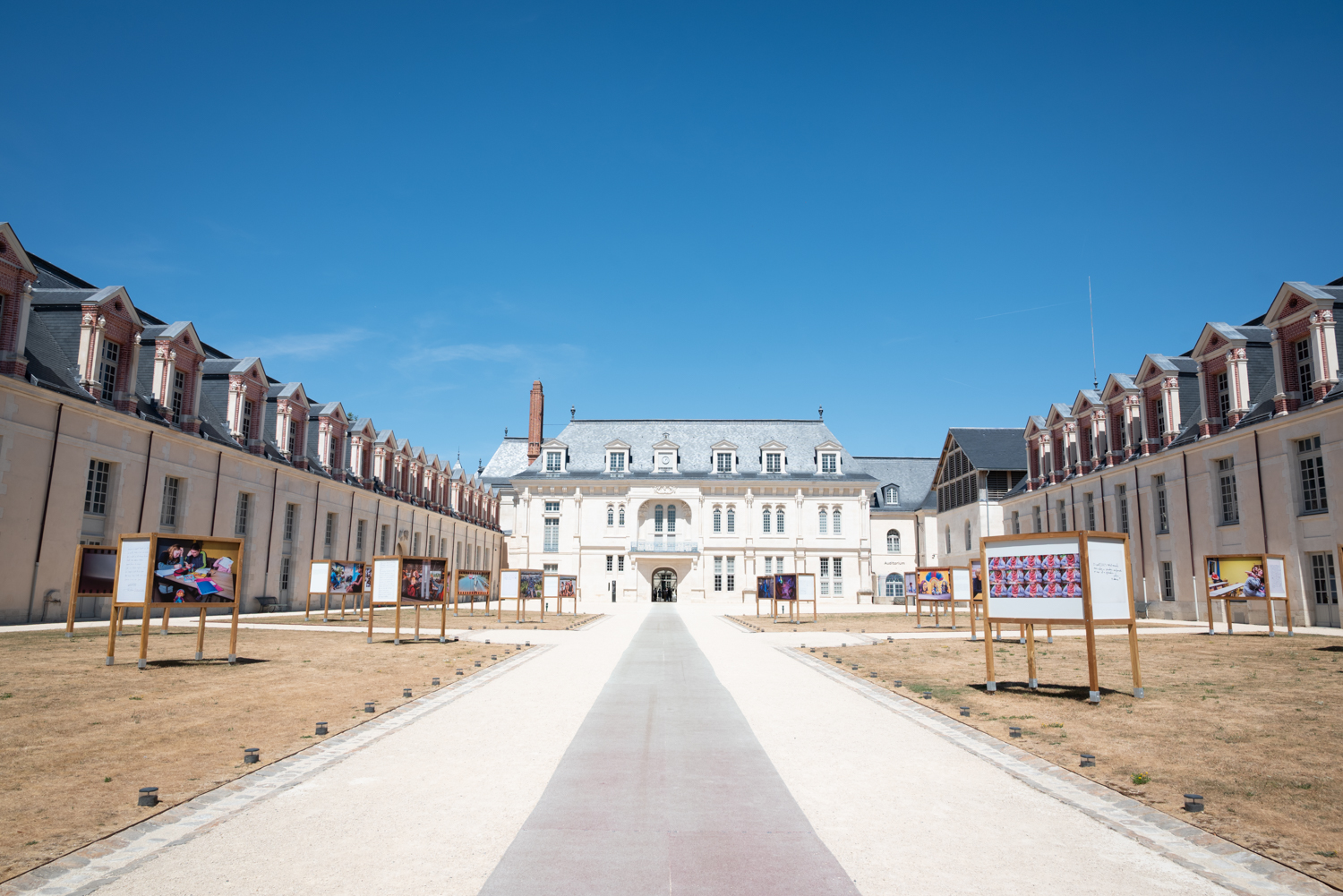
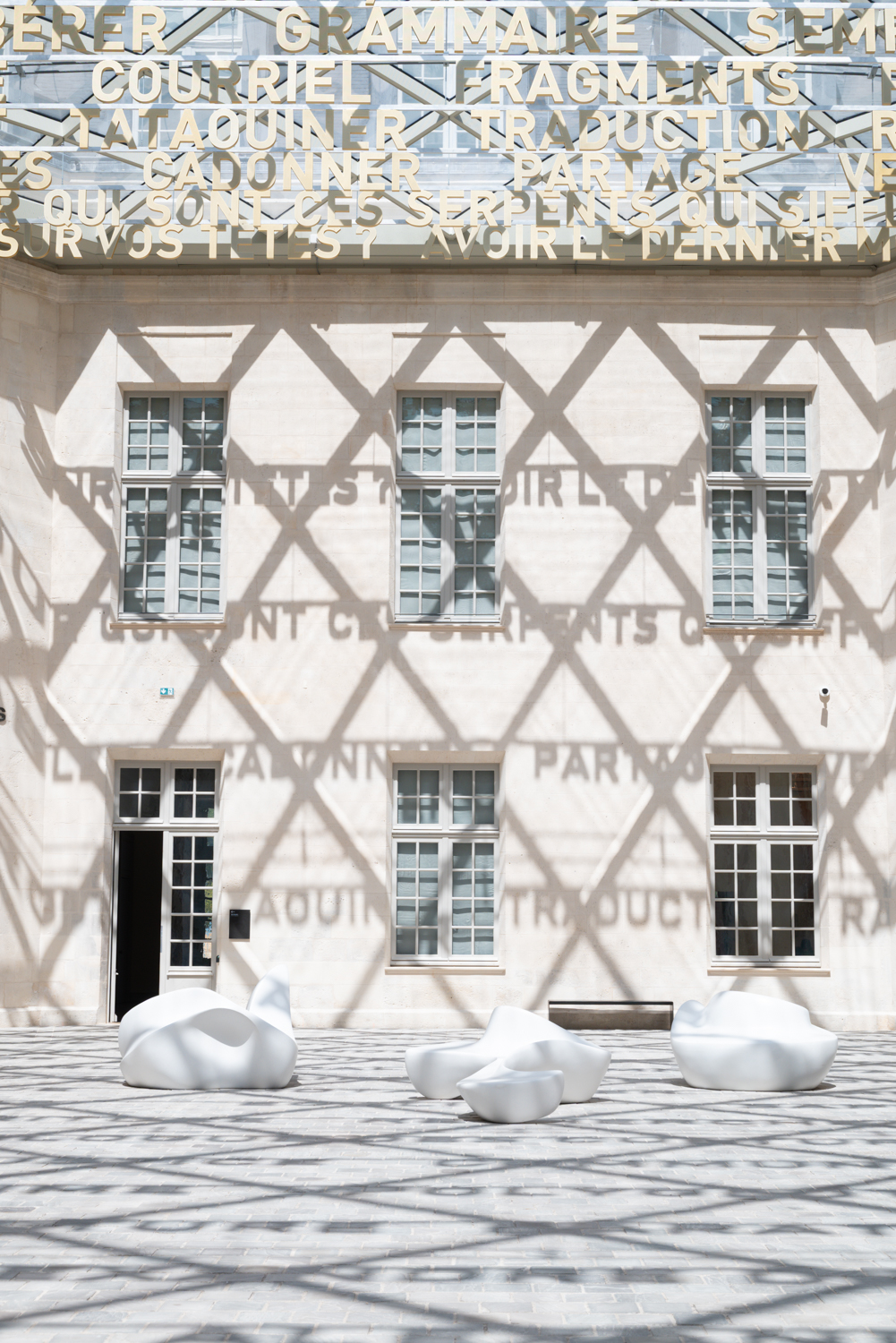 After this nature and foodie break, it’s time to discover Villers-Cotterêts’ landmark: Francis I’s château, now home to the Cité internationale de la langue française.
Several people close to me had recommended this visit since it opened. So I was particularly curious to discover this museum, unique in France… and I now understand their enthusiasm.
From the very first rooms, you quickly forget the image of a traditional museum. Here, the French language isn’t learnt behind a glass case: you live it, listen to it, handle it and experiment with it. In vast, bright spaces with particularly careful design, you discover the history of French, how it has evolved, its influences, its reach around the world and how it works behind the scenes.
I particularly liked the wealth of interactive displays. Word games, sound experiences, hands-on activities, language challenges… every room invites you to take part rather than just look. Even visitors who aren’t big linguistics fans quickly get into it.
My favourite, without hesitation, is the librarian of the future. In a small room, an artificial intelligence chats with you about what you like to read before suggesting a personalised book. I found it surprising, fun and particularly well done. It perfectly illustrates the spirit of the place: bringing heritage and new technology together.
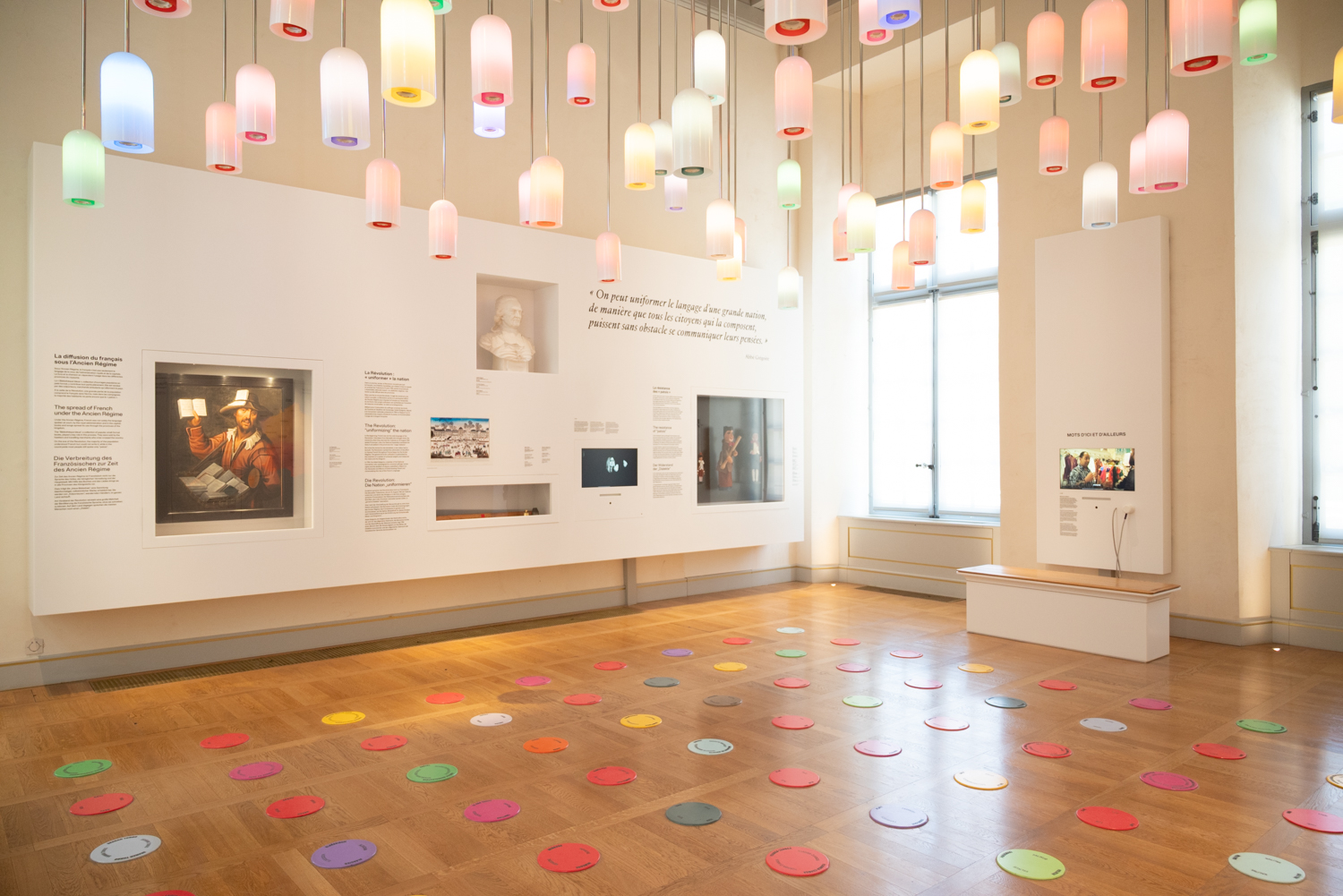
More than a museum, the Cité internationale de la langue française is a place for experimentation. You play with words, listen to them, handle them and rediscover a language used every day without always appreciating how rich it is. (Some French will help you get the most out of it.)
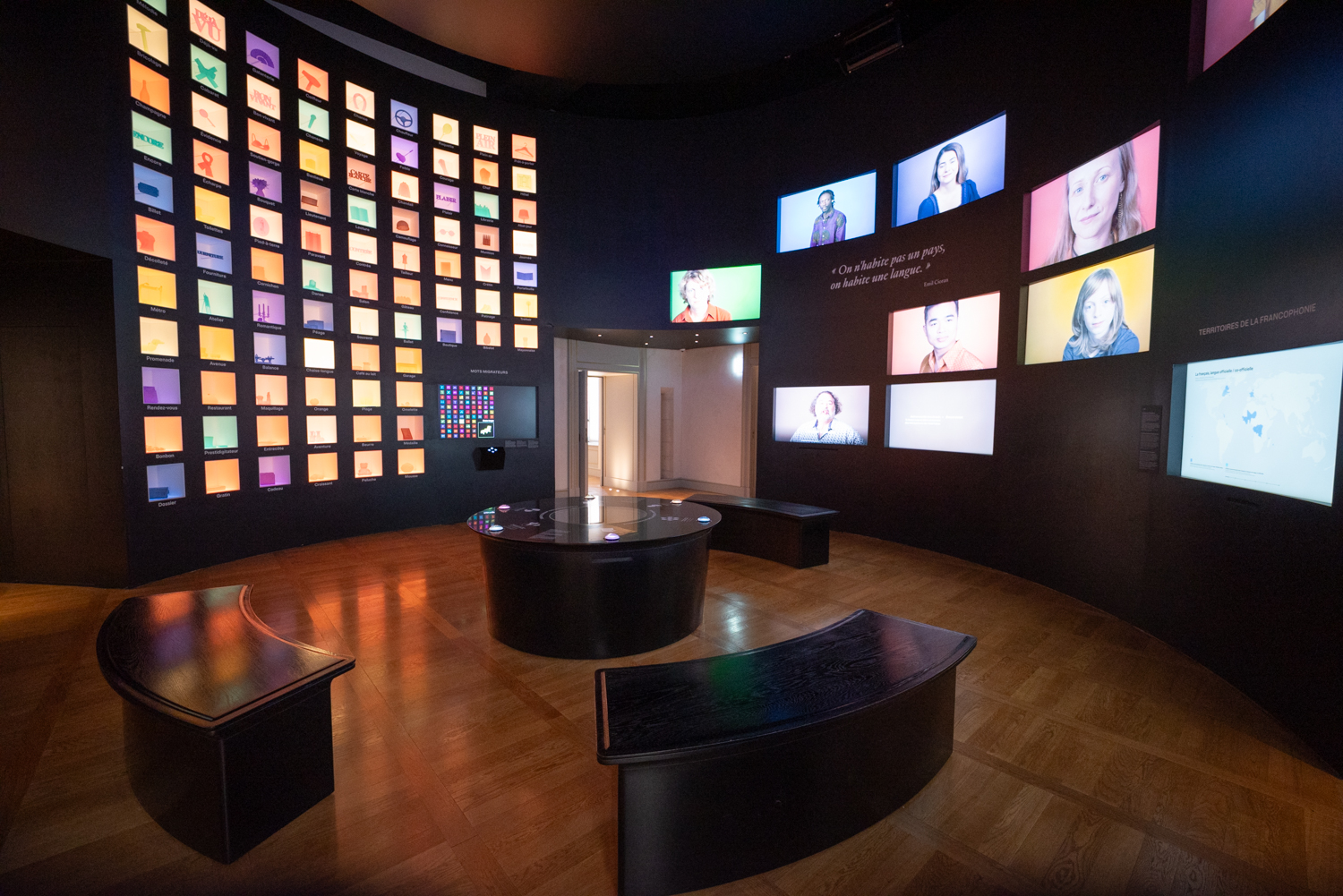
❤️ My favourite
Meeting the librarian of the future. An original, fun and surprisingly relevant experience that perfectly illustrates the Cité’s aim of bringing heritage, literature and new technology together.
💡 Did you know?
The Cité internationale de la langue française is housed in the Château de Villers-Cotterêts, where Francis I signed the famous Ordinance of Villers-Cotterêts in 1539. Among other things, this text made French mandatory for the kingdom’s administrative and legal documents, marking a major milestone in the history of the language.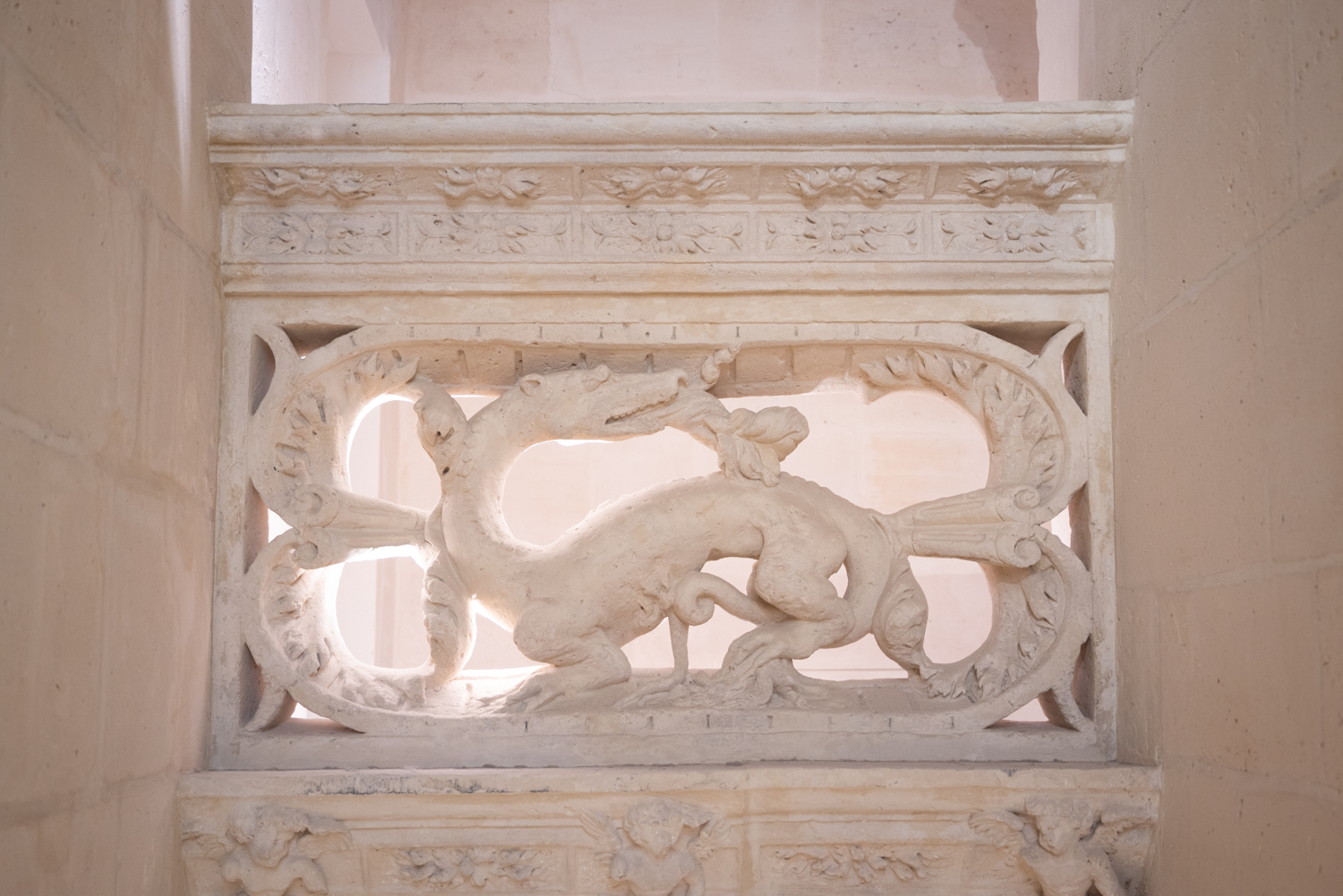
❤️ My verdict
I was worried it would be a very academic, almost school-like museum. It’s quite the opposite. Thanks to a contemporary design and many interactive displays, the visit is lively, fun and fast-paced. Whether you’re passionate about the French language or simply curious, you come away feeling you’ve learnt a huge amount… without ever feeling like you were in a lesson.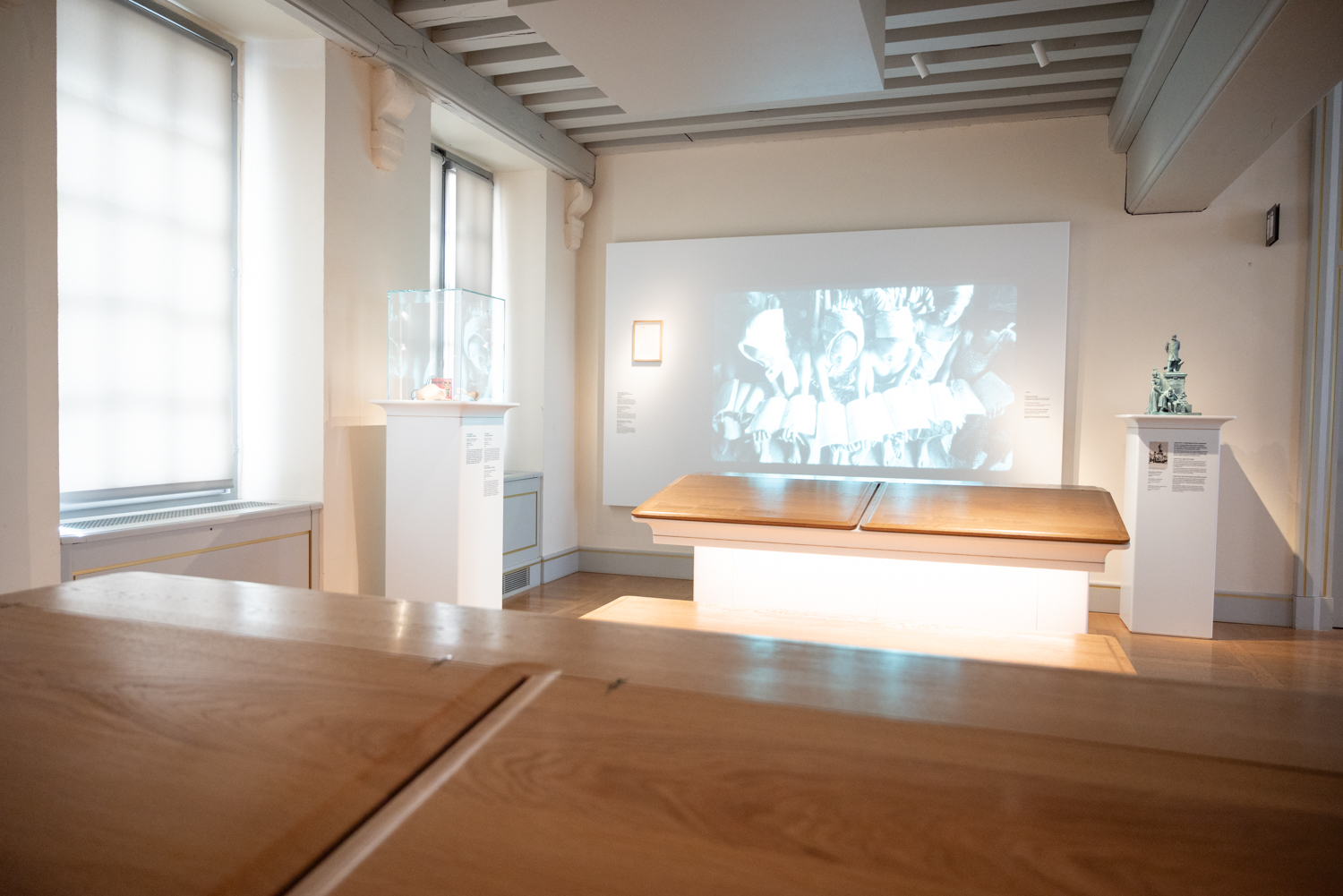
This weekend reminded me of something essential: you don’t always need to go far to be surprised. I thought I knew the Aisne well, yet I left feeling I’d rediscovered my own département. Between reinvented heritage, unusual experiences, food, nature and passionate people, the southern Aisne far exceeded my expectations. A getaway I recommend both to visitors passing through and to locals looking for a change of scene… right on their doorstep. And if you’re visiting Paris, it makes an easy and original escape from the capital.
❓ FAQ – Planning a weekend in the Aisne
What’s the best place for a weekend in the Aisne?
The southern Aisne is ideal for a two-day getaway. Between Château-Thierry, the Champagne vineyards, Villers-Cotterêts and the Forest of Retz, it combines heritage, food, nature and original experiences.
I also share lots of other weekend and getaway ideas in the Aisne and Hauts-de-France here!
Discover my 15 weekend ideas in Hauts-de-France (in French)
How many days do you need to visit the southern Aisne?
Two days let you see the main sights without rushing. You can visit Château-Thierry, the Château de Condé and the Champagne vineyards, enjoy a night in charming accommodation and finish with Villers-Cotterêts and the Cité internationale de la langue française.
When is the best time to visit the southern Aisne?
Spring and summer are the most pleasant seasons, especially for admiring the Champagne vineyards. Autumn also brings beautiful colours to the Forest of Retz.
Can you visit Champagne vineyards in the Aisne?
Yes! The Aisne is part of the Champagne appellation area. Several family-run houses, like Maison Levêque-Dehan, offer visits and tastings, sometimes even aboard a Volkswagen camper van.
Is the Cité internationale de la langue française worth visiting?
Yes, without hesitation. Thanks to a modern design and many interactive displays, the visit appeals to literature lovers and the simply curious alike.
Where to stay for a weekend in the southern Aisne?
For a wellness break, I recommend La Cressonnière, a charming place to stay offering cabins, guest rooms, a spa and a heated pool.
Is a weekend in the Aisne good for couples?
Absolutely. Between great restaurants, walks through the vines, accommodation with a spa and cultural visits, it’s an ideal destination for a romantic weekend.